Toilet Training a Puppy: Step-by-Step Routine
Understanding Puppy Toilet Training
Puppy toilet training is an essential part of welcoming a new furry friend into your home. It involves teaching your puppy where and when to eliminate, helping to create a clean and comfortable living environment. Establishing a routine and using effective methods can make this process smoother for both you and your puppy.
Preparation for Success
Before you begin the toilet training process, there are several preparations you should make:
- Choose a Designated Spot: Select an outdoor area where you want your puppy to relieve itself. This will help create a consistent routine.
- Gather Supplies: Ensure you have necessary items such as poop bags, cleaning supplies for accidents, and your puppy's crate.
- Establish a Schedule: Regular feeding times and bathroom breaks are crucial. Puppies often need to go after eating, playing, or waking up.
Step-by-Step Routine for Puppy Toilet Training
1. Create a Puppy Potty Schedule
Regular bathroom breaks are essential for effective puppy potty training. Puppies typically need to go out:
- After waking up
- After eating or drinking
- After playtime
- Every 1-2 hours during the day
By sticking to a consistent schedule, you can help your puppy learn when it’s time to go outside to eliminate.
2. Use Crate Toilet Training
Crate training is a highly effective method for house training puppies. Since dogs are naturally clean animals, they prefer not to soil their sleeping area. When introducing your puppy to a crate, follow these steps:
- Make the crate a comfortable space with bedding and toys.
- Gradually introduce your puppy to the crate for short periods, increasing the time as they adjust.
- Always take your puppy outside immediately after letting them out of the crate to reinforce the connection between the crate and bathroom breaks.
3. Supervise and Confine
When you cannot supervise your puppy, confine them to a small area using gates or a playpen. This limits their space and reduces the chance of accidents. Remember to divide the area into specific spots for sleeping, playing, and eliminating. This will aid in effective housetraining.
4. Reward and Praise
Positive reinforcement is key to successful puppy toilet training. When your puppy eliminates in the designated area, reward them immediately with praise and a treat. This helps them associate going to the bathroom outside with positive experiences.
5. Clean Up Accidents Properly
Accidents are part of the training process. When they happen, clean the area thoroughly with an enzymatic cleaner to eliminate odors that might attract your puppy back to the same spot. Do not punish your puppy for accidents, as this can create fear and confusion.
Indoor Potty Training Solutions
If outdoor access is limited, consider indoor potty training methods. You can use puppy pads or indoor grass patches as designated potty areas. Ensure to follow a similar routine of taking your puppy to these areas regularly and rewarding them for using them.
Maintaining Consistency
Consistency is critical in puppy toilet training. Stick to the established schedule and routines. Over time, your puppy will learn to associate certain times and places with elimination. Don’t forget that patience is key; every puppy learns at their own pace.
Quality Products for Better Results
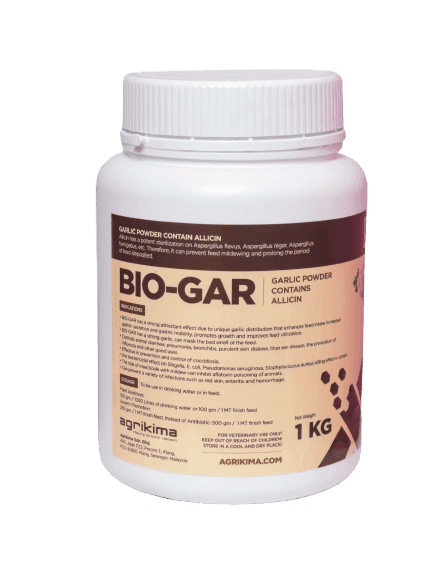
Consider incorporating quality veterinary products and supplements to support your puppy’s health during the training phase. Natural supplements can help maintain digestive health, making it easier for your puppy to have regular bathroom habits.
Conclusion
Puppy toilet training requires commitment, patience, and a structured approach. By following a step-by-step routine that includes a consistent potty schedule, effective crate training, and positive reinforcement, you can successfully house train your puppy. Remember, every puppy is unique, and adapting your approach as needed will lead to a successful training experience.