What it is
Heartwater is caused by Ehrlichia ruminantium, a rickettsia. A rickettsia is a very small germ that can only live inside the cells of an animal. When an infected bont tick feeds on a goat, the germ passes into the blood. It then enters and multiplies inside the cells lining the small blood vessels, especially in the brain, lungs and around the heart. The damaged vessels become leaky, so fluid seeps out into the tissues. Fluid collects around the heart (this is where the name 'heartwater' comes from), in the chest and in the lungs, which makes breathing hard. Swelling and leaking vessels in the brain cause the nervous signs: unsteady walking, circling, chewing movements, twitching and fits. Signs usually appear about two to three weeks after the infected tick bite, although this period varies. By the time nervous signs show, brain damage is often severe, which is why the disease kills so quickly.
Which animals are most at risk
Exotic dairy and meat breeds such as Saanen, Toggenburg, Alpine, Anglo-Nubian and Boer, and their crosses, are the most at risk, particularly when they come from tick-free or well-dipped farms into bont tick areas. Indigenous goats such as the Small East African and Galla are generally more resistant, though they can still fall sick and die. Very young kids often have some natural resistance for a short time after birth, especially when born to immune mothers, so older kids and young adults moved onto infected pasture are a common group to fall sick. Goats that graze bushy or grassy land in warm, wetter areas, free-range and pastoral herds mixing with cattle, and zero-grazed goats fed with cut grass carrying ticks are all exposed. Farms where tick control suddenly stops after years of heavy dipping can also see outbreaks, because the animals never built immunity.
Signs to look for
Early signs
- High fever: the goat feels hot, and a rectal thermometer often reads above 40°C, sometimes over 41°C (normal is roughly 38.5–39.5°C).
- Loss of appetite, standing apart from the herd and looking dull or sleepy.
- Fast or laboured breathing, sometimes with a slight cough.
- Drop in milk yield in milking does.
- Bont ticks attached to the udder, groin, feet, tail area or brisket.
- Some goats have soft dung or diarrhoea.
As it gets worse
- Constant chewing movements, tongue flicking in and out, and twitching of the eyelids or face.
- High-stepping, stiff or wobbly walk, as if stepping over objects.
- Walking in circles, pressing the head against walls, or standing with the head held oddly.
- Falling on the side with legs paddling as if running, head thrown back, and eyes flicking from side to side.
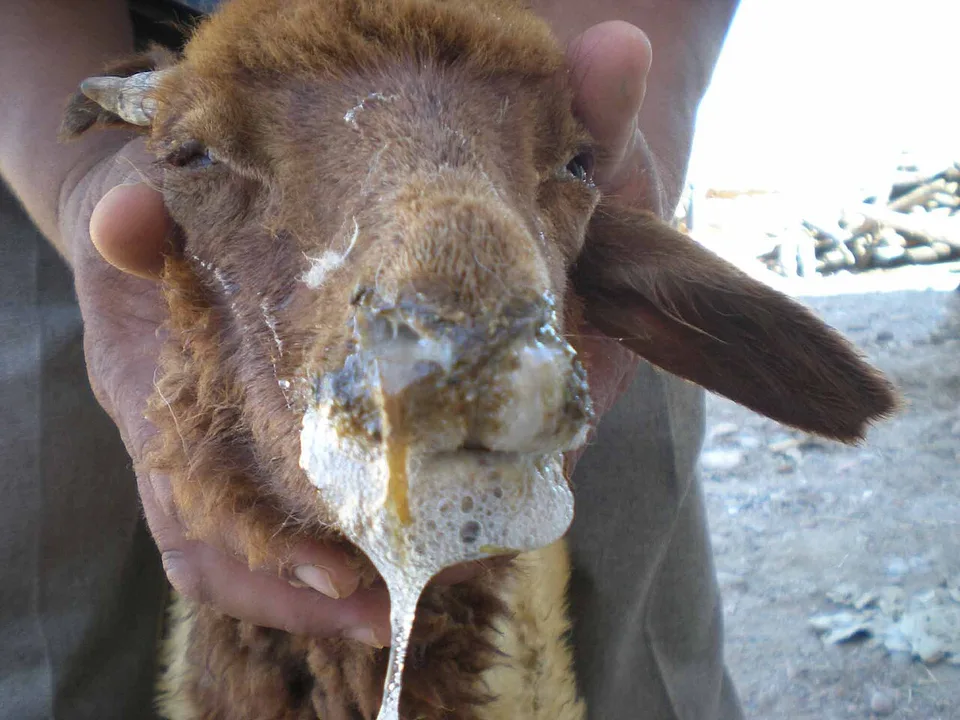
- Frothy fluid from the nose or very difficult breathing as the lungs fill with fluid.
- Sudden death, sometimes with no signs seen beforehand, especially in highly susceptible exotic goats.
What to do right now
- Call your vet or County Veterinary Officer immediately; with heartwater, hours matter, and treatment works best before nervous signs appear.
- Move the sick goat to a quiet, shaded, well-ventilated pen with soft bedding such as dry straw, away from walls or objects it could hit during fits.
- Do not force-drench a goat that is chewing, fitting or lying down, because liquid can go into the lungs and kill it; offer clean water in a shallow container only if it can swallow normally.
- Wear gloves when handling a goat with nervous signs and keep your hands out of its mouth, because rabies can look similar.
- Take the rectal temperature of every goat in the herd, morning and evening, and tell the vet about any goat above about 40°C so they can treat early.
- Check all goats for bont ticks and remove them carefully with gloves, gripping close to the skin; burn or crush them in a closed container, and do not squeeze ticks with bare fingers.
- Stop buying, selling or moving goats until the vet has seen the herd, and keep the herd off the bushiest, most tick-infested grazing for now.
- Write down dates, signs, temperatures, deaths and recent tick treatments so you can give the vet a clear history.
How it spreads
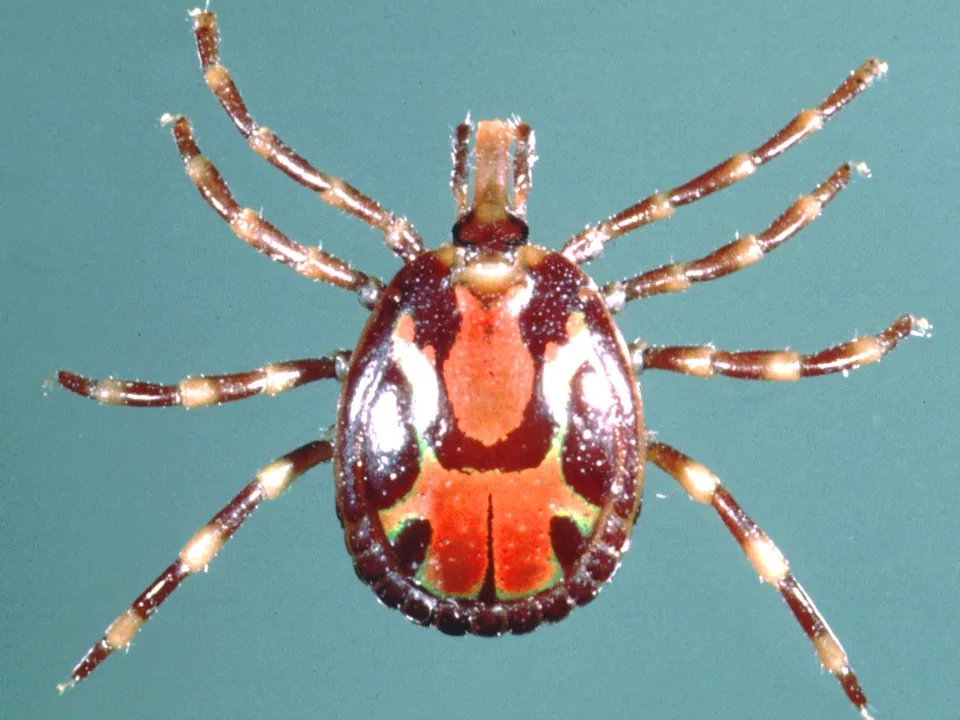
- The main carrier in Kenya and East Africa is the bont tick, Amblyomma variegatum, a large tick with a hard, ornamented back and striped legs.
- Bont ticks pick up the germ by feeding on an infected or carrier animal as young ticks, then pass it on when they feed again at the next stage of their life.
- Bont ticks prefer the lower parts of the body, so check the udder, groin, armpits, under the tail, around the feet and the brisket.
- Recovered animals and wild ruminants can carry the germ quietly for a long time, keeping it in the tick population on that land.
- Buying goats, or moving goats into an area with bont ticks, is a common trigger for outbreaks, because the new animals have no immunity.
- Tick numbers rise during and after the long and short rains, so cases often increase in these seasons.
- Heartwater does not spread directly from goat to goat by contact; ticks are needed, although infected blood (for example from shared needles) can in theory carry the germ.
Could it be something else?
Rabies
Rabies also causes strange behaviour and paralysis, but there is often a history of a dog or wild animal bite, the goat may be aggressive, drool heavily, bleat strangely, and fever is not usually so marked. Rabies is deadly to people and must be reported. If in doubt, do not touch the mouth and tell your vet.
Enterotoxaemia (pulpy kidney)
Caused by Clostridium bacteria after a sudden change to rich feed or grain. It also causes fits and sudden death, but usually in well-fed, fast-growing goats, often with diarrhoea and without a high fever. Vaccination history and recent feed changes help tell them apart.
Polioencephalomalacia (thiamine deficiency)
Goats appear blind, star-gaze with the head bent backwards and may fall, but usually have a normal temperature and no ticks need be involved. It often follows feed changes and goats may improve quickly when a vet gives vitamin B1 (thiamine).
Listeriosis (circling disease)
Linked to spoiled silage or feed. The goat often circles in one direction and has a one-sided droopy ear, eyelid or lip with drooling. It develops more slowly over several days than heartwater.
How it is diagnosed
Your vet will suspect heartwater from high fever followed by nervous signs in goats carrying bont ticks, especially newly bought or exotic animals. In a live goat, a blood sample can be tested by PCR, a laboratory test that detects the germ's genetic material, but results take time, so treatment usually starts on suspicion. After death, a post-mortem is very helpful. The vet often finds yellowish fluid around the heart and in the chest, wet, swollen lungs and froth in the windpipe. The most reliable field test is a brain smear: a small piece of brain is crushed on a glass slide and stained, and under the microscope the germ can be seen as clusters inside the brain's small blood vessel cells. To help your vet, record the temperatures you have taken, when signs started, which goats are affected, any recent purchases or movements, and your tick control and dipping dates. Keep a few ticks in a closed container if possible, and if a goat dies, keep the carcass cool and covered and call the vet quickly for a post-mortem rather than opening it yourself.
Treatment
Heartwater can be treated, but only if treatment starts early, ideally while the goat has fever and before nervous signs are severe. The usual treatment is an antibiotic from the tetracycline group, most commonly oxytetracycline, given by injection; the vet decides the product, route, dose and how many days. Goats that already have fits or are lying paddling often die even with treatment, and some that survive have lasting brain damage. The vet may also give supportive care, such as anti-inflammatory drugs, fluids and careful nursing, and may treat other at-risk goats in the herd that have fever. All treatment must be prescribed by a vet; do not inject leftover or shop-bought antibiotics on your own, because the wrong drug, dose or timing wastes precious time and encourages antimicrobial resistance, where germs stop responding to medicines. Tetracyclines leave residues, so milk and meat from treated goats must not be used or sold until the withdrawal period on the product label, as advised by your vet, has passed. Recovered goats usually develop immunity that lasts for some time, often helped by continued natural low-level tick challenge.
Medicines must be prescribed and dosed by a vet. Always respect milk and meat withdrawal periods, and finish the full course of any antibiotic.
How Agrikima products can help
These support the animal alongside — never instead of — your vet's treatment, vaccination and good management.
Prevention
- Control bont ticks with regular spraying, dipping or pour-on acaricides (tick-killing chemicals) recommended by your vet or agrovet, paying special attention to the udder, groin, feet and tail area.
- Follow the label exactly for dilution and timing, and rotate acaricide types on your vet's advice to slow tick resistance.
- Hand-pick or spot-treat ticks on valuable goats between dips, especially in the long and short rains when tick numbers peak.
- Be careful when introducing exotic or crossbred goats from tick-free areas: keep them under strict tick control, check temperatures daily for the first month or more, and have a vet ready to treat early.
- In zero-grazing units, cut fodder away from bushy edges where possible, and keep the shed and surroundings clear of long grass and bush that shelter ticks.
- Ask your County Veterinary Officer whether any heartwater vaccine or controlled immunisation is available in your area; at present there is no widely used commercial vaccine in Kenya, and the methods used elsewhere in Africa need careful vet supervision.
- Keep goats well fed, watered and dewormed so their bodies cope better with any infection, and avoid stressing new arrivals.
- Talk to your vet about 'endemic stability' if you keep indigenous goats in an area where heartwater is common: completely stopping tick contact can leave animals without immunity, so tick control should be planned rather than suddenly started or stopped.
Risk to people
Heartwater is not considered a meaningful risk to people; human infection with this germ is very rare and not well proven. However, bont ticks can bite people and can carry other germs, such as the one causing African tick-bite fever, so wear gloves when removing ticks and check yourself after working with the herd. Because rabies can look similar, never put bare hands in the mouth of a goat with nervous signs and seek medical advice if you are bitten. Do not use milk or meat from goats treated with antibiotics until the withdrawal period advised by your vet is over, to avoid drug residues in food.
Impact on your farm
Heartwater is one of the costliest diseases for Kenyan dairy goat keepers. A single exotic Saanen or Toggenburg doe represents a large investment, and losing her means losing milk income, future kids and breeding stock. Deaths can be sudden and several goats may be lost in an outbreak, especially soon after buying new animals. Sick goats that survive often lose weight, stop milking for a time and may be left with nervous damage. There are also costs for vet visits, antibiotics, milk discarded during withdrawal periods, and regular acaricides. The fear of heartwater also limits farmers' ability to upgrade herds with improved breeds in tick-infested areas, which holds back productivity.
Outlook and recovery
The outlook depends mostly on how early treatment starts. Goats treated during the fever stage, before nervous signs, have a reasonable chance of recovery. Once a goat is circling, fitting or paddling on its side, the chance of survival is poor, and some survivors have lasting problems. Sudden-death cases cannot be saved. Indigenous goats and those with previous exposure tend to have milder disease than newly introduced exotic breeds. Good nursing in a quiet, shaded pen, with water and soft feed once the goat can swallow, helps recovery. Herds with planned tick control and daily temperature checks on at-risk goats lose far fewer animals.
Common questions
How can I tell heartwater from other diseases before the vet comes?
The typical pattern is a goat with bont ticks that first gets a high fever and stops eating, and then within a day or two starts chewing constantly, walking with high steps, circling and falling with paddling legs. Other diseases such as rabies, pulpy kidney and thiamine deficiency can look similar, so only a vet can confirm it. Take the temperature, note the signs and timing, and call the vet straight away.
Can I treat heartwater myself with oxytetracycline from the agrovet?
You should not. Oxytetracycline is the antibiotic vets commonly use, but the right product, dose, route and length of treatment must be decided by a vet. Wrong use can fail to save the goat, leave residues in milk and meat, and build antibiotic resistance. Call the vet early instead, because early professional treatment gives the best chance.
Why do my new Saanen goats die of heartwater while my local goats stay healthy?
Exotic goats from tick-free or heavily dipped farms have never met the germ, so they have no immunity. Local goats have usually been exposed when young and many have natural resistance. New exotic goats need strict tick control, daily temperature checks for the first weeks, and quick vet treatment at the first fever.
Is there a vaccine for heartwater in Kenya?
There is no widely used commercial heartwater vaccine in Kenya at present. Some other countries use a live blood-based immunisation followed by antibiotic treatment, but it needs careful vet supervision and cold storage. Ask your County Veterinary Officer about what is available. For now, tick control and early treatment are the main tools.
Can a goat that recovers from heartwater get it again?
Goats that recover usually develop immunity that protects them for some time, especially if they keep meeting low numbers of infected ticks. Immunity may weaken if tick contact stops completely, and there are different strains of the germ, so reinfection is possible. Keep up sensible tick control and watch recovered goats for fever.
Does heartwater spread from a sick goat to the rest of my herd?
Not by direct contact. It needs bont ticks to carry it. But if one goat has heartwater, infected ticks are probably on your land, so other goats are also at risk. Check every goat for ticks and fever, and treat the herd against ticks as your vet advises.
A guide, not a diagnosis. This page is general information to help you recognise problems early. Always confirm with a vet or animal health worker before treating.