What it is
Mastitis starts when germs get past the teat opening and multiply inside the milk-producing tissue. The most common culprits in goats are Staphylococcus bacteria. Staphylococcus aureus causes many of the severe cases, including gangrenous mastitis. Other staphylococci often cause low-grade, subclinical infections. Streptococcus, E. coli, Mannheimia and Trueperella (pus-forming bacteria) are also involved, and Mycoplasma can cause mastitis as part of contagious agalactia. Once inside, the bacteria damage the cells lining the milk glands. The body sends white blood cells to fight them, which causes the heat, swelling, pain and clots you see. The milk changes because it fills with pus, fluid and blood. In gangrenous mastitis, toxins from the bacteria block the blood supply to part of the udder. That tissue dies, turns blue-black and goes cold, and the toxins entering the bloodstream make the whole doe very sick. Some infections become chronic. The gland turns hard and lumpy with scar tissue (fibrosis) and may stop producing milk permanently, leaving a 'blind' half.
Which animals are most at risk
Any female goat that is producing milk can get mastitis, but high-yielding dairy does such as Saanen, Toggenburg, Alpine, Anglo-Nubian and their crosses are most at risk. This is especially true in zero-grazing units where many does are hand-milked. Older does and those with large, pendulous udders or long teats that touch the ground are more likely to be injured and infected. The first weeks after kidding and the drying-off period carry the highest risk. Does whose kids have died or been weaned suddenly are also vulnerable, as are does with a past case of mastitis. Cases usually rise during the long and short rains, when pens and paths are wet and muddy and flies breed. Meat goats and kienyeji does in free-range and pastoral systems are also affected, often unnoticed until a kid is starving or the udder is badly damaged. Poorly fed does and those in crowded, dirty housing are at higher risk.
Signs to look for
Early signs
- One half of the udder looks slightly bigger than the other and feels warmer to the back of your hand.
- The affected half is firmer than normal, and the doe flinches, kicks or moves away when you touch or milk it.
- Milk from that teat has small flakes, clots or strings when squirted onto a dark cup or plate (a strip cup).
- Milk yield drops from one side, or the doe gives less milk overall for no clear reason.
- Kids keep nursing on one side only, cry often or look hungry because the sore side is painful or giving bad milk.
- The doe may walk stiffly with a hind leg held out from the swollen side.
As it gets worse
- The half is very swollen, hard, red and hot, and the milk is watery, yellow, brownish, pus-like or stained with blood.
- The doe has a fever, stops eating and chewing the cud, looks dull and stands apart from the herd.
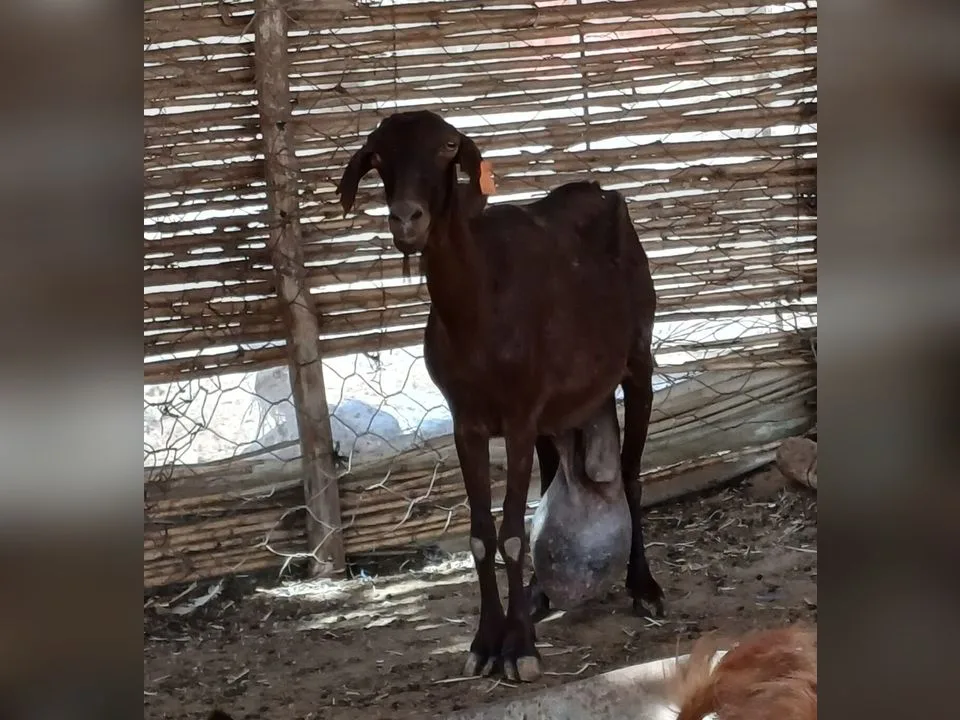
- In gangrenous (blue bag) mastitis, the udder skin and teat turn blue, purple or black and feel cold and clammy. The doe may become weak, go down and die within a day or two without treatment.
- Thin, reddish, foul-smelling fluid comes from the gangrenous teat. Later the dead tissue may crack, ooze and slough away.
- Long-standing cases leave a shrunken, hard or lumpy half that gives little or no milk (a blind quarter).
- Abscesses may form as soft swellings on the udder that burst and drain pus.
What to do right now
- Separate the affected doe into a clean, dry, shaded pen with soft bedding so she is comfortable and cannot spread infection to other does.
- Give her clean, fresh water at all times and good-quality fodder. A sick doe with fever loses fluid quickly and needs to keep drinking.
- Milk the healthy does first and the sick doe last. Wear gloves or wash and dry your hands well afterwards, and use a separate cloth for her udder.
- Strip out the affected half gently and often if she allows it, into a container. Discard that milk safely, for example by burying it away from water sources, not on the ground where animals walk.
- Do not let kids suckle the infected half. Bottle-feed them with milk from healthy does or a suitable replacer until the vet advises.
- Check the udder colour and warmth. If it is turning blue, purple or cold, or the doe is weak, treat it as an emergency and call the vet immediately.
- Record her temperature if you have a thermometer (normal for goats is roughly 38.5 to 40 °C), along with appetite, milk changes and the date. Share this with the vet.
- Do not buy and use antibiotic tubes or injections without a vet's advice. The wrong drug wastes money, adds to antibiotic resistance and leaves residues in the milk.
How it spreads
- Dirty hands, cloths or milking equipment carry bacteria from an infected doe to healthy ones during milking, especially when the infected doe is milked first.
- Wet, muddy or manure-soaked bedding and floors put bacteria directly onto the teats when the doe lies down.
- Teat injuries from thorns, sharp wire, rough pen edges, dog bites or hard-suckling kids give bacteria an easy way in.
- Kids with orf (sore mouth) or teething kids can damage teats and carry infection from one doe to another when they steal milk.
- Incomplete or irregular milking leaves milk sitting in the udder, which helps bacteria grow. Weaning kids suddenly or a doe losing her kids can do the same.
- The days around kidding and drying off are high-risk times because the teat canal is more open and the doe's immunity is lower.
- Flies feeding on teat sores can spread bacteria between animals, especially in the warm, wet months.
- Poor nutrition, including low vitamin E, vitamin A and selenium, weakens the udder's natural defences.
Could it be something else?
Udder oedema (fluid swelling) at kidding
Oedema usually affects both halves evenly. It feels soft and leaves a dent when you press it, and the milk is normal. The doe is bright and eating. Mastitis is usually one-sided, hot and painful, with abnormal milk.
Hard udder from caprine arthritis encephalitis (CAE)
CAE, a viral infection, can cause a firm, 'woody' udder that produces little milk right from kidding. Both halves are often affected, and it is not hot or painful. The milk looks normal and the doe is not feverish. Affected herds may also have goats with swollen knees. A blood test confirms it.
Contagious agalactia (Mycoplasma)
Several does in the herd develop mastitis and their milk dries up. This often comes with lameness or swollen joints, and with eye inflammation in does or kids. If many goats are affected at once with joints and eyes involved, tell your vet so samples can be taken.
Teat injuries, orf or warts
The problem is on the teat skin: cuts, scabs or crusty lesions. The udder itself is soft and the milk is normal. These lesions can lead to mastitis, so treat and watch them closely.
How it is diagnosed
A vet confirms mastitis by examining the whole doe and feeling both udder halves. The vet checks temperature, appetite, colour and warmth of the udder, and looks at milk from each teat. The California Mastitis Test (CMT) is a cheap paddle test in which milk is mixed with a reagent and thickens if it is full of white cells. It helps find hidden subclinical cases. Healthy goat milk naturally has more cells than cow milk, so goat results must be read with care and compared between the two halves. For repeat or herd problems, the vet may collect clean milk samples for culture and antibiotic sensitivity testing at a county or private laboratory. This shows which bacteria are present and which drugs will work. If a doe dies, a post-mortem helps protect the rest of the herd. Before the vet arrives, write down which half is affected, when you first noticed it, and how the milk looks. Note when she kidded, any past mastitis, and any treatments already given, including tubes or injections bought from the agrovet. Keep a clean container of her milk aside, unmixed, so the vet can see it.
Treatment
Treatment depends on how severe the case is and which bacteria are involved, and it must be prescribed by a vet. For mild to moderate cases, vets usually use antibiotics infused into the teat (intramammary tubes). Systemic antibiotics by injection are added for more serious cases. Commonly used drug classes include penicillins, cephalosporins, macrolides and tetracyclines, ideally chosen after culture and sensitivity testing. Anti-inflammatory pain relief such as meloxicam or flunixin is often given to reduce pain, swelling and fever, which helps the doe eat and let down milk. Frequent stripping out of the infected half is an important part of treatment. Gangrenous mastitis needs aggressive emergency care: strong systemic antibiotics, pain relief, fluids and supportive care. Sometimes the vet amputates the teat or removes the dead half surgically so it can drain and heal. Even when the doe survives, that half will not produce milk again. Chronic, hard, recurring cases may respond poorly, and the vet may advise drying off the half with dry-cow therapy or culling the doe. Many mastitis products are labelled for cattle, not goats, so the vet will set a safe milk and meat withdrawal period. This is the time you must throw away milk and not sell or slaughter the animal. Follow it strictly. Always finish the full course as prescribed, and never use antibiotics 'just in case'. Misuse breeds resistant bacteria that no longer respond to treatment.
Medicines must be prescribed and dosed by a vet. Always respect milk and meat withdrawal periods, and finish the full course of any antibiotic.
How Agrikima products can help
These support the animal alongside — never instead of — your vet's treatment, vaccination and good management.
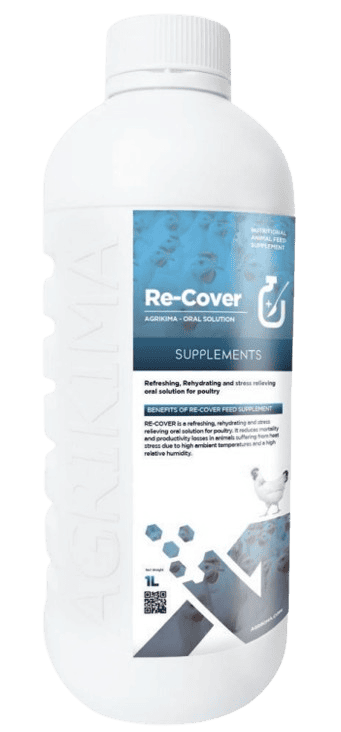
RE-COVER
An oral rehydration solution that can help a feverish, off-feed doe keep up her fluid and electrolyte intake during recovery, especially in hot weather. It is used alongside, not instead of, the treatment your vet prescribes.
View product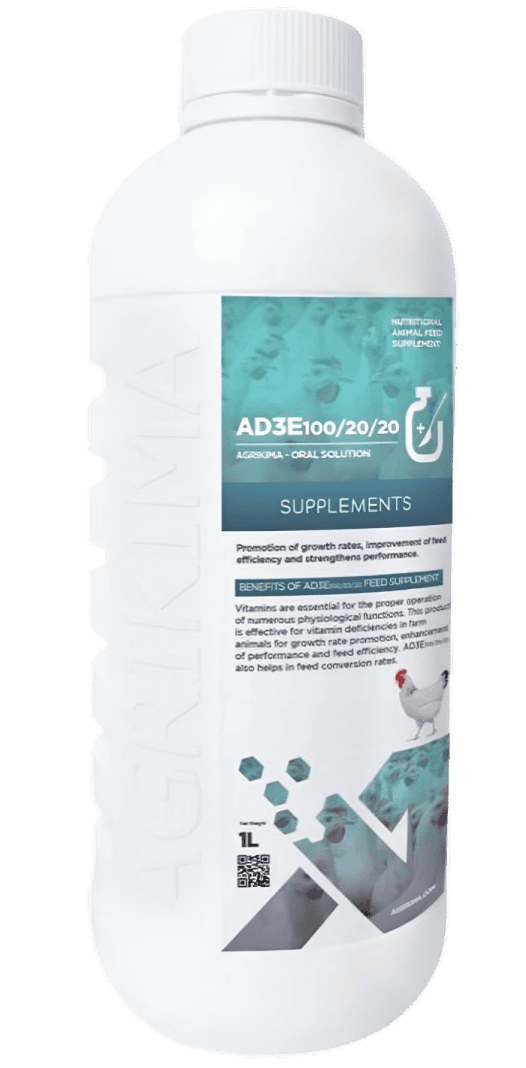
AD3E 100/20/20
A vitamin A, D3 and E supplement that can help correct deficiencies on poor or dry-season diets. Vitamins A and E support healthy udder skin and natural immune defences, so it can form part of a wider prevention and recovery plan with good hygiene and vet care. It does not treat infection.
View productPrevention
- Milk in a clean place with clean, dry hands, and use a clean individual cloth or paper towel to wipe each doe's teats before milking.
- Use a strip cup at every milking to check the first squirts of milk from each teat for clots or changes. This catches mastitis days before the udder swells.
- Dip each teat in a suitable teat dip right after milking, and keep the doe standing for a while afterwards by giving her feed, so the teat canal closes before she lies down.
- Keep the milking order: young and healthy does first, does with past mastitis next, and any infected doe last.
- Keep housing dry and clean. Raised slatted floors, regular removal of manure and wet bedding, and good drainage during the long and short rains make a big difference.
- Remove sharp wire, nails, thorny branches and rough edges from pens and feeding areas, and control dogs to prevent teat injuries.
- Test the herd with the CMT regularly, for example monthly, to find hidden infections. Ask your vet about treating or culling does that keep getting mastitis.
- Dry off does properly at the end of lactation as your vet advises. Selective dry-off treatment may be recommended for does with past infections.
- Feed a balanced diet with enough energy, protein, minerals and vitamins, especially vitamins A and E and selenium, to support the udder's natural defences.
- Control flies and treat orf and teat sores in kids and does promptly. Wean kids gradually so the udder is not left suddenly full.
Risk to people
Milk from a doe with mastitis can contain bacteria such as Staphylococcus aureus. This germ can produce toxins that cause vomiting and diarrhoea in people, and some of these toxins are not destroyed by boiling. Do not drink, sell or feed to children milk from an infected half or a sick doe, and dispose of it safely. Milk from does treated with antibiotics contains drug residues until the withdrawal period is over. Residues can trigger allergies and contribute to antibiotic resistance in people, so never sell or drink this milk early. Raw goat milk can also carry other diseases such as brucellosis, so always boil or pasteurise milk from healthy does before drinking. Wear gloves or wash your hands well after handling an infected udder, especially if you have cuts on your hands, and keep gangrenous fluid away from your skin.
Impact on your farm
Mastitis hits a goat farm in several ways. Milk yield drops, often for the rest of the lactation, and milk from treated does must be thrown away during treatment and the withdrawal period. For a smallholder selling goat milk to neighbours, a cooperative or a processor, that is lost daily income. A damaged half may never milk again, so the doe's value as a dairy animal falls. Kids of affected does grow poorly or die from hunger unless they are hand-fed, which adds cost and labour. Vet visits, drugs and lab tests add up, and gangrenous cases can kill a valuable doe within days. Chronic carriers keep spreading infection in the herd, and repeated cases often end in early culling, losing years of production and breeding value. Hidden subclinical mastitis is especially costly because it quietly lowers yields across the herd without the farmer noticing.
Outlook and recovery
The outlook depends on how early mastitis is caught and what type it is. Mild cases found early with the strip cup or CMT and treated promptly often recover well, and the half may return to normal or near-normal production. Moderate cases usually save the doe, but milk from that side may stay lower. Gangrenous mastitis is serious. Many does die without fast treatment, and even survivors lose the affected half permanently, though some can still raise kids on the other side. Chronic infections with hard, lumpy tissue rarely clear fully and often come back. Fast action, the right drug chosen with your vet, good nursing and a clean environment all improve the chances.
Common questions
Can I drink or sell milk from the healthy half while the other half is infected?
It is safest not to. Infection and treatment affect the whole doe, and antibiotics given by injection or into one teat can appear in milk from both halves. Discard all her milk until your vet confirms the infection has cleared and the withdrawal period is over. Then boil or pasteurise it as you would any goat milk.
Will the doe milk again on the infected side?
After a mild case treated early, usually yes, though yield may be a bit lower. After severe, chronic or gangrenous mastitis, the half is often permanently damaged or lost. Many such does can still feed kids or give milk from the healthy side, so talk to your vet about whether to keep her for breeding or cull her.
Can I use the mastitis tubes the agrovet sells for cows?
Only if a vet prescribes them. Goat teats are smaller and need careful, clean insertion, and the wrong drug may not work against the bacteria involved. Cow products are not set up for goats, so the vet must give a safe withdrawal period. Using tubes without advice also adds to antibiotic resistance.
Why does mastitis keep coming back in my herd?
Repeat cases usually point to hygiene or management problems. Common causes are wet, dirty bedding, poor milking routine, infected does milked before healthy ones, teat injuries, or chronic carrier does spreading bacteria. Ask your vet for milk culture to identify the germ. Review your milking routine and housing, use teat dips and the CMT, and consider culling does that never fully clear.
Can the kids still suckle a doe with mastitis?
Keep kids off the infected half. The milk is poor, may carry germs that make them sick, and suckling causes the doe pain. Kids can also spread infection to other does. If both halves are affected or the doe is very ill, bottle-feed the kids with milk from healthy does or a goat-suitable replacer, and make sure newborns get colostrum.
Is blue bag the same as ordinary mastitis?
It is the most severe form of mastitis, usually caused by Staphylococcus aureus toxins that kill the udder tissue. The udder turns blue or black and goes cold, and the doe becomes very sick. It is an emergency. Call your vet immediately, because without fast treatment many does die.
A guide, not a diagnosis. This page is general information to help you recognise problems early. Always confirm with a vet or animal health worker before treating.