What it is
In late pregnancy most of the kids' growth happens, and they use large amounts of glucose (blood sugar) from the mother. Twins and triplets need much more than a single kid. At the same time the womb takes up space in the belly, so the doe cannot eat as much. If her feed does not give enough energy, her body breaks down stored fat to make up the gap. The liver cannot process this flood of fat properly. Fat builds up in the liver (fatty liver), and the liver produces ketones, which are acid substances that build up in the blood. High ketones and low blood sugar affect the brain, which is why the doe becomes dull, blind, wobbly and confused. As the disease goes on, her kidneys and liver begin to fail, the kids may die inside her, and dead kids release toxins that make her worse. Very fat does are at high risk because they eat less and have large fat stores to break down, but thin does in poor condition are also at risk because they simply do not have enough energy coming in.
Which animals are most at risk
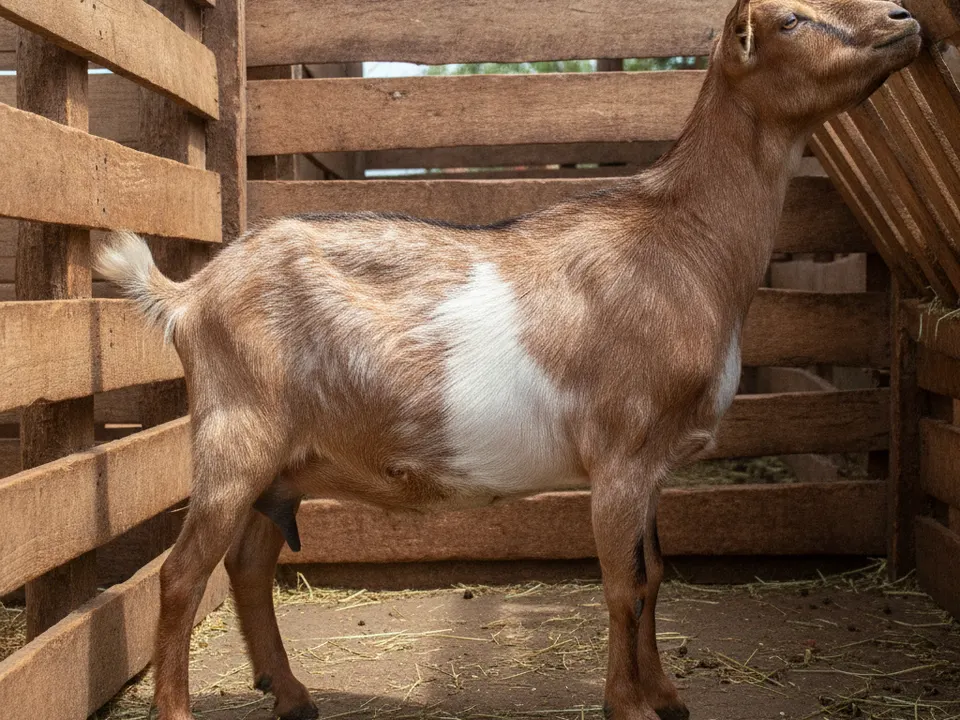
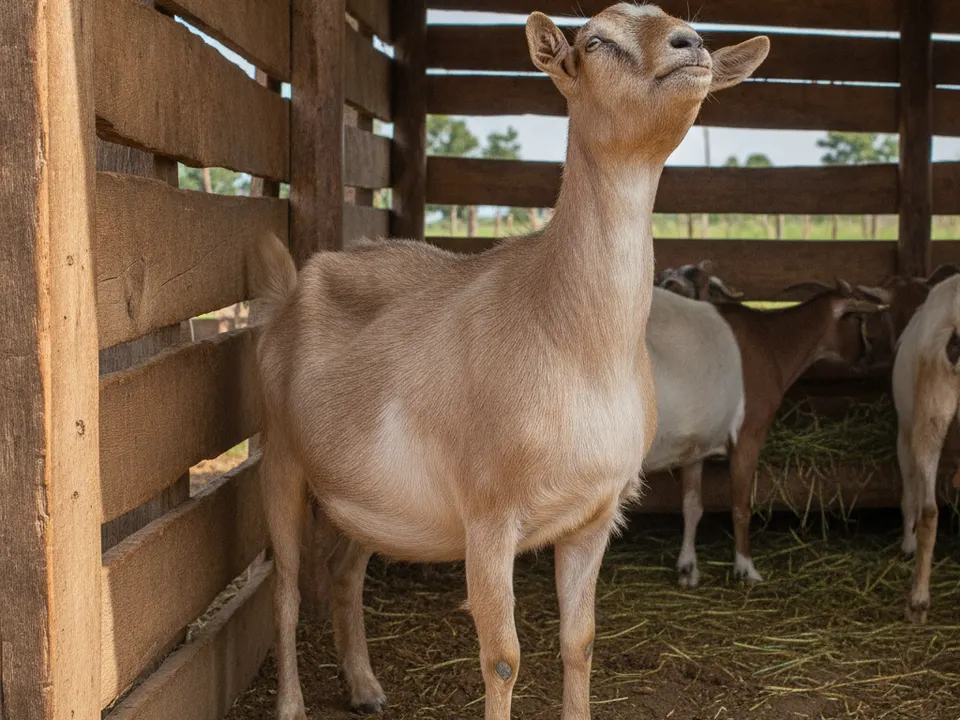
Does in the last four to six weeks of pregnancy are at risk, especially those carrying twins, triplets or more. High-producing dairy breeds and their crosses kept in zero-grazing units (for example Toggenburg, Saanen, Alpine and Anglo-Nubian crosses) are commonly affected, but local breeds such as Galla and Small East African goats can also suffer, especially in pastoral and free-range systems during the long dry season or drought, when kidding falls at a time of poor grazing. Very fat does, very thin does, older does, does with bad teeth or lameness, and does with heavy worm loads are at higher risk. Herds where kidding is not planned, so farmers do not know which does are close to kidding, often miss the early signs.
Signs to look for
Early signs
- She is slow to come to feed, leaves her concentrate or eats less than usual, often refusing grain or dairy meal first.
- She separates from the group, lags behind when the herd moves, or stands alone in a corner of the pen.
- She looks dull and sleepy and is less alert to people, dogs or noise around her.
- She may seem unable to see well, bumping into walls, feeders or other goats, or not reacting when a hand moves near her eye.
- Her breath or urine may have a sweet, nail-polish-like smell from the ketones, though not everyone can smell this.
- She may have mild muscle tremors, especially around the ears, lips and face.
- Her droppings may become fewer, small and dry.
As it gets worse
- She grinds her teeth, which you can hear as a scraping sound, a sign of pain and distress.
- She holds her head up in a stargazing position, presses her head against a wall, walks in circles, or twitches and has fits.
- She becomes fully blind and does not respond to her surroundings.
- She lies down most of the time, rests her head on her side or flank, and cannot or will not get up.
- Her belly may become swollen and she may breathe fast, with signs of dehydration such as sunken eyes and dry gums.
- She may abort or the kids may die inside her, which often makes her decline faster.
- Without treatment she slips into a coma and usually dies within a few days.
What to do right now
- Call your vet or animal health provider immediately, and tell them the doe is heavily pregnant and showing nervous signs, because this is treated as an emergency.
- Move her gently to a quiet, clean, dry, shaded pen with soft bedding, away from stronger goats that may push or butt her, but within sight or sound of a companion to reduce stress.
- If she is lying down, prop her up on her chest using bags of feed or bales on either side, and turn her to the other side every few hours, as lying flat on her side can cause bloat and breathing problems.
- Offer clean fresh water within easy reach, and tempt her with her favourite palatable feeds such as good leafy hay, fresh sweet potato vines, lucerne or fresh browse, but never force feed or pour liquids into the mouth of a doe that cannot swallow properly, as it can go into her lungs.
- Do not give any drug, injection or home remedy on your own, and do not try to pull kids out unless she is actually in labour and your vet has guided you, to avoid tearing or infection.
- Check all the other does in late pregnancy straight away, as they are on the same feed and may be in the early stage, and tell your vet about any that are eating less or standing apart.
- Wear gloves if she aborts or kids, handle dead kids and afterbirth carefully, bury or dispose of them properly, and wash your hands well, because birth fluids can carry other infections.
- Write down when the signs started, what she has eaten, her expected kidding date, and any changes you notice, so the vet can act quickly.
How it spreads
- It is not infectious and does not spread from goat to goat, but several does in the same herd can be affected at the same time because they share the same poor feeding.
- A drop in feed quality or quantity in late pregnancy is the main trigger, for example in the dry season or during drought when pasture is poor.
- Sudden changes in feed, running out of hay, or delays in feeding can tip a doe that is already on the edge into disease.
- Stress can trigger it, including transport, heavy rain and cold, chasing by dogs, rough handling, moving to new housing, or fighting at a crowded feeding trough.
- Other illnesses reduce appetite and can start it off, such as heavy worm burdens (especially wireworm, which causes anaemia), foot rot or lameness, bad teeth, or a tick-borne fever.
- Being overfat at mating and in early pregnancy, often from too much concentrate, raises the risk later in pregnancy.
- Timid, old or low-ranking does that are pushed away from feed by stronger goats are more likely to be affected.
Could it be something else?
Hypocalcaemia (milk fever, low blood calcium)
Also strikes does around late pregnancy and kidding and can occur together with pregnancy toxaemia. Does with low calcium are often weak and wobbly with cold ears, and a vet's calcium treatment usually brings quick improvement. Pregnancy toxaemia develops more slowly, with blindness, confusion and ketones in urine, and does not fully respond to calcium alone. Your vet may treat for both.
Polioencephalomalacia (thiamine or vitamin B1 deficiency)
Causes blindness, stargazing and fits, but can affect goats of any age or sex, not only heavily pregnant does. It often follows a sudden switch to rich feed or grain. Affected goats usually improve quickly with thiamine injections from a vet, and urine ketone tests are normally not high.
Listeriosis (circling disease)
Often linked to spoiled silage or rotting feed. Goats circle in one direction and have one-sided signs such as a drooping ear, eyelid or lip and dribbling saliva from one side. It can affect any goat, not only late-pregnant ones, and it can also infect people, so wear gloves.
Heartwater (East Coast heartwater, a tick-borne disease)
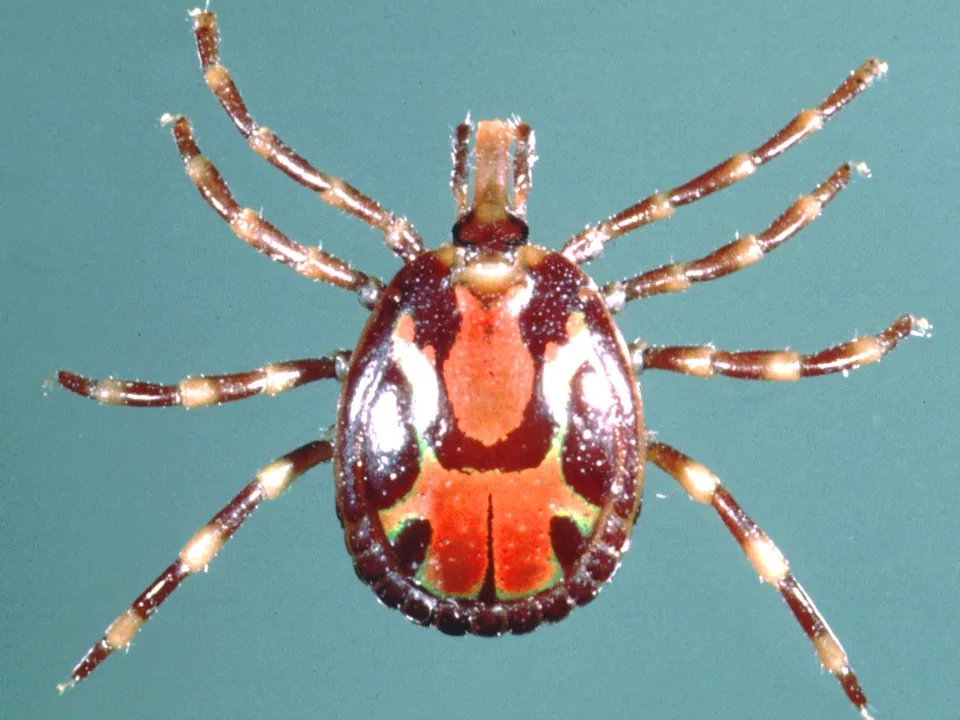
Spread by bont ticks and causes a high fever, chewing movements, high-stepping walk, fits and sudden death in goats of any age. Pregnancy toxaemia does not usually cause a high fever at the start. Check for ticks, take her temperature and tell the vet about tick control.
How it is diagnosed
A vet usually suspects pregnancy toxaemia from the history: a doe in the last weeks of pregnancy, often with a big belly suggesting twins or triplets, who has stopped eating and shows nervous signs. The vet will examine her, check her temperature, hydration, eyesight and reflexes, and may feel or scan the belly to count the kids and check if they are alive. The most useful quick tests measure ketones. A drop of blood can be tested with a hand-held ketone meter, or urine can be tested with ketone strips, and high levels confirm the diagnosis. Blood sugar may be low or, later in the disease, unexpectedly high. Blood tests in a laboratory can also check calcium, kidney and liver function. Ultrasound, where available, helps the vet decide whether the kids are alive and whether to induce kidding or do a caesarean. If a doe dies, a post-mortem usually shows a pale, yellow, greasy fatty liver and two or more kids in the womb. To help your vet, write down her mating or expected kidding date if known, what she has been fed in the last month and any recent changes, when she last ate, any recent deworming or stress, and whether other does are off feed. If she passes urine, you can collect some in a clean container for testing.
Treatment
Treatment aims to give the doe energy quickly, correct dehydration and acid build-up, and often to remove the cause, which is the heavy pregnancy. In early cases a vet commonly prescribes an oral energy source such as propylene glycol or glycerol, given by drench for several days, often with calcium, as low calcium frequently occurs at the same time. Sicker does may need glucose (dextrose) and fluids given into the vein, B vitamins, and sometimes insulin or other supportive drugs. If the doe is close to her due date, or not responding, the vet may decide to end the pregnancy. In goats this is usually done by inducing kidding with a prostaglandin injection, sometimes with a corticosteroid such as dexamethasone, and kids are typically born a day or two later. In very sick does, or where kids are dead, a caesarean section may be the best option to save the doe. Kids born early may be weak and need warmth, colostrum and careful nursing. Antibiotics may be used if there are dead kids, a retained afterbirth or surgery, because of the risk of infection, and these should only be used when a vet decides they are needed, at the full prescribed course, to avoid antimicrobial resistance (germs becoming resistant to drugs). All treatments, doses and schedules must be prescribed by a vet. Many of the drugs used, including antibiotics and some hormones, have milk and meat withdrawal periods, so ask your vet how long to discard milk and how long before the doe can be slaughtered. Expect daily check-ups in the first days; improvement, if it comes, is usually seen as a return of appetite.
Medicines must be prescribed and dosed by a vet. Always respect milk and meat withdrawal periods, and finish the full course of any antibiotic.
How Agrikima products can help
These support the animal alongside — never instead of — your vet's treatment, vaccination and good management.
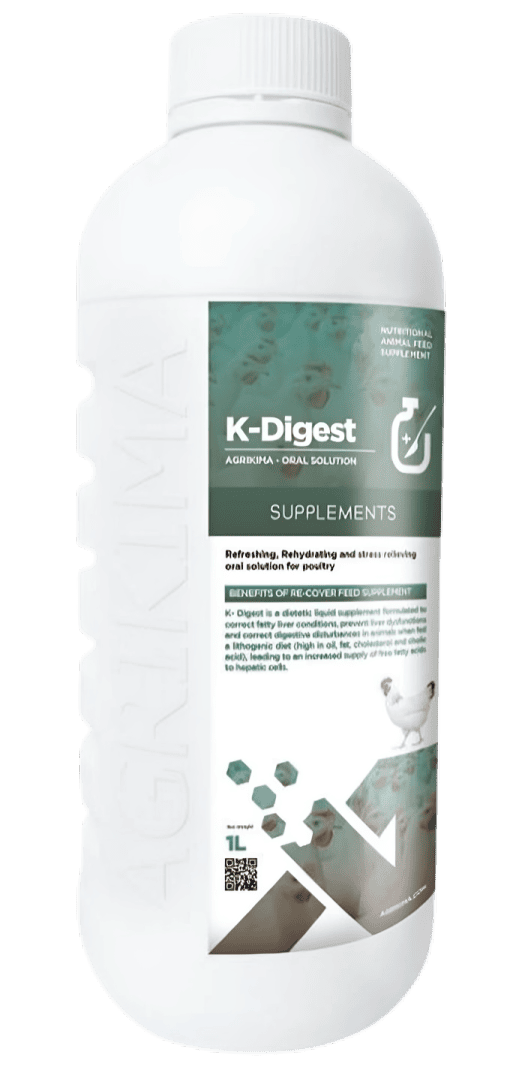
K-DIGEST
Can be used as a supportive aid for liver function and digestive stress in late-pregnant does and during recovery, as advised by your vet, alongside proper energy feeding and vet treatment; it does not treat pregnancy toxaemia or replace the vet's energy and fluid therapy.
View product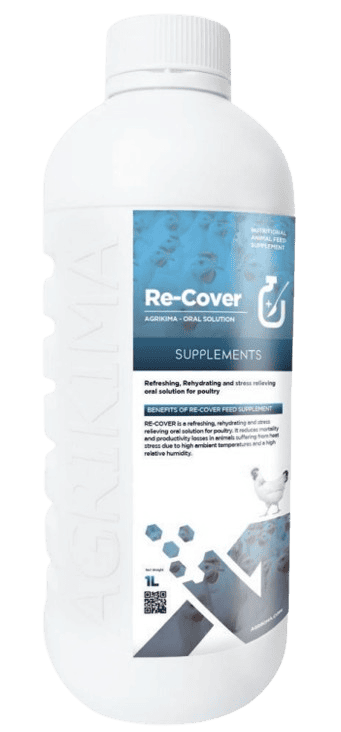
RE-COVER
An oral rehydration solution that may help a recovering doe stay hydrated when she is alert and swallowing normally, used only with your vet's guidance and never forced into a doe that is dull or lying down; it supports recovery but does not cure the condition.
View productPrevention
- Plan breeding and keep records of mating dates so you know which does are in the last six weeks of pregnancy and can feed and watch them more closely.
- Aim for does in moderate body condition at mating, neither fat nor thin, by checking body condition regularly by feeling over the back and ribs, and adjust feeding gradually.
- In the last four to six weeks of pregnancy, slowly increase the energy in the diet with good quality hay, legumes such as lucerne or desmodium, and a small, gradually rising amount of concentrate such as dairy meal or maize germ, as advised by your extension officer or vet.
- Avoid sudden feed changes and never let late-pregnant does go hungry, especially during the dry season or drought; store hay, silage or crop residues ahead of time and use them before pasture runs out.
- Give enough trough space so all does can eat at the same time, and separate late-pregnant does or timid, old and thin does so stronger goats do not push them away from feed.
- Control worms, especially wireworm, with a planned programme based on vet advice, and check eyelids for paleness, as anaemic does eat less and are at higher risk.
- Keep feet trimmed and treat lameness, check teeth of older does, and control ticks, because any illness that reduces appetite can trigger the disease.
- Reduce stress in late pregnancy by avoiding long transport, rough handling, overcrowding, cold and wet housing, and attacks by dogs, and provide dry, draught-free shelter during the rains.
- Where possible, ask your vet about scanning does to find those carrying multiple kids, and give them extra attention and feed.
- Provide a balanced mineral lick with salt, calcium and phosphorus, and fresh clean water at all times.
Impact on your farm
Pregnancy toxaemia can cost a smallholder dearly. A doe that dies takes with her the kids she was carrying, so one case can mean the loss of two or three animals at once. For dairy goat keepers, losing a good doe also means losing a whole lactation of milk, which is often a key source of household nutrition and cash. Treatment, vet visits, possible caesarean and nursing of weak premature kids add costs. Does that survive may have a slow recovery, produce less milk, have a retained afterbirth, or take longer to get back in kid. When several does are affected in a herd, especially in drought years in pastoral areas, it can wipe out a season's kid crop. Because it is largely caused by feeding, good planning of late-pregnancy nutrition is one of the best-value investments a goat farmer can make.
Outlook and recovery
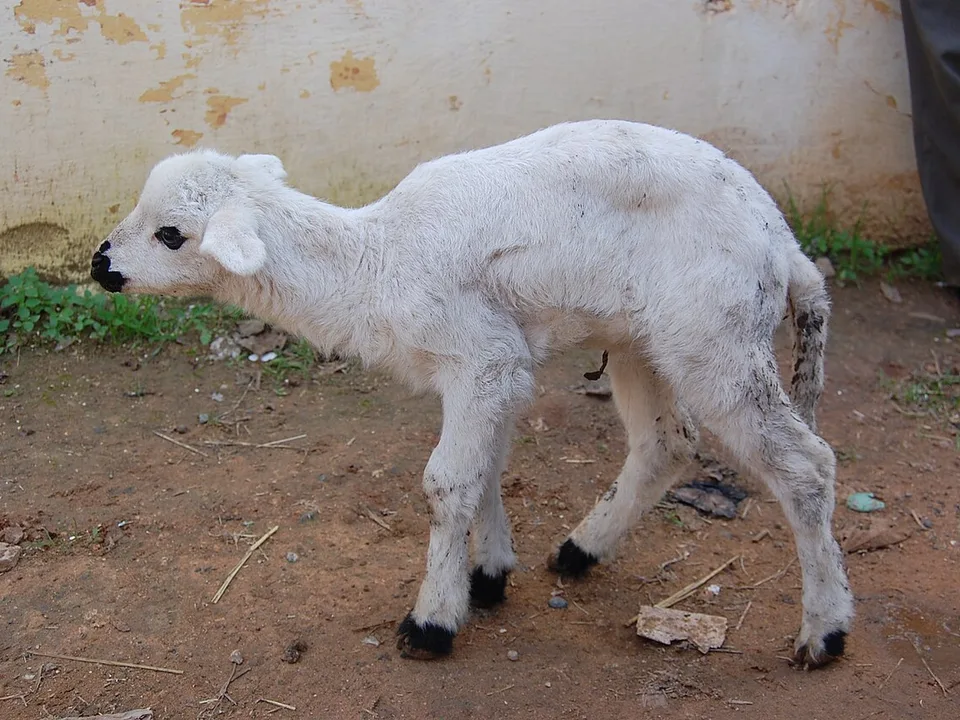
The outlook depends strongly on how early treatment begins. Does treated in the early stage, while still standing and eating a little, have a reasonable chance of recovery, especially if the kids are born or removed soon after. Once a doe is lying down, blind or in a coma, the chances fall sharply and many die even with intensive vet care. Does carrying dead kids, very fat does, and those with liver or kidney failure have a poorer outlook. Kids may survive if they are close to full term and delivered in time, but premature or weak kids need careful nursing. A doe that recovers can kid normally in future, but she should be managed carefully in her next pregnancy, as the same feeding and conditions can cause it again.
Common questions
Why does it mostly happen to does carrying twins or triplets?
Kids grow fastest in the last weeks of pregnancy and need a lot of sugar from the mother. Two or three kids need much more energy than one, while the big womb presses on the stomach so the doe cannot eat more to keep up. That gap between what she eats and what the kids need is what leads to the disease.
My doe is very fat. Isn't that good for pregnancy?
No. Very fat does are actually at higher risk. Fat inside the belly reduces the space for feed, so they eat less, and when they start breaking down their large fat stores, the liver gets overloaded. The goal is moderate body condition, where you can feel the backbone and ribs with gentle pressure but they are not sharp.
Can I just give her sugar or glucose water at home?
Do not give home remedies or drugs without your vet, and never pour liquid into the mouth of a doe that is dull or lying down, as it can go into her lungs and cause pneumonia. Ordinary sugar is also not an effective treatment for this condition in goats. Your vet can prescribe the right energy drench and other treatment, and will tell you how to give it safely.
Will the vet have to remove the kids?
Not always. If treatment starts early, some does recover and kid normally. But if she is close to her due date, not improving, or the kids have died, the vet may induce kidding or do a caesarean, because removing the pregnancy is often what saves the doe. The vet will explain the chances for both the doe and the kids.
Is it contagious? Should I worry about my other goats?
It is not contagious, so other goats cannot catch it from her. But other late-pregnant does on the same feed are at the same risk, so check them all at once, look for any that are eating less or standing alone, and improve the feeding of the whole group straight away.
How much concentrate should I give in late pregnancy?
It depends on the breed, body condition, number of kids expected, and the quality of the forage you have. Increase concentrate slowly over the last four to six weeks, never in sudden large amounts, and make sure good hay or browse is always available. Your extension officer or vet can help you work out a ration that suits your goats and your feeds.
A guide, not a diagnosis. This page is general information to help you recognise problems early. Always confirm with a vet or animal health worker before treating.