What it is
Moulds such as Aspergillus and Fusarium grow on maize, sorghum, groundnuts, cotton and sunflower seed cake, maize bran and wet by-products like brewers' waste (machicha). Some moulds grow in the field during wet or drought-stressed seasons, and others grow later in damp, poorly ventilated stores. As they grow, they produce mycotoxins, which are chemical poisons. These poisons are not killed by cooking, boiling or drying, and feed can carry dangerous levels even when it does not look very mouldy. Each toxin harms the body in its own way. Aflatoxin damages the liver, the organ that cleans the blood and processes nutrients, so pigs grow poorly, may turn yellow (jaundice) and lose their resistance to infection. Zearalenone copies the female hormone oestrogen, so it makes the vulva swell, causes false heat and disturbs pregnancy. Deoxynivalenol, also called vomitoxin, makes pigs refuse feed and sometimes vomit. Fumonisins can cause fluid in the lungs (porcine pulmonary oedema) and liver damage. Ochratoxin damages the kidneys. A single feed often contains several toxins at once, and together they can do more harm than any one alone.
Which animals are most at risk
All pigs can be affected, but young growing pigs, weaners and breeding animals suffer most. Prepubertal gilts (young females that have not yet come on heat) show the most obvious zearalenone signs, and sows and boars can lose fertility. Suckling piglets are at risk through the sow's milk. Risk rises during and after the long and short rains, when grain is hard to dry, and in hot humid conditions that favour mould. Farms in areas with known aflatoxin problems in maize, such as parts of Eastern and Lower Eastern Kenya, need extra care. Smallholders who mix their own feed from bran, local maize and by-products, or who buy cheap feed without knowing its source, face higher risk than those using tested commercial feed. Zero-grazing style pig units and free-ranging pigs fed on swill and leftovers can both be affected.
Signs to look for
Early signs
- Pigs eat less than usual, leave feed in the trough, or sniff and walk away from a new batch of feed.
- Growers and finishers grow slowly and uneven, with some pigs falling behind their penmates despite eating.
- Coats look rough and dull, and pigs seem less lively than normal.
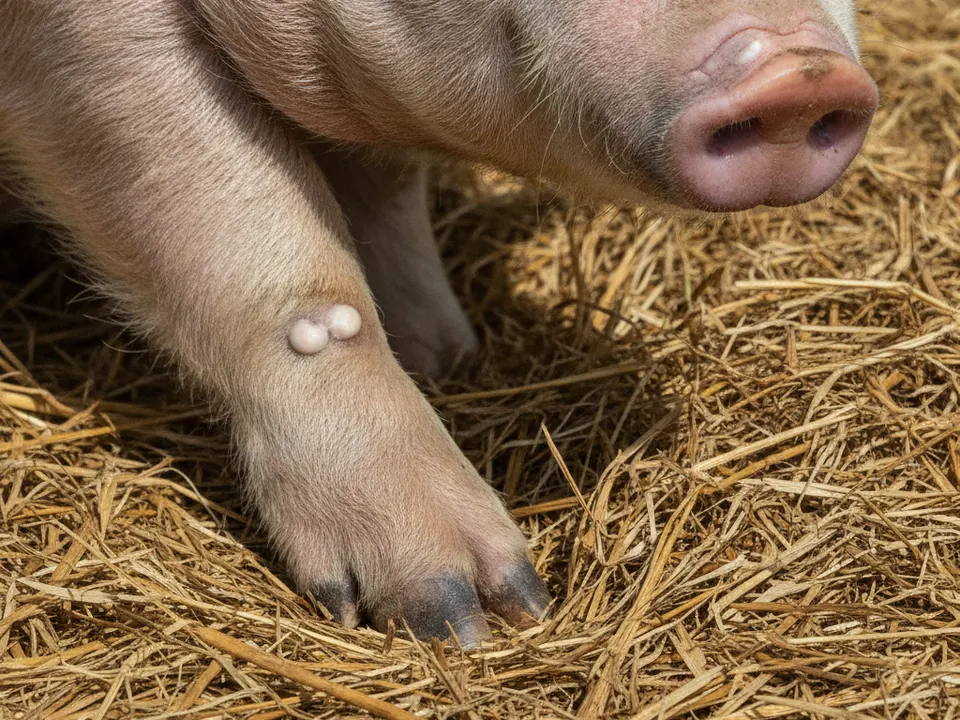
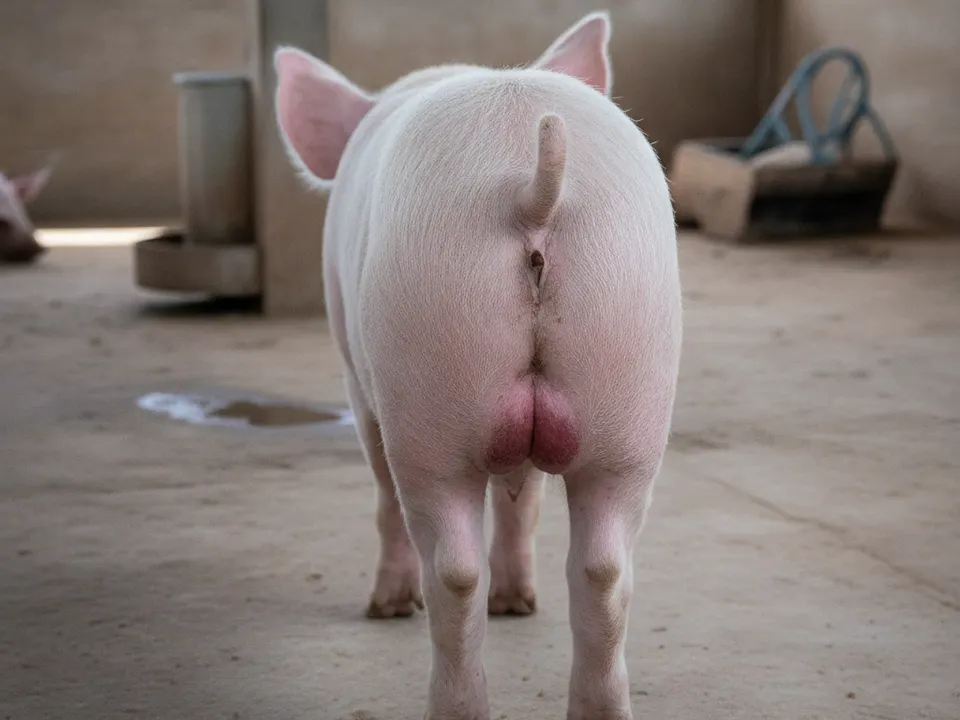
- Young gilts develop a swollen, red vulva, sometimes with a little discharge, even though they are too young to be on heat.
- Teats and udders swell in young gilts and sometimes in piglets, and boars or male piglets may show a swollen sheath.
- Sows show false heat, irregular heat, no heat at all, or keep returning to the boar after service.
- Some pigs vomit soon after eating, which points strongly to vomitoxin in the feed.
- More pigs than usual fall sick with ordinary infections such as diarrhoea or coughs, because their immunity is weakened.
As it gets worse
- Yellowing of the gums, eyes or pale skin (jaundice), showing serious liver damage from aflatoxin.
- Straining and prolapse, where the vagina or rectum pushes out of the body, especially in gilts affected by zearalenone.
- Small litters, weak or splay-legged piglets, mummified or stillborn piglets, early pregnancy loss and sometimes abortion.
- Severe weight loss, dark or bloody dung, and bleeding or bruising under the skin caused by liver failure.
- Sudden breathing difficulty, open-mouth breathing and purple skin, which can follow high fumonisin levels and may end in death within hours.
- Drinking and urinating much more than usual, which can signal kidney damage from ochratoxin.
- Sudden deaths of several pigs after a heavily contaminated batch of feed.
What to do right now
- Stop feeding the suspect feed immediately and switch to fresh, clean feed from a trusted source, ideally from a different batch or supplier.
- Keep a well-mixed sample of the suspect feed in a dry, labelled bag for the vet and laboratory, and record where and when you bought it.
- Empty, scrub and dry all feeders and troughs to remove caked or old feed, and do not mix leftover suspect feed into the new ration.
- Give plenty of clean, fresh water at all times, because sick pigs with liver or kidney damage need it and may drink more.
- Separate gilts or sows with prolapses into a clean, dry, well-bedded pen where other pigs cannot bite them, and keep the prolapsed tissue clean and moist with clean wet cloth until the vet arrives.
- Keep sick pigs cool, shaded and calm, and avoid moving, mixing or stressing them.
- Wear a dust mask and gloves when handling mouldy grain or bran, and wash your hands afterwards.
- Do not give antibiotics, hormones or other drugs without your vet's advice, and call the vet promptly, especially if pigs are jaundiced, struggling to breathe or dying.
How it spreads
- Mycotoxin poisoning is not contagious and does not pass from pig to pig; every affected animal ate the contaminated feed.
- Maize harvested wet or left on the ground during the long or short rains is a major source, especially if it was not dried properly before storage.
- Grain and bran stored in sacks on the floor or against damp walls, or in leaking stores, can grow mould and build up toxins over weeks.
- Wet by-products such as brewers' waste, spent grains and kitchen leftovers can go mouldy within a few days in warm weather if not used quickly.
- Cheap, rejected or 'second-grade' maize, maize germ and bran from posho mills can carry high levels, because damaged and broken grain grows mould more easily.
- Seed cakes such as groundnut, cotton and sunflower cake are known carriers of aflatoxin if stored or processed badly.
- Feeders and troughs that are not cleaned let wet, old feed cake and go mouldy, mixing toxins into fresh feed.
- Sows pass some toxins, especially aflatoxin and zearalenone, into their milk, so suckling piglets can be affected even though they eat little feed.
Could it be something else?
African swine fever (ASF)
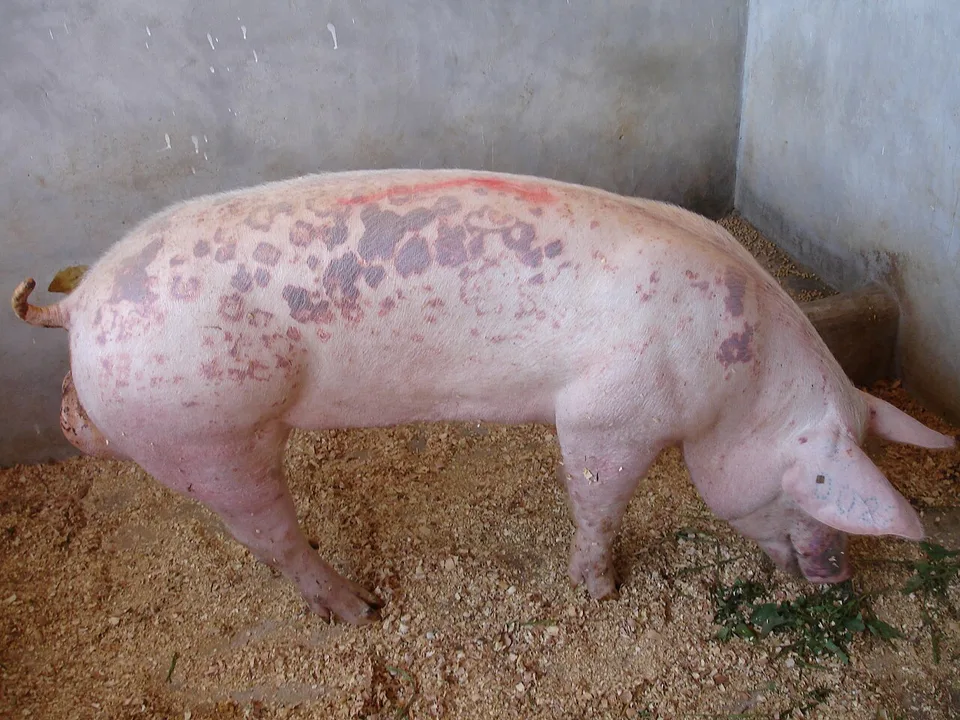
ASF is a notifiable viral disease that spreads between pigs and farms. It usually causes high fever, red or purple blotches on the ears, belly and legs, and many sudden deaths over a few days, including in pigs that were not eating the same feed. Mycotoxin poisoning does not spread and is linked to a feed batch. If pigs are dying quickly with red-purple skin, treat it as possible ASF and report to the County Veterinary Officer immediately.
Normal heat in a mature gilt
A gilt coming on true heat, usually from around 5 to 7 months old, has a swollen red vulva for only a few days and stands still when pressed on the back or when near a boar. Zearalenone causes swelling in gilts that are too young, lasts longer, affects many gilts at once and is often seen with swollen teats and swelling in piglets or male pigs.
Infectious causes of abortion and poor litters
Infections such as leptospirosis, brucellosis and porcine parvovirus can also cause abortion, stillbirths or mummified piglets. These often come with fever, follow the introduction of new animals, or affect gilts more than older sows. Mycotoxin problems usually line up with a change of feed and come with other feed signs such as reduced eating and poor growth. Only lab tests on blood, aborted foetuses and feed can separate them for sure.
Heavy worm burden or poor nutrition
Worms and an unbalanced diet also cause slow growth and rough coats. Worms are often seen in dung, pigs may cough, and the problem improves after a vet-advised deworming. Poor growth from mycotoxins improves when the feed is changed, and is often seen together with breeding signs or jaundice.
How it is diagnosed
There is no simple quick test on the live pig, so a vet puts together several clues. They will ask about the feed, when the problem started and whether a new batch of maize, bran or by-product was brought in. They examine the pigs for jaundice, vulva and teat swelling, prolapses and body condition. If a pig dies, a post-mortem (examining the body after death) can show a pale, yellow, firm or enlarged liver, kidney changes or fluid in the lungs, and tissue samples can be sent to a lab. The most important step is testing the feed itself at a laboratory, such as government, university or private feed-testing labs, which can measure aflatoxin, zearalenone and other toxins. Mycotoxins sit in patches within a bag or store, so one handful can give a false clean result. To help, keep the suspect feed and do not throw it all away. Take small amounts from the top, middle and bottom of several bags, mix them, and store about a kilogram in a clean, dry, labelled paper or cloth bag. Write down the feed source, date bought, when signs began, how many pigs are affected, ages, breeding records and any deaths.
Treatment
There is no antidote that removes mycotoxins once a pig has eaten them. Treatment is mainly about stopping more poison going in and helping the body recover. The vet will confirm the feed change and may advise adding a mycotoxin binder to the clean feed while the farm sorts out its feed supply. They may recommend better-quality protein and extra vitamins such as vitamins A and E with selenium, which help the liver and immune system. Pigs with weakened immunity often pick up secondary infections, and the vet may prescribe antibiotics for these. Antibiotics do not remove the toxin, so they should only be used when there is a real infection, exactly as prescribed, to reduce antimicrobial resistance. Any drug a vet gives has a meat withdrawal period, the time you must wait before the pig can be slaughtered for food, and you must keep to it. Prolapses need a vet to clean, replace and secure the tissue, and some badly affected animals may be best culled. In gilts with zearalenone signs, the swelling usually settles over a few weeks once clean feed is given, but breeding may be delayed. Pigs with severe liver damage may not recover fully, and the vet may advise early slaughter or culling if the animal is suffering or will never grow well. Treatment must be prescribed and guided by a vet.
Medicines must be prescribed and dosed by a vet. Always respect milk and meat withdrawal periods, and finish the full course of any antibiotic.
How Agrikima products can help
These support the animal alongside — never instead of — your vet's treatment, vaccination and good management.

AGRITOXINILSTOP
A mycotoxin binder that can be mixed into clean feed to help reduce absorption of aflatoxin and ochratoxin from the gut, useful during high-risk seasons or while the farm changes feed supply. It supports good storage and the removal of mouldy feed but does not replace them, and protection against zearalenone and other Fusarium toxins may be more limited.
View product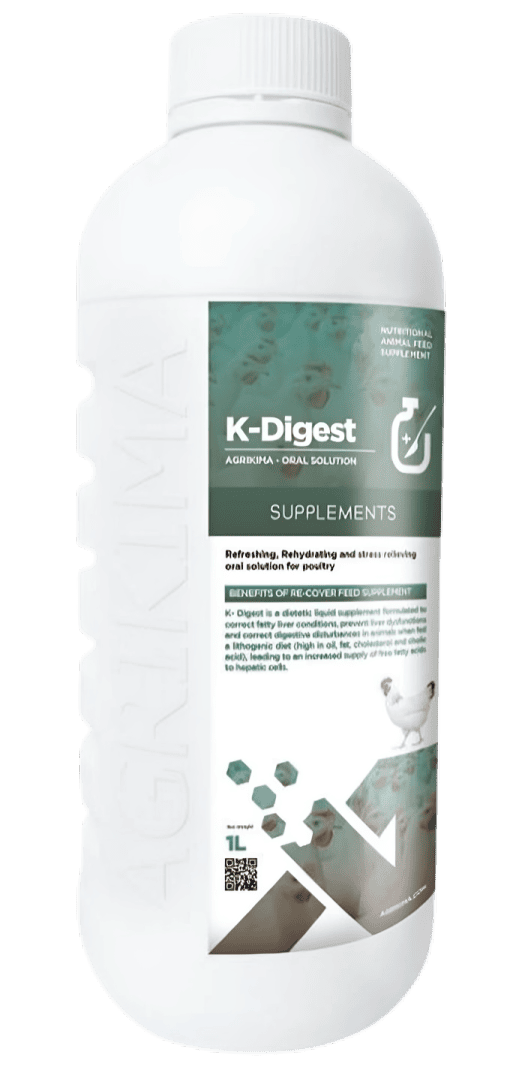
K-DIGEST
Supports liver function and digestion in pigs recovering from aflatoxin exposure once the contaminated feed has been removed, as an aid alongside clean feed and the vet's treatment plan, not as a cure for liver damage.
View productPrevention
- Buy maize, bran and seed cakes only when they are dry, clean and free of mould, musty smell, insect damage and broken grain, and ask suppliers whether the feed has been tested for aflatoxin.
- Dry home-grown maize thoroughly before storage, to around 13 percent moisture or below; well-dried grain rattles and breaks cleanly when bitten, and a cheap moisture meter or the salt-in-a-jar test can help.
- Store feed in a dry, cool, well-ventilated store, with sacks raised on pallets off the floor and away from walls, and use older stock first.
- Consider hermetic storage bags or airtight containers for grain, which slow mould and insect damage.
- Buy wet by-products such as brewers' waste in small amounts and use them within a day or two, or ensile them properly; never feed smelly, heated or mouldy machicha or kitchen waste.
- Clean feeders and troughs every day so no wet feed cakes and rots in corners.
- Sort out and burn or bury visibly mouldy, discoloured or shrivelled grain rather than feeding it to pigs, poultry or people.
- Use a mycotoxin binder in the ration during high-risk periods, such as after the rains or when feed quality is uncertain, as an extra layer of protection alongside good storage, not instead of it.
- Feed breeding gilts and sows the best-quality grain on the farm, because they are the most sensitive to zearalenone and the cost of lost litters is high.
- Keep breeding, growth and feed-batch records so you can quickly link a problem to a particular feed delivery.
Risk to people
Mycotoxins in pig feed are not an infection and do not spread from pigs to people, but they are a real health concern. Aflatoxin is a recognised cause of liver cancer in people, and heavy exposure has caused serious illness and deaths in Kenya when people ate badly contaminated maize. Mouldy maize that is unsafe for pigs is also unsafe for your family, so never eat it, sell it to others or pass it to other farmers. Small amounts of aflatoxin and its breakdown products can remain in the liver and kidneys of exposed pigs, so avoid eating organs from pigs known to have eaten heavily contaminated feed, and follow the meat inspector's decision on condemned livers. Breathing in dust from mouldy grain can irritate the lungs and may cause fungal lung infection in some people, so wear a dust mask and gloves when handling it. If a vet treats your pigs with drugs, keep strictly to the meat withdrawal period before slaughter.
Impact on your farm
Mycotoxins are a hidden drain on many Kenyan pig farms. Pigs that eat less and convert feed poorly take longer to reach market weight, so the farmer spends more on feed for each kilo of pork sold. Breeding losses are often the most expensive: gilts that come on false heat or fail to conceive, sows that return to service, small litters, weak piglets and abortions all mean fewer pigs to sell. Weakened immunity leads to more illness, more vet costs and sometimes vaccine failure. Prolapses and severe liver damage can force early culling. Buyers and slaughterhouses may reject jaundiced carcasses or condemn livers. Because the signs develop slowly, farmers often keep using the same contaminated feed for weeks, so losses grow before the cause is found.
Outlook and recovery
The outlook depends on which toxin was involved, how much the pigs ate and for how long. Mild cases, such as feed refusal from vomitoxin or vulva swelling from zearalenone, usually improve within days to a few weeks after switching to clean feed. Breeding animals may take longer to return to normal cycles, and pregnancies already lost cannot be saved. Pigs with mild liver damage can recover slowly with good feed, but growth may stay behind their penmates. Pigs with jaundice, bleeding or severe weight loss have a poorer outlook, and some do not recover. Sudden breathing problems from fumonisins can kill quickly. Acting fast, removing the feed and fixing storage give the best chance of limiting losses.
Common questions
If I dry mouldy maize in the sun or cook it, is it safe for my pigs?
No. Drying stops more mould from growing, but the toxins already made stay in the grain. Mycotoxins are not destroyed by normal cooking, boiling or sun-drying. Mouldy or musty grain should be removed and destroyed, not fed to pigs, chickens or people.
Will a mycotoxin binder make mouldy feed safe?
A binder can reduce how much toxin the pig absorbs from the gut, and it is useful as protection when feed quality is uncertain. But no binder removes all toxins, and many binders work better on aflatoxin than on zearalenone, vomitoxin or fumonisins. It is not a licence to feed visibly mouldy feed. Clean, dry feed always comes first.
My young gilts have swollen red vulvas. Will they still breed?
In most cases the swelling goes down over a few weeks after the contaminated feed is removed, and many gilts go on to breed normally. Some may have delayed or irregular heats for a while. Gilts that suffered prolapses or severe problems may have lasting damage, so ask your vet whether to keep them for breeding.
Which feeds are most likely to carry mycotoxins in Kenya?
Maize and maize products such as bran and germ are the biggest risk, especially after wet harvests. Groundnut, cotton and sunflower seed cakes, sorghum, brewers' waste and old kitchen leftovers can also be contaminated. Feed that smells musty, feels warm or damp, has clumps, or shows green, grey, black or pink patches should be treated as suspect.
Can I sell or eat pigs that ate mouldy feed?
Pigs that ate contaminated feed and recovered are usually acceptable for slaughter once they are healthy and any drug withdrawal periods have passed. The meat inspector may condemn yellow or damaged livers, and you should not eat organs from pigs known to have eaten heavily contaminated feed. Talk to your vet before selling pigs that are jaundiced or unwell.
How do I know for sure that the feed is the problem?
The surest way is a laboratory test of a properly mixed feed sample, which your vet or County Veterinary Office can help you arrange. Clues on the farm include many pigs affected at once, signs starting after a new feed batch, no fever, and improvement after switching to clean feed. Because some serious infections like African swine fever can look similar at first, always involve your vet.
A guide, not a diagnosis. This page is general information to help you recognise problems early. Always confirm with a vet or animal health worker before treating.