What it is
A sow's reproduction is controlled by hormones from the brain and ovaries. These hormones only work well when the sow is well fed, cool, healthy and stimulated by a boar. If a sow loses too much weight while suckling, her body switches off breeding to protect itself, so she does not come on heat after weaning. Heat stress has a similar effect: hot sows eat less, have weaker heats, and early embryos are more likely to die. Gilts that are underfed, kept away from boars, or mated too young often have delayed puberty or small litters. On the male side, a boar that is overworked, too young, lame, sick or has been through a hot spell can produce poor semen for several weeks, causing many returns even when the sows are fine. Mistimed mating, when the sow is served too early or too late in her heat, is a very common cause of returns. Mouldy feed can contain toxins (mycotoxins); one of these, zearalenone, acts like a female hormone and can cause false heats, swollen vulvas in young gilts, and returns. Vitamin and mineral shortages, especially vitamins A and E and selenium, can weaken fertility. Infections can also kill embryos or piglets in the womb: porcine parvovirus causes mummified (dried, dark) piglets and small litters, while leptospirosis, brucellosis and erysipelas can cause abortions, returns and weak piglets. Womb or urinary infections after farrowing or a dirty mating can cause discharge and repeat breeding.
Which animals are most at risk
Gilts and first- and second-litter sows are most at risk, because they are still growing and lose condition easily while suckling; many farmers see a poor second litter after a good first one. Sows that farrowed large litters, had long lactations on little feed, or were lame or sick are also at risk. Exotic breeds such as Large White, Landrace and their crosses are productive but sensitive to heat and poor feeding. Sows in iron-roofed pens without shade or ventilation suffer most in hot months and in hot areas such as the Coast, Lake region and lowlands. Smallholders who have no boar of their own, rely on a borrowed boar, or keep sows on kitchen waste and maize bran only often see delayed heats and returns. Herds that buy in pigs without quarantine or keep pigs in wet, rat-infested pens are at higher risk of infectious causes.
Signs to look for
Early signs
- A gilt older than about 7–8 months that has never shown a heat, even though she looks healthy.
- A sow that has not come on heat within about a week after weaning, when most sows show heat 4–7 days after weaning.
- Weak or very short heats: only a slightly pink vulva, little mucus, and the sow does not stand firmly for the boar or for pressure on her back.
- A sow that comes back on heat roughly 18–24 days after mating, which usually means she did not conceive.
- A sow that comes back on heat at an irregular time, around 25–38 days or longer after mating, which often means the embryos died after conception.
- Sows getting thin, with hip bones and backbone easy to see or feel, especially at weaning.
- Several sows returning to heat after being served by the same boar.
As it gets worse
- Repeated returns to service over two or more matings, with the sow eating feed but producing nothing.
- Litters smaller than usual for the herd, or many piglets born dead.
- Mummified piglets: small, dark, dried foetuses of different sizes born with live piglets, a classic sign of parvovirus.
- Abortions, with expelled foetuses or afterbirth found in the pen.
- A white, yellow or bloody discharge from the vulva some days after mating or between heats.
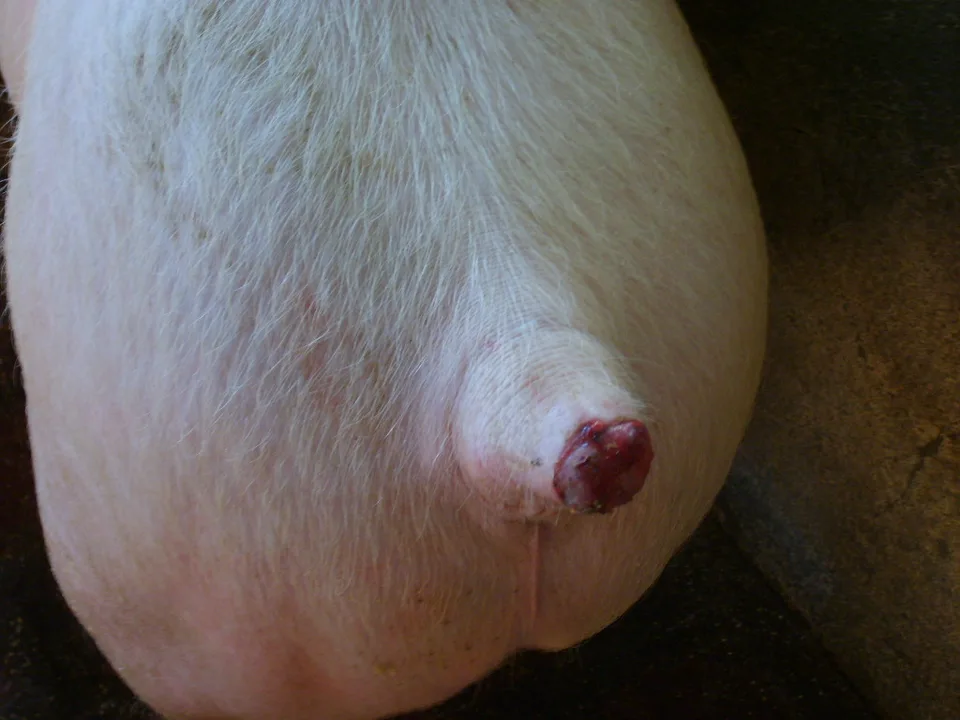
- Swollen, red vulvas in young gilts or even piglets, with no real heat, which suggests mycotoxins in the feed.
- A sow that seemed pregnant but has a large belly and no piglets at the expected farrowing date (pseudo-pregnancy).
What to do right now
- Confirm the sow is not pregnant: count days from her last mating and do not try to bring a possibly pregnant sow on heat.
- Start or update a record card for every sow and gilt, noting heats, matings, boar used, returns, litter size, dead piglets and mummies.
- Check body condition: if you can easily see or feel the backbone and hip bones, she is too thin and needs better feeding before she will breed well.
- Check heats twice a day, ideally with a mature boar in a nearby pen or walked past the sows, and press firmly on her back to see if she stands.
- Cool the pens: give shade, open the sides for airflow, wet the floor or provide a wallow or mister in hot weather, and make sure clean water is always available.
- Inspect the feed store and throw away any mouldy, caked, musty-smelling or damp feed or maize bran.
- Wear gloves when handling aborted foetuses, afterbirth or discharge, bury or burn them safely, and wash your hands well afterwards.
- Call your vet or extension officer if several sows are affected, if there are abortions or mummies, or if any pigs are sick, feverish or dying.
How it spreads
- Most fertility problems are not spread but triggered by management: underfeeding during lactation, thin sows at weaning, and poor-quality or unbalanced feed.
- Hot weather and hot, poorly ventilated pens, especially in the hot dry months before the long rains, reduce heat signs, conception and embryo survival in sows and semen quality in boars.
- Lack of daily contact with a mature boar delays puberty in gilts and weakens heat signs after weaning.
- Mouldy maize, maize bran or other ingredients stored damp, especially after the rains, can carry mycotoxins that disturb sow hormones.
- Infections such as parvovirus, leptospirosis and brucellosis spread between pigs through contact with infected urine, aborted material, afterbirth, and in some cases during mating.
- Bringing in new pigs, borrowing a boar from a neighbour, or sharing a boar between farms can bring infections into a clean herd.
- Rats, contaminated water and wet, muddy pens can spread leptospirosis.
- Inbreeding, by mating closely related pigs over generations, can reduce litter size and piglet vigour.
Could it be something else?
The sow is actually pregnant
A pregnant sow will not come on heat, so 'no heat' after mating is often good news. Count the days: farrowing is about 114 days (three months, three weeks and three days) after a successful mating. Ask your vet to confirm with an ultrasound scan from about four weeks after mating before giving any treatment to bring her on heat.
Silent heat or poor heat detection
The sow is cycling normally but the farmer misses the heat, often because no boar is present or the sow is checked only once a day. Checking twice daily with a boar nearby, pressing on her back and watching for a red swollen vulva usually reveals heats that were being missed.
Boar infertility
If many different sows return after mating with the same boar, while sows served by another boar or by artificial insemination conceive, the boar is the likely problem. Recent heat stress, fever, lameness, overuse or a very young boar point the same way. A vet can check his semen.
African swine fever (ASF) causing abortion
ASF is a serious notifiable disease. Abortions come with high fever, pigs going off feed, red or purple skin on ears and belly, and sudden deaths in several pigs. Simple fertility problems do not make pigs sick or kill them. If you see sick or dying pigs together with abortions, stop all movement and report to the County Veterinary Officer at once.
How it is diagnosed
A vet or animal health officer starts with your records: ages of gilts, weaning dates, heat dates, mating dates and which boar was used, returns, litter sizes, piglets born dead and mummies. Without records, finding the cause is guesswork, so keep a simple card for each sow. The vet will look at body condition, feed, water, housing temperature, ventilation and lameness, and will examine the sow, the vulva and any discharge. An ultrasound scan can show whether a sow is pregnant and sometimes whether the ovaries are abnormal. If infection is suspected, blood samples can be tested for antibodies to parvovirus, leptospirosis, brucellosis and other diseases, and aborted foetuses, mummies and afterbirth can be sent to a laboratory such as the Central Veterinary Laboratories at Kabete or a regional veterinary lab. Feed samples can be tested for mycotoxins. The boar's semen may be examined. To prepare, have your records ready, keep any aborted material cool in a sealed bag (handled with gloves), keep a sample of the current feed, and note recent weather, feed changes and new pigs.
Treatment
Treatment depends on the cause, so a vet must first find out why the sow is not breeding. For most herds the main 'treatment' is management: correcting feeding in lactation and before mating, improving body condition, cooling pens, using a fertile boar properly, and timing mating correctly. For sows or gilts that stay without heat, a vet may prescribe hormone products, such as gonadotrophin combinations that stimulate the ovaries, or a progestagen (altrenogest) to synchronise gilts; prostaglandins may be used in specific situations, but they can cause abortion, so they are only given once pregnancy is ruled out. Hormones do not fix an underfed or overheated sow, and results vary. Where a womb or urinary infection, leptospirosis or erysipelas is diagnosed, the vet may prescribe antibiotics; these must be used exactly as prescribed, and milk and meat withdrawal periods must be followed before any pig is slaughtered. Using antibiotics without a diagnosis does not fix nutritional or heat problems and adds to antimicrobial resistance, where germs stop responding to drugs. Viral causes such as parvovirus cannot be cured by antibiotics; they are controlled by vaccination, where available, and by managing gilts. Sows that keep failing after the causes have been corrected are usually best culled. All drugs, hormones and doses must be prescribed by a vet.
Medicines must be prescribed and dosed by a vet. Always respect milk and meat withdrawal periods, and finish the full course of any antibiotic.
How Agrikima products can help
These support the animal alongside — never instead of — your vet's treatment, vaccination and good management.
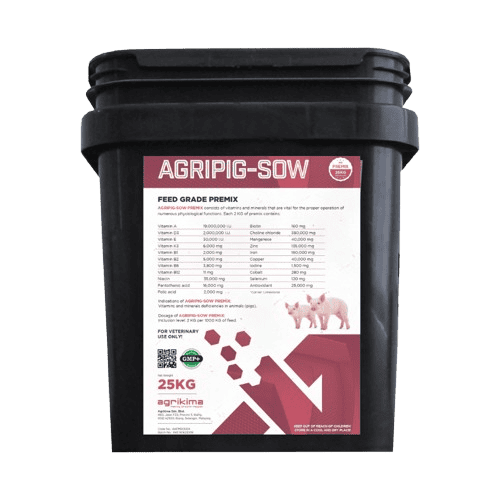
AGRIPIG-SOW
A breeding-sow supplement that can help top up the nutrients sows need for fertility and lactation, used alongside a properly balanced ration, good body condition management, cooling and correct boar use. It supports nutrition only and will not fix heat stress, poor mating timing, boar problems or infections, which need management changes and vet advice.
View product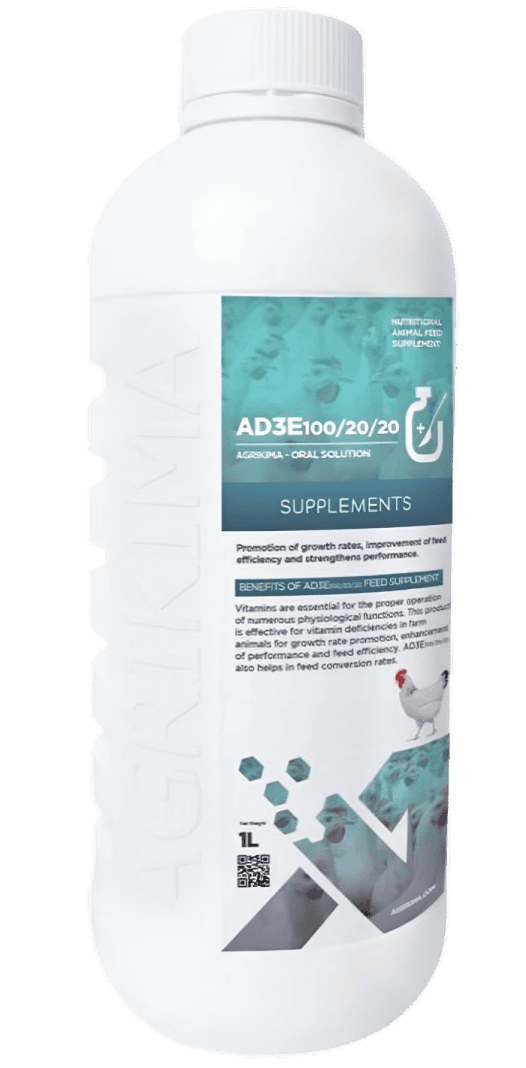
AD3E 100/20/20
Provides vitamins A, D3 and E, which support normal reproduction and immunity, so it may help where the diet is short of these vitamins, such as sows fed mainly maize bran or kitchen waste. It is not a fertility treatment; ask your vet or nutritionist whether the ration is deficient, and use it alongside better feeding and good management.
View productPrevention
- Feed lactating sows well and let them eat as much as they want, so they do not lose too much condition before weaning; ask a nutritionist or extension officer for a balanced sow ration.
- Aim to wean sows in moderate condition, and feed them well between weaning and mating ('flushing') to support heat and ovulation.
- Grow gilts steadily and mate them at their second or third heat, at around 7–8 months and a good body weight for exotic breeds, rather than at the very first heat.
- Give gilts and weaned sows daily contact with a mature boar to bring on heats and make them easier to see.
- Mate sows when they stand firmly, and serve them twice about 12–24 hours apart, so that sperm is present when eggs are released.
- Keep boars cool, well fed and not overused, rest them after illness or a hot spell, and have a back-up boar or artificial insemination available.
- Keep pens shaded and well ventilated, with wallows, misters or wet floors in hot weather, and always provide clean water.
- Store feed dry and off the floor, buy from reliable suppliers, and never feed mouldy maize, bran or brewers' waste.
- Ask your vet about vaccination against parvovirus, erysipelas and leptospirosis where vaccines are available, giving gilts protection before their first mating.
- Quarantine new pigs for at least a month, avoid sharing boars with farms of unknown health, control rats, and keep pens clean and dry.
Risk to people
Most causes of poor fertility pose no risk to people, but some infections that cause abortion and returns in pigs, such as leptospirosis and brucellosis (Brucella suis), can infect humans and cause fever, joint pain and serious illness. People can be infected through contact with aborted foetuses, afterbirth, discharges and urine, or through cuts and splashes into the eyes or mouth. Always wear gloves and, if possible, boots when handling aborted material or assisting at farrowing, wash hands well with soap, cover cuts, and keep children away. Control rats and avoid wading in pig urine and mud. Do not eat aborted or dead piglets. If you develop a fever after contact with aborting pigs, tell your doctor you work with pigs. If any drugs are prescribed, observe the meat withdrawal period before slaughter.
Impact on your farm
Every day a sow is empty, she eats feed and takes up space without producing piglets. Returns add about three weeks of lost time each, and a sow that takes months to get back in pig may produce one litter less per year. Small litters mean fewer weaners to sell, and for a smallholder with one to five sows this can turn a profitable venture into a loss. Farmers then often cull or sell sows cheaply, and must spend money raising or buying replacement gilts. Infectious causes such as parvovirus or leptospirosis can affect many sows at once, while a single infertile boar can quietly spoil a whole round of matings. Good records and simple changes in feeding, cooling and boar use often give the best return on any pig farm.
Outlook and recovery
The outlook is usually good when the cause is feeding, body condition, heat stress, mistimed mating or boar management, because these can be corrected. Thin sows often come back on heat once they regain condition, and heat-stress problems usually improve when the weather cools and pens are made cooler, though it can take several weeks. Problems caused by a boar's poor semen after heat or illness may take around six weeks or more to clear, because new sperm takes time to develop. Infectious causes can be controlled with vaccination where available, testing and hygiene, but losses already suffered cannot be reversed. Old sows, sows with long-term womb damage, and sows that keep returning despite good care often do not recover their fertility and are better culled.
Common questions
How long after weaning should my sow come on heat?
Most healthy sows show heat within about 4–7 days after weaning. If a sow has not shown heat within 10 days, check her body condition, feed and housing, and make sure a boar is close by. Thin first-litter sows commonly take longer. If she still shows no heat, talk to your vet.
How do I know my sow is truly on heat?
Look for a swollen, red vulva, sometimes with clear mucus, restlessness, mounting other pigs and grunting. The best test is to press firmly on her back or sit on her with a boar nearby: if she stands still with her ears pricked, she is in standing heat and ready to mate. Check twice a day, because heats can be short.
My sow was mated but came back on heat. Is she sick?
Not usually. A return about 18–24 days after mating usually means the eggs were not fertilised, often because of mating at the wrong time or a boar with poor semen. Returns at irregular times, later than this, more often point to embryo loss from heat stress, poor feeding, mycotoxins or infection. Check your records: if many sows return after the same boar, suspect the boar.
Can mouldy maize or bran really affect my sows?
Yes. Mould can produce toxins called mycotoxins. One of them acts like a female hormone and can cause swollen vulvas in young gilts, false heats, returns and small litters, and other mycotoxins harm the liver and immunity. Mouldy feed is common after the rains when grain is stored damp. Never feed mouldy or musty feed, and store feed dry and off the floor.
Should I buy an injection to bring my sow on heat?
Hormone treatments do exist, but they must be prescribed by a vet after confirming the sow is not pregnant, because some hormones cause abortion. They also do not work well on thin, overheated or sick sows. Fix feeding, body condition, cooling and boar contact first. Your vet can advise whether hormones make sense for your situation.
Why was my sow's second litter smaller than her first?
This is common and is often called second-litter syndrome. The young sow is still growing and loses a lot of condition suckling her first litter, so she has fewer eggs at the next mating. Feeding her generously in lactation, not weaning her too thin, and feeding her well before mating usually helps. Waiting for her second heat after weaning may also help in some cases; ask your vet or extension officer.
A guide, not a diagnosis. This page is general information to help you recognise problems early. Always confirm with a vet or animal health worker before treating.