What it is
The disease is caused by Brachyspira hyodysenteriae, a spiral-shaped bacterium called a spirochaete. A few related Brachyspira species can cause a similar disease. The pig swallows the bacteria in dung-contaminated feed, water or soil. The bacteria pass through the stomach and small intestine and settle in the caecum and colon, which together form the large intestine. There they burrow into the mucus layer and the gut lining and produce toxins. The lining becomes inflamed, swollen and damaged. It produces large amounts of mucus and starts to bleed in small spots. A healthy large intestine takes back water and salts from the gut contents. A damaged one cannot, so the pig loses water, salts and blood in its dung. This causes dehydration (loss of body water), weakness and weight loss. The small intestine, where most feed is digested, usually stays healthy. That is why many pigs keep eating at first, even though they are scouring. The time from infection to signs is usually one to two weeks, but it can be shorter or much longer. Stress, sudden feed changes and some diets can trigger an outbreak in pigs already carrying the bacteria.
Which animals are most at risk
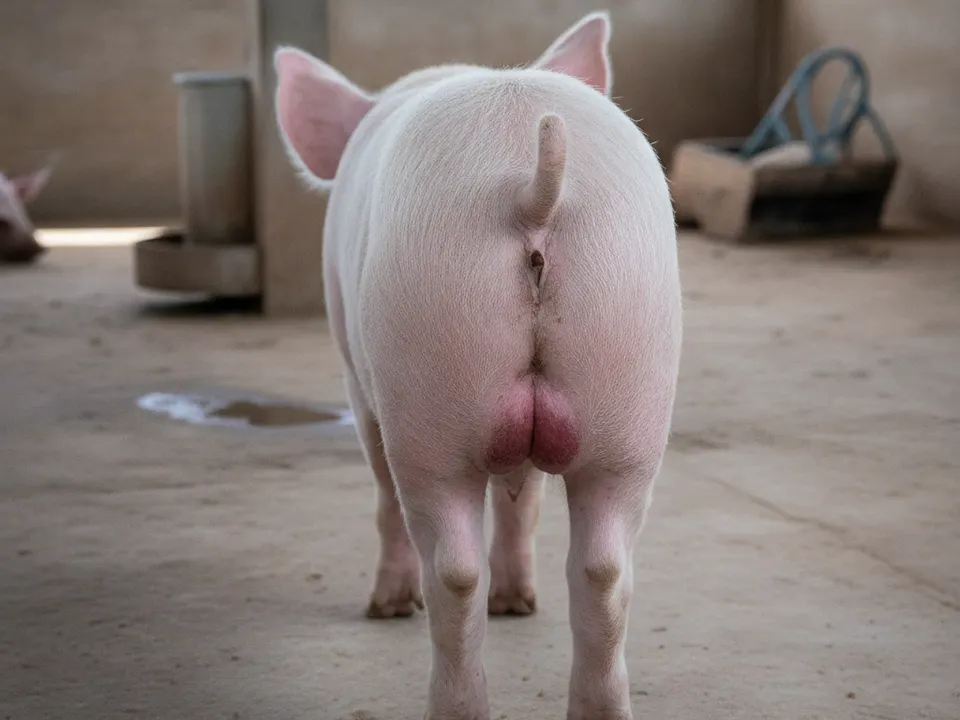
Pigs from about six weeks of age up to slaughter weight are most often affected, especially growers and finishers. Suckling piglets are rarely affected, and adult sows and boars usually carry the bacteria without showing signs, although they can scour. All breeds can get it, including Large White, Landrace, Camborough crosses and local pigs. Risk is highest on farms that buy weaners from many sources or from markets and traders, mix pigs from different litters or farms, and have poor drainage. Wet, cold weather during the long and short rains raises the risk because dung stays moist and pens are hard to dry. Housed pigs on solid concrete floors that are not cleaned daily, pigs kept on muddy ground, and farms with many rats are at greater risk. Farms that have had the disease before, or that have relied on in-feed antibiotics, often see it return.
Signs to look for
Early signs
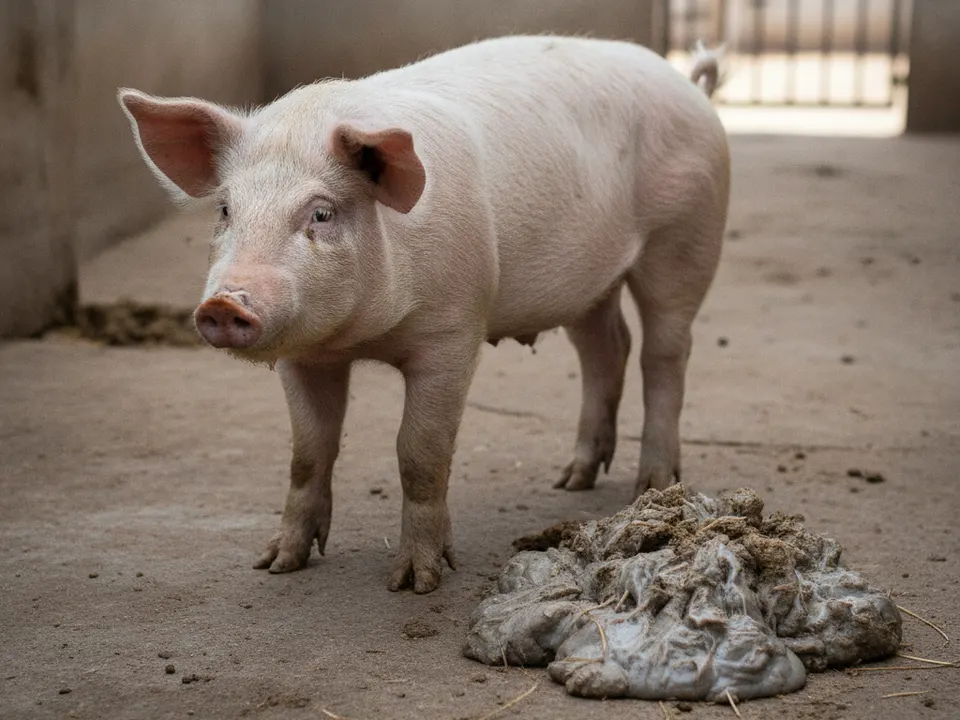
- Soft, grey, yellow or brown dung that looks like porridge or cement, often with shiny clear or white mucus (slime) mixed in.
- Dung stuck to the tail, around the anus and down the back legs, and wet patches of slimy dung on the pen floor.
- A few pigs in one pen affected first, then more pigs in the same and nearby pens over the following days.
- Slightly reduced appetite in some pigs, though many keep eating at first.
- Mild fever in some pigs at the start; the ears and body may feel a little warmer than pen mates.
- Pigs looking a bit dull, with rough hair and hollow flanks.
As it gets worse
- Watery dung containing jelly-like mucus, flecks of fresh red blood or dark red to black streaks, and sometimes shreds of grey tissue-like material.
- Rapid loss of weight and condition, with a visible backbone and hips and a tucked-up belly.
- Sunken eyes, dry skin that stays tented when pinched, and pigs drinking a lot or too weak to drink, all signs of dehydration.
- Weakness, staggering and lying down, with dung-stained, wet back ends and a bad smell in the pen.
- Pigs that stay small and uneven in the batch even after the diarrhoea stops.
- Occasional sudden death in a pig that was scouring heavily, usually from dehydration and salt loss.
- Repeated outbreaks every few weeks in the same unit, or when medication is stopped.
What to do right now
- Move scouring pigs into a separate, clean, dry pen away from healthy pigs, and handle and feed them last each day.
- Make sure every pig, especially sick ones, has constant access to clean, fresh drinking water, because dehydration is what weakens and kills scouring pigs.
- Keep sick pigs warm, dry and out of draughts and rain, with clean dry bedding such as wood shavings or dry grass, and change soiled bedding daily.
- Stop buying, selling, mixing or moving pigs, and do not lend or borrow boars until the vet has assessed the farm.
- Scrape out wet dung from all pens every day, and keep the dung heap or slurry away from pig pens and water sources.
- Wear gumboots and an overall or apron used only in the pig unit, and use a footbath with disinfectant at the entrance; wash your hands with soap after handling pigs.
- Write down the number of pigs affected, their ages, dates signs began and any deaths, and photograph the dung to show the vet.
- Call your vet or County Veterinary Officer promptly, and do not give antibiotics or other medicines from the agrovet before a diagnosis, because wrong or incomplete treatment fuels drug resistance and hides the cause.
How it spreads
- The main route is through dung: sick pigs and recovered carrier pigs shed huge numbers of bacteria, and other pigs pick them up by rooting, licking floors or eating soiled feed.
- Buying in weaners or breeding stock from an infected farm or a pig trader is the most common way the disease reaches a new farm, because carrier pigs often look completely healthy.
- Recovered pigs can keep shedding the bacteria for weeks to months, so the disease can flare up again in each new batch of growers.
- Rats and mice carry the bacteria in their gut for a long time and spread it around and between pig houses; dogs, flies and some birds can also carry it.
- Boots, clothes, wheelbarrows, spades, feed sacks and vehicles carry infected dung from pen to pen and from farm to farm, including pig traders' trucks and shared boars.
- The bacteria survive for weeks in wet, cool dung and slurry, so dirty pens, blocked drains and muddy runs keep the infection alive, especially during the long and short rains.
- Stress from mixing, moving, overcrowding, cold, wet bedding or a sudden change in feed can turn a hidden infection into an outbreak.
Could it be something else?
African swine fever (ASF)
ASF is a deadly viral disease that must be reported. It often causes high fever, red or purple blotches on the ears, belly and legs, pigs that stop eating and huddle, and many deaths across all ages within days. Swine dysentery mostly affects growers, usually without high fever or skin colour changes, and few pigs die. If pigs of all ages are dying or the skin turns red-purple, treat it as possible ASF: lock down the farm and call the County Veterinary Officer at once.
Ileitis (porcine proliferative enteropathy, caused by Lawsonia intracellularis)
Ileitis affects the end of the small intestine. In growers it often causes grey, loose dung without much mucus and poor growth. In older finishers and young breeding pigs it can cause black, tarry dung, pale skin and sudden death. Swine dysentery dung is typically slimy with fresh red blood streaks. A vet can tell them apart at post-mortem, because dysentery damages only the large intestine and ileitis thickens the small intestine, and with laboratory tests.
Whipworm infection (Trichuris suis)
Heavy whipworm burdens also cause mucoid, sometimes bloody diarrhoea and wasting in growers, especially on dirty ground or deep litter. A faecal egg count can show whipworm eggs, though eggs may not appear early in the infection. At post-mortem, thin white whip-shaped worms are seen attached to the lining of the large intestine. A vet may check for worms before concluding it is swine dysentery.
Salmonellosis (Salmonella infection)
Salmonella usually causes a higher fever, yellow watery diarrhoea that may contain blood, loss of appetite and sometimes purple ears and sudden deaths. It can also damage the small intestine and spread through the blood. It is also a risk to people. Only laboratory testing of dung or tissues can reliably separate it from swine dysentery.
How it is diagnosed
A vet first examines the sick pigs and the pens. The vet looks at the dung, checks temperature and hydration, and asks about pig ages, recent purchases, feed changes and any medicines used. Slimy, bloody dung in growers with little fever strongly suggests swine dysentery. The vet will also rule out notifiable diseases such as African swine fever. To confirm it, the vet sends fresh dung samples or rectal swabs from untreated, recently sick pigs to a laboratory, for example a county or regional veterinary laboratory or the Central Veterinary Laboratories at Kabete. The lab can grow the bacteria (culture) or detect its genetic material using a test called PCR. Culture also allows a sensitivity test, which shows which antibiotics still work against your farm's strain. A post-mortem on a pig that has just died, or a sick pig put down humanely, is often the quickest and most useful test. In swine dysentery the walls of the caecum and colon are swollen and red, covered in mucus, blood and sometimes a grey crust, while the small intestine looks normal. To help, keep a record of how many pigs are sick, their ages, when signs started and any medicine already given. Keep a fresh carcass cool and covered for the vet, and do not treat all the pigs before samples are taken, because medication can make the lab tests negative.
Treatment
Swine dysentery is treated with antibiotics, and these must be prescribed by a vet. The drugs most commonly used belong to the pleuromutilin group, such as tiamulin and valnemulin. Lincomycin and tylosin are also used, though many strains are now resistant to tylosin and some to lincomycin. Very sick pigs that cannot eat or drink well are usually treated first by injection. The rest of the group is often treated through the drinking water or feed, because many pigs in a pen are usually infected even if they look normal. The vet chooses the drug based on lab results where possible and on what has worked on the farm before. The full course must be finished. Badly dehydrated pigs may need fluids and salts, and the vet will advise on supportive care. Most pigs improve within a few days of the right treatment, but the disease often returns when medication stops unless dung, rats and carrier pigs are dealt with at the same time. Some farms work with their vet on an eradication plan. This combines medicating the whole herd, deep cleaning and disinfecting, rodent control and sometimes emptying and restocking with clean pigs. All these antibiotics have meat withdrawal periods. Treated pigs must not be slaughtered or sold for meat until the withdrawal time on the product label, as confirmed by your vet, has passed. Using antibiotics only when needed and exactly as prescribed helps slow antimicrobial resistance, which is already a real problem with this bacterium.
Medicines must be prescribed and dosed by a vet. Always respect milk and meat withdrawal periods, and finish the full course of any antibiotic.
How Agrikima products can help
These support the animal alongside — never instead of — your vet's treatment, vaccination and good management.
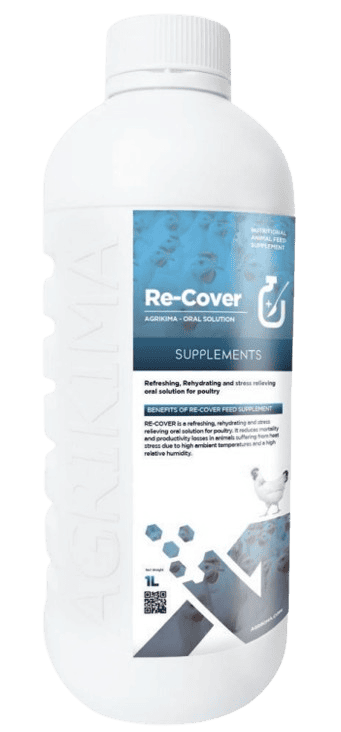
RE-COVER
An oral rehydration solution that can be offered in drinking water to help scouring pigs replace lost water and salts and stay drinking while vet-prescribed treatment works. It supports hydration only and does not kill the bacteria or replace antibiotics prescribed by the vet.
View product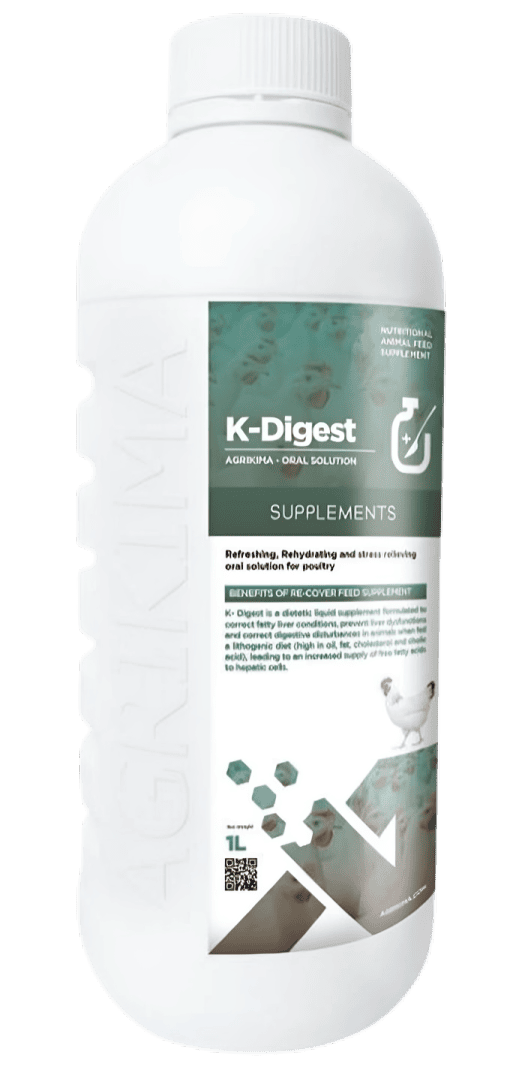
K-DIGEST
Can be used during recovery to support digestion and liver function after the gut has been damaged and the pigs have been through antibiotic treatment, helping them get back to eating and growing. It is a supportive aid alongside vet care, cleaning and good management, not a treatment for swine dysentery.
View productPrevention
- Buy weaners and breeding pigs only from known farms with no history of bloody scours. Ask the seller directly, and avoid mixing pigs from several sources or from markets.
- Quarantine every new pig in a separate pen for at least three to four weeks. Watch it for diarrhoea before mixing, and ask your vet about testing new stock.
- Run an all-in, all-out system where possible. Fill a pen with one batch, empty it completely at sale, then clean, disinfect and dry it before the next batch.
- Remove dung from pens daily, keep floors sloped and drains open, and let pens dry out. The bacteria survive in wet dung but die in dry, sunny conditions and with good disinfectants.
- Control rats and mice seriously with bait stations, sealed feed stores and removal of rubbish and long grass around the unit, because rodents keep the infection on the farm.
- Keep dogs, poultry, wild birds and visitors out of pig houses. Use dedicated boots and a footbath, and keep pig traders and their vehicles away from your pens.
- Change feed gradually over about a week, avoid overcrowding, and keep pigs warm and dry during the rains to reduce the stress that triggers outbreaks.
- Deworm on a schedule agreed with your vet to control whipworm, which damages the large intestine and can make dysentery worse. Feed a balanced diet stored dry so it does not grow mould. There is no widely available vaccine against swine dysentery in Kenya, so management is the main protection.
Risk to people
Brachyspira hyodysenteriae is not considered a risk to people, so swine dysentery itself is not known to infect humans. However, other germs that cause bloody diarrhoea in pigs, such as Salmonella, can infect people, so always wash hands with soap after handling pigs or dung and keep children away from sick pens. The bigger human risk comes from the antibiotics used to treat it: meat from treated pigs can contain drug residues if pigs are slaughtered before the withdrawal period ends. Always keep treatment records and respect withdrawal times.
Impact on your farm
Swine dysentery rarely wipes out a herd, but it quietly eats into profit. Affected growers eat but do not convert feed into meat well. They take weeks longer to reach market weight, and the batch becomes uneven, so some pigs sell at lower weights or prices. Feed is the biggest cost in Kenyan pig farming, so slow growth directly cuts margins. Antibiotic treatment, vet visits, lab tests and extra labour for cleaning add costs. Treated pigs cannot be sold until withdrawal periods end, which delays income. Some pigs die, especially if treatment is late. On farms that sell weaners, a reputation for scours can lose buyers. Because the disease keeps returning in each new batch unless controlled, the losses repeat, and long-term reliance on antibiotics raises costs and drives resistance.
Outlook and recovery
With early diagnosis and the right antibiotic, most affected pigs recover and few die. However, growth is often set back, and some pigs never fully catch up. Pigs that were very dehydrated, thin or treated late do worse. The disease is hard to remove from a farm, and outbreaks commonly return when medication stops, when new pigs arrive or during stressful periods. Farms that combine vet-guided treatment with strict cleaning, all-in all-out batches, rodent control and careful buying usually bring it under control, and some can eradicate it with a planned programme. Resistance to some antibiotics means results vary between farms, so lab testing matters.
Common questions
Can I just buy an antibiotic from the agrovet and put it in the water?
It is better not to. Bloody diarrhoea in pigs has several causes, including African swine fever, which antibiotics cannot help and which must be reported. Swine dysentery strains are often resistant to common drugs, so the wrong product wastes money and makes resistance worse. Starting medicine before samples are taken can also hide the cause from the lab. Let a vet confirm the diagnosis and prescribe the right drug, course length and withdrawal period.
My pigs got better after treatment but the scours came back. Why?
This is very common with swine dysentery. Recovered pigs can carry and shed the bacteria for weeks to months. Rats and mice carry it too, and it survives in wet dung in pens and drains. When the medicine stops, the bacteria multiply again, especially in new young pigs. Lasting control needs treatment plus daily dung removal, cleaning and drying pens between batches, rat control and careful buying of new stock, planned with your vet.
Can I sell or eat pigs that have swine dysentery?
The disease is not known to infect people. Still, sick, thin pigs should not be slaughtered, and any pig treated with antibiotics must not be slaughtered or sold for meat until the full withdrawal period has passed. Ask your vet for the exact withdrawal time of the drug used and keep written records. Selling live sick or recovering pigs to other farmers spreads the disease, so avoid it.
Is there a vaccine for swine dysentery?
There is no widely available, proven vaccine for swine dysentery in Kenya at present. Prevention depends on good management: buying clean stock, quarantine, all-in all-out batches, daily cleaning, dry pens, rodent control and avoiding stress and sudden feed changes. Ask your vet or County Veterinary Officer if anything new becomes available.
How do I know whether it is swine dysentery or African swine fever?
You cannot be fully sure by looking, which is why a vet is needed. Swine dysentery mainly affects growers, with slimy, bloody dung, little fever and few deaths. ASF often causes high fever, pigs refusing feed, red or purple skin on the ears and belly, and many deaths among pigs of all ages within days. If you see sudden deaths or purple skin, stop all movement and report to the County Veterinary Officer immediately.
What disinfectant should I use, and is cleaning really that important?
Cleaning is one of the most important steps. Disinfectants do not work well on dung, so first scrape and wash away all dung and bedding with water and detergent. Then apply a disinfectant recommended by your vet or agrovet for pig units, following the label. Most importantly, let the pen dry completely before restocking, because the bacteria survive in wet conditions but die when pens are dry and exposed to sunlight.
A guide, not a diagnosis. This page is general information to help you recognise problems early. Always confirm with a vet or animal health worker before treating.