What it is
Scours in camel calves is usually caused by germs, often more than one at the same time. The main ones are bacteria such as E. coli (especially in the first days of life) and Salmonella, viruses such as rotavirus and coronavirus, and tiny parasites such as Cryptosporidium. In older calves, coccidia (another gut parasite) and worms can also cause diarrhoea. These germs attack the lining of the small intestine. Some bacteria make toxins that force the gut to pour out water and salts; viruses and parasites destroy the small finger-like structures (villi) that absorb milk, so milk passes through undigested. The result is watery dung, loss of body water and important salts such as sodium and potassium, and a build-up of acid in the blood. This is what makes the calf weak, cold and unable to stand, and it is the dehydration, more than the germ itself, that usually kills. Salmonella and some E. coli can also enter the bloodstream and cause blood poisoning (septicaemia). A key reason camel calves are so vulnerable is that they are born with almost no protective antibodies; they get all their early immunity from colostrum, the first thick milk from the dam. If the calf does not get enough good colostrum soon after birth, it has little defence against these germs.
Which animals are most at risk
Calves in the first few weeks of life are at highest risk, with E. coli scours often seen in the first days and viral and Cryptosporidium scours a little later in the first weeks. Coccidiosis and worm-related diarrhoea are more common in calves a month old or older. Calves that were weak at birth, born to first-time or thin dams, or that did not suckle well in the first hours are much more likely to fall ill. Risk rises when many calves are born close together and kept in the same small enclosure, so problems often show up in the main calving season. The long and short rains bring mud and wet bedding that help germs survive, while drought brings poor dam nutrition, low milk and long walks. Pastoral herds in Turkana, Marsabit, Wajir, Mandera, Garissa, Isiolo, Samburu and Laikipia face particular difficulty because veterinary help may be far away, while peri-urban and semi-intensive camel dairies can see outbreaks when calves are crowded together and milk is heavily taken for sale.
Signs to look for
Early signs
- Dung becomes soft, then watery, often yellow, pale grey or greenish, and may smell sour or foul.
- The tail, hind legs and the area under the tail are wet and stained with dung.
- The calf suckles less, leaves the dam early, or shows little interest in milk.
- The calf is quieter than usual, stands with a hunched back, or lies down more than other calves.
- Mild belly discomfort, such as kicking at the belly, straining or lying and getting up often.
As it gets worse
- Sunken eyes and a dry, sticky mouth and gums, which are clear signs of dehydration.
- When you pinch and lift the skin on the neck, it stays tented for more than a couple of seconds instead of springing back.
- The calf cannot stand or stands only with help, and its legs, ears and mouth feel cold.
- Dung may contain mucus or blood, especially with Salmonella or coccidia, and may smell very bad.
- The calf stops suckling completely, becomes floppy and dull, and may lie flat on its side.
- Fast or very weak breathing, and sometimes high fever early on with Salmonella, followed by a low temperature as the calf goes into shock.
- Death, sometimes within a day or two of the first signs in very young calves.
What to do right now
- Move the sick calf, ideally with its dam, into a clean, dry, shaded pen away from healthy calves, and protect it from cold wind at night and strong sun by day.
- Let the calf keep suckling its dam or keep feeding its normal milk in small, frequent amounts; do not starve the calf, because milk gives it energy and helps the gut heal.
- Give an oral rehydration solution between milk feeds, following the product label or your vet's advice, to replace the water and salts lost in the diarrhoea.
- If the calf cannot stand, cannot suck, feels cold, or has very sunken eyes, call the vet urgently; such a calf may need fluids by drip that only a vet can give.
- Wear gloves or wash your hands with soap and water after handling the calf or its dung, and keep children away from sick calves.
- Clean up dung, burn or bury soiled bedding, and use separate buckets and containers for sick and healthy calves.
- Do not give antibiotics, human medicines or leftover drugs without a vet's advice, because the wrong drug can harm the calf and help germs become resistant.
- Write down which calves are sick, their ages, when signs started and any deaths, and share this with your vet or County Veterinary Officer.
How it spreads
- Calves swallow germs from dung of sick calves or carrier adults that contaminates the ground, bedding, water containers and the dam's udder.
- Crowded, muddy or dung-filled calf enclosures and night bomas build up very high numbers of germs, especially when the same pen is used season after season.
- Poor colostrum intake is a major trigger: calves that suckle late, or whose dam's colostrum is milked off or discarded, have weak immunity and fall sick easily.
- Dirty hands, milking containers and feeding utensils carry germs from one calf to the next when people handle many calves.
- Stress from cold nights, heavy rain, long treks to water or grazing, dust, heat and sudden changes in milk supply lowers the calf's resistance.
- New animals brought into the herd, or mixing with other herds at watering points and markets, can introduce new strains of germs.
- Dams that are thin or poorly fed in late pregnancy, for example during drought, often produce less and lower-quality colostrum.
Could it be something else?
Nutritional (milk) diarrhoea
This happens after sudden changes in milk supply, such as a calf gorging after a long separation from its dam, or being fed milk replacer or cow milk wrongly. Dung is soft and pasty rather than very watery, the calf stays bright and keeps suckling, and it usually settles within a day or two once feeding is made regular. If the calf becomes dull or dehydrated, treat it as infectious scours.
Coccidiosis
Usually affects calves older than about three to four weeks rather than newborns. Dung often contains mucus and streaks of fresh blood, and the calf strains a lot. It tends to appear when calves are kept on dirty, damp ground. A vet confirms it by finding coccidia eggs (oocysts) in a dung sample.
Worm infestation
Seen in older calves that have started grazing. Diarrhoea is more gradual, and the calf loses condition, has a rough coat, a pot belly and pale gums from anaemia. It rarely causes the sudden severe dehydration seen in young calves with scours.
Enterotoxaemia (clostridial disease)
Caused by Clostridium bacteria toxins, often in well-fed, fast-growing calves. Calves may die very suddenly, sometimes before much diarrhoea is seen, or show bloating, severe belly pain and nervous signs. A post-mortem by a vet is usually needed to tell it apart.
How it is diagnosed
A vet or trained animal health worker first examines the calf: checking body temperature, how sunken the eyes are, the skin tent test, mouth moisture, suck reflex and whether the calf can stand, to judge how dehydrated it is. They will also check the navel for infection and the joints for swelling, which can point to blood poisoning. Because many germs cause the same signs, the exact cause can only be confirmed in a laboratory. The vet may take fresh dung samples for rapid tests (for example for rotavirus or Cryptosporidium), microscope checks for parasites and coccidia, and bacterial culture for E. coli and Salmonella, which also shows which antibiotics will work. Samples can be sent through the County Veterinary Office to regional veterinary laboratories or the Central Veterinary Laboratories at Kabete. A blood test may show whether the calf received enough colostrum. If a calf dies, a post-mortem examination done quickly is very useful for finding the cause and protecting the rest of the calves. To help, the farmer should note each calf's age, when signs started, colour and smell of the dung, whether it suckled colostrum and how soon, how many calves are sick or have died, and any treatments given. Keep a fresh dung sample in a clean, closed container in a cool place if the vet asks for one, and do not bury a dead calf before the vet has advised.
Treatment
The most important part of treatment is replacing lost fluid and salts. For mildly to moderately dehydrated calves that can still suck, the vet will usually advise oral rehydration fluids given between milk feeds, while the calf continues to drink milk. Badly dehydrated, weak or collapsed calves usually need fluids given into a vein (intravenous drip), which must be done by a vet; these fluids also correct the acid build-up in the blood. The vet may give anti-inflammatory pain relief to help the calf feel better and suck again, and will keep the calf warm. Antibiotics are not needed for every case. Viral and Cryptosporidium scours do not respond to antibiotics, because antibiotics do not kill viruses or these parasites. The vet will consider antibiotics mainly when there are signs of blood poisoning, high fever, blood in the dung or suspected Salmonella or severe E. coli infection, and ideally will choose the drug based on laboratory culture and sensitivity results. Using antibiotics only when needed, at the right drug and for the full course the vet prescribes, helps prevent antimicrobial resistance, which is when germs stop responding to medicines that people and animals depend on. If coccidiosis is confirmed, the vet may prescribe an anticoccidial medicine such as a sulphonamide or toltrazuril-type drug; for worms in older calves, a suitable dewormer. All treatment must be prescribed and dosed by a vet, as camels respond differently to some drugs than cattle. If the dam is also treated, ask about the milk withdrawal period (the time milk must be thrown away after treatment so drug residues do not reach people), and meat withdrawal periods apply to any treated animal before slaughter. With early care many calves improve within a few days, but very weak calves can still die despite treatment.
Medicines must be prescribed and dosed by a vet. Always respect milk and meat withdrawal periods, and finish the full course of any antibiotic.
How Agrikima products can help
These support the animal alongside — never instead of — your vet's treatment, vaccination and good management.
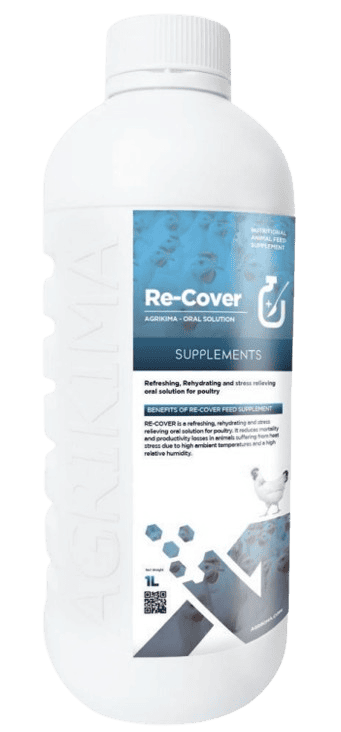
RE-COVER
An oral rehydration solution that helps replace the water and salts a scouring calf loses in its dung; give it between milk feeds as directed on the label or by your vet, as support alongside veterinary care, not as a cure for the infection.
View product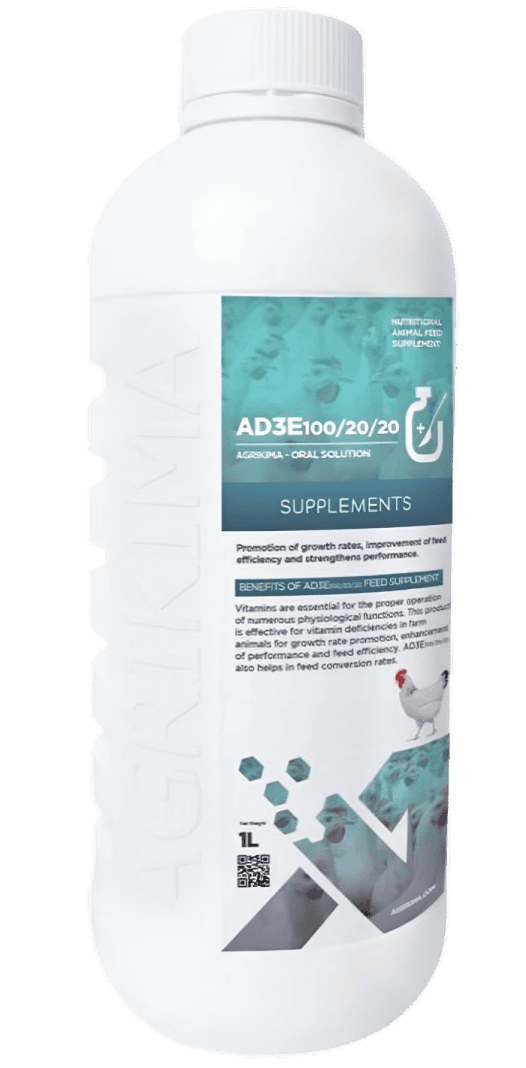
AD3E 100/20/20
Vitamins A, D3 and E can help correct deficiencies in pregnant dams and weak calves, especially in drought when dry forage is low in vitamin A, supporting colostrum quality and the calf's natural resistance; use under vet or agrovet guidance as part of good nutrition, not as a treatment for scours.
View productPrevention
- Make sure every calf suckles colostrum as soon as possible after birth, ideally within the first hour or two, and gets plenty during the first day; do not milk off or throw away the dam's first milk.
- Help weak calves to stand and suckle, or milk the dam's colostrum into a clean container and feed it, so that no calf misses this vital first protection.
- Feed pregnant dams as well as possible in late pregnancy, including mineral licks and access to browse, so they produce good colostrum and strong calves; seek advice on vitamin support in drought.
- Keep calving and calf pens clean and dry: remove dung regularly, move or rest night enclosures, avoid muddy areas, and give calves shade and shelter from cold wind.
- Avoid crowding many young calves together, and keep newborn calves apart from older calves that may be shedding germs.
- Clean the navel of newborn calves as advised by your vet, and keep the dam's udder and teats free of caked dung.
- Wash hands and milking containers, use separate equipment for sick calves, and keep watering troughs clean.
- Isolate newly bought or returning animals for a period, and ask your vet whether vaccines or other herd programmes are suitable for your area; there is no widely used camel-specific scours vaccine, so management is the main protection.
- Do not take so much milk for sale or home use that young calves go hungry; leave enough milk for the calf to grow and stay strong.
Risk to people
Some of the germs that cause scours, especially Salmonella, certain types of E. coli and Cryptosporidium, can also make people sick with diarrhoea, stomach pain and fever. Children, elderly people, pregnant women and people with weak immunity are most at risk. Always wash hands well with soap and clean water after handling sick calves, their dung or bedding, and before eating or preparing food. Keep children from playing with or kissing sick calves. Boiling or pasteurising camel milk before drinking reduces the risk of picking up these germs, and milk from dams being treated with drugs should be discarded for the withdrawal period the vet gives.
Impact on your farm
Calf diarrhoea is one of the biggest causes of calf losses in camel herds. Because a camel dam usually gives birth only about every two years, each calf lost is a big setback to herd growth and future income. Calves that survive may grow slowly and reach breeding or market age later. For many pastoral families, camel milk is the main food and source of cash, and some dams may dry off or produce less milk if their calf dies, as camels often need the calf present to let down milk. There are also costs for vet visits, drugs, fluids and labour, and time taken from herding and other work. In camel dairies near towns such as Isiolo, Garissa and Nanyuki, outbreaks can affect many calves at once and reduce milk supply to buyers.
Outlook and recovery
Calves with mild diarrhoea that keep suckling and get oral fluids early usually recover within several days. The outlook becomes much worse once a calf is severely dehydrated, cold, cannot stand or has stopped sucking, and very young calves that missed colostrum are most likely to die. Salmonella and blood poisoning carry a higher risk of death than simple viral scours. Calves that recover may have reduced growth for a while and need good milk and care. Quick action, good colostrum and clean pens make the biggest difference to survival.
Common questions
Should I stop giving milk to a calf with diarrhoea?
No. The old practice of starving a scouring calf is not recommended. Milk gives the calf energy and helps the gut repair itself. Let the calf continue to suckle or feed its normal milk in small, frequent amounts, and give oral rehydration fluids separately between feeds, as your vet advises.
Is it true that the first milk (colostrum) is bad for the calf?
No. In some communities colostrum is milked off or thrown away, but it is the calf's most important protection. Camel calves are born with almost no antibodies and depend on colostrum to fight germs. Calves that get plenty of colostrum early are much less likely to get scours or die from it.
Can I just buy an antibiotic from the agrovet and give it?
It is better not to without a vet's advice. Many cases are caused by viruses or parasites that antibiotics cannot kill, and dehydration, not the germ, is usually what kills the calf. Using the wrong drug wastes money, can harm the calf and helps germs become resistant. Let a vet decide if an antibiotic is needed and which one.
How do I know if my calf is dangerously dehydrated?
Look for sunken eyes, a dry or cold mouth, and skin on the neck that stays tented for more than a couple of seconds after you pinch it. A calf that cannot stand, will not suck or feels cold is in danger and needs a vet urgently, as it may need fluids into the vein.
Many of my calves are getting sick at once. What should I do?
Call your vet or County Veterinary Officer so samples can be taken to find the cause. Separate sick calves, clean or move the calf enclosure, stop crowding, and make sure all new calves get colostrum quickly. Keep records of ages, signs and deaths to help the vet.
Can I catch diarrhoea from my sick calves?
Yes, some of the germs, such as Salmonella and Cryptosporidium, can infect people. Wash hands with soap after handling calves or dung, keep children away from sick calves, and boil camel milk before drinking to reduce the risk.
A guide, not a diagnosis. This page is general information to help you recognise problems early. Always confirm with a vet or animal health worker before treating.