
Camels health: spot the signs.
Dromedary camels in pastoral areas — surra, camel pox, mange, skin necrosis, ticks and udder health.
7 conditions. Start with what healthy looks like, then the signs that need action — sorted from emergencies to problems you can watch. Tap any card for the full guide.
What a healthy camel looks like
Also called: Ngamia mzima (Swahili, a healthy camel), Healthy dromedary, Normal camel health check, Baseline camel health
This page describes what a normal, healthy one-humped camel (dromedary) looks, sounds and behaves like in Kenya and East Africa. Camels are tough and hide illness well, so many herders only notice a problem when it is already serious. If you know your camels' normal behaviour, droppings, hump size and temperature, you can spot trouble days earlier. Early action saves milk, calves and money, and it helps your vet treat the animal more successfully.
Read the full health-check guide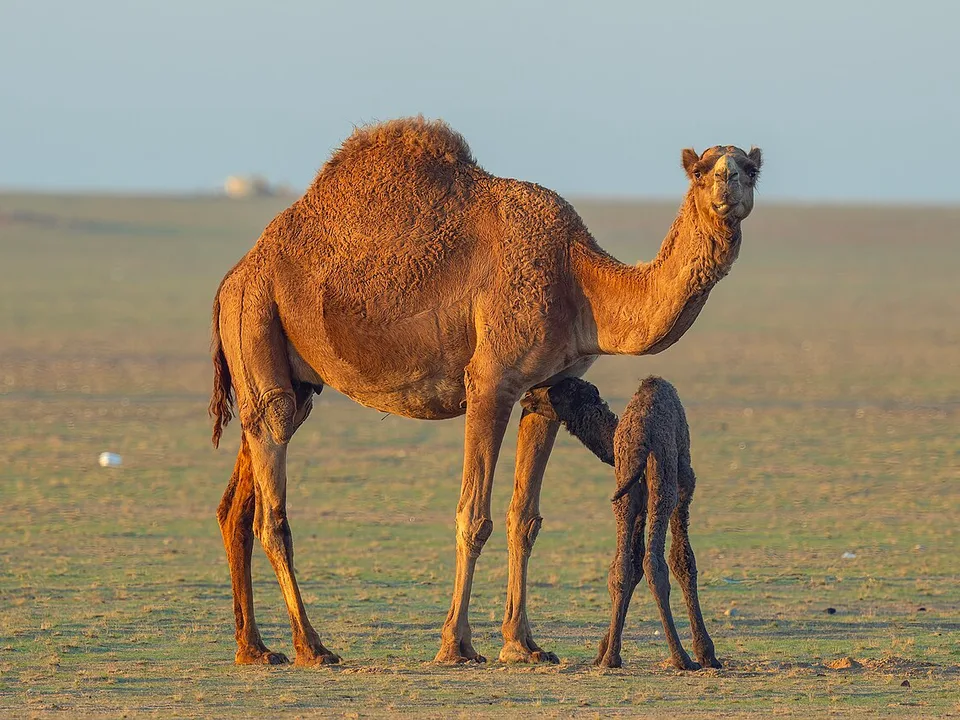
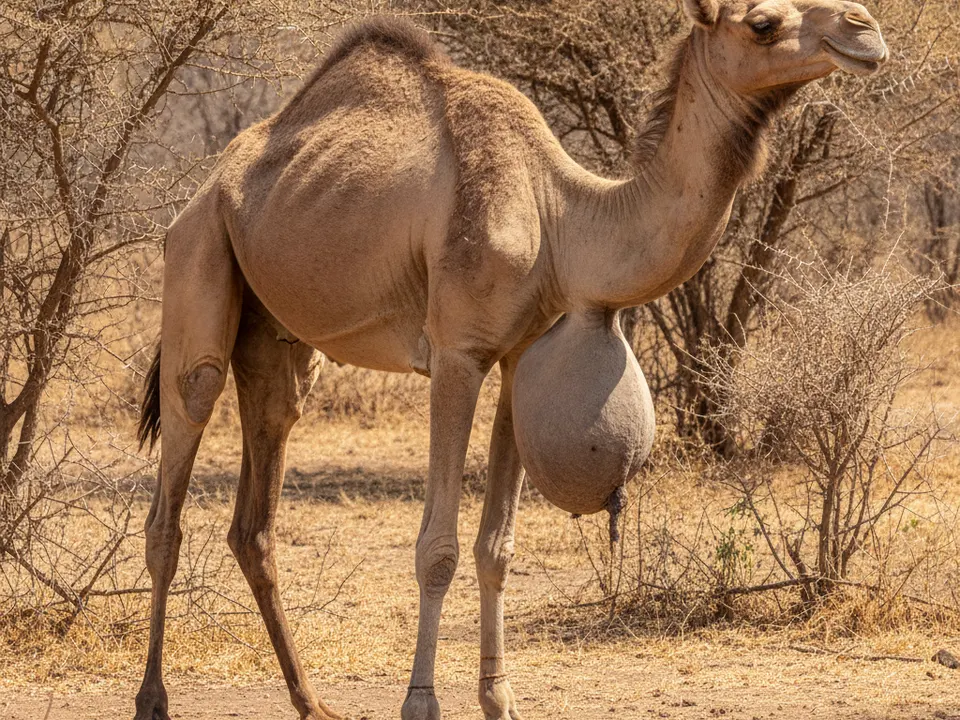
Surra (camel trypanosomiasis)
Shrinking hump and steady weight loss
Read the full guide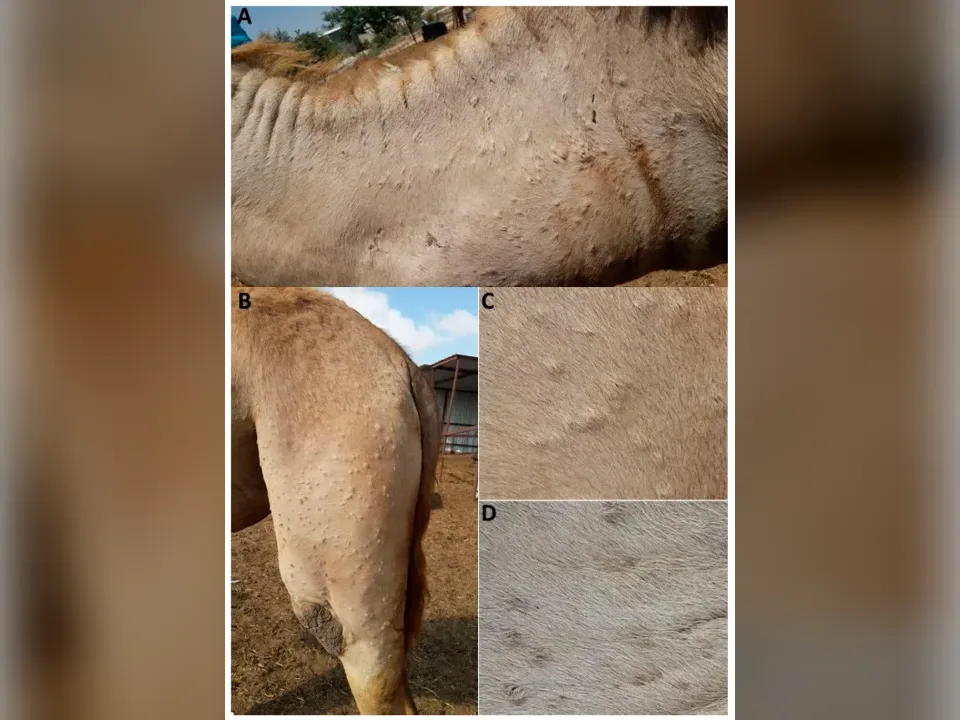
Camel pox
Pox scabs on lips and nostrils
Read the full guide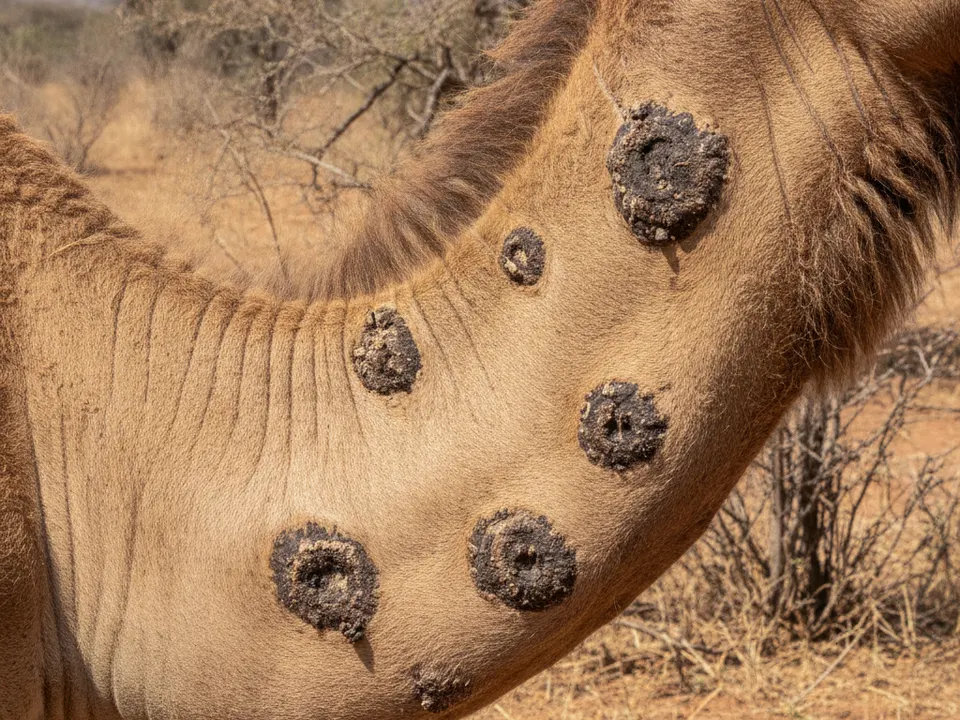
Contagious skin necrosis (abscesses)
Crusted sores and lumps on neck, shoulders
Read the full guide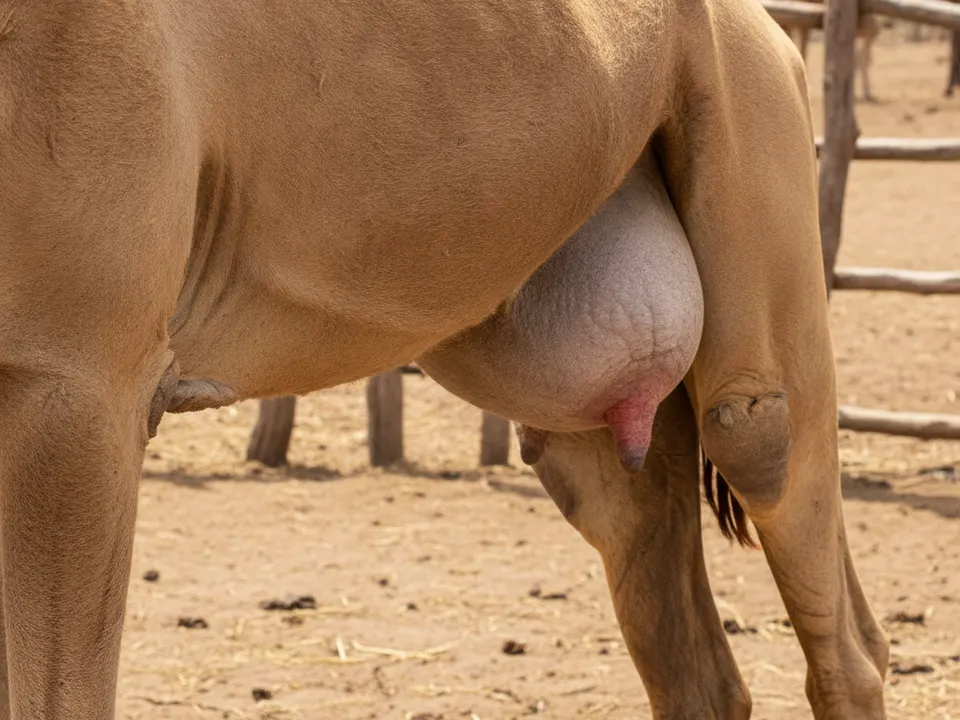
Mastitis
One udder quarter swollen and hot
Read the full guideCamel calf diarrhoea
Watery scours and soiled tail in calves
Read the full guide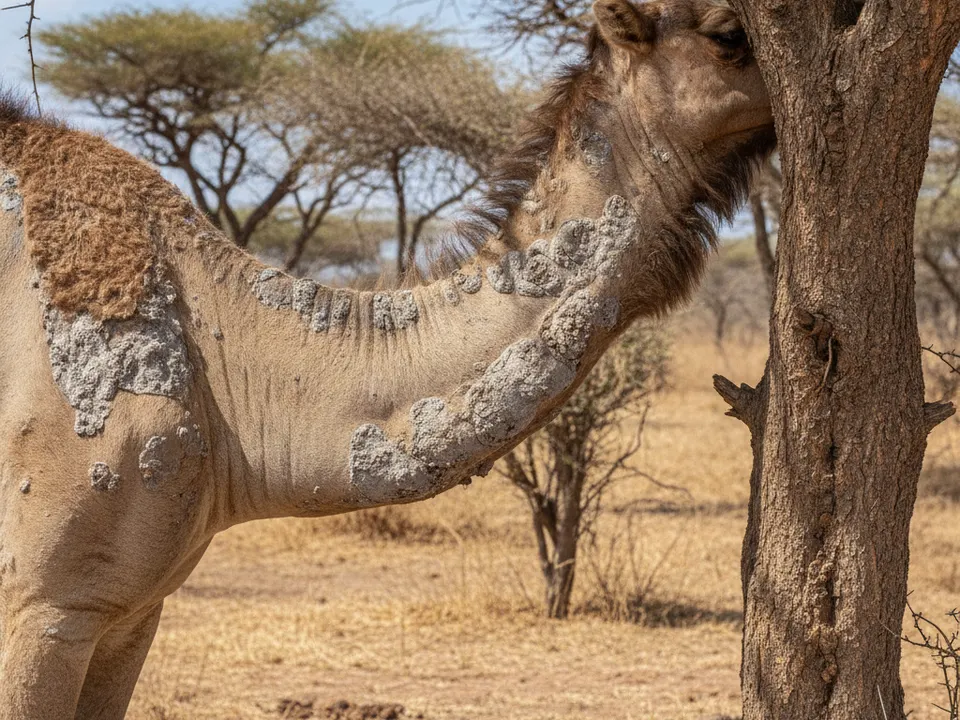
Mange
Thick, crusted, hairless itchy skin
Read the full guide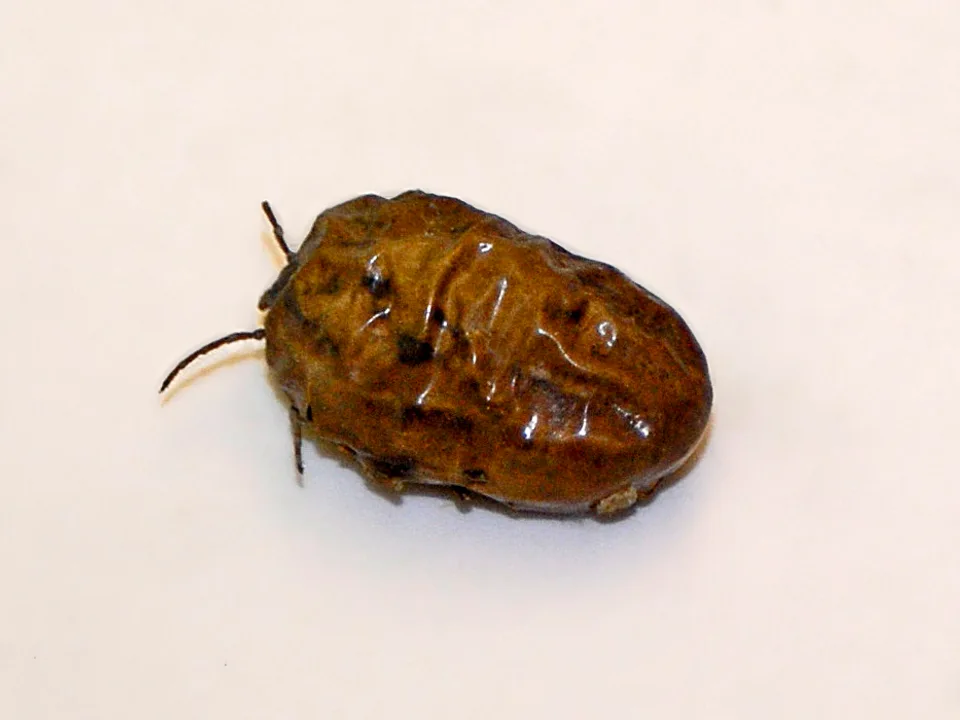
Tick infestation
Clusters of large ticks on udder
Read the full guide