
Cattle health: spot the signs.

Dairy and beef cattle — tick-borne fevers, udder health, digestive upsets, lameness and the big notifiable diseases.

29 conditions. Start with what healthy looks like, then the signs that need action — sorted from emergencies to problems you can watch. Tap any card for the full guide.

What a healthy cow looks like

Also called: Healthy baseline, Normal cattle health signs, Ng'ombe mwenye afya

Before you can spot a sick cow, you need to know what a healthy one looks, sounds and behaves like. This page sets out the normal signs, normal temperature, heart and breathing rates, cud chewing and dung, and gives a simple daily health-check routine. Farmers who know their animals' normal behaviour catch illness earlier. Early action is usually cheaper and gives the animal a better chance of recovery.

Read the full health-check guide
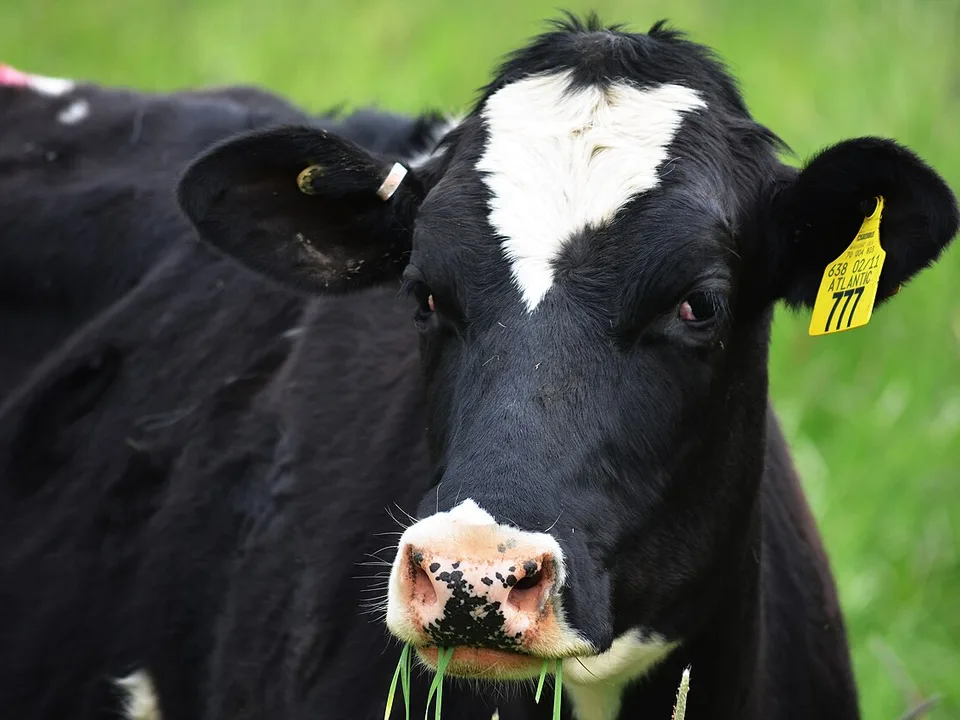
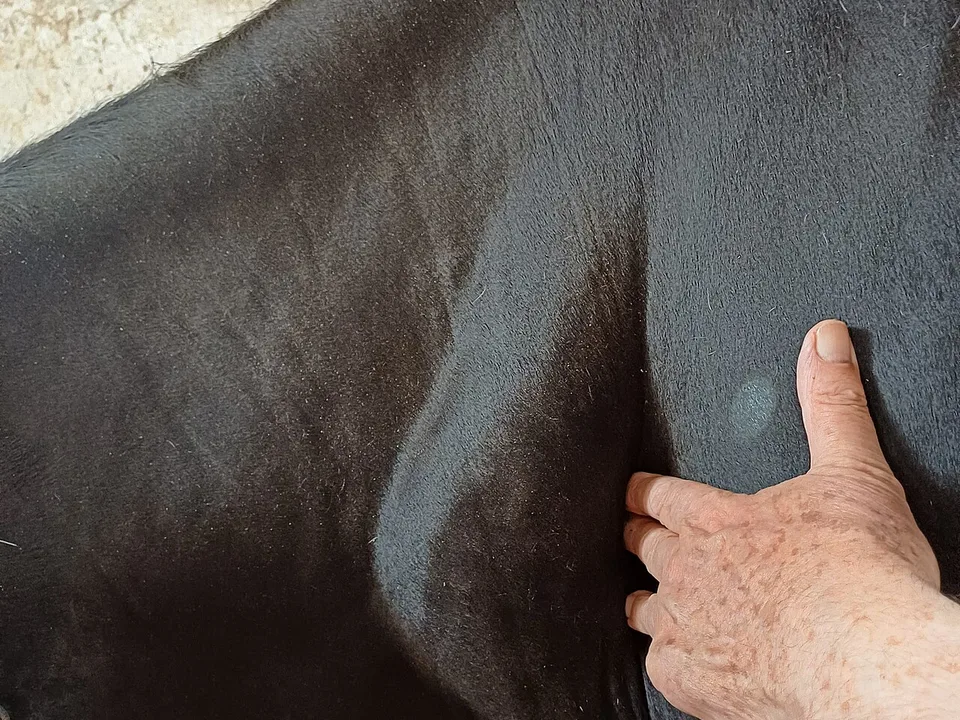
What a healthy cow looks like: A healthy cow holds her head and ears up, has clear bright eyes and a smooth coat, and spends much of her resting time calmly chewing the cud. She comes to feed and water eagerly, walks evenly, and passes soft, well-formed dung.
East Coast Fever: The animal has a hard, swollen lump below the ear and another in front of the shoulder. It has a high fever, stops eating and looks dull, and brown ticks are often found on the ears.

East Coast Fever

Swollen glands below the ear

Read the full guide
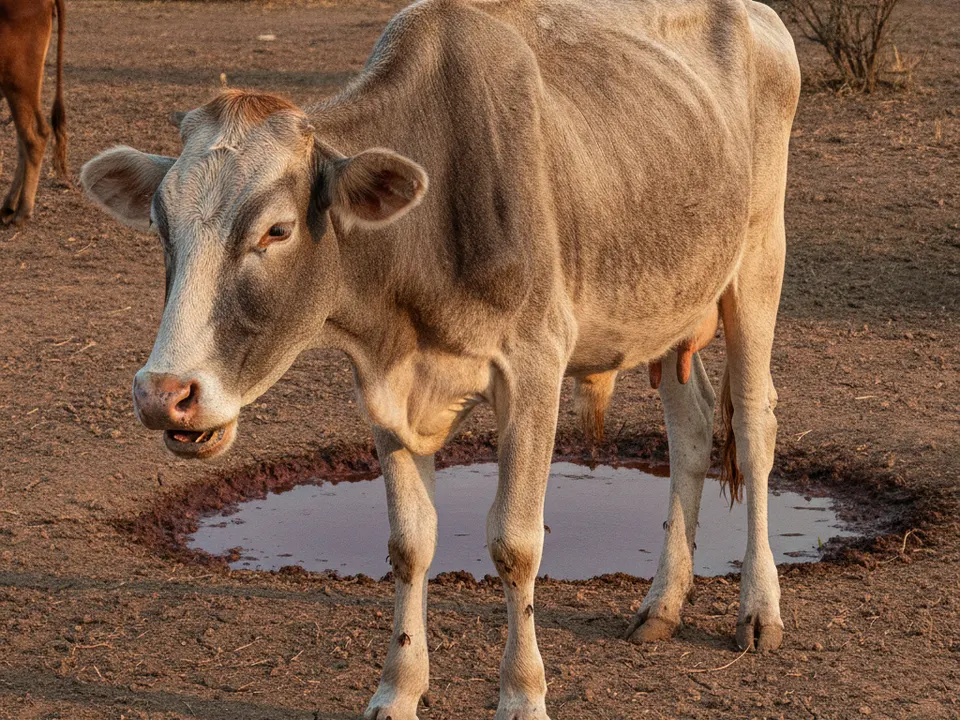
Babesiosis (redwater): A feverish, dull cow stops eating, passes urine the colour of strong tea, coffee or port wine, and her gums and eye whites turn pale, then yellow. Blue ticks are often found on the animal or in the herd.

Babesiosis (redwater)

Dark red-brown 'coffee' coloured urine

Read the full guide
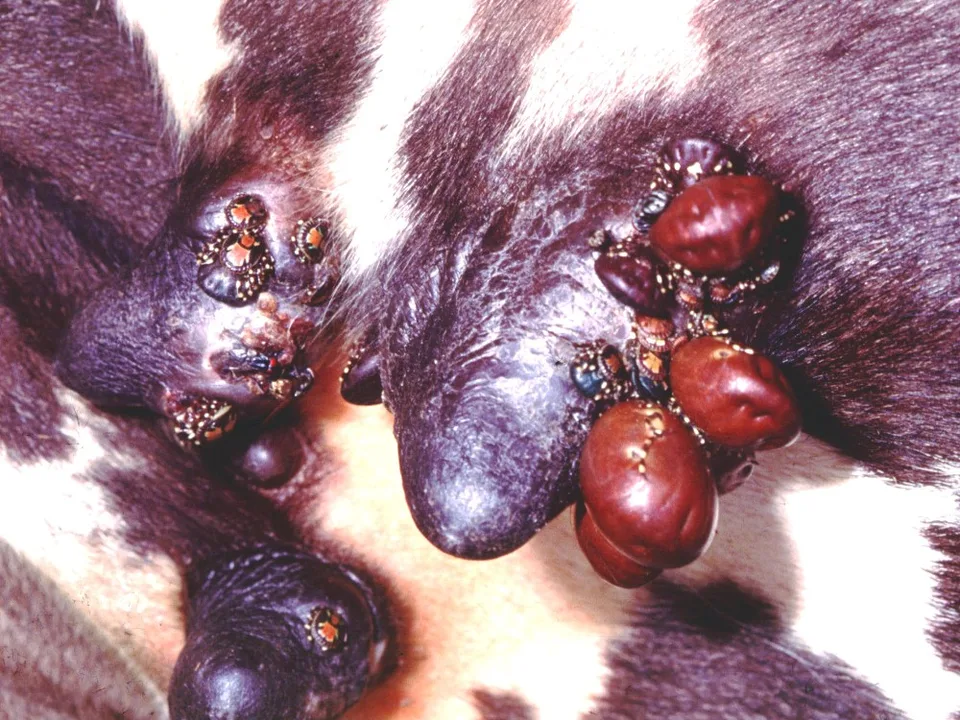
Heartwater: A cow with a high fever stops eating, then walks with exaggerated high steps, chews or twitches her lips and eyelids, circles or presses her head against walls. Late cases go down, paddle their legs and may die suddenly.

Heartwater

High-stepping walk and constant chewing movements

Read the full guide
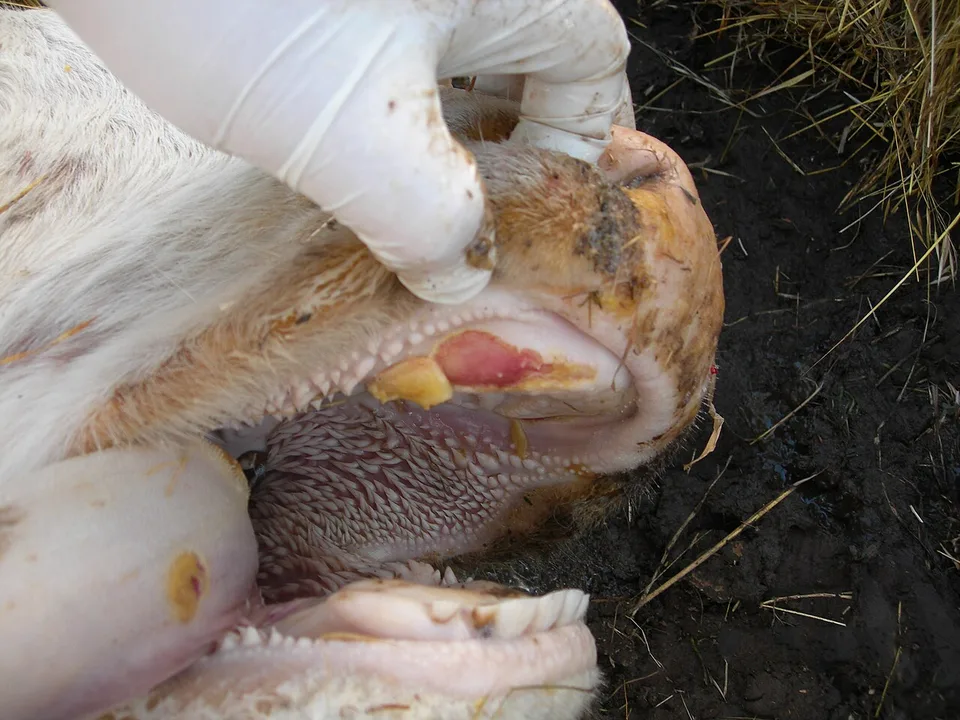
Foot-and-mouth disease (FMD): Cattle drool long strings of saliva, smack their lips and stop eating. Blisters or raw red patches show on the tongue, gums, teats and between the claws, and animals limp or refuse to stand.

Foot-and-mouth disease (FMD)

Heavy drooling with blisters in mouth

Read the full guide
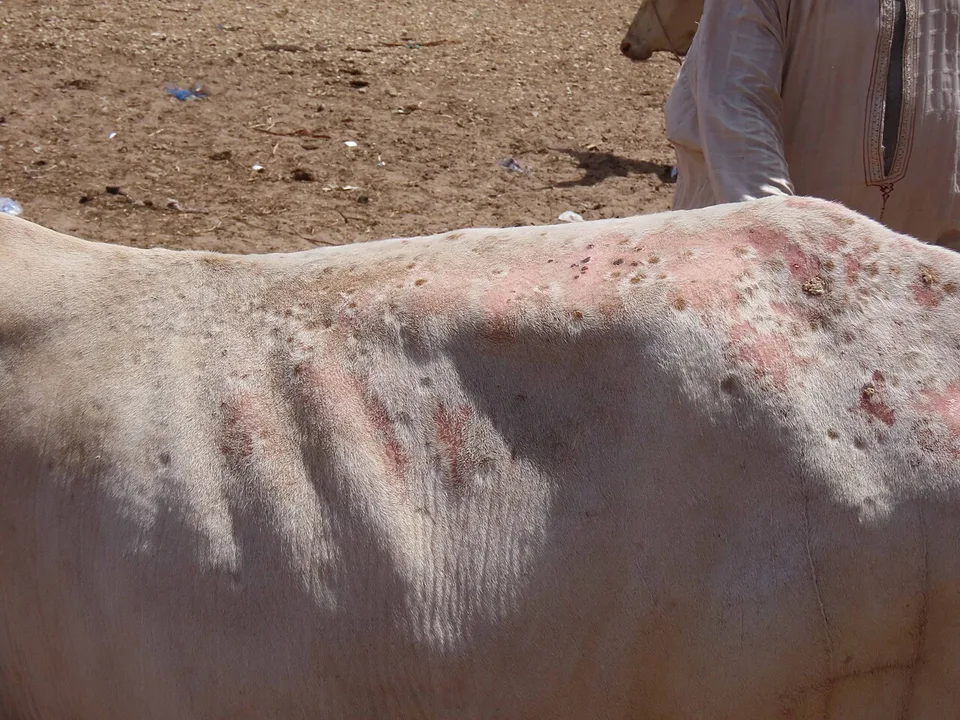
Lumpy skin disease: Many firm, raised, round lumps from coin-size up to about 5 cm appear over the neck, back, legs, udder and head, often with fever, watery eyes and a sudden drop in milk. Swollen glands in front of the shoulder and swollen legs are common.

Lumpy skin disease

Firm round lumps all over skin

Read the full guide
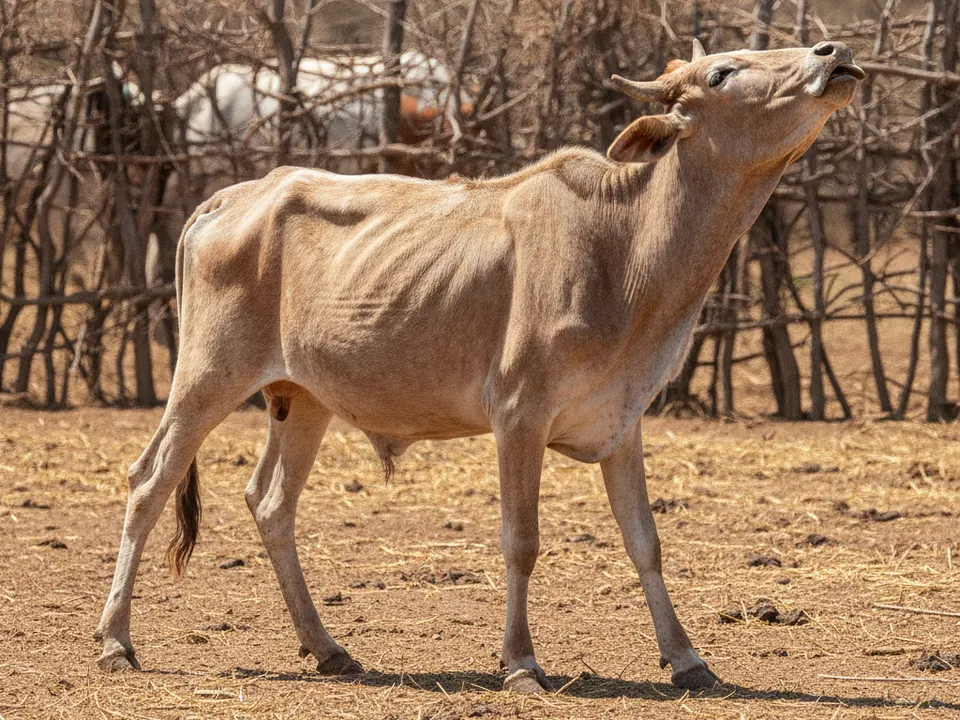
Contagious bovine pleuropneumonia (CBPP): A feverish cow or bull stands apart with its head and neck stretched forward, elbows turned out and mouth open, breathing hard and coughing, especially after walking. It may grunt and flinch when you press gently on the side of its chest.

Contagious bovine pleuropneumonia (CBPP)

Laboured breathing with neck stretched out

Read the full guide
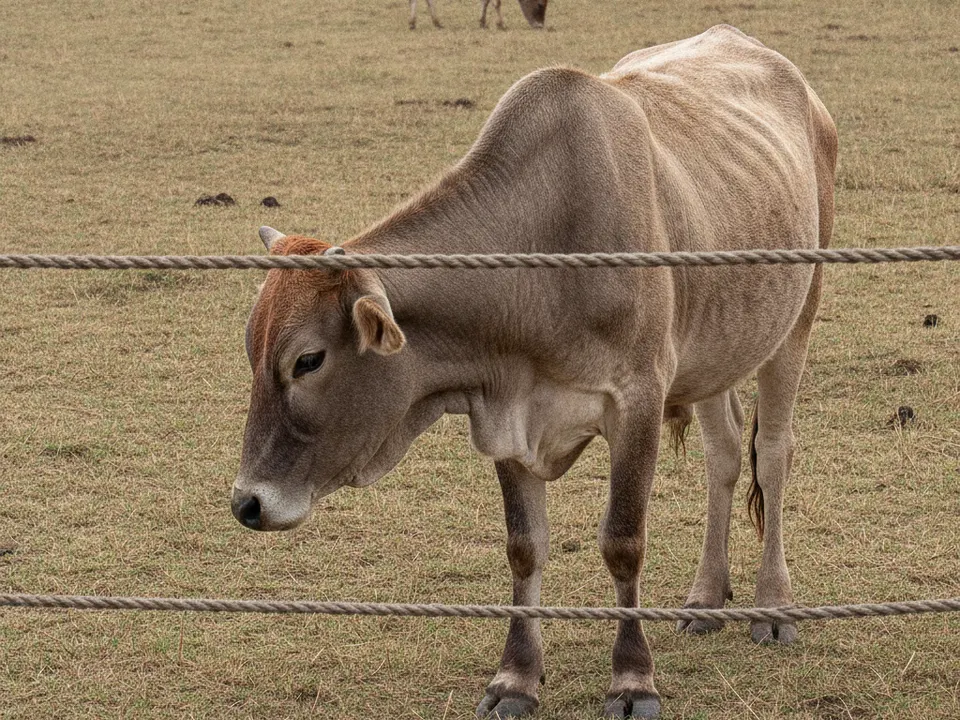
Anthrax: A cow that seemed healthy is found dead, often bloated, with dark, tar-like blood that does not clot oozing from the nose, mouth or anus. The body stays limp instead of going stiff.

Anthrax

Sudden death, dark blood from openings

Read the full guide
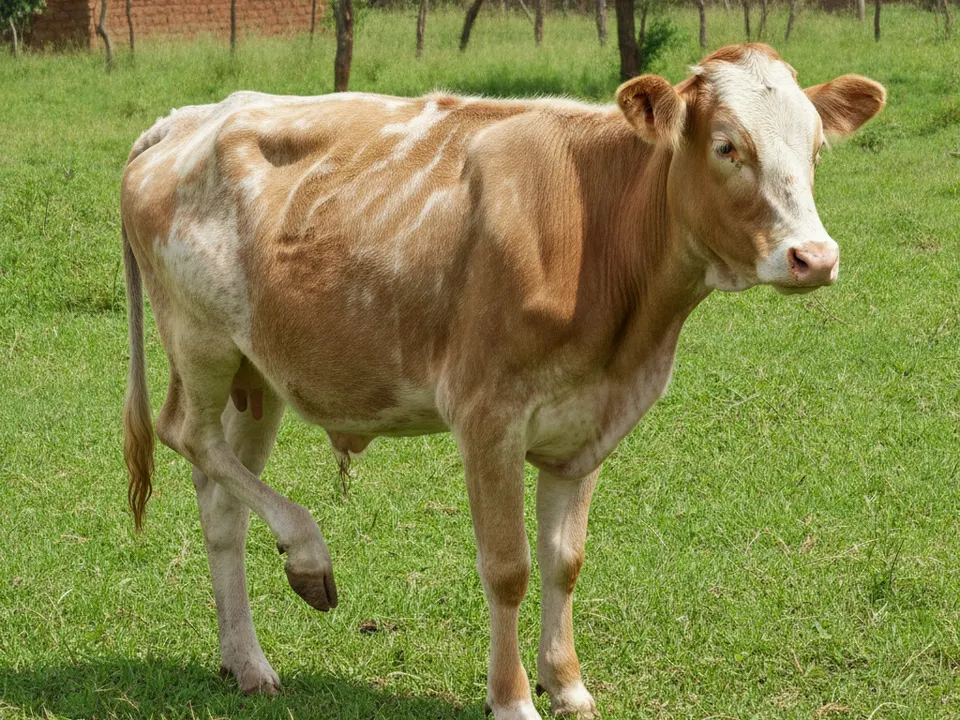
Blackleg (black quarter): A well-grown young animal suddenly goes lame, with a hot, painful swelling on the thigh, shoulder or neck that crackles like dry paper when pressed. The swelling soon turns cold and numb, and the animal is often dull, feverish or already dead.

Blackleg (black quarter)

Crackling swollen leg in young cattle

Read the full guide
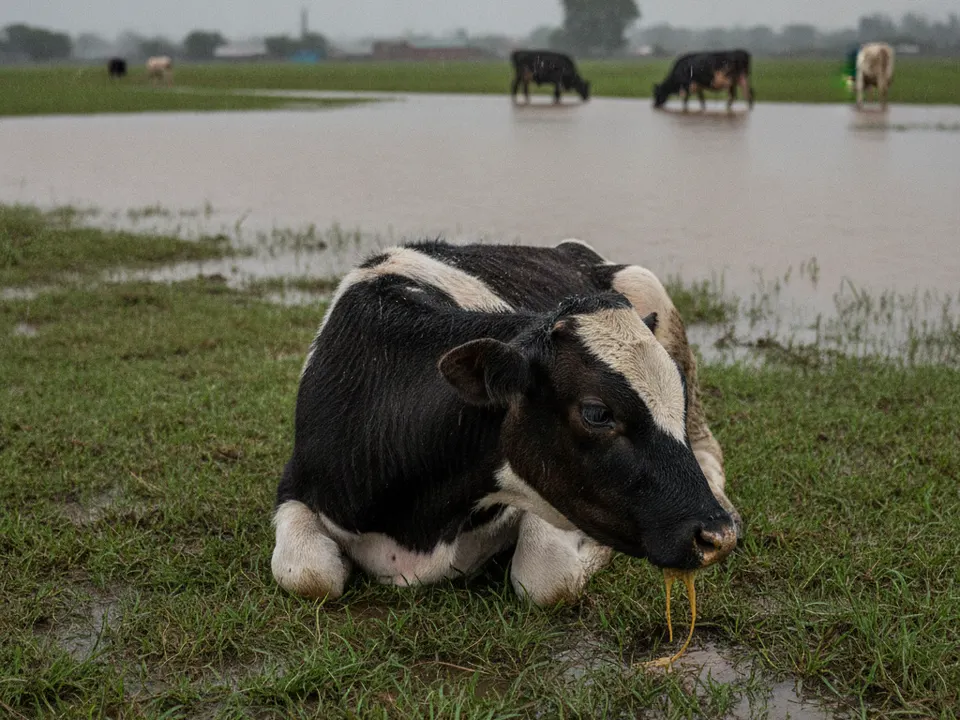
Rift Valley fever: After floods or long heavy rains, several pregnant cows in the herd and the neighbourhood abort within days or weeks, and young calves become weak, feverish and die quickly. Adult cattle may have fever, a runny nose, bloody or smelly diarrhoea and a sudden drop in milk.

Rift Valley fever

Many cows aborting after heavy rains

Read the full guide
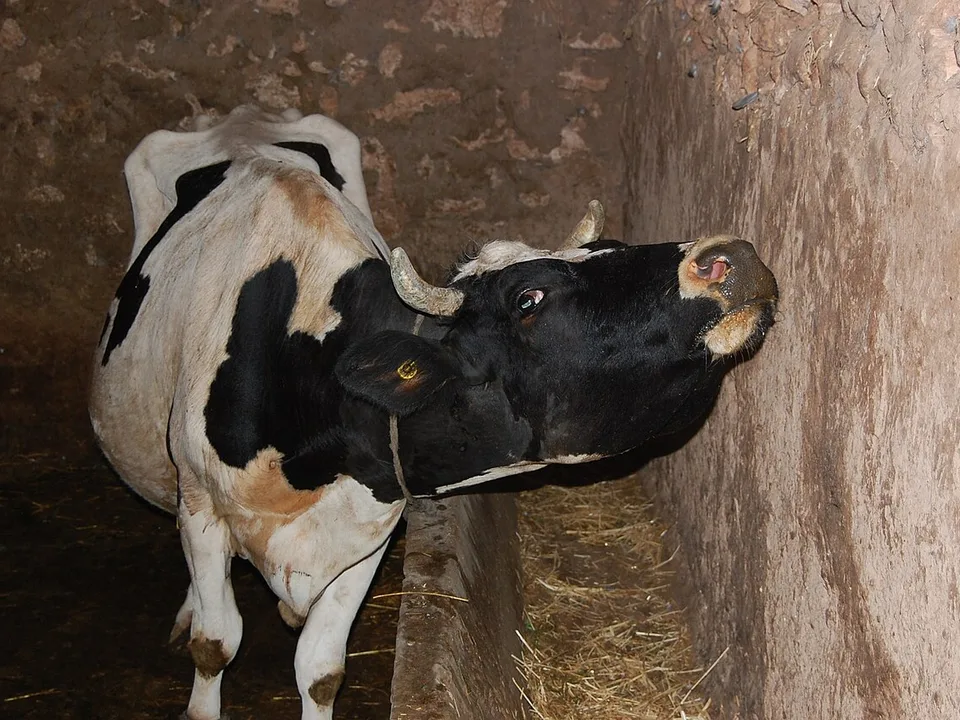
Rabies: The animal drools thick strings of saliva, bellows in a hoarse or strange voice and seems to be choking. It may be very aggressive or dull and wobbly, strain as if to pass dung, and become paralysed in the back legs.

Rabies

Drooling, bellowing cow that cannot swallow

Read the full guide
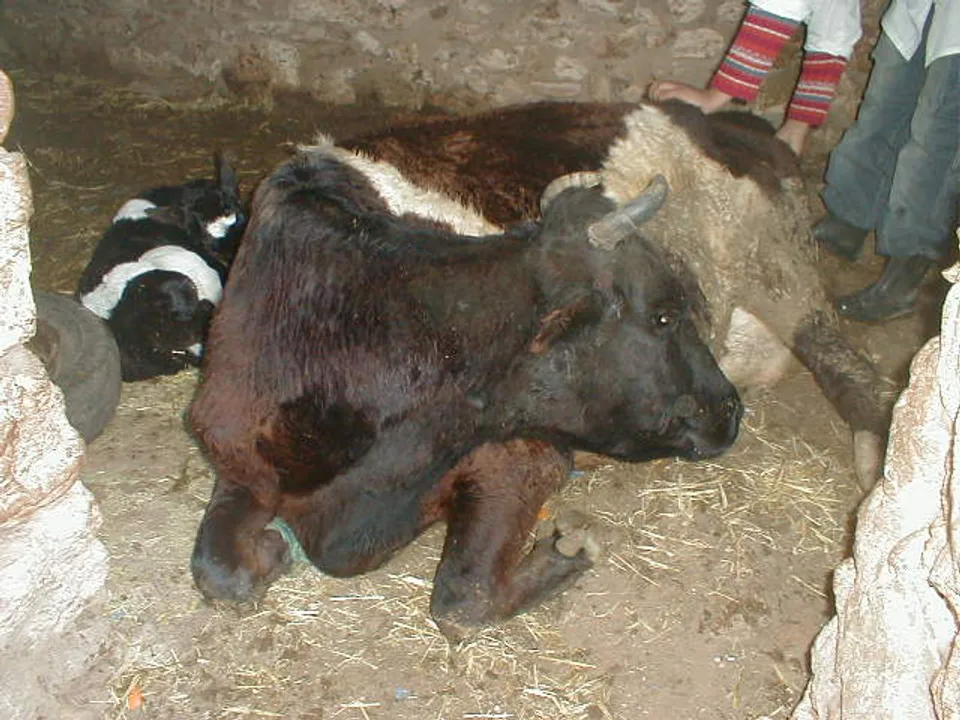
Milk fever (hypocalcaemia): A cow that calved in the last day or two is lying on her chest, cannot get up, and has her head tucked round towards her side. Her ears feel cold, her eyes look dull, and she may have wobbled or trembled before she went down.

Milk fever (hypocalcaemia)

Down cow, head turned to flank

Read the full guide
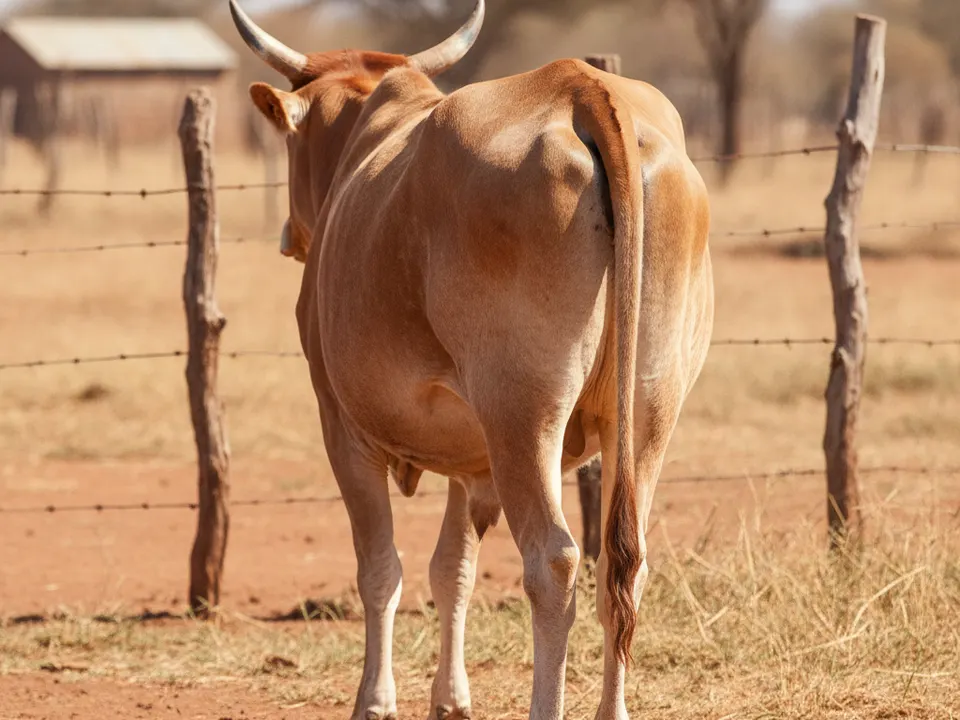
Bloat: The left flank, the hollow just in front of the hip bone, balloons outward and may rise above the line of the backbone. It feels tight like a drum when tapped. The animal stops eating, looks uncomfortable, and breathes fast or through the mouth.

Bloat

Left side of belly swollen high, tight

Read the full guide
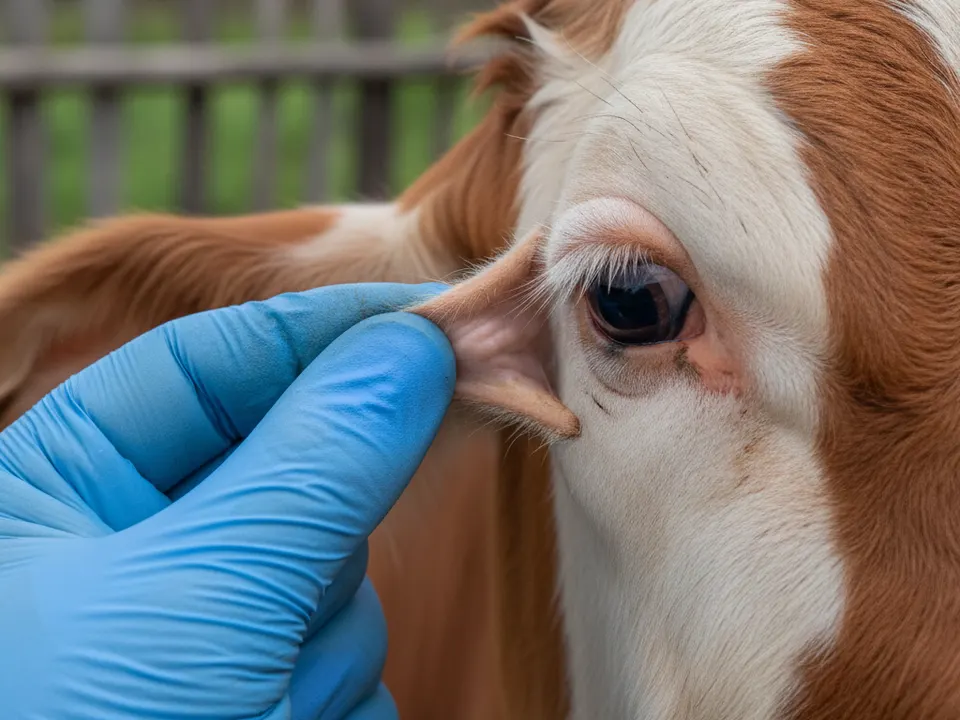
Anaplasmosis (gall sickness): The cow becomes weak and dull, with very pale pink or white gums and eyelids that later turn yellow. She often breathes fast, stops eating and passes small, hard, dry dung.

Anaplasmosis (gall sickness)

Pale, then yellow, eyes and gums

Read the full guide
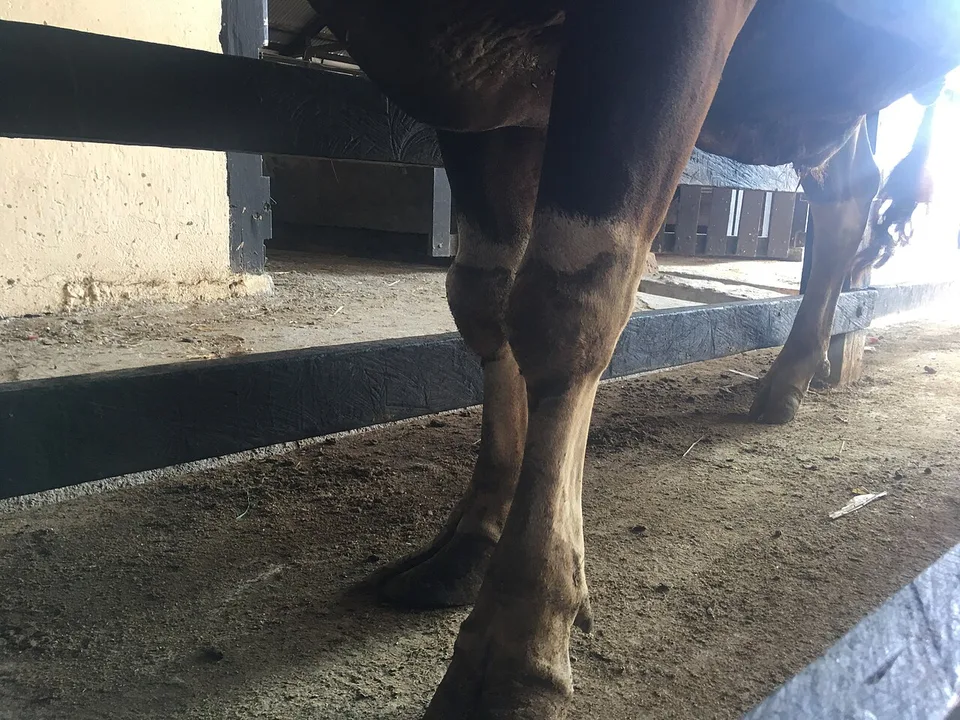
Brucellosis (contagious abortion): A cow or heifer loses her calf in the last three or four months of pregnancy, often with an afterbirth that will not come out. Some cattle in the herd may also have swollen knees, and bulls may have a swollen testicle.

Brucellosis (contagious abortion)

Cow aborts in late pregnancy

Read the full guide
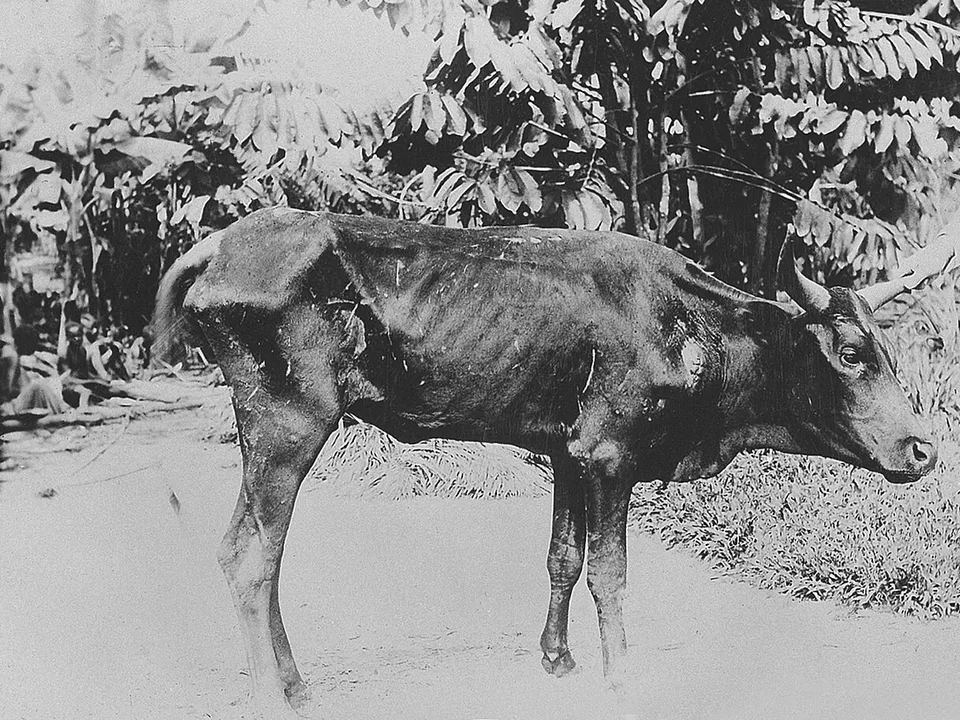
Trypanosomiasis (nagana): The animal slowly loses weight over weeks, with a rough coat, pale gums and inner eyelids, tears running down the face and swollen glands in front of the shoulder. She may lag behind the herd and give less milk, even though she is still grazing.

Trypanosomiasis (nagana)

Thin, pale cow with weeping eyes

Read the full guide
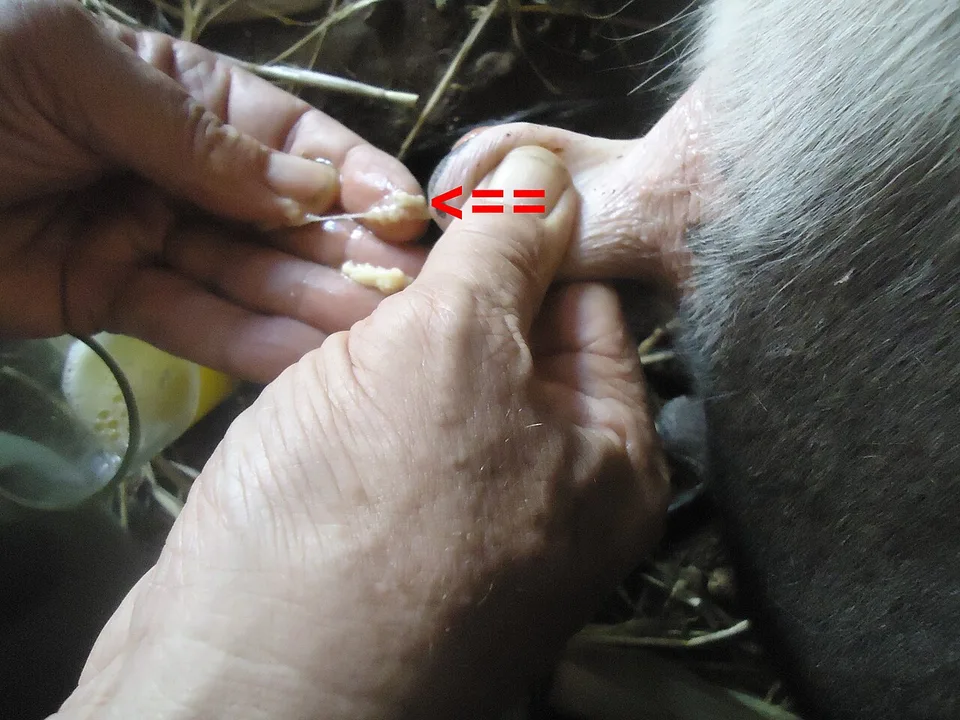
Mastitis: One quarter of the udder is swollen, hard, hot or painful to touch, and the milk from it has clots, flakes, or looks watery or yellowish. In severe cases the cow also has a fever, stops eating and drops her milk sharply.

Mastitis

Hot, hard, swollen udder quarter

Read the full guide
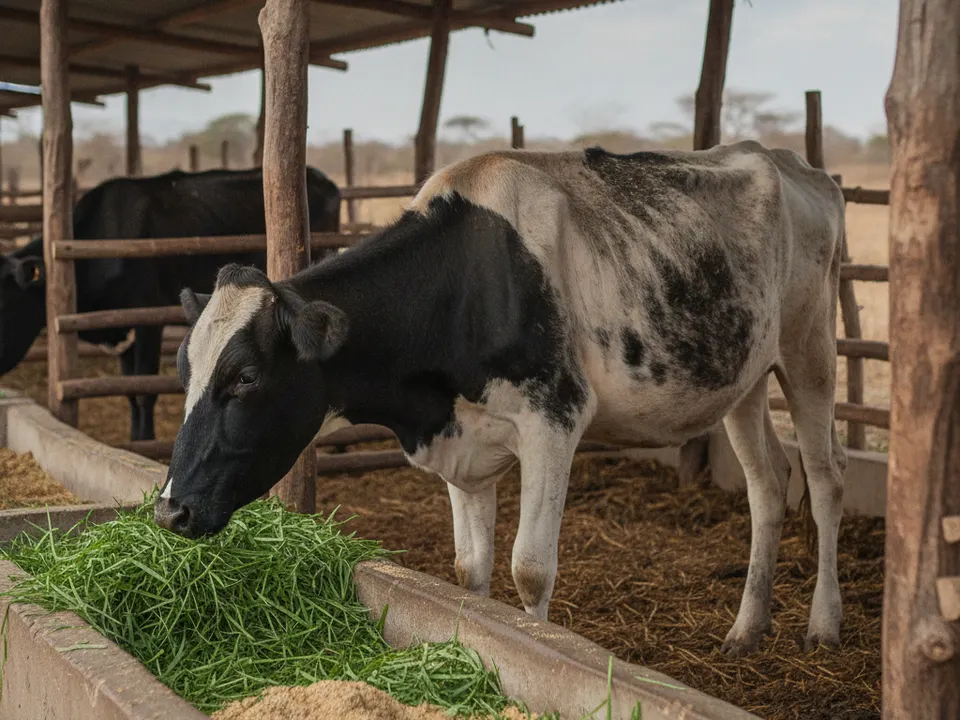
Ketosis (acetonaemia): A cow that calved a few weeks ago eats less, especially dairy meal, and her milk drops. She loses weight quickly and her breath or milk may smell sweet, like nail-polish remover or overripe fruit.

Ketosis (acetonaemia)

Fresh cow off feed, sweet-smelling breath

Read the full guide
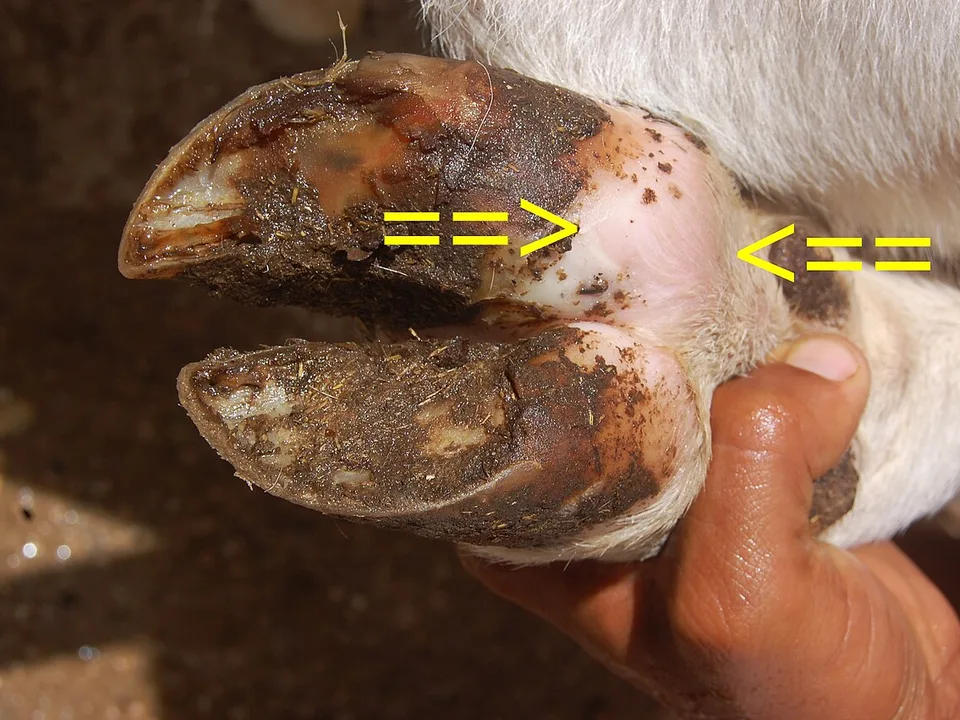
Foot rot and lameness: The cow is suddenly lame on one foot, and the skin just above the hoof is hot and swollen so the two claws spread apart. Between the claws there is a split or crack with grey, dead-looking tissue and a strong rotten smell.

Foot rot and lameness

Swollen foot with stinking crack between claws

Read the full guide
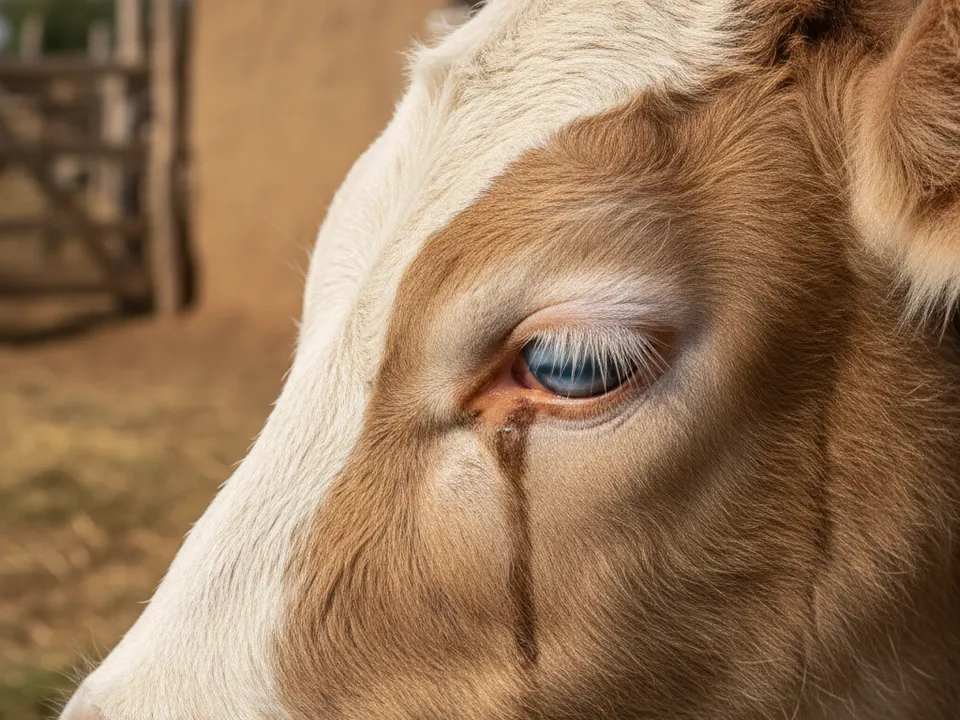
Pinkeye (infectious keratoconjunctivitis): The eye waters heavily, the animal squints or keeps it shut, and the white of the eye is red. A cloudy blue-white patch, often with a white spot or pit in the centre, appears on the clear front of the eye.

Pinkeye (infectious keratoconjunctivitis)

Cloudy blue-white patch on the eye

Read the full guide
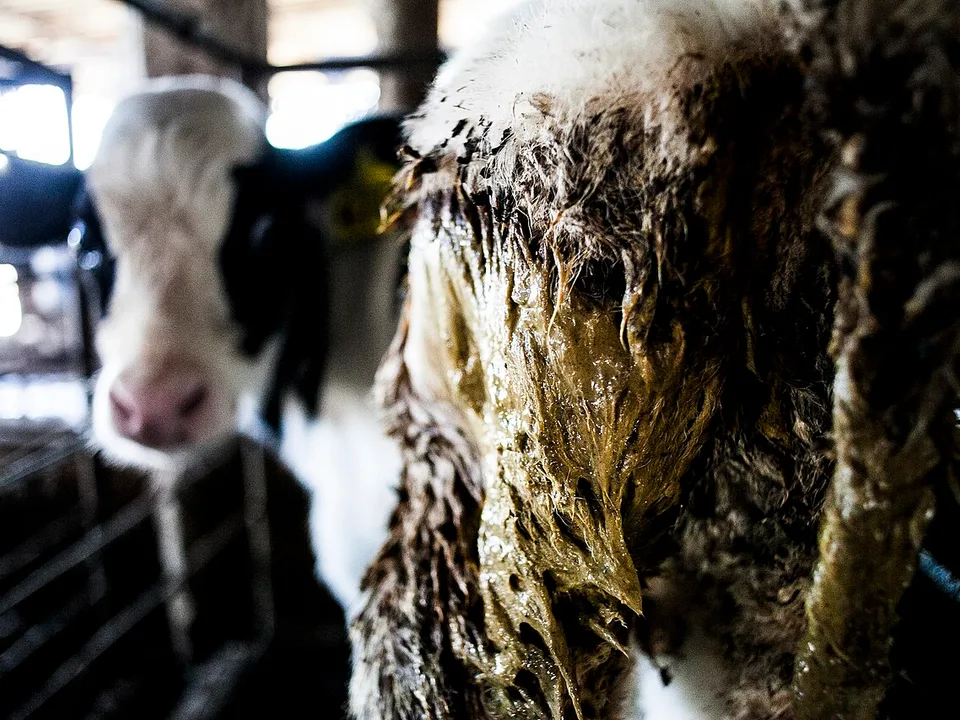
Calf scours (diarrhoea): A calf under a month old passes runny yellow, white, grey or green dung that soils its tail and hind legs. Soon it becomes dull, stops sucking well and its eyes start to sink into the head.

Calf scours (diarrhoea)

Watery yellow diarrhoea in young calves

Read the full guide
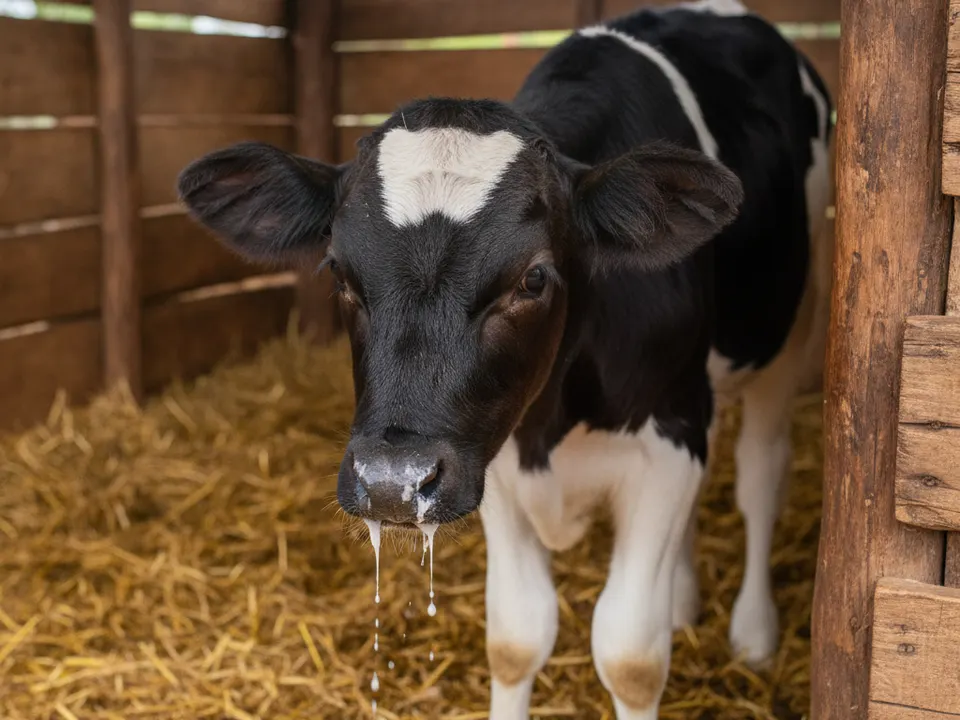
Calf pneumonia: The calf coughs, breathes fast with its flanks heaving, has a runny or crusty nose and droops its ears and head. It drinks less milk and stands apart from the others.

Calf pneumonia

Coughing calf with runny nose, droopy ears

Read the full guide
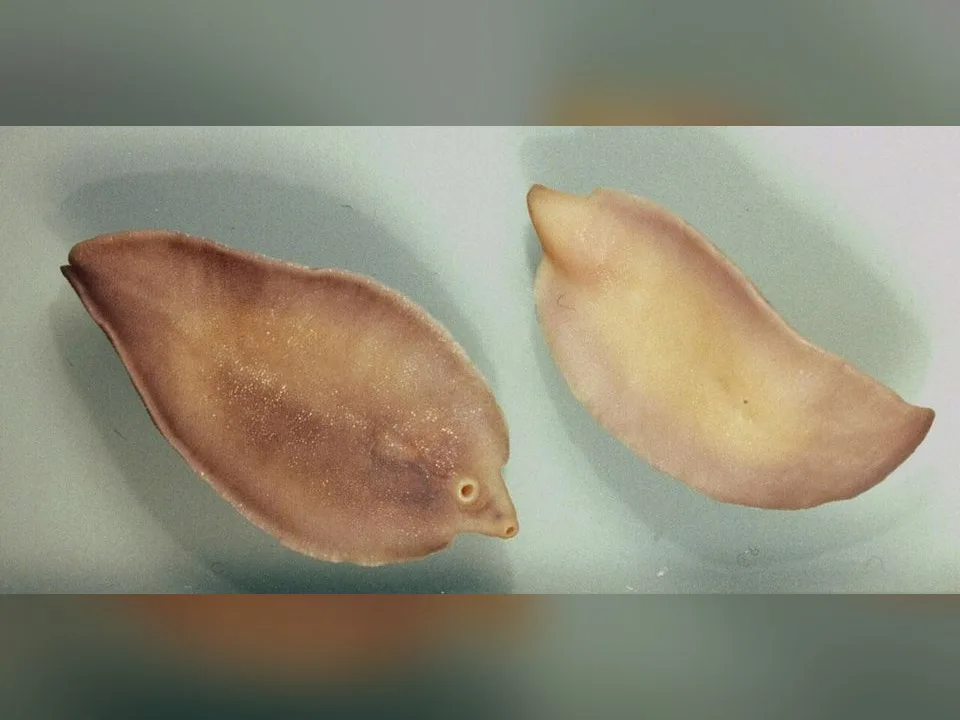
Liver fluke (fascioliasis): A thin, dull cow with a soft, cool, fluid-filled swelling under the jaw (bottle jaw), pale gums and eyelids, and falling milk, often in herds grazing swamps or along rivers.

Liver fluke (fascioliasis)

Soft swelling under the jaw

Read the full guide
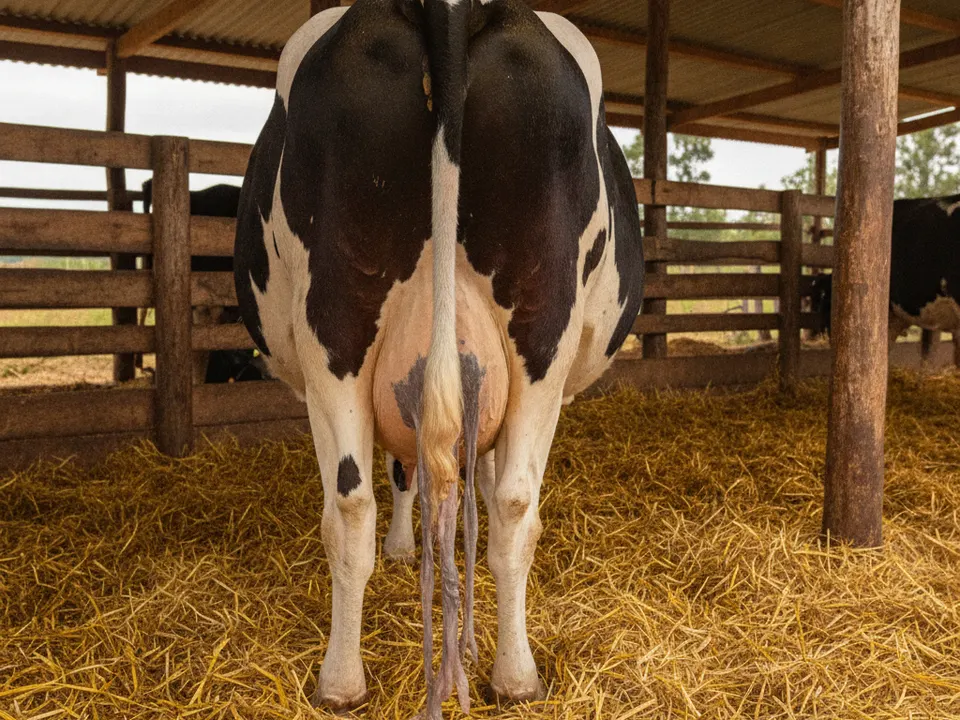
Retained placenta (afterbirth): Grey-red or brown membranes hang from the cow's vulva 12–24 hours or more after calving. After a few days they often smell rotten and attract flies.

Retained placenta (afterbirth)

Afterbirth hanging from cow after calving

Read the full guide
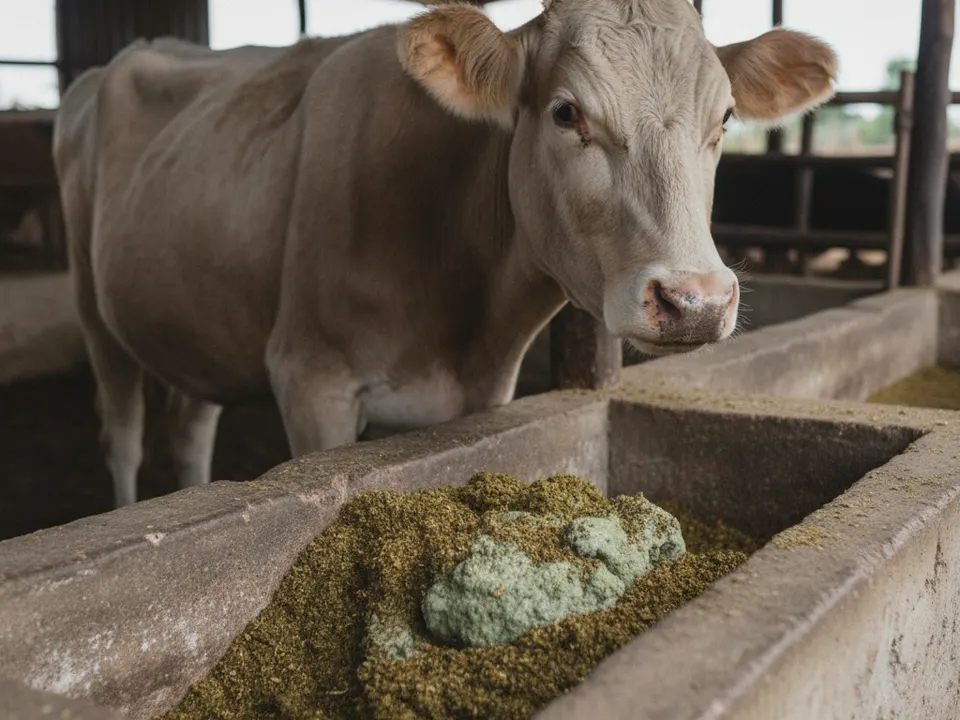
Mycotoxin poisoning (mouldy feed): Several cows eating the same feed lose appetite, pick at or refuse their dairy meal or silage, and milk falls over a few days. The feed may smell musty, look clumped, dusty, or show green, grey, black or pink mould.

Mycotoxin poisoning (mouldy feed)

Cows refuse feed, milk drops suddenly

Read the full guide
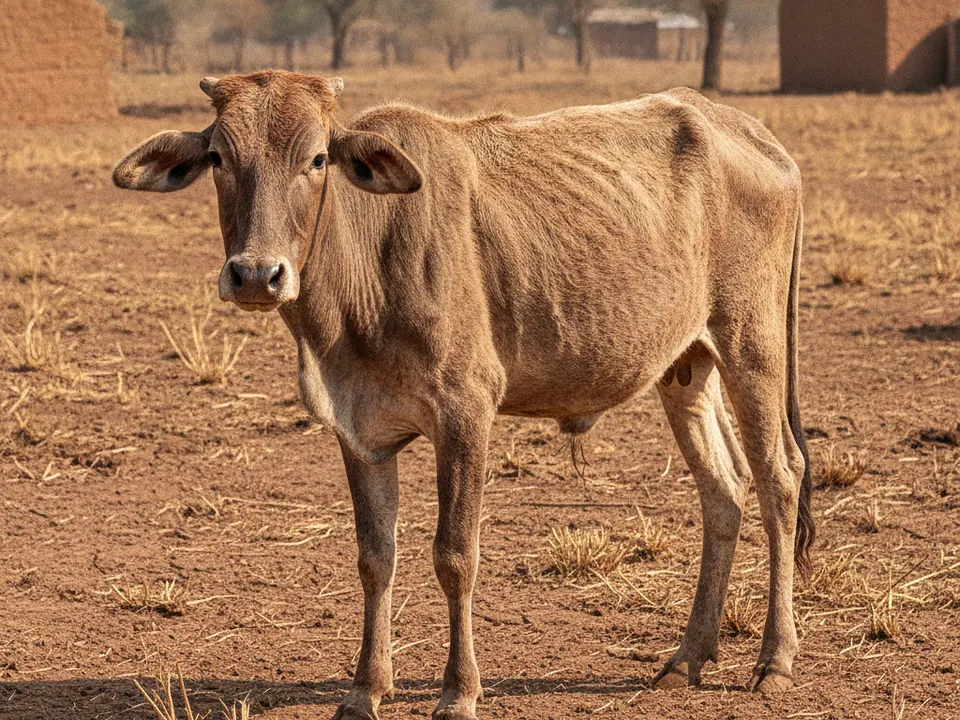
Internal worms (roundworms): Young cattle look dull and thin, with a rough, staring coat and a swollen, hanging belly. Many have loose, dirty dung on the tail and hind legs and grow more slowly than they should.

Internal worms (roundworms)

Rough coat and pot belly in calves

Read the full guide
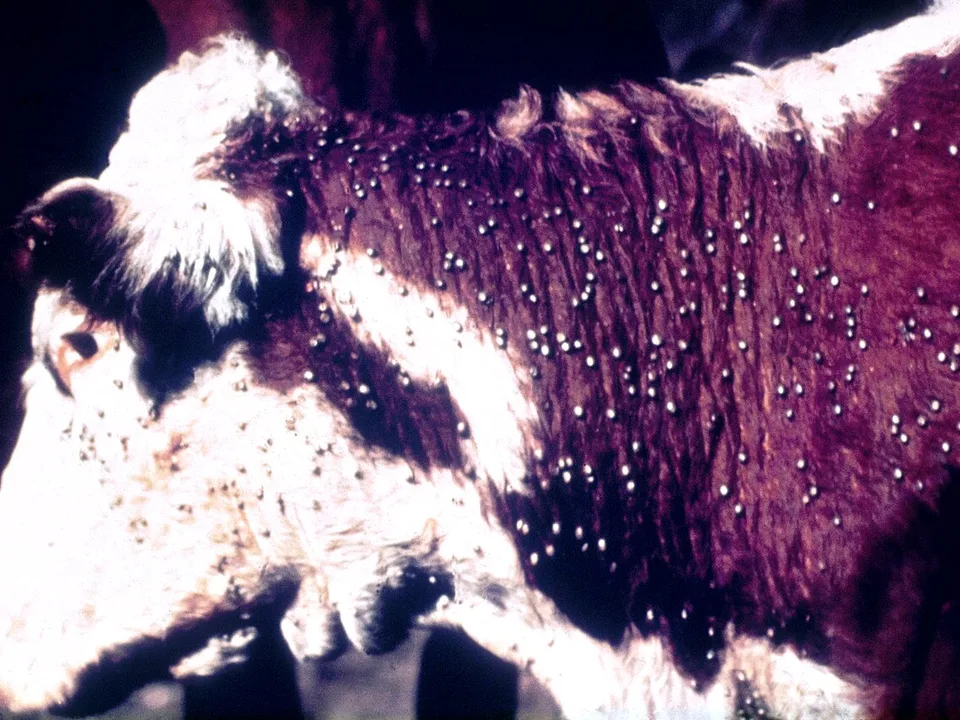
Tick infestation: Grey, brown, blue or colourful ticks cling to the ears, under the tail, around the udder, scrotum and between the hind legs. Heavily infested cattle may look thin and dull, with crusty sores or damaged teats.

Tick infestation

Clusters of ticks on ears, udder, tail

Read the full guide
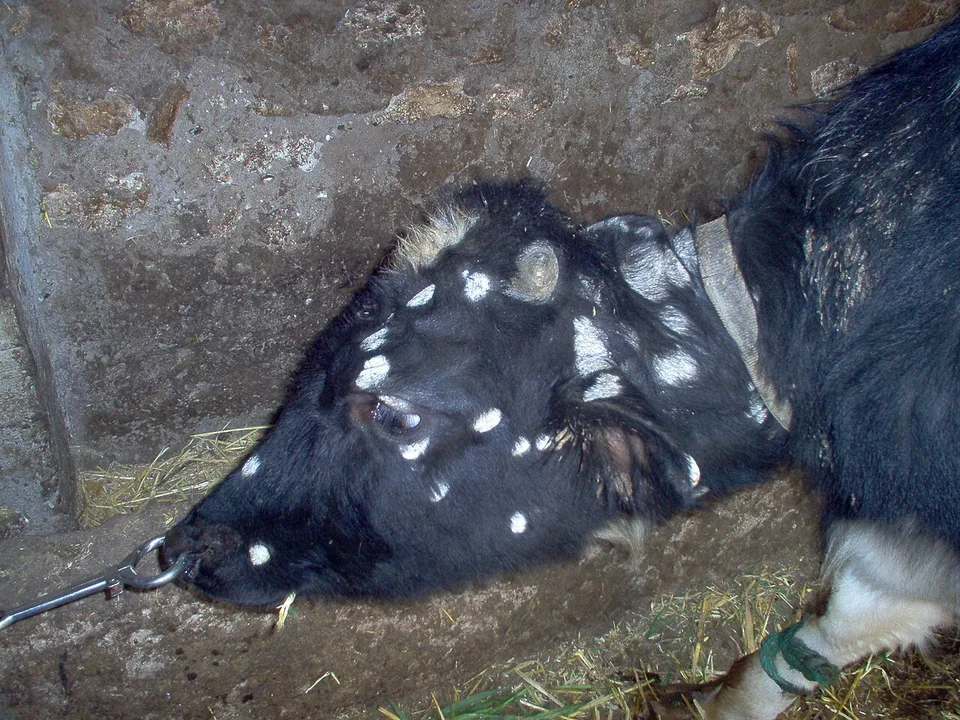
Ringworm: Coin-sized or larger round patches of hair loss with thick, dry, grey-white crusts, often around the eyes, ears, face and neck of calves and young stock. The patches look like ash or asbestos stuck to the skin and usually do not itch much.

Ringworm

Round grey crusty hairless patches

Read the full guide
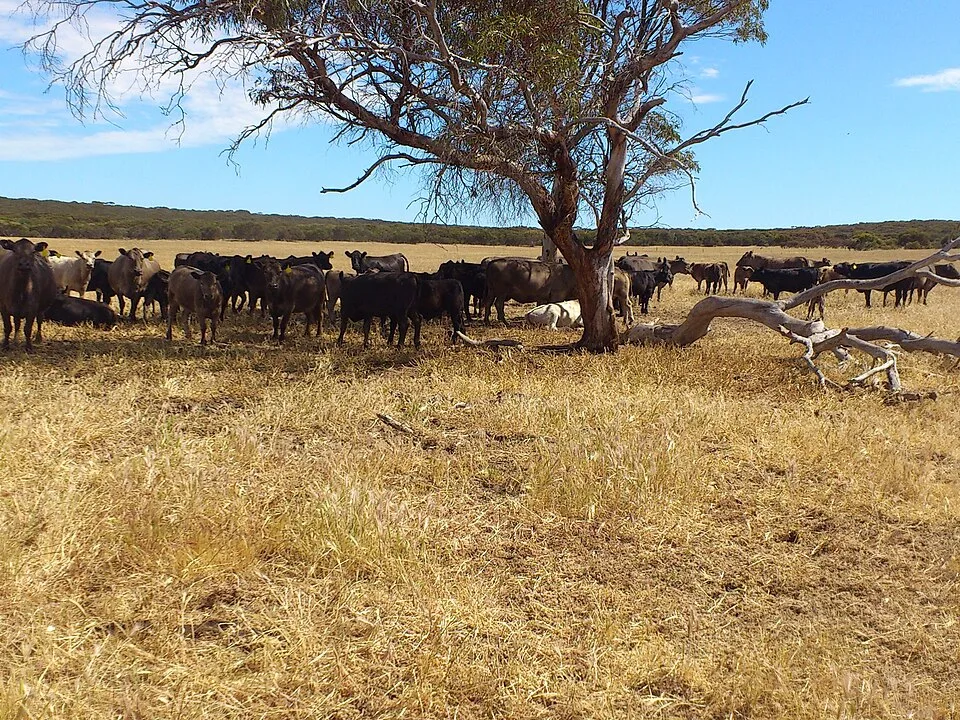
Heat stress: Cows stand bunched in shade or by the water trough, breathing fast with mouths open, tongues out and saliva dripping. They eat less and milk drops, especially on hot, humid afternoons.

Heat stress

Open-mouth panting and drooling in heat

Read the full guide
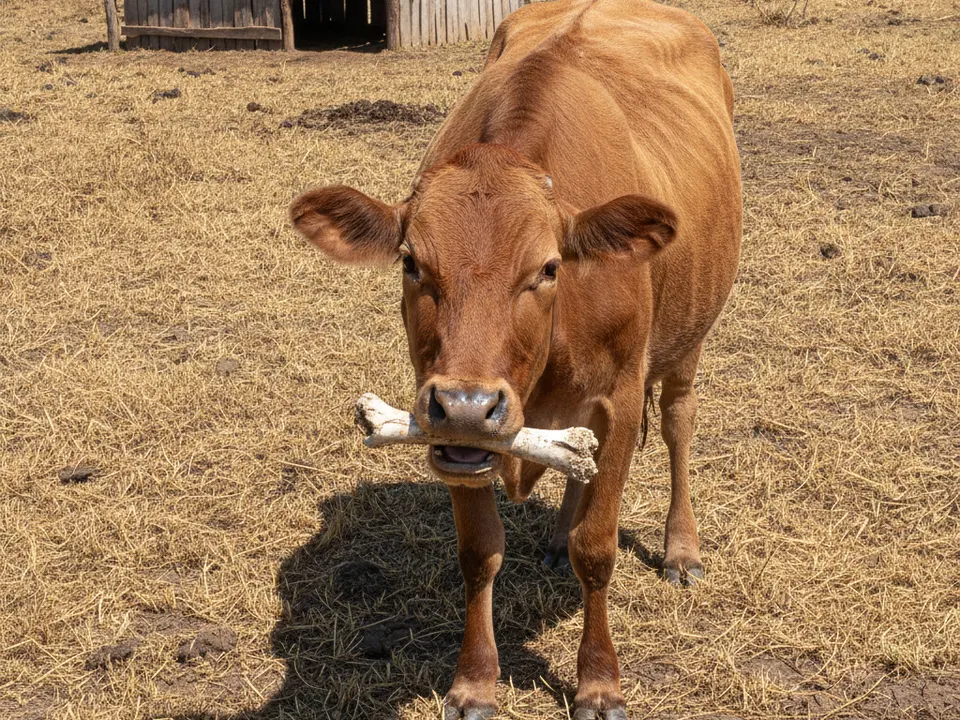
Mineral deficiency and pica: Cows lick walls, eat soil, gnaw old bones, wood, plastic or cloth, and often look thin with a dull, rough or faded coat. Growth is slow and cows take a long time to come back on heat.

Mineral deficiency and pica

Cattle chewing bones, wood and soil

Read the full guide

Photo credits