What it is
A cow produces a lot of heat by digesting feed in her rumen (the large first stomach) and by making milk. The more milk she gives, the more heat she makes. She loses this heat mainly by sweating, by panting, and by passing heat to cooler air around her. When the air is hot, the sun is strong and humidity is high, sweat and breath cannot evaporate well, so the heat stays inside her. Her body temperature climbs above the normal of about 38.5°C. To cope, she eats less to make less heat, breathes faster and drools. Heavy panting and drooling lose saliva, which normally contains natural buffers that protect the rumen, so the rumen becomes more acidic. This raises the risk of acidosis (sour rumen) and lameness. Blood flow moves to the skin and away from the gut and reproductive organs, which reduces milk, weakens heat signs and harms early pregnancies. If the body temperature keeps rising, the brain, heart and other organs are damaged, and the cow can collapse.
Which animals are most at risk
High-yielding exotic dairy cows, especially Holstein-Friesians, are most at risk because they produce the most metabolic heat; Ayrshires and Guernseys are also affected, while Jerseys tolerate heat somewhat better. Local zebu-type cattle such as Boran, Sahiwal and East African Shorthorn Zebu cope far better, and crosses fall in between. Cows in early lactation, heavily pregnant and dry cows, dark-coated animals, overweight cows and animals that are already sick, lame or recovering from disease suffer more. In Kenya, risk is highest at the coast (Mombasa, Kilifi, Kwale), around Lake Victoria, in lowland and semi-arid areas such as Machakos, Makueni, Kitui and parts of the Rift Valley floor, and during the hot dry months before the long rains and the short rains. Humid spells during and after the rains at the coast and lake region are also dangerous. Zero-grazed cows under low, hot roofs and free-grazing cows on open pasture without trees are both at risk.
Signs to look for
Early signs
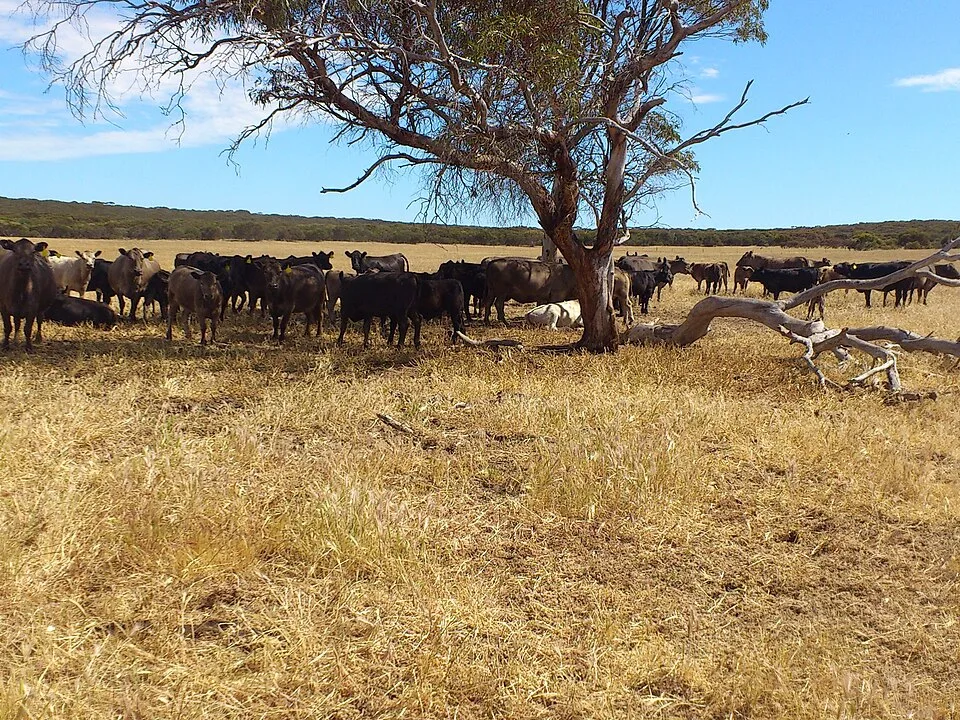
- Cows seek shade, crowd around trees, walls or the water trough and stand together instead of spreading out.
- Cows stand more and lie down less, which can also lead to sore feet over time.
- Breathing becomes faster and shallower than normal; a resting cow normally breathes roughly 26–50 times a minute, and a clearly faster rate in hot weather is a warning.
- Cows drink more often and spend a long time at the water point.
- Feed intake drops, especially during the hottest hours, and cows may eat more at night.
- Milk yield falls, often by a noticeable amount within a day or two of hot weather.
- Less cudding (chewing the cud) than usual.
- Cows become restless and kick at flies more, as heat and insects together make them uncomfortable.
As it gets worse
- Open-mouth panting with the head stretched forward and the neck extended.
- Tongue hanging out and long strings of saliva dripping from the mouth.
- Rectal temperature well above normal, often above about 40°C, and in heat stroke 41°C or higher.
- Very fast, laboured breathing with the flanks heaving and sometimes grunting.
- Dull, weak, wobbly or staggering walk and reluctance to move.
- Loose dung and signs of rumen upset or lameness in the days that follow, linked to acidosis.
- Weak or missing heat signs, repeat breeding and early abortion over the following weeks.
- Collapse, lying flat, trembling or fits in severe heat stroke, which can end in death.
What to do right now
- Move the affected cows into the coolest shade you have, ideally under trees or a high, airy roof, and stop all walking, herding or handling.
- Give unlimited clean, cool drinking water in a shaded trough or containers, and make sure timid or low-ranking cows can reach it without being pushed away.
- If a cow is panting with her mouth open, wet her down with plenty of water, focusing on the neck, back and legs, then let air move over her; repeat every so often rather than once, and use a fan if you have one.
- Open doors, windows and curtains in the cow shed to increase airflow, and reduce crowding by spreading animals out.
- Offer feed in the cool early morning, late evening and at night, and keep feed fresh in the trough rather than letting it heat up in the sun.
- Take the rectal temperature of the worst-affected animals and write it down with the time, and repeat after cooling to see if it is falling.
- Call your vet or animal-health officer urgently if a cow is staggering, collapsing, panting open-mouthed despite cooling, has a temperature of about 41°C or higher, or if her temperature does not fall after an hour of cooling.
- Do not give any drugs, including painkillers or antibiotics, unless your vet prescribes them, and avoid forcing liquids into the mouth of a weak cow because she may choke.
How it spreads
- Heat stress is not infectious and does not spread from cow to cow; it is triggered by the environment and management.
- High air temperature combined with high humidity is the main trigger, because humid air stops sweat and breath from cooling the cow.
- Direct strong sun with no shade, especially from late morning to late afternoon, adds a large heat load.
- Low iron-sheet roofs without insulation, closed walls and poor airflow in zero-grazing units trap heat around the animals.
- Shortage of water, or water that is far away, hot from sitting in the sun, dirty or hard to reach, quickly worsens heat stress.
- Crowding in small pens or at shade spots raises the heat around each cow and blocks air movement.
- Walking or trucking cattle long distances in the heat of the day, or handling them for spraying or treatment at midday, adds heat from muscle work.
- Hot nights that do not cool down mean cows cannot shed the heat built up during the day, so stress builds over several days.
Could it be something else?
East Coast Fever (ECF, ndigana)
ECF also causes high fever, fast breathing and drooling, but you will usually find swollen lymph nodes (glands), especially below the ear and in front of the shoulder, plus ticks, watery eyes and frothy nose discharge later. The fever stays high even when the weather is cool or after the cow is shaded and wetted. If cooling does not bring her temperature down, call the vet quickly.
Pneumonia (lung infection)
Pneumonia causes fast or difficult breathing too, but there is usually coughing, nasal discharge, and a fever that continues at night and in cool weather. Often only one or a few animals are affected rather than the whole herd at once on a hot afternoon.
Redwater (babesiosis) and gall sickness (anaplasmosis)
These tick-borne diseases cause fever, weakness and fast breathing, but look for pale or yellow gums and eyes, red or dark brown urine in redwater, and constipation in gall sickness. Signs do not improve with shade and water, and tick infestation is common.
Acute bloat
A bloated cow may pant and drool, but the left side of the belly is visibly swollen and tight like a drum, often after grazing lush legumes or eating grain. Heat stress does not cause this swelling.
How it is diagnosed
Heat stress is usually diagnosed from the weather, the setting and the signs: several cows panting, drooling and seeking shade during hot, humid spells, with feed intake and milk falling together. A vet will take the rectal temperature, count breathing and heart rates, check hydration by pinching the skin and looking at the eyes and gums, and listen to the chest and rumen. Because tick-borne diseases and pneumonia can look similar, the vet may check lymph nodes, take blood smears or other samples, especially if only one animal is sick or if the temperature stays high after cooling. Many vets and advisers also use the temperature-humidity index (THI), a single number combining air temperature and humidity, to judge how risky the weather is for dairy cows. To help the vet, record each cow's rectal temperature (a cheap digital thermometer from the agrovet works well), the time and weather, how much water and feed she took, daily milk yields over the past week, any recent tick control, vaccinations and treatments, and whether animals have been moved or handled in the heat.
Treatment
There is no single drug that cures heat stress; the main treatment is cooling the animal and correcting the damage the heat has caused. For severe cases the vet will cool the cow actively with water and air movement while watching her temperature closely. A dehydrated or collapsed cow may receive fluids into the vein or by stomach tube, together with electrolytes (body salts such as sodium and potassium) to replace what was lost in sweat and saliva. The vet may prescribe an anti-inflammatory drug from the NSAID group, such as flunixin or meloxicam, to reduce inflammation and support recovery. Rumen buffers may be used if acidosis is suspected, and calcium may be given if the cow is a fresh calver showing signs of milk fever. Antibiotics do not treat heat stress; they are only used if the vet finds a bacterial infection such as mastitis or pneumonia alongside it, because unnecessary antibiotic use builds antimicrobial resistance, which makes future infections harder to treat in animals and people. All these medicines must be prescribed by a vet, who will advise on the milk and meat withdrawal periods, the time you must wait before milk or meat from a treated animal can be sold or eaten. Most mildly affected cows improve within hours of shade and water, but milk yield and fertility can take days to weeks to recover.
Medicines must be prescribed and dosed by a vet. Always respect milk and meat withdrawal periods, and finish the full course of any antibiotic.
How Agrikima products can help
These support the animal alongside — never instead of — your vet's treatment, vaccination and good management.
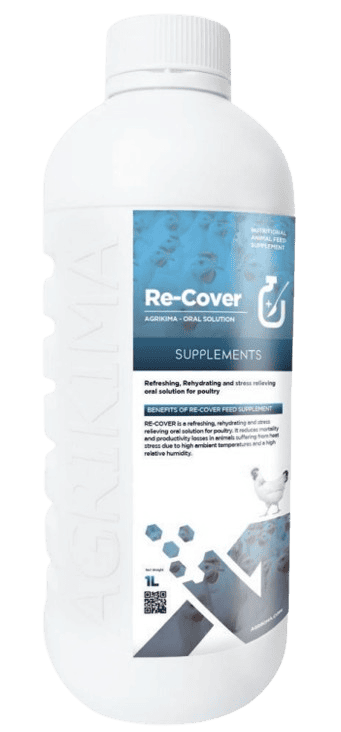
RE-COVER
An oral rehydration and electrolyte solution that can be added to drinking water during hot spells to help cows replace water and body salts lost through sweating, panting and drooling, supporting thirst, appetite and recovery alongside shade, cooling and vet care. It does not replace cooling or veterinary treatment of a collapsed cow.
View product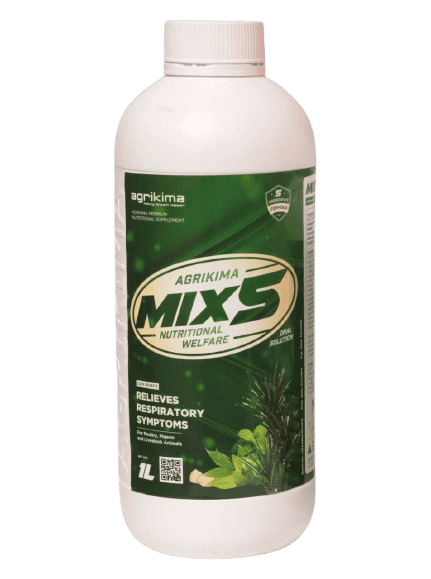
MIX5
A plant-extract supplement labelled for heat-stress relief that may be used during hot seasons to support comfort and recovery, as an aid alongside good shade, ventilation, clean water and correct feeding, not as a substitute for them.
View productPrevention
- Provide good shade for every cow: plant shade trees in paddocks and around sheds, and put up shade nets or roofs where trees are not yet grown, with enough space for all animals to lie down without crowding.
- Build or adjust cow sheds with high roofs (higher roofs keep the heat further from the cow), open sides or adjustable curtains, and good airflow; insulate iron-sheet roofs or paint them white or with lime to reflect sunlight.
- Make clean, cool water available at all times, in troughs placed in the shade and close to where cows rest and are milked; a milking cow can need well over 50 litres a day and much more in hot weather, so check that supply and flow rate keep up.
- Feed at cooler times, giving most of the ration early morning, late afternoon and at night, and feed good-quality, leafy forage, because coarse, stemmy feed produces more heat during digestion.
- Work with your vet or nutritionist to balance the ration for hot weather, including correct minerals such as sodium and potassium and appropriate rumen buffers, and avoid sudden heavy grain feeding that can tip a stressed rumen into acidosis.
- Cool cows during hot spells by wetting them before or after milking and using fans or sprinklers in the shed or holding area where water and power allow, always followed by good air movement so the water evaporates.
- Handle, spray, dip, vaccinate, treat and transport cattle only in the cool early morning or evening, and avoid long walks to water or grazing in the midday sun.
- Choose breeds that suit your area: in hot lowland and coastal zones consider Jerseys, crosses with Sahiwal, Boran or other zebu breeds, and seek advice from your County livestock office or AI service provider.
Impact on your farm
Heat stress is one of the quiet, hidden drains on dairy income in hot parts of Kenya. Milk yield falls during hot spells and may not return fully in the same lactation, so a farmer selling to a cooperative or milk bar loses daily income. Fertility suffers: heat signs become weak and short, conception rates drop and early pregnancies are lost, which lengthens the calving interval and means fewer calves and fewer lactations over a cow's life. Cows that were heat stressed in late pregnancy can give birth to lighter calves and produce less milk afterwards. Linked problems such as acidosis, lameness, mastitis and lowered immunity add treatment costs. In severe cases a valuable exotic cow can die. Because these losses build up gradually, many farmers blame poor feed or bad semen when heat is a major part of the cause.
Outlook and recovery
The outlook is good for mild and moderate heat stress if the cow is cooled quickly and given shade and water; most recover within hours to a day, although milk and fertility can take longer to return. Cows with true heat stroke, meaning very high temperatures, collapse or fits, are at serious risk of dying even with treatment, and survivors may have lasting damage. Recovery is better when the problem is spotted early, when the cow is young and otherwise healthy, and when the farm fixes the underlying shade, water and housing problems so the stress does not keep returning every hot season.
Common questions
Why does my cow's milk drop so much on hot days even though I give the same feed?
When a cow is hot, she eats less to avoid making extra heat in her rumen, and her body sends blood to the skin to cool down instead of to the udder. Less feed eaten and less energy available means less milk. Panting and drooling also upset the rumen. Feeding at cooler times, keeping feed fresh, providing shade and plenty of water usually helps the milk recover, though it may take some days.
Is it safe to pour water on my cow when she is very hot?
Yes, wetting a hot cow is one of the best ways to cool her, as long as air can move over her afterwards so the water evaporates. Focus on the neck, back and legs and repeat at intervals. Wetting only lightly in a closed, humid shed with no airflow can make things worse by raising the humidity, so open the shed or use a fan. A collapsed or very weak cow still needs a vet.
Does heat stress affect getting my cow in calf?
Yes. Heat stress makes heat signs weaker and shorter, so you may miss them, and it lowers the chance that AI will result in pregnancy. It can also cause early loss of a pregnancy. Many farmers see more repeat breeders after a hot season. Watch for heats in the cool early morning and evening, keep good records, and talk to your AI provider about timing and breed choice.
Should I give antibiotics to a cow that is panting from the heat?
No. Heat stress is not caused by germs, so antibiotics do not help it, and using them without need wastes money, leaves residues in milk and builds antimicrobial resistance. Cool the cow and give water first. If she does not improve, or has other signs such as cough, swollen glands or a high fever at night, call the vet, who will decide whether any medicine is needed and what withdrawal period applies.
Which dairy breed is best for a hot area like the coast?
Pure Holstein-Friesians struggle most in hot, humid areas. Jerseys handle heat better, and crosses with zebu breeds such as Sahiwal or Boran are much more heat tolerant, though they usually give less milk than a pure Friesian in ideal conditions. The best choice balances milk yield against survival, fertility and your ability to provide shade and water. Your County livestock office or AI provider can advise on bulls and breeds suited to your area.
How can I tell if my zero-grazing shed is too hot?
Stand inside the shed in the early afternoon. If it feels much hotter than outside under a tree, if the iron roof is hot to touch from below, or if your cows are standing, panting and crowding near openings, the shed is too hot. Raising the roof, insulating or whitewashing it, opening the sides, planting trees nearby and adding a fan or wetting system can make a big difference.
A guide, not a diagnosis. This page is general information to help you recognise problems early. Always confirm with a vet or animal health worker before treating.