What it is
Cattle get minerals from grass, fodder, water and supplements. When the soil is poor in a mineral, the grass grown on it is poor too. Many Kenyan soils, especially in rangelands and highly leached areas, are low in phosphorus, and dry season grass is lower still. Phosphorus and calcium build strong bones and teeth. Phosphorus also drives energy use, appetite and fertility. When it runs short, the animal craves it and starts chewing bones, which contain phosphorus. Copper is needed for healthy coat colour, blood, bones, nerves and the immune system. Copper can be short in the soil, or blocked by too much molybdenum, sulphur or iron in grass, water or feed, so animals can be deficient even when the diet seems to contain some copper. Cobalt is used by rumen microbes (the tiny organisms in the first stomach that digest grass) to make vitamin B12. Without it the animal loses appetite and wastes away. Selenium works with vitamin E to protect muscles and cells from damage. Shortage causes weak muscles in calves, retained afterbirth and poor immunity. Over months, these shortages weaken bones, slow growth, lower milk and upset breeding cycles. Several minerals are often short at the same time, so the signs mix together.
Which animals are most at risk
All cattle can be affected, but the highest risk is in high-yielding dairy cows in early lactation, pregnant cows, and fast-growing heifers and calves. Grazing herds in pastoral and semi-arid areas are very prone to phosphorus shortage, especially in the long dry season before the rains. Zero-grazed cows fed mostly Napier, stover or hay without a proper dairy mineral are also at risk. Calves born to selenium- or copper-deficient mothers can be weak from birth. Exotic and crossbred dairy animals have higher needs than local zebu, so they often show signs first. Areas with known low-mineral soils, and farms that do not test soil or forage, should treat this as a standing risk.
Signs to look for
Early signs
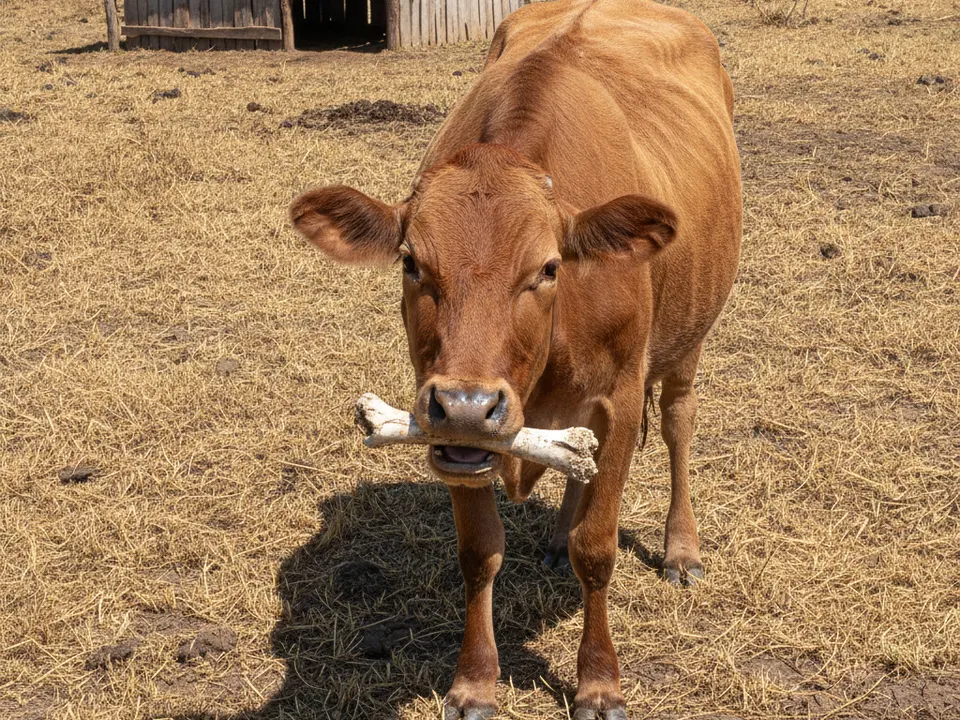
- Chewing or licking unusual things such as bones, wood, walls, soil, stones, cloth, plastic or the hair of other animals.
- Slow growth in calves and heifers that look small for their age even when they seem to eat enough grass.
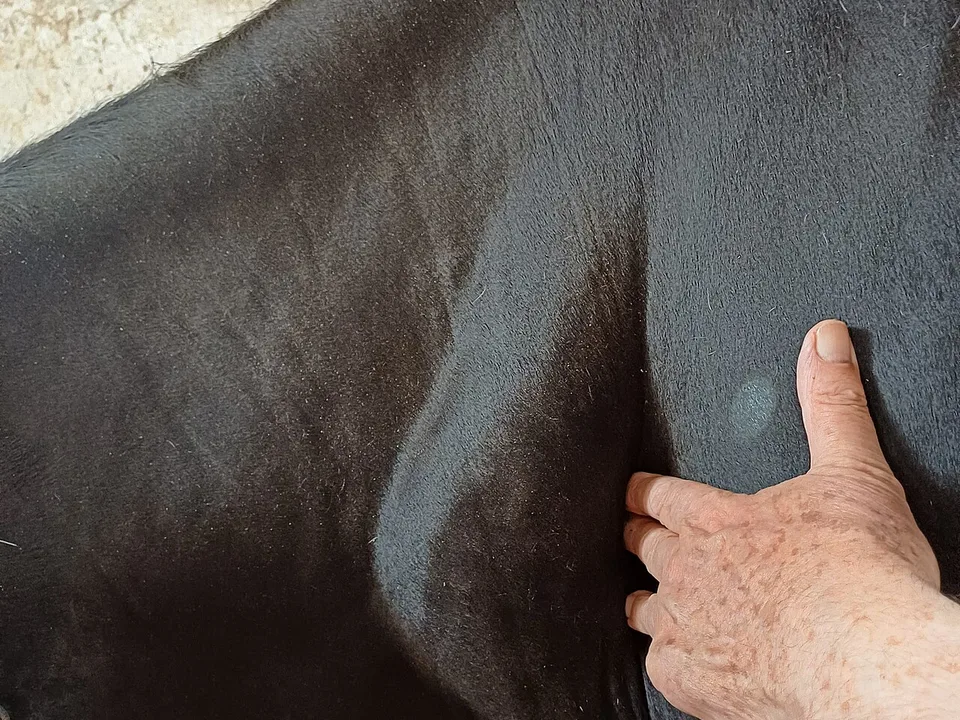
- A dull, rough or dry coat, and in black or red animals a faded, rusty or greyish colour, often with pale rings around the eyes ('spectacles') in copper deficiency.
- Slightly lower milk yield and lower appetite than expected for the feed available.
- Cows taking longer to show heat after calving, silent heats, or repeat breeding even with a good bull or AI.
- More cases of retained afterbirth (placenta not dropped within about a day of calving).
- Mild diarrhoea in some animals, which can be linked to copper shortage when molybdenum is high.
As it gets worse
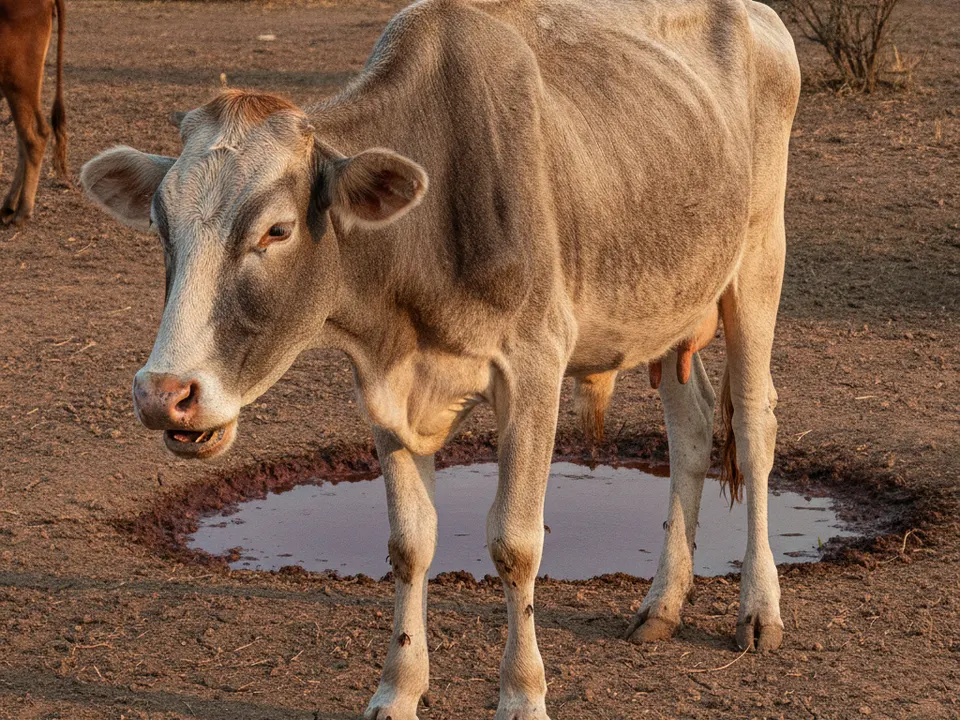
- Clear weight loss and wasting with loss of appetite, especially in cobalt deficiency, even when grass is available.
- Stiff walking, lameness, swollen joints or a hunched back, and bones that break easily in phosphorus or calcium shortage.
- Calves with bent legs or enlarged joints (rickets), or weak calves that struggle to stand and suck (white muscle disease from selenium shortage).
- Newborn or young calves with a wobbly gait or weak back legs (swayback from copper shortage).
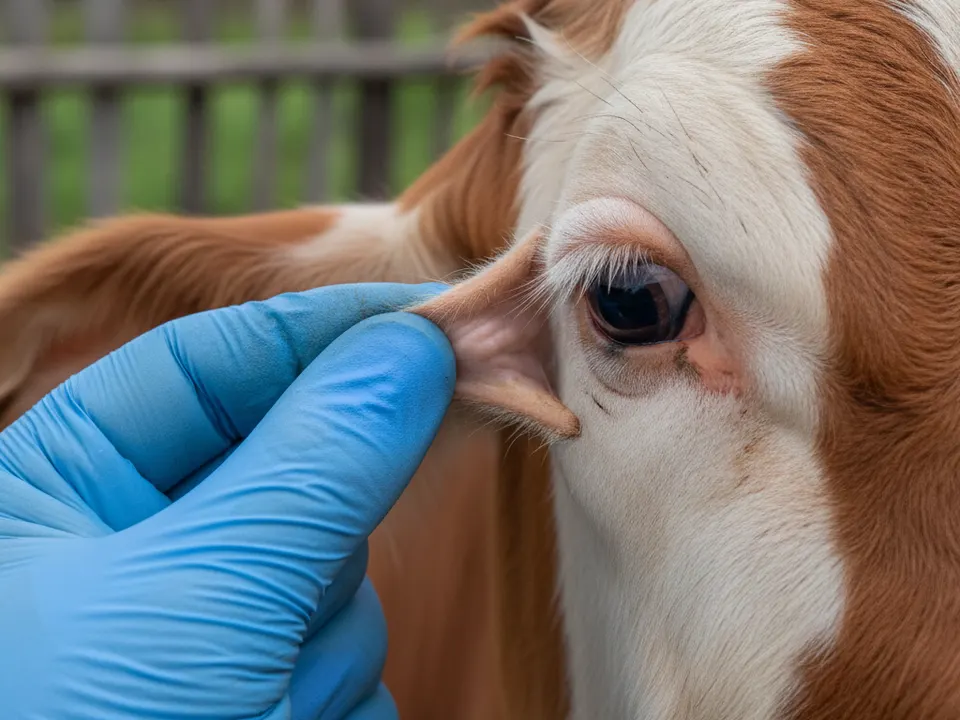
- Pale gums and eyelids, a sign of anaemia (shortage of healthy red blood), in long-term copper or cobalt deficiency.
- Very poor fertility across the herd, abortions, or weak and stillborn calves.
- Sudden weakness, drooling, inability to swallow and floppy paralysis after chewing bones or carcasses, which suggests botulism and needs a vet urgently.
What to do right now
- Walk the grazing area and the shed, and remove old bones, carcasses, skins, plastic bags, wire, batteries, paint tins and rubbish, because pica animals will eat them and can be poisoned or get botulism.
- Check that cattle always have a proper cattle mineral lick or mineral powder made for cattle, not just table salt, and that it is kept dry and refilled.
- Make sure clean water is available at all times, since animals eat less and use minerals poorly when water is short.
- Give the best feed you can, such as good hay, silage or fresh fodder, and avoid relying only on dry stover in the dry season.
- Write down which animals are chewing odd things, their body condition, milk yield, coat changes and breeding problems, so the vet sees the pattern.
- Do not inject or dose copper, selenium or other minerals on your own, because the gap between a helpful amount and a poisonous amount is small.
- If any animal suddenly becomes weak, drools, cannot swallow or goes down after chewing bones, keep it in shade with water and call the vet at once.
- Contact your vet or County Veterinary Officer to examine the herd and advise on testing and the right mineral programme for your area.
How it spreads
- Mineral deficiency is not contagious and does not spread from animal to animal, but many animals on the same farm are often affected because they share the same pasture and feed.
- Grazing on soils naturally low in phosphorus, copper, cobalt or selenium is the main trigger, and grass from these soils carries the shortage into the animal.
- The long dry season makes things worse because dry, mature grass holds much less phosphorus and protein than young green grass after the rains.
- Feeding mainly maize stover, Napier grass or crop residues without a balanced mineral supplement leaves zero-grazed cows short, especially high-yielding dairy cows.
- Cheap or wrong licks, such as plain table salt, rock salt only, or licks made for other animals, do not supply the needed minerals.
- Water or soils high in iron, sulphur or molybdenum can block copper absorption, causing deficiency even when some copper is fed.
- High demand times increase need: late pregnancy, early lactation, fast growth in young stock and recovery from illness.
- Heavy worm burdens and chronic diseases reduce appetite and absorption, making a borderline deficiency show up clearly.
Could it be something else?
Heavy worm burden
Worms also cause poor growth, rough coat and weight loss, often with diarrhoea and, for some worms, bottle jaw (soft swelling under the jaw). A dung test by the vet or lab shows worm eggs. Animals improve after correct deworming, while mineral cases keep chewing bones and soil. Both problems often happen together.
Trypanosomiasis (nagana) and other chronic blood diseases
Nagana causes wasting, anaemia, swollen lymph nodes and fever, often in tsetse areas, and some animals get sick quickly. A blood smear from the vet confirms the parasite. Pica and bone chewing are not typical of nagana itself.
Simple underfeeding (energy and protein shortage)
Hungry cattle are thin with low milk, but they mainly eat any grass or hay given and rarely chew bones. When good feed is supplied they recover fast. In mineral deficiency, animals can have enough bulk feed but still lick soil, chew bones and breed poorly.
Milk fever (acute low calcium)
Milk fever comes suddenly, usually within a few days of calving in a good dairy cow. The cow is weak, cold, trembling, then goes down with her head turned to her side. It is an emergency needing a vet within hours, unlike the slow, months-long signs of chronic mineral shortage.
How it is diagnosed
A vet starts with the history: what the animals eat, which lick or mineral is used, how much, the season, the area, and the breeding and milk records. They examine coat, body condition, teeth, bones, joints and gums, and look for pica. Blood samples can measure phosphorus, calcium, copper, selenium (or a related enzyme) and vitamin B12 status, though some blood results can be misleading and must be read carefully. For copper and cobalt, liver samples are more reliable, and these can come from a liver biopsy or from any animal that dies or is slaughtered. Soil, forage and water testing through KALRO, university or private labs shows what your land is short of or what may be blocking copper. Sometimes the vet suggests a supervised trial of the right supplement and watches the response. To prepare, write down what you feed and in what amounts, keep the bag or label of your current mineral, note which animals are affected and since when, and keep calving, heat and milk records ready.
Treatment
Treatment depends on which mineral is short, so a vet first works out the likely cause. For phosphorus and calcium shortage, the main fix is a good cattle mineral or dicalcium phosphate in the feed or lick, and in severe cases a vet may give injectable phosphorus or calcium products. For copper deficiency, vets may use copper injections, slow-release copper oxide capsules (boluses) or copper in the mineral, after checking whether molybdenum, sulphur or iron is blocking it. For cobalt deficiency, they may give vitamin B12 injections and cobalt through drenches, slow-release boluses or a cobalt-containing mineral. For selenium shortage, combined selenium and vitamin E injections or selenium in the mineral are used, and selenium is also given to pregnant cows to protect calves. Copper and selenium in particular are poisonous if overdosed, so only a vet should decide the product and dose; never give cattle minerals or injections to sheep, which are very sensitive to copper. Some injectable products carry milk and meat withdrawal periods, so follow the vet's instructions and the label before selling milk or meat. Antibiotics do not treat mineral deficiency; they are only used if a vet finds a separate infection, and should be used responsibly to avoid antimicrobial resistance. Pica usually eases within weeks once the right mineral is supplied, but growth, coat and fertility take months to improve, and bone damage or stunting in young stock may not fully recover.
Medicines must be prescribed and dosed by a vet. Always respect milk and meat withdrawal periods, and finish the full course of any antibiotic.
How Agrikima products can help
These support the animal alongside — never instead of — your vet's treatment, vaccination and good management.

DCP-18
Dicalcium phosphate supplies calcium and phosphorus, the two minerals most linked to bone chewing, weak bones and poor fertility in grazing and zero-grazed cattle. Mixed into the ration or lick as the label and your vet or nutritionist advise, it helps correct and prevent the phosphorus shortage, especially in the dry season and early lactation. It does not supply copper, cobalt or selenium, so it should be used alongside a complete cattle mineral, good feeding and a vet's assessment.
View product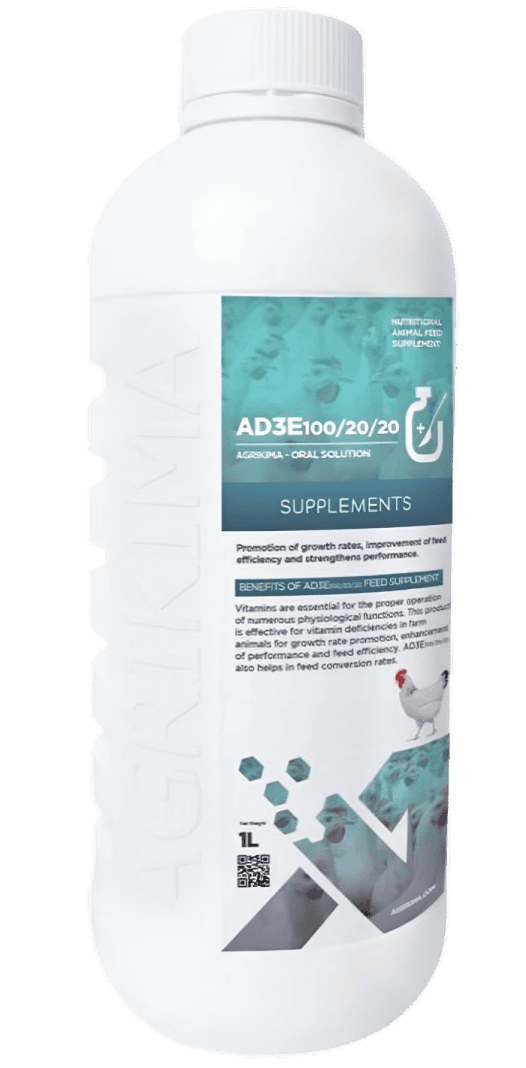
AD3E 100/20/20
Vitamin D3 helps the body absorb and use calcium and phosphorus for strong bones, vitamin E works together with selenium to protect muscles, and vitamin A is often low when cattle eat dry grass and stover. Used as the label directs and with vet guidance, it can support bone health, fertility and calf vigour in deficient herds. It does not replace selenium or other minerals, so a proper mineral programme is still needed.
View productPrevention
- Provide a good-quality cattle mineral lick or mineral premix all year round, choosing one made for your type of cattle (dairy or beef) and following the label, and keep it under a roof so rain does not wash it out.
- Pay extra attention in the dry season and during late pregnancy and early lactation, when phosphorus and other needs are highest and grass is poorest.
- Ask your vet, extension officer or KALRO about known mineral problems in your area, and consider soil and forage testing so you supplement what is actually short.
- Feed a balanced ration to dairy cows, including dairy meal or concentrates with added minerals, rather than only Napier, stover or hay.
- Keep grazing areas and sheds clean of bones, carcasses and rubbish, and burn or bury carcasses properly, to stop pica turning into botulism or poisoning.
- Talk to your vet about botulism vaccination if your cattle graze areas where bone chewing is common, especially in pastoral systems.
- Control worms and ticks on a planned programme, because parasites reduce appetite and absorption and make mineral shortage worse.
- Improve pasture where possible with fertiliser containing phosphorus, and mix legumes such as desmodium or lucerne into fodder to raise mineral and protein levels.
Risk to people
Mineral deficiency itself does not infect people. However, cattle with pica may eat bones, carcasses or soil that carry botulism toxin or anthrax spores, and both can cause disease or death. Never eat meat or drink milk from an animal that died suddenly or became suddenly sick with unknown cause, and do not open the carcass; call the vet, as anthrax is notifiable and must be reported. Wear gloves when handling sick animals and carcasses and wash hands well. If your vet uses injectable minerals or other medicines, respect the milk and meat withdrawal periods on the label to avoid residues reaching your family and customers.
Impact on your farm
Mineral deficiency is a hidden thief on Kenyan farms. Milk yield drops slowly, so many farmers do not notice until yields are well below what the cow should give. Heifers grow slowly and reach breeding age late, which delays the first calf and income. Cows come on heat late or repeat breed, so the calving interval stretches and each cow produces fewer calves and fewer lactations in her life. Extra AI services and vet visits cost money. Retained afterbirth and weak calves add losses. In pastoral herds, bone chewing in the dry season can lead to botulism deaths of several animals at once. Weak bones mean more lameness and fractures. Animals with poor immunity also fall sick more often with other diseases. Compared to these losses, a proper mineral programme is usually cheap.
Outlook and recovery
The outlook is generally good when the deficiency is caught early and the right mineral is supplied. Pica, appetite and coat condition often improve within a few weeks, and fertility and milk yield improve over the following months as body reserves rebuild. Recovery is slower or incomplete in animals with long-standing deficiency, stunted young stock, broken or deformed bones, or severe white muscle disease and swayback in calves. The result also depends on fixing the real cause: if copper is being blocked by molybdenum or iron, or the mineral used is wrong, the problem returns. Herds that keep a year-round, area-appropriate mineral programme rarely see serious cases again.
Common questions
My cows are chewing bones. Is that just a bad habit?
Usually not. Bone chewing is a strong sign that cattle are short of phosphorus, and sometimes other minerals. It is the body's way of searching for what it lacks. It is also dangerous, because old bones and carcasses can carry botulism toxin, which can kill cattle quickly. Remove bones from the grazing area, give a proper cattle mineral, and ask your vet to review the diet.
Is table salt or rock salt enough as a lick?
No. Salt supplies sodium and chloride, which cattle need, but it does not supply phosphorus, copper, cobalt, selenium, zinc or iodine. Many farmers give only salt and the cattle still show pica, poor fertility and faded coats. Use a complete mineral made for cattle, and keep salt as part of it, not instead of it.
Why is my black cow turning brown or grey?
A faded, rusty or greyish coat, especially with pale rings around the eyes, often points to copper deficiency. It can happen even when the feed contains some copper, if high molybdenum, sulphur or iron in grass or water blocks it. Your vet can test blood or liver and advise on the right product. Do not give copper on your own, because too much copper is poisonous.
Can mineral deficiency stop my cow from getting pregnant?
Yes. Shortage of phosphorus, copper, selenium and other minerals is a common reason for late heats, silent heats, repeat breeding and retained afterbirth. Poor energy and protein feeding also play a big part. Correcting minerals together with good feeding often improves fertility over a few months, but other causes like infections should be checked by your vet too.
Can I give my cattle mineral to my sheep and goats?
Do not give cattle minerals to sheep. Cattle minerals often contain more copper than sheep can tolerate, and sheep can die from copper poisoning. Goats are less sensitive but still have different needs. Buy a mineral made for each species and follow the label.
How quickly will I see improvement after giving the right minerals?
Pica often reduces within a few weeks once the missing mineral is supplied. Appetite and coat usually improve next, and milk and fertility over the following months. Young animals that were badly stunted or have bent bones may never fully catch up, which is why steady year-round supplementation is better than waiting for signs.
A guide, not a diagnosis. This page is general information to help you recognise problems early. Always confirm with a vet or animal health worker before treating.