What it is
The disease is caused by Anaplasma marginale, a very small bacterium of the rickettsia group that lives inside red blood cells, which carry oxygen around the body. After an animal is infected, the bacteria multiply quietly inside red cells for several weeks before signs appear. The animal's own immune system then recognises the infected red cells and removes them, mainly in the spleen. When large numbers of red cells are destroyed, the blood becomes thin and watery and cannot carry enough oxygen, so the animal tires quickly, breathes fast and its heart races. The broken-down red cells release a yellow pigment called bilirubin, which the liver cannot clear fast enough, so the gums, eyes and skin turn yellow. Because the red cells are destroyed inside the body rather than burst in the bloodstream, the urine usually does not turn red, which helps tell it apart from redwater. Lack of oxygen also slows the rumen and gut, causing constipation, and in severe cases affects the brain, making some animals excitable or aggressive just before collapse.
Which animals are most at risk
Adult cattle suffer most: calves under about six months are naturally quite resistant and usually get only mild disease, animals of one to two years can become seriously ill, and cattle over two years often get severe disease that can be fatal. Exotic and cross-bred dairy cattle such as Friesians, Ayrshires and Jerseys, especially those raised in zero-grazing units with strict tick control and then exposed later in life, are at higher risk than indigenous Zebu, Boran or Sahiwal cattle that grew up in tick-infested areas and gained immunity young. Cattle moved from low-tick highland areas to warmer, tick-heavy areas, or newly bought animals mixed with local herds, are at particular risk. Cases often rise during and after the long and short rains when ticks and biting flies increase. Herds where dipping or spraying is irregular, where one needle is used for the whole herd, or where acaricide (tick chemical) has stopped working well are also more exposed. Pregnant and high-yielding cows can be hit hard.
Signs to look for
Early signs
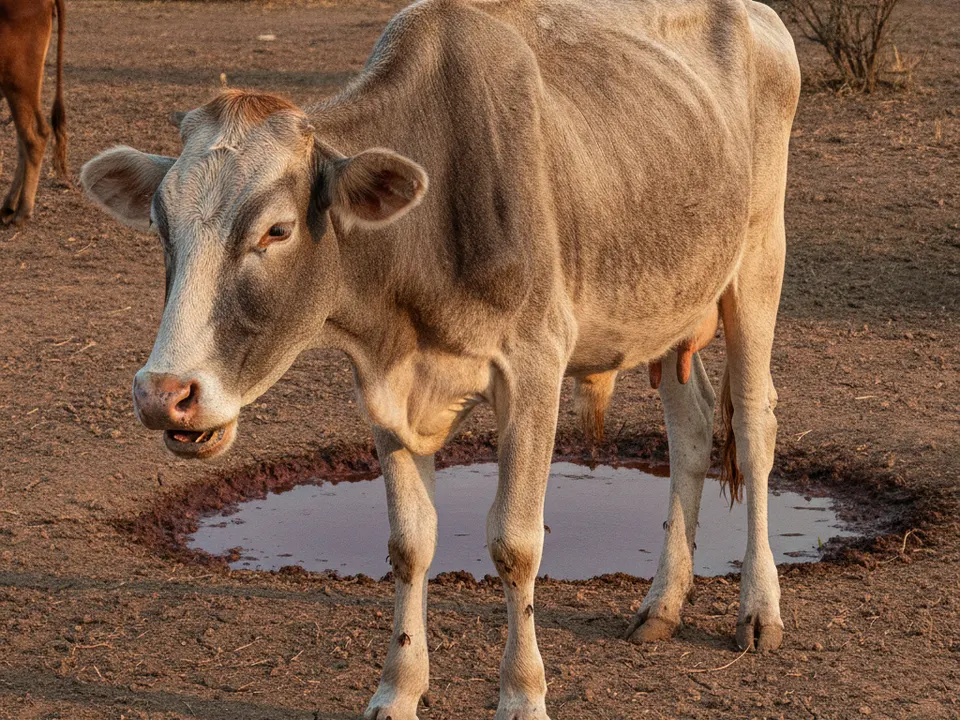
- A sudden drop in milk yield, often the first thing a dairy farmer notices.
- Fever, with the animal feeling hot to the touch, although this can be short and easily missed.
- Dullness, standing apart from the herd, reduced appetite and less chewing of the cud.
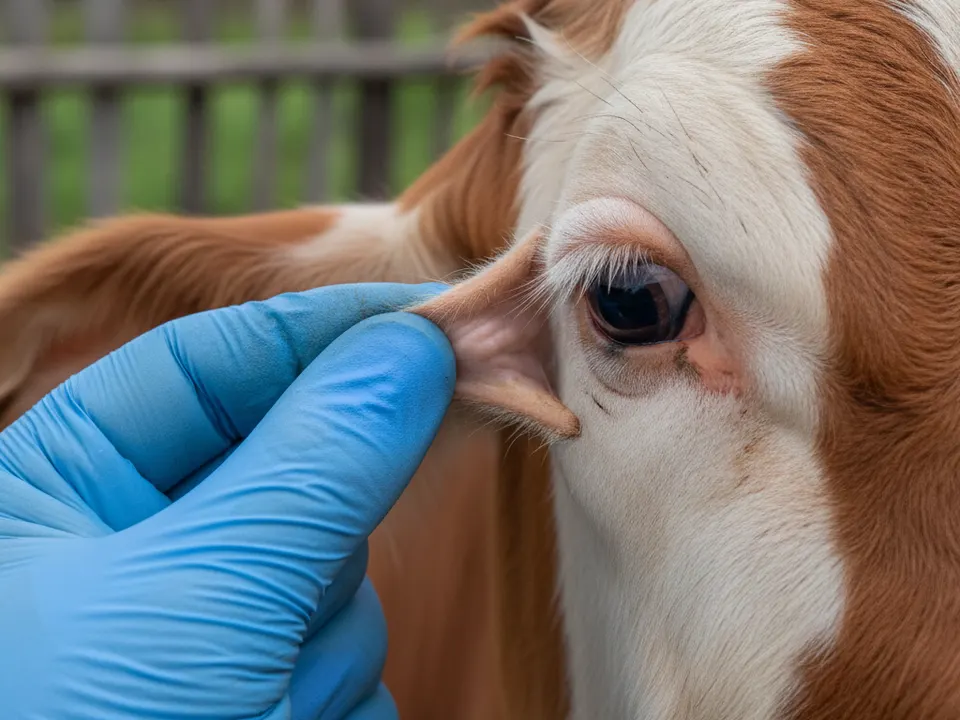
- Gums, inner eyelids and the inside of the vulva look paler pink than normal, and later almost white.
- Tiring quickly when walking and lagging behind the herd.
- Faster breathing and a faster heartbeat, especially after any movement.
As it gets worse
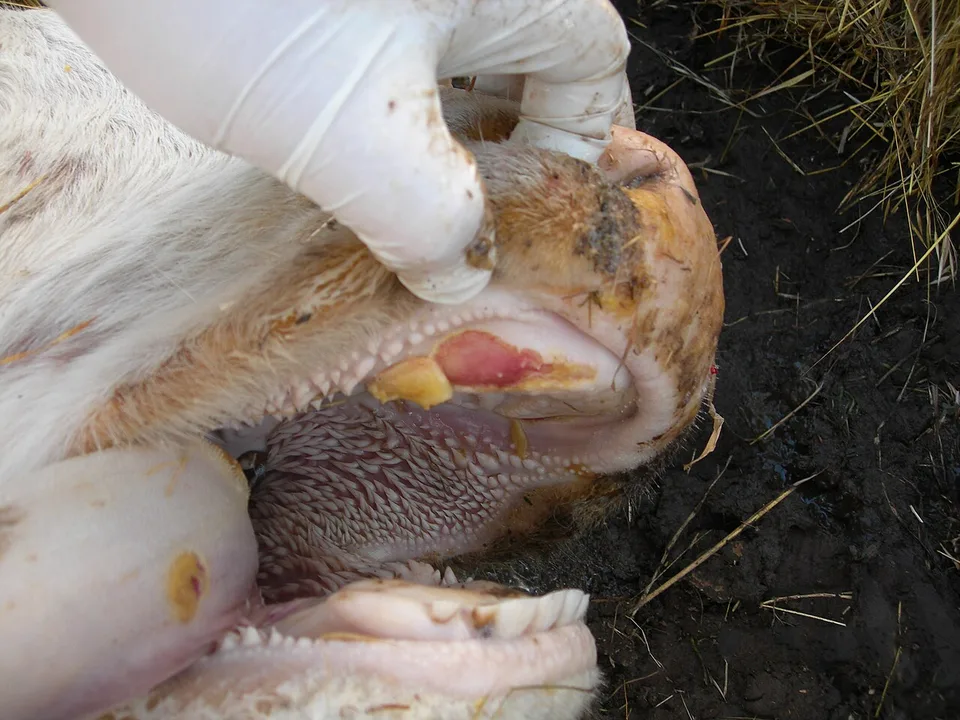
- Yellow colour (jaundice) of the eyes, gums, vulva and thin areas of skin, often appearing several days into the illness.
- Constipation with small, hard, dry dung that may be coated in mucus, and a quiet rumen.
- Marked weakness, staggering, lying down and difficulty getting up.
- Rapid weight loss and a dull, rough coat.
- Some animals become excitable or aggressive and may charge, because the brain is short of oxygen.
- Abortion in pregnant cows, and temporary loss of fertility in bulls.
- Sudden collapse and death, sometimes triggered by handling, chasing or transport.
What to do right now
- Keep the sick animal calm and still, ideally where she already is or a short, slow walk to a shaded pen; do not chase, rope-wrestle, truck or force her to walk, because severely anaemic cattle can collapse and die from stress.
- Provide clean fresh water and good fresh fodder within easy reach, and shade from the sun, so she does not need to move far.
- Call your vet or the nearest animal health service provider as soon as you notice paleness, yellowing or a sudden milk drop, because early treatment greatly improves the chance of survival.
- Separate the animal from the herd if this can be done gently, and check the rest of the herd for ticks, paleness, dull behaviour and milk drops.
- Do not give any injections or drugs yourself from the agrovet before the vet has examined the animal, as wrong drugs or doses can be dangerous and can hide the true diagnosis.
- Record the animal's signs, temperature if you have a thermometer, urine colour, dung, and your recent tick control and injection history to share with the vet.
- Remove visible ticks carefully by hand while wearing gloves, and make sure your herd's tick control is up to date, but avoid stressful dipping or crush handling of the sick animal until the vet advises.
- If milking, keep the cow comfortable and milk her gently; if she has been treated, follow the vet's advice on withholding milk.
How it spreads
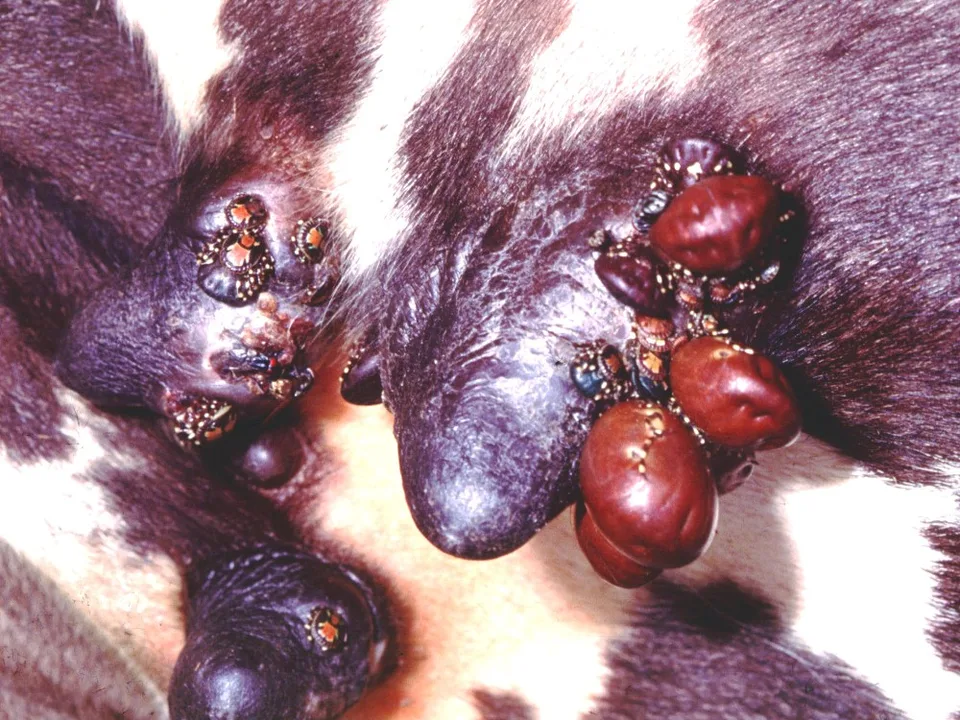
- Ticks are the main natural spreaders: in East Africa the blue tick (Rhipicephalus decoloratus) and related one-host ticks pick up the bacteria from infected cattle and pass it to others when they feed.
- Biting flies such as horse flies (tabanids) and stable flies can carry infected blood on their mouthparts from one animal to the next, especially when they are disturbed while feeding during the rains.
- Reusing the same needle or syringe on several animals during vaccination, deworming or treatment can transfer infected blood and is a very common cause of outbreaks on farms.
- Instruments used for dehorning, castration, ear tagging, tattooing or hoof trimming can spread the disease if they are not cleaned and disinfected between animals.
- Recovered animals remain carriers for life, carrying low levels of bacteria in their blood without showing signs, so they act as a hidden source of infection for ticks and flies.
- Infected cows can occasionally pass the infection to their calves before birth.
- Stress such as transport, hard work, calving, poor feeding, heat or other diseases can turn a quiet carrier infection into clinical disease.
Could it be something else?
Babesiosis (redwater)
Redwater, also tick-borne, usually causes a high fever and red, brown or 'coca-cola' coloured urine because red cells burst in the bloodstream. In gall sickness the urine is usually normal or dark yellow, constipation is more typical, and the illness is often slower. Both can occur together, so a blood test is the best way to know.
East Coast Fever (ndigana)
East Coast Fever causes clearly swollen lymph glands, especially in front of the shoulder and below the ear, high fever, breathing difficulty, coughing and froth from the nose. Severe paleness and jaundice with constipation, without big swollen glands, points more to gall sickness.
Heartwater
Heartwater, spread by the bont tick, mainly shows nervous signs such as high-stepping walk, circling, chewing movements, twitching and paddling of the legs. Gall sickness mainly shows paleness, yellowing and weakness, although very anaemic animals can also become agitated.
Trypanosomiasis (nagana) or chronic liver fluke
Both cause slow, long-lasting anaemia and wasting over weeks to months. Nagana occurs in tsetse fly areas and often causes watery eyes and swollen lymph glands; liver fluke is linked to wet, swampy grazing and often causes swelling under the jaw (bottle jaw). Gall sickness usually comes on faster and more severely in adult cattle.
How it is diagnosed
A vet will look at the gums, eyes and vulva for paleness and yellowing, take the temperature, listen to the heart and rumen, check for swollen lymph glands and look at the urine colour to rule out redwater. The quickest test is a thin blood smear stained and viewed under a microscope, where the bacteria appear as tiny dark dots at the edge of the red cells. The vet may also measure the packed cell volume (PCV), a simple test of how much blood the animal has left, which shows how severe the anaemia is and guides treatment. In carriers or animals already treated, the smear may look clear, so blood tests for antibodies (serology such as ELISA) or DNA tests (PCR) at a county or national veterinary laboratory may be used. At post-mortem, typical findings are a pale or yellow carcass, thin watery blood, a greatly enlarged spleen, an enlarged orange-yellow liver and a swollen gall bladder full of thick dark bile, which gave the disease the name gall sickness. Before the vet arrives, note when signs started, any change in milk yield, urine colour, dung consistency, your dipping or spraying dates and the acaricide used, any recent injections, dehorning or castration, and whether new animals have joined the herd.
Treatment
Treatment must be prescribed and given or supervised by a vet. The main drugs used are tetracycline antibiotics such as oxytetracycline, often a long-acting form, which stop the bacteria multiplying and work best when given early in the disease. Imidocarb dipropionate is another option used by vets, which also acts against babesia (redwater), useful when both infections are suspected. In very severe cases with dangerously low blood levels, a vet may give a blood transfusion from a healthy donor cow, along with supportive care such as fluids and gentle feeding. Treatment kills enough bacteria for the animal to recover, but it usually does not fully clear the infection, so most recovered animals stay carriers. Recovery of blood levels is slow and can take several weeks, and the animal should be handled as little as possible during this time. Both oxytetracycline and imidocarb leave residues, and withdrawal periods for milk and meat must be followed strictly; imidocarb in particular has a very long meat withdrawal period, so always check the product label and your vet's instructions before selling milk or animals for slaughter. Because these are antibiotics or antimicrobials, use them only when a vet confirms they are needed, complete the course as directed, and never use them as routine prevention without veterinary advice, to slow the development of drug resistance.
Medicines must be prescribed and dosed by a vet. Always respect milk and meat withdrawal periods, and finish the full course of any antibiotic.
How Agrikima products can help
These support the animal alongside — never instead of — your vet's treatment, vaccination and good management.
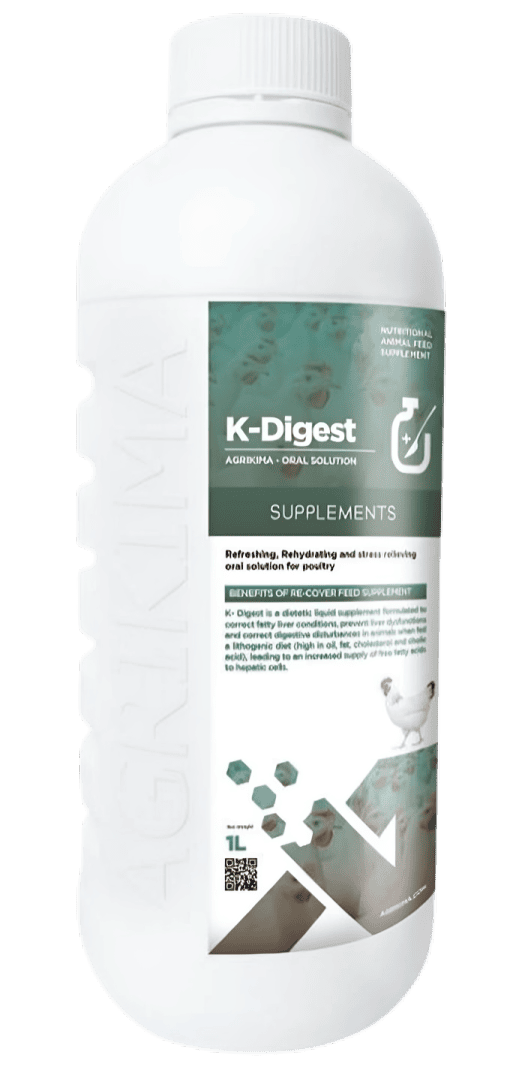
K-DIGEST
During recovery, after the vet has started treatment, K-DIGEST can be used as a supportive aid for liver function and digestive stress, helping a cow whose liver is working hard to clear bile pigments and whose rumen has slowed, as she returns to eating; it does not treat the infection and should be used alongside the vet's treatment plan.
View product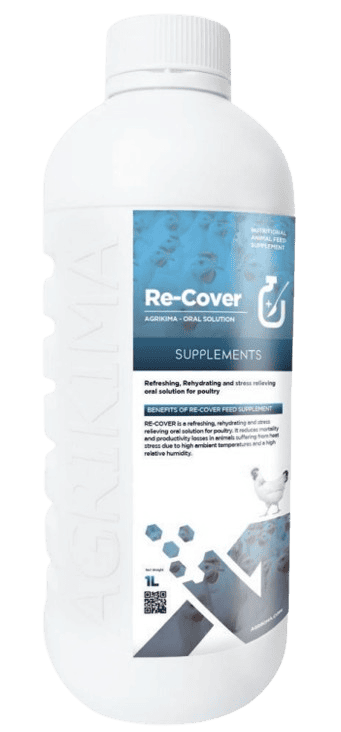
RE-COVER
RE-COVER oral rehydration solution can help support fluid intake in a weak, recovering cow that is drinking poorly, offered in her water or given only as your vet advises; avoid forceful drenching of a very weak or anaemic animal, as stress and choking are risks, and remember it does not replace veterinary treatment.
View productPrevention
- Keep regular tick control by dipping, spraying or pour-on at the interval your vet or extension officer recommends for your area, mixing acaricide at the correct strength and wetting the whole body, including ears, tail brush, udder and between the legs.
- If ticks seem to survive dipping, ask your vet about acaricide resistance and rotate between different chemical groups as advised instead of simply making the mixture stronger.
- Use a new or sterilised needle for every animal during vaccination, deworming and treatment, and never use one needle for the whole herd.
- Clean and disinfect dehorning, castration, tagging and hoof-trimming tools between animals.
- Reduce biting flies by clearing dung and stagnant water around the boma or zero-grazing unit and using fly control approved for cattle.
- Quarantine newly bought cattle for a few weeks, treat them for ticks, watch for paleness or weakness, and ask your vet about blood testing animals from unknown sources.
- Take extra care when moving cattle from low-tick to high-tick areas, and discuss a protection plan with your vet before moving valuable exotic animals.
- In areas where the disease is common, talk to your vet about 'endemic stability', where young calves meet the infection while naturally resistant and build immunity; live vaccines are used in some countries, but availability in Kenya is limited, so ask your County Veterinary Officer about current options.
- Feed cattle well with enough energy, protein, minerals and clean water, and reduce stress around calving and transport, so carrier animals are less likely to break down with disease.
Risk to people
Anaplasma marginale, the cause of gall sickness in cattle, is not known to infect people, so caring for sick cattle does not give you this disease. The main human risk comes from drug residues: milk and meat from cattle treated with oxytetracycline or imidocarb must not be consumed or sold until the full withdrawal period on the label or set by your vet has passed. Wear gloves when removing ticks, as ticks can carry other infections that affect people, and wash your hands afterwards.
Impact on your farm
On a Kenyan dairy farm, gall sickness can mean a sudden collapse in milk yield from your best cow, followed by weeks or months before she returns to good production, if she survives. Deaths of adult exotic or cross-bred cows are a major financial loss, as these animals are expensive to replace. Pregnant cows may abort, losing both the calf and a lactation, and affected bulls may be temporarily infertile, delaying breeding. Treated animals lose weight, and milk must be thrown away during the withdrawal period. Vet fees, drugs, possible blood transfusions and extra labour add to costs. On pastoral and beef farms, weight loss reduces sale value and deaths can be high in herds with poor immunity. Outbreaks caused by shared needles can affect several animals at once.
Outlook and recovery
The outlook depends mainly on how early treatment starts and how old the animal is. Animals treated in the early stage, before severe anaemia and jaundice, usually have a reasonable chance of recovery. Once the animal is very pale or yellow, down, or showing aggression, the outlook becomes guarded to poor, and some die even with treatment, especially if stressed by handling. Calves and young stock usually recover well, while cattle over two years and high-producing exotic cows have a higher risk of death. Recovery is slow, with weight and milk taking weeks to months to come back. Survivors become carriers that are usually protected against severe disease again but can infect other cattle through ticks, flies and needles.
Common questions
Why is it called gall sickness?
When cattle that died of this disease are opened, the gall bladder, which stores bile from the liver, is often very swollen and full of thick, dark bile, and the carcass looks yellow. Farmers noticed this and named it gall sickness. The swollen gall bladder is a result of the disease, not the cause; the real problem is the destruction of red blood cells.
Can I buy oxytetracycline at the agrovet and treat the cow myself?
It is much safer to call a vet. Gall sickness can look like redwater, East Coast Fever or heartwater, and each needs a different approach. A vet can confirm the diagnosis, choose the right drug, handle a weak animal without killing her from stress, and advise on milk and meat withdrawal. Wrong doses or wrong drugs waste money, can harm the animal and add to antibiotic resistance.
My cow died soon after we drove her into the crush. Why?
Cattle with gall sickness have very little blood left to carry oxygen. Chasing, struggling in a crush, walking long distances or loading onto a lorry suddenly increases the body's oxygen demand, and the heart cannot keep up. This is why sick animals should be kept calm, moved slowly or not at all, and treated where they stand if possible.
If my cow recovers, can she still infect the rest of the herd?
Yes. Most recovered cattle remain carriers for life, with a low level of bacteria in their blood. Ticks, biting flies and shared needles can carry this blood to other animals. Good tick control, fly control and using one needle per animal keep the risk low. The carrier cow herself is usually protected from severe illness afterwards.
How is gall sickness different from redwater?
Both are tick-borne blood diseases that cause paleness and weakness. In redwater the red cells burst in the blood vessels, so the urine often turns red or brown and fever is usually high. In gall sickness the red cells are removed inside the body, so urine is usually not red, yellowing and constipation are more typical, and adult cattle are most at risk. They can occur together, so a vet's blood test is the best way to know.
Can milk from a sick cow be used?
Milk from a sick cow is not a source of gall sickness for people, but a sick cow's milk is often poor in quality and the cow needs rest. Once she is treated, the drugs pass into the milk, so you must discard milk for the full withdrawal period given on the drug label or by your vet. Do not give this milk to calves without asking your vet, and never sell it.
A guide, not a diagnosis. This page is general information to help you recognise problems early. Always confirm with a vet or animal health worker before treating.