What it is
Heartwater is caused by Ehrlichia ruminantium, a very small bacterium of the rickettsia group (germs that can only live inside the cells of an animal). It was formerly called Cowdria ruminantium, which is why the disease is also called cowdriosis. It is carried by bont ticks (Amblyomma species; in East Africa mainly Amblyomma variegatum). When an infected tick feeds, the germ enters the blood and grows inside the cells lining the small blood vessels, especially in the brain, lungs and heart. These damaged vessels become leaky, so fluid seeps out into the tissues and body spaces. Fluid builds up around the heart (this gave the disease its name), in the chest and lungs, and in the brain. Swelling and damage in the brain cause the typical nervous signs, and fluid in the lungs causes difficult breathing. Signs usually appear about two to four weeks after an infected tick has fed, although this varies.
Which animals are most at risk
Exotic breeds such as Friesian, Ayrshire, Guernsey and Jersey, and their crosses, are far more likely to get severe disease than indigenous zebu and Boran cattle, which often show only mild fever or none at all. Young calves, roughly in their first few weeks of life, have a natural resistance and usually survive infection, and in tick areas this early exposure helps them build immunity. Animals at greatest risk are older calves, heifers and cows that have never met the germ before, for example dairy stock bought from tick-free highland farms and taken to the coast, the Lake Victoria basin, the Rift Valley lowlands or semi-arid ranching areas. Risk is higher during and after the rains, on farms bordering bush or wildlife areas, in free-range and pastoral herds sharing grazing with goats, sheep and wildlife, and on farms where dipping or spraying has become irregular. Zero-grazed cattle are not completely safe, because ticks can come in on cut fodder, visiting animals or nearby grazing.
Signs to look for
Early signs
- High fever, often above 40°C (normal for cattle is about 38 to 39.5°C), checked with a rectal thermometer, usually the first sign.
- Dullness, standing apart from the herd, and reduced or no appetite and cud chewing.
- A sudden drop in milk yield in dairy cows.
- Faster breathing, and sometimes mild diarrhoea.
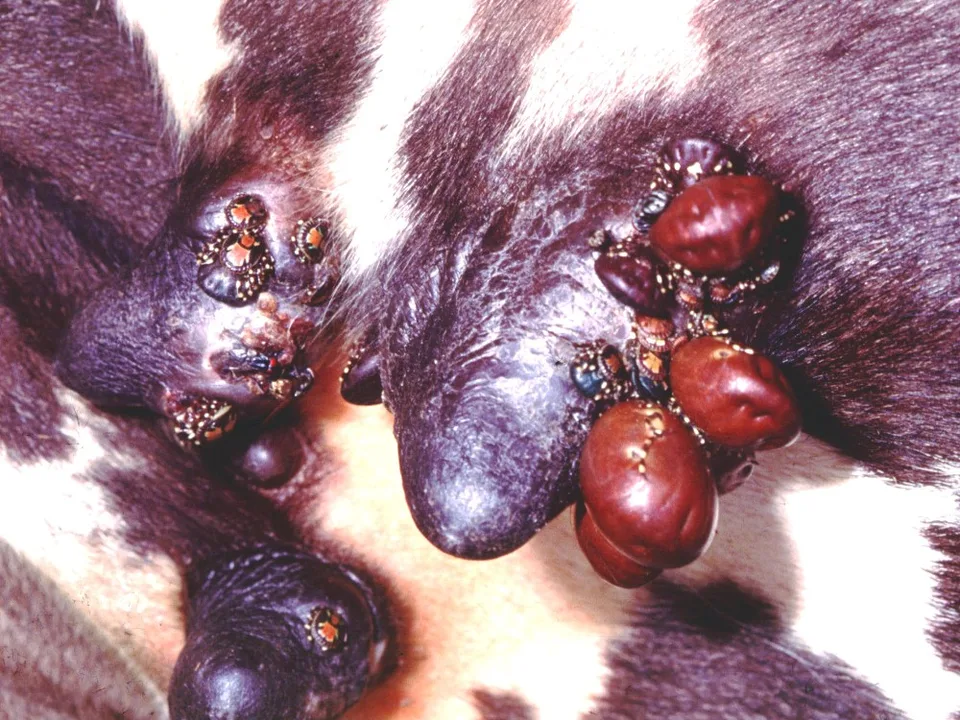
- Bont ticks attached under the tail, around the udder, groin, scrotum, brisket or between the toes, sometimes with painful swellings where they feed.
- Mild nervous signs starting: twitching of the eyelids or lips, frequent licking or chewing movements, or an unsteady walk.
As it gets worse
- A high-stepping, stiff or wobbly walk, as if the animal is stepping over invisible objects.
- Constant chewing movements, tongue pushing out, and grinding of teeth.
- Walking in circles, pressing the head against walls or fences, or blindly bumping into things.
- Aggression or excitement, sudden bellowing, or charging at people.
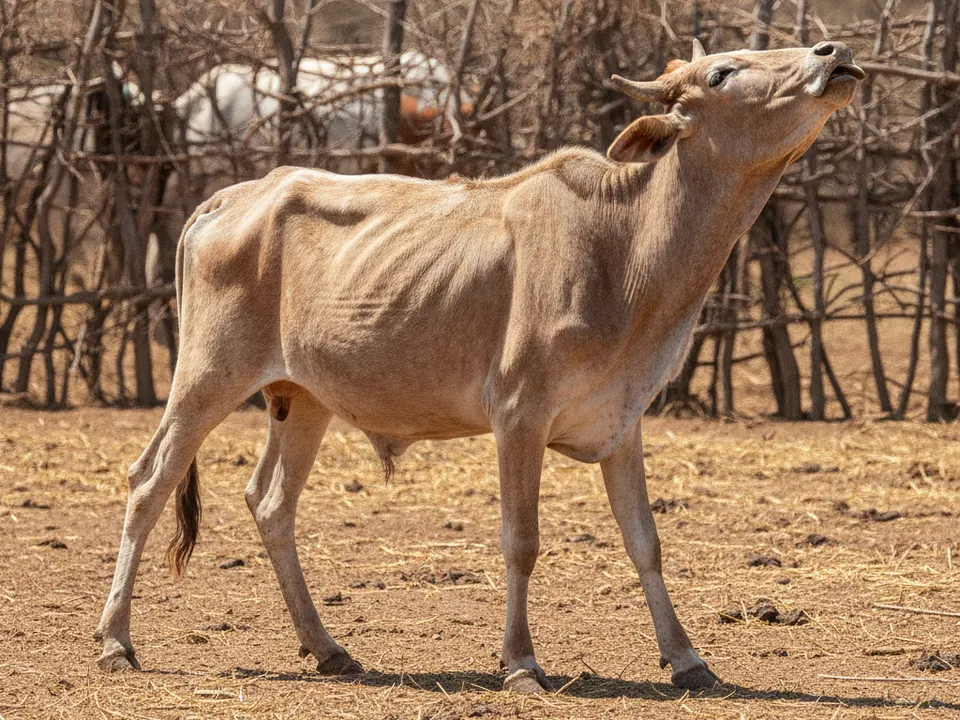
- Going down and lying on the side with the legs paddling or running in the air, the head and neck bent backwards, and rolling or flickering eyes.
- Laboured breathing and sometimes froth at the nose from fluid in the lungs.
- Sudden death, sometimes with no warning signs, especially in very susceptible animals.
What to do right now
- Call your vet or the County Veterinary Officer immediately, and describe the fever, nervous signs and ticks, because early treatment is the main chance of survival.
- Take the rectal temperature of the sick animal and of the rest of the herd, especially exotic and newly bought cattle, and tell the vet which ones have fever.
- Move the sick animal gently to a quiet, shaded, well-bedded place away from walls, ditches and water troughs where it could fall, get stuck or drown during fits.
- Keep people, especially children, away from a nervous or aggressive animal, and never put your hand into its mouth, because rabies cannot be ruled out without a vet.
- Offer clean, fresh water and soft feed within reach, but never force-drench a cow that is down, fitting or struggling to swallow, as liquid can go into the lungs.
- Check all cattle, goats and sheep for bont ticks under the tail, around the udder, groin, scrotum and between the toes, and arrange tick control for the whole herd with your vet or agrovet.
- Write down the dates of first signs, recent purchases or movements, your last dipping or spraying, and the acaricide used.
- Do not give any drug, including antibiotics, painkillers or fever remedies, without your vet's advice, and do not open any animal that dies before the vet examines it.
How it spreads
- Heartwater spreads through the bite of infected bont ticks. These are large, colourful ticks with shiny brown and orange or whitish patterned backs, banded legs and long mouthparts.
- Bont ticks pick up the germ when they feed as larvae or nymphs on an infected animal, keep it as they moult, and pass it on when they feed as nymphs or adults on the next animal.
- Recovered cattle, goats, sheep and many wild ruminants such as buffalo and antelope can carry the germ without looking sick, so they keep ticks infected on shared grazing.
- Bont ticks are most active during and after the long and short rains, when grass is long and bushy areas are wet, so cases often rise in these seasons.
- Moving susceptible cattle, especially exotic dairy breeds, from tick-free highland areas into lowland or coastal tick areas is a classic trigger for outbreaks.
- Suddenly stopping or weakening tick control, such as missed dipping, cheap or wrongly diluted acaricide, or ticks that resist the acaricide, can lead to heavy tick loads and new cases.
- Heartwater does not spread directly from cow to cow by contact, coughing or milk. It needs the tick, although infected blood on shared needles could in theory pass it on.
Could it be something else?
Rabies
Rabies also causes strange behaviour, aggression and going down, but it usually has no high fever, and you often see drooling saliva, hoarse bellowing, straining and paralysis of the throat. It follows a dog or wild animal bite and always kills. Because rabies can kill people, treat any nervous cow as a possible rabies case: do not put your hand in its mouth and call the vet.
Redwater (cerebral babesiosis)
Redwater, spread by blue ticks, also causes high fever and sometimes nervous signs, but the animal usually passes red or dark brown urine, and the gums and eyes look pale or yellow from anaemia and jaundice. A vet can tell them apart with a blood smear.
East Coast fever (including turning sickness)
East Coast fever, spread by the brown ear tick, causes fever with clearly swollen lymph nodes, especially below the ear and in front of the shoulder, plus coughing, difficult breathing and froth from the nose. A rare brain form called turning sickness causes circling, but the swollen glands usually point to East Coast fever. A vet confirms with a lymph node or blood smear.
Anthrax
Anthrax also causes sudden death, but dead animals often have dark, tarry blood that does not clot oozing from the nose, mouth or anus, and the carcass swells quickly. Never open or skin an animal that died suddenly; call the vet first, as anthrax is dangerous to people.
How it is diagnosed
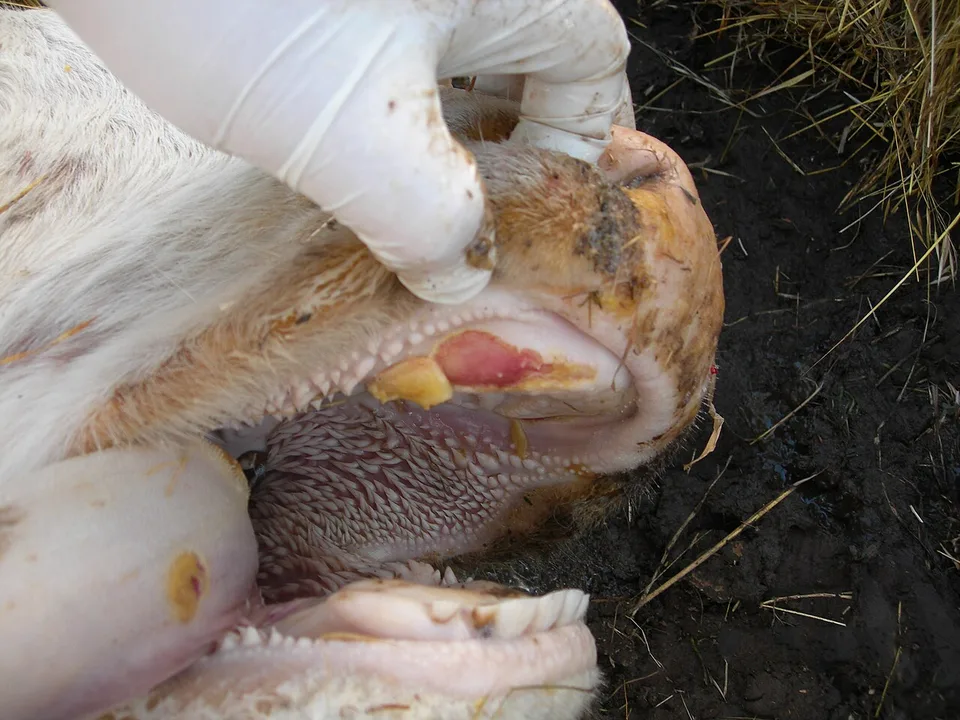
A vet suspects heartwater from the high fever, nervous signs, bont ticks on the animal or herd, the season and the animal's history, such as recent arrival from a tick-free area. In a live animal, blood can be sent for PCR, a laboratory test that detects the germ's genetic material, though results take time, so treatment usually starts before they return. The most common confirmation is after death: the vet takes a small piece of brain and makes a crushed smear, which is stained and examined under a microscope for clusters of the germ inside small blood vessels. At post-mortem the vet may also find clear or straw-coloured fluid around the heart and in the chest, fluid-filled lungs with froth in the airways, an enlarged spleen and a swollen, congested brain. You can help by recording the temperature and when signs started, noting recent movements, purchases and dipping dates, collecting a few ticks in a closed container, and keeping any dead animal whole and covered, away from dogs, until the vet sees it. Do not open a carcass yourself, because anthrax can look similar.
Treatment
The vet will usually treat with an antibiotic from the tetracycline group, such as oxytetracycline or doxycycline, which is the standard treatment for heartwater. Unlike many diseases, heartwater is caused by a bacterium, so antibiotics do work, but only if given early. Animals treated during the fever stage, before strong nervous signs, often recover; once an animal is down and convulsing, treatment frequently fails. The vet may add supportive care, such as an anti-inflammatory drug to reduce swelling and fever, careful fluid therapy, and sometimes a sedative to control fits. The vet may also treat other exposed animals with fever, and advise on a programme for in-contact stock. Doses, routes and repeats must be decided by the vet. Tetracyclines leave residues in milk and meat, so you must follow the withdrawal period the vet gives you before selling or drinking milk or slaughtering the animal. Use antibiotics only as prescribed and complete the course, because careless use of agrovet antibiotics drives antimicrobial resistance (germs that no longer respond to medicines) and leaves residues in food. Recovered animals can be weak for one to two weeks and need rest, shade, water and good feed.
Medicines must be prescribed and dosed by a vet. Always respect milk and meat withdrawal periods, and finish the full course of any antibiotic.
How Agrikima products can help
These support the animal alongside — never instead of — your vet's treatment, vaccination and good management.
Prevention
- Control bont ticks with regular dipping, spraying or pour-on acaricides as advised by your vet or extension officer, paying special attention to the hidden places they attach: under the tail, udder, groin, scrotum, brisket and feet.
- Use the correct acaricide dilution, wet the whole animal including the hidden areas, keep to the recommended interval, and rotate acaricide groups on advice if ticks seem to survive treatment.
- Treat goats and sheep for ticks too, as they share heartwater and bont ticks with cattle.
- Before moving exotic or cross-bred cattle from a tick-free area to a heartwater area, talk to your vet about protecting them, which may include strict tick control and preventive treatment under vet supervision during the first weeks.
- Quarantine and inspect new animals for ticks before mixing them with the herd, and buy from sellers who can tell you about their tick control.
- In tick areas, discuss with your vet whether to keep a stable tick-control plan that allows young calves some natural exposure while they are resistant, rather than switching between intensive and no tick control, which can leave adult animals with no immunity.
- Keep grass short and clear bush around homesteads and night bomas, and check cut fodder brought to zero-grazing units for ticks.
- Vaccines exist in some countries, such as a live blood vaccine in South Africa, but there is no widely available heartwater vaccine in Kenya, so tick control and early vet treatment remain the main tools.
Risk to people
Heartwater is not considered a meaningful risk to people; only a very small number of possible human infections have ever been reported, and this remains uncertain. The real human health concerns are different. First, a cow with nervous signs could have rabies, which is deadly to people, so wear gloves, avoid saliva and never put your hand in the mouth until a vet has ruled rabies out. Second, tetracycline antibiotics leave residues in milk and meat, so do not drink or sell milk or slaughter treated animals until the vet's withdrawal period is over. Third, never open or eat an animal that died suddenly without a vet's check, because anthrax can look similar.
Impact on your farm
Heartwater can kill valuable dairy cows and in-calf heifers within days, wiping out years of investment for a smallholder. Even animals that survive lose milk for weeks, may abort, and need costly vet treatment. Fear of heartwater and other tick-borne diseases limits the spread of high-yielding exotic dairy breeds into lowland, coastal and semi-arid parts of Kenya. Farmers also carry the ongoing cost of acaricides, labour for dipping or spraying, and lost milk during drug withdrawal periods. Bont ticks also damage teats and udders, leading to abscesses and mastitis, and reduce the value of hides.
Outlook and recovery
The outlook depends mainly on how early treatment starts and how susceptible the animal is. Cattle treated by a vet in the fever stage, before strong nervous signs, often recover. Once an animal is down, paddling or convulsing, most die even with treatment. Indigenous zebu and animals that have had heartwater before often survive with mild illness, while newly introduced exotic dairy cattle can die quickly. Recovered animals usually have good immunity for some time, but they may carry the germ and keep infecting ticks, so tick control must continue.
Common questions
Can I buy oxytetracycline at the agrovet and treat heartwater myself?
Tetracyclines are the drugs used for heartwater, but they must be prescribed by a vet who confirms the diagnosis and sets the right drug, dose and course. Many diseases look similar, such as redwater, East Coast fever and rabies, and they need different treatment. Wrong or partial doses waste money, fail the animal and build antibiotic resistance. If you see a cow with fever and ticks, call the vet quickly; speed matters more than anything else.
My cow is already lying down and paddling. Is there any hope?
Once heartwater reaches the convulsing stage, most animals die even with treatment, because the brain and lungs are badly damaged. A vet can still try treatment and supportive care, and some animals do pull through. Keep her quiet, shaded and safe from injury. Check the rest of the herd for fever, because catching the next case early gives a much better chance.
Why did my Friesian die while my neighbour's zebu cattle are fine?
Indigenous zebu and Boran cattle have lived with bont ticks and heartwater for generations and are naturally more resistant. Many were also infected as young calves, when they are naturally protected, so they built immunity early. A Friesian brought from a tick-free farm has no such protection, so the same tick bite can make it very ill.
Should I stop dipping so my animals build up immunity?
No, do not stop tick control on your own. Bont ticks also carry other diseases and damage teats and udders, and stopping suddenly can expose your whole herd to heavy infection. In some tick areas vets advise a steady, balanced tick-control plan that lets young calves get some natural exposure. This is a decision to make with your vet or extension officer for your farm and breeds.
Is there a heartwater vaccine in Kenya?
A live blood-based vaccine is used in South Africa, but it needs careful handling and follow-up treatment, and there is currently no widely available heartwater vaccine for Kenyan farmers. Researchers are working on better vaccines. For now, the best protection is good tick control, careful management of new animals and fast vet treatment.
Can heartwater spread from a sick cow to my other cows?
Not by contact, breath or milk. It spreads only through bont ticks that have fed on an infected animal. But if one animal has heartwater, infected ticks are on your grazing, so others may be infected too. Check the whole herd for fever and ticks, and tighten tick control for cattle, goats and sheep.
A guide, not a diagnosis. This page is general information to help you recognise problems early. Always confirm with a vet or animal health worker before treating.