What it is
LSD is caused by the lumpy skin disease virus, a member of the capripox group of viruses (the same family as sheep pox and goat pox). Once a biting insect or tick carries the virus into a cow, it multiplies and travels through the blood. This stage brings fever and makes the lymph nodes (glands that filter infection, such as the large one in front of the shoulder) swell. The virus then settles in the skin and the tissues under it, where it damages small blood vessels and causes swelling and dead tissue. This is what forms the firm nodules. The same damage can happen in the lining of the mouth, nose, windpipe, lungs, gut, udder and reproductive organs, and in the legs, where fluid builds up and causes swelling and lameness. Over time the centre of a nodule can die and form a hard plug of dead skin called a 'sitfast', which may fall out and leave a hole that heals slowly and can become infected by bacteria or invaded by fly maggots. Pneumonia and mastitis from bacteria are common complications in weakened animals.
Which animals are most at risk
All ages and breeds of cattle can get LSD, but exotic dairy breeds such as Friesian (Holstein), Ayrshire, Jersey and Guernsey, and their crosses, usually suffer much more severely than local Zebu and Boran cattle. High-yielding cows in milk, pregnant cows, young calves and animals that are thin or stressed tend to become very sick. Unvaccinated herds are at greatest risk, as are herds where the yearly vaccination has been missed. Risk is highest during and after the long and short rains when flies and mosquitoes multiply. Zero-grazing units can still be affected because flies move freely between farms, while free-range and pastoral herds face extra risk from shared grazing, watering points, dips, markets and long-distance movement. Herds near livestock markets, stock routes or wildlife areas, and farms that often buy in new animals, are especially exposed. Buffalo and some other wild animals may be involved in the disease cycle, although their exact role is not fully understood.
Signs to look for
Early signs
- Fever, often high, with the cow looking dull, standing apart and eating less.
- A sudden and sharp drop in milk yield in milking cows, often noticed before the lumps appear.
- Watery eyes, clear nasal discharge and extra drooling of saliva.
- Swollen lymph nodes that you can feel as firm, enlarged lumps in front of the shoulder and in the flank just in front of the back leg.
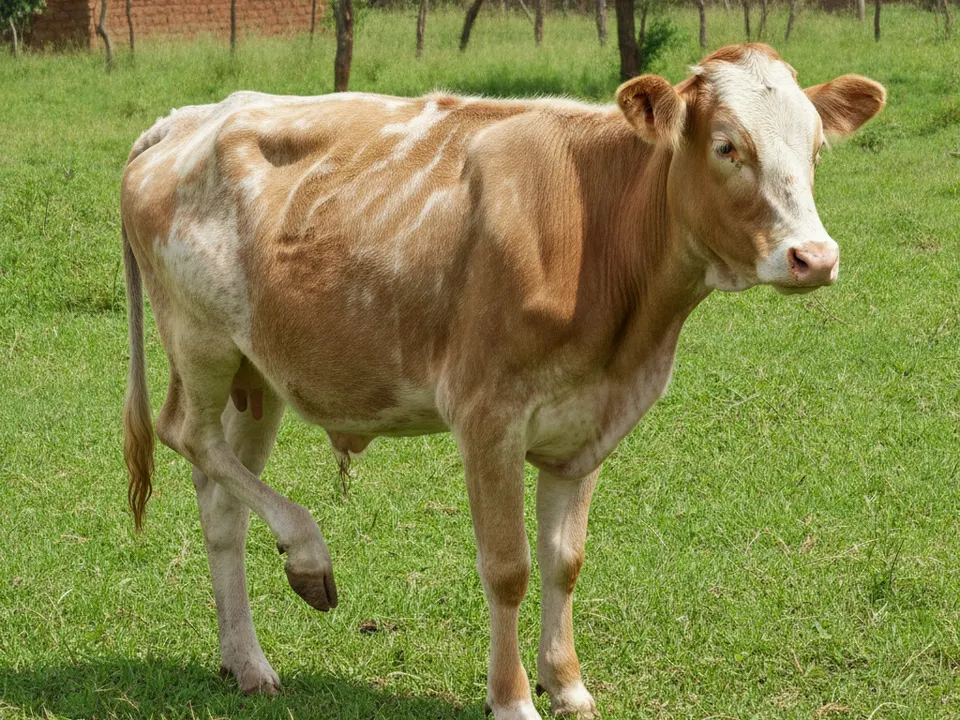
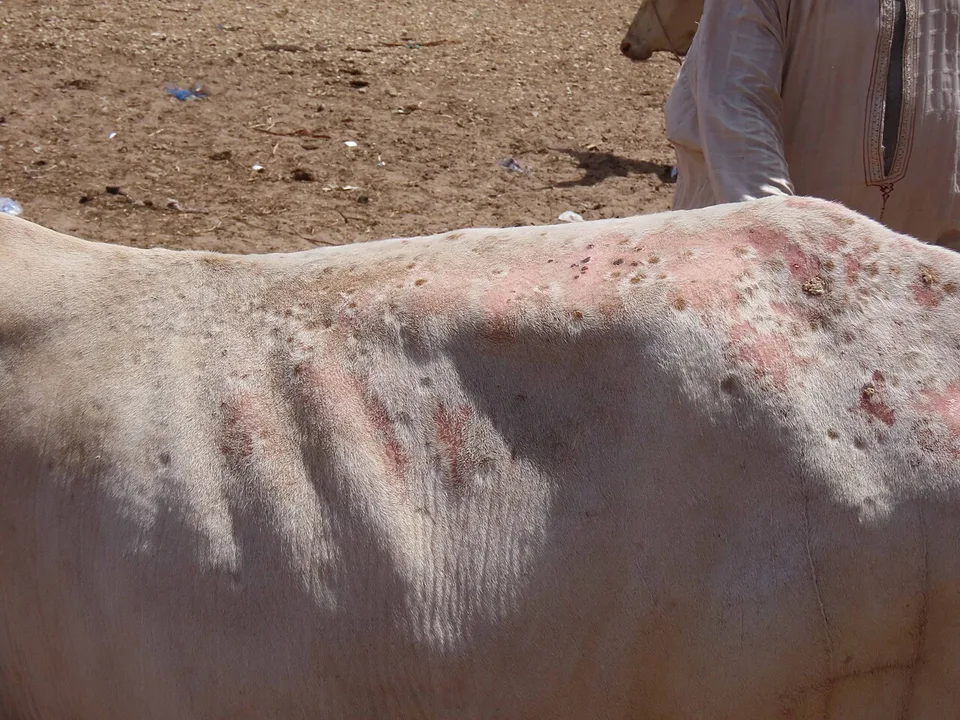
- Small, firm, round raised lumps appearing in the skin, often first on the neck, head, back, udder, perineum (area under the tail) or legs; the hair over them stands up.
- Lumps that feel hard and deep in the skin, not just on the surface, and may be painful when touched.
As it gets worse
- Many nodules, from a few to hundreds, covering much of the body, sometimes joining together into larger swollen patches.
- Nodules whose centres die and form hard, dark plugs (sitfasts) that later drop out, leaving deep open sores that may attract flies and maggots.
- Swelling of the legs, brisket (lower chest) and dewlap with fluid, causing stiffness, reluctance to walk and lameness.
- Sores in the mouth, nose and throat causing thick discharge, bad breath, difficulty eating and heavy drooling.
- Noisy or laboured breathing and coughing from lesions in the windpipe and lungs, or from pneumonia.
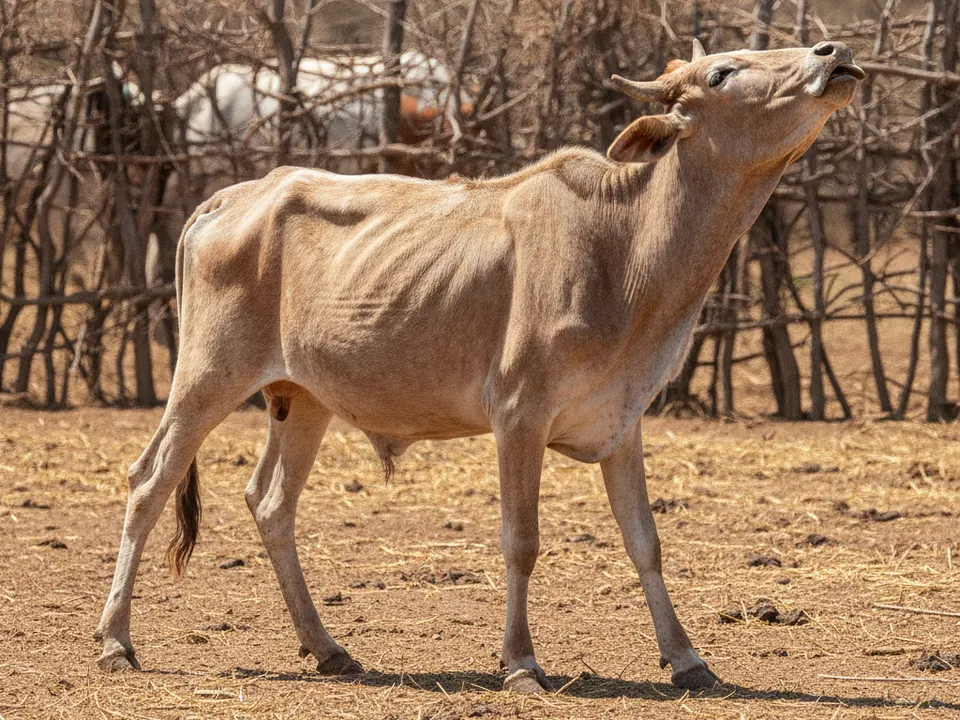
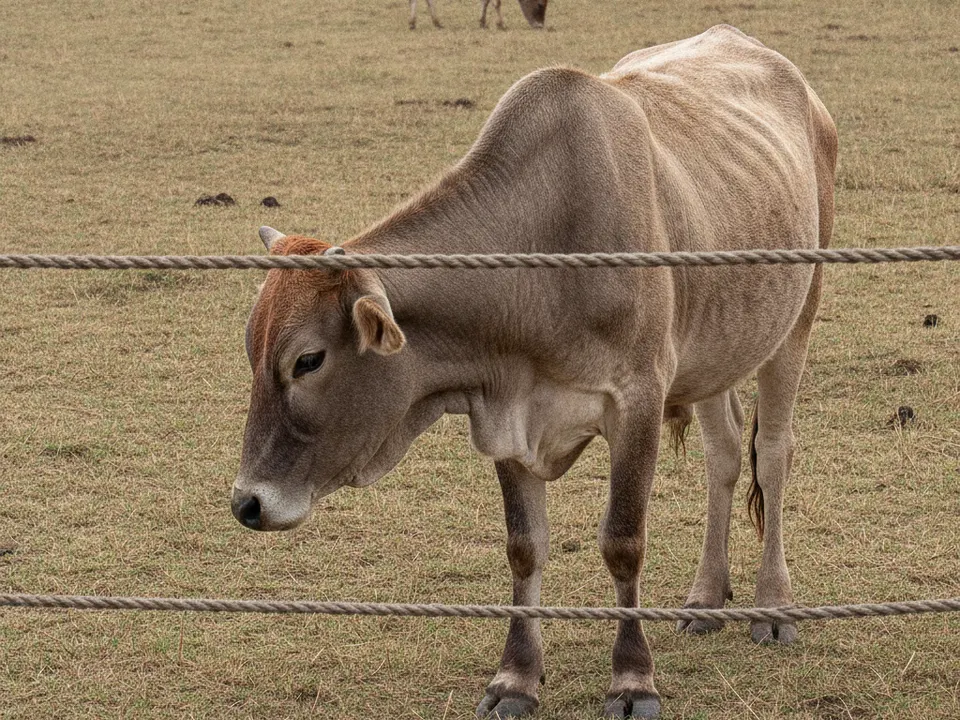
- Marked weight loss, weakness, mastitis with swollen painful quarters, and in pregnant cows, abortion.
- In bulls, swollen and painful testicles that may lead to temporary or permanent infertility; in cows, missed heats and failure to conceive for months.
What to do right now
- Report your suspicion at once to your County Veterinary Officer, the nearest government veterinary office or your local vet; LSD is notifiable in Kenya and early reporting helps protect your neighbours' herds as well as yours.
- Stop all movement of cattle on and off your farm: do not sell, buy, lend, take animals to market, or send them to shared grazing or communal dips until the vet advises you.
- Separate sick animals from healthy ones in a shaded, well-ventilated pen, ideally screened from flies, and use separate buckets, feed troughs and equipment for them.
- Give sick cattle unlimited clean, fresh water and soft, palatable feed such as fresh green grass, good hay and moistened concentrate, because mouth sores and fever make eating hard.
- Reduce flies and ticks around the farm by clearing manure and stagnant water, keeping your normal tick and fly control routine with registered products as advised by your vet, and keeping sick animals indoors in shade during peak fly times.
- Do not treat with antibiotics, injections or home remedies on your own; wait for the vet, and never reuse one needle between animals.
- Protect your herd through hygiene: wash hands, boots and clothes after handling sick cattle, and handle healthy animals first and sick animals last.
- Keep records of every sick animal, its temperature if you can measure it, milk yield and changes from day to day, and keep milk from sick cows separate until the vet tells you what to do with it.
How it spreads
- Biting flies are the main way LSD spreads: stable flies, mosquitoes and horse flies feed on a sick cow and carry the virus on their mouthparts to the next animal.
- Certain ticks, including some common in Kenya such as blue ticks and bont ticks, can also carry and pass on the virus.
- Spread is fastest during and just after the long and short rains, when insect numbers rise, and in low-lying, warm or wet areas.
- Moving infected or newly bought cattle into a herd, or bringing cattle together at markets, dips, watering points and communal grazing, brings the virus to new farms.
- Reusing the same needle on several animals during treatment or vaccination can carry the virus from one cow to another.
- Infected bulls can shed the virus in semen, so natural mating and semen from unscreened bulls can carry the disease.
- An infected pregnant cow can pass the virus to her unborn calf, and calves may be born with skin lesions.
- The virus survives well in dry scabs, hides and dirty surroundings for a long time, and saliva, nasal discharge and milk from sick cows can contaminate shared feed and water.
Could it be something else?
Pseudo-lumpy skin disease (bovine herpes mammillitis virus)
Caused by a different virus and usually milder. The lumps are shallow, on the surface only, often with a flat or sunken centre, and they heal within a few weeks without deep sitfasts. Fever is mild and the lymph nodes are not greatly swollen. A vet often needs lab tests to tell the two apart.
Insect bites or allergic hives (urticaria)
Soft, puffy swellings that appear suddenly, often after a change of feed, a spray or heavy insect attack, and disappear within hours to a few days. There is usually no fever, no milk drop, no swollen glands and no hard nodules that later scab or slough.
Dermatophilosis (streptothricosis, 'rain scald')
A bacterial skin infection seen in wet weather, especially along the back. It forms crusty scabs with tufts of matted hair that look like a paintbrush and peel off to show raw, moist skin underneath. The lesions are on the surface, not deep firm nodules, and the cow is usually not feverish.
Warts (papillomatosis)
Grey, rough, cauliflower-like growths mostly on the head, neck and shoulders of young cattle. They grow slowly over weeks, the animal stays bright and eats well, and there is no fever, milk drop or leg swelling.
How it is diagnosed
A vet will often strongly suspect LSD from the typical deep skin nodules, fever, swollen glands and the season, especially if neighbouring farms are affected. Because it is notifiable, confirmation is usually done through the government veterinary laboratories. The vet may take small skin biopsies (samples) from fresh nodules, scabs, swabs from the nose or mouth, and blood in special tubes. These are tested by PCR, a laboratory test that detects the virus's genetic material and gives a reliable answer. Blood tests for antibodies can show past infection, and tissue examination under the microscope can support the diagnosis. If an animal dies, a post-mortem examination may show nodules in the mouth, windpipe, lungs and gut. To help the vet, keep the sick animal confined and calm in a crush or safe pen, write down when signs started, how many animals are affected, temperatures if you have a thermometer, milk records, vaccination dates and the vaccine used, and any recent purchases, market visits or movements. Do not move animals or sell hides while waiting for results.
Treatment
There is no medicine that kills the LSD virus, so treatment focuses on supporting the animal while its own immune system fights the infection, and on preventing complications. Your vet may give anti-inflammatory and pain-relieving drugs (NSAIDs such as meloxicam or flunixin) to bring down fever, reduce leg swelling and help the cow eat and move. Antibiotics do not cure the virus, but the vet may prescribe them, for example oxytetracycline or penicillin-streptomycin, when there are signs of bacterial complications such as infected sores, pneumonia or mastitis. Use antibiotics only as prescribed and complete the course exactly, because misuse breeds bacteria that no longer respond to treatment (antimicrobial resistance). Open sores and sitfasts are cleaned and dressed, and fly repellent wound sprays are used to prevent maggots. Vitamin injections, fluids and good nursing may also be advised for weak animals. All drugs used have milk and meat withdrawal periods, which is the time you must wait after the last dose before milk can be sold or drunk or the animal slaughtered; your vet will tell you these, and you must follow them. Alongside treatment, the veterinary services will usually organise vaccination of healthy cattle on your farm and in the surrounding area (ring vaccination) and enforce movement restrictions. Recovery is slow: fever may settle in days, but nodules and sores can take weeks to months to heal, and milk yield and fertility may take a long time to return.
Medicines must be prescribed and dosed by a vet. Always respect milk and meat withdrawal periods, and finish the full course of any antibiotic.
Prevention
- Vaccinate all cattle every year with a registered LSD vaccine; live vaccines made in Kenya (for example by KEVEVAPI) are widely available through agrovets and veterinary offices, and your vet will advise on the right product and timing.
- Vaccinate before the long and short rains, when flies increase, rather than waiting for an outbreak, and include calves from the age your vet recommends, usually after the protection from their mother's colostrum wears off.
- Make sure vaccines are kept cold from purchase to use, are given by a trained person, and that a new needle is used for each animal.
- Control biting flies and ticks with a regular spraying or dipping programme using registered acaricides and insecticides, and reduce fly breeding by removing manure, wet bedding, rotting feed and stagnant water.
- Quarantine newly bought cattle for at least a few weeks, buy only from herds with a known vaccination history, and ask for movement permits; avoid buying animals from areas with current outbreaks.
- Limit contact with other herds at markets, communal grazing, dips and watering points during outbreaks, and keep visitors, traders and their vehicles away from your animals.
- Use semen from reputable AI providers whose bulls are tested and vaccinated, and avoid hiring bulls of unknown health status.
- Keep cattle well fed with good forage, minerals and clean water so that they are in strong condition, because thin and stressed animals suffer worse disease.
Risk to people
Lumpy skin disease is not known to infect people, so it is not a zoonosis. The main human-health concern is drug residues: if sick cows are treated with antibiotics or other medicines, their milk and meat must not be sold or eaten until the withdrawal period set by your vet has passed. Milk from any sick or feverish cow should be kept separate, and milk you do use should always be boiled. Wash your hands after handling sick animals and their sores to avoid carrying the virus on your skin and clothes to healthy cattle.
Impact on your farm
LSD rarely kills large numbers of cattle, but it is very costly on a Kenyan farm. Dairy cows can lose most of their milk for weeks, and some never return to their full yield in that lactation, which hurts farmers who depend on daily milk income from cooperatives or local sales. Sick animals lose weight and condition quickly, and beef and draught animals may be unable to work or walk to grazing. Abortions, missed heats and infertile bulls delay calving and reduce the number of calves born, with effects that last into the next year. Hides are scarred and lose value. Mastitis and pneumonia add vet and drug costs, and milk must be discarded during drug withdrawal periods. Quarantines and movement restrictions can stop sales, close markets and disrupt AI services, and when an exotic dairy cow is badly affected, the farmer may lose a valuable animal through death or forced culling. Annual vaccination costs far less than one serious outbreak.
Outlook and recovery
Most cattle with LSD survive, and deaths are usually low, but recovery is slow and can take several weeks to a few months. Animals with only a few nodules and mild fever often recover fully. The outlook is worse for exotic breeds, high-yielding cows, young calves and pregnant cows, and for animals with many nodules, mouth and throat lesions, severe leg swelling, pneumonia or infected sores with maggots. Some animals stay thin, have long-term scarring, lose part of the udder, or remain infertile, and some farmers decide to cull them. Cattle that recover usually have strong, long-lasting immunity to LSD. Early reporting, good nursing, fly control and prompt vet care for complications all improve the chances of a good recovery.
Common questions
Can I drink or sell milk from a cow with lumpy skin disease?
LSD is not known to infect people, but milk from a sick, feverish cow is often poor quality and may come from an udder with mastitis. If the cow is being treated with antibiotics or other drugs, the milk must be discarded until the withdrawal period your vet gives you is over. Keep milk from sick cows separate, ask your vet before using it, and always boil milk before drinking. During an official quarantine, follow any instructions from the veterinary office on milk sales.
My cows were vaccinated but one still got lumpy skin disease. Why?
No vaccine gives 100% protection. A cow may get sick if the vaccine was not kept cold and lost its strength, if it was given too late and the cow was already infected, if the yearly booster was missed, or if the cow was weak or sick when vaccinated. Some vaccinated animals also show a mild local swelling or a few small lumps after vaccination, which a vet can help you tell apart from true disease. Vaccinated herds generally have far fewer and milder cases, so keep vaccinating every year and report any sick animal.
Should I vaccinate my healthy cattle when there is an outbreak nearby?
Yes, vaccination of healthy cattle is a key part of controlling an outbreak, and the veterinary services often organise ring vaccination around affected farms. Vaccinating an animal that is already showing signs will not cure it. Let the vet or trained vaccinator decide which animals to vaccinate, and insist on a new needle for every animal so that the virus is not spread from cow to cow.
How long will the lumps take to go away?
The fever often settles within one to two weeks, but the nodules take much longer. Small nodules may shrink slowly over a few weeks, while larger ones can form hard plugs that fall out and leave sores that take a month or more to heal. Some lumps and scars can remain for many months. Keep sores clean, protect them from flies and maggots, and call your vet if a sore smells bad, swells or produces pus.
Can I sell my animals or take them to market during an outbreak?
No, not while your farm or area is under restriction. Because LSD is notifiable, the County Veterinary Officer can impose movement restrictions, which means cattle cannot be moved, sold, taken to markets or slaughterhouses, or brought in, without permission. Markets in affected areas may be closed. These rules stop the virus being carried to new herds. Breaking them can spread the disease and may be an offence, so wait until the veterinary office lifts the restrictions.
Will my bull or cows be able to breed again after lumpy skin disease?
Many recover their fertility, but it can take months. Bulls with swollen, painful testicles may become temporarily infertile, and some become permanently infertile. Cows may miss heats or fail to conceive for a while, and pregnant cows may abort. Ask your vet to examine breeding animals after recovery, and keep breeding records so you can make good decisions about which animals to keep.
A guide, not a diagnosis. This page is general information to help you recognise problems early. Always confirm with a vet or animal health worker before treating.