What it is
Blackleg is caused by Clostridium chauvoei, a bacterium that forms spores. A spore is a tough, resting form of the germ that can survive in soil for many years, even through dry seasons. Cattle swallow spores while grazing or eating contaminated feed. The spores pass from the gut into the bloodstream and settle in the muscles, where they lie dormant (inactive) without causing any harm, sometimes for months. When something reduces the oxygen in a part of the muscle, for example a bruise from rough handling, a fall, fighting, crowding in a truck or crush, or heavy exercise, the spores 'wake up' in that low-oxygen pocket. They multiply quickly and produce powerful toxins (poisons). These toxins kill the muscle tissue, produce gas bubbles inside it, and leak into the blood, causing fever, shock and heart failure. The gas is what makes the swelling crackle under your hand, and the dying muscle turns dark red to black, which gives the disease its name.
Which animals are most at risk
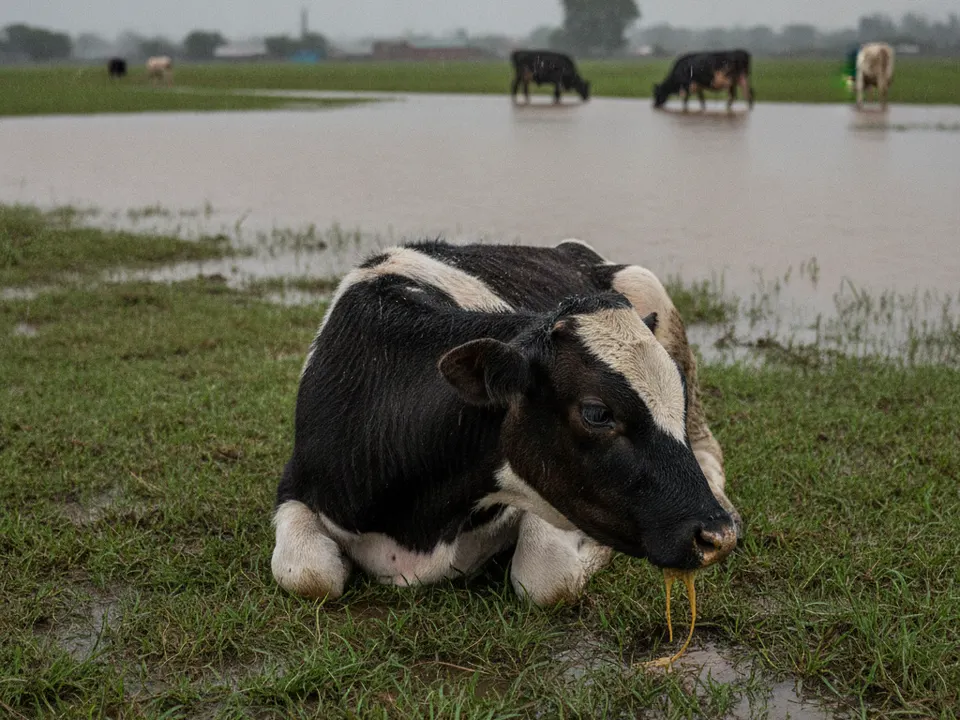
Young cattle between about 6 months and 2 years old are most at risk, although cases occasionally occur in calves as young as a few months and in older animals. Strangely, it is the healthiest, best-fed and fastest-growing animals, such as well-managed dairy heifers, feedlot steers and good-condition pastoral weaners, that are hit hardest. Animals that have never been vaccinated, or whose booster is overdue, are the main victims. Risk is higher on farms or grazing areas with a history of blackleg, on land where carcasses were previously opened or buried shallowly, and during and after the rains when soil is disturbed. All farming systems are affected: zero-grazing units buying in fodder or soil-contaminated feed, mixed smallholdings and large pastoral herds alike. Sheep and goats can also get blackleg, usually through wounds.
Signs to look for
Early signs
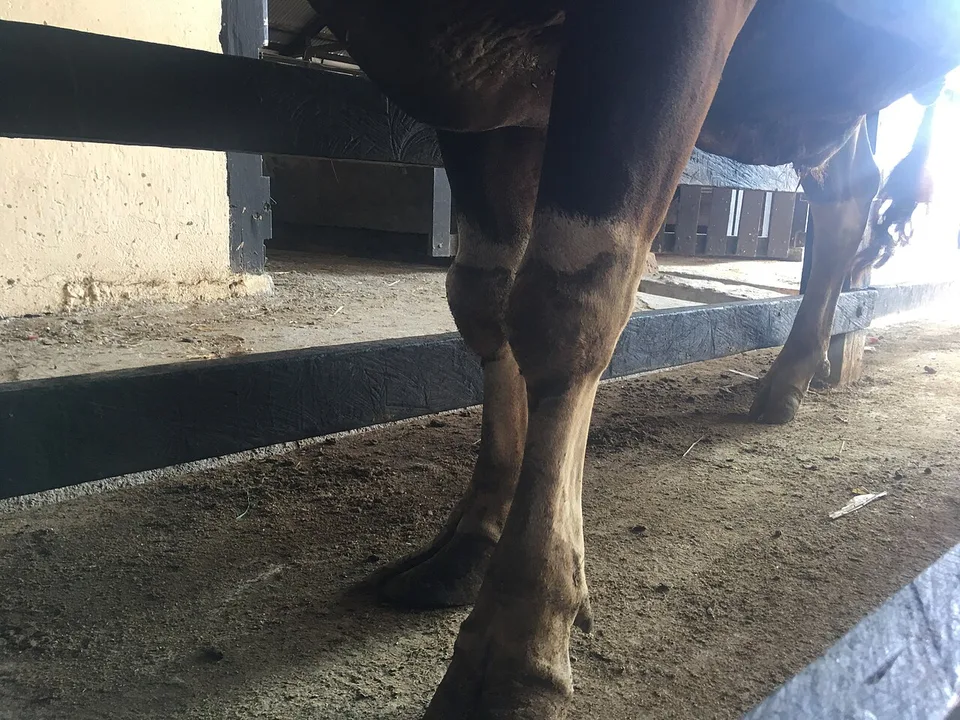
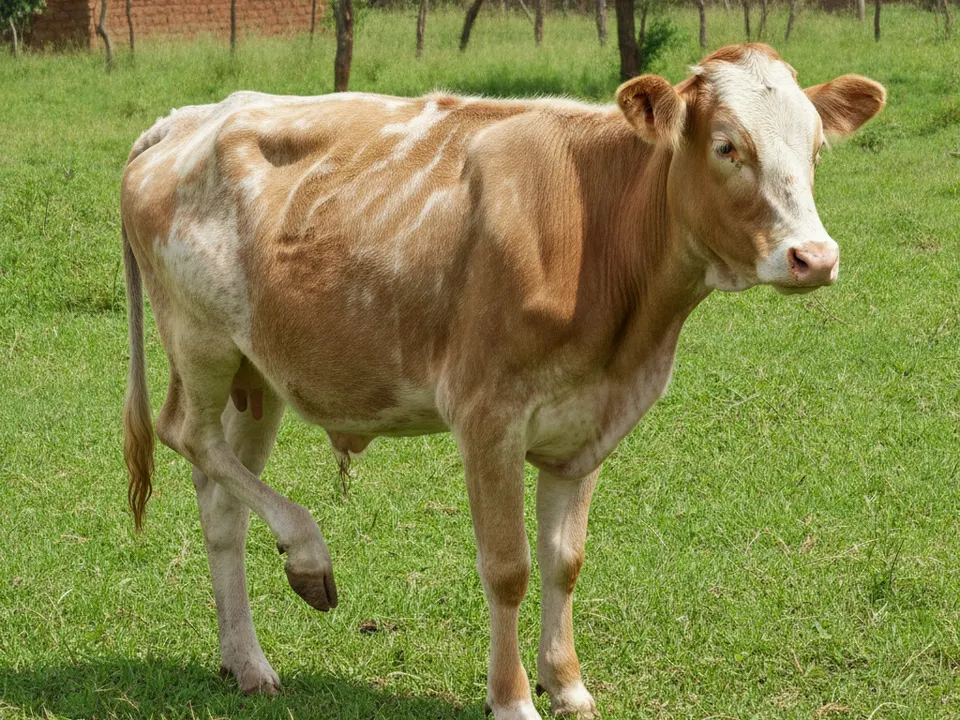
- Sudden, severe lameness in one leg in an animal that was healthy the day before; it may refuse to walk or stand stiffly.
- A swelling over a heavy muscle, usually the hindquarter (thigh or rump), shoulder, neck, chest or loin, though sometimes in the tongue, throat or heart muscle.
- At first the swelling is hot and very painful; the animal flinches when it is touched.
- Pressing the swelling gives a crackling, crunchy feeling and sound, like pressing on bubble wrap or dry paper, caused by gas under the skin.
- High fever, dullness, loss of appetite, stopping chewing the cud, and fast breathing.
- The animal separates itself from the herd and may lie down and be reluctant to rise.
As it gets worse
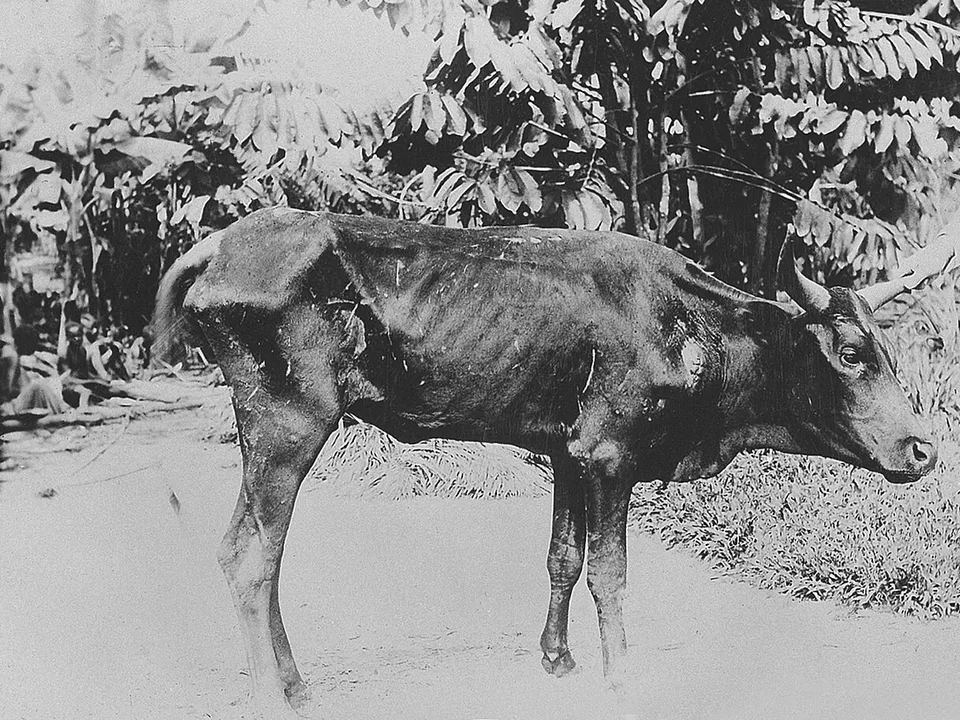
- The swelling spreads and becomes cold and painless as the muscle and nerves die, while the rest of the animal gets worse.
- The skin over the swelling darkens, becomes dry, tight and may crack, sometimes oozing a dark, frothy fluid.
- Body temperature falls to normal or below as the animal goes into shock, which is a very bad sign rather than improvement.
- Trembling, weakness, collapse, lying on its side, and paddling of the legs.
- Death usually follows within 12 to 48 hours of the first signs, and many animals are simply found dead in the morning with no warning.
- A dead animal often lies with the affected leg stuck out stiffly, the carcass swells quickly, and cut muscle (only if a vet has ruled out anthrax) is dark, dry, spongy and smells like rancid butter.
What to do right now
- Call your vet or County Veterinary Officer straight away; blackleg moves so fast that hours matter, and treatment only has a chance very early.
- Move the sick animal gently to a quiet, shaded, separate pen close by, without chasing, beating or forcing it to walk far, because extra muscle stress makes things worse.
- Offer clean drinking water and fresh feed within reach, and keep the animal comfortable and calm while you wait for the vet.
- Do not cut, slash, open or skin the swelling or any animal that has died suddenly; this can spread spores into your soil for years and, if it turns out to be anthrax, put your family at serious risk.
- Check the rest of the herd, especially other young stock in the same age group, by watching them walk and feeling their hindquarters, shoulders and neck for heat, swelling or crackling, and report any suspects to the vet.
- If an animal dies, cover the carcass, keep dogs, children and scavengers away, and do not eat, sell or give away the meat or hide; follow the vet's guidance on burning or deep burial with lime.
- Wear gloves and wash your hands and boots well after touching sick or dead animals, and disinfect tools and the area where the animal lay.
- Write down dates, times, the animal's age, signs seen and vaccination records so the vet can act quickly and plan vaccination of the rest of the herd.
How it spreads
- Cattle pick up spores by eating grass, soil or feed contaminated with them; the disease is not passed directly from one live animal to another by contact or breathing.
- Carcasses of animals that died of blackleg release huge numbers of spores into the soil if they are opened, eaten by dogs or hyenas, or left to rot, contaminating that ground for many years.
- Soil disturbance brings buried spores to the surface, so outbreaks often follow ploughing, digging, road works, flooding or erosion during the long and short rains.
- Grazing short, overgrazed pasture close to the soil, especially early in the rains when new grass is short, increases the amount of soil and spores swallowed.
- Bruising and muscle injury trigger disease in animals already carrying dormant spores; handling in crushes, loading onto lorries, long trekking, fighting and slipping on wet ground are common triggers.
- Occasionally infection enters through wounds such as those from castration, dehorning, ear-tagging or injections given with dirty needles, which is more typical in sheep and goats.
Could it be something else?
Anthrax
Anthrax also causes sudden death, but dead animals often have dark, tarry blood that does not clot oozing from the nose, mouth or anus, the carcass may not stiffen normally, and there is usually no crackling swelling in a leg muscle. Anthrax can kill people and is notifiable in Kenya, so never open, skin or eat any animal that died suddenly until a vet has checked it, often with a simple blood smear test.
Malignant oedema (gas gangrene)
Caused by related clostridial bacteria entering through a wound, it can affect cattle of any age and usually starts near a recent wound such as castration, calving injury or a dirty injection site. The swelling is more soft and jelly-like with less crackling gas, while blackleg typically has no visible wound. Both are deadly and both are prevented by multi-clostridial vaccines, so a vet should confirm which it is.
Bloat
A bloated animal swells on the left side of the belly, not on a leg or shoulder, and is often seen after eating lush legumes or wet grass. There is no crackling lump in the muscle, and the swelling is a drum-tight belly rather than a localised limb swelling.
Injury, fracture or foot problem
A kicked, slipped or fractured leg or foot rot also causes sudden lameness, but the animal usually stays alert and keeps eating, has little or no fever, and any swelling does not crackle or turn cold and numb. Foot rot swelling is between the claws and smells foul, not high up in the big muscles.
How it is diagnosed
A vet suspects blackleg from the history (a young, well-grown, unvaccinated animal dying suddenly, often in the rains) together with the crackling swelling in a heavy muscle. Because anthrax can look similar and is dangerous to people, the vet will usually first rule it out, often by taking a blood sample from an ear or tail vein for a smear before any carcass is opened. If anthrax is excluded, a post-mortem (examination after death) shows dark red to black, dry, spongy muscle full of gas bubbles, with a sweet, rancid-butter smell. To confirm, the vet can send muscle samples to a veterinary laboratory, such as the Central Veterinary Laboratories at Kabete or a regional lab, for tests including a fluorescent antibody test, bacterial culture or PCR (a test that detects the germ's genetic material). Samples should be taken soon after death because other clostridia invade carcasses quickly and can confuse results. You can help by noting when the animal was last seen healthy, its age, vaccination history and dates, any recent handling, transport, injuries, soil disturbance or feed changes, and how many other animals are sick or have died.
Treatment
Blackleg is a true emergency, and even with fast treatment many animals die because the toxins have already done major damage by the time signs appear. If the animal is caught very early, a vet may give high doses of a penicillin-type antibiotic, sometimes injected both into the muscle and directly around the affected area, along with anti-inflammatory and pain-relieving drugs and fluids to fight shock. In some cases the vet may surgically open the affected muscle to let air in, because these bacteria cannot thrive in oxygen; this must only be done by a vet after anthrax is ruled out, with proper disposal of contaminated material. Only a vet can decide whether treatment is worth attempting and which drugs and doses to use. Antibiotics should never be used 'just in case' from the agrovet without a vet's advice, because misuse fuels antimicrobial resistance (germs that no longer respond to medicines) and wastes money on an animal that may not survive. During an outbreak, the vet will usually advise vaccinating all at-risk stock at once and may, in some situations, recommend antibiotic cover for in-contact animals until the vaccine takes effect, which typically needs one to two weeks. Any treated animal will have a milk and meat withdrawal period (the time after treatment when milk and meat must not be sold or eaten); follow the vet's instructions and the drug label strictly. Survivors may stay lame, lose muscle on the affected leg, or develop skin sloughing over the damaged area, and need good nursing for weeks.
Medicines must be prescribed and dosed by a vet. Always respect milk and meat withdrawal periods, and finish the full course of any antibiotic.
Prevention
- Vaccinate: this is by far the most important step. Multi-clostridial vaccines and combined blackleg-and-anthrax vaccines, including ones produced locally by KEVEVAPI, are sold through agrovets and vets; follow the label for the first doses and boosters.
- Start vaccinating calves at the age recommended on the vaccine label (often from around 3 to 6 months), give the booster if required, and then re-vaccinate all young stock every year, ideally a few weeks before the long rains.
- Vaccinate any newly bought animals of risky age and keep a written record of every vaccination date, the vaccine name and batch, so you know who is protected.
- Store vaccines in a fridge or cool box (not frozen and not in sunlight), use clean, sterile needles, and vaccinate under the skin or as the label says, because poor handling can make vaccines useless and dirty needles can cause wound infections.
- Never open or skin carcasses of animals that die suddenly; burn them or bury them deeply (at least about 2 metres) covered with quicklime, away from water sources and grazing, as your vet or County Veterinary Officer advises.
- Avoid grazing young stock on land where blackleg carcasses were buried or where soil has recently been disturbed by ploughing, digging or flooding, especially if they are not vaccinated.
- Handle young cattle gently: use good crushes, avoid overcrowding in pens and lorries, stop dogs chasing stock and avoid long hard treks, to reduce the bruising that triggers disease.
- Keep wounds from castration, dehorning and tagging clean, and use clean equipment, since related clostridial diseases enter through wounds.
Risk to people
Blackleg itself is not considered a significant risk to people; human infection with Clostridium chauvoei is extremely rare. The real danger to people comes from confusing it with anthrax, which looks similar in cattle that die suddenly and can cause serious, sometimes fatal illness in people who handle, skin or eat the carcass. For this reason, never open, skin or eat any animal that died suddenly until a vet has ruled out anthrax, keep children and dogs away, wear gloves when handling sick or dead animals and wash well afterwards. Meat from any animal that died of disease should never be eaten or sold. If an animal is treated with antibiotics and survives, observe the milk and meat withdrawal periods set by the vet and the drug label so residues do not reach your family or customers.
Impact on your farm
Blackleg hits the animals a Kenyan farmer can least afford to lose: well-grown heifers about to become the next milking cows, and steers close to sale weight. One death can wipe out a year or more of feeding, breeding and care, and several deaths in one season can set a smallholder or pastoral family back badly. Because animals often die without warning, there is little chance to sell them, and carcasses must be destroyed rather than eaten or sold, so there is no salvage value. Treatment attempts add vet costs with a low chance of success, and survivors may stay lame and grow poorly. Contaminated grazing stays risky for years, forcing either strict yearly vaccination or the abandonment of certain fields. Compared with these losses, the cost of vaccinating young stock every year is very small.
Outlook and recovery
The outlook for an animal showing signs of blackleg is poor; most affected cattle die, often before anyone notices they are sick. A few animals treated very early by a vet, while the swelling is still hot and the animal is still standing and feverish, may survive, but they can be left with lasting lameness, muscle loss or skin damage. Once the swelling has gone cold and the temperature has dropped, recovery is unlikely. For the herd, the outlook is very good if all at-risk animals are vaccinated promptly and every year, carcasses are disposed of properly and young stock are handled gently; well-vaccinated herds rarely see cases.
Common questions
Can we eat the meat of a cow that died of blackleg?
No. Meat from an animal that died of any disease should never be eaten or sold. The carcass is full of bacteria and toxins, and cutting it spreads spores into your soil, making future outbreaks more likely. Most importantly, sudden death in cattle can also be anthrax, which can kill people, and you cannot tell them apart safely by eye. Call the vet, keep the carcass closed and covered, and burn or deeply bury it with lime as advised.
Why does blackleg kill my best, fattest calves and not the thin ones?
Nobody fully understands why, but it is a well-known pattern. Fast-growing, well-fed young cattle seem to provide the right conditions in their muscles for the dormant spores to wake up and multiply, and their active, heavy muscles bruise more easily. It does not mean good feeding is wrong. It means well-fed young stock must always be vaccinated.
Can blackleg spread from my sick heifer to the rest of the herd or my neighbour's cows?
It does not spread directly from one live animal to another by touching or breathing. However, animals in the same herd graze the same contaminated ground, so if one gets it, others of the same age are at high risk too. Carcasses that are opened or scavenged put large numbers of spores into the soil, which can then affect your animals and your neighbours' animals for years. That is why proper carcass disposal and vaccinating the whole at-risk group matter.
I have had a blackleg death. Is it too late to vaccinate the others?
It is not too late, and you should vaccinate all young stock straight away on your vet's advice. The vaccine needs around one to two weeks to build protection, so a few more cases can still happen during that time, and your vet may recommend extra measures for in-contact animals. After that, keep up yearly boosters, ideally before the long rains, because the spores will stay in your soil.
Does the blackleg vaccine also protect against anthrax and other diseases?
It depends on which vaccine you buy. A blackleg-only vaccine protects against blackleg. Combined blackleg-and-anthrax vaccines protect against both. Multi-clostridial vaccines protect against blackleg plus related diseases such as malignant oedema and enterotoxaemia. Read the label or ask your vet or agrovet which diseases are covered, and choose one suited to the risks in your area.
Can an animal that survives blackleg go back to normal?
Some survivors recover well enough to be useful, but many are left with a damaged, wasted muscle, a lasting limp or skin that peels over the old swelling. They may grow more slowly or be less productive. Good nursing, soft bedding, shade, easy access to water and good feed help, and your vet will advise whether the animal is likely to have a productive future.
A guide, not a diagnosis. This page is general information to help you recognise problems early. Always confirm with a vet or animal health worker before treating.