What it is
Brucellosis in cattle is caused by a bacterium called Brucella abortus. Cattle can occasionally pick up the related Brucella melitensis from infected goats and sheep. Once the germ enters the body, usually through the mouth, it travels to the lymph nodes. These are the small glands that filter infection. From there it spreads through the blood. In a pregnant cow it is strongly drawn to the placenta, the afterbirth that feeds the unborn calf. There it multiplies in huge numbers and inflames the placenta, so the calf is starved of oxygen and food. The calf may die and be aborted, be born dead, or be born weak. The damaged afterbirth often sticks to the womb and is retained, which can lead to womb infection and later infertility. The bacteria also settle in the udder and its glands, so they pass into milk, often for the rest of the cow's life. In bulls, the germ attacks the testicles and the tubes beside them, causing swelling, pain and poor fertility. In both sexes it can infect joints and the fluid sacs over the knees and hocks, causing firm swellings called hygromas. The bacteria hide inside the animal's own cells. This is why the body struggles to clear them and why the infection is usually lifelong.
Which animals are most at risk
Sexually mature cattle are most at risk, especially pregnant heifers and cows, and particularly in their first pregnancy after infection. Young calves can carry the germ but rarely show signs. Bulls can be infected and lose fertility. All breeds are susceptible, from zebu and Boran to Friesian and Ayrshire dairy cows. In Kenya and East Africa, the risk is highest in pastoral and agro-pastoral systems, where large herds mix at grazing and water and cattle are kept alongside goats, sheep and camels. Risk is also high in herds that often buy animals from livestock markets, in herds that share bulls, and in dairy units that bring in replacement heifers of unknown origin. Zero-grazing units are not safe either. Calving in crowded, dirty sheds spreads the germ quickly once one infected animal arrives. Spread is often greatest around the calving season, and wet conditions during the long and short rains help the germ survive longer in the environment.
Signs to look for
Early signs
- Many infected cattle show no signs at all. They look healthy, eat well and milk normally while shedding the germ, so you cannot rule out brucellosis just by looking.
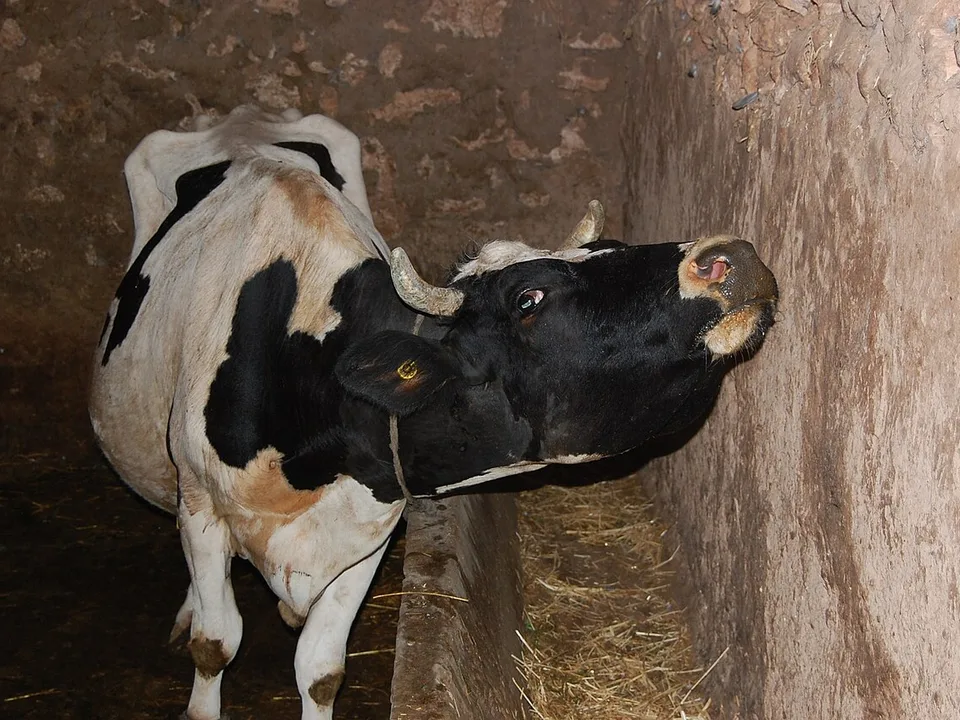
- A pregnant cow or heifer aborts, usually from about the fifth month of pregnancy onwards and most often in the last three months, without having seemed sick beforehand.
- The aborted calf may look fresh or slightly swollen, and the afterbirth may look thickened, leathery, yellowish or blotchy, sometimes with a brownish discharge.
- The afterbirth is retained, meaning it is still hanging from the vulva more than about 12 to 24 hours after calving or abortion.
- Some cows give birth at full term to a dead calf, or to a weak calf that cannot stand or suckle well and may die within days.
- Several cows or heifers in the herd abort or produce weak calves within a few weeks or months of each other, especially first-calf heifers or newly bought animals.
As it gets worse
- After a retained afterbirth, the cow may develop a smelly, discoloured discharge from the vulva, a sign of infection in the womb.
- Cows fail to come back on heat normally, need many services to get pregnant, and the calving interval becomes much longer than expected.
- Milk yield drops, especially in cows that aborted or had a womb infection after calving.
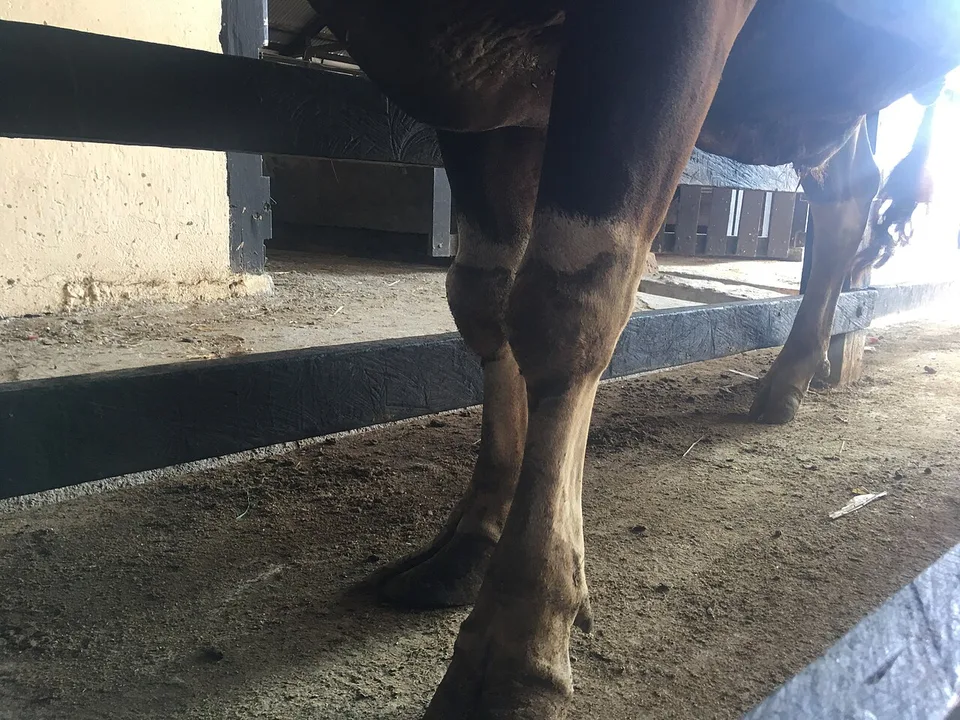
- Firm or soft, often painless swellings appear over the knees (front legs) and sometimes the hocks. These are fluid-filled sacs called hygromas and are commonly seen in African cattle with brucellosis.
- Some animals become lame from swollen, stiff joints.
- Bulls may develop a hot, painful, swollen testicle, usually on one side, which later shrinks and hardens. They also lose interest in mating or become infertile.
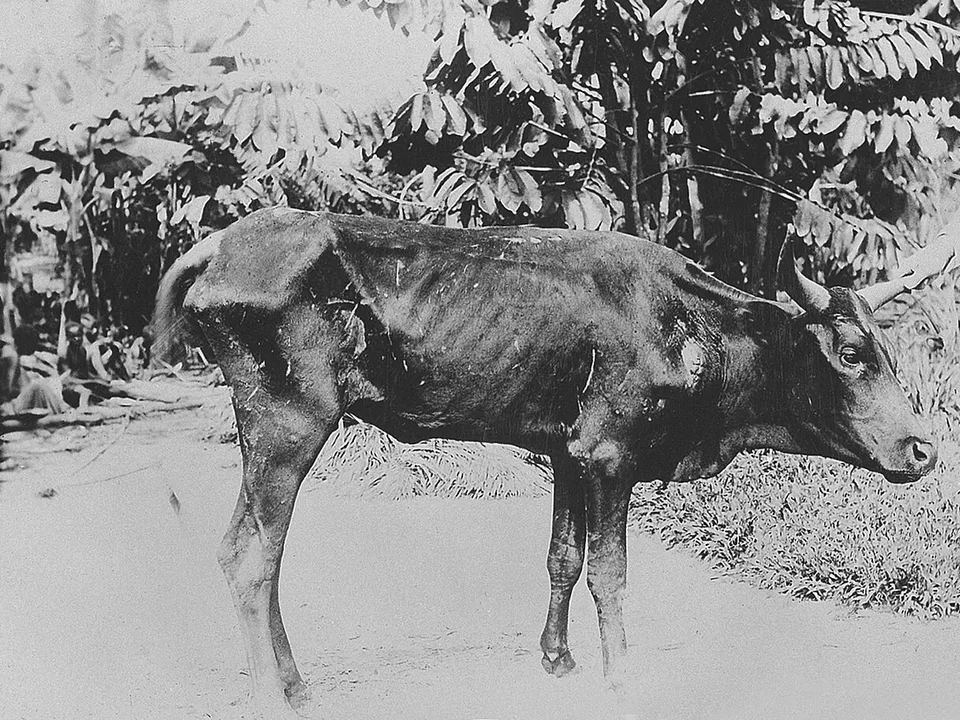
- Over time the herd has fewer calves, more empty cows, and more animals culled for infertility, even though few animals ever look really ill.
What to do right now
- Separate the cow that aborted from the rest of the herd straight away, especially from pregnant cows and heifers. Keep her in a pen or paddock you can clean, until your vet has tested her.
- Protect yourself before touching anything. Wear rubber gloves, and ideally boots and a face mask. Never handle the aborted calf, afterbirth or discharges with bare hands, and keep cuts covered.
- Collect the aborted calf and afterbirth carefully in double plastic bags for the vet. Once the vet no longer needs them, bury them deeply with lime or burn them, so that dogs, other animals and children cannot reach them.
- Do not try to pull out a retained afterbirth yourself. This can damage the womb and expose you to large numbers of bacteria. Call the vet to examine and advise.
- Stop drinking, selling or feeding raw milk from the affected cow, and boil all milk from the herd thoroughly until testing is done. Throw away her milk safely or boil it well before giving it to calves.
- Clean and disinfect the place where the abortion happened. Remove soiled bedding and manure, spread lime or a disinfectant recommended by your agrovet or vet, and let sunlight reach the area.
- Keep the cow comfortable with clean water, shade and good feed, and watch her for fever, smelly discharge or loss of appetite, which suggest a womb infection that needs the vet.
- Stop buying, selling, lending or sharing animals or bulls until the herd has been tested, so you do not spread the disease or bring in more.
- Call your vet or the County Veterinary Officer to arrange testing. If anyone in the household has recurring fevers, sweats or joint pains, tell them to see a doctor and mention contact with cattle and raw milk.
How it spreads
- The biggest source is the aborted calf, the afterbirth and the fluids from an infected cow's womb, which contain enormous numbers of bacteria and contaminate grass, bedding, water and the ground.
- Other cattle become infected when they sniff or lick an aborted calf, the afterbirth or a newborn calf, or eat grass and drink water soiled with birth fluids. Cattle are naturally curious about birth material, so this happens easily.
- Infected cows can shed the germ in their milk, so calves fed raw milk from infected cows can become infected.
- Some heifer calves born to infected mothers carry a hidden infection. They test negative when young and then abort during their own first pregnancy.
- Buying in cattle of unknown health status, especially pregnant heifers or cows from markets, is a common way the disease enters a clean herd.
- Shared grazing, watering points, dips and communal bulls, which are common in pastoral and mixed farming areas, let the disease pass between herds.
- Infected bulls shed the germ in semen. Natural mating plays a smaller role, but semen from an infected bull used for artificial insemination (AI) is a serious risk, so use AI semen only from a trusted, tested source.
- The bacteria can survive for weeks to months in cool, damp, shaded places such as wet bedding, manure and muddy ground, but sunlight and drying kill them faster.
Could it be something else?
Leptospirosis
Leptospirosis can also cause late abortions and weak calves. It often comes with a sudden drop in milk, with thick, yellowish or blood-tinged milk from all quarters and a soft, floppy udder. Young calves may have red urine or yellow gums. Only blood tests or tests on the aborted calf can reliably separate the two, so your vet will usually test for both.
Trichomoniasis and vibriosis (venereal diseases)
These are spread by bulls during natural mating. They mainly cause early embryo loss, so cows keep returning on heat, abortions happen early in pregnancy and are often missed, and fertility drops across the herd. Swollen knees and late abortion storms are not typical. They are rare in herds that use only AI.
Neosporosis
Neospora is a parasite spread through dog faeces. It usually causes abortions in mid-pregnancy, around the fourth to sixth month. The same cow may abort again in later pregnancies, and it does not cause swollen knees or testicles. It is linked to dogs eating afterbirths and fouling feed. Laboratory tests on the fetus and blood are needed to tell them apart.
Rift Valley fever
Rift Valley fever comes as sudden outbreaks after heavy rains and flooding with many mosquitoes. There are abortions in cattle, sheep, goats and camels at once, many deaths in young calves and lambs, and people falling ill with fever. It is notifiable and an emergency. Brucellosis, in contrast, spreads slowly and is not tied to mosquito seasons.
How it is diagnosed
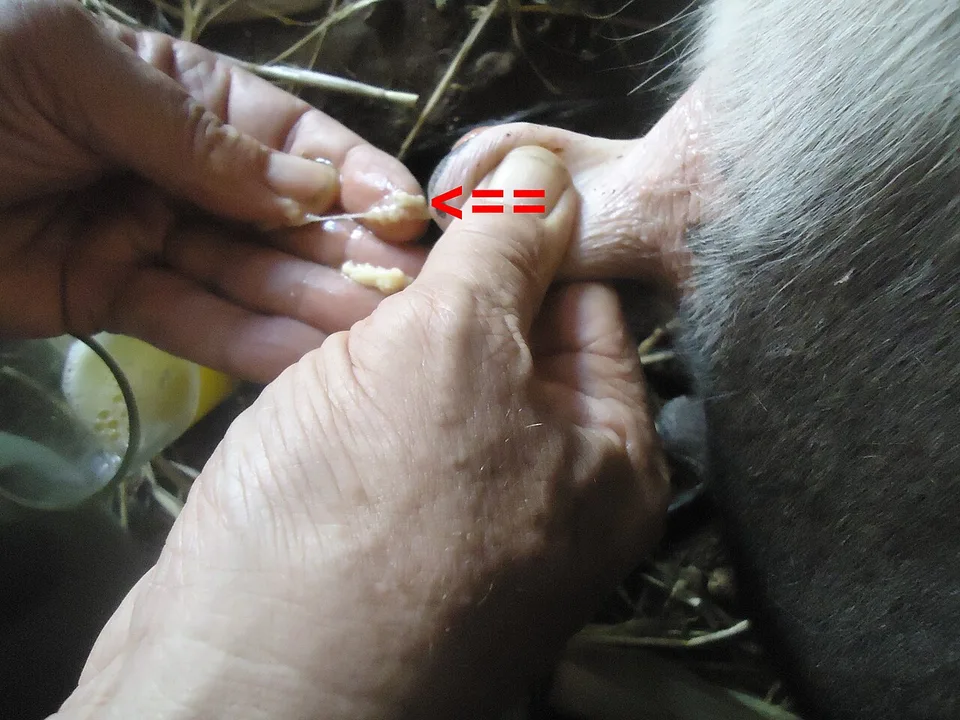
You cannot confirm brucellosis by looking at a cow, because many abortions have other causes and many infected cows look healthy. Your vet will take blood samples from the aborted cow and usually from other breeding animals in the herd. A quick screening test called the Rose Bengal test is often done first, and positives are checked with more accurate laboratory tests such as ELISA or the complement fixation test. In dairy herds, milk can be screened with a milk ring test or a milk ELISA, sometimes on bulk tank milk to check the whole herd. The strongest proof comes from growing the bacteria in a laboratory from the aborted calf's stomach contents, the afterbirth, vaginal discharge or milk. This is done in specialised laboratories such as the Central Veterinary Laboratories at Kabete or regional veterinary investigation labs, because the germ is dangerous to lab staff. Your vet may also test for other causes of abortion at the same time. To help, do not throw away or bury the aborted calf and afterbirth before speaking to the vet. Wearing gloves, place them in two strong plastic bags, tie them, and keep them cool and shaded, away from dogs. Write down the cow's details, how many months pregnant she was, the dates of any other abortions, recent purchases, the bull or AI semen used, and any vaccinations given. Brucellosis is not on the list of diseases that must be reported in this guidance. However, your vet may still inform the County Veterinary Officer because it is a serious public health disease, and it is wise to cooperate with any herd testing.
Treatment
Treatment of brucellosis in cattle is generally not recommended. The bacteria hide inside the animal's cells, so even long courses of antibiotics rarely clear the infection completely. Treated cows can look better but keep shedding the germ in milk and birth fluids, putting your family and the herd at risk. For this reason, mainstream veterinary guidance focuses on testing, removing infected animals and vaccinating, not treating. In practice, your vet will test the herd and identify positive animals. They will usually advise that positive cows and bulls be separated and culled for slaughter under veterinary guidance, or at least kept apart, never bred again, and their milk never consumed raw. The vet may treat problems that follow an abortion, such as a retained afterbirth or womb infection, to keep the cow alive and comfortable. This might include careful examination and antibiotics or womb treatments chosen by the vet. Any such drug must be prescribed by the vet. You must follow the milk and meat withdrawal periods on the label and the vet's advice, so that drug residues do not end up in milk sold to the dairy or in meat. Do not buy antibiotics from the agrovet to treat suspected brucellosis on your own. It will not cure the cow, wastes money, and adds to antimicrobial resistance, where germs stop responding to medicines that people and animals need. The vet will also plan follow-up testing, usually repeated over several months, until the herd tests clean, and will advise on vaccinating young heifers.
Medicines must be prescribed and dosed by a vet. Always respect milk and meat withdrawal periods, and finish the full course of any antibiotic.
Prevention
- Vaccinate heifer calves, usually between about three and eight months of age, with a brucellosis vaccine such as Strain 19 (S19), which is produced in Kenya, or RB51 where available. Vaccination is done by or under a vet, because these are live vaccines that can cause abortion if given to pregnant animals and can infect people through needle-stick accidents.
- Buy replacement animals only from herds known to be tested and free of brucellosis. Ask for recent negative blood test results, and isolate and re-test new animals for about a month before they join your herd.
- Use artificial insemination with semen from a reputable, tested source, or ensure any bull you use or share has tested negative for brucellosis.
- Set up a clean calving area away from the main herd. Remove and safely dispose of every afterbirth and aborted calf promptly, wearing gloves, and keep dogs away from calving areas.
- Treat every abortion as possible brucellosis. Isolate the cow, call the vet to test her, and do not let other cattle sniff or lick the material.
- Test the breeding herd regularly, especially in dairy units, and remove positive animals according to your vet's advice, so the infection does not keep circulating.
- Feed calves colostrum and milk from cows known to be negative, or boil or pasteurise milk before feeding it to calves.
- Limit mixing with other herds at shared grazing, watering points and markets where possible, and keep goats and sheep tested too, since they can carry related Brucella species.
- Keep housing clean and dry, remove wet bedding and manure regularly, and let sunlight into sheds, because drying and sunlight help kill the bacteria.
Risk to people
Brucellosis is a serious zoonosis, meaning a disease that passes from animals to people. In people it is often called Malta fever or undulant fever. People usually catch it by drinking raw or unboiled milk, or by eating sour milk, yoghurt, ghee or cheese made from raw milk from infected cows, goats, sheep or camels. It also spreads by handling aborted calves, afterbirths and birth fluids with bare hands, especially through cuts or splashes into the eyes and mouth. Herders, farmers, milkers, butchers, slaughterhouse workers, vets and lab staff are at higher risk, and children in households that drink raw milk are also exposed. The illness usually starts like malaria or flu, with fever that comes and goes, heavy night sweats, tiredness, headache, back and joint pains, and loss of weight. It can last for months and sometimes affects joints, the heart or the reproductive organs. Because it is often mistaken for malaria or typhoid, tell your doctor or health centre that you keep livestock and drink milk, so they can test for brucellosis. It needs a long course of specific medicines prescribed by a doctor. To protect your family, always boil milk thoroughly or buy pasteurised milk, and make sour milk and other products only from boiled milk. Wear gloves and wash well with soap after helping with births or handling afterbirths, cover cuts, and keep children away from calving and aborted material. Cook meat well. Vets and farmers should also take care with live brucellosis vaccines, as an accidental needle-stick or splash can infect a person, and should see a doctor if this happens.
Impact on your farm
Brucellosis is a quiet thief on a Kenyan farm. Each abortion means a lost calf and often a cow that takes months longer to get back in calf, so the calving interval stretches and you feed a cow that is not producing. Milk drops in cows that abort or develop womb infections, and dairy income falls. Infertile cows and bulls have to be culled early, often at low prices, and replacements are costly and may bring in more disease if bought untested. In pastoral herds, repeated abortions reduce herd growth and the number of animals available to sell or use for bride price and savings. Testing, veterinary visits and culling all cost money. There is also a hidden cost to the household. People infected through raw milk or births can suffer weeks or months of illness, missed work and long courses of medicine. Herds known to carry brucellosis may find it harder to sell breeding stock, and in some areas raw milk may be rejected by buyers.
Outlook and recovery
A cow with brucellosis usually survives and often recovers her general health after the abortion. However, she nearly always stays infected for life. Many infected cows abort only once and then carry later calves to term, but they continue to shed the germ in milk and birth fluids, so they remain a danger to the herd and to people. Some cows develop lasting infertility after womb infections, and infected bulls often become permanently less fertile. For the herd, the outlook depends on how quickly you act. Herds that test, remove positive animals, keep calving hygienic, buy only tested stock and vaccinate heifers can bring the disease under control and eventually become free of it, although this takes time and repeated testing. Herds that ignore abortions, keep infected animals breeding and keep buying untested cattle tend to have ongoing losses for years.
Common questions
Can I cure my cow with antibiotics from the agrovet?
No. Brucella bacteria hide inside the cow's cells, and even long courses of antibiotics rarely clear them. A treated cow may look fine but can still shed the germ in her milk and birth fluids. Using antibiotics this way wastes money, can leave drug residues in milk and meat, and adds to antimicrobial resistance. Your vet may treat a womb infection after an abortion, but the usual advice for confirmed brucellosis is to separate and cull infected animals, not to treat them.
Is it safe to drink milk from a herd with brucellosis if I boil it?
Thorough boiling or proper pasteurisation kills Brucella, so boiled milk is much safer. Bring the milk to a full rolling boil, not just warm, and make sour milk, yoghurt and ghee only from boiled milk. Never drink raw milk from a cow that has aborted or tested positive. The safest long-term plan is to test the herd and remove infected cows, because people can still be exposed while milking and handling births.
My cow aborted once and then calved normally. Does that mean she is now clean?
Not necessarily. Many cows with brucellosis abort only once, usually in the first pregnancy after infection, and then carry later calves to term. They usually remain infected and keep shedding bacteria in milk and at every calving. That makes them a hidden source of infection for other cows, calves and people. Only a blood or milk test arranged by your vet can tell you her status.
Can I vaccinate my adult cows against brucellosis?
Brucellosis vaccines are mainly given to young heifer calves, usually between about three and eight months old. Vaccinating older or pregnant animals with some vaccines, such as S19, can cause abortion and can interfere with blood tests later. In some situations a vet may use special plans for adults, but this is a decision for the vet. The vaccine is live and can infect people, so it should only be given by or under the supervision of a vet.
Can my goats, sheep, camels or dogs get brucellosis from my cattle?
Yes, cross-infection happens. Cattle mainly carry Brucella abortus, while goats and sheep mainly carry Brucella melitensis, which is even more dangerous to people. Each species can occasionally pick up the other's type when they graze and give birth together. Camels can also be infected. Dogs that eat afterbirths or aborted calves can become infected and spread the germ around the farm. Keep dogs away from calving areas and ask your vet about testing other livestock too.
Should I sell an infected cow at the market to recover some money?
Selling an infected cow at a market for breeding passes the disease to another farmer's herd and their family, and it keeps the disease circulating in your area. If your vet confirms brucellosis, the responsible step is to send the cow for slaughter at a licensed slaughterhouse under veterinary guidance, where meat inspection is carried out. Ask your vet or County Veterinary Officer how to do this properly in your county.
A guide, not a diagnosis. This page is general information to help you recognise problems early. Always confirm with a vet or animal health worker before treating.