What it is
Mastitis is caused mainly by bacteria that get into the udder through the small opening at the tip of the teat, called the teat canal. Some germs are 'contagious': they live in infected udders and pass from cow to cow during milking, mainly Staphylococcus aureus and Streptococcus agalactiae. Others are 'environmental': they live in dung, mud, wet bedding and dirty water, and include E. coli, Klebsiella and Streptococcus uberis. Less commonly, Mycoplasma, Trueperella pyogenes, yeasts or fungi are involved. Once inside, the bacteria multiply in the milk-producing tissue. The cow's body sends white blood cells to fight them, and this battle causes heat, swelling, pain and clots in the milk. The white blood cells in the milk are counted as the 'somatic cell count' (SCC), and a high count shows infection even when the milk looks normal. Some bacteria, especially E. coli, release poisons (toxins) into the blood, which can make the cow very ill, cause her to go down, and even kill her. Others, especially Staph aureus, hide deep in the udder, form scar tissue and cause long-lasting infections that come and go and are hard to cure. Damaged tissue may stop making milk permanently, leaving a 'blind' or dry quarter.
Which animals are most at risk
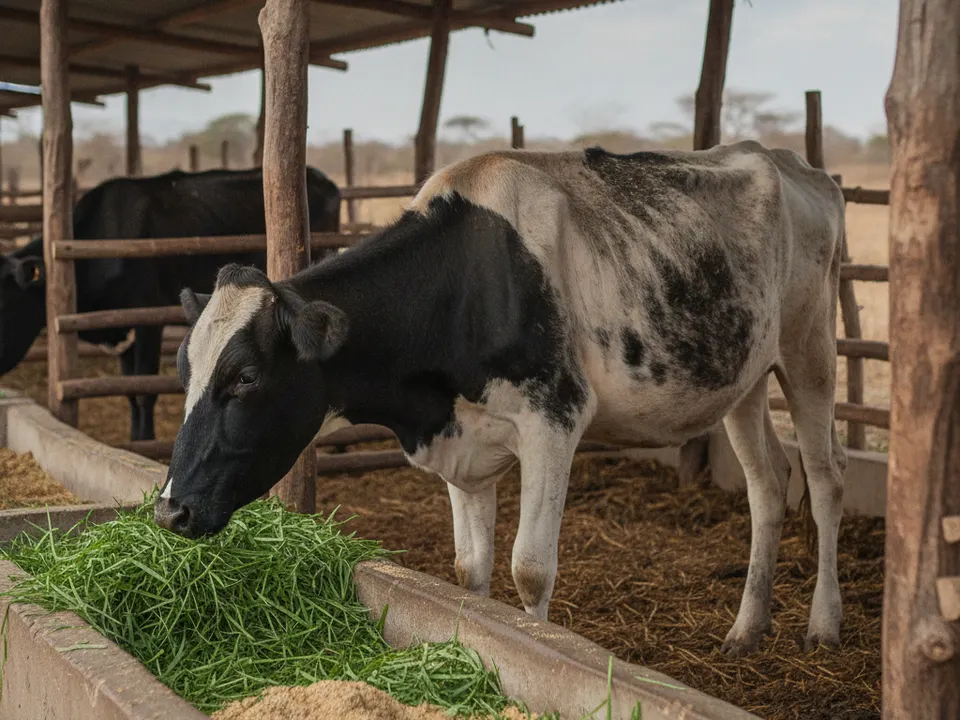
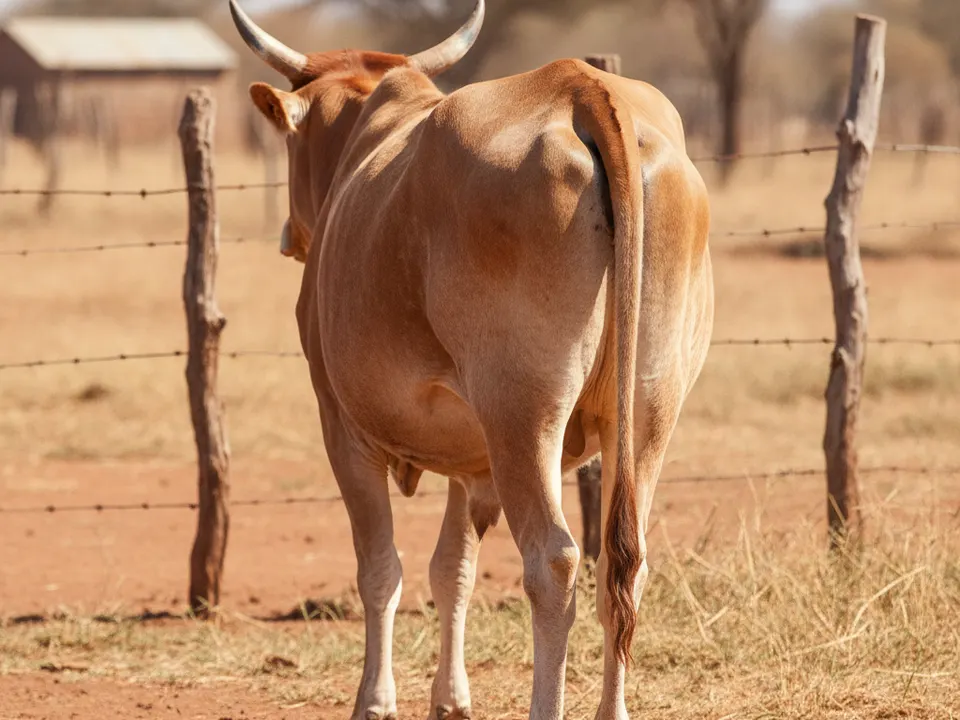
Any cow or heifer with a functioning udder can get mastitis, but the highest risk is in the first weeks after calving and in the first weeks of the dry period. High-yielding exotic dairy breeds such as Friesian, Ayrshire and their crosses are more affected than local zebu cattle, partly because of larger udders and longer lactations. Older cows with many calvings, loose teat sphincters or pendulous udders that touch the ground are at greater risk. Zero-grazing units with wet, dirty floors and little bedding, especially during the long and short rains, see many environmental cases. Farms with hand milking by several workers, shared towels, no teat dipping and no testing tend to have more contagious mastitis. Cows that have had mastitis before, or that have teat injuries or warts, are more likely to get it again.
Signs to look for
Early signs
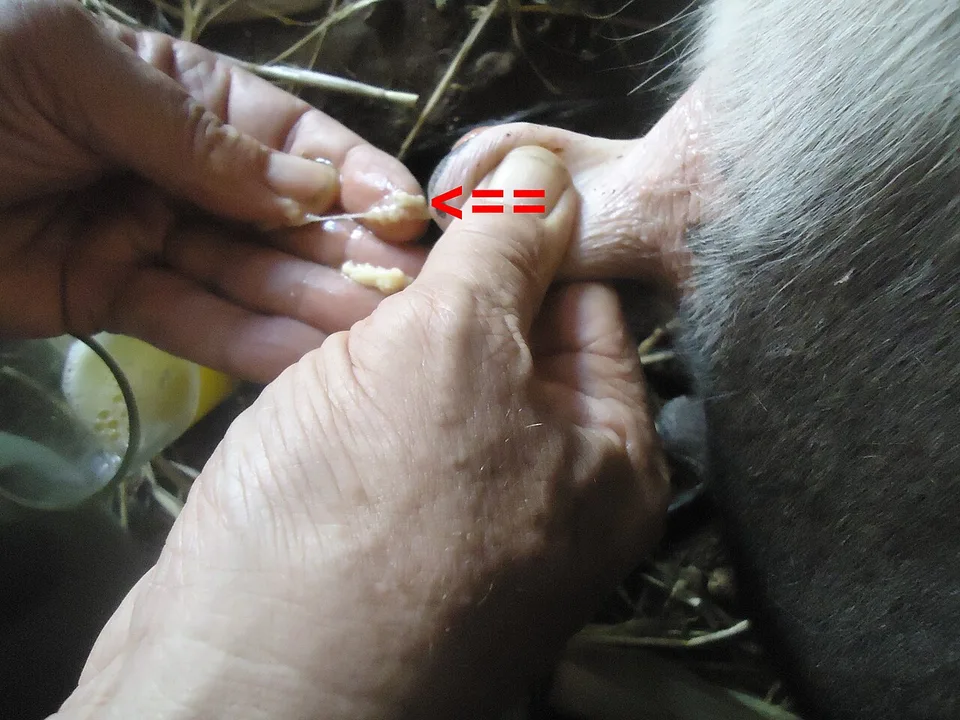
- Small clots, flakes or strings appear in the first squirts of milk, best seen when stripped into a dark cup or onto a dark cloth.
- One quarter feels warmer, firmer or slightly swollen compared with the others.
- The cow kicks, steps away or seems uncomfortable when that quarter is touched or milked.
- Milk yield from the cow drops a little without any other obvious reason.
- The California Mastitis Test (CMT) on the paddle shows a thick, jelly-like reaction in milk from one or more quarters, even though the milk looks normal (subclinical mastitis).
- Your milk collection centre or cooperative reports a high somatic cell count or poor-quality milk from your farm.
As it gets worse
- The quarter is very hard, hot, red or bluish, and clearly painful; the cow may walk stiffly or stand with her hind leg held away.
- Milk becomes watery, yellow, brown, blood-stained or pus-like, or the quarter produces almost nothing.
- The cow has a fever, stops eating, stops chewing cud and her milk drops sharply.
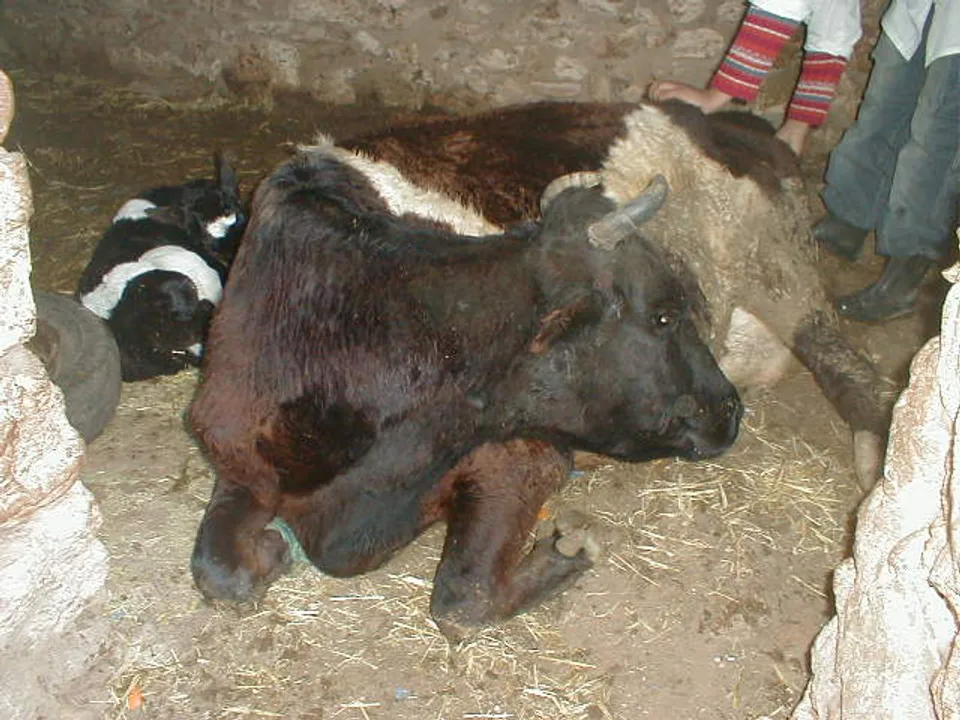
- In toxic mastitis the cow becomes weak, dull, cold at the ears and legs, has diarrhoea or sunken eyes, and may go down and be unable to rise.
- A cold, blue-black quarter that leaks foul, watery fluid suggests gangrenous mastitis, which is an emergency.
- Long-term cases leave lumps or scar tissue in the quarter, a shrunken quarter, or a quarter that has stopped producing milk.
What to do right now
- Strip a few squirts from each teat into a strip cup or dark cup to find exactly which quarters are affected, and do this before every milking until the vet has seen her.
- Keep milk from the affected cow completely separate from the bulk milk, and do not sell it, deliver it to the cooler or feed it to calves; dispose of it in a pit away from water sources and other animals.
- Milk the affected cow last, after all healthy cows, and wash and dry your hands well afterwards so you do not carry germs to other udders.
- Gently and fully strip out the affected quarter several times a day if the vet advises, to remove bacteria and toxins, using clean hands and without pulling or pinching the teat.
- Move the cow to a clean, dry, well-bedded and shaded pen, and give her plenty of fresh clean water and good feed to encourage her to keep eating.
- Take her temperature with a thermometer if you have one, and watch closely for fever, refusal to eat, weakness, diarrhoea or going down, which mean the vet must come urgently.
- Record the cow's name or number, the quarter affected, the date and the signs, so the vet can make a good decision and you can spot repeat cases later.
- Call your vet or animal health officer, and do not use leftover tubes, injections or human medicines without their advice.
How it spreads
- Contagious bacteria spread at milking time on the milker's hands, shared udder cloths, and milking machine cups that move from an infected cow to a healthy one.
- Environmental bacteria enter the teat when cows lie in wet, muddy or dung-covered bedding, which is common in poorly drained zero-grazing units during the long and short rains.
- The teat canal stays open for some time after milking, so cows that lie down straight after milking in a dirty shed are at higher risk.
- Incomplete milking leaves milk in the udder, which gives bacteria a place to grow; hand milkers who rush or stop early raise the risk.
- Poor milking technique, such as pulling or 'stripping' the teat between finger and thumb, or using dirty milking jelly, damages the teat end and lets germs in.
- Teat injuries, cracks, warts, tick bites, flies and pox-like sores on the teats give bacteria an easy entry point.
- Calves sucking each other after drinking milk, or sucking an infected dam and then another cow, can carry bacteria to heifers and cows.
- Stress, poor nutrition (especially low vitamin E and selenium), and the weeks around calving weaken the cow's defences and make infection more likely.
Could it be something else?
Udder oedema (fluid swelling)
Oedema is common in heifers and cows just before and after calving. The swelling is usually even on both sides, soft, cool, and leaves a finger mark when pressed, and the milk is normal. Mastitis usually affects one quarter, which is hot and painful, and the milk changes.
Blood in milk after calving
Pink or red milk in the first days after calving often comes from small burst blood vessels and usually clears on its own. The udder is not hot or painful and there are no clots or pus. If the quarter is also hot and hard, think mastitis.
Milk fever (low blood calcium)
Milk fever usually hits within days of calving: the cow is cold, wobbly, then goes down with her head turned to her side, and the udder is normal. Severe E. coli mastitis can also make a cow go down, so always check the udder and milk of any down cow and tell the vet.
Teat sores from pox, warts or lumpy skin disease
These cause scabs, nodules or blisters on the teat skin rather than a hot, hard quarter. The milk is usually normal at first, but sore teats make milking painful and incomplete, which often leads to mastitis, so they need attention too.
How it is diagnosed
A vet diagnoses clinical mastitis by examining the udder, checking the milk from each quarter in a strip cup, and taking the cow's temperature, heart rate and general condition to judge how severe it is. The California Mastitis Test (CMT), a simple paddle test with a reagent, shows which quarters have hidden infection. The most useful step is a milk culture and sensitivity test, where a clean milk sample is sent to a laboratory (county veterinary labs, the Central Veterinary Laboratory at Kabete, KALRO or private labs) to find out which bacteria are present and which drugs will work. This is especially important for repeat cases or when many cows are affected. Many dairy cooperatives can also give somatic cell count results for your bulk milk or individual cows. To help the vet, do not start any tube or injection before they arrive, because this spoils the lab sample. Note which quarter is affected, when you first saw the change, the cow's calving date, her yield, and any past mastitis and treatments. If possible, keep a sample of the abnormal milk in a clean, closed container in a cool place.
Treatment
Treatment depends on how sick the cow is and which bacteria are involved, and it must be prescribed by a vet. For mild to moderate cases, the vet usually uses intramammary tubes, which are antibiotics squeezed into the teat after cleaning the teat end with spirit; commonly used drug groups include penicillins such as cloxacillin, cephalosporins and other combinations. For severe or toxic cases, the vet may add antibiotics by injection, anti-inflammatory painkillers such as flunixin or meloxicam to reduce fever, pain and swelling, and fluids by drip or by mouth to fight dehydration and shock. Frequent stripping of the quarter is often part of the plan. Mild E. coli cases sometimes clear on their own with supportive care, and some vets will not give antibiotics in those cases. Long-standing Staph aureus infections often respond poorly to treatment during lactation; the vet may suggest treatment at drying off, drying off that quarter only, or culling the cow. At drying off, the vet may recommend dry cow therapy and internal teat sealants. All these drugs leave residues, so milk must be discarded for the full withdrawal period on the label or as the vet instructs, and meat also has a withdrawal period if the cow is sold for slaughter. Milk with antibiotic residues can be rejected by processors and harms consumers. Use antibiotics responsibly: complete the full course exactly as prescribed, do not use them for every small change in milk, and avoid using one product over and over without a lab test, because misuse creates antimicrobial resistance, where drugs stop working for animals and people.
Medicines must be prescribed and dosed by a vet. Always respect milk and meat withdrawal periods, and finish the full course of any antibiotic.
How Agrikima products can help
These support the animal alongside — never instead of — your vet's treatment, vaccination and good management.
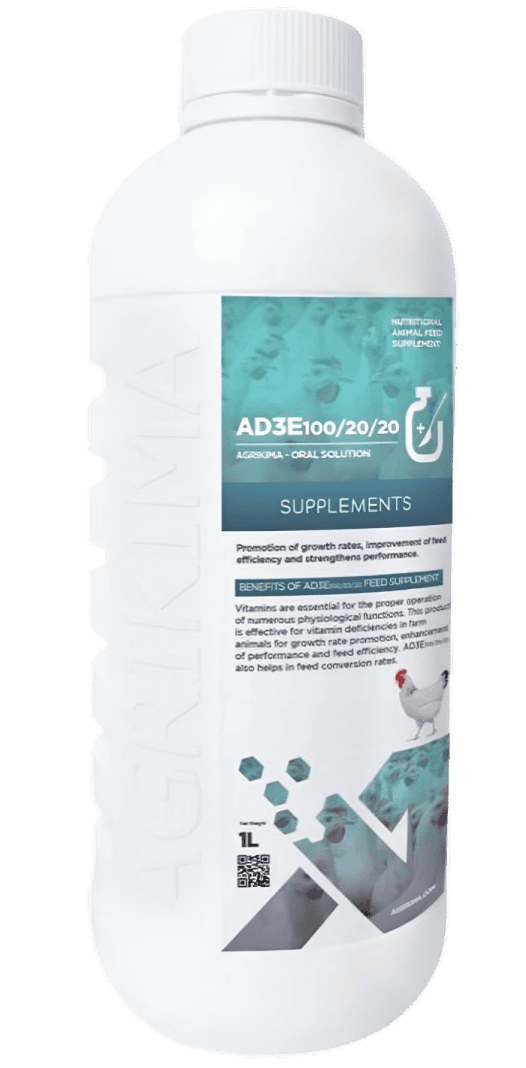
AD3E 100/20/20
Vitamins A and E support healthy teat skin and the cow's natural immune defences, and low vitamin E is linked to more udder infections; used as your vet advises, especially around drying off and calving, AD3E can help correct a deficiency as part of a mastitis prevention plan alongside clean milking and proper vet treatment. It does not treat mastitis.
View product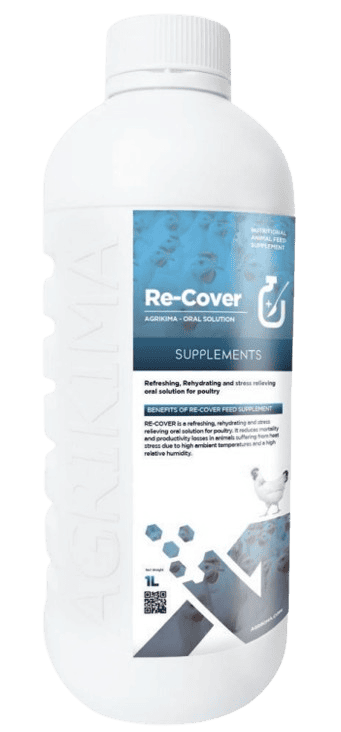
RE-COVER
A cow with a fever or toxic mastitis often drinks and eats less and can become dehydrated; RE-COVER oral rehydration solution can help support fluid intake and recovery while she is being treated, but only alongside the vet's treatment and never as a replacement for it.
View productPrevention
- Follow a clean milking routine: wash and dry your hands, use a separate clean towel or paper for each cow, check the first squirts in a strip cup, and dry the teats fully before milking.
- Dip or spray all teats right after milking with a proper teat dip recommended by your vet or agrovet, so the open teat canal is protected.
- Milk fully and gently using the full hand (squeezing method) rather than pulling or stripping between finger and thumb, and use only clean milking salve, not used cooking fat.
- Keep cows standing for at least half an hour after milking by giving them fresh feed, so the teat canal closes before they lie down.
- Keep the shed, cubicles and walkways clean and dry; remove dung at least daily, improve drainage, and use plenty of clean, dry bedding such as wood shavings or dry grass, especially in the rainy seasons.
- Milk cows with known or past mastitis last, and cull cows that keep getting mastitis despite proper treatment, as they spread infection to the rest of the herd.
- Test all milking cows with the CMT paddle regularly, for example monthly, and ask your cooperative for somatic cell count results so hidden cases are found early.
- Work with your vet on dry cow therapy or teat sealants at drying off, feed a balanced ration with adequate vitamins A and E and selenium, control ticks and flies, keep calves from sucking each other, and service milking machines regularly.
Risk to people
Mastitis itself is not passed directly from cows to people in normal handling, but milk from infected cows can affect human health. Some mastitis bacteria, such as Staphylococcus aureus and certain Streptococcus and E. coli strains, can cause food poisoning or illness, and some Staph toxins are not destroyed by boiling, so milk from a cow with mastitis should not be consumed at all. Milk from treated cows contains antibiotic residues during the withdrawal period, which can cause allergic reactions in sensitive people and contribute to antimicrobial resistance; never sell or drink it. Always boil or pasteurise milk for home use, as raw milk can also carry other serious diseases such as brucellosis and tuberculosis. Wash your hands well after handling infected udders and milk, and cover any cuts on your hands.
Impact on your farm
Mastitis takes money from Kenyan dairy farms in many ways. The biggest loss is often hidden: subclinical mastitis lowers milk yield in cows that look healthy, and many farmers never notice. Clinical cases mean milk that must be thrown away during illness and for the withdrawal period after treatment, plus the cost of the vet, drugs and labour. Milk collection centres and processors may reject milk with antibiotic residues or high cell counts, and repeated rejection can damage a farmer's relationship with the cooperative. Damaged quarters may produce less milk for the rest of the cow's life, and badly affected cows are culled early, often at a low price. Severe toxic mastitis can kill a valuable cow. For a smallholder with two or three cows, losing one quarter or one cow can mean a large share of the family's daily income.
Outlook and recovery
Most mild and moderate clinical cases recover well when caught early and treated correctly, and the milk usually returns to normal. The chance of full recovery depends on the type of bacteria, how quickly treatment starts, the cow's age and condition, and how long the infection has been present. Staph aureus and Mycoplasma infections are often long-lasting and may never fully clear, leaving a cow that keeps flaring up. Toxic E. coli mastitis can be fatal within a day or two if the cow is not treated quickly, though cows that survive often recover the quarter. A badly damaged or gangrenous quarter may be permanently lost, but the cow can sometimes continue milking on three quarters. On a herd level, steady hygiene and testing usually bring mastitis down over time.
Common questions
Can I just buy a mastitis tube from the agrovet and treat the cow myself?
It is better to call a vet first. Different bacteria respond to different drugs, and using the wrong tube wastes money, delays proper treatment and builds antibiotic resistance. Severe cases also need more than a tube, such as painkillers and fluids. If the vet prescribes tubes for you to use, clean the teat end with spirit first, insert only the tip, finish the full course, and observe the milk withdrawal period on the label.
Can I drink or sell milk from the other healthy-looking quarters?
No. Once a cow is being treated, the drug can pass into all four quarters, so milk from the whole cow must be discarded during the withdrawal period. Even before treatment, a cow with mastitis is unwell and her milk quality is poor. Discard it safely and do not feed it to calves, as it can spread infection and antibiotic resistance.
Why does mastitis keep coming back in the same cow?
Repeat cases are usually caused by bacteria such as Staph aureus that hide in scar tissue where drugs cannot reach well, by treatment courses that were stopped early, or by ongoing problems like dirty bedding, teat damage or poor milking routine. Ask your vet to take a milk sample for culture. Some chronic cows are best treated at drying off, have a quarter dried off, or are culled to protect the rest of the herd.
Is mastitis caused by cold weather or by the cow lying on cold ground?
Cold itself does not cause mastitis; bacteria do. However, the rainy seasons bring mud, wet bedding and dung, which are full of environmental bacteria, so cases often rise during the long and short rains. Keeping the shed dry and well-bedded is the key, not keeping the cow warm.
What is the CMT test and do I need it if the milk looks normal?
The California Mastitis Test is a simple paddle with four cups where you mix milk from each quarter with a special liquid. If the mixture turns thick or jelly-like, there is hidden infection. Many cows with subclinical mastitis have normal-looking milk but lose yield and can infect others, so testing your cows regularly, for example monthly, helps you catch problems early. Paddles and reagent are sold at many agrovets.
Do herbal or home remedies like aloe or onion cure mastitis?
There is no reliable evidence that home remedies cure bacterial mastitis, and putting substances into the teat can push in more germs and cause serious damage. Frequent gentle stripping, a clean dry pen and good feeding help the cow, but proper diagnosis and vet-prescribed treatment are needed. Prevention through clean milking is far cheaper than any remedy.
A guide, not a diagnosis. This page is general information to help you recognise problems early. Always confirm with a vet or animal health worker before treating.