What it is
A healthy cow produces large amounts of gas every day as rumen microbes ferment feed, and she gets rid of it by belching, called eructation. Bloat happens when this belching fails. There are two main types. In frothy bloat, which is the most common type on pasture and in zero-grazing units feeding legumes, certain feeds release proteins and fine particles that make the rumen contents foamy. The gas is trapped in millions of tiny stable bubbles, like the foam on a shaken soda, and the cow cannot belch it out. Lush young lucerne, clover and desmodium, especially when wet, and finely ground grain rations are common triggers. In free-gas bloat, the gas forms a normal pocket on top of the rumen contents, but something physically stops it escaping. Common causes are choke, which is an object such as a whole potato, avocado, maize cob, mango or piece of sugar cane stuck in the food pipe (oesophagus). Other causes are milk fever (low blood calcium) that stops the rumen muscles working, a cow lying flat on her side for a long time, nerve damage from hardware disease (a swallowed wire or nail), tetanus, and swollen glands or growths in the chest pressing on the food pipe. In both types, the rumen swells, pushes forward against the diaphragm (the muscle sheet that helps breathing), squeezes the lungs and slows blood returning to the heart. Death comes from lack of oxygen and heart failure.
Which animals are most at risk
Any ruminant can bloat, but adult cattle on high-quality feed are most at risk. Dairy cows in zero-grazing units fed cut lucerne or desmodium, grade cows in high-potential areas grazing lush pasture after the rains, and fattening or feedlot cattle on heavy grain rations are the classic risk groups. Some animals and some family lines seem more prone to bloat than others, and an animal that has bloated before is more likely to do it again. Hungry cattle that gorge, for example after a long trek, after being kept off feed for treatment, or after a dry spell, are at higher risk. Calves can suffer bloat too, often linked to milk feeding problems or digestive upsets. Recently calved cows with milk fever, and animals with choke from feeding whole potatoes or avocados, are at risk of free-gas bloat. The long and short rain seasons, when legumes and pastures grow quickly and are full of water and protein, are the most dangerous times.
Signs to look for
Early signs
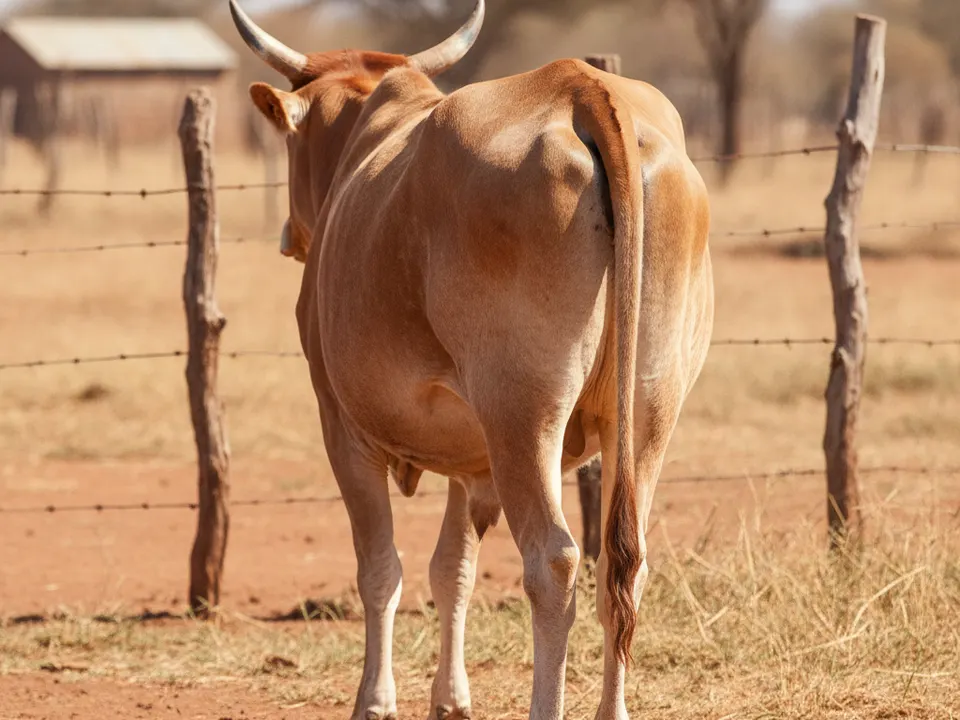
- The left flank, the triangular hollow between the last rib and the hip bone, starts to fill out and look rounder than the right side.
- The animal stops eating suddenly, even in front of good feed, and stops chewing the cud.
- Restlessness and discomfort: getting up and lying down often, shifting weight, kicking at the belly or looking round at the left side.
- Frequent passing of small amounts of dung and urine.
- Tapping the left flank with your fingers gives a hollow, drum-like sound, and the skin feels tight.
- Other animals in the same group may show similar mild swelling, which suggests a feed cause.
As it gets worse
- The left flank is hugely swollen and may rise above the line of the backbone; in severe cases the right side swells too.
- Fast, laboured breathing with the mouth open, tongue hanging out, neck stretched forward and head held low.
- Drooling of saliva, grunting or groaning, and in choke cases, repeated attempts to swallow or drool from the mouth.
- Staggering, unwillingness to move, then going down and being unable to get up.
- Bluish or very dark gums and tongue from lack of oxygen.
- Collapse and death, which can happen within about an hour of signs starting in severe frothy bloat; sometimes the first sign a farmer sees is a dead, bloated animal.
What to do right now
- Remove the animal, and the rest of the herd, from the suspected feed immediately, whether it is a lucerne field, a desmodium plot or a trough of concentrate.
- Call your vet or the nearest animal health assistant at once and describe the swelling, breathing and what the animal ate, because severe bloat can kill within an hour or two.
- Keep the animal standing and walk it slowly and gently; movement helps the rumen work and belching, while lying flat on its side makes bloat much worse.
- If possible, stand the animal with its front feet higher than its back feet, for example facing uphill, to take pressure off the chest and help gas move towards the throat.
- Do not force-drench liquids into a distressed, struggling or choking animal, because liquid can go into the lungs and cause fatal pneumonia; give anything by mouth only if your vet tells you to over the phone.
- If you suspect choke, look in the mouth carefully from the side of the head without putting your arm deep inside, and do not push objects down the throat with sticks or wires, which can tear the food pipe.
- Check the rest of the group closely every 15 to 30 minutes for swelling of the left flank, and move all of them onto dry hay or grass.
- Write down what was fed, how much, and when, and the time signs started, so the vet can decide on treatment and prevention quickly.
How it spreads
- Bloat is not infectious and does not spread from animal to animal, but several animals can bloat at the same time because they share the same feed.
- Turning hungry cattle onto lush lucerne, clover or desmodium, or giving them a large load of freshly cut legume, is the classic trigger for frothy bloat.
- Grazing or feeding legumes that are wet with morning dew or rain, or very young pre-flowering growth after the long or short rains, raises the risk sharply.
- Sudden changes to rations high in finely ground grain, maize meal, wheat bran or other concentrates with too little long roughage can cause feedlot-type frothy bloat and is often linked with acidosis.
- Cattle getting into a maize or sorghum store, a heap of brewer's waste, or a field of crop residues they are not used to can bloat.
- Whole or large pieces of potatoes, avocados, fruits, root crops, maize cobs or plastic can lodge in the throat and cause free-gas bloat from choke.
- Other illnesses, especially milk fever after calving and hardware disease, can cause bloat as a complication rather than feed being the cause.
- A cow that falls and is stuck on her side or back, for example in a narrow crush or a ditch, can bloat within a short time because she cannot belch in that position.
Could it be something else?
Anthrax
Anthrax also causes sudden death and a bloated carcass, but there is often dark, tarry blood that does not clot oozing from the nose, mouth, anus or vulva, and the body may not stiffen normally. If an animal is found dead and bloated with no clear feed cause, especially with bleeding from openings, do NOT open the carcass. Anthrax is notifiable, so call the vet and report it. All dead animals swell with gas after death, so a bloated carcass alone does not prove the animal died of bloat.
Grain overload (rumen acidosis)
Acidosis follows eating a large amount of grain or concentrate. The main signs are depression, watery sour-smelling diarrhoea, lameness, weakness and dehydration over several hours, rather than a rapidly swelling drum-tight left flank. Bloat may appear as part of it, so tell the vet exactly what and how much the animal ate.
Hardware disease (traumatic reticuloperitonitis)
A swallowed wire or nail causes a cow to stand with an arched back, elbows out, grunt when moving or when pressed under the chest, and be reluctant to walk downhill. Any bloat is usually milder and comes back again and again over days, rather than being a sudden severe swelling after feeding.
Milk fever (hypocalcaemia)
Milk fever affects cows around calving, usually high-producing older cows. The cow becomes wobbly, cold-eared, then lies down with her head turned into her flank and cannot rise. Bloat develops because the rumen stops moving, so a recently calved cow that is down and bloated needs the vet to treat the low calcium as well as release the gas.
How it is diagnosed
Bloat is usually diagnosed on the spot from the history and what the vet sees: a swollen left flank, a drum-like sound when tapped, and signs of distress. The key question for the vet is which type it is, because treatment is different. The vet passes a stomach tube through the mouth down into the rumen. If large amounts of gas rush out and the swelling goes down, it is free-gas bloat, and the vet will then look for the cause, such as an object stuck in the throat, milk fever or hardware disease. If little gas comes out and the tube fills with froth, it is frothy bloat. The vet may feel along the neck for a stuck object and examine the mouth. If an animal has died, a post-mortem can show changes such as a congested upper food pipe with a pale section inside the chest, known as a bloat line, which helps separate death from bloat from normal swelling after death. Post-mortem should only be done by a vet, because anthrax must be ruled out first. To help, tell the vet exactly what the animals ate in the last 24 hours, including any change in feed, fresh lucerne or desmodium, grain or kitchen waste, when the swelling started, how many animals are affected, and whether the animal has calved recently or bloated before.
Treatment
Treatment depends on how severe the bloat is and which type it is, and must be carried out or prescribed by a vet. For free-gas bloat, passing a stomach tube usually releases the gas quickly and the animal improves within minutes. The vet then deals with the cause, for example gently removing or moving an object from the throat in choke, or giving calcium for milk fever. For frothy bloat, a tube alone does not help much because the gas is trapped in foam. The vet gives an anti-foaming agent through the tube or by mouth to break down the bubbles so the gas can be belched or released. Commonly used products include poloxalene, silicone-based agents such as dimethicone, surfactants such as docusate, and vegetable or mineral oils. In life-threatening cases where the animal is about to collapse, the vet may puncture the rumen through the left flank with a trocar and cannula (a sharp hollow tube) to let gas out quickly. In very severe frothy bloat, an emergency surgical opening of the rumen, called rumenotomy, may be the only option. After the crisis, the vet may give supportive treatment, and antibiotics only if there is a clear reason such as infection at a trocar puncture site or aspiration pneumonia; antibiotics do not treat bloat itself and unnecessary use drives antimicrobial resistance. If any drugs are given, follow the milk and meat withdrawal periods your vet tells you and on the label, and do not sell milk or slaughter the animal until the period is over. Expect the animal to be dull and eat less for a day or two; offer good grass hay and clean water, and keep it off legumes and concentrates until the vet advises.
Medicines must be prescribed and dosed by a vet. Always respect milk and meat withdrawal periods, and finish the full course of any antibiotic.
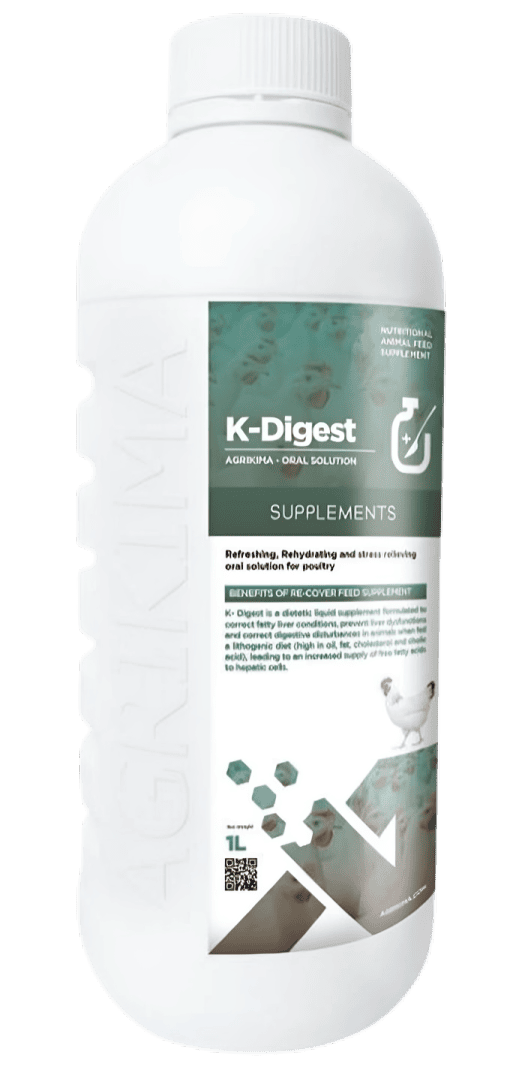
How Agrikima products can help
These support the animal alongside — never instead of — your vet's treatment, vaccination and good management.
Prevention
- Introduce lucerne, clover, desmodium and other legumes gradually over one to two weeks, starting with small amounts mixed into grass or hay, so the rumen microbes can adjust.
- Never turn hungry cattle onto lush legume pasture; give them a feed of dry hay, maize stover or mature grass first so they are not gorging.
- Avoid grazing or feeding legumes when they are wet with dew or rain, or when very young and lush; wait until later in the day, or cut and wilt the fodder for a few hours before feeding.
- Keep legumes as a part of the diet rather than the whole meal; mixed grass and legume pastures, or mixing cut legumes with Napier grass, Rhodes grass or hay, greatly reduce the risk.
- For grain and concentrate feeding, change rations slowly, avoid very finely ground grain, and always provide enough long roughage such as hay or stover so cattle keep chewing and producing saliva, which protects the rumen.
- Chop or slice potatoes, avocados, root crops, mangoes and other bulky foods into small pieces, keep cattle away from fruit trees with fallen fruit, and clear plastic bags and wire from feeding areas.
- Ask your vet about anti-bloat products such as poloxalene or ionophore feed additives for herds on high-risk legume or grain diets; these must be used as directed by a vet and need to be fed daily during risky periods to work.
- Manage milk fever risk in close-up dry cows with good transition feeding and vet advice, check the herd more often during the rains and after any feed change, and consider culling animals that bloat again and again.
Impact on your farm
Bloat often kills the best animals on the farm, the high-producing dairy cows and well-fed fattening steers eating the richest feed. A single death of an in-calf grade cow is a heavy loss for a smallholder, as it removes milk income, the future calf and the capital value of the animal at once. Animals that survive usually drop sharply in milk yield for a few days and may lose condition. Repeated mild bloat in a herd reduces feed intake and growth quietly over time. There are also costs for emergency vet visits, and milk that must be discarded during drug withdrawal. Fear of bloat can make farmers avoid legumes like lucerne and desmodium altogether, losing their great value as cheap protein, so learning to feed them safely brings strong economic benefit.
Outlook and recovery
The outlook is good if bloat is caught early and the animal gets help quickly. Most cases of free-gas bloat respond fast once the gas is released and the cause is dealt with, although choke, hardware disease or chest problems can make it come back. Frothy bloat treated early with anti-foaming agents usually resolves within hours. The outlook is poor when an animal is already down, mouth-breathing heavily or has blue gums, because the heart and lungs may be badly affected; some die even with treatment. Delays are the main reason animals are lost, as severe bloat can kill in under an hour. Complications such as inhaled liquid from forced drenching, infection at a puncture site, or the underlying disease also affect recovery. Animals with recurring bloat may need long-term feeding changes or culling.
Common questions
Can I give my cow cooking oil for bloat?
Vegetable oil is one of the anti-foaming substances vets use for frothy bloat, and many farmers have used it with success. However, it does not help free-gas bloat from choke, and forcing liquid into a cow that is struggling, choking or breathing with her mouth open can send it into the lungs and kill her from pneumonia. Call your vet first. If the vet advises an oil drench over the phone and the animal can swallow normally, give it slowly, with the head only slightly raised, and stop if she coughs. Never use paraffin, petrol, detergents or other household chemicals.
Should I stab the cow's side with a knife to let the gas out?
Puncturing the rumen is a last-resort life-saving step that vets do with a proper trocar and cannula. A kitchen knife makes a wound that leaks rumen contents into the belly and often causes fatal infection, and it does not release froth well. If you live far from a vet and keep high-risk cattle, ask your vet in advance to show you the correct site and method and to recommend a trocar to keep on the farm. Otherwise, keep the animal walking, keep the front end higher, and get the vet.
Why did only one or two cows bloat when all ate the same lucerne?
Animals differ. Some eat faster or more, some produce less saliva, which naturally helps break down foam, and some individuals and family lines are simply more prone to bloat. A cow that has bloated before is more likely to do so again. When one animal in a group bloats, treat it as a warning that the whole group is at risk and change the feeding for all of them.
Is desmodium from push-pull plots safe for my dairy cows?
Desmodium is a valuable protein fodder and many Kenyan farmers feed it safely. Like other legumes, it can cause bloat if fed in large amounts alone, especially when fresh, young and wet. Wilt it for a few hours after cutting, chop it, mix it with Napier grass or other grasses, and introduce it gradually. Feeding roughage first and avoiding it on an empty stomach lowers the risk further.
I found a cow dead and swollen in the morning. Was it bloat?
Maybe, but you cannot be sure. Every dead animal swells with gas within hours of death, and other sudden killers like anthrax, lightning, poisoning and East Coast fever can look similar. Do not open the carcass or let anyone cut it for meat, especially if there is dark blood from the nose, mouth or anus. Call your vet or County Veterinary Officer to examine it safely. Knowing the true cause protects the rest of your herd and your family.
How soon can a cow go back to legumes after bloating?
Follow your vet's advice. Usually the animal is kept on grass hay, stover or mature grass for a few days until she is eating and cudding normally. Legumes are then brought back slowly in small amounts mixed with grass, increasing over one to two weeks. If she bloats again, she may need permanent limits on legumes or a vet-prescribed anti-bloat additive.
A guide, not a diagnosis. This page is general information to help you recognise problems early. Always confirm with a vet or animal health worker before treating.