What it is
The disease is caused by single-celled parasites called trypanosomes that live and multiply in the blood and body fluids. In East African cattle the main species are Trypanosoma congolense, Trypanosoma vivax and Trypanosoma brucei. When an infected tsetse fly bites, the parasites enter the skin, multiply at the bite site (sometimes causing a small swelling called a chancre), then move into the lymph glands and bloodstream. They come and go in waves, which is why the fever rises and falls. The animal's immune system attacks the parasites, but the parasites keep changing their outer coat, so the body never fully clears them. Over time this damages and destroys red blood cells, causing anaemia, and the long-term fight drains the body's energy and protein, causing wasting. The parasites and the inflammation they cause can also harm the heart, the reproductive organs, the eyes and other tissues, leading to abortion, infertility, weakness and eventually heart failure or death.
Which animals are most at risk
Any cattle in or near tsetse-infested areas are at risk, including Kwale, Kilifi, Lamu and Tana River at the Coast, Busia, Homa Bay, Migori and Siaya around Lake Victoria, parts of the Rift Valley lowlands and areas bordering the Maasai Mara, Tsavo, Ruma and Meru parks. Exotic and cross-bred dairy cattle (Friesian, Ayrshire, Jersey and their crosses) are usually hit hardest, while local Small East African Zebu and some Boran lines, such as the Orma Boran, tend to cope somewhat better but can still lose condition and milk. Animals brought into a tsetse area for the first time often suffer badly. Pregnant cows, calves after weaning, working oxen and poorly fed animals are especially vulnerable. Free-range and pastoral herds that graze near bush, rivers and wildlife face the most bites, but zero-grazed animals near bush are not fully safe. Fly numbers and cases usually rise during and after the long and short rains, when bush is green and humid.
Signs to look for
Early signs
- On-and-off fever: the animal feels hot, is dull for a few days, then seems to improve before becoming dull again.
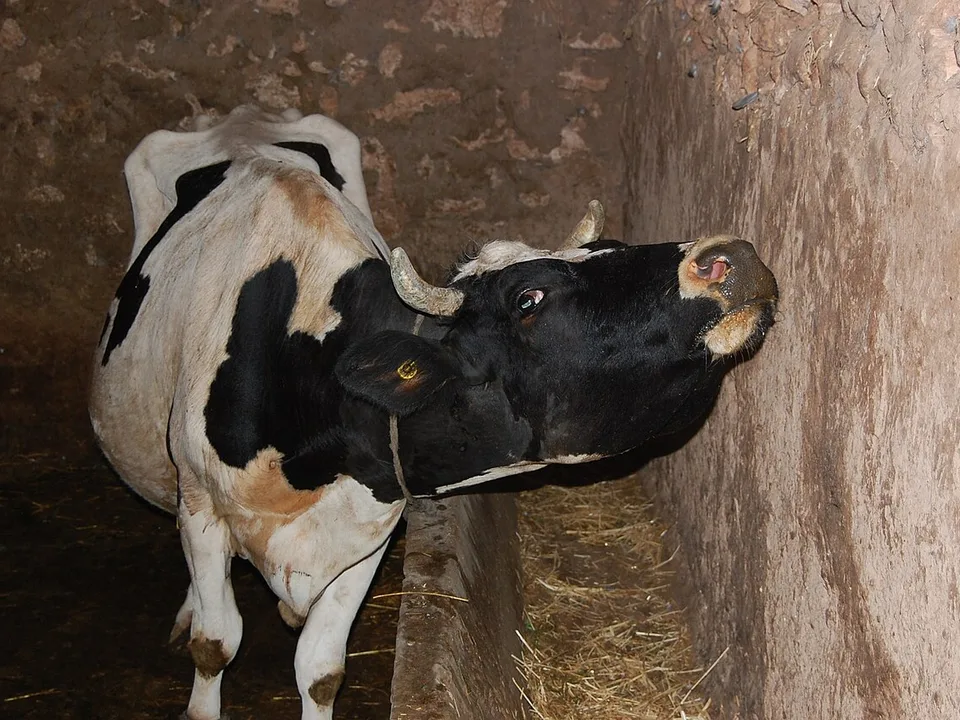
- Clear tears running from the eyes and staining the face, sometimes with slightly cloudy or watery-looking eyes.
- Swollen lymph glands, most easily felt as a firm lump in front of the shoulder (prescapular) and in front of the thigh (prefemoral).
- A gradual drop in milk yield and slower weight gain, even though the animal still grazes.
- Slightly pale gums, inner eyelids and vulva instead of a healthy pink colour.
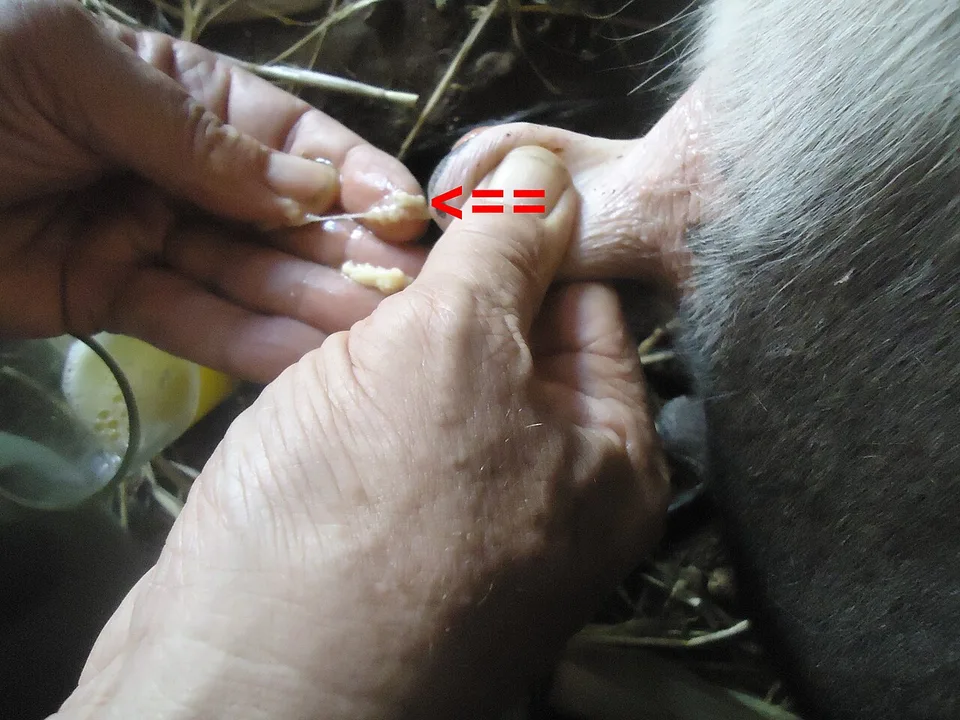
- A small, hot, painful swelling on the skin where the tsetse fly bit, which may go unnoticed.
- The animal tires easily, breathes faster after walking and lags behind the herd on the way to water.
As it gets worse
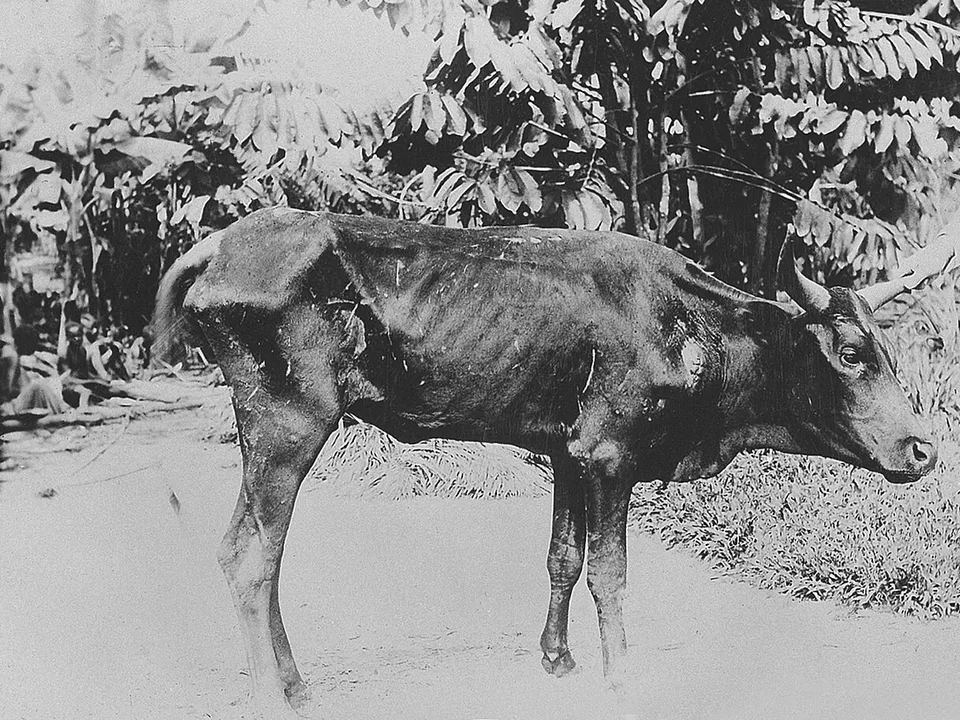
- Marked wasting: prominent hip bones and ribs, hollow flanks and a dry, rough, staring coat.
- Very pale or almost white gums and eyelids from severe anaemia, with a fast, pounding heartbeat.
- Swelling (oedema) under the jaw, brisket or belly, caused by fluid leaking from damaged blood vessels.
- Abortion, stillbirths, weak calves, repeat breeding and cows failing to come on heat; bulls may become infertile.
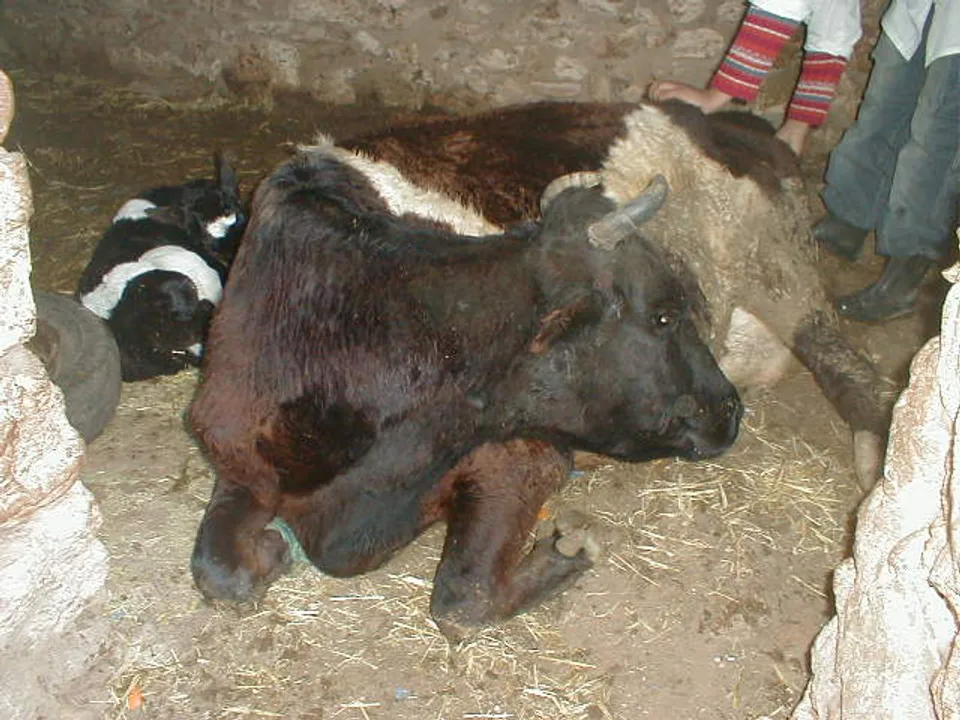
- Severe weakness, reluctance to move, lying down for long periods and difficulty getting up.
- Cloudy eyes, sometimes leading to partial blindness.
- With some Trypanosoma vivax strains, a sudden severe illness with high fever, bleeding spots on the gums or eyes and death within days or weeks.
- Collapse and death, often from heart failure or the combined effect of anaemia and wasting, especially in untreated exotic cattle.
What to do right now
- Call your vet, a qualified animal health officer or the County Veterinary Officer and ask for a blood test; do not buy and inject trypanocides on a guess, because wrong or under-strength treatment drives drug resistance.
- Keep the sick animal near the homestead, away from bushy grazing, riverbanks and forest edges, so it is not bitten again and does not act as a source for flies.
- Provide shade, clean fresh water at all times and good quality feed such as fresh fodder, hay and a little concentrate to help it keep its strength.
- Avoid working, walking long distances or stressing the animal, since anaemic cattle tire quickly and can collapse.
- Check the rest of the herd for tears, pale gums, weight loss and swollen glands, and note any animals that look unwell so the vet can test them too.
- Record temperature if you have a thermometer, milk yield, body condition and any abortions, so the vet can see how the disease is progressing.
- Use a new or properly sterilised needle for every animal during any injection, and never share needles between cattle.
- Do not sell or move suspect animals to other farms or markets until they have been tested and treated, to avoid spreading infection.
How it spreads
- The main way it spreads is through the bite of tsetse flies (Glossina species), which pick up trypanosomes when they feed on infected cattle or wild animals and pass them on at later meals.
- Trypanosoma vivax can also be carried mechanically by other biting flies such as horse flies (tabanids) and stable flies (Stomoxys), so it can spread in herds even outside tsetse belts once an infected animal arrives.
- Wild animals such as buffalo, warthog, bushbuck and antelope carry trypanosomes, often without looking sick, and keep the disease going in areas near parks, reserves and thick bush.
- Buying or moving in cattle from tsetse areas can bring infected but healthy-looking carriers into a clean herd.
- Reusing the same needle on many animals during vaccination or treatment can transfer infected blood from one animal to another.
- Grazing or watering animals near riverine bush, forest edges and thickets, where tsetse rest in shade, greatly increases the number of bites.
- Stress from poor feeding, drought, heavy work, pregnancy or other diseases can turn a mild, hidden infection into an obvious illness.
Could it be something else?
Anaplasmosis (gall sickness)
Gall sickness also causes anaemia and fever, but it usually develops faster, the animal often becomes yellow (jaundiced) around the eyes and gums, and it is commonly constipated with hard, dry dung. It is spread by ticks rather than tsetse. A blood smear examined by the vet separates the two.
East Coast Fever (ECF)
ECF also causes swollen lymph glands and fever, but the glands swell very large and quickly, the fever is high and constant, and the animal develops laboured breathing, coughing and froth at the nose within days. It is tick-borne and more rapid than the slow wasting of trypanosomiasis. Gland smears and blood smears confirm which one it is.
Redwater (babesiosis)
Redwater causes anaemia and fever, but the classic sign is dark red or coffee-coloured urine, and the illness is usually sudden. Trypanosomiasis rarely causes red urine. Ticks, not tsetse, spread redwater.
Heavy worm burden (especially wireworm) or malnutrition
Worms and poor feeding also cause pale gums, weight loss and bottle jaw, but there is usually no fever, no tears and no gland swelling, and diarrhoea is common with worms. A dung (faecal egg) test and a blood test help the vet decide. Note that an animal can have worms and trypanosomes at the same time.
How it is diagnosed
Because many diseases cause anaemia and wasting, trypanosomiasis should be confirmed with a blood test rather than guessed. The vet will check temperature, gum and eyelid colour, body condition and lymph glands, and ask about grazing near bush, tsetse and recent cattle movements. A blood sample is taken, often from the ear vein or jugular vein. In the lab, the vet or technician looks for moving parasites in fresh blood, or uses stained blood smears and the buffy coat technique (spinning blood in a fine tube and examining the layer between the cells and the plasma), which is more sensitive. The packed cell volume (PCV) test measures how anaemic the animal is. Because parasites come and go in the blood, one negative test does not always rule the disease out, and repeat sampling may be needed. Some laboratories and research centres can do PCR (DNA) tests or antibody tests, which are useful for herd surveys. At post-mortem, the vet may find a thin, wasted carcass, pale and watery blood, enlarged glands and spleen, fluid in body cavities and a pale, flabby heart. To help, the farmer should write down when signs started, which animals are affected, milk records, recent treatments (especially any trypanocide used, when and by whom), where the herd grazes and waters, and whether tsetse flies have been seen.
Treatment
Treatment uses specific anti-trypanosome drugs called trypanocides, which must be prescribed and given correctly by a vet or trained animal health worker. The most commonly used are diminazene aceturate, which is mainly used to cure an existing infection, and isometamidium chloride, which can both treat and protect for a period against new infections. Homidium compounds are also used in some areas. The vet chooses the drug based on the test result, the local resistance situation and whether the animal needs cure or protection, and calculates the amount from the animal's actual weight; guessing the weight and under-dosing is a major cause of treatment failure and resistance. Where resistance is suspected, vets may use a 'sanative pair', switching between two drugs that do not share resistance. Antibiotics do not kill trypanosomes and should not be used for this disease unless the vet diagnoses a separate bacterial infection. Severely anaemic or wasted animals may need supportive care such as good feeding, rest, deworming if worms are also present and, rarely, other supportive treatments chosen by the vet. Most animals improve in appetite and alertness within days of the right treatment, but regaining weight, blood and milk takes several weeks, and some badly affected animals never fully recover. Trypanocides have milk and meat withdrawal periods, so ask the vet for the exact times and do not sell milk or slaughter animals until they have passed. Animals in high-tsetse areas can be reinfected, so treatment works best combined with fly control.
Medicines must be prescribed and dosed by a vet. Always respect milk and meat withdrawal periods, and finish the full course of any antibiotic.
How Agrikima products can help
These support the animal alongside — never instead of — your vet's treatment, vaccination and good management.
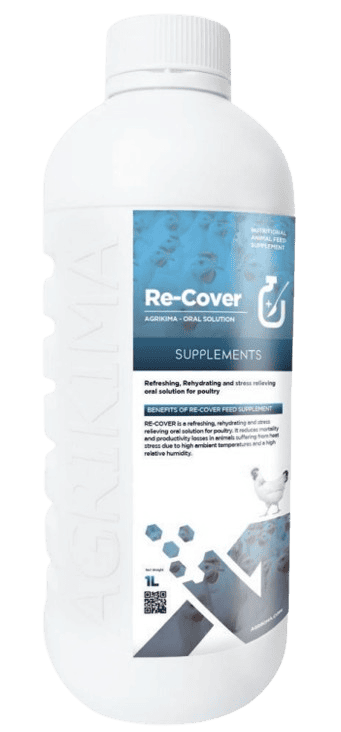
RE-COVER
An oral rehydration and heat-stress relief solution that can help feverish, weak animals keep drinking and stay hydrated, especially in hot coastal and lakeside areas, while vet-prescribed trypanocide treatment works. It supports comfort and recovery only; it does not kill trypanosomes.
View product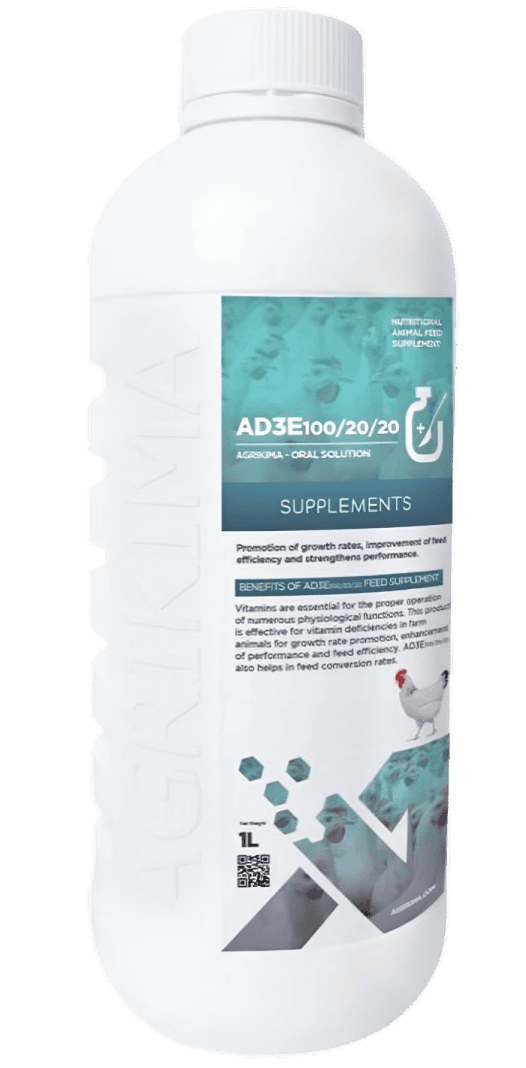
AD3E 100/20/20
Vitamins A, D3 and E can support general condition, immunity and fertility in cattle recovering from long-standing wasting, alongside correct trypanocide treatment, good feeding and fly control. It is a recovery aid, not a treatment for the infection or its anaemia.
View productPrevention
- There is no vaccine against trypanosomiasis, so prevention depends on reducing tsetse bites, controlling the parasite with vet-guided drugs and keeping cattle strong.
- Treat cattle regularly with insecticides, such as pyrethroid pour-ons, sprays or dips as advised by your vet; spraying the legs and belly, where tsetse mostly bite, can reduce cost while still protecting animals.
- Support community tsetse control, such as blue-and-black insecticide-treated targets and traps placed near rivers and bush, in partnership with your county veterinary department and the Kenya Tsetse and Trypanosomiasis Eradication Council (KENTTEC).
- Where possible, graze and water cattle away from thick riverine bush and forest edges, especially in the hot middle of the day when tsetse are active, and clear bush around homesteads and watering points.
- In high-risk areas, ask your vet whether a preventive (prophylactic) trypanocide programme suits your herd, and follow the advised timing rather than treating randomly.
- Test and treat newly bought cattle, especially from tsetse areas, before mixing them with your herd, and buy from known, healthy herds where possible.
- Keep cattle well fed with enough energy, protein, minerals and clean water, control worms and ticks, and reduce stress, because well-nourished animals handle infection much better.
- Consider local or tolerant breeds or crosses for very high tsetse areas, and talk to your extension officer before bringing pure exotic dairy cattle into such places.
- Always use clean needles and good injection hygiene during herd treatments and vaccination campaigns.
Risk to people
The trypanosomes that commonly infect cattle, such as Trypanosoma congolense and Trypanosoma vivax, do not infect people. However, in parts of East Africa, including areas around Lake Victoria and the Kenya–Uganda border, cattle can silently carry Trypanosoma brucei rhodesiense, which causes human sleeping sickness (known in Swahili as malale). Cases in Kenya are now rare, but anyone living or working in tsetse areas who develops repeated fever, headache, a painful swelling at a fly bite or unusual sleepiness should visit a health facility and mention tsetse exposure. Wear long sleeves and light-coloured clothing near bush, and avoid handling blood from sick animals with bare cuts on your hands. Trypanocide drugs leave residues, so always respect the milk and meat withdrawal periods your vet gives you.
Impact on your farm
Trypanosomiasis is a slow, expensive disease that often drains a farm quietly before anyone realises what is wrong. Dairy farmers lose milk, sometimes heavily, and cows that abort or fail to conceive mean lost calves, longer gaps between calvings and fewer replacement heifers. Beef and pastoral herds lose weight and fetch lower prices at market, and working oxen become too weak to plough during the planting season. Repeated drug treatments, insecticides and vet visits add costs, and buying cheap or fake trypanocides from unreliable sources can waste money and worsen resistance. Deaths, especially among high-value exotic or cross-bred cows, can wipe out years of investment. In many tsetse areas the disease also limits which breeds farmers can keep and which good grazing land can be used, holding back dairy development and household income.
Outlook and recovery
The outlook is good when the disease is caught early, confirmed by a blood test and treated with the correct drug at the correct dose, especially in local breeds that are otherwise well fed. Animals that are already severely anaemic, very thin or pregnant have a poorer chance, and some may die or remain unproductive even after treatment. Exotic dairy cattle generally do worse than local zebu. Drug resistance in some areas can lead to relapses, which is why follow-up checks and vet advice on drug choice matter. Because cattle in tsetse areas can be bitten and infected again, long-term success depends on combining treatment with fly control, good nutrition and careful grazing management.
Common questions
Can I just buy a trypanocide from the agrovet and inject my cow myself?
Many farmers do this, but it is risky. Several diseases look like trypanosomiasis, and the wrong drug wastes money while the animal gets worse. Guessing the weight often leads to under-dosing, which fails to clear the parasites and helps them become resistant, so the drug stops working in your area. Some trypanocides also cause painful swellings or side effects if injected wrongly. Ask your vet or animal health officer to test the blood and prescribe and give the right drug, and ask about milk and meat withdrawal times.
Why does my cow keep getting sick again after treatment?
There are three common reasons. First, she may be bitten and infected again if she still grazes near tsetse areas. Second, the parasites in your area may be resistant to the drug used, or the dose was too low. Third, the problem may not have been trypanosomiasis at all, or she may have another disease such as worms or gall sickness at the same time. Ask your vet to retest her and review which drug was used, and work on fly control and grazing away from bush.
Is there a vaccine for nagana?
No. There is currently no vaccine for trypanosomiasis in cattle because the parasite keeps changing its outer coat, which makes it very hard for vaccines to work. Protection comes from controlling tsetse and biting flies, preventive drugs where your vet recommends them, keeping animals well fed and choosing suitable breeds for high-risk areas.
My cow is pale and thin but has no fever today. Can it still be trypanosomiasis?
Yes. The fever comes and goes in waves, so a normal temperature on one day does not rule it out. Long-standing infections often show mainly as wasting, anaemia and poor milk with little fever. The parasites may also be hard to find in the blood on some days, so your vet may need to test more than once.
Can I drink milk or eat meat from a cow with trypanosomiasis?
The common cattle trypanosomes do not infect people, and well-cooked meat and boiled milk from an animal that was otherwise healthy enough for food are not a known source of sleeping sickness. The bigger concern is drug residues. After treatment with a trypanocide, milk and meat must not be used or sold until the withdrawal period given by your vet has passed. Never slaughter a very sick animal for food without a vet or meat inspector's advice.
Are zero-grazed cows safe from tsetse?
Zero-grazing reduces the risk a lot because animals are kept away from bush where tsetse rest, but it does not remove it completely. Tsetse can fly into sheds near bush or rivers, and other biting flies can spread Trypanosoma vivax inside units. Keep bush cleared around sheds, use insecticides or insecticide-treated nets as advised, and test and treat new animals before they join the herd.
A guide, not a diagnosis. This page is general information to help you recognise problems early. Always confirm with a vet or animal health worker before treating.