What it is
RVF is caused by the Rift Valley fever virus, a Phlebovirus. Some floodwater mosquitoes, mainly Aedes species, lay eggs that already carry the virus in the mud of shallow depressions, dams and low-lying grassland. These eggs can stay alive in dry soil for years. When heavy rains or floods fill these hollows, the eggs hatch and the infected mosquitoes bite livestock. Other mosquitoes, such as Culex, then feed on infected animals and spread the virus further, so cases build up very quickly. Inside the animal, the virus multiplies in the blood and attacks the liver, destroying liver cells (this is called hepatitis, meaning liver inflammation). This liver damage causes weakness, jaundice (yellow colour of the gums and eyes) and bleeding problems. The virus also crosses into the unborn calf, which is why pregnant cows abort at any stage of pregnancy. Young calves have weak defences and the virus overwhelms them fast, which is why deaths are highest in calves.
Which animals are most at risk
All cattle can be infected, but the worst losses are in young calves, which become very sick and many die, and in pregnant cows, which abort. Adult non-pregnant cattle often show milder illness, and some show no signs at all, yet they still carry the virus in their blood for a few days and can feed mosquitoes. Exotic and cross-bred dairy cattle may suffer more than local Zebu, though all breeds are susceptible. In Kenya, outbreaks have hit hardest in the North Eastern and Coast regions, the Rift Valley lowlands and around irrigation schemes, including areas such as Garissa, Tana River, Wajir, Isiolo, Baringo and parts of the coast, but any low-lying, flood-prone area can be affected. Risk is highest during and in the weeks after very heavy long or short rains. Pastoral herds that gather around water points, and zero-grazing units near swamps, dams or irrigated fields, are both exposed. Sheep and goats on the same farm are usually affected even more severely than cattle, and a sudden wave of abortions in shoats is often an early warning for cattle.
Signs to look for
Early signs
- High fever, with the animal feeling hot to the touch, standing dull and isolated from the herd.
- Loss of appetite and refusal to feed or chew cud.
- A sudden and sharp drop in milk yield in milking cows.
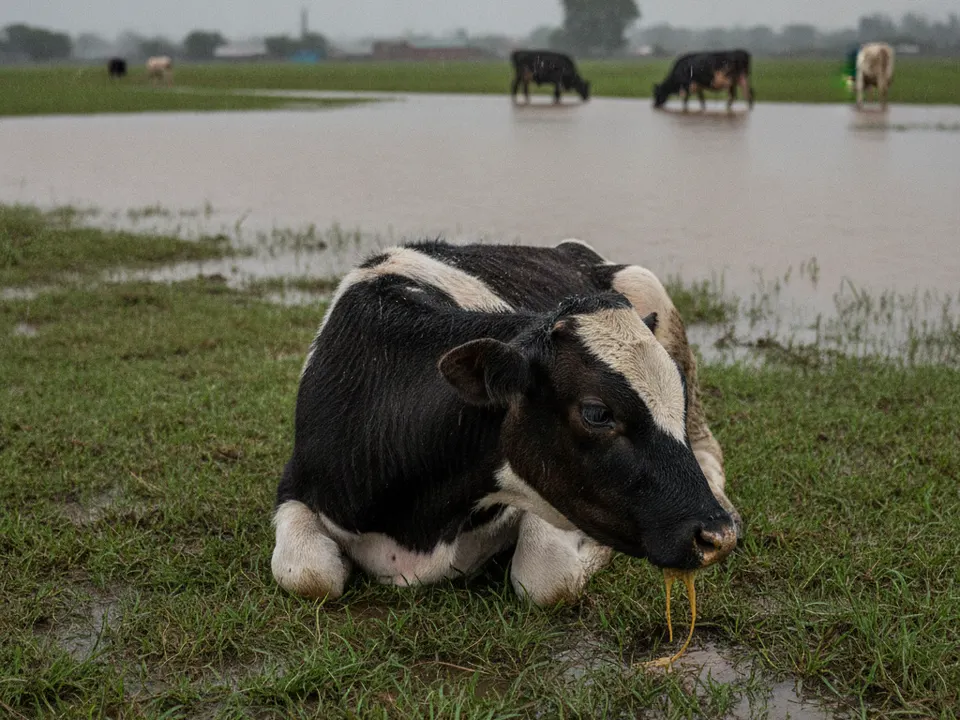
- Clear or slightly thick discharge from the nose and drooling of saliva.
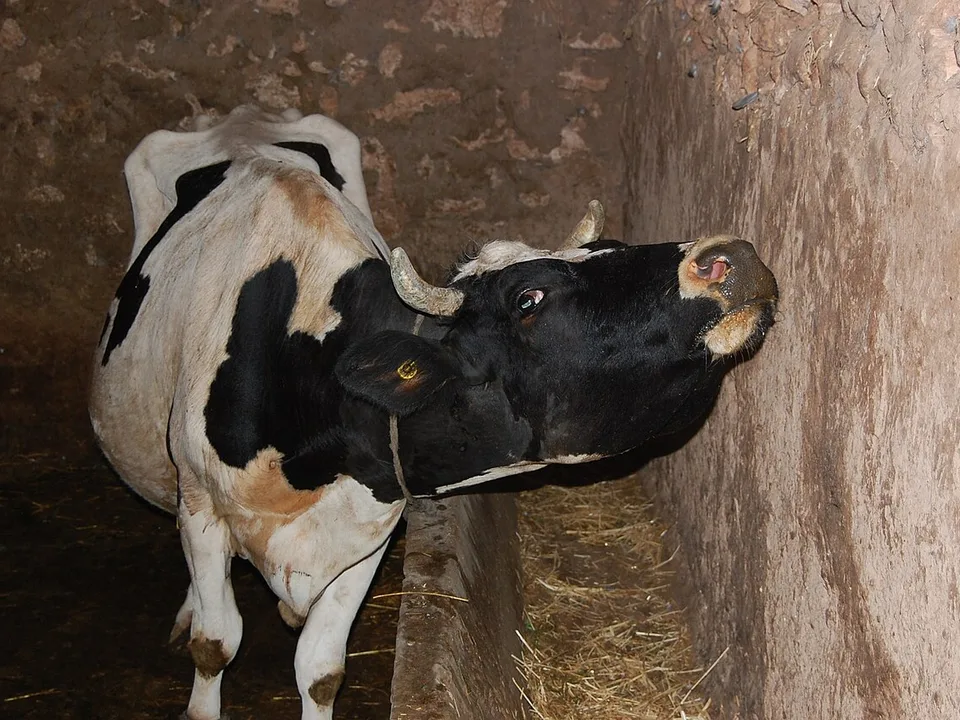
- Weakness and reluctance to walk, sometimes with a stiff or wobbly gait.
- Young calves become weak, stop suckling, have fever and may die within a day or two of first showing signs.
- Pregnant cows abort without warning, often several in the herd or village around the same time.
As it gets worse
- Foul-smelling diarrhoea that may contain blood.
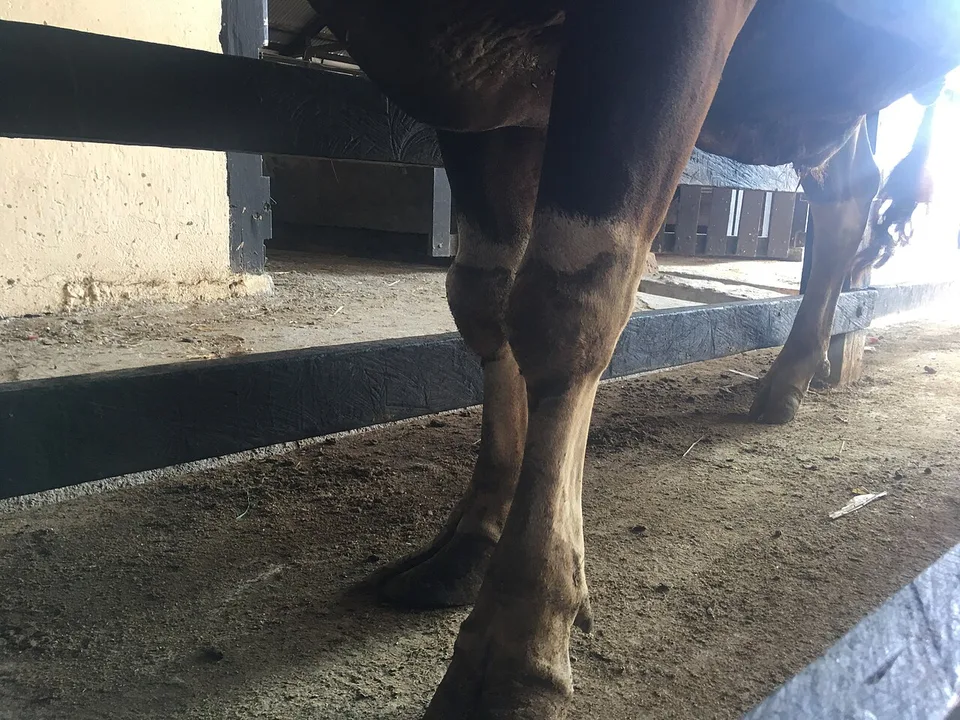
- Yellow colour (jaundice) of the gums, the whites of the eyes and the inside of the vulva, caused by liver damage.
- Bloody nasal discharge or small bleeding spots on the gums and inside the eyelids.
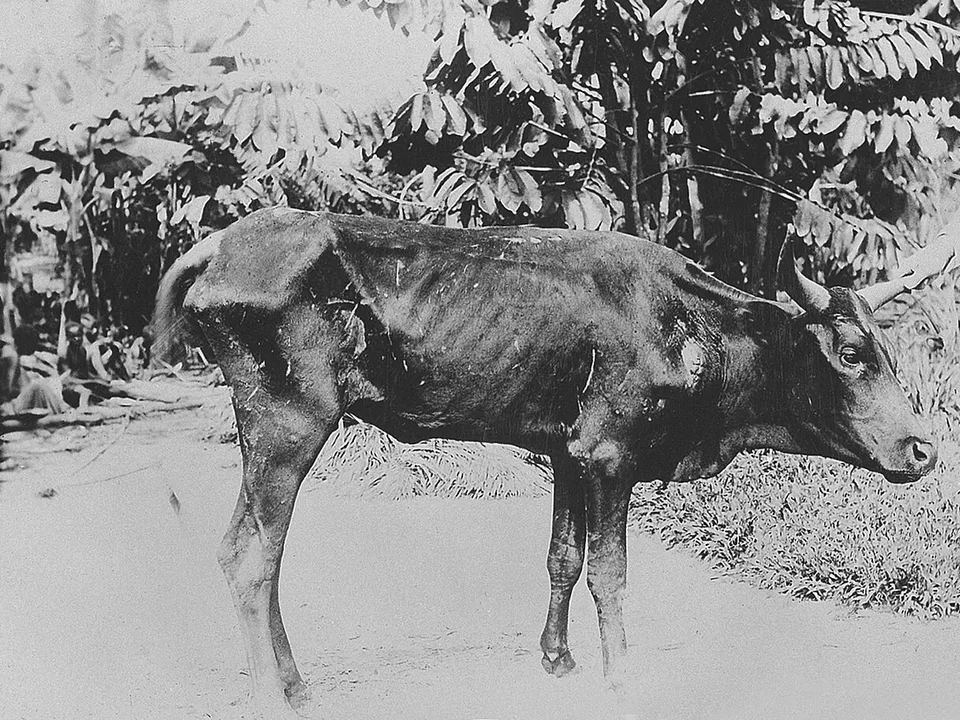
- Severe weakness and lying down, unable to rise.
- Waves of abortions across the herd and neighbouring herds, with aborted calves often looking swollen or partly decomposed.
- Sudden death of calves, sometimes with few signs seen beforehand.
- Some adult cattle also die, though adult deaths are usually much fewer than calf deaths.
What to do right now
- Call your County Veterinary Officer or the nearest government vet immediately and report the abortions, calf deaths and sick animals; it is the law, and it helps protect your neighbours and your family.
- Do not touch aborted calves, afterbirths, blood or dead animals with bare hands; if you must move them, use thick gloves or plastic bags over your hands, then wash well with soap and water.
- Do not slaughter sick or dying animals for meat, and do not sell or eat meat or drink raw milk from sick animals.
- Separate sick and aborting animals from the rest of the herd in a shaded pen, and give them clean water and good fodder within easy reach.
- Stop all movement of animals in or out of the farm, including to markets, until the vet advises, because moving animals spreads the disease.
- Cover aborted foetuses and dead animals and keep dogs, children and other animals away until the vet tells you how they should be disposed of, usually by deep burial or burning.
- Reduce mosquito bites for people and animals: sleep under treated mosquito nets, wear long sleeves in the evening, and drain small pools of standing water around the homestead where you can.
- Do not inject any medicines yourself, and do not use one needle on many animals, as this can spread the virus; wait for the vet's instructions.
How it spreads
- Bites from infected mosquitoes, mainly Aedes and Culex species, are the main way cattle get infected.
- Outbreaks follow unusually heavy or prolonged rainfall and flooding, often linked with El Niño years, when large numbers of infected mosquito eggs hatch at once.
- Standing water in dams, swamps, irrigation channels, flooded grazing land and around homesteads allows mosquito numbers to explode.
- Moving infected animals to markets, new grazing areas or other counties can carry the virus into new areas where mosquitoes then spread it.
- Biting flies and contaminated needles may carry the virus mechanically between animals, especially when one needle is used for many animals during an outbreak.
- People catch it mainly through contact with blood, body fluids, meat, organs and aborted calves of infected animals, and also from mosquito bites.
Could it be something else?
Brucellosis (contagious abortion)
Brucellosis causes abortions mostly in the last three months of pregnancy and spreads slowly through a herd over months. It does not usually cause fever outbreaks, mass calf deaths or bloody diarrhoea, and it is not tied to floods. RVF comes as a sudden wave after heavy rains, affects shoats and neighbouring herds at the same time, and kills young calves.
Leptospirosis
Leptospirosis can also cause abortion, fever and jaundice, and red or dark urine, especially after wet weather. It usually affects a few animals rather than causing a sudden storm across many farms, and calf deaths are not as widespread. Only lab tests can separate them reliably, so report and let the vet test.
Bovine viral diarrhoea (BVD)
BVD causes diarrhoea, mouth ulcers, abortion and weak calves, but it builds up more slowly and is not linked to mosquito seasons. Mouth sores and erosions are more typical of BVD, while jaundice and sudden wide-area abortions after floods point to RVF.
East Coast fever and gall sickness (anaplasmosis)
These tick-borne diseases cause fever and weakness. East Coast fever shows swollen lymph nodes (glands) below the ear and in front of the shoulder, with breathing difficulty. Gall sickness shows pale or yellow gums and constipation in adult cattle. Neither causes waves of abortions and calf deaths across many farms right after flooding.
How it is diagnosed
Because RVF is notifiable and dangerous to people, diagnosis is done by veterinary authorities, not by the farmer. The vet will look at the pattern first: heavy rains or floods, many abortions, calf deaths and sick sheep or goats in the area, sometimes with people falling ill with fever. They will examine sick animals for fever, jaundice and diarrhoea. To confirm, the vet takes blood samples from sick and in-contact animals and sends them to a government laboratory, such as the Central Veterinary Laboratories at Kabete or a regional lab. Tests include PCR, which detects the virus itself, and ELISA, which detects antibodies (the animal's defence proteins), including recent infection. Tissue samples, especially liver, from dead calves or aborted foetuses may also be collected under strict safety precautions. Post-mortem examinations should only be done by trained staff wearing protective clothing, because opening carcasses is a major way people get infected. The farmer can help by keeping a written record of which animals aborted or died and when, which animals are sick, any sheep or goats affected, recent rains and flooding, recent animal movements and purchases, and the vaccination history of the herd. Keep dead animals and aborted calves covered and untouched until the vet advises.
Treatment
There is no drug that kills the Rift Valley fever virus in animals. Treatment is supportive, meaning it helps the animal's body cope while its own defences fight the virus. A vet may give fluids or oral rehydration to sick animals, anti-inflammatory and fever-reducing drugs, and good nursing in shade with water and soft feed. Antibiotics do not cure RVF because it is a virus; a vet may sometimes prescribe an antibiotic only if there is a clear secondary bacterial infection, and unnecessary antibiotic use adds to antimicrobial resistance, which makes future infections harder to treat in both animals and people. Any drug used must be prescribed by a vet, and the milk and meat withdrawal periods on the label must be followed strictly, meaning milk and meat cannot be used for food until that time has passed. During an official outbreak, the Directorate of Veterinary Services will usually impose quarantine and movement restrictions, ban slaughter of livestock in affected areas or allow it only under inspection, close livestock markets, and carry out vaccination of healthy animals in surrounding areas and mosquito control. Under quarantine, you may not move, sell or slaughter animals without a permit. These rules can feel hard, but they stop the disease spreading to new herds and protect people. Expect that some calves and pregnant cows will be lost even with good care, and that the vet will advise on safe disposal of carcasses and aborted material.
Medicines must be prescribed and dosed by a vet. Always respect milk and meat withdrawal periods, and finish the full course of any antibiotic.
Prevention
- Vaccinate cattle, sheep, goats and camels before the rainy season, especially when the Kenya Meteorological Department or veterinary authorities warn of heavy El Niño rains; vaccines are produced locally by KEVEVAPI and are available through vets and agrovets.
- Follow your vet's advice on which vaccine to use, because the common live vaccine can cause abortion or birth defects in pregnant animals, so timing and choice of animals matter.
- Vaccinate well ahead of an outbreak, since vaccination during an active outbreak can spread the virus by needles and should only be done under official veterinary direction, using a new needle for each animal.
- Reduce mosquito breeding by draining or filling small pools around homesteads and animal pens, clearing blocked drains, and covering water containers.
- Keep animals away from swamps, flooded areas and dam edges, especially at dusk and night when mosquitoes bite most, and house zero-grazed cattle in pens away from standing water where possible.
- Use insect repellents or approved pour-on and spray insecticides on animals during high-risk rains, as advised by your vet or agrovet, and follow label withdrawal periods.
- Avoid buying or moving animals from areas with reported RVF, and listen to county announcements on quarantines and market closures.
- Watch sheep and goats closely after heavy rains, because sudden abortions in shoats are often the first sign of RVF in an area; report early.
Risk to people
Rift Valley fever is a zoonosis, meaning it passes from animals to people. People become infected mainly by handling blood, body fluids, meat and organs of infected animals, especially during slaughter, skinning, butchering, helping with births and abortions, and handling aborted calves. Herders, butchers, farmers, vets and agrovet staff are most at risk. People can also be infected by mosquito bites, and drinking raw milk from infected animals may be a risk. Most infected people get a flu-like illness with fever, headache, muscle and joint pain, which lasts a few days. A smaller number develop serious illness, including eye damage that can cause loss of sight, brain inflammation, or bleeding fever with jaundice, which can be fatal. Protect yourself: never slaughter or eat sick or dead animals; wear gloves and, if possible, eye protection when handling sick animals, births, abortions or carcasses; wash hands with soap after any contact; boil all milk and cook meat thoroughly; and sleep under treated mosquito nets. RVF does not normally spread from person to person. Anyone who develops fever, headache or eye problems after contact with sick animals during an outbreak should go to a health facility promptly and tell the health worker about the animal contact.
Impact on your farm
RVF can wipe out a whole year's income on a Kenyan farm. Pregnant cows abort, so there are no calves to raise or sell, and those cows may take months to get back in calf. Young calves die, which destroys the future dairy or beef herd. Milk yield crashes in sick cows, and milk from sick animals cannot be sold. During outbreaks, livestock markets close and movement and slaughter bans are imposed, so farmers cannot sell animals even when they need cash, and prices drop. Pastoral communities, who depend heavily on livestock for food and income, suffer most. Past outbreaks in Kenya, such as in 1997–98, 2006–07 and 2018, caused heavy livestock losses, human deaths and big disruption to the meat and livestock trade, including export bans. There are also costs for veterinary care, vaccination and lost labour when family members fall sick.
Outlook and recovery
For adult non-pregnant cattle, the outlook is often fair: many recover with good nursing, though they may lose condition and milk for some time. For pregnant cows, abortion is common and cannot be prevented once the cow is infected, but many go on to breed again after recovery. For young calves, the outlook is poor, and many die quickly despite care. Animals that recover usually develop strong, long-lasting immunity. Recovery depends on the animal's age, pregnancy status, general condition, how early it receives supportive care, and whether liver damage is severe. The best protection for the herd is vaccination before the high-risk rains, not treatment after infection.
Common questions
Can I sell or eat meat from a cow that is sick with Rift Valley fever?
No. Slaughtering and handling sick animals is one of the main ways people catch RVF, and it can kill. During outbreaks the government usually bans slaughter in affected areas. Report sick animals to the vet and follow their advice on safe disposal of any that die.
Is it safe to drink milk from my cows during an outbreak?
Never drink or sell milk from sick cows. Milk from healthy-looking cows in an outbreak area should always be boiled thoroughly before drinking. If your cow has been treated by a vet, also respect the milk withdrawal period given for the drug used.
When should I vaccinate my cattle against Rift Valley fever?
The best time is several weeks before an expected period of heavy rains, especially when forecasts warn of El Niño. Talk to your vet or County Veterinary Officer, because the common live vaccine should not be given to pregnant animals and vaccination during an outbreak should only happen under official direction.
Will antibiotics cure Rift Valley fever?
No. RVF is caused by a virus, and antibiotics do not kill viruses. A vet may use them only if there is a secondary bacterial infection. Using antibiotics without need wastes money and adds to antimicrobial resistance. Supportive care, quarantine and prevention are what matter.
Why do I have to report it, and what happens after I report?
RVF is a notifiable disease in Kenya, so the law requires you to report suspected cases to the County Veterinary Officer or the Directorate of Veterinary Services. After reporting, vets will visit, take samples, and may put the area under quarantine, close markets, restrict animal movement and slaughter, and organise vaccination and mosquito control. This protects your neighbours, your herd and your family.
My goats are aborting after the rains. Should I worry about my cattle?
Yes. Sheep and goats often show RVF signs first and most severely. A sudden wave of abortions or kid deaths in shoats after heavy rains is a warning that the virus may be in your area. Report it to the vet right away and protect your cattle and family from mosquitoes.
A guide, not a diagnosis. This page is general information to help you recognise problems early. Always confirm with a vet or animal health worker before treating.