What it is
FMD is caused by a virus from the picornavirus family (genus Aphthovirus). There are seven main types, called serotypes: O, A, C, SAT1, SAT2, SAT3 and Asia1. Several of these, including O, A, SAT1 and SAT2, have been reported in East Africa. Immunity to one type does not protect against another, which is why an animal can catch FMD more than once and why the vaccine must match the types circulating in your area. The virus usually enters through the nose and throat, multiplies there, and then spreads through the blood. It settles in the skin of the mouth, feet and teats, where it forms fluid-filled blisters (vesicles). These blisters burst within a day or so, leaving raw, very painful sores. The pain is what stops the animal eating and walking. In young calves the virus can attack the heart muscle, causing sudden death even before blisters appear. Some recovered cattle and many African buffalo can carry the virus in their throat for months without looking sick.
Which animals are most at risk
All cattle of every age and breed can get FMD, and goats, sheep, pigs and camels on the same farm can catch it too. High-yielding exotic dairy breeds such as Friesian and Ayrshire usually show more severe disease and bigger milk losses than local zebu cattle, which often show milder signs but still spread the virus. Young calves are at the greatest risk of death. Unvaccinated herds, or herds whose vaccination has lapsed or used a vaccine that does not match the local virus type, are most at risk. Outbreaks in Kenya often rise when animals are moved a lot, for example during dry seasons when pastoralists move herds in search of grass and water, and around market and festive periods. Farms near livestock markets, stock routes, national parks with buffalo, or busy roads, and farms that buy in animals often, face the highest risk.
Signs to look for
Early signs
- Sudden high fever, dullness and loss of appetite, often in several animals within a few days.
- A sharp, sudden drop in milk yield in dairy cows, sometimes before any blisters are seen.
- Lots of saliva hanging in strings from the mouth, with frothing and a smacking or sucking sound of the lips.
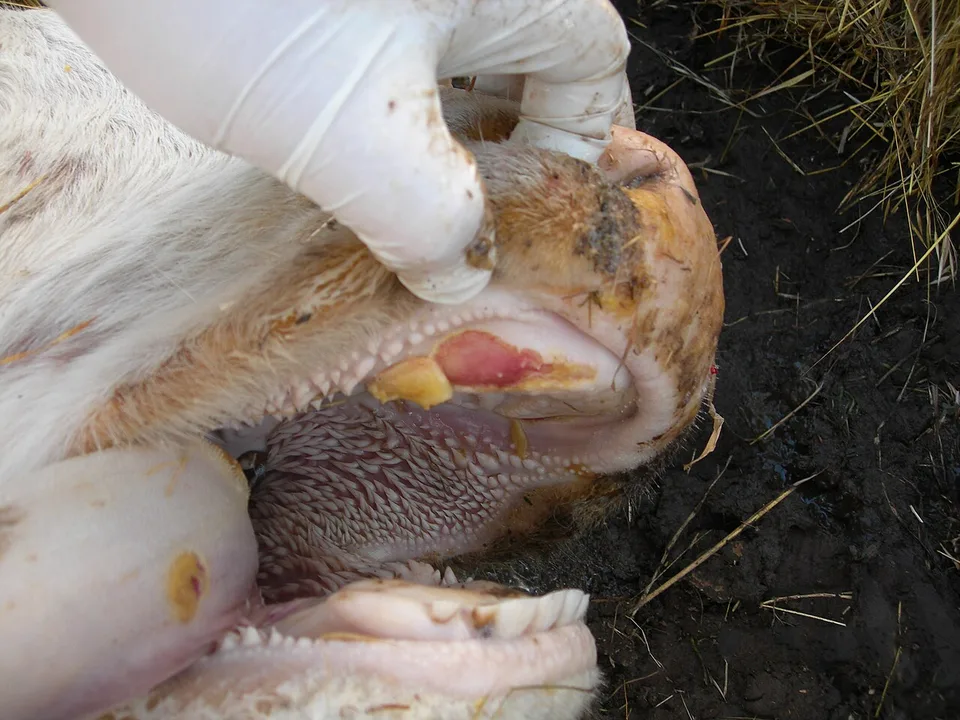
- Small blisters or pale, raised patches on the tongue, gums, dental pad (the hard pad in the upper front of the mouth) and inside the lips.
- Shifting weight from foot to foot, kicking or shaking the feet, and reluctance to walk as blisters form between the claws and along the top of the hoof.
- Blisters on the teats, making cows restless and resistant at milking.
As it gets worse
- Burst blisters leaving raw, red, bleeding-looking sores in the mouth; skin on the tongue may peel off in sheets.
- Severe lameness, with animals lying down for long periods and refusing to get up.
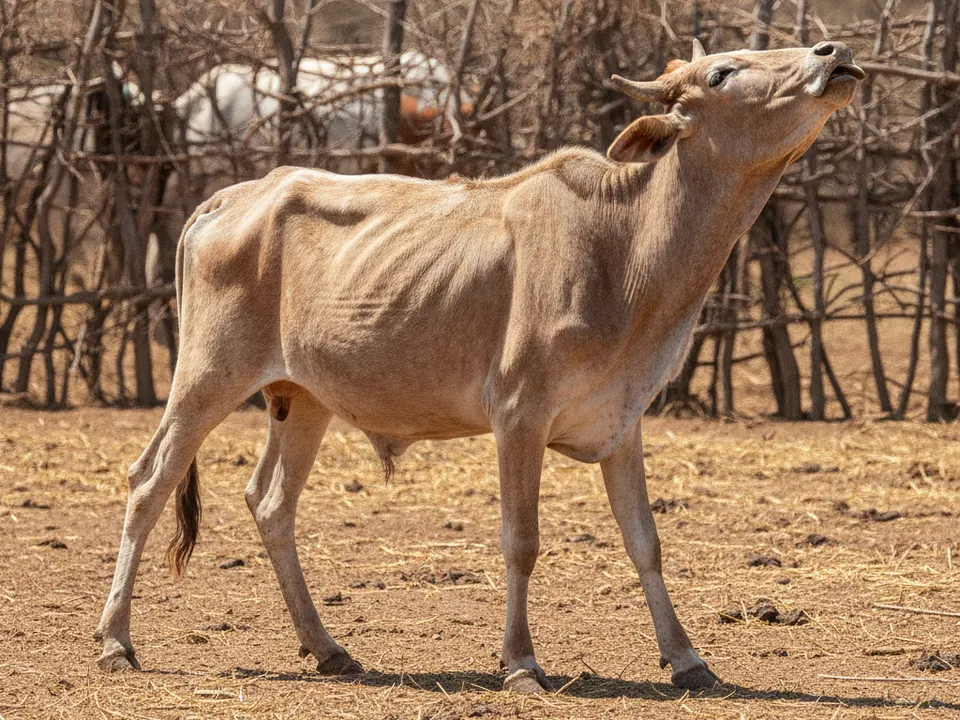
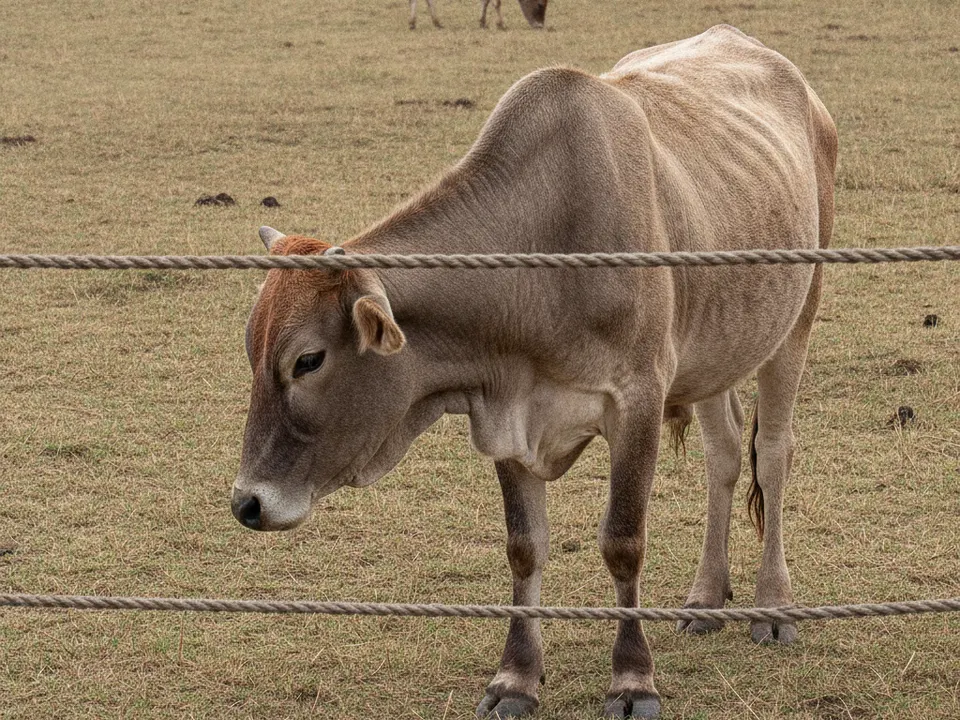
- Rapid loss of body condition because the animal cannot eat or walk to feed and water.
- Teat sores leading to mastitis (infection of the udder) with swollen quarters and clotted or watery milk.
- Secondary infection of foot sores, with swelling, bad smell and, in some cases, the hoof horn coming loose or sloughing off months later.
- Young calves dying suddenly with little warning, sometimes with breathing difficulty, because the virus has damaged the heart.
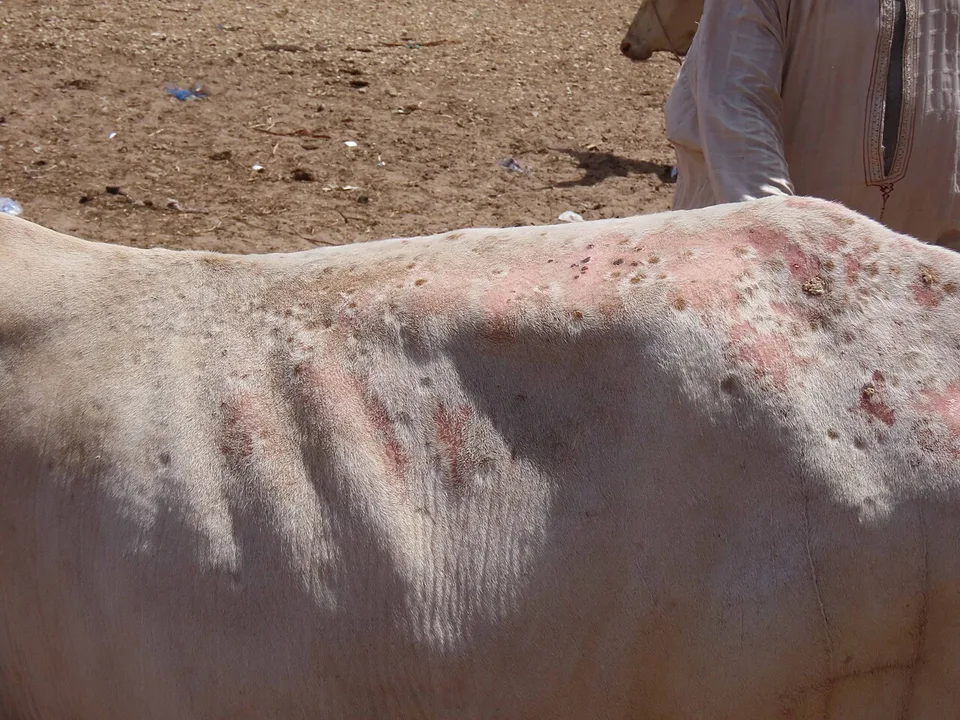
- Abortion in some pregnant cows, and in recovered animals long-term problems such as poor fertility, chronic lameness, heat intolerance with heavy panting, and a rough, hairy coat.
What to do right now
- Report the suspected case right away to your County Veterinary Officer, the area veterinary or livestock officer, or the nearest government veterinary office, because the law requires it.
- Stop all movement of animals, milk, manure, feed and equipment on and off the farm, and do not take animals to market, shows or shared grazing until the vet advises.
- Separate sick animals from healthy ones as much as your housing allows, and keep goats, sheep and pigs away from affected cattle.
- Give sick animals clean, fresh water within easy reach and soft, palatable feed such as fresh green grass, soft hay or mashes, because a sore mouth makes hard feed painful.
- Provide shade, dry, soft bedding such as dry grass or sawdust, and a clean, mud-free floor to protect painful feet and reduce secondary infection.
- Milk affected cows gently and keep their milk separate; do not sell it or take it to the collection centre, and follow your vet's advice on disposal or boiling.
- Keep visitors out, set up a footbath or washing point with water and soap or a disinfectant your vet recommends at the gate, and change clothes and boots after handling sick animals before visiting other farms or markets.
- Write down daily which animals are sick, how they are eating and walking, and any deaths, and do not give any drugs unless a vet has prescribed them.
How it spreads
- Direct contact between animals is the main route: an infected cow passes virus to others through saliva, breath, milk, dung and the fluid from burst blisters, often before it looks sick.
- Breathing in virus in the air spreads it within and between nearby herds, especially in crowded bomas, zero-grazing units and markets.
- People carry it on boots, clothes, hands and even in their nose and throat for a short time after handling sick animals, so visitors, milk collectors, AI technicians and traders can move it from farm to farm.
- Vehicles, milk cans, feed sacks, ropes, tools and hay or cut grass from infected farms can carry the virus.
- Buying, borrowing or bringing back animals from markets, shows or other farms is one of the most common ways FMD arrives on a new farm.
- Sharing grazing, water points and dips, especially in the dry season when herds gather, spreads it quickly in pastoral areas.
- Contact with African buffalo and other wildlife near parks and conservancies can bring SAT-type viruses into cattle.
- Raw milk, milk by-products and meat from infected animals can carry the virus, and feeding kitchen waste containing meat to pigs can start outbreaks.
Could it be something else?
Foot rot
Foot rot is a bacterial infection that usually affects one foot of one or a few animals, with swelling above the hoof and a foul smell between the claws. There is no drooling and no mouth blisters, and it does not race through the whole herd in a few days like FMD.
Malignant catarrhal fever (MCF)
MCF, linked to wildebeest calving in Maasai areas, causes high fever, mouth sores and drooling, but also cloudy eyes, thick discharge from the nose and swollen lymph glands. It usually affects individual animals rather than spreading rapidly from cow to cow, and most affected animals die.
Bovine viral diarrhoea / mucosal disease (BVD)
BVD can cause mouth erosions and some lameness, but the sores are shallow erosions rather than fluid-filled blisters, and severe diarrhoea is a main sign. It does not usually cause the sudden, herd-wide drooling and lameness of FMD.
Mouth injury or chemical burns
Sharp thorns, rough feed, or swallowing caustic chemicals or dip wash can cause drooling and mouth sores, but usually in one animal, without fever spreading through the herd and without blisters on the feet and teats.
How it is diagnosed
A vet will suspect FMD from the pattern: fever, drooling, mouth and foot blisters, lameness and milk drop spreading quickly through the herd. Because it is notifiable and other diseases can look similar, the diagnosis must be confirmed in the laboratory. The vet will take samples such as fluid or skin from fresh blisters, saliva, throat fluid, or blood, under strict biosecurity, and send them to the national veterinary laboratory. Tests find the virus and identify its serotype, which is vital for choosing the right vaccine for the area. Blood tests can also show if animals have been infected in the past. If a calf dies, a post-mortem may show a streaky, pale heart muscle ('tiger heart'). Before the vet arrives, keep all animals on the farm, note when signs started and how many animals of each species are sick, record any recent purchases, visitors, market trips or shared grazing, and keep your vaccination records ready. Do not move or sell any animal or carcass.
Treatment
There is no drug that kills the FMD virus, and antibiotics do not cure it. Treatment is supportive, aimed at reducing pain, keeping the animal eating and drinking, and preventing secondary bacterial infection while the animal's own immune system clears the virus, which usually takes one to two weeks for the sores to heal. A vet may prescribe anti-inflammatory pain relief from the NSAID group (non-steroidal anti-inflammatory drugs, such as meloxicam or flunixin), gentle antiseptic mouth washes, and antiseptic or astringent dressings for feet and teats. Antibiotics are only used when there is a real secondary infection such as infected foot sores, mastitis or pneumonia, and only on a vet's prescription; using them without need wastes money and adds to antimicrobial resistance, where drugs stop working. Any drug given carries a milk and meat withdrawal period, the time you must wait before milk or meat can be used, and you must follow it exactly. Your vet and the County Veterinary Office will also lead the outbreak response, which can include quarantine of the farm or area, closure of markets, controls on milk and animal movement, and ring vaccination of nearby healthy herds. Expect recovery to be slow in high-yielding cows, with milk yield sometimes not returning fully in that lactation.
Medicines must be prescribed and dosed by a vet. Always respect milk and meat withdrawal periods, and finish the full course of any antibiotic.
Prevention
- Vaccinate all cattle regularly with an FMD vaccine that matches the serotypes in your area, such as the multivalent vaccines made in Kenya by KEVEVAPI, and follow the booster schedule your vet or County Veterinary Office gives, because protection from FMD vaccines is short-lived compared with many other vaccines.
- Keep written vaccination records for every animal, and join county or community vaccination campaigns, since vaccination works best when most herds in an area are covered.
- Buy animals only from known, healthy sources with a movement permit, and keep new animals separate for at least two to three weeks before mixing them with your herd.
- Limit visitors, traders and service providers in your cattle area, provide a footbath or washing point, and ask anyone who has been at a market or another farm to change or clean boots and clothes.
- Clean and disinfect milk cans, vehicles, ropes and tools that move between farms, and avoid sharing equipment with neighbours during outbreaks.
- Avoid shared grazing, watering points and markets when FMD is reported nearby, and follow any quarantine or movement ban announced by the authorities.
- Reduce contact between cattle and buffalo or other wildlife where possible, especially near parks and conservancies.
- Do not feed kitchen waste containing meat or raw milk scraps to pigs or other livestock, and keep good general nutrition and housing so animals cope better if infection does occur.
Risk to people
FMD is not considered a significant risk to human health; human infection is extremely rare and mild. It is a different disease from 'hand, foot and mouth disease' that affects children, which is caused by a different virus and does not come from cattle. The bigger human concern is that people can carry the FMD virus on their hands, clothes, boots and briefly in their nose and throat, and spread it to other farms. Wash hands and change clothes after handling sick animals, avoid visiting other livestock for a few days, and do not sell or move milk or meat from affected farms against vet advice. If your vet treats animals, respect the milk and meat withdrawal periods so drug residues do not reach your family or customers.
Impact on your farm
FMD is one of the most costly livestock diseases in Kenya. Dairy farmers lose milk suddenly, often for weeks, and high-yielding cows may not return to full production that lactation; mastitis from teat sores can permanently damage quarters. Beef and draught animals lose weight and cannot work, which can delay ploughing in the planting season. Calf deaths, abortions, poor fertility and long-term lameness reduce the future value of the herd. On top of farm losses, quarantines close livestock markets and restrict movement and milk sales across whole areas, cutting income for farmers, traders and milk collectors, and FMD blocks access to export markets for meat and live animals. Treatment, extra labour for nursing, and lost sales together can be a heavy blow for a smallholder family.
Outlook and recovery
Most adult cattle recover within about two weeks if they are nursed well, given water and soft feed, and protected from secondary infection, and deaths in adults are usually low. Young calves are at much higher risk of sudden death from heart damage. Recovery is slower and losses greater in high-yielding exotic dairy cows, animals in poor condition, and those that develop infected feet or mastitis. Some recovered animals stay chronic poor doers with reduced milk, poor fertility, lameness or heat intolerance, and some may carry the virus for a time. Immunity after infection protects mainly against the same serotype, so animals can get FMD again from a different type.
Common questions
My cattle were vaccinated. Why did they still get FMD?
There are several possible reasons. The vaccine may not have matched the serotype causing the outbreak, because protection against one type does not cover another. FMD vaccine protection also fades after some months, so if boosters were late, immunity may have dropped. Poor storage, such as vaccine not kept cold, can also make it weak. Vaccinated animals that do get infected often have milder disease. Talk to your County Veterinary Office about which vaccine and schedule suit your area.
Can I sell or drink milk from cows with FMD?
Do not sell milk or take it to the collection centre from an infected farm unless the veterinary authorities allow it, because milk carries the virus and spreads it to other farms. Follow your vet's instructions on disposal or boiling. FMD itself is not a real danger to people, but if the cow is on any medicine you must also respect the withdrawal period.
Will antibiotics cure FMD?
No. FMD is caused by a virus, and antibiotics do not kill viruses. A vet may prescribe antibiotics only if there is a secondary bacterial infection, such as badly infected feet or mastitis. Using antibiotics without need wastes money, leaves residues in milk and meat, and helps create drug resistance.
Why do I have to report FMD? Will my animals be killed?
FMD is notifiable under Kenyan law because it spreads so fast and affects whole regions and trade. Reporting allows the County Veterinary Officer to confirm the disease, find the virus type, vaccinate surrounding herds and set up quarantine so neighbours are protected. In Kenya the usual response is quarantine, movement control and vaccination rather than mass culling. Quarantine means no animals, milk or animal products may leave or enter the affected farm or area without permission until the vets lift it.
How long does the quarantine last and when can I sell animals again?
It depends on the outbreak and the decision of the veterinary authorities. Quarantine usually stays in place until no new cases have been seen for a set period and the vets are satisfied the outbreak is over. Keep your animals at home, follow the County Veterinary Office instructions, and ask them directly when movement permits will resume.
Can my goats and sheep spread FMD to my cattle?
Yes. Goats, sheep, pigs and camels can all catch FMD and spread it, even when goats and sheep show only mild signs. During an outbreak keep all cloven-hoofed animals on the farm, separate species where you can, and include them in vaccination if your vet advises.
A guide, not a diagnosis. This page is general information to help you recognise problems early. Always confirm with a vet or animal health worker before treating.