What it is
Moulds such as Aspergillus (which makes aflatoxin), Fusarium (which makes zearalenone, deoxynivalenol or 'vomitoxin', and fumonisins) and Penicillium (which makes ochratoxin and others) grow on crops in the field or in storage when there is warmth and moisture. They produce chemical poisons called mycotoxins. Cooking, drying or pelleting the feed does not destroy them, and a feed can carry high levels of toxin even when you cannot see mould. The adult cow's rumen (the large first stomach) breaks down some mycotoxins, which is why cattle often tolerate more than pigs or poultry, but aflatoxin is not fully broken down. Aflatoxin is absorbed and processed in the liver, where it damages liver cells. A damaged liver cannot make proteins properly, so the cow loses condition, its blood may not clot well, and its immune system weakens, making it more likely to get mastitis, pneumonia and other infections. Part of the aflatoxin is changed into aflatoxin M1, which comes out in the milk. Zearalenone acts like the female hormone oestrogen and disrupts heat cycles and pregnancy. Vomitoxin mainly makes feed taste bad and upsets the gut, so cows eat less. Often several toxins are present together and their effects add up.
Which animals are most at risk
Zero-grazing dairy cows on Kenya's smallholder farms are most exposed, because they rely heavily on bought dairy meal, maize germ, silage and stored maize stover. High-yielding cows eat more concentrate, so they take in more toxin and show the milk effects first. Young calves, whose rumens are not yet working fully, are more sensitive than adults, as are pregnant and early-lactation cows whose livers are already working hard. Risk rises in and just after the long rains (March to May) and the short rains (October to December), in humid highland and lakeside areas, and in drought years when field crops are stressed. Farms that buy cheap or unbranded feed, store feed for long periods, or make silage without good compaction are at higher risk. Feedlots and beef animals fed maize-based rations are also affected, mainly through poor growth.
Signs to look for
Early signs
- Several animals eating the same feed start leaving feed, eating slowly or sorting out the concentrate.
- Milk yield drops over a few days to weeks without another clear cause, often across the whole herd rather than one cow.
- Cows look dull, with a rough coat and slowly lose body condition even though feed is offered.
- Loose or irregular dung, sometimes with mucus, and reduced cudding (chewing the cud).
- More cases of mastitis, retained afterbirth, foot problems or infections than usual, because immunity is weakened.
- Fertility problems: cows not showing heat, irregular or repeated heats, more repeat breeding, and swollen or reddened vulva in heifers (from zearalenone).
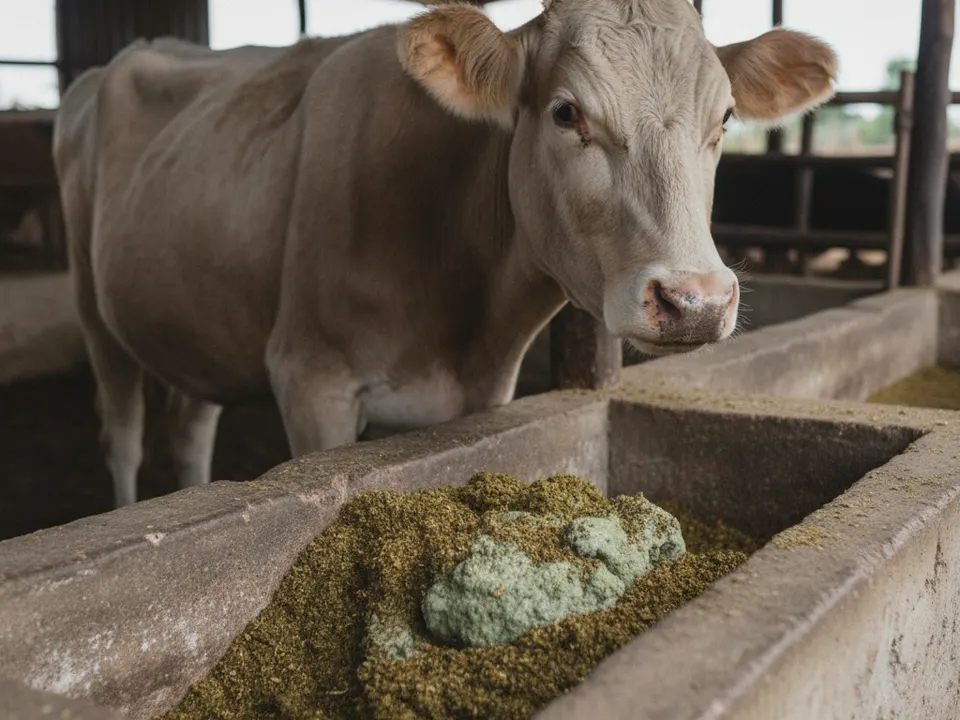
- The feed itself smells musty or sour, feels warm or damp, has clumps, webbing or coloured mould patches.
As it gets worse
- Marked weight loss, weakness and reluctance to move, with a sharp fall in milk.
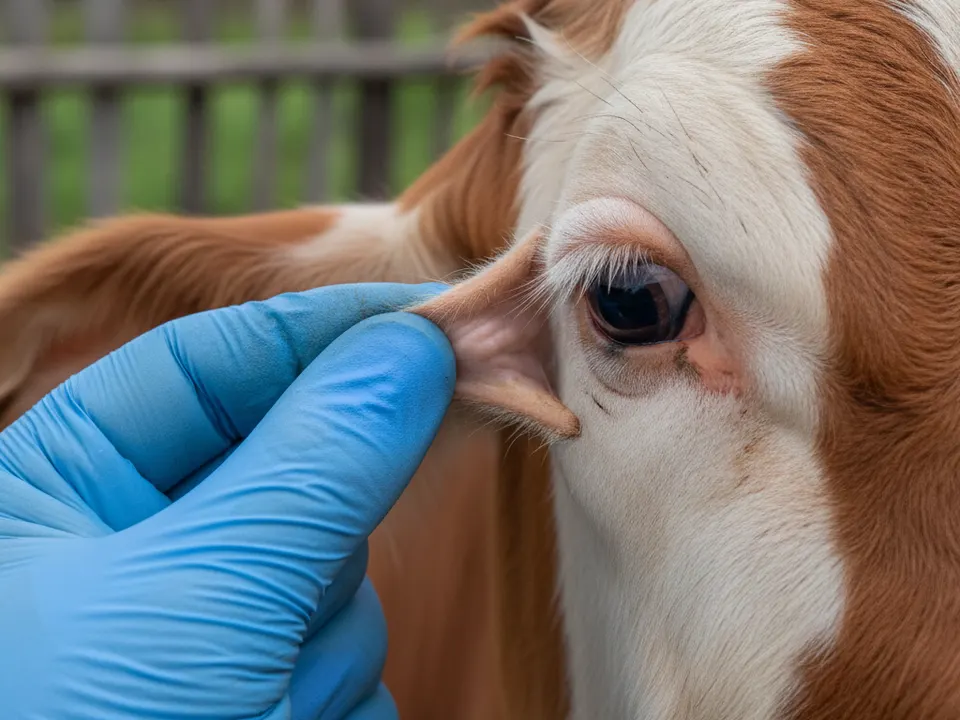
- Yellow colour (jaundice) of the whites of the eyes, gums or vulva, showing liver damage.
- Bleeding problems such as blood in dung, bruising, or bleeding that takes long to stop after injury, because the liver cannot make clotting proteins.
- Skin on white or light patches becoming red, swollen or peeling after sun exposure (photosensitisation, sunburn-like reaction due to liver damage).
- Abortion, weak calves or calves that fail to thrive.
- In calves, severe straining, diarrhoea, and sometimes rectal prolapse (the rectum pushing out).
- Nervous signs such as staggering, circling or head pressing in severe cases, and death in very high exposures.
What to do right now
- Stop feeding the suspect feed straight away, including any mouldy silage face, dairy meal batch or stored maize, and switch to clean, fresh feed from a different source.
- Keep a labelled sample of each suspect feed and its bag with batch number, so the vet or laboratory can test it and you can raise it with the supplier.
- Clean out all troughs, feeders and storage areas, removing caked and mouldy leftovers, and let them dry in the sun.
- Give plenty of clean drinking water and good-quality green fodder or hay to keep the rumen working and help the cows recover appetite.
- Keep sick animals in a shaded, comfortable, dry place, and move light-skinned animals with skin reddening out of direct sun.
- Do not sell milk from affected cows and do not give it to children until the vet or a milk test says it is safe; ask your vet about testing.
- Wear a dust mask and gloves when handling or removing mouldy feed, and do not dump it where other animals, chickens or pigs can eat it.
- Record milk yields, feed intake and which animals are affected, then call your vet, and do not give any drugs unless the vet prescribes them.
How it spreads
- It is not contagious and does not pass from cow to cow; animals are poisoned only by eating contaminated feed.
- Maize harvested or stored wet, or left in heaps on the ground after harvest, is a major source, especially after the long and short rains.
- Drought and insect damage in the field stress the maize plant and allow Aspergillus to enter the grain, so aflatoxin can be high even in dry years, as seen in parts of Eastern Kenya.
- Dairy meal, maize germ, maize bran and oilseed cakes stored too long, kept on damp floors, against walls or under leaking roofs pick up moisture and grow mould.
- Poorly compacted or badly sealed silage lets air in, so mould grows on the top, sides and any spoiled pockets; damaged polythene and rats make this worse.
- Wet brewers' waste, spent grains and other by-products go mouldy quickly in warm weather if not fed within a short time.
- Leftover feed caked in troughs and feeders becomes mouldy and mixes with fresh feed if troughs are not cleaned regularly.
Could it be something else?
Ketosis (acetonaemia)
Ketosis usually affects individual cows in the first weeks after calving, and the breath or milk may smell sweet like nail varnish; a cowside ketone test is positive. Mycotoxin problems tend to hit many cows at once, at any stage of lactation, and link to a new batch of feed.
Liver fluke (fasciolosis)
Liver fluke also causes weight loss, poor milk and sometimes jaundice, but it is linked to grazing or cutting fodder near swamps, dams and wet areas, and may cause bottle jaw (swelling under the jaw). A dung test for fluke eggs helps tell them apart.
Gall sickness (anaplasmosis)
Gall sickness causes jaundice and weakness, but usually with high fever, pale gums, constipation and ticks on the animal, and it often affects one or a few animals. A blood smear by the vet confirms it.
Plant poisoning such as Lantana camara
Lantana and some other plants cause jaundice and severe photosensitisation, often in animals that have grazed hedges or bush. Check for access to toxic plants, especially in hungry animals, and compare with recent feed changes.
How it is diagnosed
There is no simple cowside test for mycotoxin poisoning, so diagnosis depends on putting the clues together. The vet will examine affected cows, check for jaundice, bleeding, fever and other diseases, and ask about the feed history. The most useful step is testing the feed: samples of dairy meal, maize, maize germ, silage and other suspect feeds can be sent to laboratories such as the Central Veterinary Laboratories at Kabete, KALRO centres, university labs or private feed-testing labs, which measure aflatoxin and other toxins. Milk can also be tested for aflatoxin M1, and some dairy cooperatives and processors test milk routinely. Blood tests for liver enzymes show whether the liver is damaged. If an animal dies, a post-mortem may show a pale, firm or yellow liver, and liver tissue can be examined under a microscope. To help, the farmer should keep at least one kilogram of each suspect feed in a clean, dry, labelled bag (do not throw it all away), keep feed bags with brand, batch number and date, keep receipts, note when the new feed started, and record milk yields and which cows are affected.
Treatment
There is no specific antidote for aflatoxin or most other mycotoxins, so treatment focuses on removing the source and supporting the animal while the liver recovers. The vet will confirm that contaminated feed has been withdrawn and may advise a mycotoxin binder in the ration, which attaches to toxins in the gut so less is absorbed. Supportive care may include vitamins (especially A, D, E and the B group), improved protein and energy in the diet, fluids for weak or dehydrated animals, and vitamin K where there is bleeding. Antibiotics do nothing against the toxin itself; the vet may prescribe them only if there is a secondary bacterial infection such as mastitis or pneumonia, and they should be used exactly as prescribed to avoid antimicrobial resistance. Any drug used has milk and meat withdrawal periods, and milk and meat must not be sold until these have passed. Separately, aflatoxin M1 usually falls in milk within several days of removing contaminated feed, but it is wise to confirm with a milk test before selling. Cows with mild exposure often recover appetite and milk within days to weeks, while cows with serious liver damage recover slowly or may never return to full production, and the vet may advise culling.
Medicines must be prescribed and dosed by a vet. Always respect milk and meat withdrawal periods, and finish the full course of any antibiotic.
How Agrikima products can help
These support the animal alongside — never instead of — your vet's treatment, vaccination and good management.

AGRITOXINILSTOP
A mycotoxin binder that can be added to the ration, as advised by your vet or nutritionist, to help reduce absorption of aflatoxin and ochratoxin from feed with low-level contamination, especially in rainy seasons. It supports prevention alongside clean feed and good storage, and does not make mouldy feed safe to use.
View product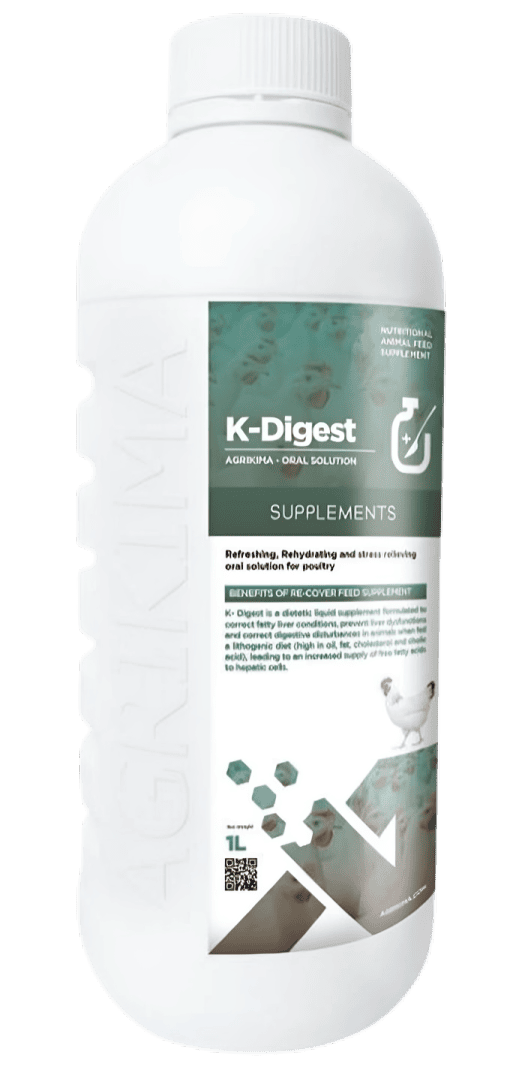
K-DIGEST
Supports liver function and digestion in cows recovering after contaminated feed has been removed, as an aid alongside the vet's treatment plan and a good diet; it is not a cure for liver damage.
View productPrevention
- Buy dairy meal and other concentrates from reputable feed millers with the KEBS mark, check the manufacture date, and use bags within a few weeks of purchase.
- Inspect every batch before feeding: reject feed that smells musty, feels warm or damp, has clumps, webbing or coloured mould, and return it to the supplier.
- Store feed on pallets or raised platforms off the floor and away from walls, in a dry, well-ventilated store with a sound roof, and protect it from rats and insects.
- Harvest maize promptly, avoid leaving it in heaps on the ground, dry it well to a safe moisture level (commonly around 13 percent) using tarpaulins or raised racks, and use hermetic bags for storage where possible.
- Make silage carefully: chop finely, compact very well, seal tightly with good polythene and weights, keep the feed face clean and move across it quickly, and throw away mouldy top and side layers.
- Feed wet by-products such as brewers' waste within a short time, and do not keep them in hot conditions where they spoil.
- Clean troughs and feeders daily so old feed does not go mouldy and contaminate fresh feed.
- In high-risk seasons or when feed quality is uncertain, ask your vet or nutritionist about including a mycotoxin binder in the ration as an extra layer of protection, alongside, not instead of, good feed quality.
Risk to people
Aflatoxin is a serious human health concern. Cows that eat aflatoxin pass aflatoxin M1 into their milk, and this toxin is not destroyed by boiling, pasteurising or making mala and yoghurt. Long-term intake of aflatoxin is linked to liver cancer and is associated with poor growth in children, and Kenya has had deadly human aflatoxin poisoning outbreaks from mouldy maize. Children drink the most milk relative to their size, so they are most at risk. Do not sell or drink milk from cows fed suspected mouldy feed until a test or your vet confirms it is safe, and never let the family eat mouldy maize or groundnuts. When handling mouldy feed, wear a dust mask and gloves, because mould dust can cause breathing problems. If drugs are used during treatment, respect milk and meat withdrawal periods to avoid drug residues.
Impact on your farm
Mycotoxins are often a hidden cost on Kenyan dairy farms. The biggest losses come from lower milk yield, poor feed conversion (cows eat but do not produce), weight loss and slower growth in heifers and calves. Fertility problems such as repeat breeding, missed heats and abortions lengthen calving intervals and cost money in extra inseminations. Weakened immunity brings more mastitis and other illness, adding vet bills and discarded milk. Milk with aflatoxin above legal limits can be rejected by cooperatives and processors, and repeated rejections can damage a farmer's market. Throwing away a bad batch of feed is expensive, but it is almost always cheaper than continuing to feed it.
Outlook and recovery
The outlook is generally good when the contaminated feed is found and removed early, before serious liver damage. Appetite and milk often begin to improve within days to a few weeks. Recovery is slower in cows that ate high levels for a long time, in calves and in pregnant or early-lactation cows. Animals with jaundice, bleeding or photosensitisation have significant liver damage and may not return to full production. Fertility problems may take a few cycles to settle after the toxin is removed. The biggest factor is speed: the sooner the bad feed stops, the better the chances.
Common questions
Can I just scrape off the mouldy part and feed the rest?
No. Mould roots and toxins spread through feed beyond the visible patch, and feed that looks clean can still carry high aflatoxin levels. Remove and safely dispose of the whole affected batch, or at least a wide margin around spoiled silage, and ask for a feed test if you are unsure.
Does boiling milk remove aflatoxin?
No. Aflatoxin M1 survives boiling, pasteurising and fermenting into mala or yoghurt. The only way to make milk safe is to stop feeding contaminated feed, wait for levels to fall, and ideally confirm with a milk test before drinking or selling.
How long after changing feed is the milk safe again?
Aflatoxin M1 in milk usually drops within several days once contaminated feed is removed, but this varies with how much the cow ate and her condition. Ask your vet or cooperative to test the milk before you return to selling, and remember that any drugs given have their own withdrawal periods.
Can I give the mouldy dairy meal to my chickens or pigs instead?
Please do not. Pigs, poultry, ducks and dogs are more sensitive to aflatoxin than adult cattle and can be poisoned or killed by feed a cow might tolerate. Their eggs and meat may also carry toxins. Dispose of mouldy feed by burning or burying it where no animals can reach it.
If I use a mycotoxin binder, can I keep feeding the mouldy feed?
No. A binder reduces the amount of toxin absorbed from feed with low-level contamination, but it does not make visibly mouldy or heavily contaminated feed safe. Use binders as an extra safeguard with good-quality feed, not as a way to use spoiled feed.
Can I tell if feed has aflatoxin just by looking or smelling?
Not reliably. Mould, clumps and a musty smell are warning signs, but aflatoxin can be present in feed that looks and smells normal. Buying from trusted suppliers, storing feed well and testing batches when problems appear are the best protection.
A guide, not a diagnosis. This page is general information to help you recognise problems early. Always confirm with a vet or animal health worker before treating.