What it is
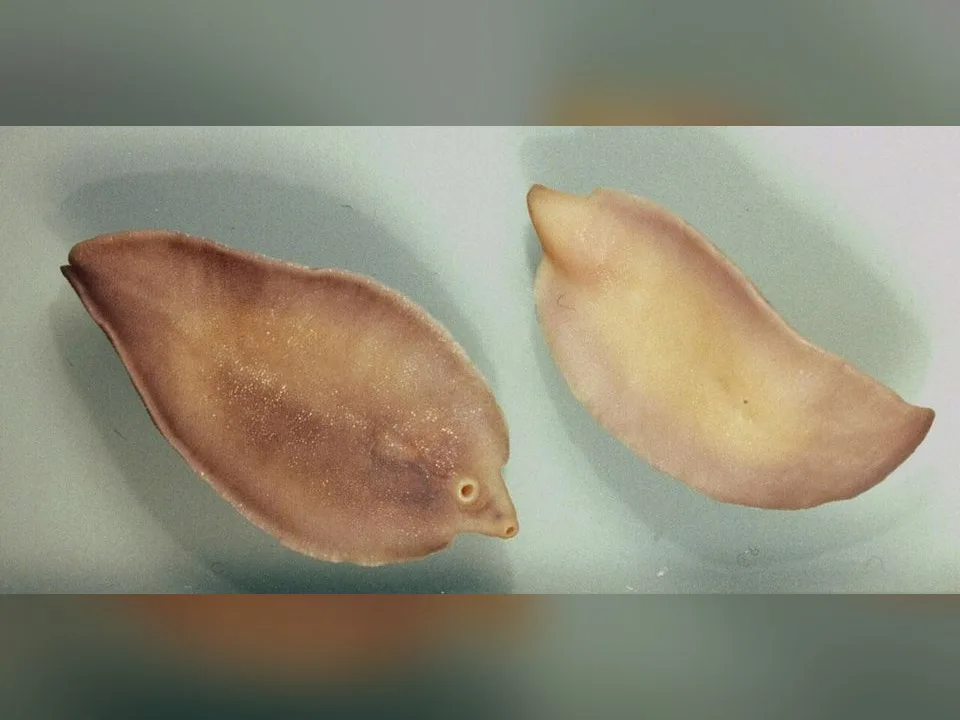
The disease comes from the giant liver fluke, Fasciola gigantica, a flatworm that can grow several centimetres long. Its life cycle needs both cattle and a freshwater snail (mainly Radix, also called Lymnaea, natalensis). Adult flukes in the cow's bile ducts lay eggs that pass out in the dung. If the dung lands in water or wet mud, the eggs hatch into tiny swimming larvae that enter snails. Inside the snail they multiply many times, then leave as another larval stage that sticks to grass and water plants and forms a tough cyst called a metacercaria. When a cow eats this grass or drinks the water, the young flukes hatch in the gut, bore through the gut wall and travel into the liver. For several weeks they tunnel through the liver tissue, causing bleeding, inflammation and scarring. They then settle in the bile ducts (the tubes that carry bile from the liver to the gut), where they feed on blood and damage the duct walls, which become thick and hard, sometimes almost like pipes. The result is blood loss leading to anaemia (thin, watery blood with too few red cells), loss of protein from the blood which causes fluid to collect under the jaw and belly, poor digestion of fat, and a damaged liver that cannot do its normal work. It usually takes around three to four months from swallowing the cysts to eggs appearing in dung, so the farmer often sees the problem long after the infection happened.
Which animals are most at risk
Any cattle that graze or drink in wet, snail-friendly places are at risk. This includes herds near Lake Victoria and other lakes, river valleys, swamps and dambos, irrigation schemes such as rice-growing areas, and pastoral herds that gather at watering points in the dry season. Young stock and heifers in their first grazing seasons often show the worst growth losses, but adult cows carry flukes too and lose milk and fertility. Zero-grazed dairy cows are not safe if their fodder is cut from wet ground. Pregnant and high-yielding cows and animals already thin from poor feeding, ticks or other worms suffer more from the same fluke burden. Sheep and goats sharing the same grazing are also infected and keep the cycle going.
Signs to look for
Early signs
- Slow weight loss or poor growth even though the animal seems to be eating normally.
- A gradual drop in milk yield in dairy cows without an obvious reason.
- A dull, rough, staring coat and a general lack of shine and energy.
- Pale pink or whitish gums, inner eyelids and vulva, a sign of anaemia.
- Reduced appetite in some animals and less interest in feed.
- Heifers that are slow to come on heat or cows that take longer to get back in calf.
As it gets worse
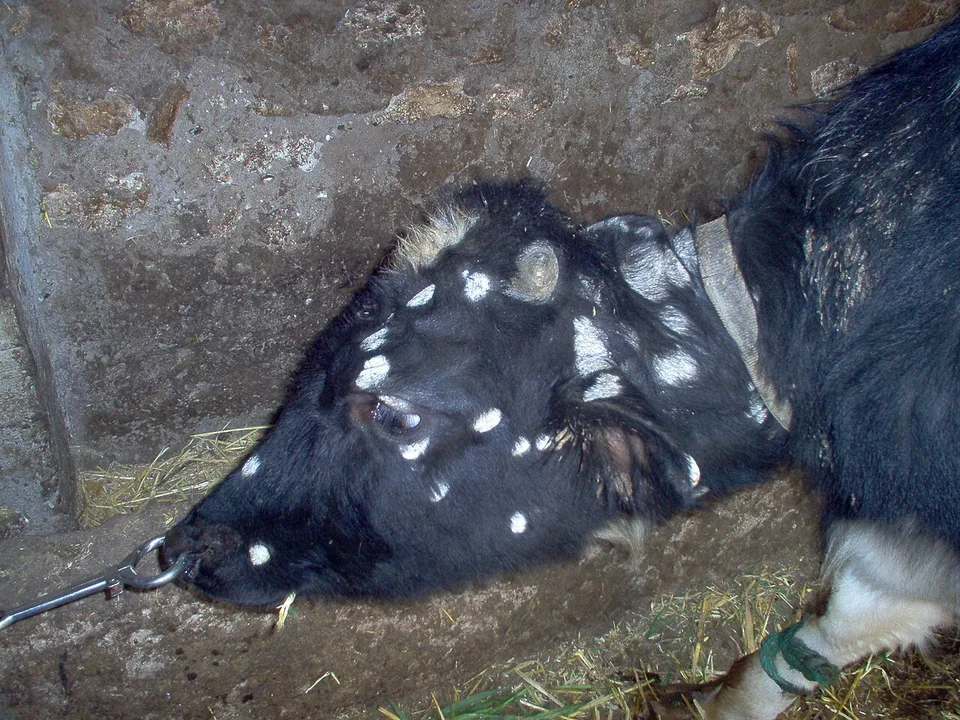
- Bottle jaw: a soft, cool, fluid-filled swelling under the jaw that may be bigger in the morning or after grazing with the head down, and may go down later in the day.
- Very pale or almost white gums and eyelids, with weakness and tiring quickly when driven.
- Marked loss of body condition, with hip bones and ribs clearly showing.
- Fluid swelling along the brisket and belly in some cases, and a pot-bellied look.
- Soft dung or diarrhoea in some animals, though many fluke cases have normal dung.
- Occasionally yellowish eyes or gums (jaundice) when liver damage is severe.
- Rarely, in very heavy sudden infections, young cattle can collapse or die from bleeding in the liver before eggs are even seen in dung.
What to do right now
- Call your vet, animal health officer or the County Veterinary Office and ask for a dung test for fluke, rather than guessing and buying a dewormer that may not kill fluke.
- Move cattle off swampy, flooded or riverbank grazing if you can, and fence off or avoid snail areas such as reeds, seepage spots and muddy edges of dams.
- Give clean drinking water from a trough, tank or piped supply instead of letting animals drink from pools, dams or slow streams.
- Stop cutting fodder from wet, swampy or irrigated plots for zero-grazed animals until the problem is confirmed and controlled.
- Improve feeding for thin and anaemic animals with good-quality fodder, some protein-rich feed and a mineral lick, and keep weak animals in shade with easy access to feed and water.
- Avoid driving weak, anaemic animals long distances or working them hard, because they tire quickly and can collapse.
- Record which animals are thin, have bottle jaw or have dropped in milk, along with dates, so the vet can judge how widespread the problem is.
- Do not eat raw watercress or other water plants from these swamps and boil drinking water taken from them, as people can catch fluke too.
How it spreads
- Cattle swallow fluke cysts on grass, reeds and water plants growing in or near swamps, dams, slow streams, river banks, irrigation channels and flooded valley bottoms.
- Drinking from shallow pools, dams and slow-moving streams where infected snails live can also carry cysts into the animal.
- In zero-grazing units, cut-and-carry grass or napier harvested from swampy plots, riverbanks or irrigated land can bring cysts straight into the stall.
- Infected cattle, sheep, goats and some wild animals spread eggs in their dung, so the snail habitat keeps getting re-infected; cattle are not infected directly from each other.
- Rains and flooding create more snail habitat and help the parasite multiply, and in the dry season cattle concentrate around the few remaining wet areas, so infection risk rises at both times depending on the area.
- Buying cattle from fluke areas and bringing them onto your farm can seed new snail habitats with fluke eggs if you have wet ground.
- Fresh grass carries the highest risk; hay that has been dried well and stored for several months carries much less risk because the cysts slowly die when dried.
Could it be something else?
Roundworms in the stomach and gut (especially Haemonchus, the barber's pole worm)
These worms also cause anaemia, weight loss and bottle jaw, mainly in calves and young stock. A dung test tells them apart: roundworm eggs float in a salt solution, while heavy fluke eggs need a sedimentation test. Both often occur together, so testing guides which dewormer is needed, because many common roundworm drugs do not kill liver fluke.
Trypanosomiasis (nagana)
Nagana also causes anaemia and wasting but is spread by tsetse flies, so it is linked to bush and tsetse areas rather than swamps. Animals often have swollen lymph nodes in front of the shoulder, bouts of fever and watery eyes. A blood smear or test by the vet confirms trypanosomes; fluke is confirmed by dung tests or at the liver.
Anaplasmosis (gall sickness)
Gall sickness is tick-borne and usually comes on faster, with high fever, very pale or yellow gums, constipation with hard dry dung, and sudden weakness, mostly in adult cattle. Fluke is slow and long-term, with no high fever. A vet confirms gall sickness with a blood smear.
Poor feeding and protein shortage
Underfed cattle in the dry season also get thin and may develop bottle jaw, but the whole herd improves quickly once feed improves. Fluke cases stay thin despite good feed, are usually linked to wet grazing, and show fluke eggs in dung or damaged livers at slaughter.
How it is diagnosed
A vet or animal health officer will look at the herd's history (grazing near water, cut grass from swamps, timing after rains), check body condition, gums and eyelids, and feel the bottle jaw. The most common confirmation is a dung test using sedimentation, because fluke eggs are heavy and do not show up well in the usual flotation test. Eggs are only passed once flukes are adults, so early infections can give a negative result even when the animal is sick; testing several animals and repeating tests helps. Laboratories may also offer a dung antigen test or blood tests for antibodies, and blood tests showing anaemia, low protein and raised liver enzymes support the diagnosis. At slaughter or post-mortem, a thickened, scarred liver with hard, pipe-like bile ducts containing leaf-shaped flukes is clear proof, so ask your butcher or meat inspector whether livers from your animals were condemned. To prepare, collect fresh dung straight from the rectum or freshly passed from several affected and healthy-looking animals, put each in a clean labelled bag or container, keep it cool and get it to the lab within a day. Write down where the herd grazes and drinks, where fodder is cut, when you last dewormed, which product you used and any slaughter reports.
Treatment
Treatment uses flukicides, which are medicines that kill liver flukes, and must be prescribed by a vet who knows the local situation. Commonly used active ingredients include triclabendazole, which kills both young migrating flukes and adults; closantel, nitroxynil and oxyclozanide, which act mainly on older and adult flukes; clorsulon; and albendazole, which only kills adult flukes and needs care in early pregnancy. Many ordinary roundworm dewormers such as ivermectin or levamisole on their own do not kill liver fluke, which is a common and costly mistake. The vet chooses the product based on the age of the infection, whether cows are milking or pregnant, and local resistance, since resistance of flukes to triclabendazole has been reported in several countries. The dose depends on correct body weight, so weighing or using a weigh band matters, and under-dosing helps resistance develop. Withdrawal periods (the time after treatment when milk and meat must not be sold or eaten) are important: several flukicides have long meat withdrawal times, and some are not allowed at all in cows producing milk for people, so always follow the label and the vet's advice. The vet may also advise treating roundworms at the same time, supportive care such as better feeding and minerals for anaemic animals, and a follow-up dung test a few weeks later to check the treatment worked. Animals usually start regaining appetite and condition over the following weeks, but damaged livers heal slowly, and cattle returned to infected grazing will pick up new flukes, so treatment must go hand in hand with changes in grazing and water.
Medicines must be prescribed and dosed by a vet. Always respect milk and meat withdrawal periods, and finish the full course of any antibiotic.
How Agrikima products can help
These support the animal alongside — never instead of — your vet's treatment, vaccination and good management.
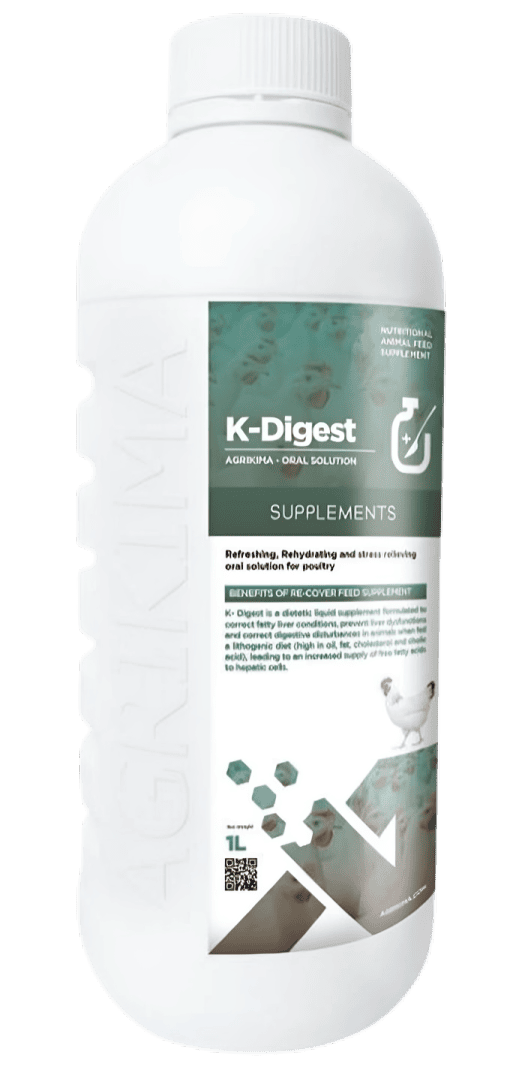
K-DIGEST
Can be used as a supportive aid for liver function and digestion while cattle recover after vet-prescribed flukicide treatment; it does not kill flukes or replace treatment and grazing control.
View product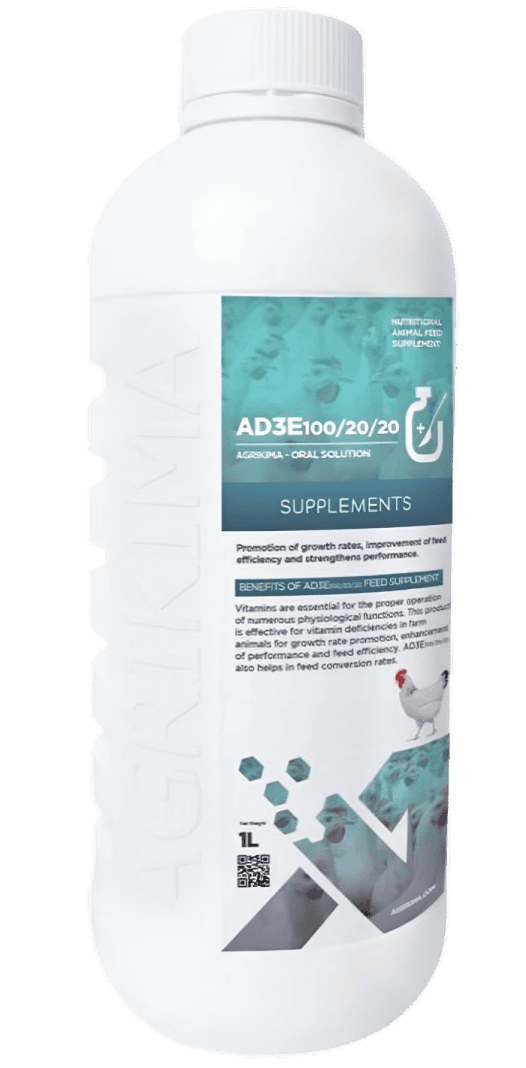
AD3E 100/20/20
Can help support vitamin A, D3 and E levels in thin, recovering animals whose damaged livers may store vitamins poorly, alongside good feeding and the vet's treatment plan; it does not treat the fluke itself.
View productPrevention
- Ask your vet to set up a strategic flukicide programme for your area, with treatments timed to the local pattern of long and short rains and dry-season grazing, so flukes are killed before they cause heavy damage and before they seed the pastures with eggs.
- Fence off or avoid swamps, reed beds, springs, seepage areas and muddy dam edges where snails live, especially in the weeks after rains when snail numbers rise.
- Provide clean water in troughs or tanks filled from boreholes, roof catchment or piped supply, and keep the ground around troughs well drained so it does not become a snail habitat.
- For zero-grazing, cut fodder from well-drained land, avoid cutting close to the ground in wet areas, and where possible wilt or dry grass from risky areas; well-dried hay stored for several months carries far less risk than fresh grass.
- Improve drainage of wet patches on your own land, repair leaking pipes and troughs, and clear vegetation from small channels to make them less friendly to snails.
- Treat newly bought cattle with a suitable flukicide on your vet's advice and keep them off wet grazing until treated, so they do not bring fluke eggs onto your farm.
- Include sheep and goats sharing the same grazing in the fluke control plan, because they also carry flukes and keep the snails infected.
- Use slaughter reports: ask your butcher or meat inspector about condemned livers, and do routine dung tests in high-risk seasons to check whether your programme is working and whether drugs are still effective.
Risk to people
Fasciola gigantica can infect people, and human fascioliasis is recognised by the World Health Organization as a neglected tropical disease. People do not catch it from handling cattle or from eating properly cooked meat or liver. They catch it by swallowing the same cysts cattle do: eating raw watercress or other water plants from swamps and streams, or drinking untreated water from these places. In people it can cause belly pain, fever and liver and bile duct problems. To protect your family, do not eat raw water plants from grazing swamps, wash and cook vegetables grown in wet areas, and boil or treat drinking water from dams, pools and streams. Fluke-damaged livers are condemned at meat inspection and should not be eaten. Also respect drug withdrawal periods after flukicide treatment, because selling or drinking milk or eating meat too soon can leave drug residues in food.
Impact on your farm
Liver fluke is one of the most costly hidden diseases on Kenyan cattle farms. Dairy farmers lose milk every day from infected cows, often without realising why. Growing heifers and bulls take longer to reach breeding or selling weight, and cows may take longer to conceive, which stretches the calving interval and cuts the number of calves and lactations. Thin, anaemic animals fetch lower prices at market. At slaughterhouses, infected livers are condemned and thrown away, a direct loss to traders and butchers that is passed back as lower prices for cattle from fluke areas. Infected animals are also weaker and less able to cope with dry seasons, other worms and diseases. Money spent on the wrong dewormer, which does not kill fluke, adds to the loss. Because the damage is slow and quiet, many farmers only notice it when bottle jaw appears or when the butcher reports bad livers.
Outlook and recovery
Most cattle with chronic liver fluke recover well if they are correctly diagnosed, treated with a suitable flukicide and given good feed. Appetite and condition usually improve over the following weeks, and bottle jaw slowly goes down as blood protein recovers, but scarred bile ducts and liver damage heal slowly and some animals never return to their full milk or growth potential. Recovery is poorer in very thin, severely anaemic or old animals, in cattle with other diseases or heavy roundworm burdens, and where the drug used does not work on the flukes present. The biggest factor is what happens next: cattle that go back onto the same snail-infested grazing without a control plan will simply be reinfected. Herds that combine strategic treatment, safe water and better grazing management see steady gains in milk, weight and fertility over time.
Common questions
I dewormed my cows recently, so why do they still have bottle jaw?
Many common dewormers, such as ivermectin or levamisole on their own, kill roundworms but do not kill liver fluke. Others, like albendazole, only kill adult flukes and may miss younger ones. Some drugs may also fail because of under-dosing or resistance. Your vet can do a dung test for fluke eggs, tell you which flukicide suits your animals and check afterwards that it worked. Also remember that cattle returning to wet grazing pick up new flukes soon after treatment.
My cows are zero-grazed and never go to the swamp. Can they still get liver fluke?
Yes. If the grass or napier you cut comes from swampy ground, riverbanks, valley bottoms or irrigated plots, it can carry fluke cysts straight into the stall. Cut fodder from well-drained land where possible, avoid cutting very close to the ground in wet areas, and give clean water rather than water from pools or streams. Ask your vet about testing a few cows if you suspect fluke.
When is the best time to treat my cattle for liver fluke?
It depends on your area's rainfall and grazing pattern. In general, risk rises after the rains as snail numbers grow, and in the dry season when cattle crowd around remaining swamps and watering points. Many programmes treat at strategic points such as after the main rains and during the dry season, but the right timing and drug for your farm should be set with your vet or County Veterinary Office, who know local fluke patterns.
Can I drink the milk or sell the meat after treating for fluke?
Only after the withdrawal period on the product label and as advised by your vet. Some flukicides have long meat withdrawal times, and some are not allowed at all in cows whose milk goes for human use. Selling milk or meat too soon can leave drug residues in food, harm consumers and get your milk rejected. Always tell your vet if a cow is milking or pregnant before treatment.
The butcher said the liver was bad and threw it away. What does that mean for my other animals?
A condemned liver with hard, thickened ducts and flat leaf-like worms is strong evidence that liver fluke is present on your grazing. Other animals that grazed the same places are very likely infected too, even if they look fairly normal. Talk to your vet about testing and treating the herd and about changing grazing and water sources to reduce new infections.
Can I get rid of the snails myself?
You can make your land less friendly to snails by draining wet patches, repairing leaking troughs and pipes, clearing blocked channels, and fencing off swamps and seepage areas. Chemicals that kill snails can harm fish, other water life and the environment and are generally not recommended for farmers to use on their own. Combining good drainage and fencing with strategic treatment of animals is the practical and safer approach.
A guide, not a diagnosis. This page is general information to help you recognise problems early. Always confirm with a vet or animal health worker before treating.