What it is
During pregnancy the calf's membranes are attached to the inside of the womb at many button-like points called cotyledons (the calf's side) and caruncles (the cow's side). After a normal calving, these attachments loosen and the womb contracts, pushing the afterbirth out, usually within 3–8 hours. If the attachments do not loosen, or the womb is too weak to contract, the membranes stay stuck. Common reasons include a difficult or assisted calving, twins, abortion or an early calving, a caesarean, and milk fever, which is low blood calcium that weakens the womb muscles. Poor nutrition before calving also plays a big part, especially shortage of selenium, vitamin E and vitamin A, and cows that are too fat or too thin. Infections that cause abortion, such as brucellosis, leptospirosis or neosporosis, often lead to a retained afterbirth. Once stuck, the membranes start to rot within a day or two. Bacteria grow in the warm womb, causing a foul discharge and sometimes toxic metritis, where poisons from the bacteria get into the blood, causing fever, weakness and in bad cases death. Even after recovery, scarring and lingering infection in the womb can make it harder for the cow to conceive again.
Which animals are most at risk
High-yielding dairy cows such as Friesians and Ayrshires in zero-grazing units are most often affected, but any cow, including Boran, Zebu and crosses, can retain the placenta. Older cows that have calved many times have weaker womb muscles and a higher risk, as do cows that had a retained placenta before. Heifers having a difficult first calving are also at risk. Cows carrying twins, cows that abort, and cows induced to calve early are at high risk. Herds fed poor dry-cow rations, for example only dry Napier or maize stover in the dry season without minerals, are more affected. Herds with brucellosis or other abortion diseases see more cases. Hot weather, overcrowded or muddy calving areas during the long and short rains, and poor hygiene at calving all increase the chance of infection once the placenta is retained.
Signs to look for
Early signs
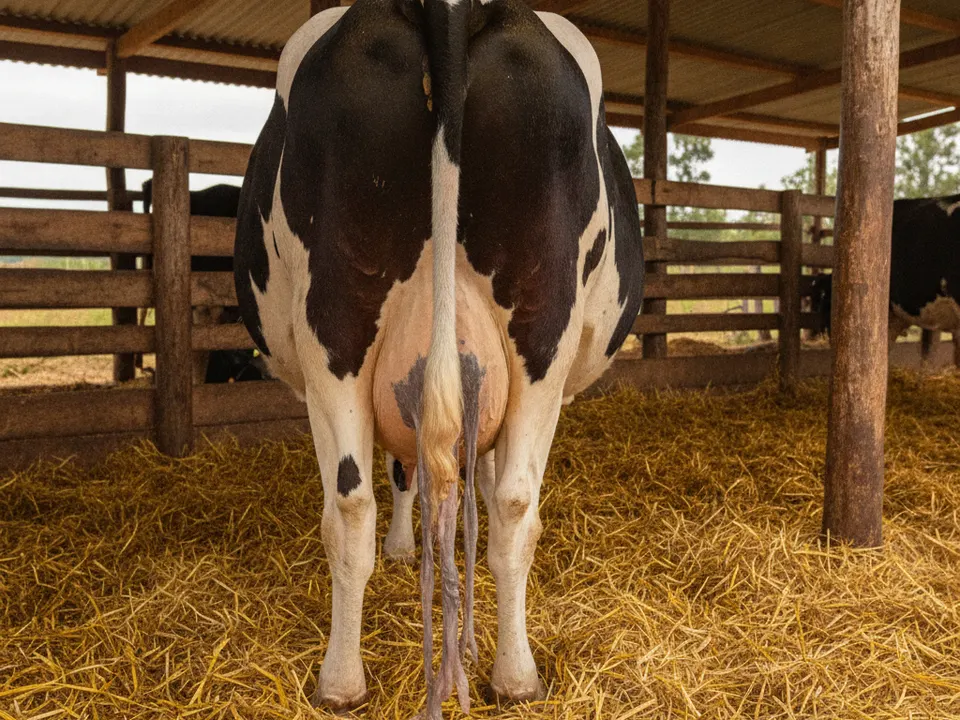
- Membranes hang from the vulva more than 12–24 hours after calving. They may be grey, pink, red or brown and can reach the hocks.
- Sometimes nothing is visible from outside because the afterbirth is stuck inside the womb or vagina. Suspect this if you never saw the afterbirth come out.
- The cow holds her tail raised or slightly away from her body and may strain now and then.
- Milk yield in the first few days may be a little lower than expected.
- At this stage many cows still eat and look fairly normal, which can fool farmers into thinking all is well.
As it gets worse
- A strong, rotten smell comes from the cow's back end, usually from day 2–4 onwards.
- Thick brown, reddish or grey watery discharge with a bad smell runs from the vulva and soils the tail and hind legs.
- Flies swarm around the hanging membranes and the tail area.
- Fever: rectal temperature above about 39.5°C. In very severe cases the temperature may drop below normal as the cow goes into shock.
- The cow goes off feed, stops chewing the cud and milk yield drops sharply.
- She looks dull, stands with a hunched back, has sunken eyes from dehydration and may have diarrhoea.
- In severe toxic metritis the cow may lie down and fail to rise. This is an emergency.
What to do right now
- Do not pull, twist or tie a weight such as a stone or bottle to the hanging membranes. Pulling can tear the womb, cause heavy bleeding, leave pieces behind and push infection deeper.
- Take the cow's rectal temperature morning and evening with a thermometer and write it down. Call the vet straight away if it is above about 39.5°C, or if she stops eating.
- Put the cow in a clean, dry, shaded pen with fresh bedding, away from mud and dung, and keep other animals from stepping on the membranes.
- Make sure she has plenty of clean drinking water and good fresh feed in front of her at all times. A cow that keeps eating recovers better.
- If membranes hang very low and get dirty, ask your vet whether they can be trimmed with clean scissors at the level of the vulva. Do not cut inside the vulva and never push them back in.
- Wear gloves when handling the cow's back end, the afterbirth or any dead calf, and wash your hands with soap afterwards. This protects you from brucellosis and other infections.
- Bury deeply or burn any afterbirth that comes out, and do not let dogs eat it, because dogs can spread some abortion diseases.
- Keep flies away by keeping the area clean and the tail region washed with clean water, and record everything for the vet.
- Do not put herbal mixtures, soil, oils or any objects into the womb or vagina, and do not give antibiotics or other drugs unless your vet prescribes them.
How it spreads
- Retained placenta is not contagious from cow to cow, but some causes are. Abortion diseases like brucellosis can spread through aborted calves, afterbirth and birth fluids.
- Difficult calvings, especially big calves from large bulls or AI sires on small heifers, or calves coming the wrong way, are a common trigger.
- Twins, abortions, premature births and stillbirths often leave the membranes stuck.
- Milk fever and low calcium around calving weaken the womb muscles so they cannot push the afterbirth out.
- A dry-cow diet low in selenium, vitamin E and vitamin A, or poor-quality feed during the last two months of pregnancy, raises the risk.
- Cows that are overfat at calving, or very thin, are more likely to retain the placenta.
- Dirty calving areas, rough handling and unclean hands or tools during calving assistance bring bacteria into the womb.
- Heat stress, overcrowding and other stresses around calving can contribute.
Could it be something else?
Normal discharge after calving (lochia)
After calving it is normal to see some reddish-brown or chocolate-coloured discharge for up to two or three weeks. Normal lochia has little or no bad smell, there are no membranes hanging out, and the cow eats, milks and has a normal temperature.
Metritis without retained placenta
The cow passed her afterbirth normally, but within the first week or two she develops a foul-smelling, watery brown discharge, fever and goes off feed. It needs the same urgent vet care, but there are no hanging membranes.
Prolapsed uterus (womb pushed out)
A prolapse is a large, heavy, red, fleshy mass, often as big as a bucket, with button-like lumps on it, hanging from the vulva. Retained membranes are thin and sheet-like. A prolapse is an emergency: keep the womb clean and wet, support it on a clean wet cloth, and call the vet immediately.
Abortion due to brucellosis or other infections
If the cow calved early, the calf was born dead or weak, or several cows in the herd have aborted, the retained placenta may be a sign of an infectious abortion disease. Handle the membranes and calf only with gloves and ask the vet to take samples for testing.
How it is diagnosed
Diagnosis is usually simple: the vet sees membranes hanging from the vulva or feels them with a gloved hand inside the vagina more than 12–24 hours after calving. The vet will take the cow's temperature, check how alert she is, whether she is eating and chewing cud, and how dehydrated she is. A gentle internal examination, and sometimes a rectal examination, helps the vet judge how much membrane is still attached, whether there is a second calf, tears in the birth canal, or signs of serious infection. If the cow aborted or calved early, the vet may take blood samples, or samples of the afterbirth or the dead calf, to test for brucellosis, leptospirosis or other abortion diseases. If several cows are affected, the vet may test blood for calcium, selenium or other minerals and look at the dry-cow diet. To help the vet, write down the date and time of calving, whether you helped pull the calf, whether there were twins or a dead calf, the cow's temperature readings, how much she is eating and milking, and what she was fed in the last two months of pregnancy. Keep any aborted calf or expelled membranes in a closed bag or container in a cool place, handled only with gloves, in case the vet wants samples.
Treatment
Treatment depends on how sick the cow is. Many vets now advise against forcefully removing the afterbirth by hand, because it can damage the womb and does not speed up recovery. If gentle traction loosens membranes that are already free, the vet may remove them, and the vet may trim long hanging pieces. If the cow has no fever and is eating well, the vet may simply advise close monitoring of temperature and appetite until the membranes come out on their own, which commonly takes several days to around ten days. Hormones that make the womb contract, such as oxytocin, may help if given soon after calving, but they work less well later. Prostaglandin products are sometimes used, but evidence for them is mixed. If the cow has fever, foul discharge or is off feed, the vet will usually treat for metritis. This often means injectable antibiotics such as penicillin, oxytetracycline or ceftiofur, given as a full course. The vet may also give anti-inflammatory drugs to reduce fever and pain, fluids by mouth or into the vein for dehydration, and calcium if milk fever is suspected. Antibiotic pessaries placed into the womb are still used by some vets, but their value is debated. All of these medicines must be prescribed by a vet, who will choose the drug and dose. Antibiotics should only be used when truly needed and the full course completed, because misuse breeds antimicrobial resistance, where bacteria stop responding to medicines. Most drugs have a milk and meat withdrawal period, a set number of days when milk must be discarded and the animal must not be slaughtered. Ask your vet for the exact days and follow them strictly. Expect the vet to recheck the cow and to examine her womb again around 3–5 weeks after calving before she is served.
Medicines must be prescribed and dosed by a vet. Always respect milk and meat withdrawal periods, and finish the full course of any antibiotic.
How Agrikima products can help
These support the animal alongside — never instead of — your vet's treatment, vaccination and good management.
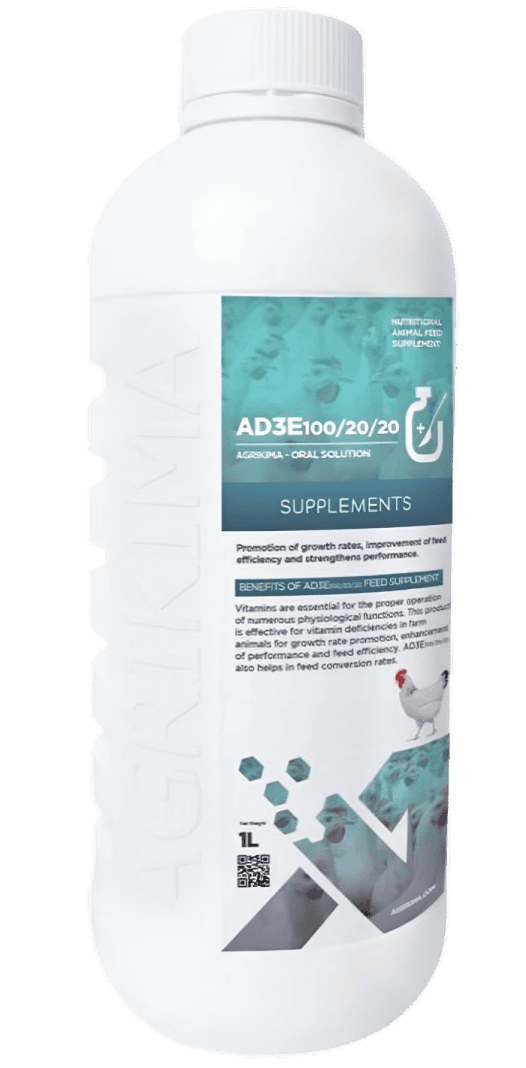
AD3E 100/20/20
Shortage of vitamins A and E before calving is one known risk factor for retained placenta. AD3E can be used as part of a vet-guided dry-cow nutrition plan in the last weeks of pregnancy, especially in the dry season when green feed is scarce. Ask your vet whether your herd also needs selenium, which this product does not provide. It supports prevention alongside a balanced ration and good calving hygiene. It does not treat a retained placenta that has already happened.
View product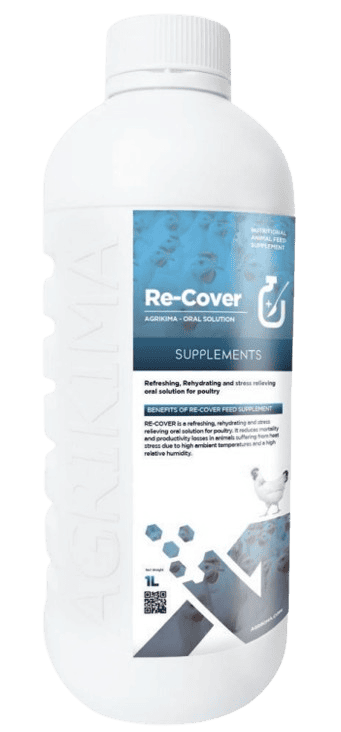
RE-COVER
An oral rehydration solution can help keep a feverish, dull cow drinking and hydrated while she recovers, alongside the treatment your vet prescribes. Offer it in clean water as well as plain water, never instead of it, and call the vet if she will not drink or is badly dehydrated.
View productPrevention
- Feed dry cows well in the last two months of pregnancy with good forage, a balanced ration and a proper dry-cow mineral mix. Avoid both starving them and letting them get too fat.
- Make sure the diet supplies enough selenium, vitamin E and vitamin A. In areas or seasons with poor green feed, ask your vet or nutritionist about supplements or injections before calving.
- Prevent milk fever by using a dry-cow mineral that is not too high in calcium, avoiding sudden diet changes near calving, and following your vet's advice for high-yielding or older cows.
- Choose bulls or AI sires with easy-calving records, especially for heifers, and grow heifers well so they are big enough at first calving.
- Provide a clean, dry, well-bedded and quiet calving area, separate from the main zero-grazing unit if possible, and clean it between calvings.
- Help with calving only when needed, using clean hands, gloves, soap, lubricant and clean ropes, and call the vet early for difficult calvings.
- Test and control abortion diseases such as brucellosis with your County Veterinary Officer. Vaccinate heifers against brucellosis where your vet recommends it.
- Keep calving records and watch cows that had a retained placenta before. Check every fresh cow's temperature, appetite and discharge daily for the first 10 days.
Risk to people
The retained placenta itself is not passed to people, but the membranes, discharge and any aborted calf can carry germs that infect humans, especially if the cow aborted. Brucellosis (which causes undulant fever in people), leptospirosis and Q fever can all spread through birth fluids and afterbirth, and through drinking raw milk. Always wear gloves and, if possible, long sleeves when handling the cow's back end or the afterbirth, cover any cuts, and wash with soap and water afterwards. Pregnant women and children should keep away. Never eat or let dogs eat the afterbirth; bury it deeply or burn it. Boil all milk before drinking. If the cow is treated with antibiotics or other drugs, do not drink or sell her milk, and do not slaughter her, until the full withdrawal period given by your vet has passed, because drug residues can harm people and contribute to antibiotic resistance.
Impact on your farm
A retained placenta costs a Kenyan dairy farmer in several ways. The cow often milks less in the early weeks when she should be reaching her peak, and milk must be thrown away during any antibiotic withdrawal period. Treatment and vet visits add costs. Womb infection often delays the return to heat and lowers conception rates, so the farmer may need extra inseminations and the calving interval gets longer, meaning fewer calves and less milk over the cow's life. Affected cows are also more likely to get other problems after calving, such as ketosis (a metabolic problem from low energy) and displaced stomach. Some cows never get back in calf and must be culled early. Severe toxic metritis can kill a valuable cow. In herds where many cows are affected, the problem usually points to nutrition, hygiene or abortion disease issues that are costing money across the whole farm.
Outlook and recovery
Most cows with a retained placenta recover, especially if they keep eating and have no fever. In many uncomplicated cases the membranes rot loose and pass on their own within several days to about a week and a half. The outlook is less good when the cow develops fever, stops eating, becomes dehydrated or goes down, which are signs of toxic metritis. These cows need urgent vet care and some may die despite treatment. Cows with milk fever, twins, a difficult calving or underlying abortion disease also tend to recover more slowly. Even after she looks well, the cow may take longer to come back on heat and conceive, so ask your vet to check her womb before breeding. Early detection, good nursing, clean conditions and prompt vet treatment give the best chance of full recovery.
Common questions
Can I just pull the afterbirth out myself?
No. The membranes are stuck to the womb at many points, and pulling can tear the womb lining, cause bleeding, leave pieces inside and push infection deeper. Many vets themselves no longer remove the afterbirth by force. If it comes away with only a very gentle touch it is already loose, but otherwise leave it, keep the cow clean, watch her temperature and appetite, and call your vet.
My neighbour says to tie a stone or bottle to the hanging afterbirth. Is that good?
No, this common practice is risky. The weight keeps pulling on the womb, which can tear it, cause bleeding or even pull the womb out (prolapse). It also does not make the membranes come out faster. Leave the membranes alone and follow your vet's advice. If they hang very low, your vet may advise trimming them level with the vulva.
How long can I wait before calling the vet?
If the afterbirth is not out by 12–24 hours after calving, tell your vet. Call immediately if the cow has a temperature above about 39.5°C, stops eating, looks dull, has a foul-smelling discharge, is straining hard or goes down. A cow that is eating well with a normal temperature may only need monitoring, but the vet should decide that.
Can I sell or drink the milk from a cow with retained placenta?
If she has not been given any medicines, her milk can be used, but always boil milk before drinking. If the vet treats her with antibiotics or other drugs, you must throw away her milk for the whole withdrawal period the vet gives you. Selling milk with drug residues is harmful to people and illegal, and dairy buyers may test for it.
Will my cow get pregnant again?
Most cows do conceive again, but it may take longer than normal, and some need more than one insemination. Womb infection is the main reason for delay. Ask your vet to examine her about 3–5 weeks after calving and before she is served. If she has a lingering infection, treating it first improves the chance of a successful pregnancy.
Why do several of my cows keep retaining the afterbirth?
When many cows in one herd are affected, there is usually a shared cause. Common ones are a poor dry-cow diet lacking selenium, vitamin E or vitamin A, milk fever problems, cows too fat or thin at calving, difficult calvings from heavy-calf sires, dirty calving areas, or an abortion disease like brucellosis. Ask your vet to review your dry-cow feeding and minerals and to test for abortion diseases. Fixing the herd cause works far better than treating cow after cow.
A guide, not a diagnosis. This page is general information to help you recognise problems early. Always confirm with a vet or animal health worker before treating.