
Rabbits health: spot the signs.
Meat and breeding rabbits — coccidiosis, snuffles, ear mites, sore hocks, gut stasis and heat stress.
9 conditions. Start with what healthy looks like, then the signs that need action — sorted from emergencies to problems you can watch. Tap any card for the full guide.
What a healthy rabbit looks like
Also called: Normal rabbit health, Healthy sungura (Swahili for rabbit), Baseline rabbit check
This page describes what a normal, healthy rabbit looks, sounds and behaves like, so you can spot problems early. Rabbits are prey animals and naturally hide pain and illness, so changes are often small at first. By the time a rabbit looks obviously sick it may be seriously ill. Knowing the healthy baseline for your own rabbits is the most useful health tool any rabbit farmer can have.
Read the full health-check guide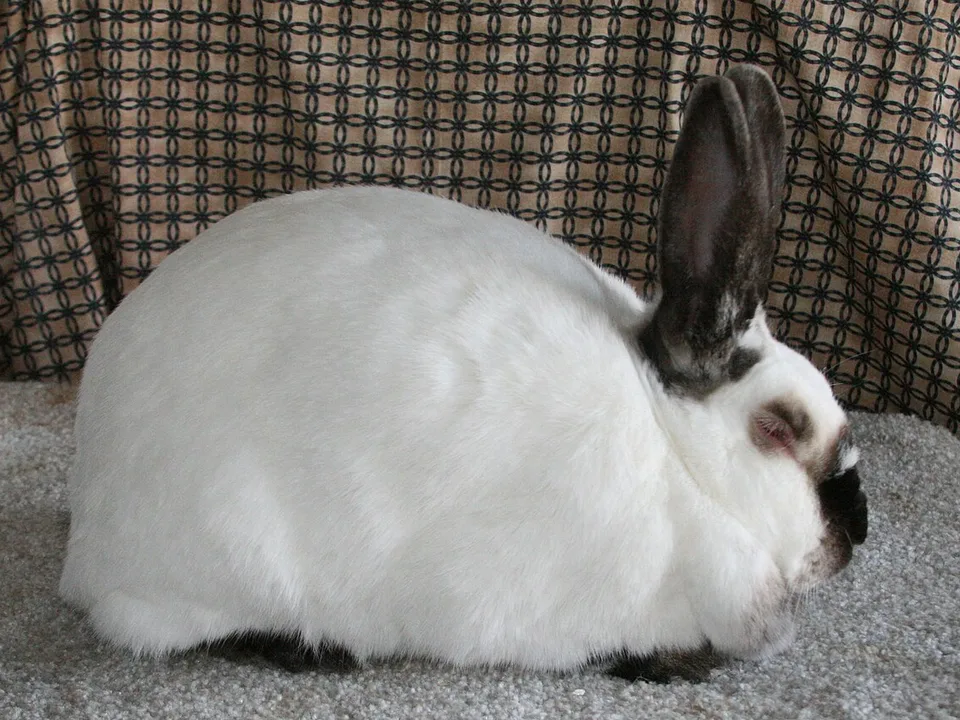
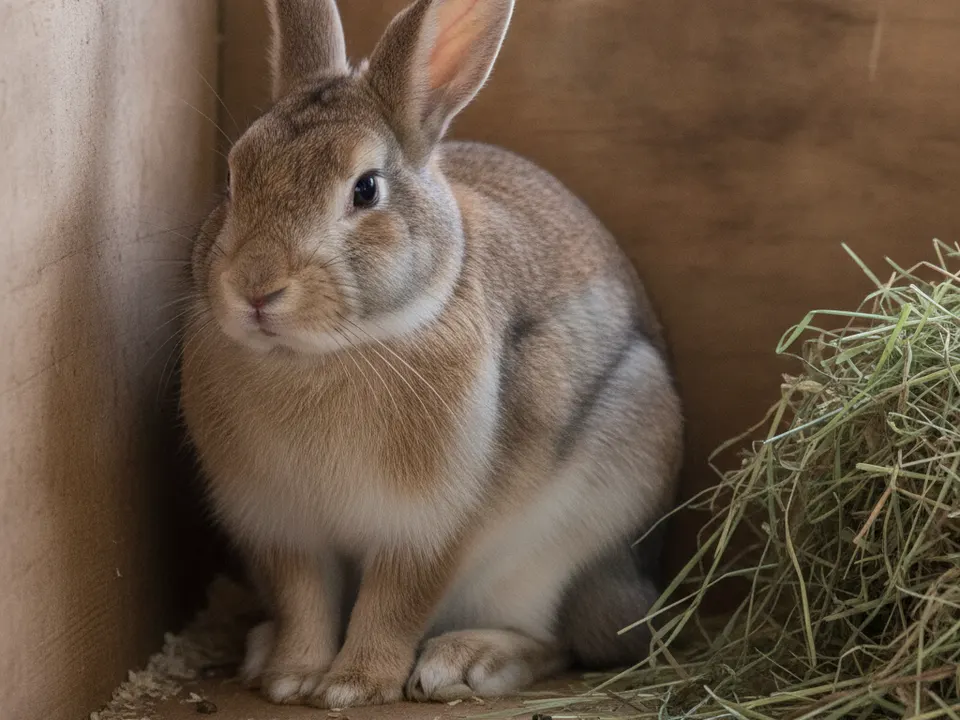
Gut stasis and bloat (enteropathy)
No droppings, hunched rabbit, swollen belly
Read the full guide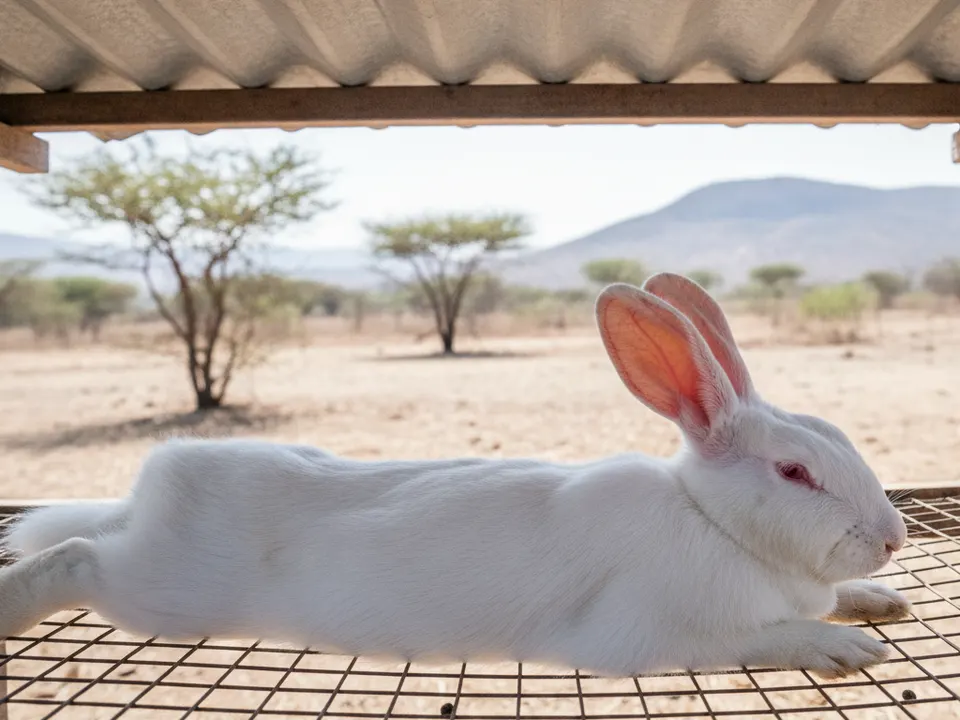
Heat stress
Rabbit lying stretched out, panting fast
Read the full guide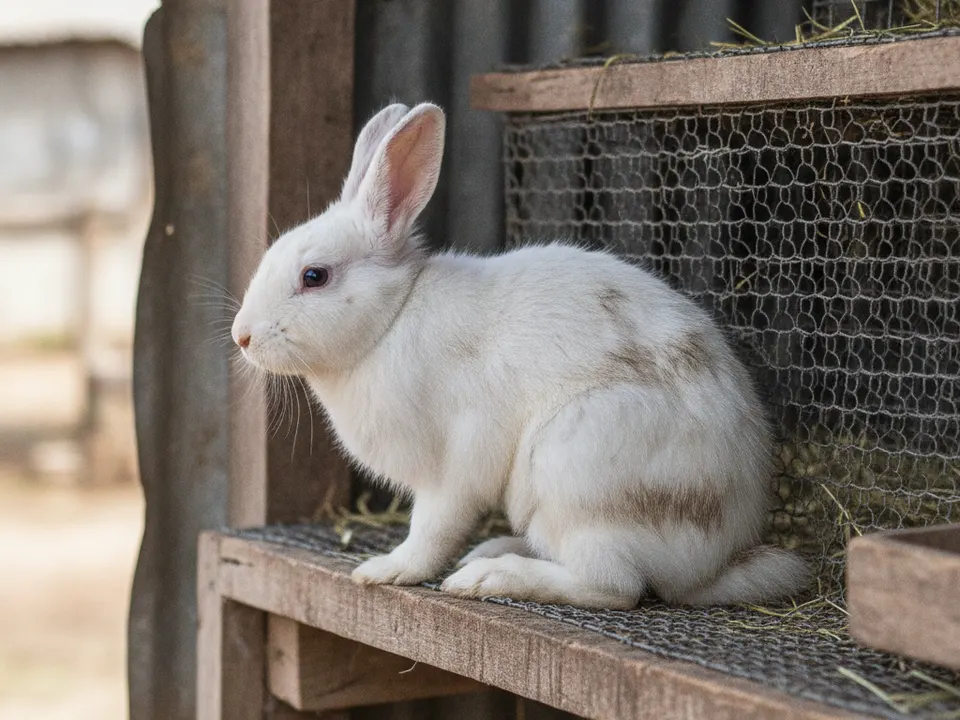
Coccidiosis
Pot-bellied, thin young rabbits with diarrhoea
Read the full guide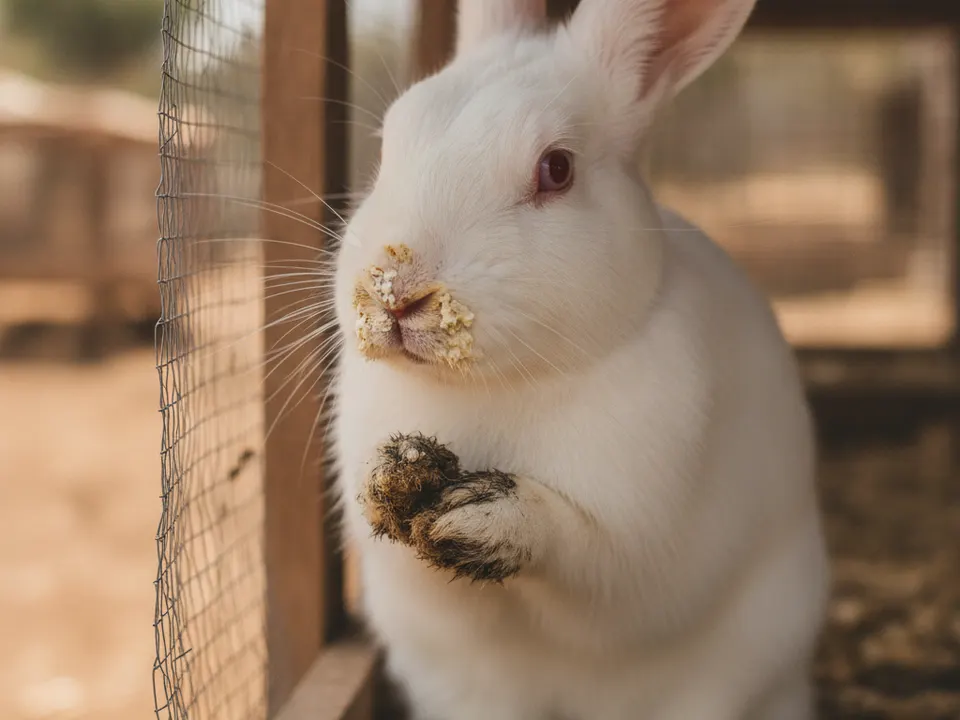
Snuffles (pasteurellosis)
Thick white discharge and crusty front paws
Read the full guide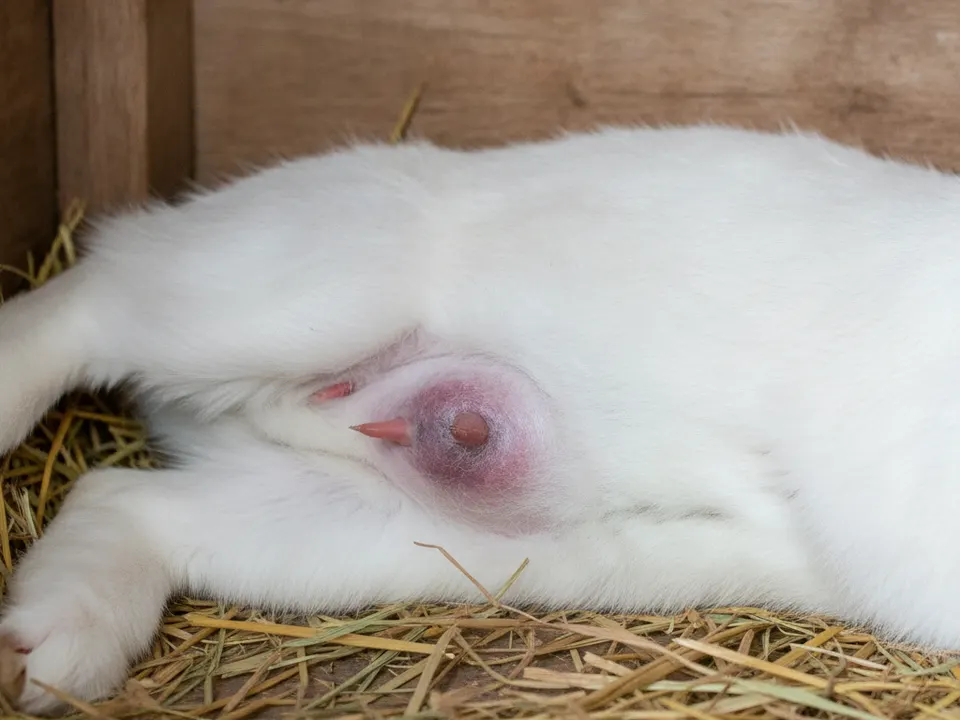
Mastitis in does
Hot, swollen red or blue teats
Read the full guide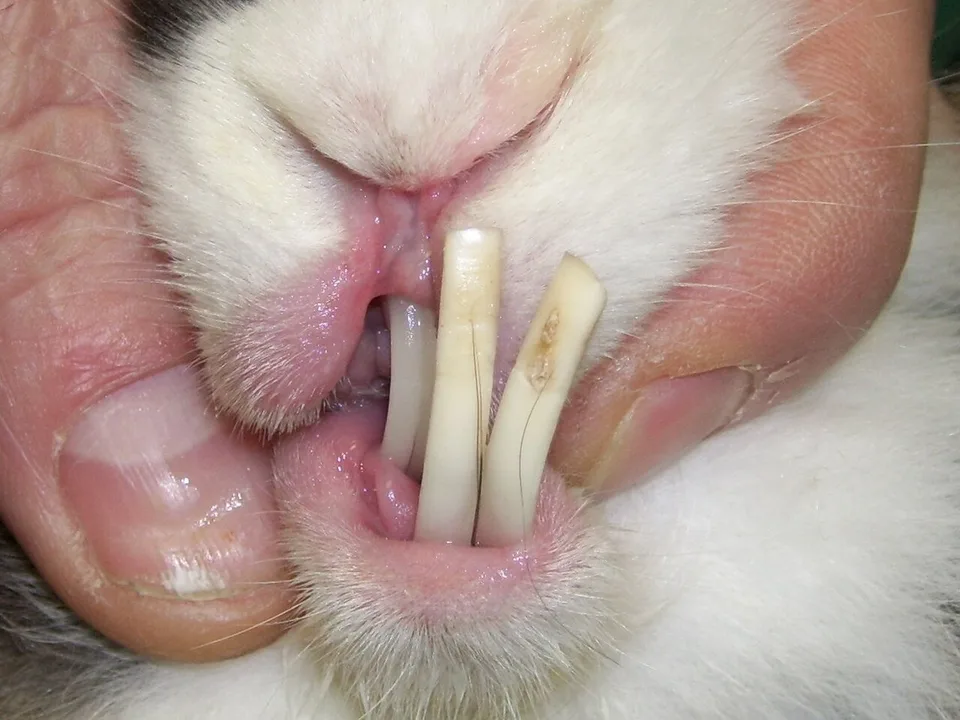
Overgrown teeth (malocclusion)
Long front teeth and wet chin
Read the full guide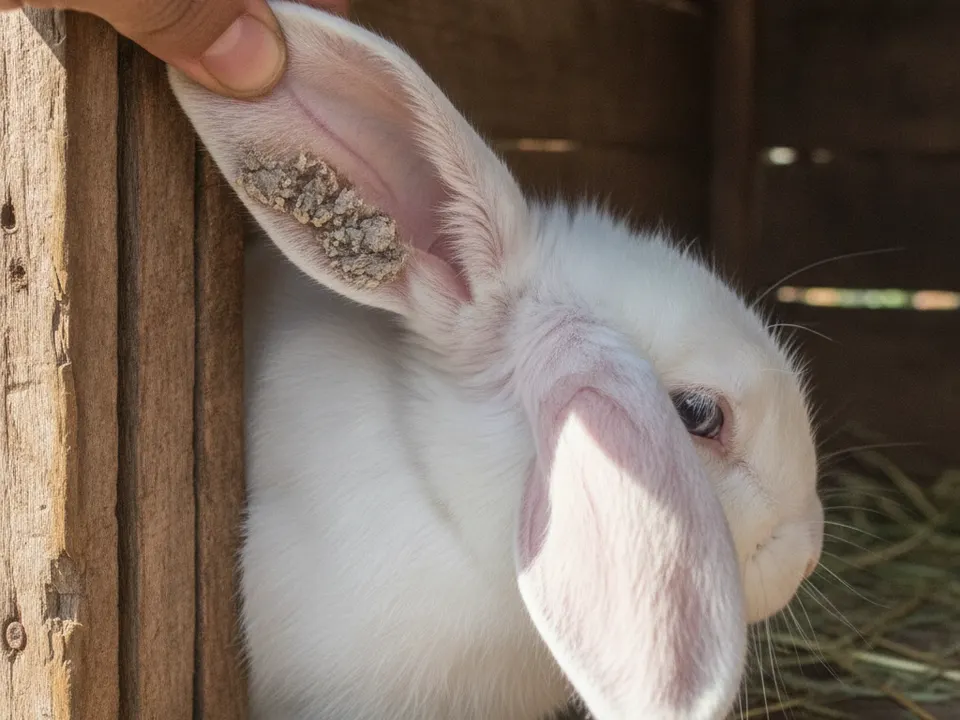
Ear mites (ear canker)
Thick brown crusts inside the ear
Read the full guide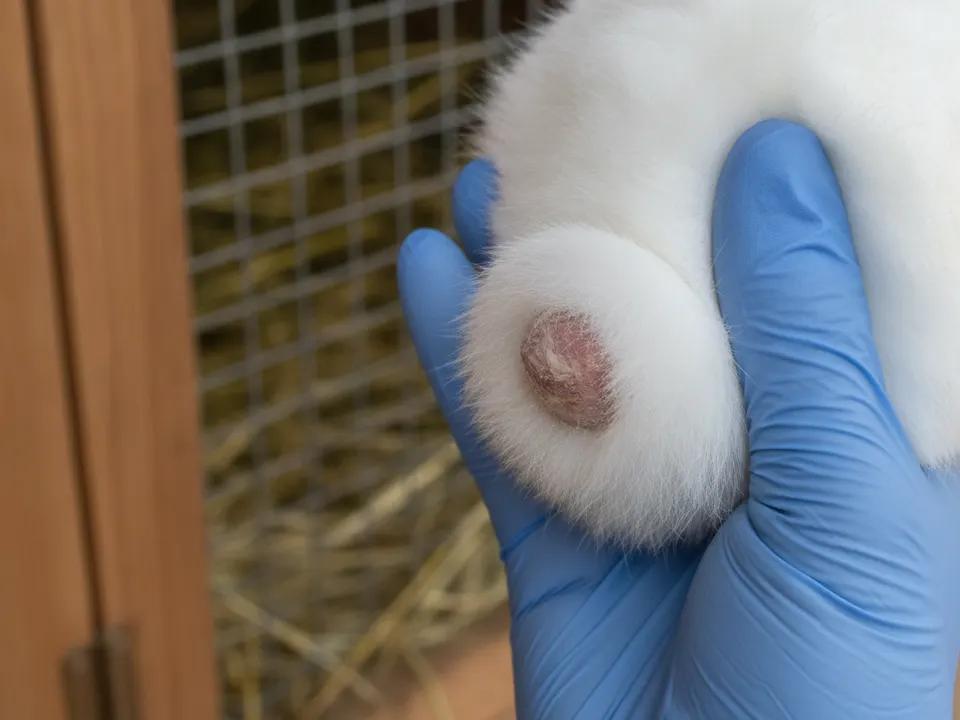
Sore hocks
Bald, red or open sores on heels
Read the full guide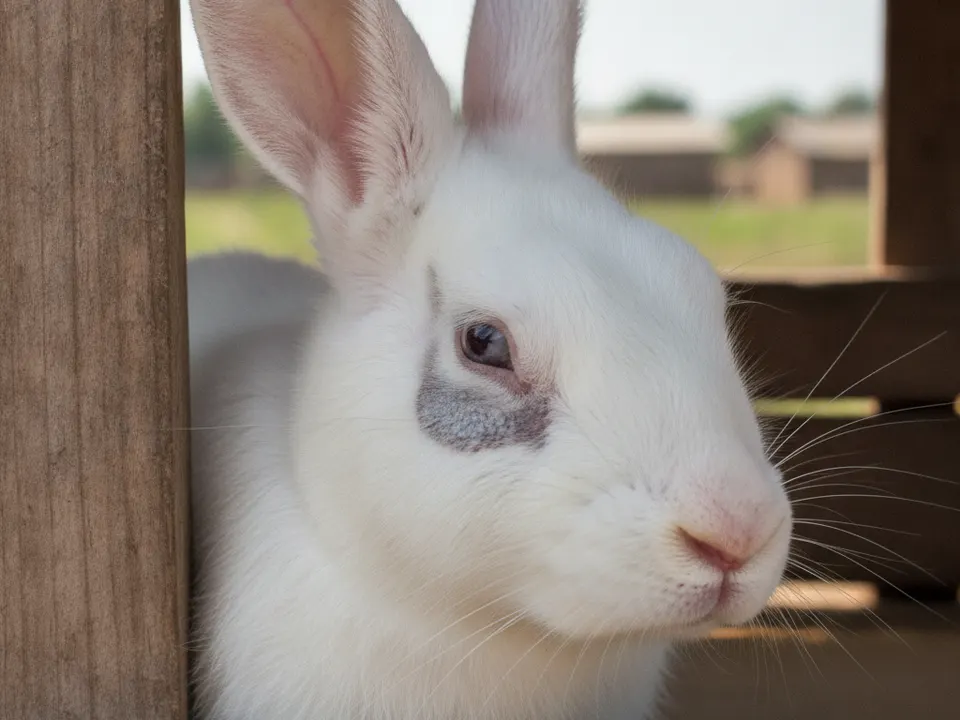
Ringworm
Round crusty bald patches on face
Read the full guide