
Sheep health: spot the signs.
Wool and meat sheep — worms, liver fluke, foot rot, pox, bluetongue and lambing problems.
12 conditions. Start with what healthy looks like, then the signs that need action — sorted from emergencies to problems you can watch. Tap any card for the full guide.
What a healthy sheep looks like
Also called: Normal sheep, Healthy flock baseline, Kondoo mwenye afya
This page describes what a normal, healthy sheep looks, sounds and behaves like. Most illnesses in sheep first show as small changes from normal: a sheep standing alone, eating less, or passing soft droppings. Sheep are prey animals and naturally hide pain and weakness, so they often look fine until they are quite sick. If you know what normal looks like for your own flock, you will spot problems early, when treatment is cheaper and more likely to work.
Read the full health-check guide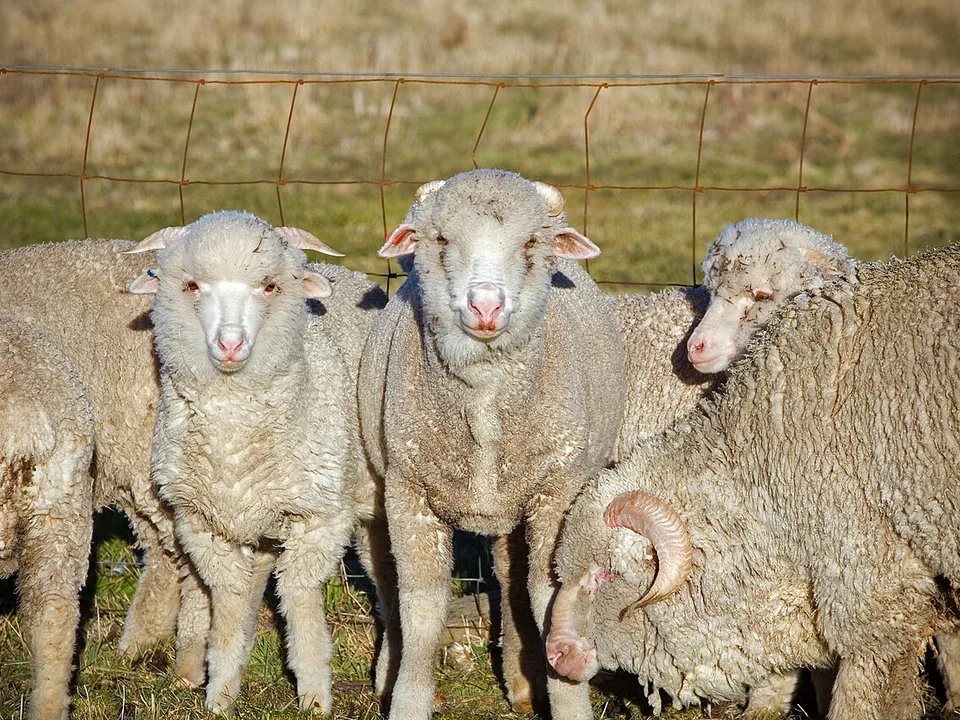
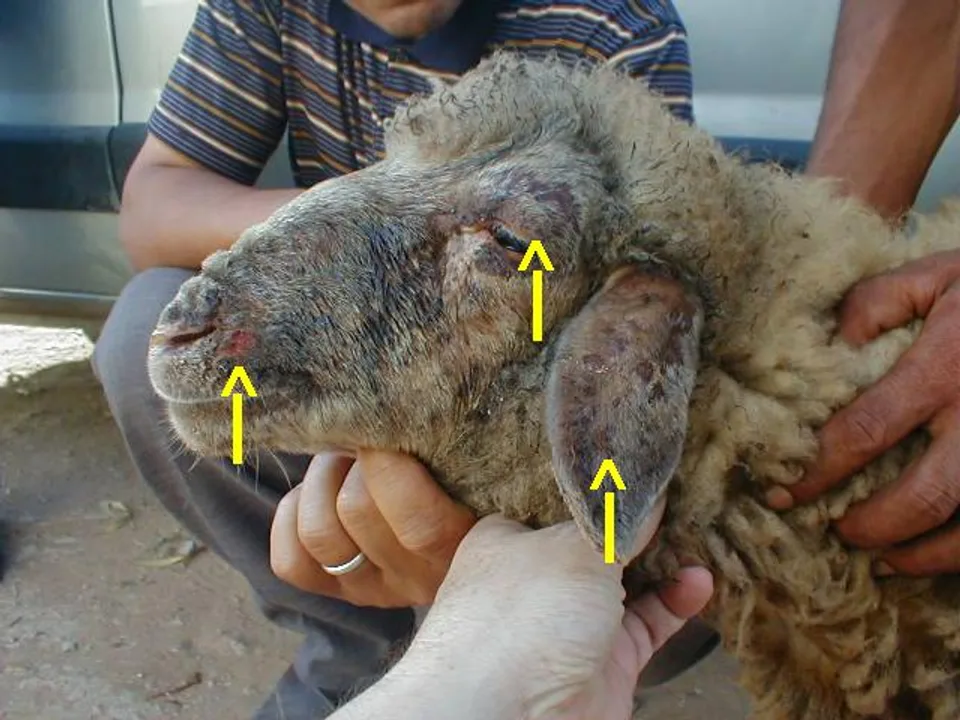
Sheep pox
Raised lumps and scabs on woolless skin
Read the full guide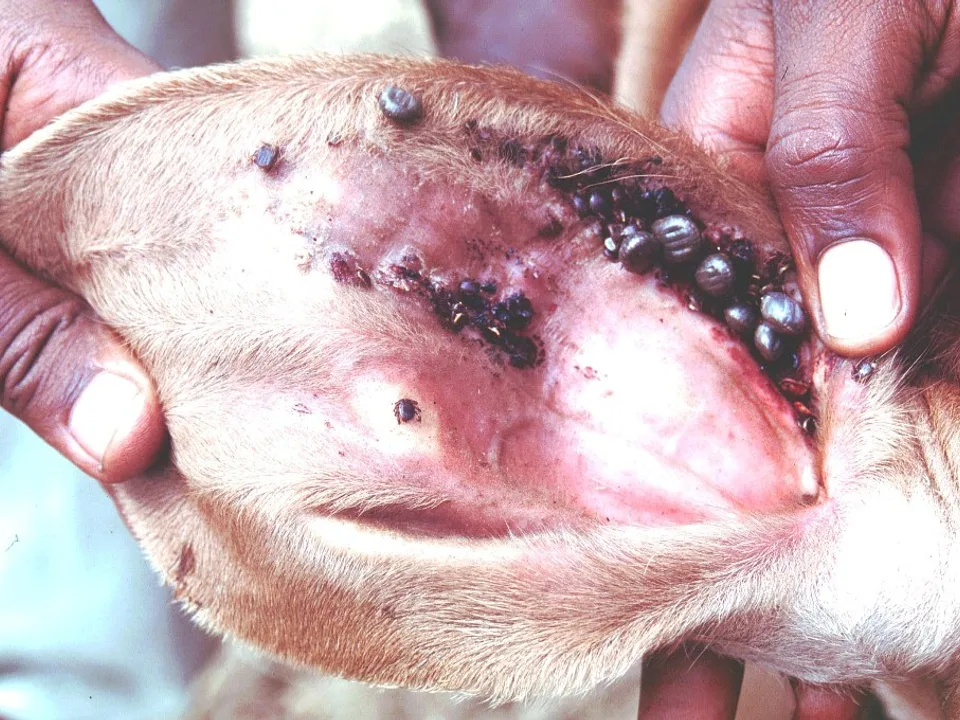
Nairobi sheep disease
High fever with foul, bloody diarrhoea
Read the full guide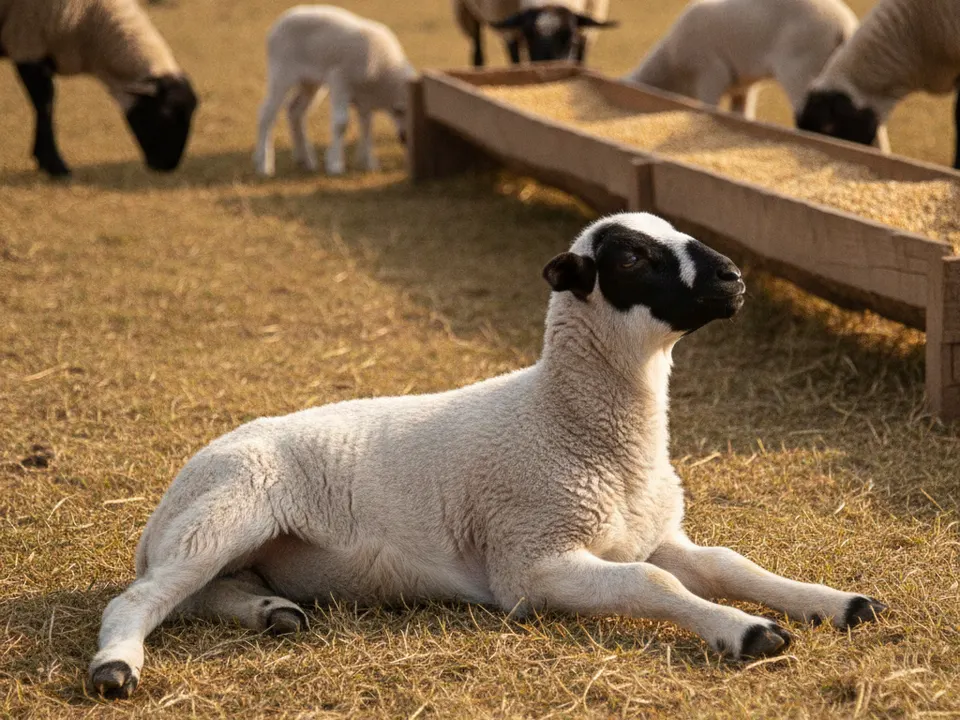
Enterotoxaemia (pulpy kidney)
Best, fastest-growing lamb found suddenly dead
Read the full guide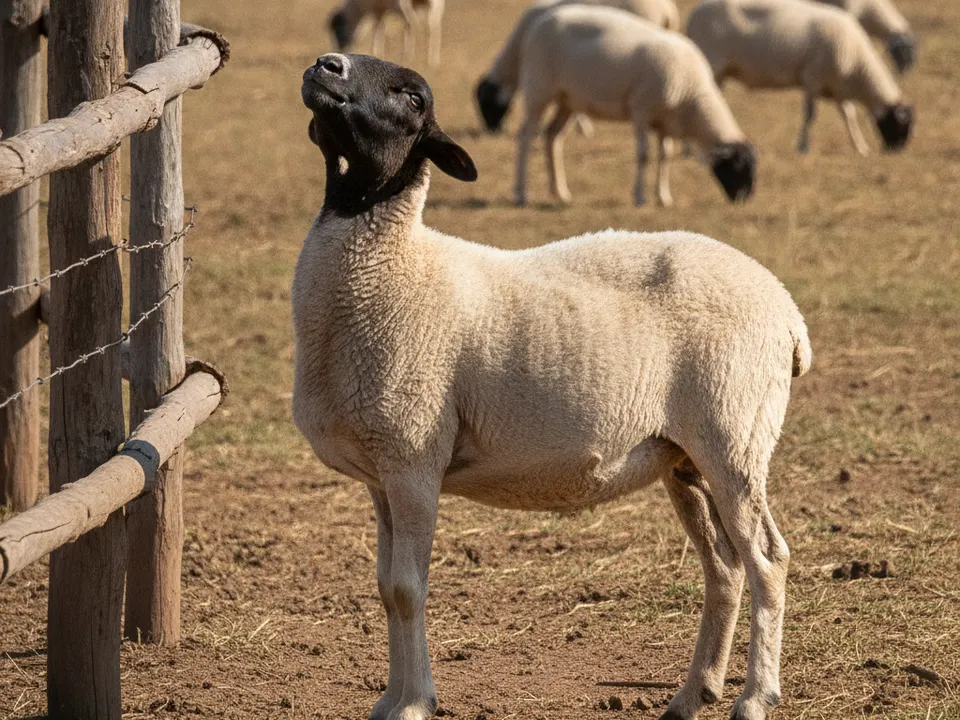
Pregnancy toxaemia (twin lamb disease)
Pregnant ewe standing alone, dull and blind
Read the full guide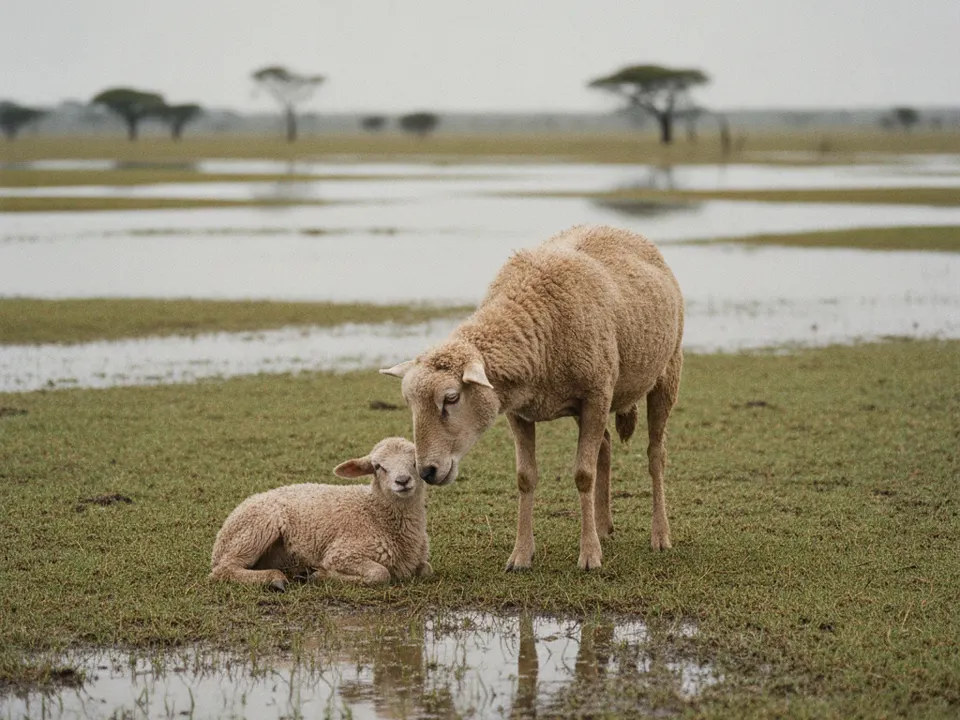
Rift Valley fever
Mass abortions and lamb deaths after floods
Read the full guide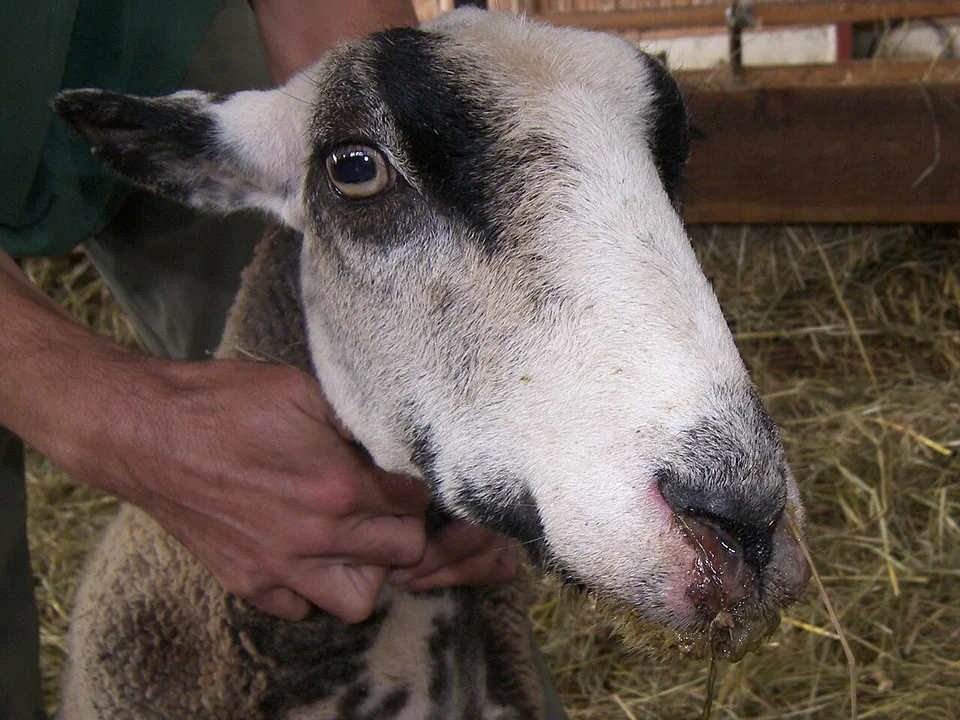
Bluetongue
Swollen face, lips and drooling mouth
Read the full guide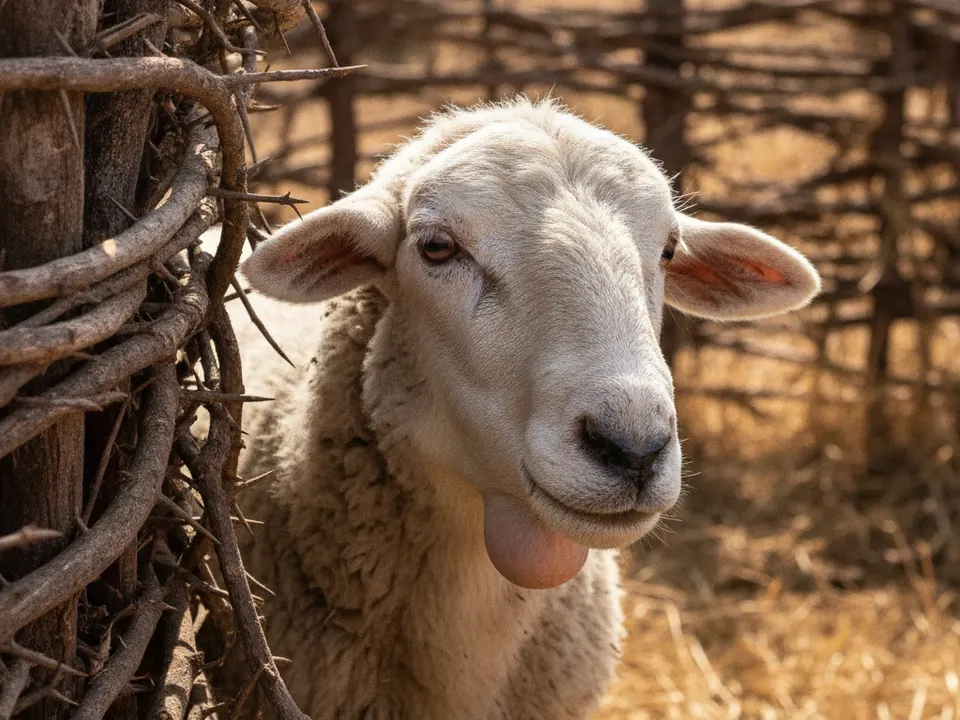
Barber's pole worm (haemonchosis)
Pale eyelids and swollen bottle jaw
Read the full guide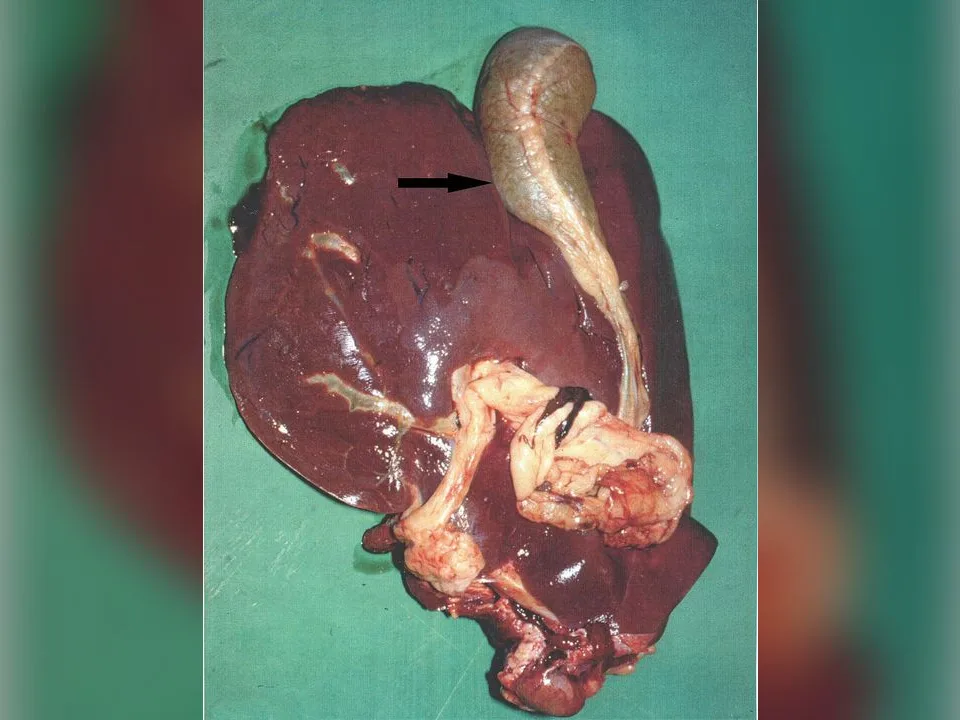
Liver fluke
Soft swelling under the jaw (bottle jaw)
Read the full guide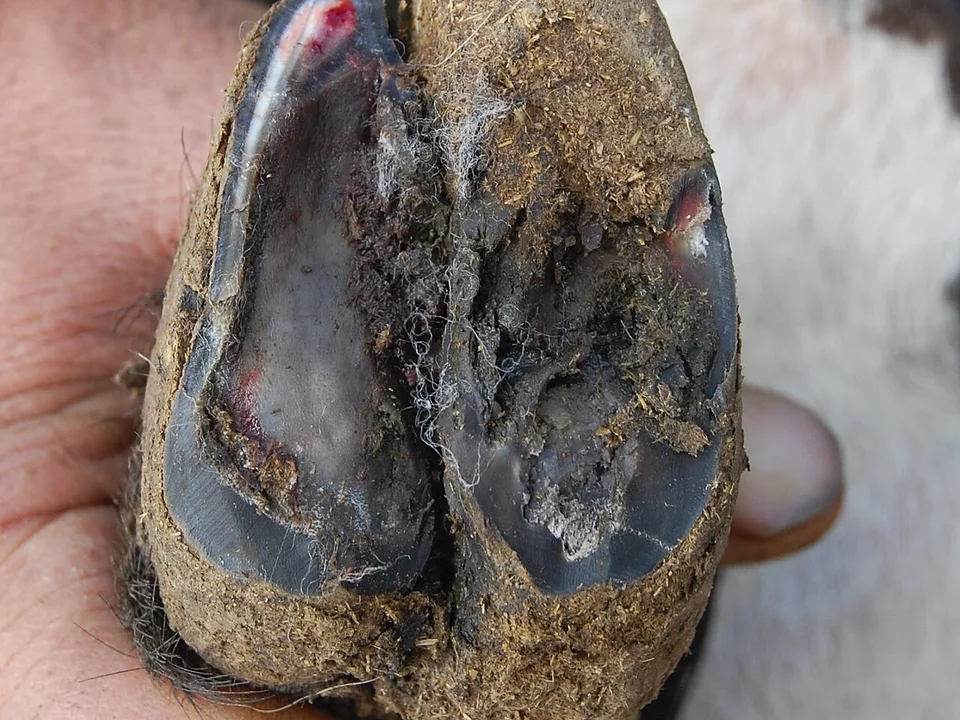
Foot rot
Limping sheep grazing on their knees
Read the full guide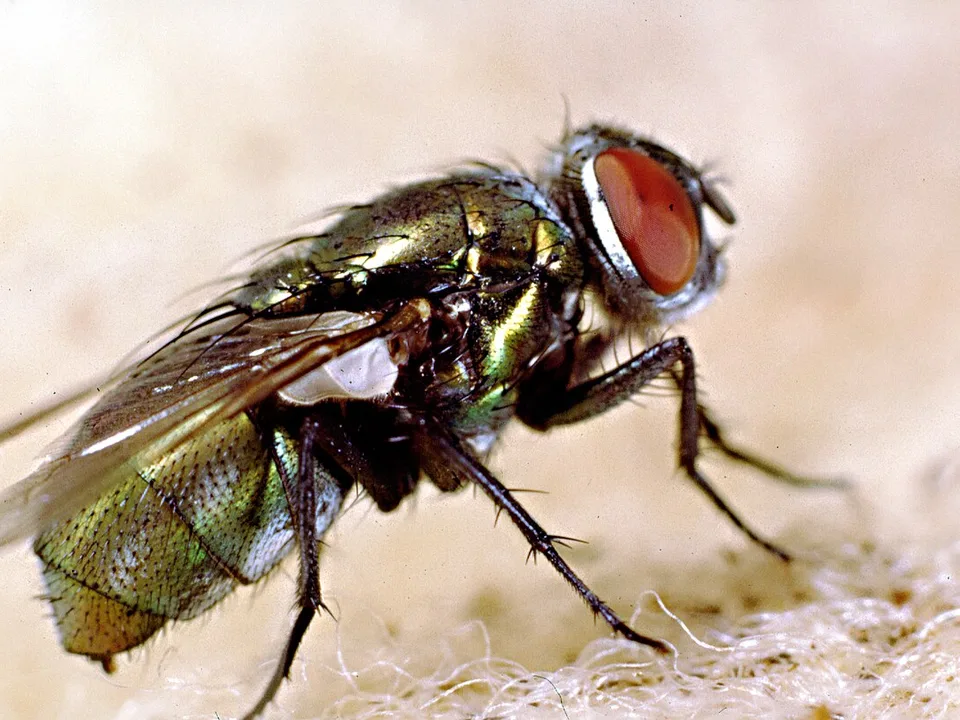
Fly strike (myiasis)
Damp, smelly wool with crawling maggots
Read the full guide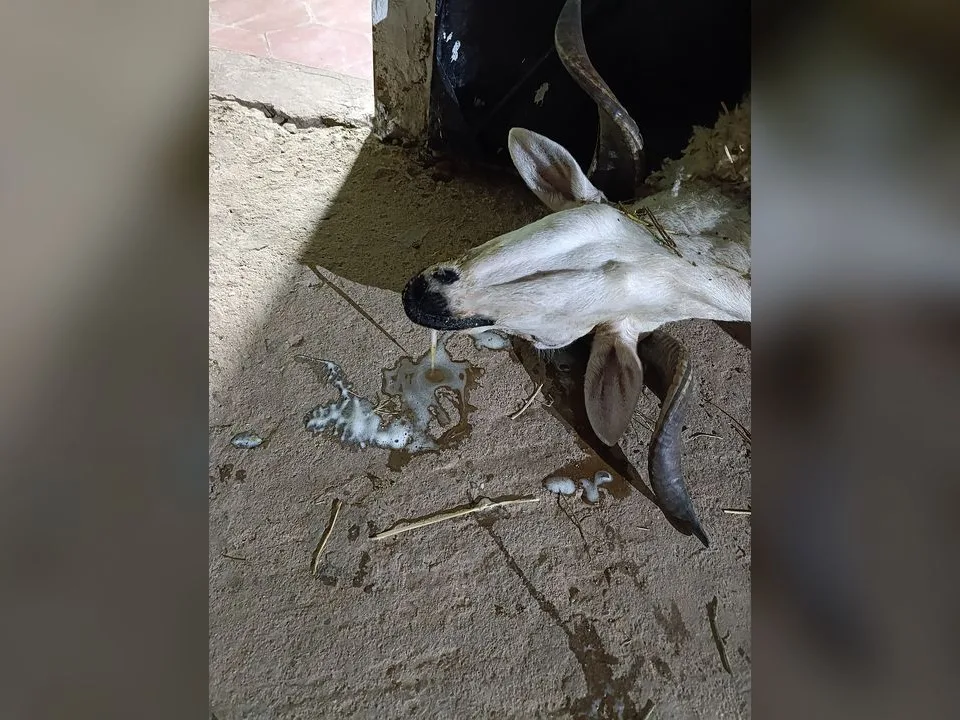
Pneumonia
Coughing sheep with snotty nose
Read the full guide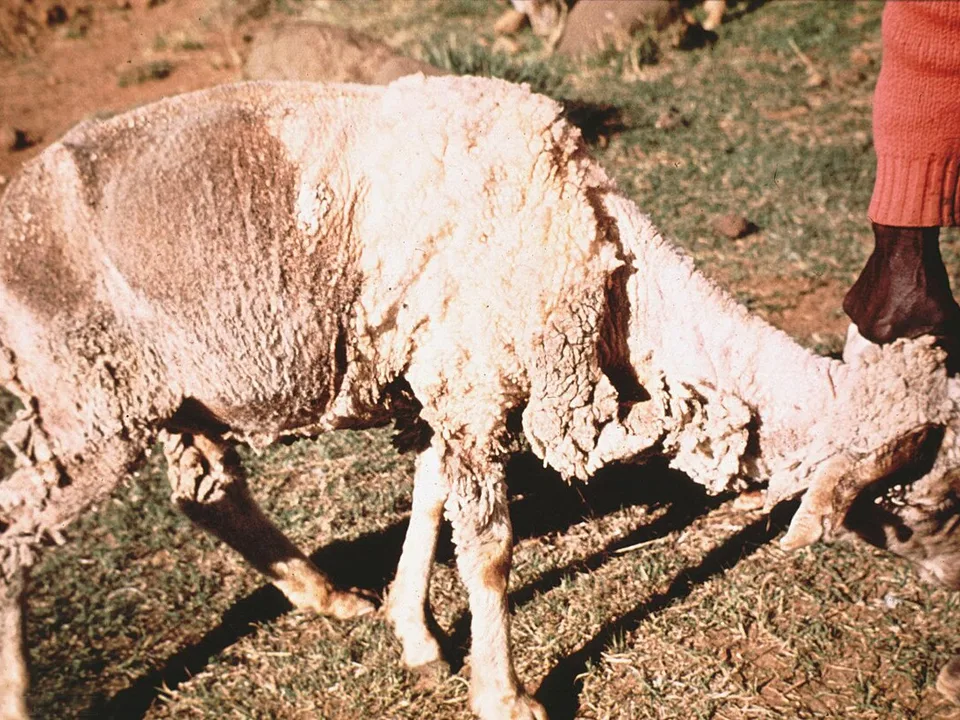
Sheep scab and lice
Rubbing, biting and ragged wool loss
Read the full guide