
Donkeys health: spot the signs.
Working donkeys — colic, hoof care, harness wounds, worms, tetanus and breathing infections.
7 conditions. Start with what healthy looks like, then the signs that need action — sorted from emergencies to problems you can watch. Tap any card for the full guide.
What a healthy donkey looks like
Also called: Punda (Swahili), Healthy donkey baseline, Normal donkey health check
This page describes what a normal, healthy donkey looks, sounds and behaves like, so you can spot trouble early. Donkeys are stoic, meaning they hide pain and illness far better than horses or cattle. By the time a donkey looks obviously sick, the problem is often serious. Knowing your own donkey's normal habits is the most useful tool you have.
Read the full health-check guide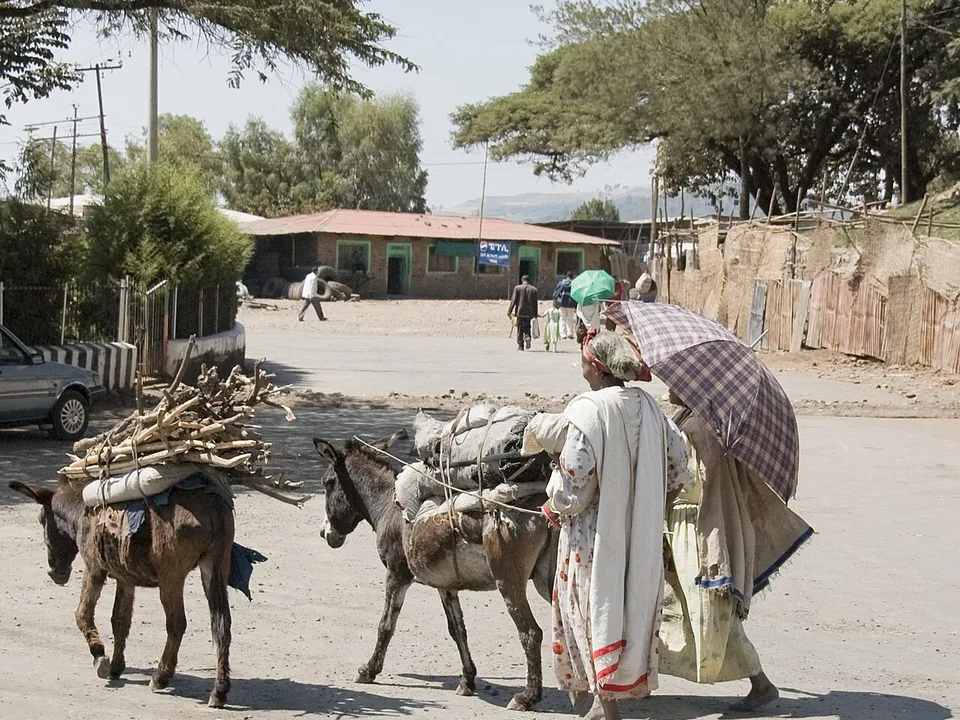
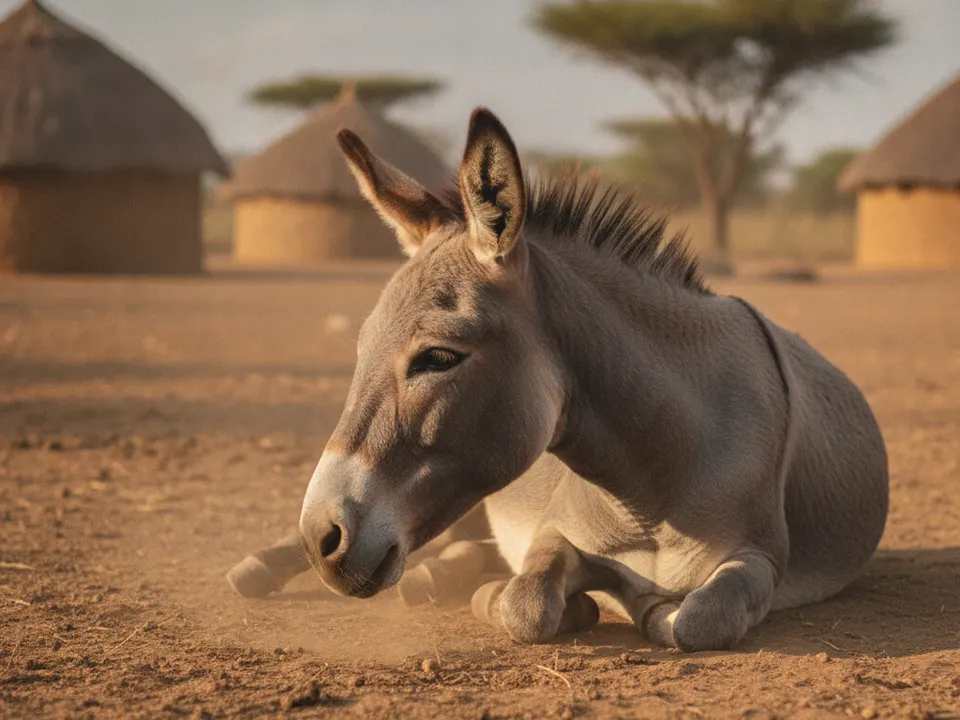
Colic
Dull donkey, not eating, no droppings
Read the full guide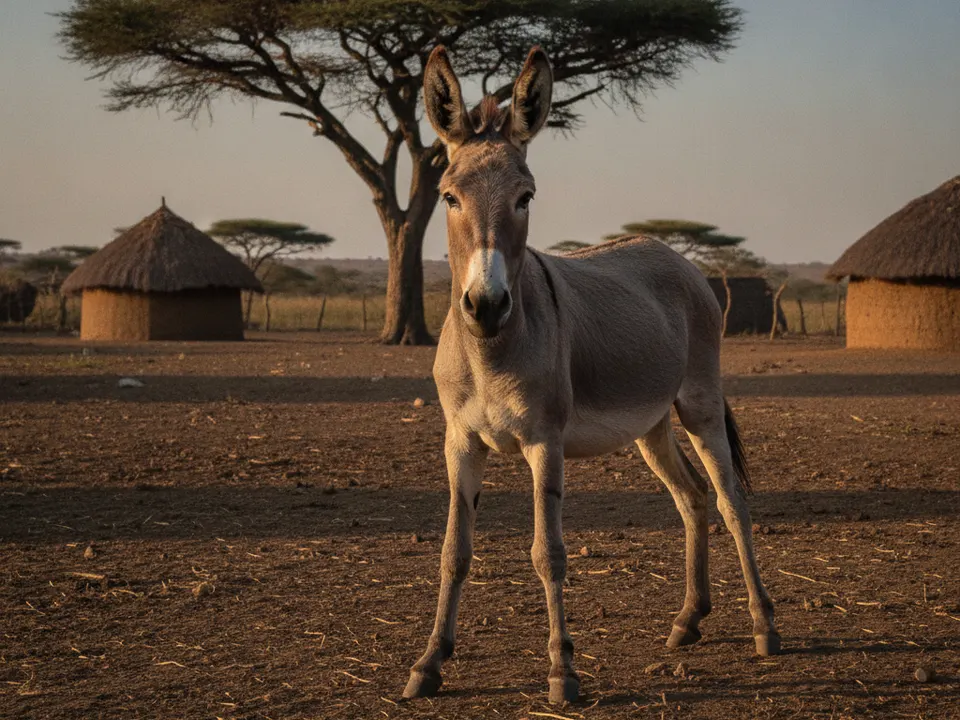
Tetanus
Stiff legs, raised tail, sawhorse stance
Read the full guide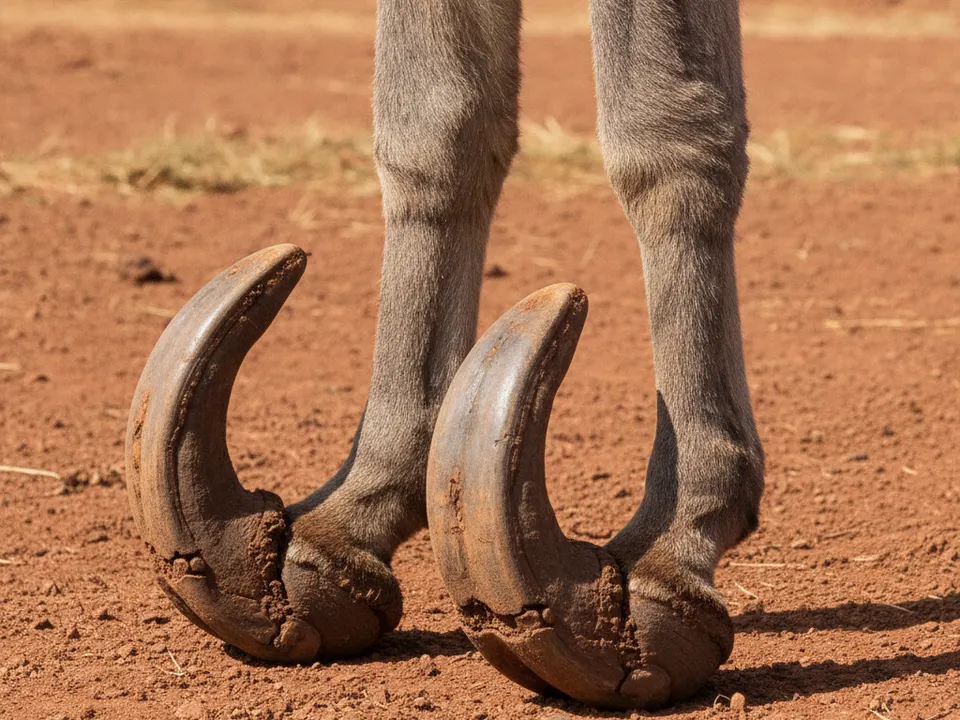
Overgrown hooves and laminitis
Long, curled 'slipper' hooves and lameness
Read the full guide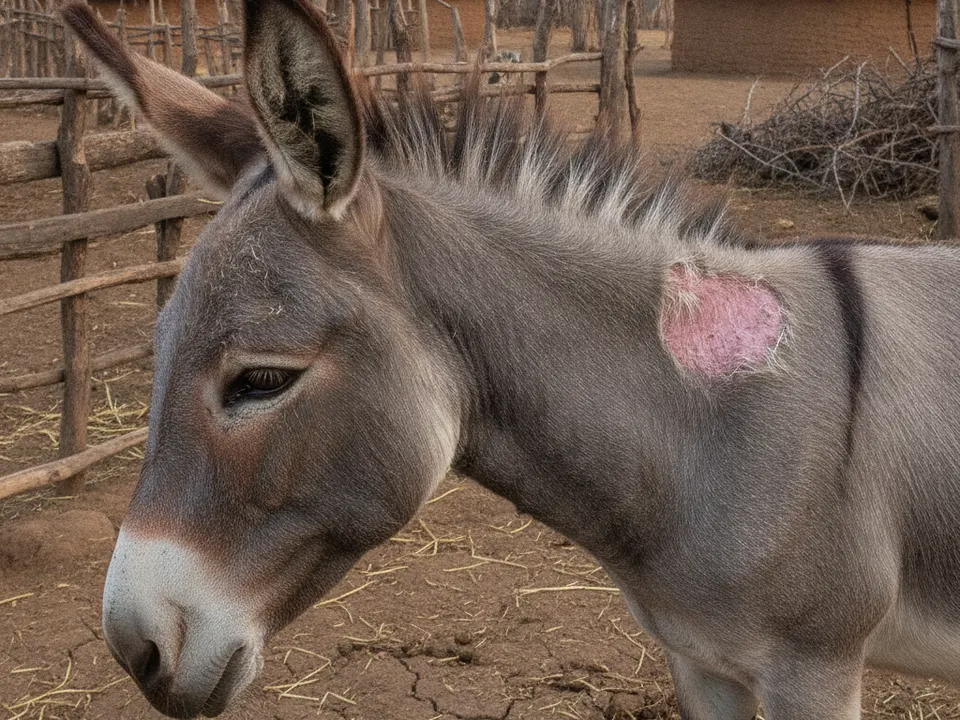
Harness and saddle wounds
Raw sores where the harness rubs
Read the full guide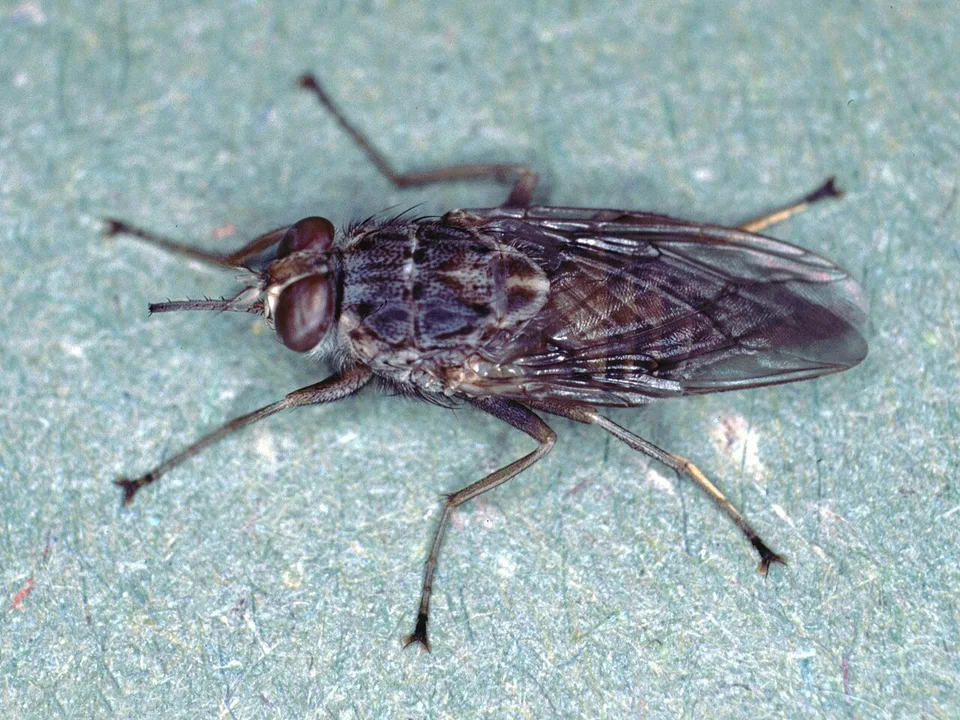
Trypanosomiasis
Thin, weak donkey with swollen legs
Read the full guide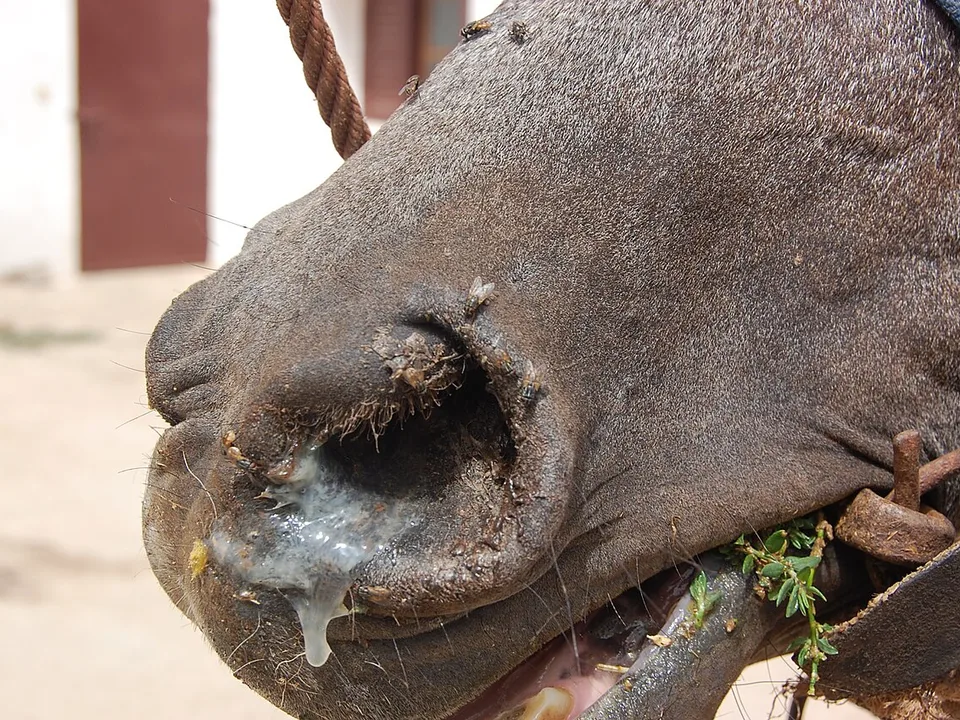
Strangles and respiratory infections
Swollen lumps under the jaw
Read the full guide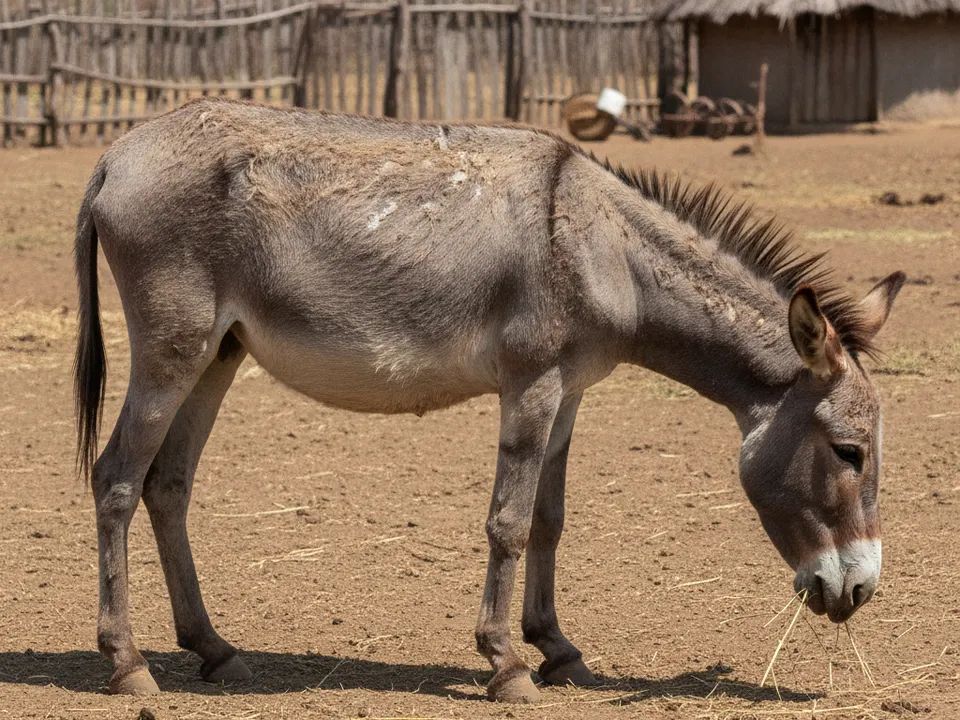
Internal worms
Pot belly, rough coat, ribs showing
Read the full guide