What it is
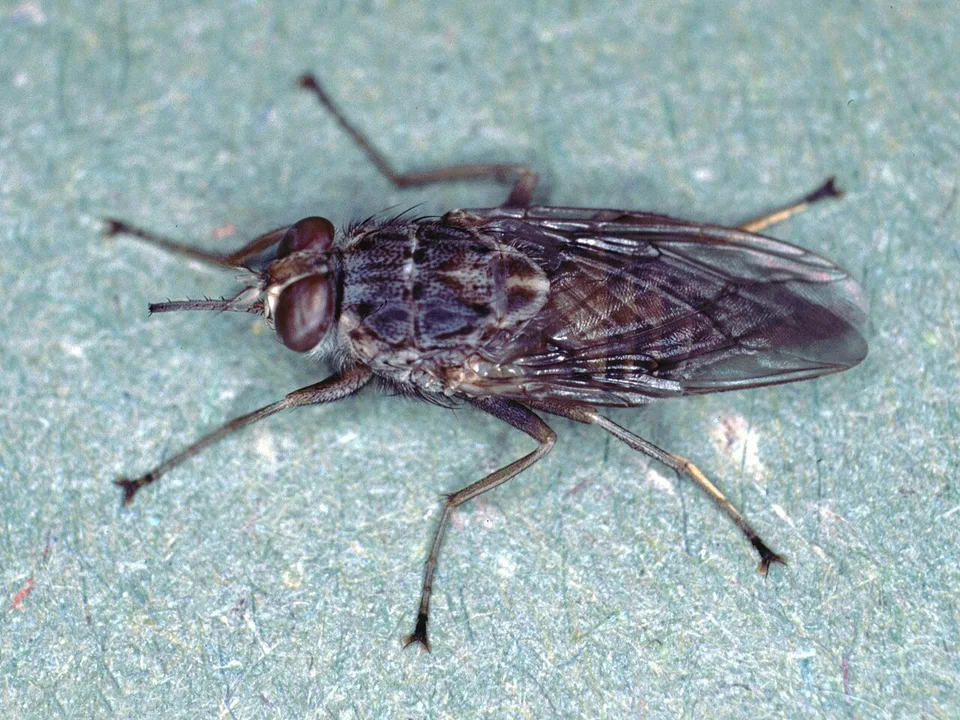
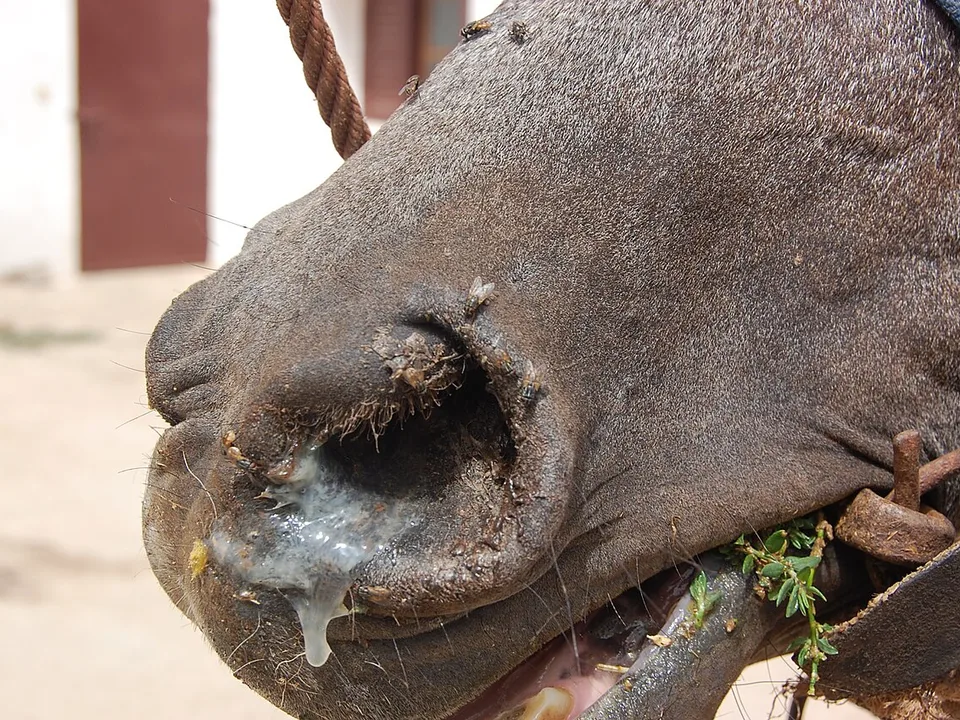
Several kinds of parasites are involved. The most important are strongyles, often called red worms. Small strongyles are the most common. Their young stages (larvae) burrow into the wall of the large intestine and can stay hidden there, or 'encysted', for months. When many come out at once, often in late winter-like cool spells or after deworming, they can cause sudden diarrhoea and fast weight loss. Large strongyles are fewer today but their larvae travel through the blood vessels of the gut, damaging them and causing colic (belly pain). Lungworm (Dictyocaulus arnfieldi) lives in the airways. Donkeys are its natural host and often carry it with few signs, but it can cause a long-lasting cough, and it can pass to horses, which suffer more. Bots are not true worms but the larvae (maggots) of the bot fly. The fly lays small yellow eggs on the hair of the legs, chest and shoulders. The donkey licks them, the larvae hatch in the mouth and then attach to the stomach lining for many months. Other parasites include roundworms (Parascaris) in young foals, which can block the gut, tapeworms linked to some types of colic, pinworms that cause tail rubbing, and liver fluke in wet, swampy grazing. Together these parasites steal nutrients, damage the gut lining, cause blood and protein loss, and reduce how well the donkey uses its feed.
Which animals are most at risk
Young donkeys from foals to about two years old carry the heaviest burdens because they have not yet built up resistance. Very old donkeys, pregnant and nursing jennies, and working donkeys that are overworked and underfed also suffer more. Donkeys on communal grazing, roadside verges and small, overused paddocks are at higher risk than those on rotated or rested land. Worm pressure is usually highest during and after the long and short rains, when grass is wet and larvae survive well. Fluke is a problem in wetter highland and lakeside areas. In hot, dry pastoral and ASAL areas fewer larvae survive on pasture, but donkeys there are often already thin from poor feed, so even a moderate worm burden hurts them. Donkeys that have not been dewormed for a long time, or that are dewormed with the wrong product or too little drug, are also at risk.
Signs to look for
Early signs
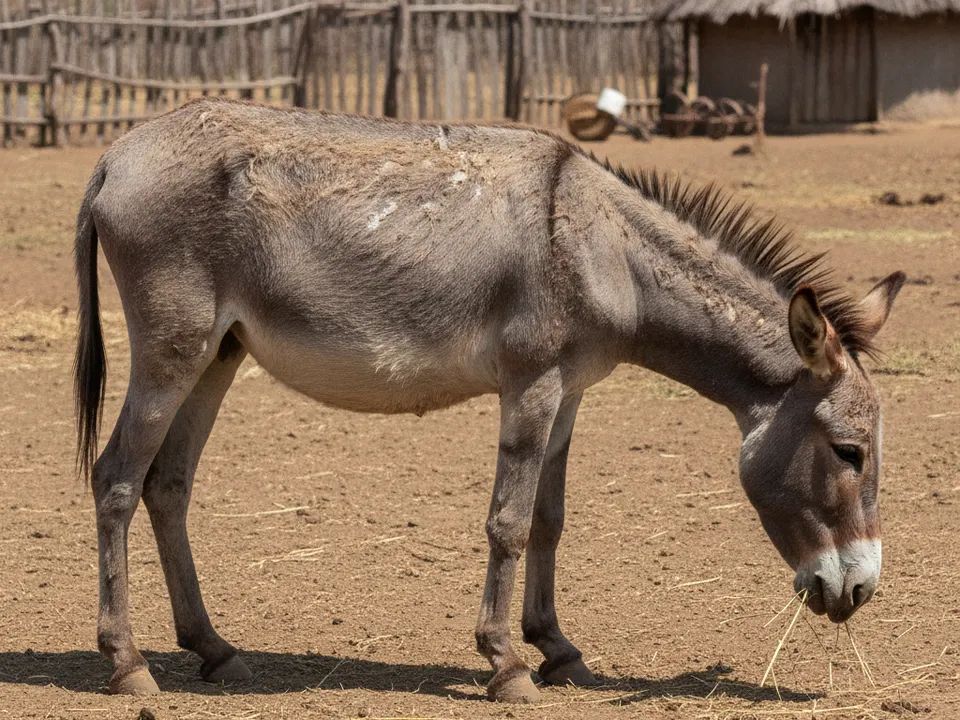
- Slow, steady weight loss, with the spine, hip bones and ribs becoming easier to see and feel.
- A dull, rough, dry coat that does not shed properly, even when the donkey is eating.
- Less energy for work; the donkey tires quickly when pulling a cart or carrying water.
- Small yellow bot eggs stuck to the hair of the front legs, chest, shoulders or mane.
- Rubbing the tail against walls or posts, leaving a broken, bare-looking tail head (often pinworms).
- An occasional dry cough, especially when moving or working.
As it gets worse
- A pot belly that hangs down while the back and hindquarters are thin.
- Pale gums and inner eyelids, showing anaemia (thin blood from blood loss).
- Soft dung or diarrhoea, sometimes sudden and severe, with rapid weight loss.
- Swelling under the belly, chest or lower legs from protein loss.
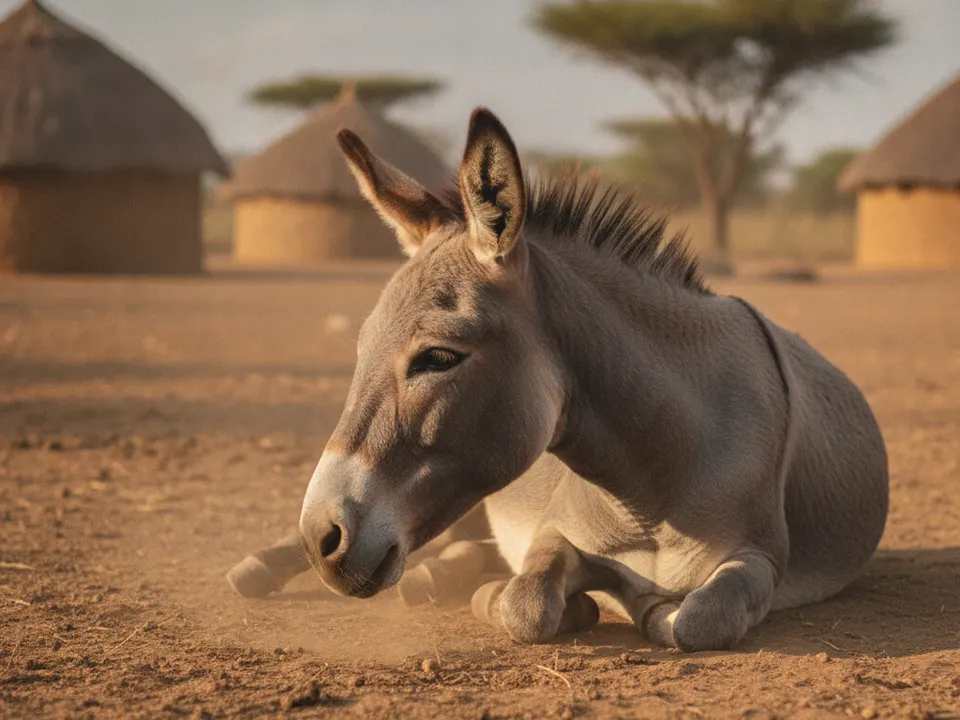
- Colic signs: dullness, not eating, lying down more than usual, rolling, looking at or kicking at the belly; in donkeys these signs are often quiet and easy to miss.
- A persistent cough, faster breathing or poor recovery after work.
- In young foals, poor growth, a big belly and sometimes sudden colic from a blockage of roundworms.
What to do right now
- Check the donkey's condition by feeling its ribs, spine and hips, and look at its gums for paleness; write down what you find.
- Collect a fresh dung sample in a clean sealed bag, keep it cool, and take it to your vet or ask the County Veterinary Officer where it can be tested.
- Reduce the donkey's workload and let it rest until it has been checked, because a weak, wormy donkey can collapse under heavy loads.
- Give clean water at all times and good quality hay or grass, and offer feed in small, regular amounts rather than large meals.
- If you see colic signs, such as rolling, lying down a lot, not eating or not passing dung, call the vet urgently, because colic can kill donkeys quickly.
- Scrape or pick off yellow bot eggs from the legs and shoulders using a bot knife or blunt blade, and burn or bury them.
- Pick up dung from the paddock or boma regularly so fewer eggs reach the grass.
- Do not give any dewormer until the vet has advised which product suits the worms present and the donkey's weight, age and condition.
How it spreads
- Worm eggs pass out in the dung of infected donkeys, horses and mules and hatch into larvae on the grass.
- In warm, wet weather, especially during the long and short rains, larvae survive well and climb up wet grass where donkeys eat them.
- Communal grazing, shared watering points and overstocked paddocks keep re-infecting donkeys because dung builds up on the ground.
- Bot flies lay sticky yellow eggs on the donkey's hair in the warm months, and the donkey swallows the larvae when it licks or scratches itself.
- Lungworm larvae are swallowed from contaminated pasture, then travel to the lungs; donkeys grazing with horses can pass lungworm on to them.
- Tapeworms are picked up when donkeys eat tiny pasture mites carrying the tapeworm's young stage.
- Liver fluke spreads through water snails, so donkeys grazing near swamps, dams and irrigation channels are more exposed.
Could it be something else?
Dental problems
A donkey with bad teeth also loses weight, but it drops chewed feed balls from its mouth (quidding), chews slowly or on one side, has a bad smell from the mouth, or has whole grain or long fibre in its dung. A vet can check the teeth; many thin donkeys have both teeth and worm problems.
Poor feeding and overwork
Underfed or overworked donkeys are thin and weak, but they usually improve quickly with more feed and rest. If the donkey stays thin on good feed, has a pot belly, pale gums or a high worm egg count, worms are more likely.
Trypanosomiasis (tsetse disease, nagana)
In tsetse areas, trypanosomiasis causes weight loss and anaemia like worms, but it often comes with fever, swollen glands, watery eyes and swelling under the belly or legs, and may affect several animals after grazing near bush. A blood test by the vet tells them apart.
Respiratory infections such as strangles or dust cough
Strangles brings fever, thick yellow discharge from the nose and swollen glands under the jaw. Dust-related cough improves when the donkey is moved to cleaner bedding or feed. Lungworm cough is usually long-lasting, without fever or heavy nasal discharge, and the donkey may otherwise look well.
How it is diagnosed
The vet will look at the donkey's body condition, gums, coat, belly shape, breathing and teeth, and ask about deworming history and grazing. The main test is a faecal egg count, where a fresh dung sample is checked under a microscope to count worm eggs and see which types are present. A special test (Baermann test) looks for lungworm larvae in the dung. Egg counts do not show encysted small strongyle larvae or bots, so the vet also uses the signs and history. A blood test may be done to check for anaemia and low protein, or to rule out trypanosomiasis. If a donkey dies, a post-mortem can show the worms, bots and gut damage directly. Before the vet comes, collect a few balls of fresh dung straight after the donkey passes it, put it in a clean, sealed plastic bag with the air pressed out, label it with the donkey's name and date, and keep it cool and out of the sun. Write down when the donkey was last dewormed, which product was used, and how much it weighs by donkey weigh tape if you have one.
Treatment
Treatment uses dewormers (anthelmintics) chosen by the vet for the worms found. Common groups include macrocyclic lactones such as ivermectin and moxidectin, which act on strongyles, lungworm and bots; benzimidazoles such as fenbendazole, sometimes given as a longer course for encysted small strongyle larvae; pyrantel; and praziquantel for tapeworms. Not every product is safe for every donkey; some are not suitable for very young foals or very thin animals, and the vet will choose accordingly. The most common mistake is underdosing. Donkeys are usually heavier than they look and many farmers guess, so the vet will estimate weight with a donkey weigh tape or chart, not a cattle or horse tape. Underdosing fails to kill worms and helps them become resistant. Resistance to dewormers, especially in small strongyles, is a growing problem worldwide, so the vet may suggest a follow-up egg count about two weeks after treatment to check the drug worked. In a very heavily infected donkey, killing many worms at once can sometimes trigger colic or diarrhoea, so the vet may treat in stages and ask you to watch closely for a few days. Severe cases with diarrhoea, swelling or colic may need fluids, pain relief and supportive care. If donkey milk or meat enters the food chain, the vet will tell you the withdrawal period for the product, the time you must wait after treatment before milk or meat can be used.
Medicines must be prescribed and dosed by a vet. Always respect milk and meat withdrawal periods, and finish the full course of any antibiotic.
How Agrikima products can help
These support the animal alongside — never instead of — your vet's treatment, vaccination and good management.
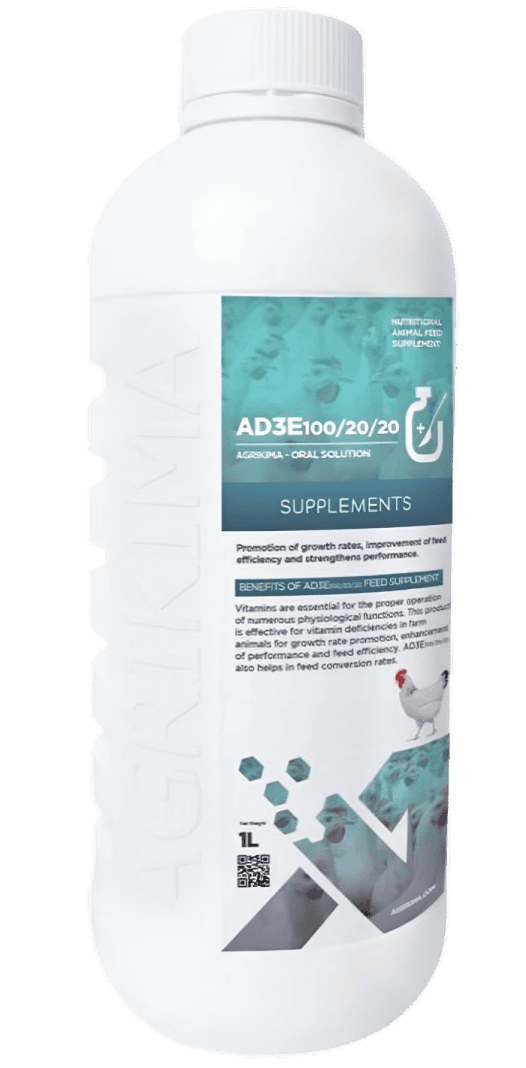
AD3E 100/20/20
Vitamin A, D3 and E support for thin, run-down donkeys recovering from a heavy worm burden, especially in the dry season when green feed is scarce, used alongside vet-prescribed deworming, better feeding and rest.
View product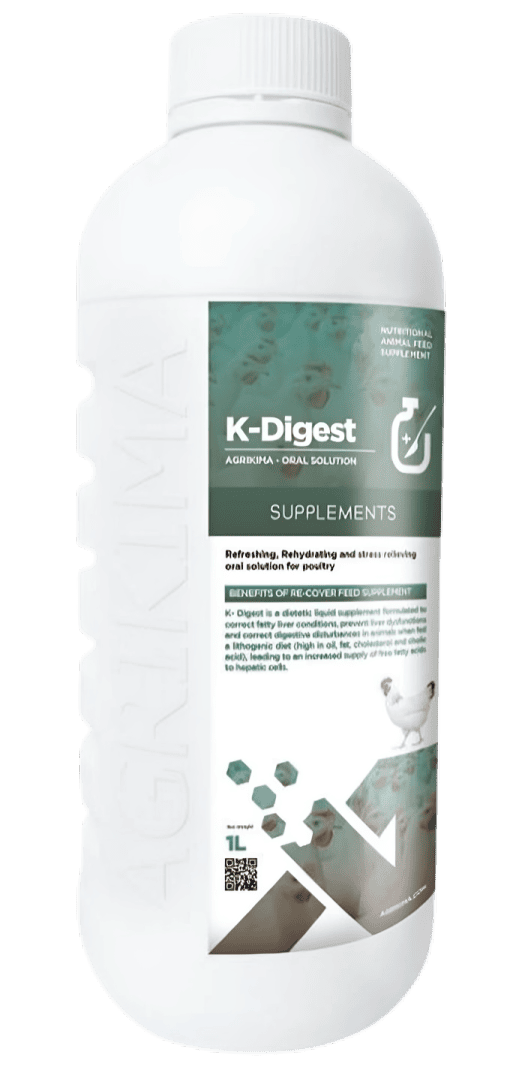
K-DIGEST
Digestive and liver support during recovery after deworming, helping a donkey whose gut has been stressed by parasites, as an aid to vet treatment and good feeding, not a dewormer or replacement for one.
View productPrevention
- Work with your vet on a deworming plan based on regular faecal egg counts rather than deworming every donkey on a fixed calendar; this saves money and slows drug resistance.
- Weigh donkeys with a donkey weigh tape or chart before every treatment so the full dose prescribed by the vet is given.
- Use the product the vet recommends for the season and worm type, for example covering bots after the fly season and tapeworms where they are a problem.
- Pick up dung from small paddocks and bomas at least a few times a week, and do not spread fresh donkey or horse dung on grazing land.
- Rotate grazing where possible, rest paddocks, or graze cattle, sheep or goats behind donkeys, since most donkey worms do not survive in ruminants.
- Avoid overstocking, and keep donkeys away from swampy areas and stagnant water where liver fluke snails live.
- Remove bot eggs from the coat regularly during the fly season.
- Keep new donkeys separate for a period and have them checked and treated by the vet before they join the herd.
- Keep donkeys and horses on separate grazing, or treat donkeys for lungworm, to protect horses from lungworm.
- Feed well, provide clean water, check teeth yearly and avoid overwork so donkeys can cope with the worms they carry.
Risk to people
Most donkey worms do not infect people. Very rarely, bot fly larvae can enter human skin or eyes, so wash your hands after picking off bot eggs or handling the coat, and keep hands away from your eyes. Donkeys can carry hydatid cysts, which dogs pick up by eating raw offal, so do not feed raw donkey organs to dogs. If donkey milk or meat is used for food, always respect the withdrawal period given by the vet for any dewormer.
Impact on your farm
For many Kenyan households the donkey is a working partner, carrying water, firewood and produce to market or pulling a cart that earns daily income. A wormy donkey tires quickly, carries less, and needs more rest, which directly cuts what the family can earn or move. Feed is wasted because worms take a share of it, and thin donkeys need longer to recover after the dry season. Young donkeys grow slowly and may never reach full working size. Colic from worms can mean expensive vet visits or the sudden loss of an animal that costs a lot to replace. Repeated use of the wrong dewormer wastes money and helps resistant worms build up on the farm and in communal grazing.
Outlook and recovery
Most donkeys recover well once the right dewormer is given at the correct weight and their feeding, rest and teeth are put right. Coat and energy often improve within weeks, but regaining lost weight can take months, especially in old or very thin animals. The outlook is poorer when there is severe diarrhoea from encysted small strongyles, heavy swelling from protein loss, or colic from gut damage, and some of these donkeys may not survive even with treatment. Long-term success depends on preventing re-infection through good pasture hygiene, sensible deworming based on egg counts, and using drugs that still work on your farm.
Common questions
How often should I deworm my donkey?
There is no single right answer for every farm. Many vets now advise testing dung with a faecal egg count and treating the donkeys that carry the most eggs, rather than dosing all animals on a fixed schedule. Young donkeys usually need more attention than adults. Ask your vet to set a plan around your local seasons, such as checking before and after the rains, and to include bot and tapeworm treatment where needed.
Can I use my cattle or goat dewormer on my donkey?
Do not do this without vet advice. Some cattle and goat products are not made or tested for donkeys, can be the wrong strength, or can cause reactions, especially injectable forms. Some worms in donkeys, like bots and tapeworms, are not covered by many ruminant products. Ask your vet or agrovet for a product labelled for horses and donkeys, and dose by weight as the vet directs.
I dewormed my donkey but it is still thin. Why?
There are several possible reasons. The dose may have been too small because the weight was guessed. The worms on your farm may be resistant to that drug. Encysted small strongyle larvae may not have been reached. The donkey may have bad teeth, too little feed, too much work, or another disease such as trypanosomiasis. A vet can do a follow-up egg count, check the teeth and look for other causes.
Can my donkeys give worms to my horses or cattle?
Donkeys share most of their worms with horses and mules, and donkey lungworm is a particular risk to horses because it can give them a bad cough. Most donkey worms do not survive in cattle, sheep or goats, which is why mixed or rotated grazing with ruminants can help clean pastures. Liver fluke is an exception, as it can affect all these animals.
Is it safe to deworm a pregnant jenny or a young foal?
Often yes, but only with products the vet confirms are safe for pregnancy or for that age. Some dewormers are not recommended for very young foals or very thin animals. Controlling worms in the jenny before and after foaling helps protect the foal, which picks up worms from the ground and from its mother's dung. Always tell the vet if the jenny is pregnant or nursing.
What are the yellow dots stuck on my donkey's legs?
These are almost certainly bot fly eggs. The fly glues them to the hair, and when the donkey licks the area the larvae hatch and move to its stomach. Scrape them off with a bot knife or blunt blade and destroy them, and ask your vet about a dewormer that kills bots at the right time of year.
A guide, not a diagnosis. This page is general information to help you recognise problems early. Always confirm with a vet or animal health worker before treating.