What it is
Strangles is caused by the bacterium Streptococcus equi subspecies equi. It enters through the nose or mouth and settles in the lining of the nose and throat. Within days it moves into the lymph nodes under the jaw and around the throat, where the body fights it and pus builds up. The glands become hot, swollen and painful, and they often burst on the outside or drain into the throat. Some pus drains into the guttural pouches, two air-filled sacs at the back of the head found only in equines. Pus left there can harden into small balls called chondroids, and the bacteria can hide in them for months or even years. A donkey like this may look healthy but still spread the disease; it is called a carrier. Occasionally the bacteria travel through the blood to other organs such as the lungs, liver or gut, forming hidden abscesses. In a few animals the immune system over-reacts and damages small blood vessels, a condition called purpura haemorrhagica. Other respiratory infections in donkeys, such as equine influenza, equine herpesvirus and bacterial pneumonia, can look similar and often hit when animals are stressed, overworked, cold or crowded.
Which animals are most at risk
Young donkeys, especially foals after weaning and animals under about five years, are most at risk because they have not yet built immunity. Very old, thin, overworked or poorly fed donkeys also suffer more. Any donkey that mixes with others is at risk, so the danger is highest in working donkeys that pull carts in towns, carry water to shared boreholes and dams, or are taken to livestock markets. Newly bought animals and herds that receive new arrivals without a quarantine period are common sources of outbreaks. In pastoral areas, donkeys that gather at shared water points during the dry season mix closely, while the cold, wet long and short rains add stress and crowding in shelters. Donkeys kept near horses, for example on farms, schools or tourist sites, can pass infection both ways. Donkeys are stoic animals that hide pain and illness, so they are often sicker than they look by the time the farmer notices.
Signs to look for
Early signs
- Fever: the donkey feels hot, and a thermometer in the rectum reads above the normal range, often noticeably high; fever may appear a day or two before any discharge.
- Dullness, standing quietly with head low, ears back and less interest in surroundings; in donkeys this quiet behaviour is easy to miss.
- Eating less or eating slowly, dropping food or reluctance to swallow because the throat is sore.
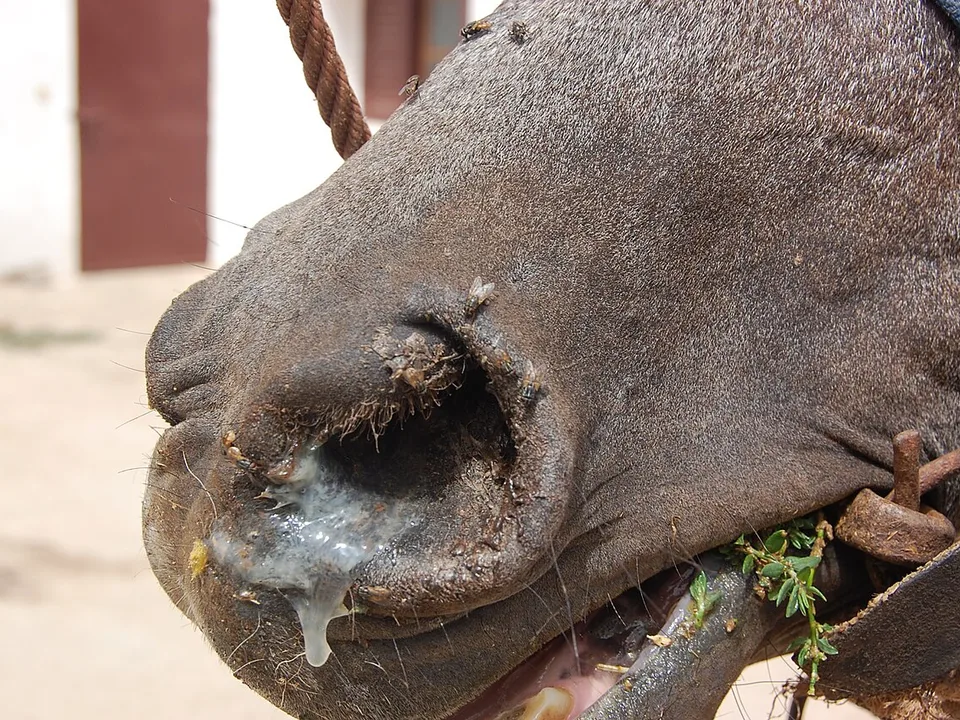
- A clear, watery nasal discharge that quickly turns thick, creamy and yellow.
- A soft cough, often worse when the donkey eats or moves.
- Warm, tender swelling starting under the jaw between the two jawbones or just behind the cheek.
As it gets worse
- Large, hard and very painful swellings under the jaw or behind the ear that later soften and burst, releasing thick yellow pus.
- Holding the head and neck stretched out stiffly to ease pain, and avoiding lowering the head to eat or drink.
- Noisy, rough or difficult breathing, sometimes with a snoring or whistling sound, because swollen glands press on the airway; this is an emergency.
- Food and water coming back out through the nose because swallowing is painful or blocked.
- Weight loss and weakness after days of poor eating, with sunken eyes and dry gums from dehydration.
- Swelling of the legs, belly or head and tiny red or purple spots on the gums or inside the eyelids, which can signal purpura haemorrhagica.
- Ongoing fever, colic (belly pain), weight loss or lumps in new places weeks after apparent recovery, which may mean abscesses have spread inside the body.
What to do right now
- Isolate the sick donkey straight away in a separate shelter or paddock away from other donkeys, horses and mules, ideally where they cannot touch noses or share a fence line.
- Give the sick donkey its own water bucket, feed trough, halter and grooming tools, and do not share them with any other animal until the vet says it is safe.
- Stop all work and travel for the sick donkey and for any in-contact equines, and do not take any of them to market, shared water points or grazing with neighbours' animals.
- Offer clean, fresh water at all times and soft, moist food that is easy to swallow, such as soaked hay, soaked bran or fresh tender grass, placed at a height the donkey can reach comfortably.
- Keep the donkey dry, sheltered from cold rain and wind, and shaded from hot sun, with clean, dry bedding.
- Do not squeeze, cut or burst the swellings yourself; the vet may advise warm compresses to help them mature and will decide when to open them.
- Watch the breathing closely, and call the vet as an emergency if the donkey breathes noisily, struggles for air, or stops eating and drinking completely.
- Look after the healthy animals first and the sick one last, wash your hands with soap afterwards, and change or wash clothes and footwear; check the temperature of in-contact donkeys daily if you can and isolate any that develop fever.
How it spreads
- Direct nose-to-nose contact between donkeys, horses and mules, especially when animals meet at markets, shared grazing or watering points.
- Shared water troughs, buckets and feed troughs contaminated with nasal discharge or pus; the bacteria can survive for some time in water and on damp surfaces.
- Shared equipment such as halters, bits, harnesses, cart shafts, grooming brushes and nose bags.
- People's hands, clothes and shoes after handling a sick donkey, then moving on to healthy animals.
- Carrier donkeys that have recovered or never looked very sick but still shed bacteria from the guttural pouches, often bringing the disease into a new herd after purchase.
- Bursting abscesses, which release large amounts of infectious pus onto the ground, walls and bedding.
- Stress from heavy work, long journeys, poor feeding and cold wet weather, which lowers resistance and makes outbreaks worse.
Could it be something else?
Equine influenza or equine herpesvirus (viral respiratory infection)
Viral infections usually cause a sudden high fever, a frequent dry cough and watery discharge that may turn cloudy, often spreading very fast through the whole group. Big pus-filled abscesses under the jaw are not typical. A vet needs swabs to be sure, and antibiotics do not cure these viruses.
Lungworm (Dictyocaulus arnfieldi)
Donkeys often carry lungworm with few signs, but some develop a long-lasting cough without high fever or jaw swellings. The cough persists for weeks and improves after vet-advised deworming. Donkeys carrying lungworm can infect horses grazing with them.
Tooth root abscess or sinus infection
Discharge usually comes from one nostril only, is often foul-smelling, and the donkey may have a swelling on the face or jaw bone, bad breath or chewing problems. It does not spread to other donkeys, and there is often no fever.
African horse sickness or glanders (notifiable diseases)
African horse sickness causes high fever, swelling around the eyes and head, frothy nasal discharge and severe breathing difficulty, often during or after the rains when biting midges are active. Glanders causes nodules and ulcers inside the nose and along the legs. Both are legally notifiable in Kenya and glanders can infect people, so if you see these signs report to the County Veterinary Officer immediately.
How it is diagnosed
A vet usually suspects strangles from the signs: fever, thick yellow nasal discharge and swollen glands under the jaw, especially when several equines are affected. To confirm it, the vet takes a swab from the nose or throat, or draws pus from an abscess with a needle, and sends it to a laboratory for culture (growing the bacteria) or PCR (a test that detects the bacteria's genetic material). Some referral centres can look inside the guttural pouches with an endoscope, a thin camera tube, and wash them out to find carriers; this is not widely available in Kenya, so your vet will advise what is realistic. Blood tests can show whether a donkey has been exposed recently and help decide on vaccination or screening. The vet will also listen to the chest to check for pneumonia and look for signs of complications. Before the vet arrives, write down when each animal first got sick, their temperatures if you have a thermometer, how much each is eating and drinking, any recent purchases, journeys, markets or contact with other equines, and any medicines already given. Keep the sick donkey in a place where the vet can examine it safely.
Treatment
Most donkeys with strangles are treated mainly with good nursing and supportive care, while the immune system clears the infection. The vet may lance (cut open) a mature, soft abscess under hygienic conditions so pus can drain, and then flush it with a dilute antiseptic; the pus must be collected and disposed of carefully because it is highly infectious. Anti-inflammatory painkillers from the NSAID group, such as flunixin or phenylbutazone, may be prescribed to reduce fever and throat pain so the donkey eats and drinks again. Donkeys process many drugs differently from horses, so medicines and plans designed for horses must be adjusted by a vet. Antibiotics are a careful decision: penicillin is the usual choice for Streptococcus equi, and it may be used in very early cases, in animals with breathing problems, or when abscesses spread inside the body. In a donkey that already has abscesses forming, antibiotics can delay them maturing, prolong the illness and interfere with natural immunity, so the vet may advise against them. Never buy antibiotics from an agrovet and use them without a vet's prescription; wrong or incomplete courses help bacteria become resistant (antimicrobial resistance), making future infections harder to treat. Severe cases with airway blockage may need emergency procedures, and purpura haemorrhagica needs urgent and specialised treatment. If any medicine is given, follow the vet's withdrawal period before milk from the jenny is used or the animal is slaughtered. Expect the course of illness to last from a couple of weeks to over a month, with follow-up visits and possibly testing before the donkey rejoins the herd.
Medicines must be prescribed and dosed by a vet. Always respect milk and meat withdrawal periods, and finish the full course of any antibiotic.
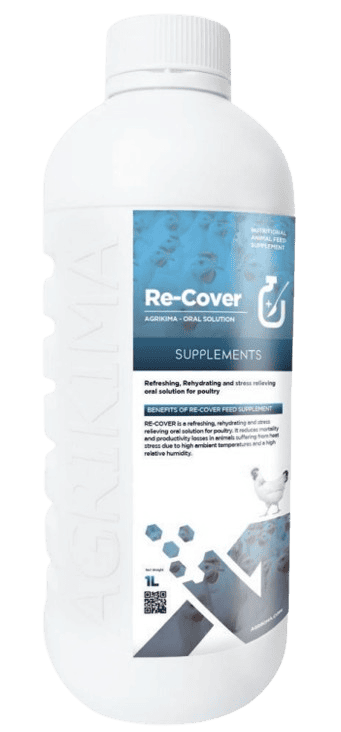
How Agrikima products can help
These support the animal alongside — never instead of — your vet's treatment, vaccination and good management.
Prevention
- Quarantine every newly bought or returning donkey, horse or mule for at least two to three weeks, away from your other animals, and check its temperature daily; ask your vet about testing new animals before they join the herd.
- Buy donkeys from known, healthy sources, and avoid animals with nasal discharge, cough or lumps under the jaw, or from yards with a recent outbreak.
- Use separate water buckets and feed troughs for each animal where possible, and avoid letting your donkeys drink from shared troughs at markets or public water points during an outbreak.
- Do not share halters, bits, harnesses, nose bags or brushes between donkeys, and clean and disinfect equipment regularly, especially after any illness.
- After an outbreak, remove bedding and manure, scrub shelters, buckets and troughs with detergent then disinfectant, and let them dry in the sun before reuse.
- Keep recovered donkeys isolated until your vet advises they are no longer shedding the bacteria, since some become long-term carriers.
- Feed donkeys well with good roughage, clean water, salt or mineral licks, and allow proper rest between work, because a well-nourished, unstressed donkey resists infection better.
- Provide a dry, well-ventilated shelter with protection from cold rain and wind, deworm on a vet-advised plan that covers lungworm, and ask your vet whether a strangles vaccine is available and suitable, as access in Kenya is limited.
Risk to people
Strangles bacteria very rarely infect people, but a few cases have been reported, mostly in people with weak immune systems. A related bacterium that can cause respiratory infections in donkeys, Streptococcus zooepidemicus, has occasionally caused serious illness in people, including through drinking unpasteurised milk. Glanders, which can look similar, is dangerous to humans. Wear gloves when handling pus or cleaning discharge, wash your hands well with soap and water, keep children away from sick animals, and do not drink raw milk from a sick jenny. Boil any donkey milk before use, and respect the vet's withdrawal period for milk and meat after any treatment.
Impact on your farm
For many Kenyan families a donkey is a source of daily income, carrying water, firewood, farm produce and building materials, or pulling carts for hire. A donkey with strangles must rest for several weeks, and so should in-contact animals, so that income stops and families may have to pay for water or transport. Vet visits, drugs and extra feed add costs. Because the disease spreads so easily, a single sick donkey bought at market can infect every equine on a farm or in a village. Thin, overworked donkeys lose further condition and may take a long time to return to full work. Deaths are not common, but complications such as airway blockage, spread of abscesses inside the body or purpura haemorrhagica can be fatal or cause long-term ill health. Carrier animals can keep outbreaks going year after year, and jennies used for milking lose production while sick.
Outlook and recovery
Most donkeys recover from strangles with good nursing, isolation and vet care, usually over two to six weeks once the abscesses have drained. Recovery is faster in young adults that are well fed and rested, and slower in foals, old, thin or overworked animals. Many recovered donkeys have good protection for some time, but immunity is not guaranteed for life and some animals can be infected again. The outlook is worse if the donkey develops breathing difficulty, pneumonia, abscesses inside the body or purpura haemorrhagica, so early vet involvement matters. Some recovered donkeys remain carriers without looking sick, which is why follow-up and continued hygiene are important even after the herd looks healthy.
Common questions
Can my donkey give strangles to my horse or mule?
Yes. Strangles spreads easily between donkeys, horses and mules in both directions. Keep a sick donkey well away from all other equines, do not share water or equipment, and handle the sick animal last. Tell neighbours who keep equines so they can protect their animals too.
Can I keep working my donkey if it only has a small runny nose?
No. A donkey with fever, nasal discharge or a swollen throat should rest completely. Work makes the illness worse, slows recovery and spreads the bacteria to other donkeys at water points, markets and on the road. Check its temperature, isolate it and ask your vet when it is safe to return to work.
Should I buy antibiotics from the agrovet and inject my donkey myself?
Please do not. In strangles, antibiotics given at the wrong time can delay abscesses maturing, make the illness last longer and stop the donkey building its own immunity. Using them without a vet's prescription also drives antibiotic resistance. Donkeys also handle many drugs differently from horses, so only a vet should decide on any medicine, the right product and how it is given.
Should I burst the swelling under the jaw?
No. Squeezing or cutting the swelling yourself is painful for the donkey, can cause infection to spread and releases highly infectious pus where other animals and people can pick it up. Your vet may advise warm compresses to help it soften, and will open it hygienically when it is ready.
How long must the sick donkey stay away from the others?
Usually for several weeks after the last signs have gone, not just until it looks well. Some donkeys keep shedding the bacteria long after recovery. Your vet will advise how long to isolate and whether testing is possible to check the donkey is no longer infectious before it rejoins the group.
My donkey had strangles last year and is fine now, so why did the disease come back to my herd?
Some recovered donkeys become carriers, with bacteria hiding in the guttural pouches at the back of the head. They look healthy but can shed the bacteria from time to time, especially when stressed. New animals bought without quarantine are another common source. Talk to your vet about screening, keep up good hygiene and always quarantine new arrivals.
A guide, not a diagnosis. This page is general information to help you recognise problems early. Always confirm with a vet or animal health worker before treating.