What it is
The disease is caused by single-celled parasites of the genus Trypanosoma that live and multiply in the blood and body fluids. In donkeys in East Africa the main species are Trypanosoma congolense, Trypanosoma vivax and Trypanosoma brucei brucei, which come mostly from tsetse flies, and Trypanosoma evansi, which causes surra and is carried mechanically by biting flies, especially in camel-keeping areas. When an infected fly bites, trypanosomes enter the blood and multiply in waves. Each wave brings a spell of fever; the body's defences kill many parasites, but the parasites change their outer coat and a new wave appears. Over weeks and months the parasites and the body's reaction destroy red blood cells, causing anaemia (too few red blood cells, which shows as pale gums and weakness). Damage to small blood vessels lets fluid leak into the tissues, which is why the legs, belly, chest and sheath or udder swell. The animal burns energy fighting the infection, so it loses muscle and condition. Some species, especially T. brucei and T. evansi, can also enter the brain and nervous system in later stages, causing wobbliness and abnormal behaviour. The weakened immune system also makes the donkey more likely to pick up other infections.
Which animals are most at risk
Any donkey living in or passing through tsetse areas is at risk, including parts of the Coast, the Lake Victoria basin, the Maasai Mara and other bushy lowland and riverine areas. Donkeys kept with camels in northern and eastern pastoral areas such as Turkana, Marsabit, Isiolo and Wajir are at risk of surra (T. evansi). Working donkeys that are overworked, underfed, heavily wormed or old are more likely to become severely ill. Pregnant jennies may abort, and foals and young donkeys can decline quickly. Risk often rises during and after the rains, when flies are more numerous, and during dry-season movements when herds go to bushy grazing and water points near tsetse habitat. Donkeys are sometimes thought to be more tolerant than horses, but they still suffer, and because donkeys hide illness well, the disease is often noticed late.
Signs to look for
Early signs
- Fever that comes and goes; the donkey may feel hot, breathe faster or seem dull for a day or two, then appear normal again.
- Tiring easily during work, lagging behind, or refusing to pull or carry loads it managed before.
- Slight weight loss, with ribs and hip bones becoming easier to see, even though the donkey is still eating.
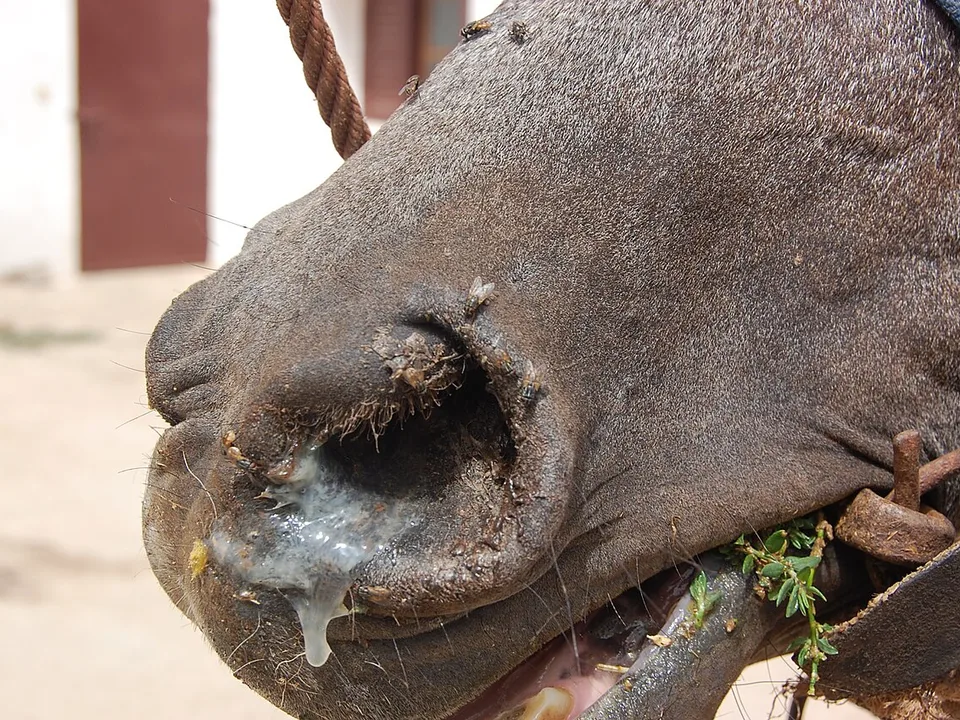
- Watery eyes and a clear discharge from the eyes in some animals.
- Paler than normal gums and inner eyelids, which should normally be pink.
- A dull coat and slightly reduced interest in food.
As it gets worse
- Marked wasting, with a sharp backbone, sunken flanks and thin neck and hindquarters, despite eating.
- Very pale or white gums and eyelids from severe anaemia, sometimes with a fast heartbeat you can feel on the left side of the chest.
- Soft, puffy swelling (oedema) of the lower legs, under the belly, under the chest, and of the sheath or udder; pressing with a finger may leave a dent.
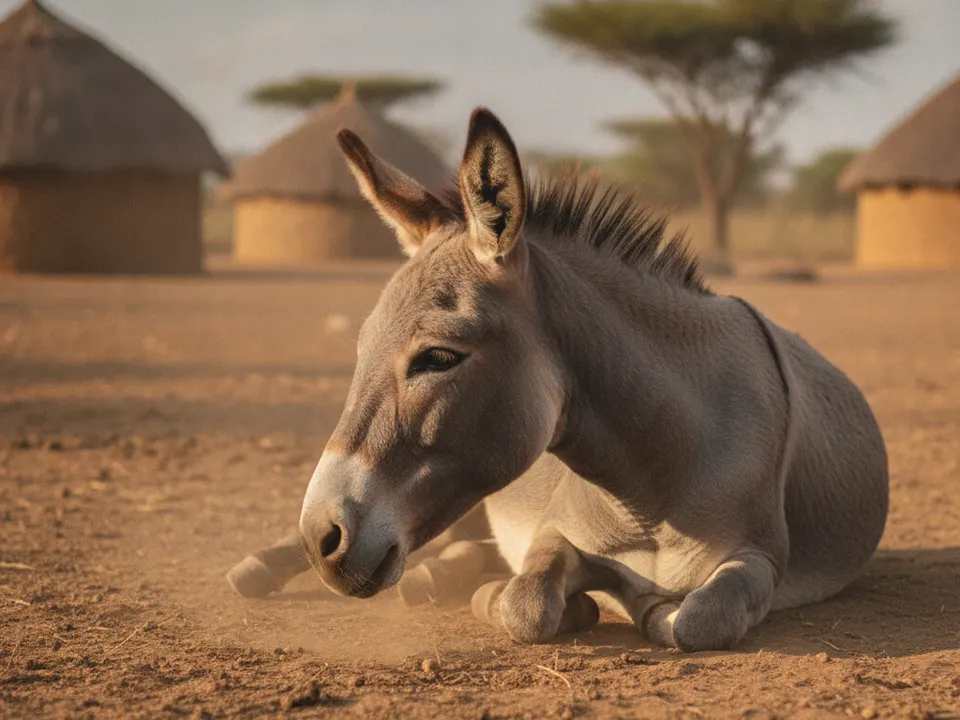
- Severe weakness, stumbling, unwillingness to stand for long, or lying down much more than normal.
- Swollen lymph nodes (glands) that can be felt under the skin, for example in front of the shoulder.
- Abortion in pregnant jennies and weak or stunted foals.
- In some cases wobbly walking, circling, dullness or other nervous signs when the parasites reach the brain.
- Collapse and death after weeks to months if not treated.
What to do right now
- Stop all work immediately and let the donkey rest; working a weak, anaemic donkey can make it collapse.
- Move the donkey to a shaded, airy place protected from flies, and keep it away from bushy grazing and water points where tsetse are found.
- Provide clean drinking water at all times and good-quality soft hay or grass so the donkey keeps eating; do not force feed.
- Check the gums, eyelids and legs, take the temperature if you can, and write down what you see with dates so the vet can follow the pattern.
- Look at the rest of the herd, including cattle and camels, for similar thinness, swelling or fever, and keep sick animals apart where possible.
- Use a new or properly sterilised needle for every animal if any injections are being given on the farm, to avoid spreading infected blood.
- Do not buy and inject a trypanocide from the agrovet without a vet's advice; some of these drugs are dangerous for donkeys at the wrong dose, and wrong use builds drug resistance.
- Call your vet, animal health officer or County Veterinary Officer early, because treatment works best before the donkey becomes severely wasted.
How it spreads
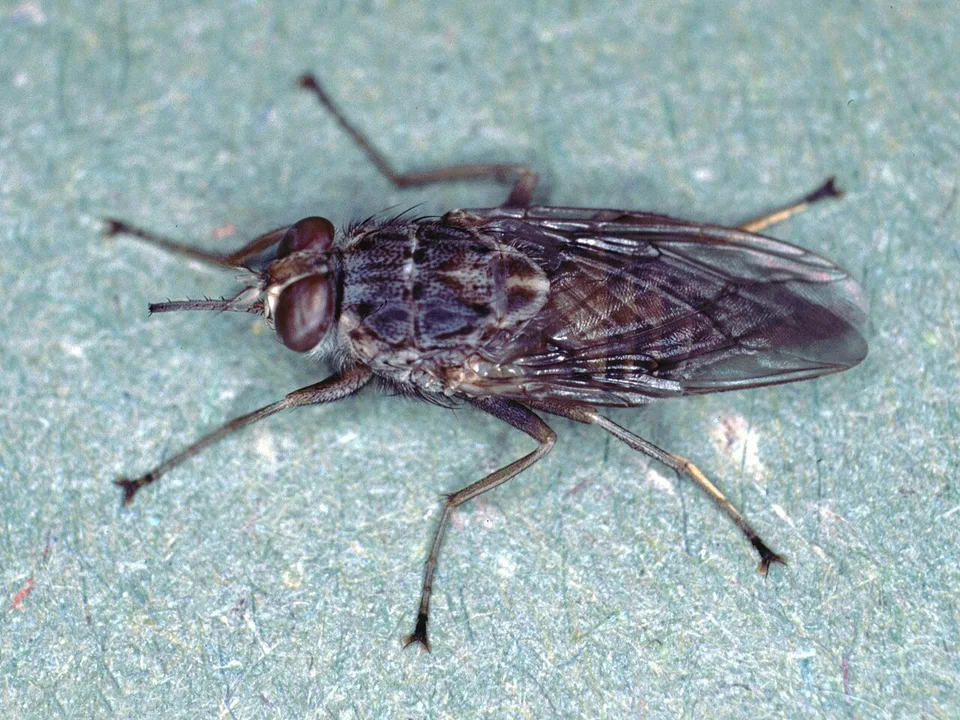
- Tsetse flies (mbung'o) are the main carriers of T. congolense, T. vivax and T. brucei; the parasite develops inside the fly and is passed on when the fly bites a donkey.
- Biting flies such as horse flies (tabanids) and stable flies can carry blood with trypanosomes on their mouthparts from a sick animal to a healthy one within minutes, which spreads T. evansi and T. vivax even outside tsetse areas.
- Grazing, watering or working donkeys near bush, riverine forest, lake shores and thickets where tsetse rest raises the risk, especially in the morning and late afternoon when flies are active.
- Sharing the same needle or syringe between animals during injections or vaccination can pass infected blood directly from one animal to another.
- Herding donkeys together with infected cattle, camels, goats or wildlife provides a constant source of parasites for flies to pick up.
- Moving donkeys into or through tsetse belts, for example during dry-season migration, trading or transport work, can bring them into contact with infected flies.
- Stress from heavy work, long journeys, poor feeding and worms does not cause the disease, but it can make a carrier donkey become clearly sick.
Could it be something else?
Heavy worm burden (strongyles and other worms)
Worms also cause weight loss, pale gums and sometimes belly swelling, but there is usually no fever. A dung sample showing many worm eggs and improvement after vet-advised deworming point to worms. The two problems often occur together, so a blood test is still useful in tsetse areas.
Malnutrition and dental problems
Donkeys with sharp or missing teeth drop food, chew slowly and have whole grains or long fibres in dung. Starvation loses weight without fever or leg swelling. The donkey usually improves with better feed and dental care, while a donkey with trypanosomiasis keeps wasting despite good feed.
Equine piroplasmosis (babesiosis, tick fever)
This tick-borne blood parasite disease also causes fever and anaemia, but often shows yellow gums (jaundice) and sometimes dark red or brown urine. Ticks are usually found on the animal. A vet can tell the two apart on a stained blood smear.
Dourine
Dourine is a related trypanosome disease spread by mating, not flies. It causes swelling of the genitals, raised round skin plaques and later nerve weakness, mostly in breeding animals. Mating history and laboratory tests are needed to separate it, and any suspicion should be discussed with the County Veterinary Officer.
How it is diagnosed
A vet suspects trypanosomiasis from the signs, the area, and the history of tsetse or biting flies. Confirmation needs a blood test. The vet or laboratory examines a drop of fresh blood under the microscope to see moving parasites, and prepares thin and thick stained blood smears to identify the species. Spinning blood in a fine tube (the haematocrit or buffy coat method) measures the packed cell volume, which shows how anaemic the donkey is, and concentrates parasites so they are easier to find. Parasites appear in the blood in waves, so a single negative test does not rule the disease out; samples taken during a fever are more likely to be positive, and repeat tests may be needed. Some laboratories, such as county and KALRO laboratories, can run PCR (a DNA test) or antibody tests, which are more sensitive, especially for T. evansi. At post-mortem a vet may find a thin carcass, watery fluid in tissues and body cavities, pale organs, an enlarged spleen and swollen lymph nodes. To help the vet, record the donkey's temperature morning and evening if you have a thermometer, note when weight loss and swelling started, where the donkey has grazed, worked or travelled, whether tsetse or many biting flies were seen, any drugs already given, and whether other donkeys, cattle or camels in the herd are also sick.
Treatment
Treatment must be prescribed and given by a vet or under a vet's direct guidance. Vets use drugs called trypanocides, which kill trypanosomes in the blood. Commonly used active ingredients include diminazene aceturate and isometamidium chloride for tsetse-borne trypanosomes, and quinapyramine or melarsomine for T. evansi (surra). The choice depends on which parasite is found, the area and known drug resistance. Donkeys and horses are more sensitive than cattle to some of these drugs, which can cause serious side effects, painful swelling at the injection site or poisoning if given wrongly, so correct product, dose and injection method matter greatly. Drug resistance to trypanocides is a growing problem in East Africa, often linked to underdosing and repeated self-treatment, so the vet may advise a different drug if the donkey does not improve. The vet may also treat worms, advise on feeding to rebuild condition, and recommend rest for several weeks. In some cases a preventive (prophylactic) drug is advised for donkeys that must keep working in tsetse areas. Antibiotics do not kill trypanosomes; they are only used if the vet finds a separate bacterial infection, and they should be used responsibly to avoid antimicrobial resistance. Expect the fever to settle within days after the right treatment, but weight and strength return slowly over weeks. Relapses can occur, so follow-up blood tests may be needed. If donkey milk or meat is used, observe the withdrawal period stated by the vet and on the drug label before any milk or meat is consumed or sold.
Medicines must be prescribed and dosed by a vet. Always respect milk and meat withdrawal periods, and finish the full course of any antibiotic.
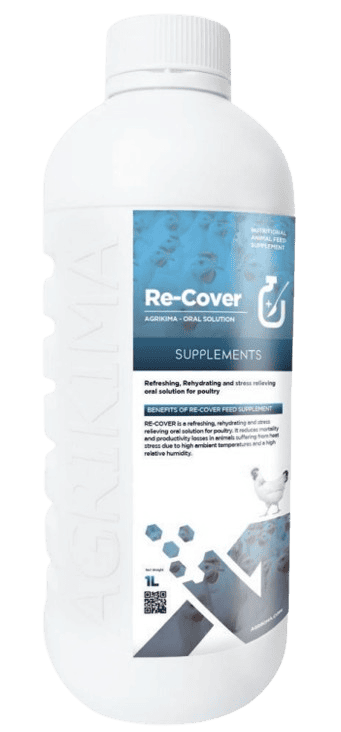
How Agrikima products can help
These support the animal alongside — never instead of — your vet's treatment, vaccination and good management.
Prevention
- Reduce contact with tsetse by avoiding grazing, watering and resting donkeys in bush, thickets, riverine forest and lake shores where tsetse live, especially in the early morning and late afternoon.
- Support community tsetse control, such as blue and black cloth traps and insecticide-treated targets, often run with county veterinary teams and KENTTEC (the Kenya Tsetse and Trypanosomosis Eradication Council).
- Protect donkeys with fly repellents or insecticide sprays and pour-ons that are approved for equines, following label and vet advice, and consider insecticide-treated nets around stables in high-risk areas.
- Control biting flies around the homestead by removing manure and wet bedding regularly and draining stagnant water, which reduces stable flies and horse flies.
- Always use a clean needle for each animal during injections and vaccination, by vets, agrovet staff and farmers alike.
- Ask your vet about preventive trypanocide treatment for donkeys that must work or travel in tsetse areas, and never give these drugs without veterinary guidance.
- Keep donkeys strong with good feed, clean water, salt, regular deworming, hoof and dental care and fair workloads, so they cope better if infected.
- Quarantine new donkeys for a few weeks and ask for a blood test if they come from a tsetse or surra area, and test donkeys after long journeys through such areas.
Risk to people
The trypanosome species that usually cause disease in donkeys (T. congolense, T. vivax and T. brucei brucei) do not infect people. However, in some tsetse areas near the Lake Victoria basin, the related parasite Trypanosoma brucei rhodesiense causes human sleeping sickness, and livestock can carry it, so people in these areas should protect themselves from tsetse bites with long sleeves and repellents and see a health worker if they get fever, headache and swollen glands after being bitten. Very rare human infections with T. evansi have been reported elsewhere in the world. Trypanocide drugs can leave residues in milk and meat, so the withdrawal period given by the vet must be respected before any donkey milk or meat is consumed.
Impact on your farm
For many Kenyan families a donkey carries water, firewood, farm produce and goods to market, and earns cash through transport work. A donkey with trypanosomiasis works less, then not at all, so households lose income and family members, often women and children, must carry loads themselves. Treatment, repeated blood tests and lost working days add cost, and wrong or repeated self-treatment wastes money and builds drug resistance. Jennies may abort or raise weak foals, slowing herd growth. Deaths of working donkeys are a heavy loss, as replacing a donkey is expensive. Because the same flies and parasites affect cattle, goats and camels, a sick donkey is also a warning that the whole herd may be at risk.
Outlook and recovery
Donkeys treated early, with the right drug for the parasite and a correct dose, often recover well, although regaining weight and full working strength can take weeks to months. The outlook is poorer when the donkey is already severely wasted or very anaemic, is old, pregnant or carrying heavy worms, when nervous signs have appeared, or when the parasites are resistant to the drug used. Relapses and reinfection are common if the donkey goes back to the same fly-infested grazing without protection. Good rest, feeding and fly control after treatment improve the chances of a lasting recovery.
Common questions
Can I just buy a trypanocide from the agrovet and inject my donkey myself?
It is not advised. Some trypanocides that are commonly used in cattle can be toxic to donkeys if the dose or injection method is wrong, and they can cause severe painful swellings. Self-treatment without a blood test also means you may be treating the wrong disease, such as worms or tick fever. Repeated wrong doses are a major reason trypanocides are failing in Kenya. Ask a vet to confirm the disease and choose and give the right drug.
My donkey tested negative but is still getting thinner. Could it still be trypanosomiasis?
Yes, it is possible. Trypanosomes appear in the blood in waves, and between waves there may be too few to see under a microscope. Ask the vet whether a repeat test during a fever, a buffy coat test, or a PCR or antibody test is available. At the same time the vet should check for other causes such as worms, teeth problems and poor feeding.
We have no tsetse flies in our area. Can donkeys still get this disease?
They can. Trypanosoma evansi, which causes surra, and Trypanosoma vivax can be spread by ordinary biting flies such as horse flies and stable flies, and by shared needles. This is why donkeys kept with camels in northern Kenya can get surra far from tsetse areas. Donkeys can also pick up infection while travelling through tsetse areas and become sick after returning home.
Will my donkey be immune after it recovers?
No. Donkeys do not develop lasting protection, because trypanosomes keep changing their outer coat and there are several species. A recovered donkey can be infected again if it goes back to fly-infested areas. There is currently no vaccine, so fly control, careful grazing and vet-advised preventive treatment are the main protection.
Can a donkey with trypanosomiasis infect my cattle?
The donkey does not pass it directly by touching other animals, but flies that bite a sick donkey can carry parasites to cattle, goats and camels nearby, and cattle can infect donkeys the same way. If one animal is diagnosed, ask your vet to check the rest of the herd and step up fly control for all animals.
Should I keep my donkey working lightly while it is being treated?
No. A donkey with trypanosomiasis is anaemic, so its blood carries less oxygen, and work can make it collapse or slow recovery. Rest it fully until the vet says it can start light work again, and build up workload gradually as weight and strength return.
A guide, not a diagnosis. This page is general information to help you recognise problems early. Always confirm with a vet or animal health worker before treating.