What keeps them healthy
Good health in a donkey comes from a few simple things working together. Donkeys evolved in dry, harsh lands eating tough, low-energy plants, so their gut works best on plenty of fibre, such as straw, dry grass and browse, eaten slowly through the day. Too much rich feed, lush wet-season grass, maize bran or sugary food makes them fat, and fat donkeys are at risk of laminitis (painful inflammation inside the hoof) and hyperlipaemia (a dangerous build-up of fat in the blood that can follow even a short period of not eating). Clean water at all times keeps the gut moving and prevents impaction colic, a blockage of the bowel. A donkey's coat is not waterproof like a horse's, so shelter from rain and cold wind, especially in the long rains, keeps it warm and stops skin and foot problems. Healthy feet need regular trimming and dry standing ground. Healthy teeth let the donkey chew fibre properly. Control of worms, ticks and flies, protection against tetanus, fair workloads, a well-fitted harness and a companion donkey all keep the body and mind strong. When any of these slips, the donkey usually copes quietly for a while, which is why small changes in its behaviour matter.
What to keep an eye on
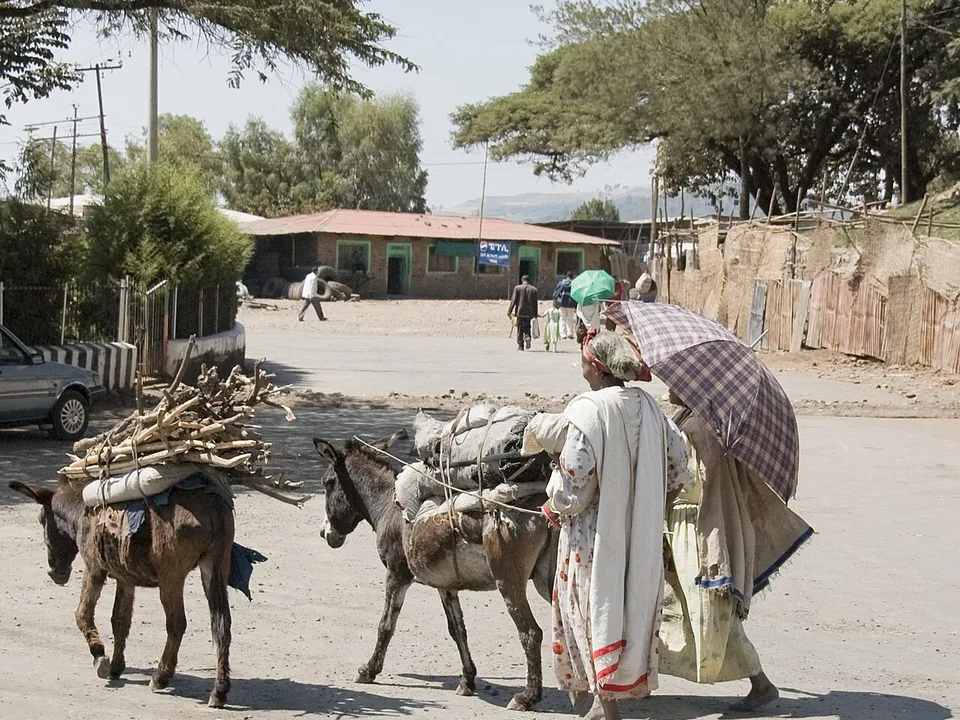
Every donkey benefits from regular checks, but some need closer watching. Working donkeys pulling water carts, carrying goods or ploughing face heat stress, dehydration, harness sores and overwork, especially in the hot dry months. Fat donkeys, older donkeys, pregnant and nursing jennies (female donkeys) and miniature breeds have the highest risk of hyperlipaemia when they stop eating. Old donkeys often have worn or loose teeth and lose condition. Foals need colostrum (first milk) in their first hours and careful worm control. Donkeys kept alone, recently moved or recently bereaved of a companion are stressed and may eat less. In pastoral and free-range systems, donkeys may go without close daily checks for days, so problems can be missed. During the long rains, wet ground and cold nights raise the risk of foot and chest problems, while green flushes of grass raise the risk of laminitis.
Normal vs warning signs
Signs of good health
- Temperature between 36.5 and 37.8 °C taken in the rectum, slightly higher after work or on a very hot afternoon.
- Heart rate (pulse) of roughly 36 to 68 beats per minute and breathing of roughly 12 to 28 breaths per minute at rest, with quiet, even breaths.
- Bright, clear eyes with no discharge, and ears that move and turn towards sounds, people and other animals.
- Steady interest in food, picking at forage for many hours of the day, and drinking clean water, though donkeys often drink less than horses and may prefer it not too cold.
- Plenty of firm, round, fairly dry dung balls passed through the day, and pale yellow urine passed without straining.
- Gurgling gut sounds on both sides of the belly when you put your ear against the flank.
- Pink, moist gums, and a clean nose with no thick discharge or bad smell.
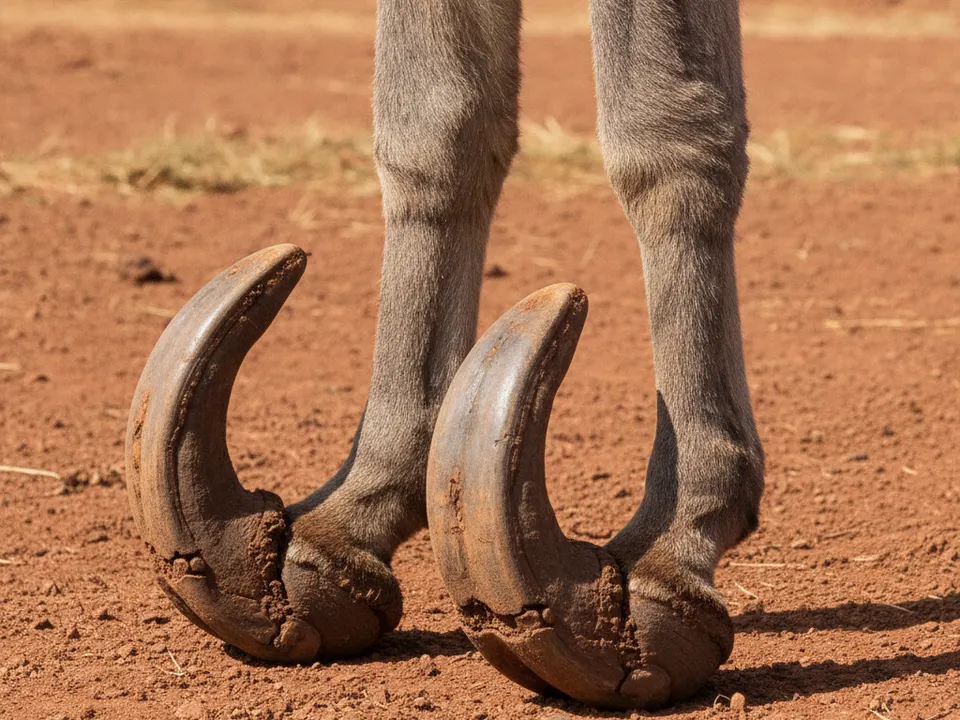
- Even, sound walking on all four legs, with upright, U-shaped hooves that are trimmed, free of cracks and not overgrown.
- A body condition score of about 3 on a 1 to 5 scale: you can feel the ribs and backbone with light pressure but not see them sharply, and the neck and rump are not bulging with hard fat.
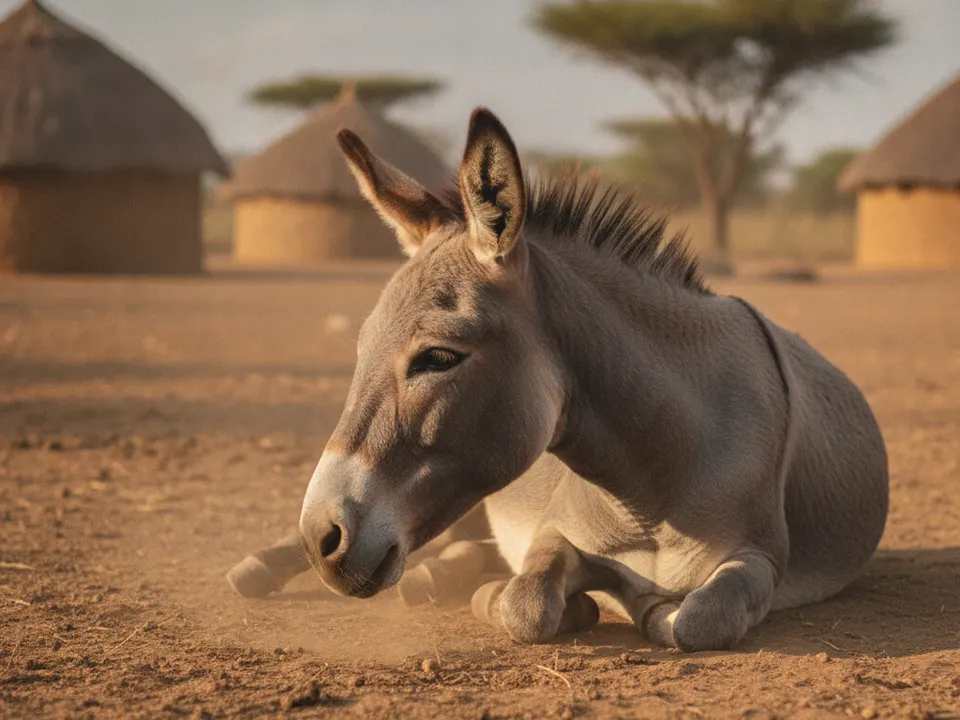
- Normal social behaviour: grooming its companion, braying, rolling in dust, dozing standing up and lying down for short rests.
First signs something is wrong
- Eating less, eating slowly, sorting feed or ignoring treats it usually loves. In a donkey this is an emergency, not something to watch for days.
- Standing quietly at the back of the shelter, head low, ears drooping or held back, not interested in people or its companion. Dullness is often the only sign of serious pain.
- Fewer or smaller dung balls, very dry dung, diarrhoea, or no dung at all for several hours.
- Temperature above 37.8 °C or below 36.5 °C at rest, or a pulse above about 68 beats per minute at rest.
- Pawing, looking at the belly, repeated lying down and getting up, or lying flat for long periods, which can mean colic.
- Shifting weight, leaning back onto the heels, reluctance to walk, or heat in the hooves, which can mean laminitis.
- Dropping balls of half-chewed food from the mouth (called quidding), drooling, a bad smell from the mouth or swelling of the face, which point to tooth problems.
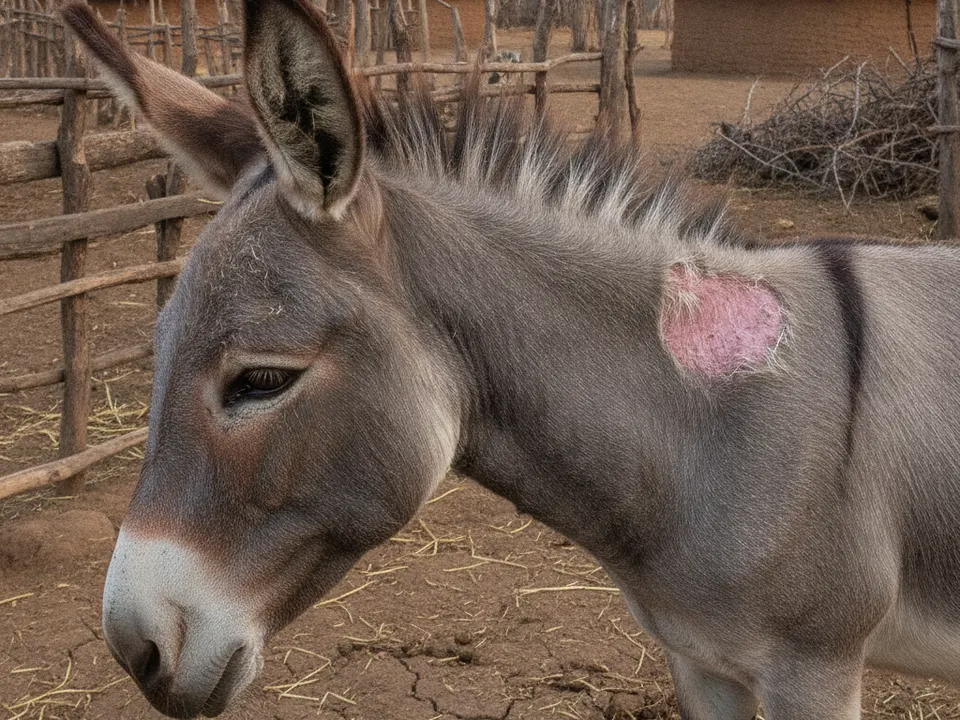
- Coughing, nasal discharge, fast breathing, swellings under the jaw, skin sores, hair loss, or harness wounds that are not healing.
Daily routine
- If your donkey is off its food or dull, treat it as urgent and call the vet or County Veterinary Officer the same day rather than waiting to see.
- Take and write down the temperature, pulse, breathing and when the donkey last ate, drank and passed dung, so the vet has clear information.
- Stop all work, remove the harness or load, and move the donkey to a quiet, shaded, dry place with its companion nearby.
- Offer clean fresh water and its usual fibrous feed, such as hay or straw, but do not force-feed or give large amounts of concentrates.
- Keep the donkey out of rain and cold wind, and if it is cold or wet, dry it gently and cover it with a dry sack or blanket.
- Separate a donkey with coughing, nasal discharge, skin disease or diarrhoea from others, and wash your hands and tools after handling it.
- Do not give any medicines, including pain killers or dewormers, without a vet's advice, as some drugs can hide signs or be unsafe for donkeys.
- Handle the donkey calmly and safely, standing to the side and avoiding the back legs, especially if it is in pain.
Common risks
- Most donkey health problems are triggered by management rather than spread, so watch for changes in feed, water, work and weather.
- A sudden change of diet, such as moving onto lush grass after the rains or adding concentrates, can upset the gut and trigger colic or laminitis.
- Not eating for even a day or two, from stress, pain, bad teeth, transport or losing a companion, can trigger hyperlipaemia, especially in fat donkeys, pregnant jennies and older animals.
- Standing in mud and wet bedding during the long and short rains softens hooves and allows thrush and other foot infections.
- Contact with new or untreated donkeys at markets, water points and shared grazing can bring in worms, lice, mange mites, ringworm and infectious diseases.
- Heavy loads, long hours in the heat and poor harness fit cause dehydration, exhaustion and wounds that can become infected, including with tetanus.
- In tsetse areas, fly bites can pass on trypanosomosis, and ticks and biting flies can carry other blood infections.
Often mistaken for illness
Dust rolling versus colic rolling
Healthy donkeys roll in dust to scratch and protect their skin, then get up, shake and go back to eating. A donkey with colic rolls repeatedly, lies down and gets up, looks at its belly, stops eating and passes less dung. If in doubt, take the temperature and pulse and call the vet.
Resting a hind leg versus lameness
Dozing donkeys often rest one hind leg with the hoof tipped, and swap legs from time to time. A lame donkey limps when walking, shifts weight constantly, rests a front leg, or refuses to put a foot down. Walk the donkey on hard, flat ground and watch the head and hips.
Calm, quiet nature versus dullness
Donkeys are naturally calmer and slower than horses, but a healthy donkey still watches you, moves its ears and shows interest in food. A sick donkey stands apart, head low, ears floppy, and does not respond as usual. Compare with how your donkey normally behaves.
Fat neck crest or big belly versus good condition or pregnancy
Many farmers think a round donkey is a healthy one, but hard fat on the neck, rump and shoulders means the donkey is overweight and at risk of laminitis and hyperlipaemia. A big belly can be fat, worms, gut fill or pregnancy. Feel the ribs and backbone, and ask the vet if you suspect a jenny is in foal.
Doing a health check
A home health check takes about ten minutes and is best done weekly when the donkey is calm and rested, plus any time it seems off. Write the results in a notebook so you know your donkey's own normal. First, stand back and watch: is it eating, alert, standing evenly, breathing quietly? Check the droppings and bedding. To take the temperature, use a digital thermometer lubricated with a little petroleum jelly. Tie the donkey or have a helper hold it, stand beside the hindquarters, not directly behind, lift the tail and gently insert the thermometer into the rectum, tilted slightly so the tip touches the wall. Hold it until it beeps, read it, then clean and disinfect it. For the pulse, place two fingers under the jaw bone where an artery crosses, or put your hand on the left chest just behind the elbow, count the beats for 30 seconds and double it. Count breathing by watching the flank rise and fall for one minute. Put your ear on each side of the belly to listen for gut gurgles. Lift the lip: gums should be pink and moist, and if you press with a thumb the colour should return within about two seconds. Run your hands over the whole body to feel for heat, swellings, sores, ticks or pain, especially under the harness. Pick up each foot to check for stones, cracks, bad smells and overgrowth. Score body condition by feeling the neck, ribs, back and rump. A weigh tape made for donkeys, or a height-and-girth chart, helps track weight over time. If anything is outside normal, give the vet your notes, what the donkey has eaten, when it last passed dung and any recent changes.
Routine vet care
Routine vet care keeps a healthy donkey healthy and is much cheaper than treating illness. A vet or trained animal health worker can carry out a yearly health check covering teeth, heart, lungs, feet, skin, weight and body condition. Tetanus vaccination is strongly recommended for all donkeys, as wounds from harness, thorns and hooves are common; the vet will advise on the starting course and boosters. In some areas the vet may advise rabies vaccination or other vaccines depending on local disease risks. Teeth should be checked at least once a year, with sharp edges filed (called rasping or floating) so the donkey can chew fibre. Worm control works best when guided by the vet, ideally using dung tests called faecal egg counts to decide which donkeys need treatment and with which drug class, rather than deworming everyone blindly, as overuse leads to worms that resist the medicine. Tick, lice and mange control products should also be chosen with the vet, as not all livestock products are safe or licensed for donkeys. Hoof trimming by a trained person every six to ten weeks or as needed keeps feet healthy. In tsetse areas the vet may discuss trypanosomosis prevention. Any medicine must be prescribed by a vet, and donkeys may need different drugs or doses from horses because their bodies process some medicines differently. If donkey milk or meat is used, ask about withdrawal periods, the time after treatment before milk or meat is safe.
How Agrikima products can help
These support the animal alongside — never instead of — your vet's treatment, vaccination and good management.
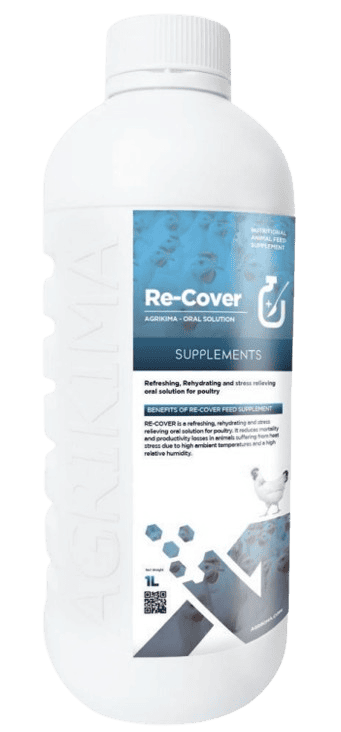
Keeping them healthy
- Feed a high-fibre diet based on straw, dry grass or hay and browse, with limited lush grass, and avoid sugary feeds, bread and large amounts of maize bran or dairy meal.
- Provide clean water at all times, and check water points daily, especially on hot days and after work, since dehydration can lead to impaction colic.
- Give dry, draught-free shelter with a solid roof, because a donkey's coat soaks through in rain; this is vital in the long and short rains and on cold highland nights.
- Keep standing areas and bedding dry and clean, and pick out feet regularly to prevent thrush and other hoof problems.
- Arrange hoof trimming every six to ten weeks and dental checks at least yearly, and never leave overgrown or cracked hooves.
- Vaccinate against tetanus, and follow a vet-guided plan for worms, ticks, lice and flies.
- Check body condition every two weeks and adjust feed and exercise to keep the score near 3, avoiding both thinness and obesity.
- Keep donkeys in pairs or groups where possible, limit loads to a fair weight for the donkey's size, rest working donkeys in shade with water, and use well-fitted, padded harnesses.
Risk to people
A healthy, well-cared-for donkey poses little disease risk to people, but some donkey infections can pass to humans. Ringworm, a fungal skin infection showing as round hairless patches, spreads by touch, so wear gloves and wash hands after handling affected skin. Rabies is a fatal risk anywhere in Kenya: never put your hand in the mouth of a donkey that is drooling, behaving strangely or cannot swallow, and report any animal bite to a health facility at once. Wounds from donkey kicks, bites or dirty hooves can lead to tetanus in people, so keep your own tetanus vaccination up to date. Always wash hands after handling donkeys, dung and thermometers, especially before eating.
Impact on your farm
For many Kenyan households, a donkey is a working partner that carries water, firewood, produce and building materials, ploughs land and earns cash through cart transport. When a donkey falls sick, the family may lose hours each day fetching water by hand and lose income from hired transport. Serious illnesses such as colic, hyperlipaemia, laminitis and tetanus can be expensive to treat and are often fatal if caught late. Because donkeys hide illness, the cost of missing early signs is high. A few minutes each week checking temperature, appetite, droppings, feet and condition, plus basic routine care, protects a valuable asset and allows the donkey to work well for many years. Donkeys are also at risk of theft in some areas, so keeping them close, well-handled and recorded helps protect them.
Long-term health
A donkey that is fed mainly fibre, watered well, sheltered from rain, kept at a healthy weight and checked regularly can live and work for 25 to 30 years or more. Most serious donkey illnesses have a much better chance of recovery when they are noticed early, often from nothing more than a small drop in appetite, quieter behaviour or fewer droppings. The outlook gets worse the longer a problem goes unnoticed, especially in fat, old, pregnant or stressed donkeys. Farmers who know their donkey's normal temperature, habits and body condition, and who call the vet quickly when something changes, give their animals the best chance.
Common questions
My donkey looks fine but has eaten less today. Should I wait?
No. In donkeys, eating less is one of the most important warning signs. Donkeys hide pain, and a donkey that stops eating, especially if it is fat, old, pregnant or stressed, can quickly develop hyperlipaemia, a dangerous fat build-up in the blood. Take the temperature, check the droppings and call the vet the same day. Keep offering water and its usual forage while you wait.
Is a fat, round donkey a healthy donkey?
Not usually. Many donkeys in Kenya are either too thin from hard work or too fat from rich grass and bran. Hard fat on the neck crest, shoulders and rump raises the risk of laminitis and hyperlipaemia. Aim for a score of about 3 on a 1 to 5 scale, where you can feel the ribs easily under a thin layer of fat but cannot see them sharply. Note that neck fat can stay hard even after weight loss, so feel the whole body.
Can I use my horse or cattle temperature and pulse figures for my donkey?
Use donkey figures instead. A healthy donkey's rectal temperature is about 36.5 to 37.8 °C, pulse about 36 to 68 beats per minute and breathing about 12 to 28 breaths per minute at rest. Each donkey has its own normal within these ranges, so take readings when it is healthy and calm and write them down to compare later.
Why does my donkey need a shelter when it lives in dry country?
Donkeys handle heat and dryness well, but their coat is not waterproof like a horse's. In the long and short rains a donkey can get soaked to the skin, become chilled and develop chest, skin and hoof problems. Shade is also important in hot, dry months. A simple roofed shelter with a dry floor where the donkey can choose to go makes a big difference.
How often should I deworm and trim my donkey?
There is no single rule for every farm. Many donkeys need hooves trimmed every six to ten weeks, but this depends on ground and wear. For worms, the best approach is a vet-guided plan using dung tests, because deworming too often or with the wrong product encourages worms that resist the medicine. Ask your vet or County Veterinary Officer to help set a plan for your area and season.
Is it normal for my donkey to lie down or roll?
Yes, healthy donkeys lie down for short rests, often in the sun, and roll in dust to scratch and care for their coat. It becomes a concern if the donkey lies down and gets up repeatedly, rolls again and again, looks at its belly, refuses food, sweats or lies flat for long periods. Those are signs of colic or other pain and need a vet quickly.
A guide, not a diagnosis. This page is general information to help you recognise problems early. Always confirm with a vet or animal health worker before treating.