
Poultry health: spot the signs.

Layers, broilers and kienyeji chickens — viral killers, gut and breathing problems, nutrition, parasites and egg quality.

26 conditions. Start with what healthy looks like, then the signs that need action — sorted from emergencies to problems you can watch. Tap any card for the full guide.

What a healthy chicken looks like

Also called: Healthy flock baseline, Normal chicken, Kuku mwenye afya (Swahili)

This page describes what a normal, healthy chicken looks, sounds and behaves like, so you can spot trouble early. Most poultry diseases in Kenya, such as Newcastle disease, Gumboro, coccidiosis and fowl typhoid, start with small changes in behaviour, droppings or feed and water intake before birds start dying. A farmer who knows what 'normal' looks like in their own flock can call the vet a day or two earlier, and that often decides whether you lose a few birds or the whole house.

Read the full health-check guide
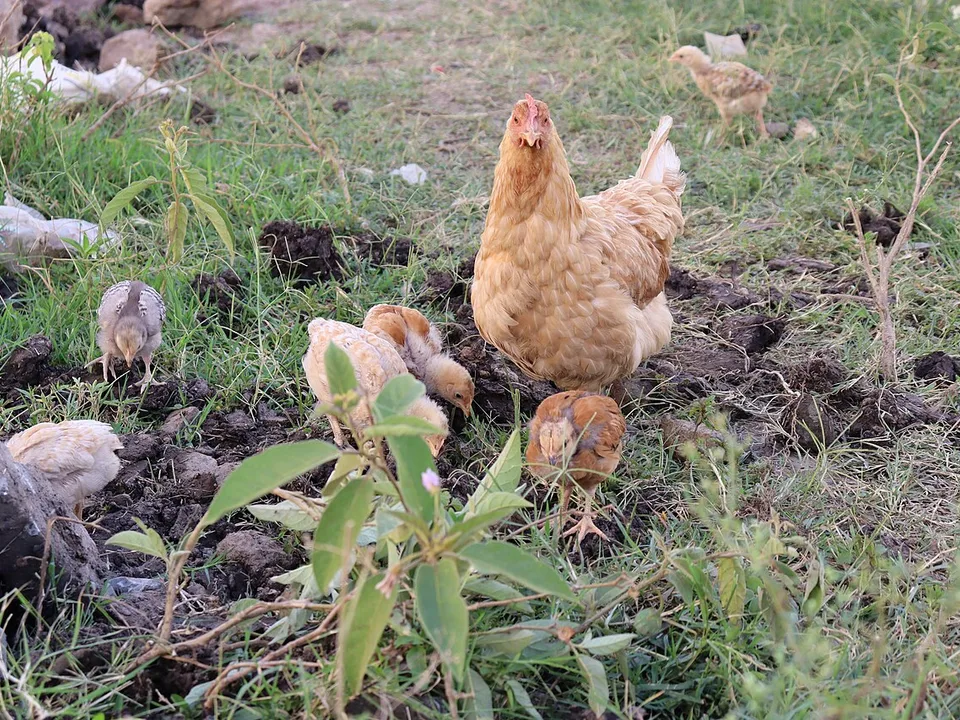
What a healthy chicken looks like: A healthy laying hen has a bright red, waxy comb and wattles, clear shining eyes, smooth tight feathers and spends her day scratching, pecking, drinking and dust-bathing. Her droppings are firm, brown to grey-green, with a white cap on top.
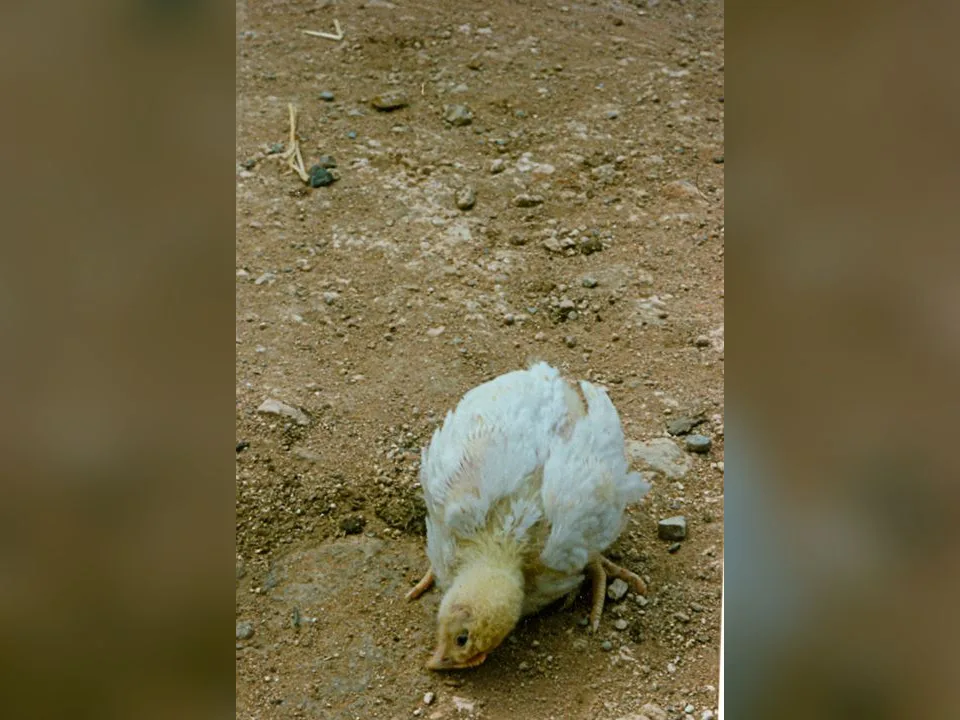
Newcastle disease: Birds gasp, sneeze and stop eating, then pass green watery droppings. Some twist their necks, walk in circles or become paralysed, egg laying crashes, and many birds die within a few days.

Newcastle disease

Twisted neck and sudden flock deaths

Read the full guide
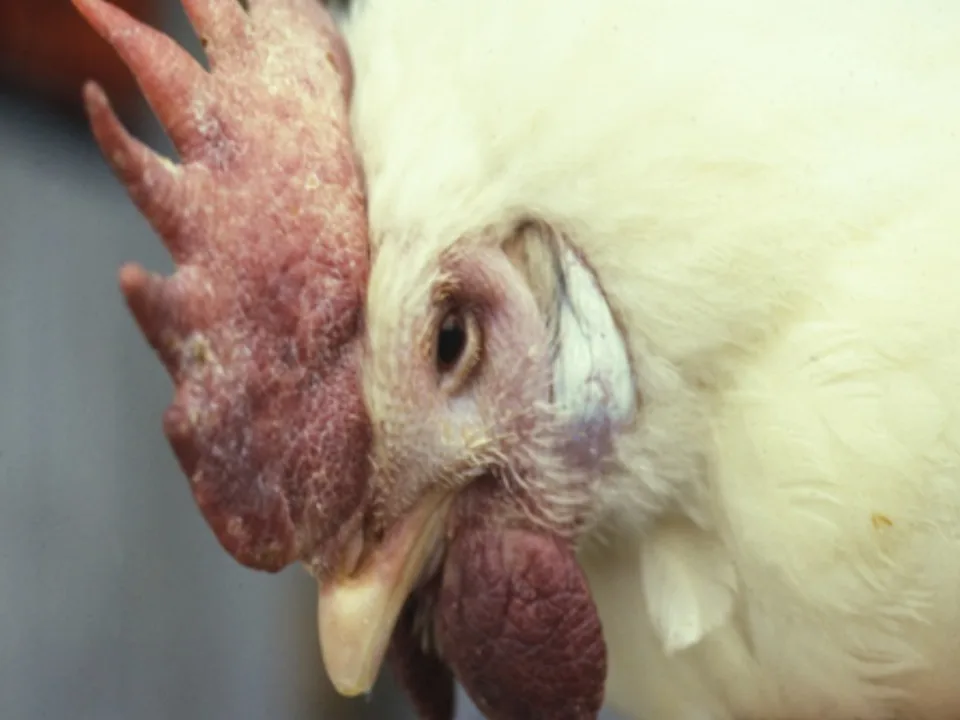
Avian influenza (bird flu): Many birds die suddenly, often overnight, with little warning. Survivors may have swollen heads and eyelids, a dark purple or blue comb and wattles, and red or purple blotches on the legs.

Avian influenza (bird flu)

Swollen head, purple comb, sudden deaths

Read the full guide
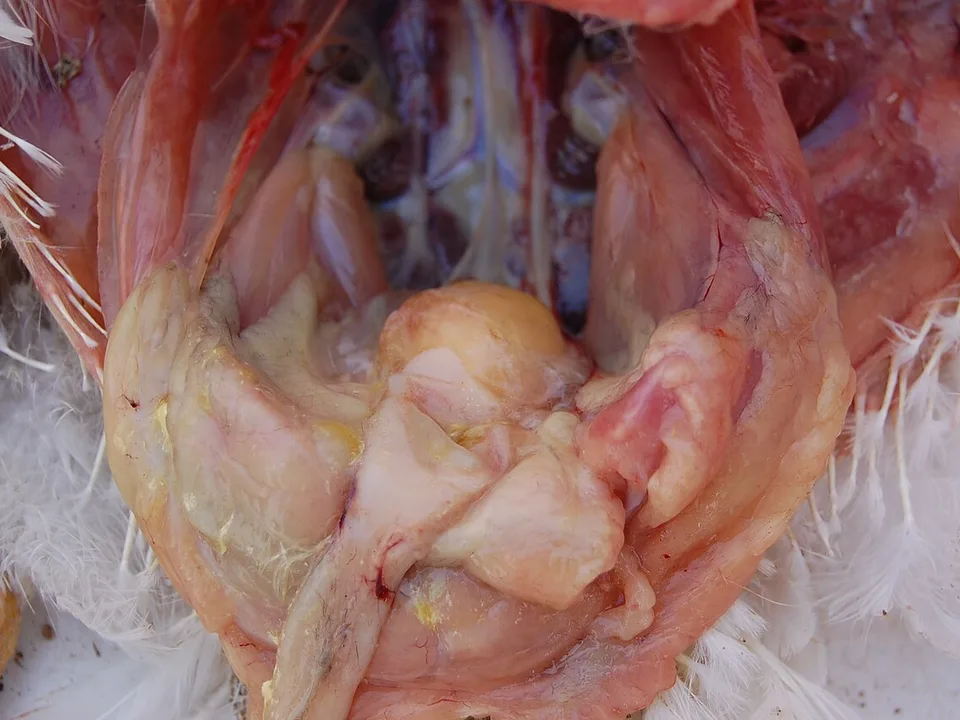
Gumboro (infectious bursal disease): Chicks of about 3 to 6 weeks suddenly sit huddled together with ruffled feathers, sleepy eyes and white, watery droppings stuck around the vent. Some peck at their own or others' vents, and deaths rise quickly over a few days.

Gumboro (infectious bursal disease)

Ruffled, huddled chicks with white diarrhoea

Read the full guide
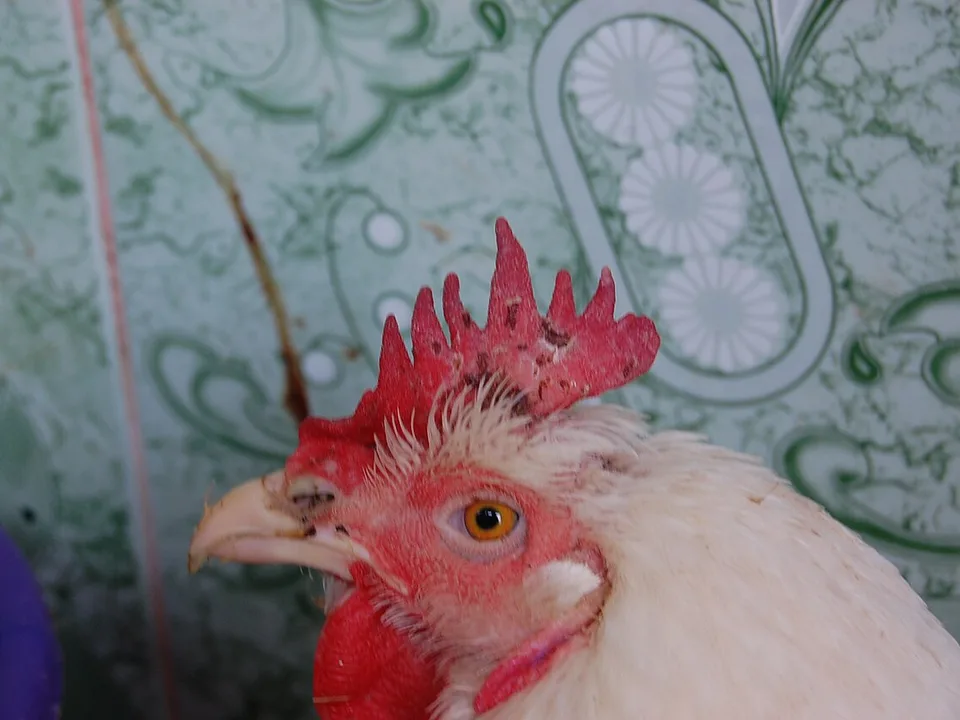
Fowl cholera: Healthy-looking adult hens are found dead on the perch or nest with dark purple-blue combs and wattles, while others sit fluffed up with green, watery droppings. In slower cases, wattles, faces or leg joints become hot and swollen.

Fowl cholera

Sudden deaths with purple combs

Read the full guide
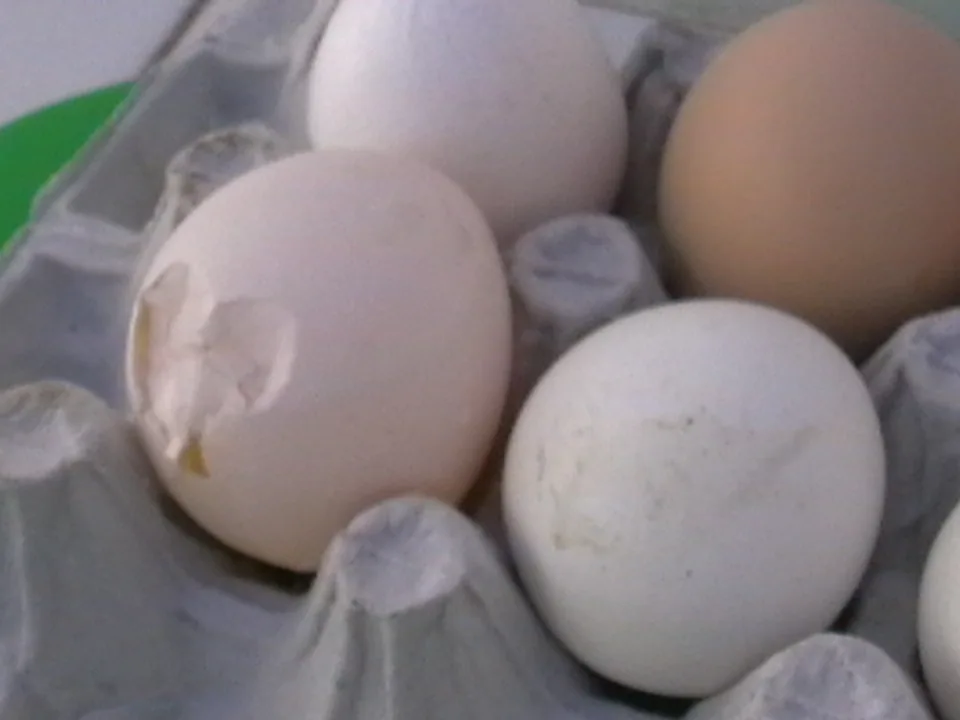
Infectious bronchitis: Young chicks huddle near the heat, stretch their necks to gasp, sneeze and make wet rattling sounds when breathing. In layers, egg numbers drop suddenly and the eggs come out soft, thin, wrinkled or pale, with watery whites.

Infectious bronchitis

Gasping, sneezing chicks and wrinkled eggs

Read the full guide
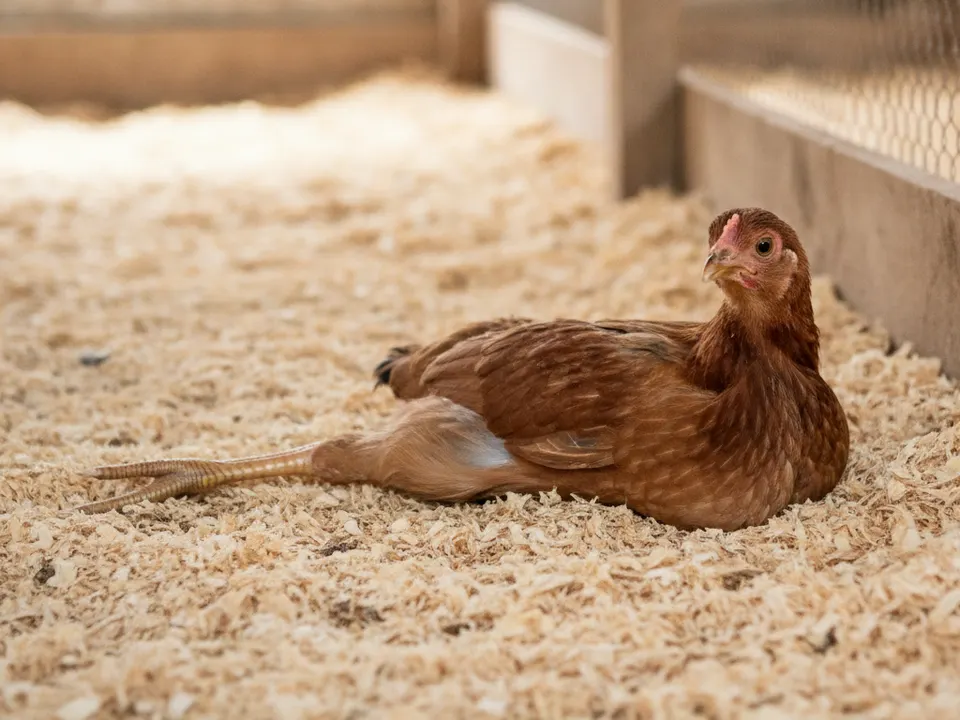
Marek's disease: A young bird, often 6 to 20 weeks old, lies or sits with one leg stretched forward and the other stretched back, and cannot stand. Some birds also have a drooping wing, grey cloudy eyes with an irregular pupil, or are thin and pale.

Marek's disease

Lame bird, one leg forward, one back

Read the full guide
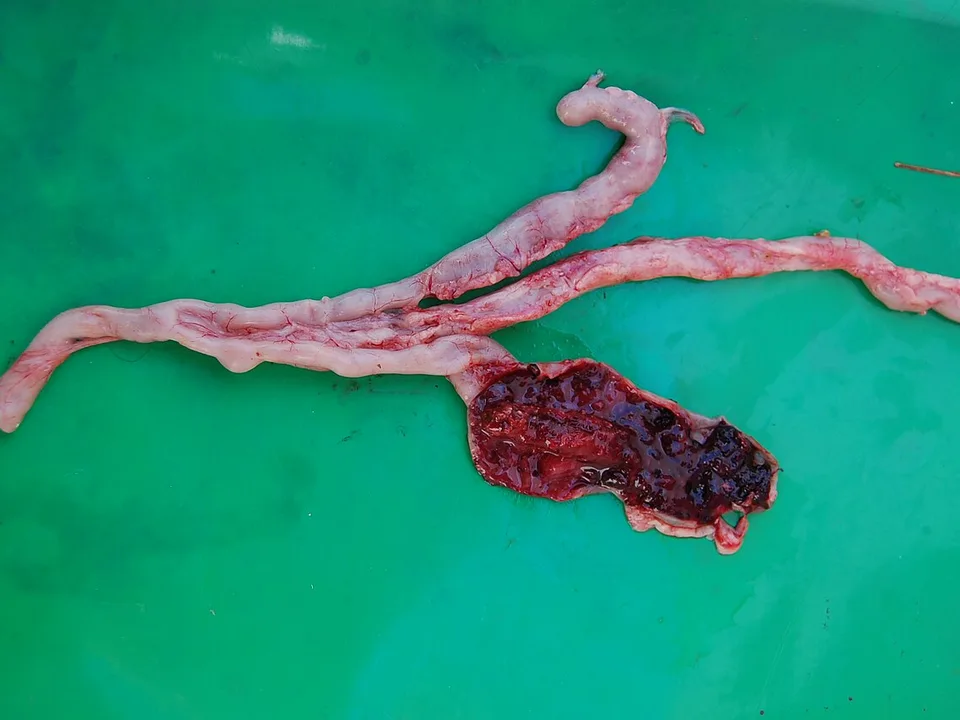
Coccidiosis: Young birds stand hunched with ruffled feathers and half-closed eyes, with blood-stained, watery or mucus-filled droppings on wet litter. Combs and wattles look pale and the birds eat less and grow slowly.

Coccidiosis

Bloody droppings and hunched, ruffled chicks

Read the full guide
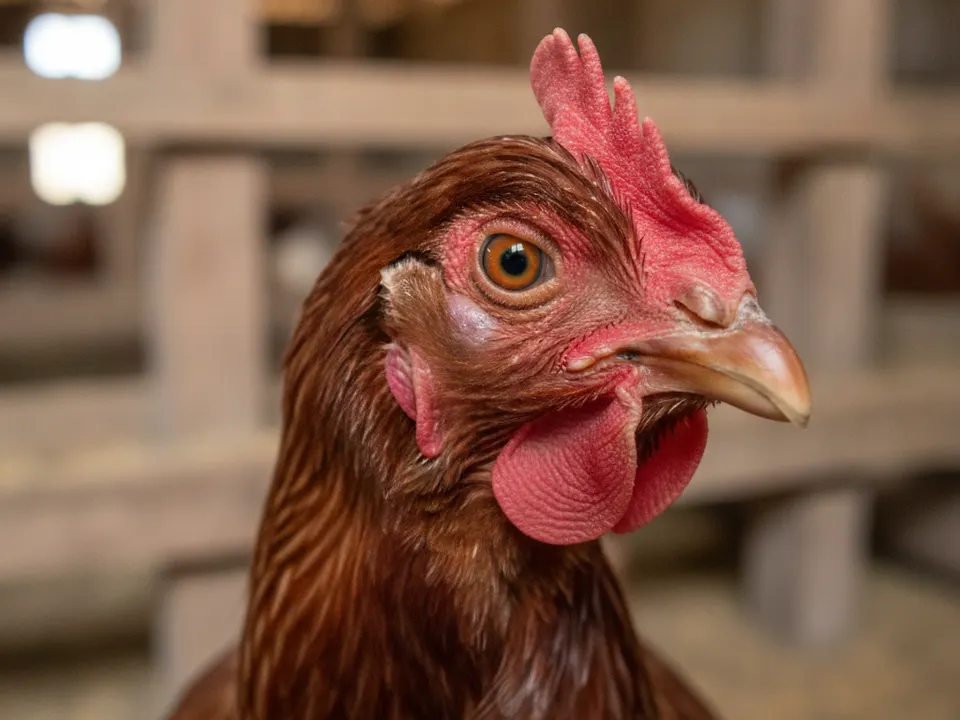
Chronic respiratory disease (mycoplasmosis): Birds sneeze, cough and make a gurgling or rattling sound when breathing, often loudest at night. You may see bubbly froth in the corner of the eye, a sticky nose and a puffy swelling of the face below the eye.

Chronic respiratory disease (mycoplasmosis)

Foamy eyes and rattling, wet breathing

Read the full guide
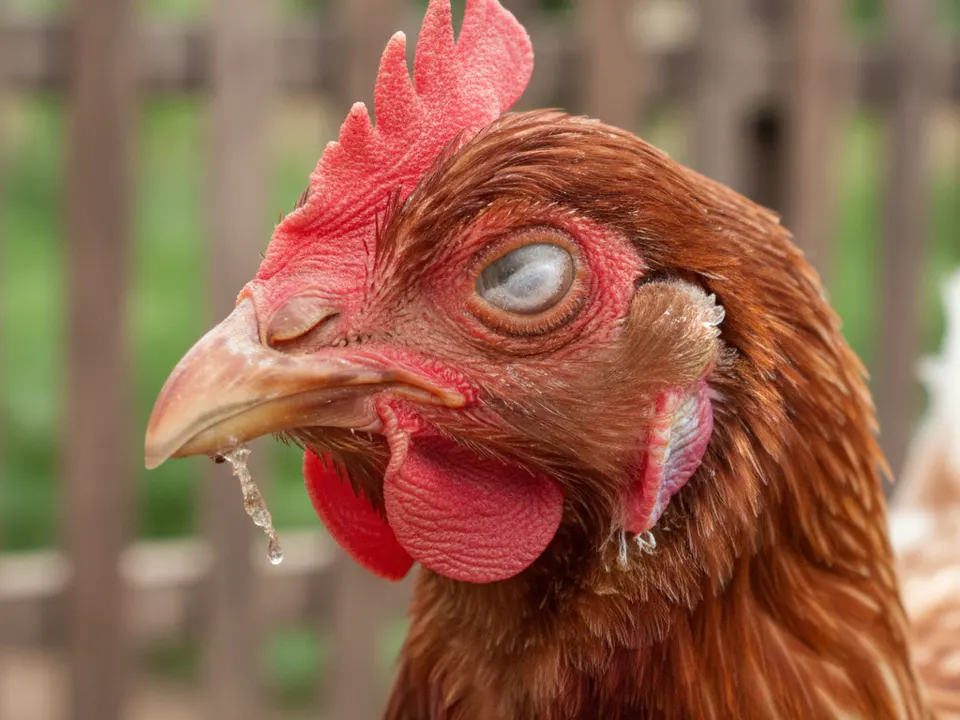
Infectious coryza: One or both sides of the face puff up around the eye, the wattles may swell, and a sticky, bad-smelling discharge runs from the nostrils and glues the eyelids together. Many birds sneeze, eat less, and egg collection drops within days.

Infectious coryza

Swollen face with eyes stuck shut

Read the full guide
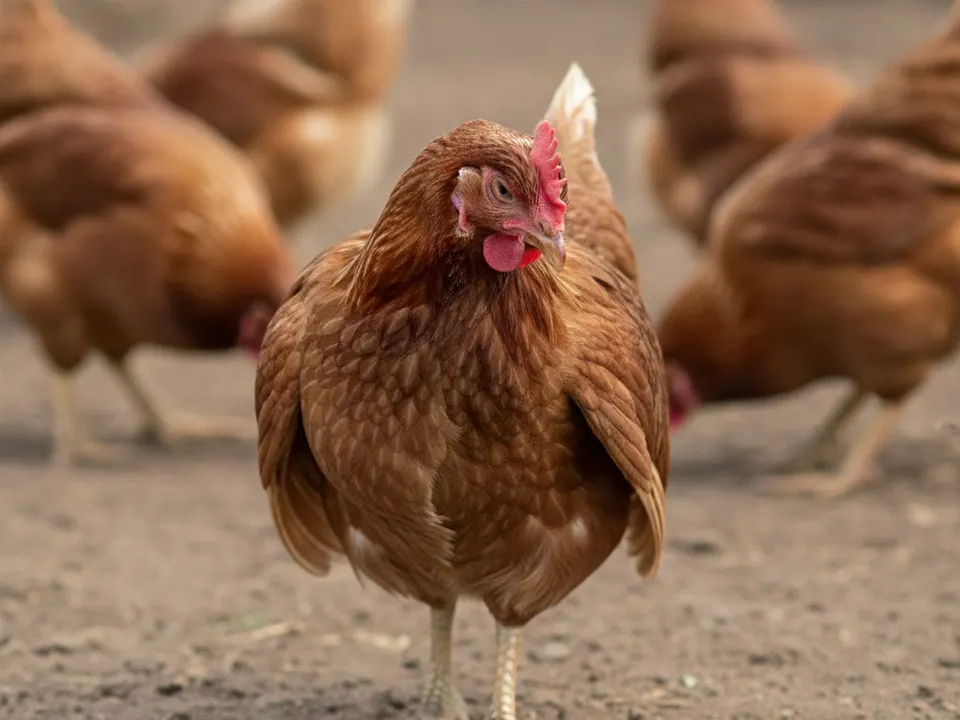
Fowl typhoid and pullorum: Chicks huddle under the heat source, chirp loudly and have white or creamy droppings stuck around the vent, with many deaths in the first two to three weeks. Older birds look dull and droopy, with pale, shrunken combs and watery yellow-green droppings.

Fowl typhoid and pullorum

Pasted vents and dying young chicks

Read the full guide
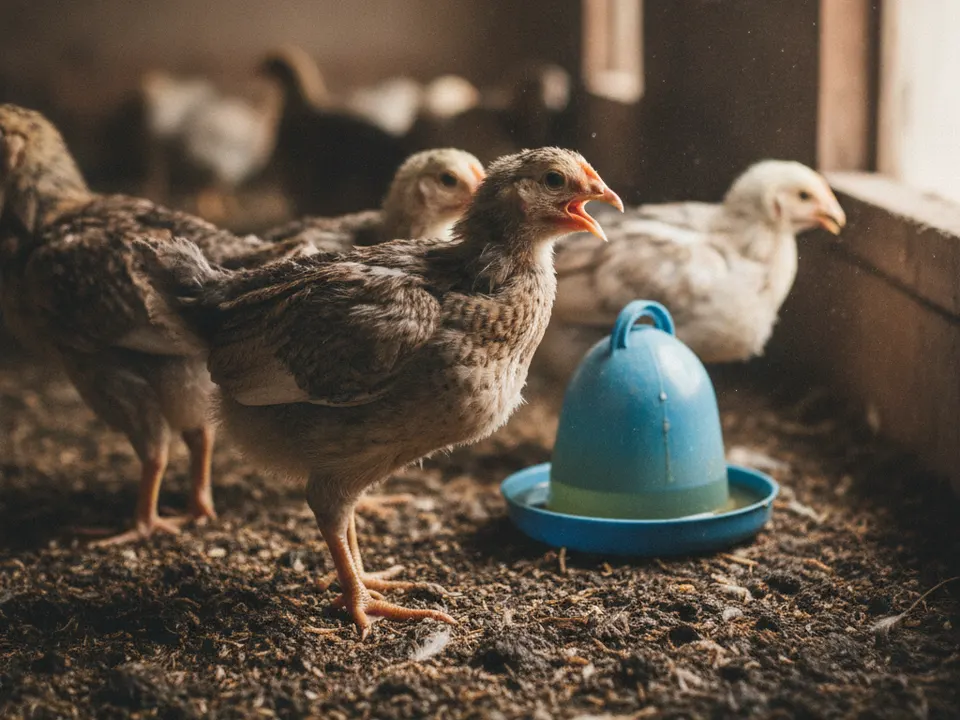
Colibacillosis (E. coli infection): Birds stand hunched with ruffled feathers and half-closed eyes, eat little and may breathe with open beaks or a rattling sound. Young chicks may have wet, swollen navels and bloated bellies, and older birds may limp on hot, swollen joints.

Colibacillosis (E. coli infection)

Dull, fluffed-up birds breathing hard

Read the full guide
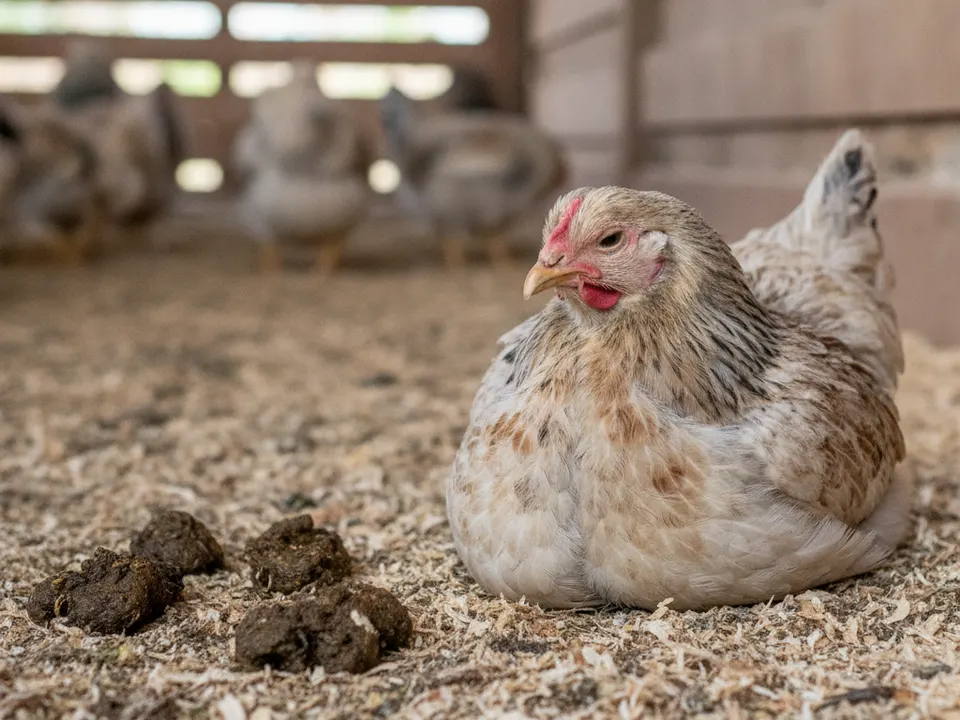
Necrotic enteritis: Well-grown broilers, often 2 to 5 weeks old, suddenly sit hunched with ruffled feathers and half-closed eyes. Some are found dead without warning. Droppings turn dark brown to black, sticky and foul-smelling, and the litter gets wet.

Necrotic enteritis

Sudden deaths and dark sticky droppings

Read the full guide
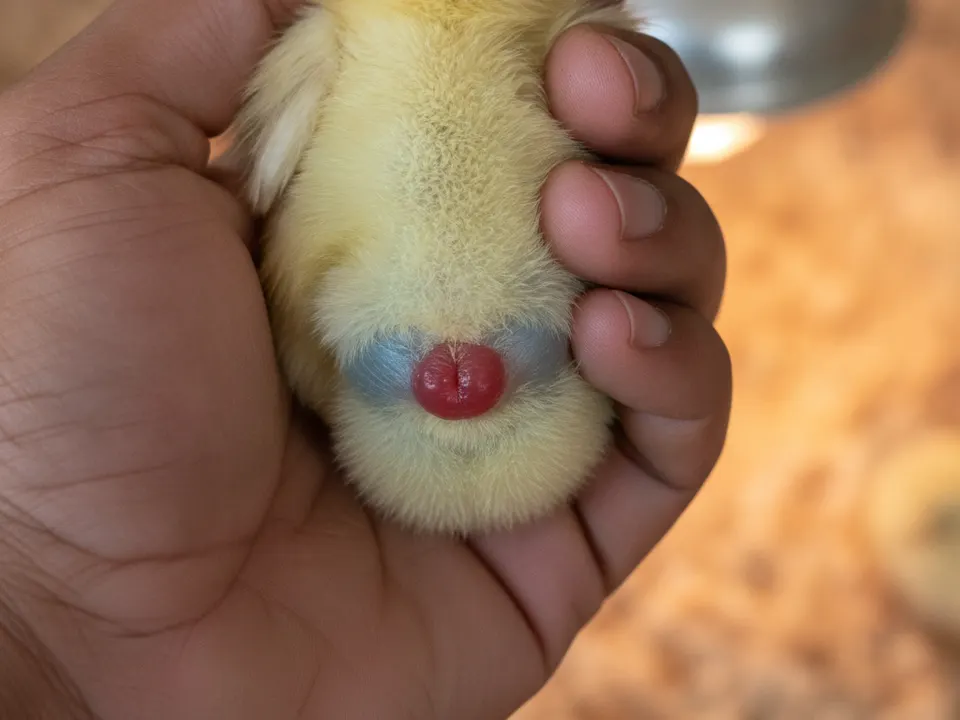
Navel and yolk sac infection (omphalitis): Day-old to week-old chicks with a red, wet or scabby navel and a soft, swollen, bluish belly. They huddle under the heat source, look sleepy, and some die each day in the first week.

Navel and yolk sac infection (omphalitis)

Wet, swollen navel and big belly

Read the full guide
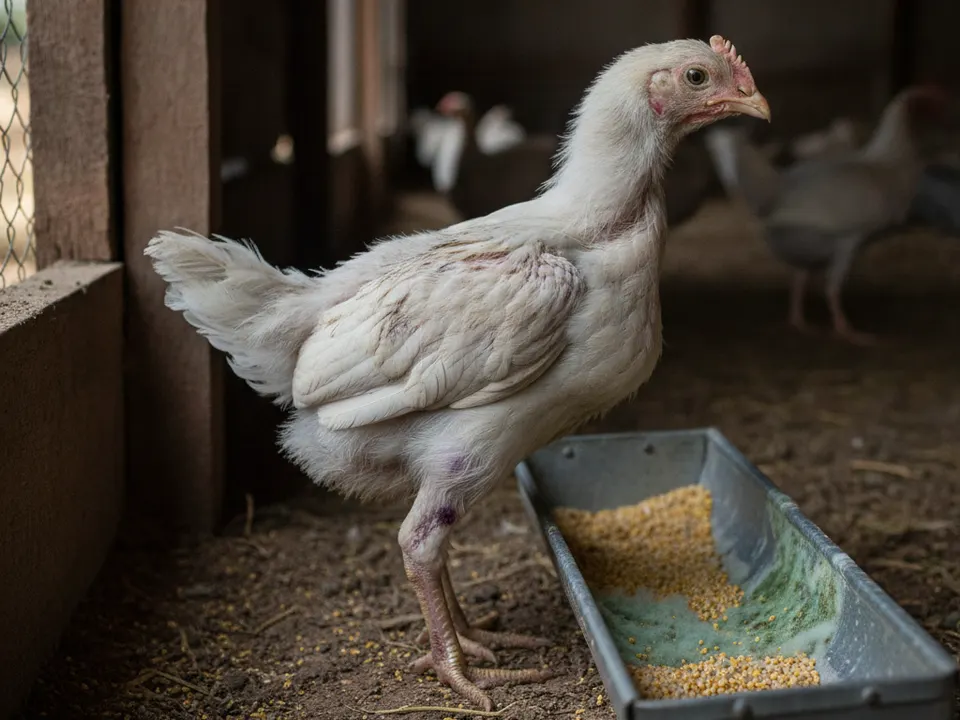
Mycotoxin poisoning (aflatoxicosis): Several birds in the flock look pale in the comb, wattles and legs, grow slowly or lay fewer eggs, and may show bruises under the skin. The problem often starts soon after a new batch of feed or grain, especially in damp weather.

Mycotoxin poisoning (aflatoxicosis)

Pale, slow-growing birds with bruising

Read the full guide
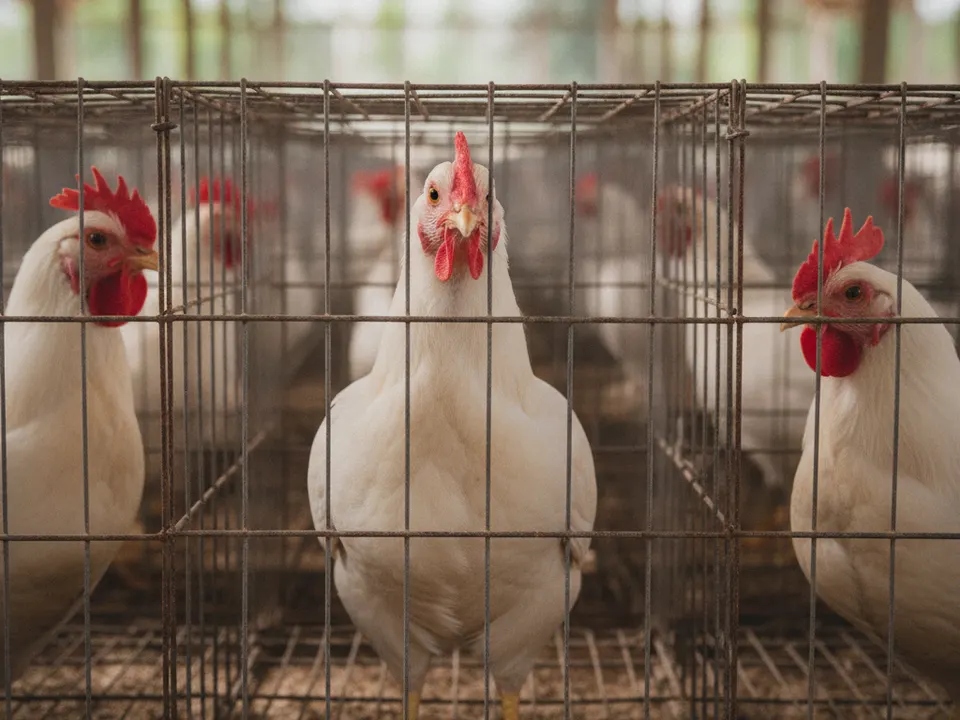
Fatty liver haemorrhagic syndrome: Heavy, well-fed caged layers that looked healthy are found dead with no warning, often with very pale combs. Live hens in the same cages may have pale, scaly combs and egg numbers start to drop.

Fatty liver haemorrhagic syndrome

Fat hens dying suddenly, pale combs

Read the full guide
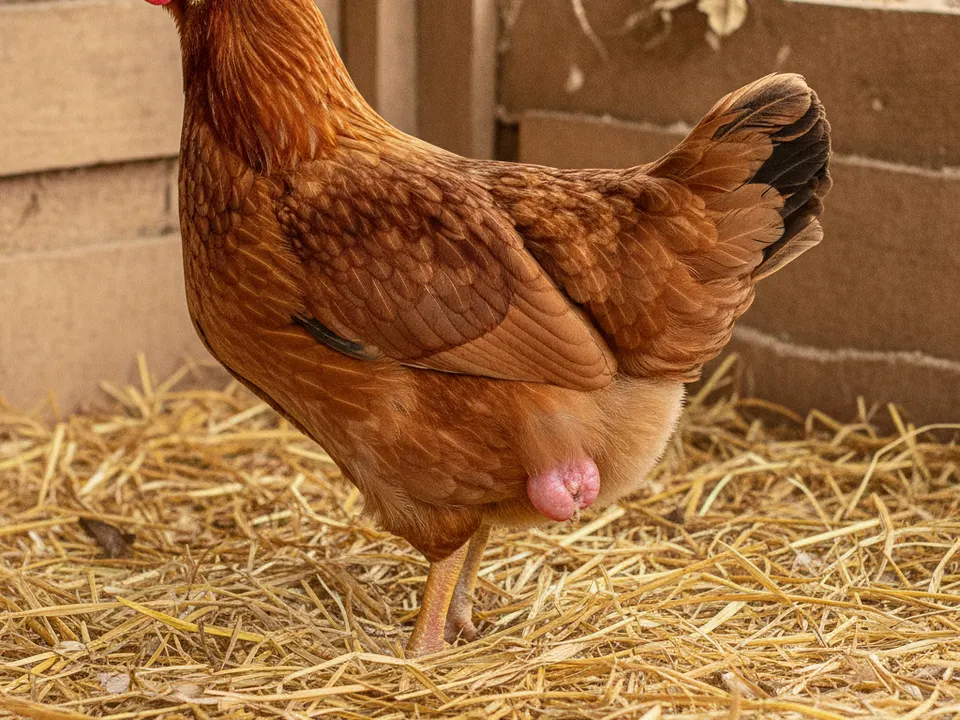
Egg binding and prolapse: The hen stands upright like a penguin, pumps her tail and strains again and again without laying an egg. In prolapse, a red or pink moist bulge of tissue sticks out of the vent.

Egg binding and prolapse

Straining hen with red tissue at vent

Read the full guide
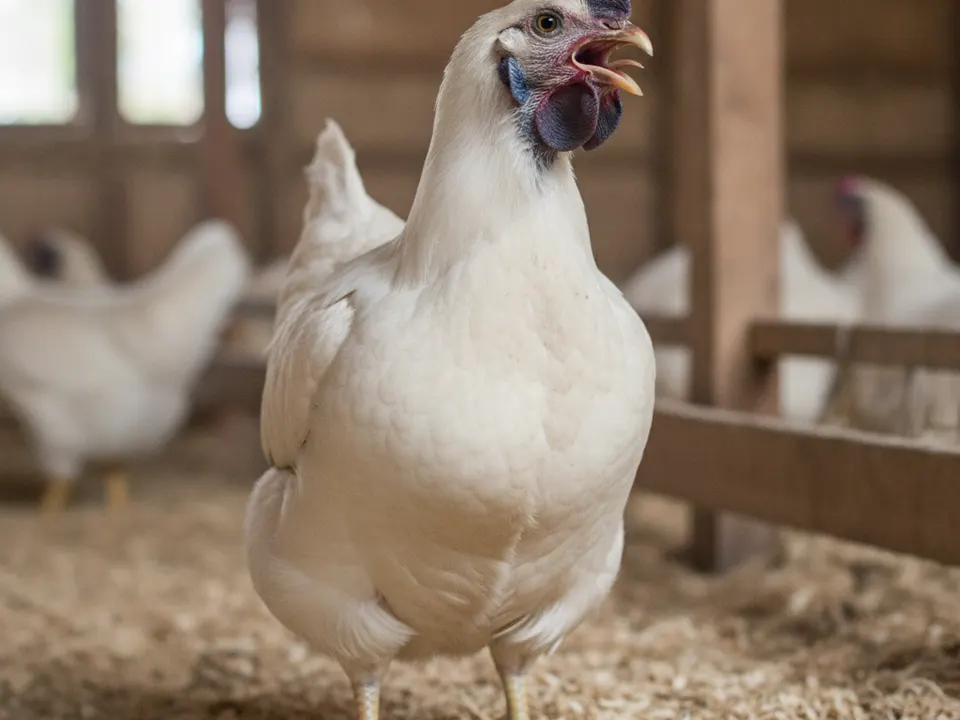
Ascites (water belly) in broilers: Fast-growing broilers, often the biggest males, stand upright like a penguin with a tight, swollen belly that feels like a water balloon. They pant with open beaks, have a dark bluish-red comb and wattles, and some die suddenly, often near the end of the growing cycle.

Ascites (water belly) in broilers

Swollen, water-filled belly and blue comb

Read the full guide
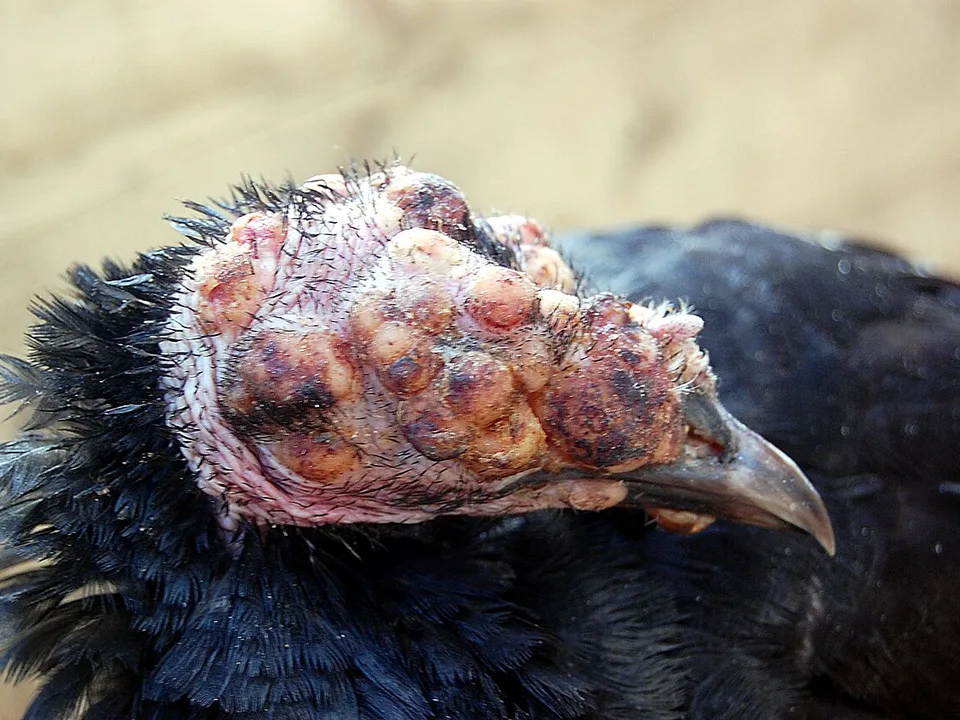
Fowl pox: Small pale or yellowish bumps appear on the comb, wattles, face and around the eyes, then grow into brown or black crusty scabs like warts. Some birds also have yellow-white cheesy patches inside the mouth or throat and struggle to eat or breathe.

Fowl pox

Wart-like scabs on comb and wattles

Read the full guide
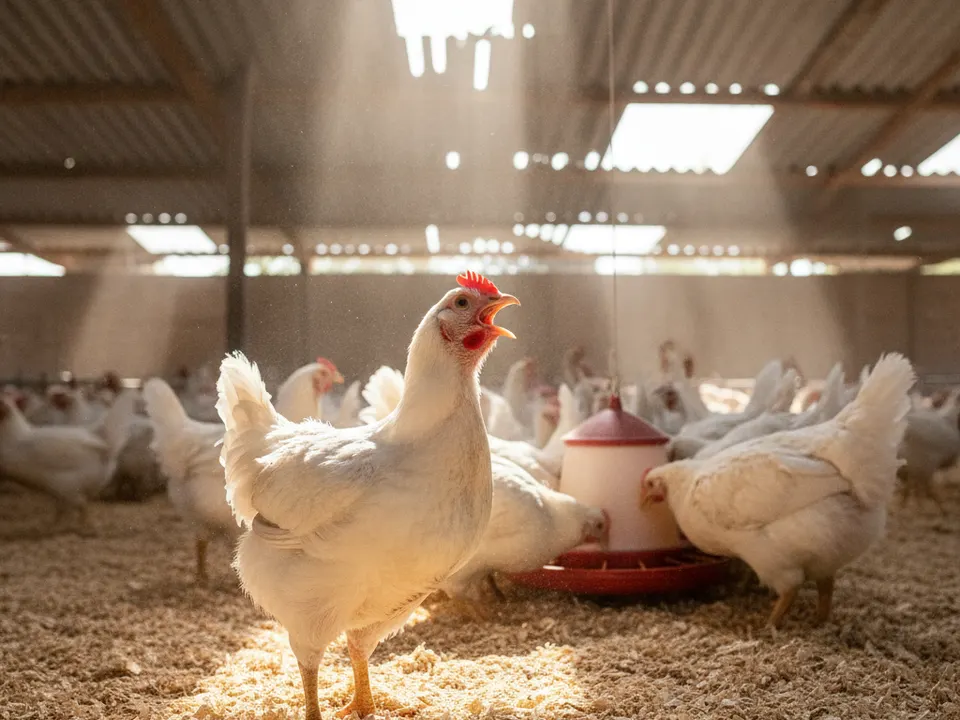
Heat stress: Birds pant with beaks open, hold their wings away from the body and crowd near water, walls or fans. They eat less, drink much more, and heavy broilers may collapse or die suddenly in the hottest part of the day.

Heat stress

Open-mouthed panting with wings held out

Read the full guide
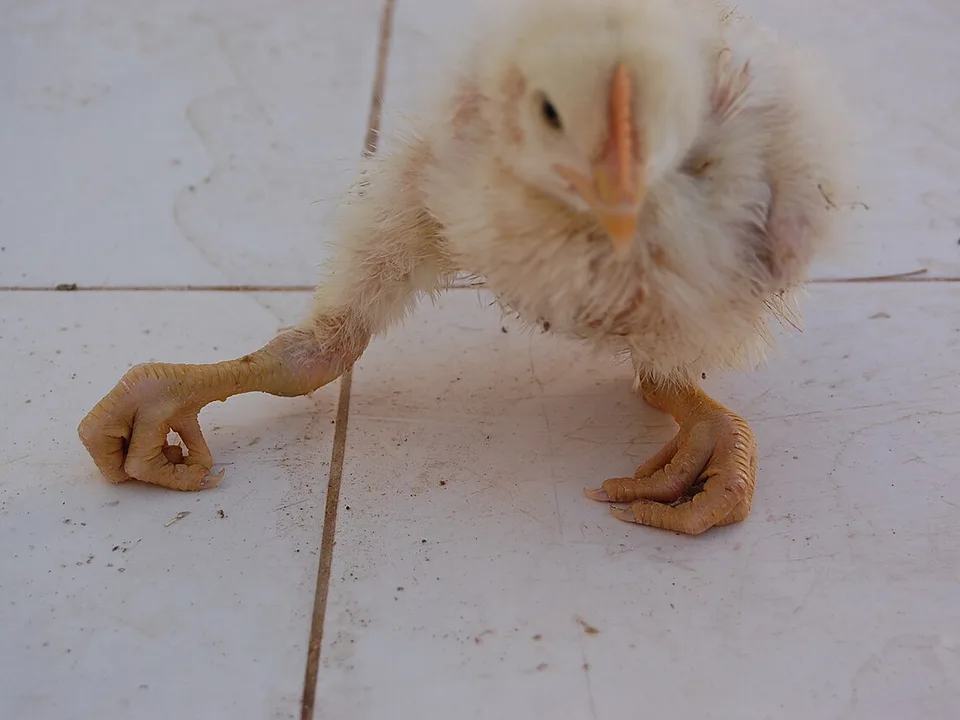
Vitamin deficiencies: Young birds sit on their hocks with toes curled inward, have soft rubbery beaks and legs, throw the head back or fall over, or show crusty, watery eyes. Laying hens may lay thin-shelled eggs that hatch poorly.

Vitamin deficiencies

Chicks with curled toes or rubbery legs

Read the full guide
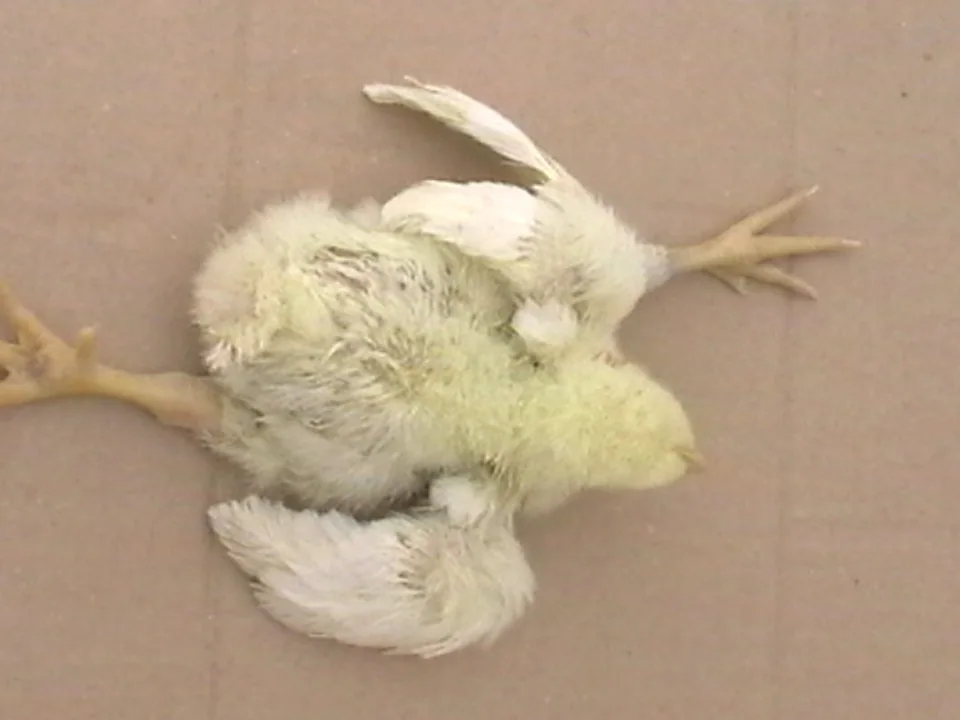
Leg weakness and perosis: Young birds, often fast-growing broilers, sit down a lot, walk on their hocks or limp, and one or both legs bend outwards at the hock joint. Some birds have a flattened, swollen hock where the big tendon has slipped off to the side.

Leg weakness and perosis

Birds sitting with twisted, bowed legs

Read the full guide
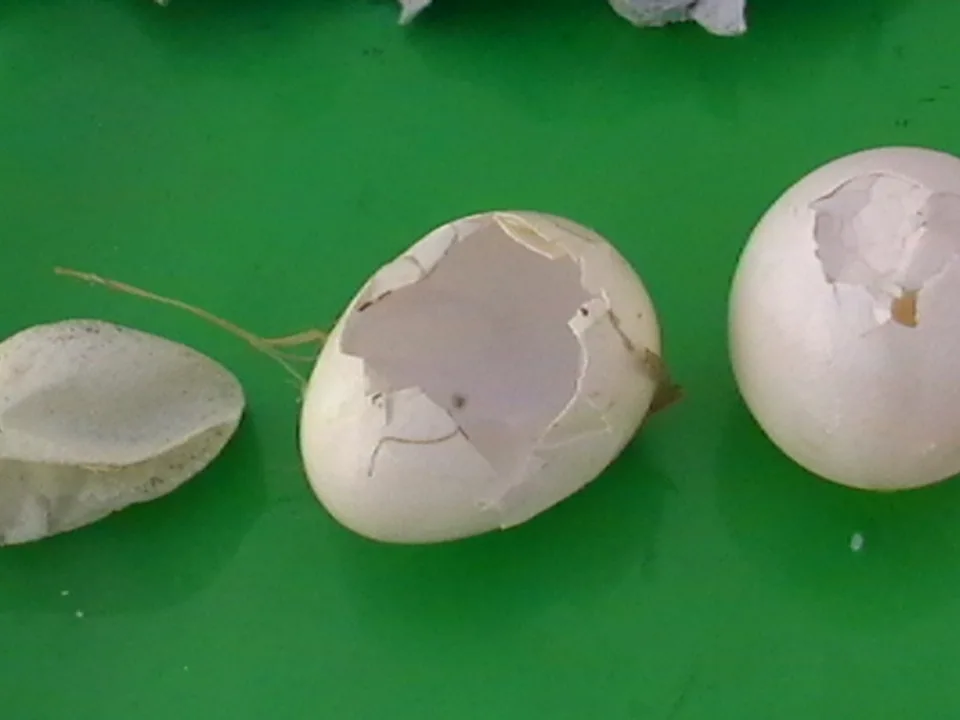
Poor eggshell quality and egg drop: Eggs crack easily, feel rubbery or come out with no shell at all. Some are wrinkled, rough, chalky, pale or oddly shaped, and the flock lays fewer eggs than usual.

Poor eggshell quality and egg drop

Thin, soft or misshapen eggshells

Read the full guide
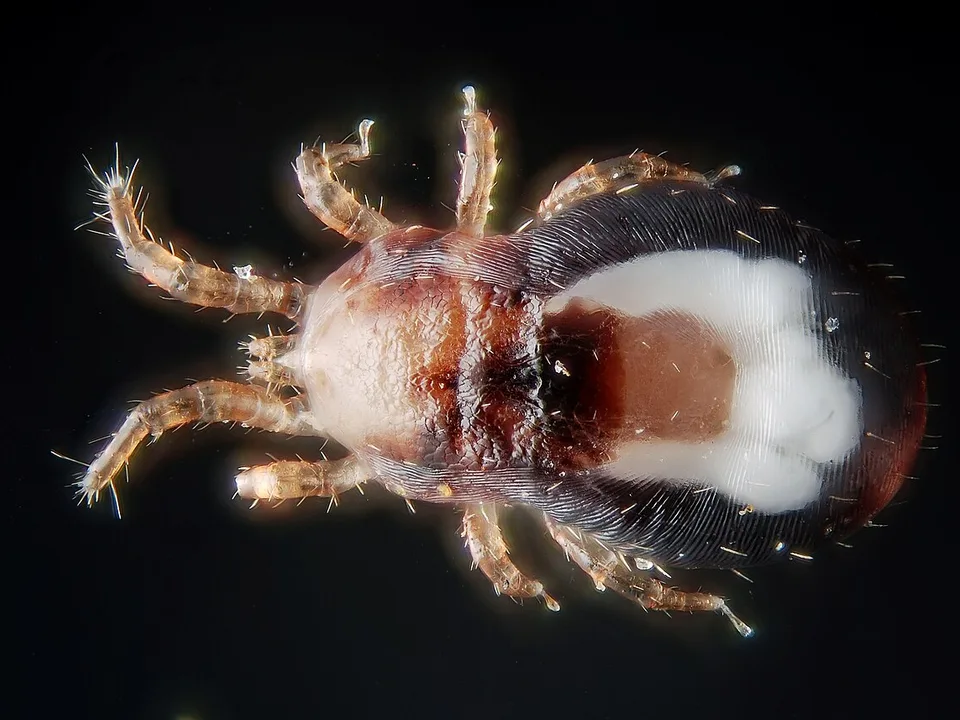
Mites and lice: Hens have pale combs and wattles, lay fewer eggs and refuse to roost or go into nest boxes. Tiny grey-red mites hide in perch cracks, or white egg clusters sit at the feather base around the vent.

Mites and lice

Pale comb and restless hens at night

Read the full guide
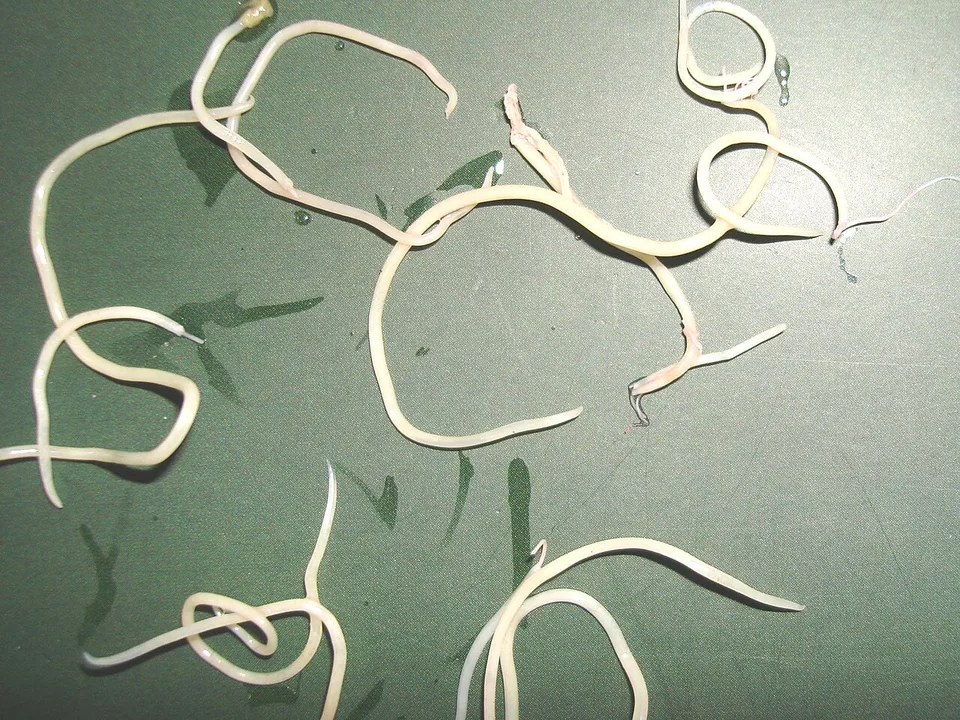
Internal worms: Birds look dull, thin and pale in the comb and wattles, grow slowly or lay fewer eggs. You may see white, spaghetti-like worms or small flat, rice-like segments in fresh droppings.

Internal worms

Pale comb and worms in droppings

Read the full guide
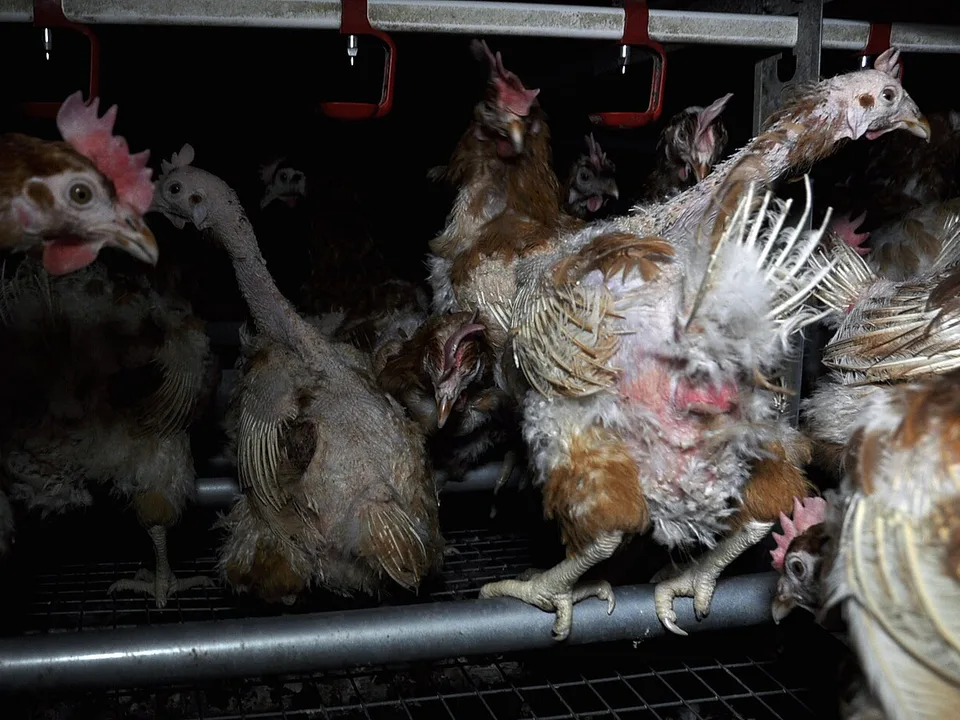
Feather pecking and cannibalism: Birds have patches of missing feathers on the back, tail or around the vent, and some have red, raw or bleeding skin. Other birds chase them and peck at the wounds, and you may find pulled-out feathers on the floor or see birds eating feathers.

Feather pecking and cannibalism

Bare, pecked backs and bleeding vents

Read the full guide
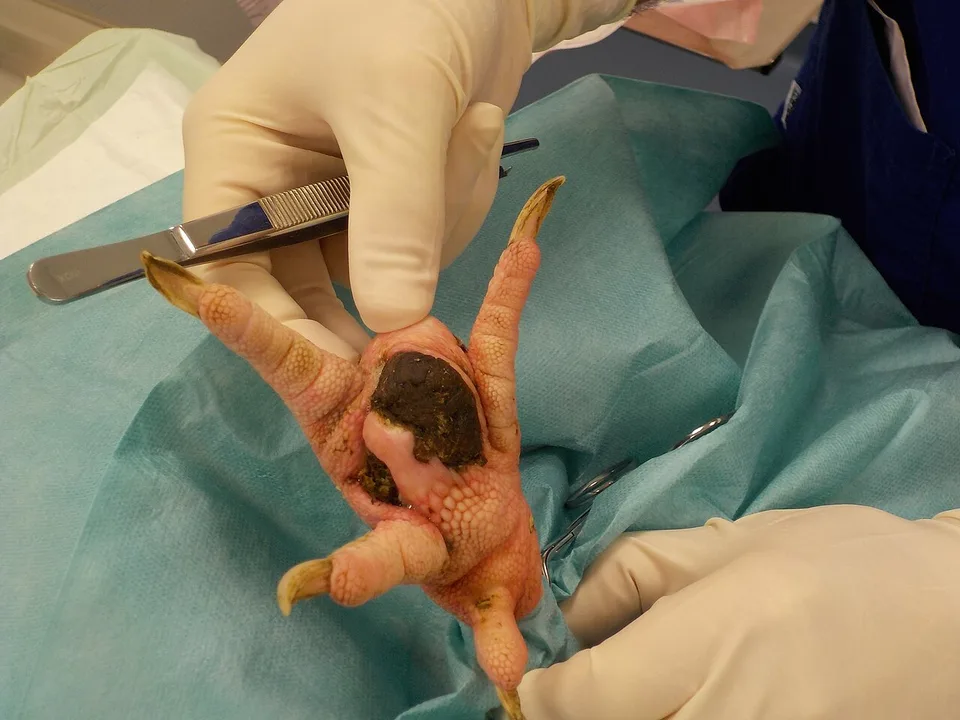
Bumblefoot: The bird limps or avoids standing on one foot. Underneath, the centre of the foot pad is swollen, warm and round, often with a hard, dark brown or black scab in the middle.

Bumblefoot

Swollen foot pad with black scab

Read the full guide

Photo credits