What it is
Coccidiosis is caused by protozoa, which are microscopic single-celled parasites, of the genus Eimeria. Several species infect chickens, and each attacks a different part of the gut. Eimeria tenella attacks the caeca, the two blind pouches near the end of the gut, and causes the classic bright red, bloody droppings. Eimeria necatrix attacks the middle of the small intestine and can kill older growers. Others, such as Eimeria acervulina, Eimeria maxima and Eimeria brunetti, cause watery, mucus-filled or orange-tinged droppings, poor growth and poor feed conversion, sometimes without obvious blood. A bird becomes infected when it swallows oocysts, the tough egg-like stage of the parasite, from litter, soil, feed or water. Inside the gut the parasite invades the cells lining the intestine and multiplies many times over, bursting those cells. This destroys the gut lining, causing bleeding, fluid loss and poor absorption of nutrients. Within about a week the bird passes huge numbers of new oocysts in its droppings, which then become infective in warm, moist litter within a day or two. The damaged gut also lets harmful bacteria, especially Clostridium perfringens, take hold, which can lead to a second disease called necrotic enteritis. Chicken Eimeria species are host-specific, meaning they infect chickens but not turkeys, ducks or other livestock, and those birds have their own Eimeria species.
Which animals are most at risk
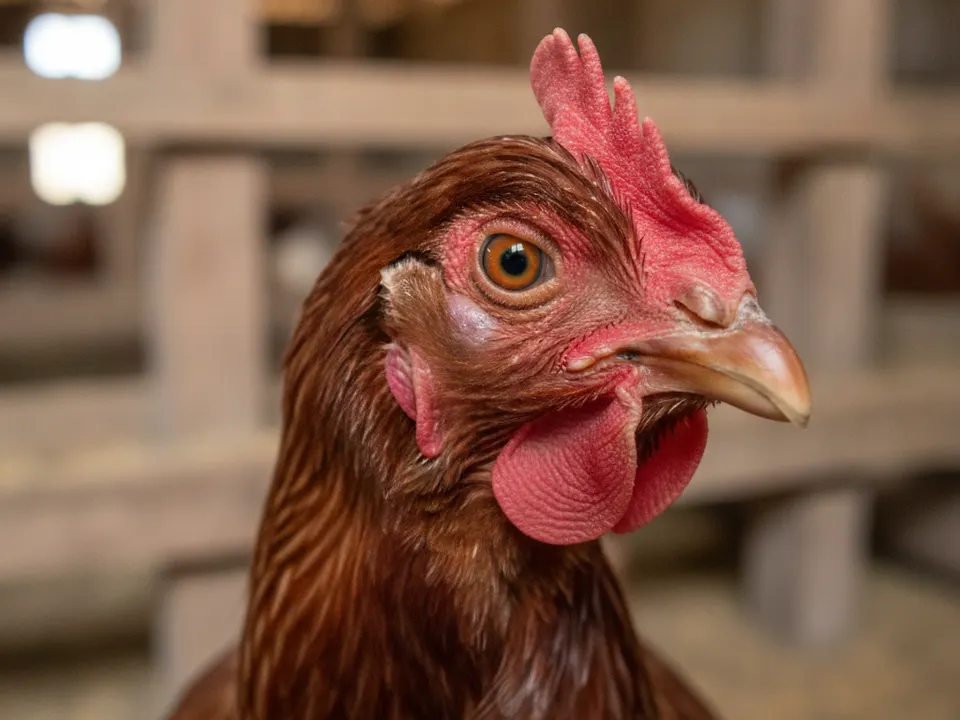
Young birds are most at risk, especially chicks and growers between about three and six weeks of age, although outbreaks can happen from around two weeks old up to point-of-lay if birds have not built immunity. Broilers on deep litter, layer and kienyeji chicks being raised for replacement, and improved kienyeji birds kept in confined houses are commonly affected. Birds moved from cages or slatted floors onto litter or the ground for the first time can also fall sick because they have no immunity. Outbreaks peak during the long and short rains, when humidity is high, roofs leak and litter stays wet. Overstocked houses, poorly ventilated structures, flocks fed without an anticoccidial or coccidiosis vaccine programme, and farms that reuse litter or do not rest houses between batches face higher risk. Birds weakened by Gumboro (infectious bursal disease), mycotoxins in mouldy feed, poor nutrition or worms are more likely to get severe coccidiosis.
Signs to look for
Early signs
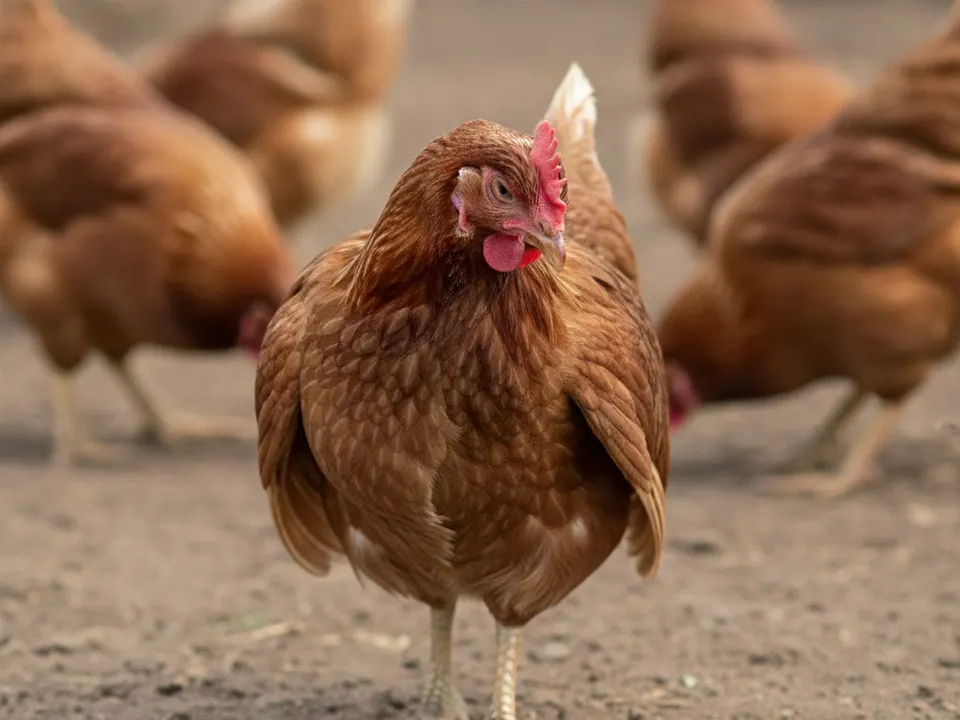
- Birds look dull, sleepy and stand hunched with ruffled feathers and drooping wings.
- Feed and water intake drop, and birds crowd near the heat source or stand still in corners.
- Droppings become watery, mucus-filled, frothy or orange-tinged, and may show streaks of blood.
- Litter around drinkers and feeders becomes wet and smelly more quickly than usual.
- Uneven growth appears in the flock, with some birds clearly smaller than their batch mates.
- Vent feathers become soiled and pasted with droppings.
As it gets worse
- Droppings turn bright red or dark, tarry and bloody, often with clots or mucus.
- Combs, wattles, face and legs become very pale because of blood loss and anaemia.
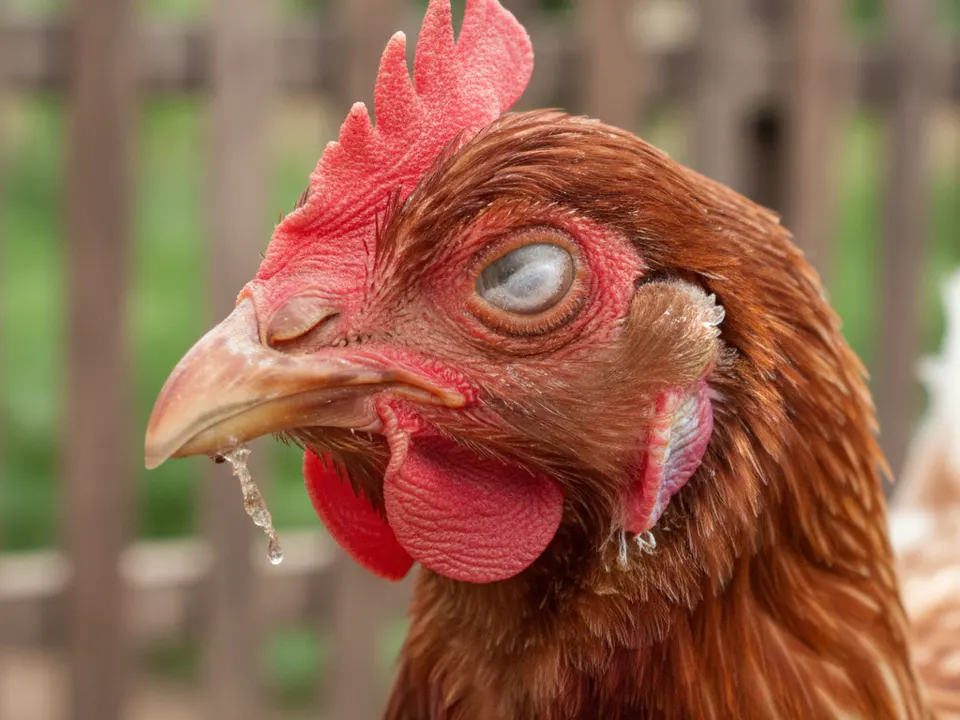
- Birds become weak, lie down, stop eating completely and may shiver or appear dehydrated with sunken eyes.
- Growth stops, birds lose weight and feathers look rough, and layer pullets may be delayed in coming into lay.
- Sudden deaths rise over a few days, sometimes with many birds dying in a short time in an unprotected flock.
- Birds that survive may stay stunted and convert feed poorly for weeks because the gut lining has been damaged.
What to do right now
- Separate visibly sick, hunched or bleeding birds into a clean, dry, warm pen so they are not trampled and are less exposed to oocysts.
- Remove wet, caked litter, especially around drinkers and feeders, and replace it with fresh, dry wood shavings or other dry bedding.
- Fix leaking drinkers, raise drinkers slightly, and repair roofs or walls letting rain in so the litter stays dry.
- Make sure all birds have clean, fresh drinking water at all times, because sick birds lose a lot of fluid and dehydrate quickly.
- Improve ventilation without creating cold draughts, and keep chicks warm, because chilled birds huddle and get sicker.
- Reduce crowding if the house is overstocked by spreading birds out or moving some to another clean space.
- Wear boots and clothes used only in that house, wash hands after handling birds or litter, and stop visitors and equipment moving between poultry houses.
- Record the number of sick and dead birds each day, keep a few fresh carcasses cool for the vet, and call your vet or animal health officer promptly. Do not start drugs before speaking to them.
How it spreads
- Birds swallow oocysts when they peck at contaminated litter, soil or droppings, which is how almost all infections start.
- Wet, caked litter is the main trigger, because warmth and moisture let oocysts mature and become infective within one to two days.
- Leaking drinkers, spilt water, rain coming through the roof or walls, and overcrowding all make litter wet and raise the infection pressure in the house.
- Oocysts are carried between houses and farms on boots, crates, feed bags, equipment, wheelbarrows, wild birds, rodents and insects such as darkling beetles.
- Oocysts are very hardy and can survive in soil and old litter for months, and many common disinfectants do not kill them, so reusing old litter or a poorly cleaned house carries infection to the next flock.
- Stress from poor ventilation, heat, sudden feed changes, vaccination, moving birds, or other diseases such as Gumboro lowers immunity and lets an outbreak break out.
- Kienyeji and free-range birds pick up oocysts from wet ground around the homestead, especially near drinkers, under roosting trees and in muddy runs during the rains.
Could it be something else?
Necrotic enteritis
This bacterial disease often follows coccidiosis. Birds die very suddenly, droppings are dark and foul-smelling, and at post-mortem the small intestine is swollen with a rough, yellow-brown, towel-like lining. A vet can tell the two apart, and both may be present together.
Gumboro (infectious bursal disease)
Gumboro also hits birds of around three to six weeks, but droppings are usually whitish and watery rather than bloody, birds peck at their vents, and deaths rise and fall within about a week. At post-mortem the bursa, a small organ near the vent, is swollen, yellow or bloody, and there may be bleeding in the thigh and breast muscles.
Newcastle disease
Newcastle disease affects birds of all ages, not only young growers, and usually causes greenish watery droppings, breathing problems, twisted necks, paralysis and a sharp drop in eggs. It spreads very fast and kills many birds. It is notifiable, so if you see nervous or breathing signs, report to your County Veterinary Officer.
Pullorum and other salmonella infections
These mainly affect very young chicks in the first two to three weeks, with white, chalky, pasted vents, huddling and deaths soon after hatching. Droppings are white rather than bloody, and a lab test is needed to confirm.
How it is diagnosed
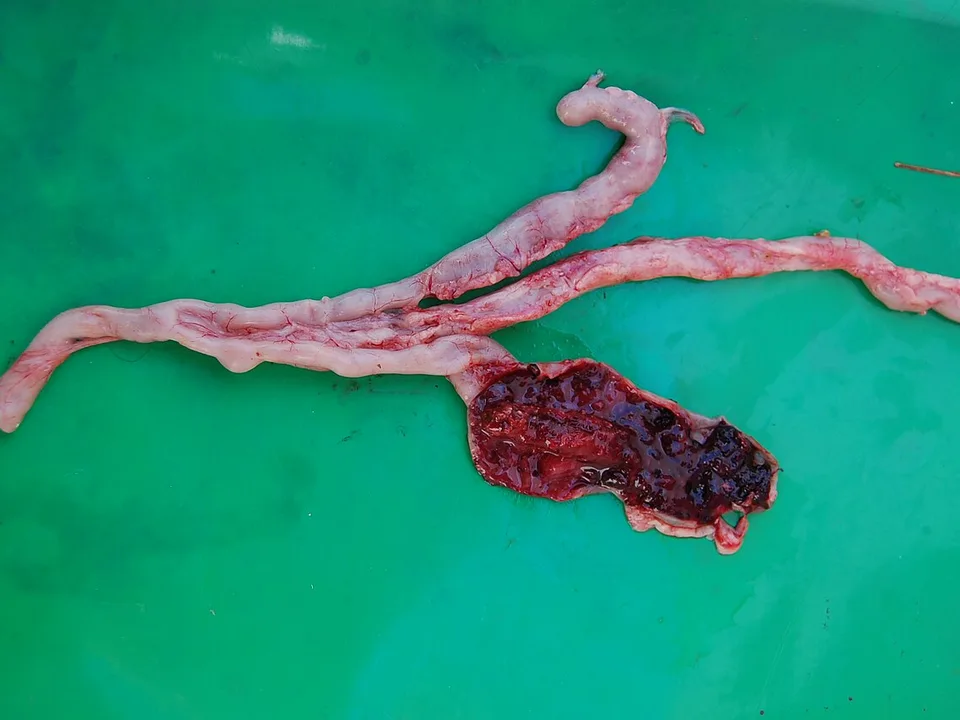
A vet or animal health officer usually suspects coccidiosis from the age of the birds, the bloody or mucoid droppings, wet litter and the pattern of deaths. The most reliable confirmation is a post-mortem examination of freshly dead or sick birds, where the vet opens the gut and looks for typical damage: swollen caeca filled with blood and clots, or a thickened, spotted, bloody or ballooned small intestine, depending on the Eimeria species. The vet may scrape the gut lining and look under a microscope for parasite stages. Faecal tests to count oocysts can help, but the number of oocysts does not always match how sick the birds are, so lesions and signs matter more. County veterinary laboratories and Kenya's regional veterinary investigation laboratories can help where a local vet lacks equipment. To help, keep two or three freshly dead or very sick birds cool, not frozen, in a sealed bag, and write down the age of the flock, number of birds, daily deaths, feed type and whether it contains an anticoccidial, vaccines given, and when signs started.
Treatment
Treatment must be prescribed by a vet, who will choose a drug based on the flock's age, type of production and what has been used before. Common anticoccidial drugs used in Kenya include amprolium, toltrazuril, diclazuril and sulfonamides such as sulfadimidine or sulfaquinoxaline, usually given through the drinking water so that the whole flock is treated, because many birds are infected before they show signs. Sulfonamides are antimicrobials, so use them only when prescribed and for the full course, because misuse adds to antimicrobial resistance, where drugs stop working for animals and people. The vet may also advise treating secondary bacterial infection such as necrotic enteritis if it is confirmed. Supportive care is important: clean water, dry litter, good feed and vitamin support, especially vitamins A and K, which help repair the gut and blood clotting. Ask your vet about the timing of vitamin supplements, because some, such as high doses of vitamin B1 (thiamine), can reduce how well amprolium works. Every drug has a withdrawal period, the time you must wait after the last treatment before selling or eating meat or eggs, and many anticoccidials are not allowed at all in laying hens producing eggs for eating. Follow the vet's and label's withdrawal instructions strictly. With early treatment, deaths usually slow within a few days, but damaged birds may take a week or more to start growing well again, and some stay stunted. Parasites can become resistant to anticoccidials when the same drug is used repeatedly, so your vet may rotate products between flocks.
Medicines must be prescribed and dosed by a vet. Always respect milk and meat withdrawal periods, and finish the full course of any antibiotic.
How Agrikima products can help
These support the animal alongside — never instead of — your vet's treatment, vaccination and good management.
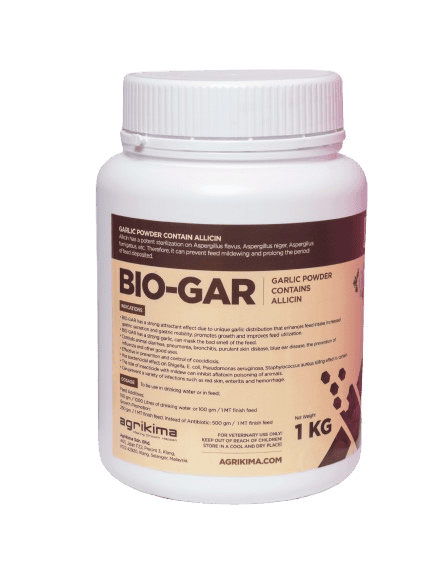
BIO-GAR
A probiotic that supports a healthy balance of gut bacteria. Used as part of a prevention plan, alongside dry litter, good hygiene and the vaccine or anticoccidial programme your vet recommends, it can help the gut cope with coccidial challenge. During recovery it can help the gut return to normal. It is a support, not a treatment for an active outbreak, which needs a vet-prescribed anticoccidial.
View product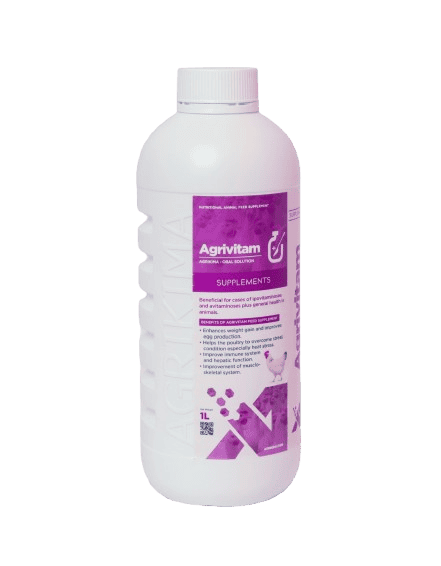
AGRIVITAM
A liquid vitamin and mineral supplement that can support appetite and stress recovery once the vet's treatment is under way, helping weakened birds regain condition after gut damage and blood loss. Ask your vet about timing, as some vitamins, especially vitamin B1, can interfere with amprolium if given at the same time.
View productPrevention
- Keep litter dry at all times by using enough clean bedding, fixing leaking drinkers, adjusting drinker height as birds grow, turning litter regularly and removing wet patches immediately.
- Clean out all old litter after each flock, scrub and wash the house, let it dry fully and rest it before new chicks arrive, because oocysts survive many disinfectants and need thorough cleaning, drying and time to reduce their numbers.
- Use either an anticoccidial programme in the feed (broiler and chick feeds from reputable millers often contain one; check the label) or a live coccidiosis vaccine given to chicks, as advised by your vet. Do not combine a vaccine with in-feed anticoccidials unless your vet says so, because the drug can stop the vaccine working.
- Avoid overcrowding and follow recommended stocking density for your house size and bird type, with good ventilation that removes moisture and ammonia without chilling chicks.
- Vaccinate against Gumboro and Newcastle disease on schedule, because these diseases weaken immunity and make coccidiosis far worse.
- Feed a balanced, fresh, mould-free feed with adequate vitamins and minerals, and store feed off the floor in a dry place to avoid mycotoxins.
- Practise biosecurity with house-specific footwear or a foot dip, limited visitors, control of rodents and wild birds, and raising one age group per house where possible, ideally all-in, all-out.
- For kienyeji and free-range birds, keep chicks in a dry brooder for the first weeks, move drinkers often so the ground around them does not stay muddy, and keep chicks away from muddy runs during the rains.
Risk to people
Chicken coccidiosis does not infect people, because chicken Eimeria parasites only infect chickens. The main human risk is drug residues: meat or eggs from birds treated with anticoccidials or sulfonamides must not be eaten or sold until the full withdrawal period has passed, and many of these drugs are not permitted in hens laying eggs for human consumption. Always wash hands after handling sick birds, droppings or litter, as poultry droppings can carry other germs such as Salmonella.
Impact on your farm
Coccidiosis is one of the biggest causes of losses on Kenyan poultry farms. Deaths can be heavy in unprotected broiler or chick flocks, and the survivors often grow slowly and eat more feed for every kilogram of weight gained, which hits profit on broilers sold by weight. Uneven flocks fetch lower prices from buyers and hotels. Layer and kienyeji pullets damaged as growers may start laying late and produce fewer eggs. Farmers also pay for drugs, extra litter, vet visits and labour, and may have to delay sales because of drug withdrawal periods. Even mild, unseen coccidiosis quietly reduces weight gain across the flock, so the true cost is often higher than the number of dead birds suggests.
Outlook and recovery
The outlook is generally good when coccidiosis is spotted early, the vet confirms it and the whole flock is treated while litter and housing problems are corrected. Deaths usually slow within a few days of starting correct treatment. The outlook is poorer when bloody droppings have been present for several days, many birds are already pale and weak, the flock also has Gumboro, necrotic enteritis or mycotoxin problems, or the litter stays wet. Birds that recover develop immunity to the Eimeria species they met, but they may remain stunted. Outbreaks are likely to return in the next batch unless litter management, cleaning and a prevention programme are improved.
Common questions
Why do my chicks keep getting coccidiosis every rainy season?
During the long and short rains, humidity rises, roofs and walls often leak and litter stays damp. Wet, warm litter is exactly what coccidiosis oocysts need to become infective, so infection pressure jumps. Before the rains, repair roofs, raise and fix drinkers, add extra dry bedding and plan a vaccine or anticoccidial feed programme with your vet.
Can I treat coccidiosis with antibiotics from the agrovet without seeing a vet?
It is not wise. Several different diseases cause similar signs, and the wrong drug wastes money while birds keep dying. Some anticoccidials, such as sulfonamides, are also antimicrobials, and using them without proper diagnosis drives drug resistance. Withdrawal periods and rules for layers also matter. Call a vet or animal health officer so they can confirm the problem and prescribe the right product for your birds.
Can I eat or sell eggs and meat from birds during treatment?
Not until the withdrawal period on the product label, or given by your vet, has passed. Many anticoccidial drugs are not allowed in laying hens producing eggs for eating at all, so tell your vet if your birds are laying. Eating or selling products too early can leave drug residues that may harm consumers.
Will my older birds or my ducks catch it from the sick chicks?
Chicken coccidiosis only infects chickens, so ducks, turkeys, goats and cattle will not catch it from your chicks, though they have their own types. Older chickens usually have some immunity from earlier exposure, but they can still carry and shed oocysts, which is a reason to raise chicks away from adult birds.
Is there a vaccine for coccidiosis?
Yes, live coccidiosis vaccines exist and are usually given to young chicks in water, feed or by spray, so they build immunity gradually. They are mainly used for layer and breeder replacement birds. Availability in Kenya varies, so ask your vet or a large agrovet. Vaccines need correct handling and should not be used together with in-feed anticoccidials unless your vet advises it.
Does starter feed with a coccidiostat mean I don't need to worry?
It helps a lot, but it is not a guarantee. A coccidiostat is a drug in the feed that controls the parasite. It can be overwhelmed if litter is very wet or the house is overcrowded, and parasites can become resistant. Keep litter dry, avoid overcrowding, and still watch droppings daily, calling the vet early if you see blood.
A guide, not a diagnosis. This page is general information to help you recognise problems early. Always confirm with a vet or animal health worker before treating.