What it is
CRD is caused by Mycoplasma gallisepticum, a very small bacterium that has no cell wall. Because it has no cell wall, some common antibiotics such as penicillin and amoxicillin cannot kill it. The organism attaches to the lining of the nose, sinuses (the air spaces in the face around the eyes), windpipe and air sacs (thin balloon-like bags in the body that help birds breathe). There it damages the tiny hairs that normally sweep dust and germs out of the airways. The airways become inflamed and fill with mucus, which causes sneezing, rattling and swelling of the face. Once the natural cleaning system is damaged, other germs move in easily, especially E. coli bacteria and viruses such as infectious bronchitis and Newcastle disease. This mixed infection is called 'complicated CRD' and is far more serious. Cheesy yellow pus can build up in the air sacs and over the heart and liver, and birds may die. Infected birds rarely clear the organism completely. They become carriers that look healthy but shed the germ again whenever they are stressed.
Which animals are most at risk
All ages of chickens and turkeys can be infected, but signs are usually worst in growing birds of about 4 to 12 weeks, in broilers, and in layers around the start of lay. Turkeys often develop very swollen sinuses. Disease is more common in the cold months of June to August and during the long and short rains, when houses are closed up, damp and full of ammonia. Farms that mix birds from many sources, keep different ages together, buy from markets or keep chickens with turkeys and ducks face higher risk. Commercial layer and broiler houses with poor ventilation are at risk, and so are free-range kienyeji flocks where many villagers' birds mix. Birds with other infections, worms, poor nutrition or mycotoxins (poisons from mouldy feed) get sicker.
Signs to look for
Early signs
- Occasional sneezing and head shaking, often heard first at night when the house is quiet.
- Wet, rattling or gurgling breathing sounds (called 'rales'), which you hear best by holding a bird close to your ear.
- Clear, watery discharge from the nostrils, with feed or dust sticking around the nose.
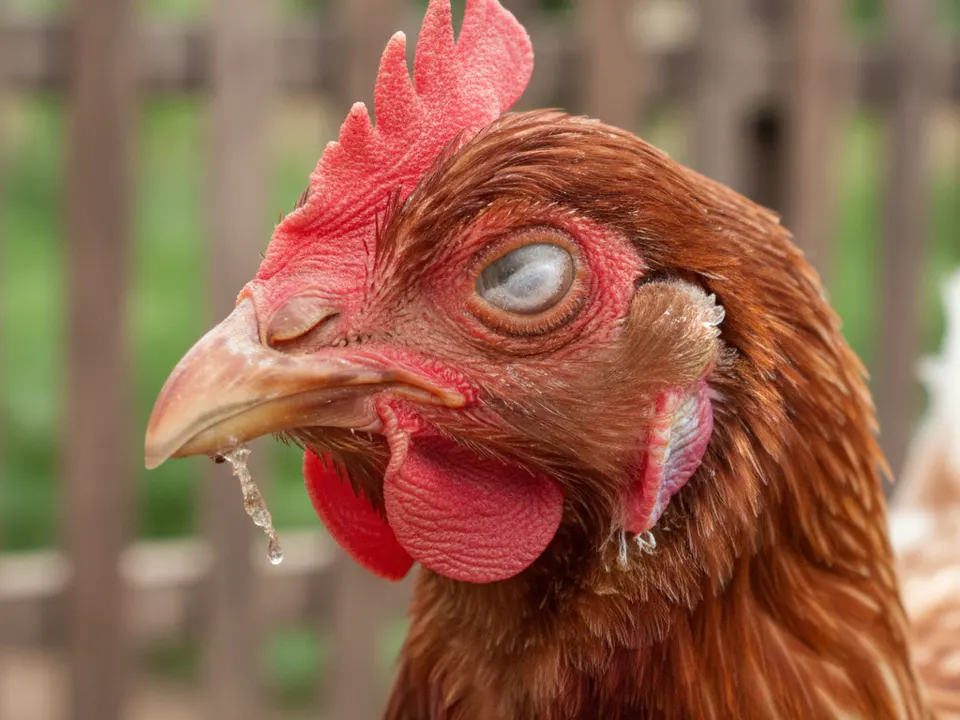
- Watery or slightly foamy eyes, with small bubbles in the corner of the eye.
- A slight drop in feed intake and water intake in part of the flock.
- A gradual fall in egg numbers in layers, or broilers growing more slowly than expected.
- Only a few birds affected at first, with more birds slowly showing signs over several weeks.
As it gets worse
- Puffy swelling of the face below and in front of the eye from swollen sinuses, sometimes making the eye look half closed. This is very marked in turkeys.
- Thick, sticky or cheesy discharge from the nose and eyes, with eyelids stuck together.
- Open-mouth breathing, gasping and stretching the neck to breathe.
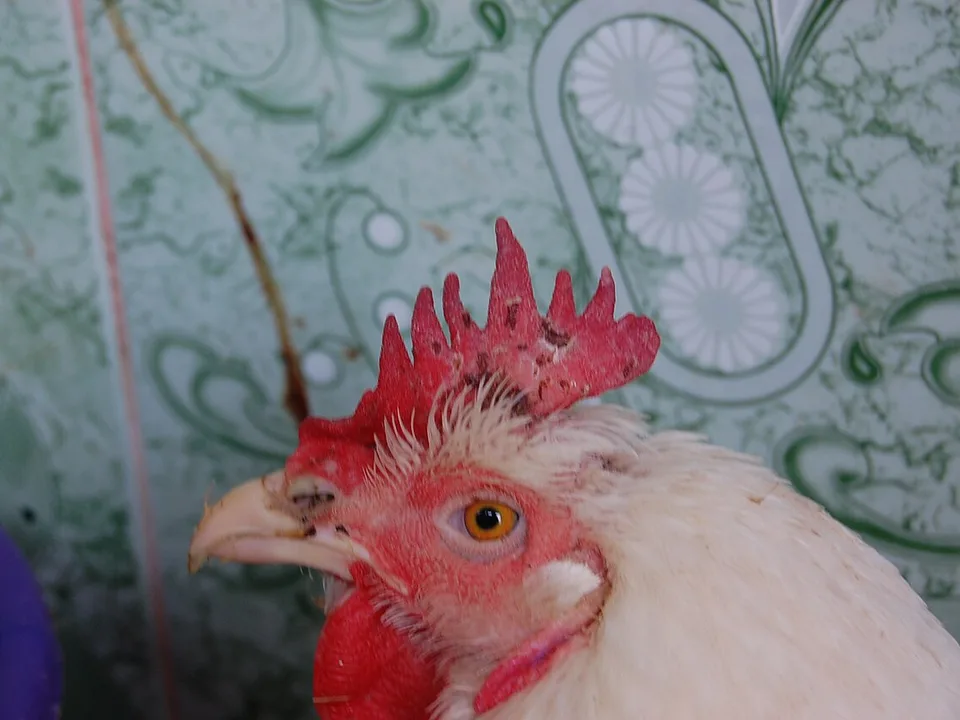
- Birds sitting hunched with ruffled feathers, losing weight and with a pale comb.
- A clear fall in egg production, and more small or poor-quality eggs.
- Uneven, stunted broilers and more birds condemned or downgraded at slaughter.
- Deaths rising when E. coli or a virus joins in, with cheesy yellow pus in the air sacs and over the heart and liver at post-mortem.
What to do right now
- Move the clearly sick birds to a separate, clean, dry pen away from the main flock, and handle them last each day.
- Improve ventilation without creating cold draughts at bird level. Open upper vents or curtains in the day and reduce crowding.
- Remove wet, caked litter and add fresh dry litter to cut ammonia, the sharp smell that burns the eyes and damages the airways.
- Make sure all birds have clean, fresh water and fresh feed within easy reach, as sick birds eat and drink less.
- Keep chicks and young birds warm at night, as cold stress makes CRD much worse.
- Stop buying, selling, mixing or moving birds, and do not share crates, egg trays or equipment with neighbours until the vet has advised you.
- Record how many birds are sick, how many have died each day, feed and water use and daily egg numbers, so the vet can judge how fast it is moving.
- Call your vet or County Veterinary Officer, and do not give antibiotics or other drugs from the agrovet without a vet's advice, because many common antibiotics do not work on Mycoplasma and wrong use leaves residues in eggs and meat.
How it spreads
- Through the egg: infected hens can pass MG into the egg, so chicks hatch already infected. This is why buying chicks from an MG-free hatchery matters so much.
- Through the air: sick and carrier birds release the germ in droplets when they sneeze and cough, and nearby birds breathe it in.
- By direct contact: birds sharing drinkers, feeders and perches pass the germ to each other through nasal discharge.
- On people, equipment and crates: the germ can survive for a short time, often a few days, on feathers, clothing, egg trays, crates and dust. Visitors, traders and shared equipment can carry it between farms.
- By bringing in new birds: buying birds from markets, or mixing kienyeji birds of unknown health with your flock, is a very common way the disease enters a farm.
- Through stress that 'wakes up' carriers: cold nights, poor ventilation, high ammonia, dusty litter, overcrowding, transport, onset of lay and live respiratory vaccines can make carrier birds sick and start shedding again.
- Wild birds and other poultry such as turkeys, ducks and guinea fowl kept with chickens may carry the infection, although the role of wild birds varies.
Could it be something else?
Infectious coryza
Coryza spreads much faster, often through a whole house within a few days. The face and wattles swell quickly, and the nasal discharge often has a strong, foul smell. CRD spreads slowly over weeks and the discharge usually does not smell bad. Both diseases can occur together, so a lab test helps.
Infectious bronchitis (IB)
IB is a virus that sweeps through the whole flock within a few days, with coughing and rattling. In layers it causes thin, soft, wrinkled or misshapen eggshells and watery egg whites. CRD spreads more slowly, lasts longer and is more likely to cause swollen sinuses. IB often triggers CRD in carrier flocks.
Newcastle disease
Newcastle usually causes sudden, heavy deaths, greenish watery diarrhoea, and nervous signs such as twisted necks, circling or paralysis, along with breathing problems. CRD on its own causes few deaths and no nervous signs. Suspected Newcastle needs a vet urgently.
Vitamin A deficiency
Birds may have sticky eyes and nasal discharge, but you also see small white spots or pimples in the mouth and throat, and the problem links to poor or old feed rather than a spreading infection. It does not cause rattling breathing passing from bird to bird.
How it is diagnosed
A vet will look at the flock history, the slow spread, the breathing sounds and the facial swelling. Signs alone cannot confirm CRD because several diseases look alike. The vet will usually open one or two sick or recently dead birds (a post-mortem) to look for thickened, cloudy or foamy air sacs, mucus in the windpipe and sinuses, and in complicated cases cheesy pus over the heart and liver. To confirm MG, the vet can take blood samples for antibody tests such as the rapid plate agglutination test or ELISA. They may also take swabs from the windpipe or cleft in the roof of the mouth for PCR, a test that detects the germ's genetic material, or for culture. Labs such as the Central Veterinary Laboratories at Kabete and county or university labs can help. Results take time, and blood tests can be affected by recent vaccination, so the vet will interpret them. You can help by preparing: the age and breed of the birds, where and when you bought them, vaccination records, feed and water intake, daily egg records, number of deaths per day, and any medicines already given. Keep two or three typical sick birds alive and separated, or chill (do not freeze) fresh carcasses for the vet.
Treatment
Treatment must be prescribed by a vet. Because Mycoplasma has no cell wall, the vet will choose antibiotic groups that work against it. Commonly used options include macrolides such as tylosin and tilmicosin, pleuromutilins such as tiamulin, and tetracyclines such as doxycycline or oxytetracycline, usually given in drinking water or feed for the whole flock. Some fluoroquinolones also act against Mycoplasma, but vets reserve these important drugs carefully. Where E. coli has joined in, the vet may pick a drug that covers both. Treatment can reduce signs, deaths and egg losses, but it usually does not remove the germ completely. Treated birds often stay carriers and the disease may come back with stress. Every drug has a withdrawal period, which is the time after the last dose during which eggs and meat must not be sold or eaten. Some products are not allowed at all in layers producing eggs for people, so ask the vet and read the label. Use antibiotics only when needed, at the full course the vet prescribes, and never as a routine 'just in case' treatment. Misuse breeds antimicrobial resistance, where germs stop responding to drugs that people and animals depend on. Alongside drugs, the vet will advise on ventilation, litter, controlling other infections and whether vaccination or replacing the flock makes sense.
Medicines must be prescribed and dosed by a vet. Always respect milk and meat withdrawal periods, and finish the full course of any antibiotic.
How Agrikima products can help
These support the animal alongside — never instead of — your vet's treatment, vaccination and good management.
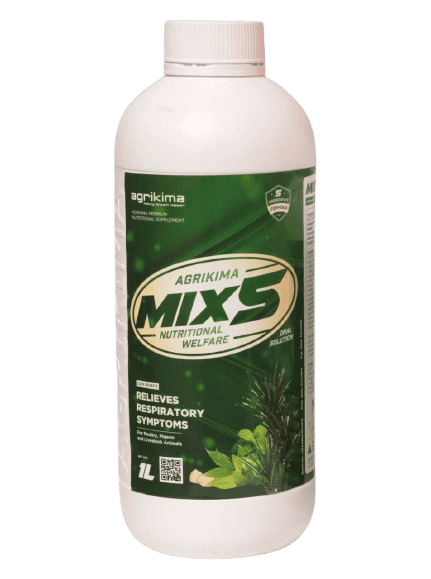
MIX5
MIX5's plant extracts are labelled to relieve respiratory problems. It can be used in drinking water as a supportive aid to help birds breathe more comfortably and cope with stress during a CRD outbreak or after vaccination. It does not kill Mycoplasma, and it does not replace vet-prescribed treatment, better ventilation or clean chick sources.
View product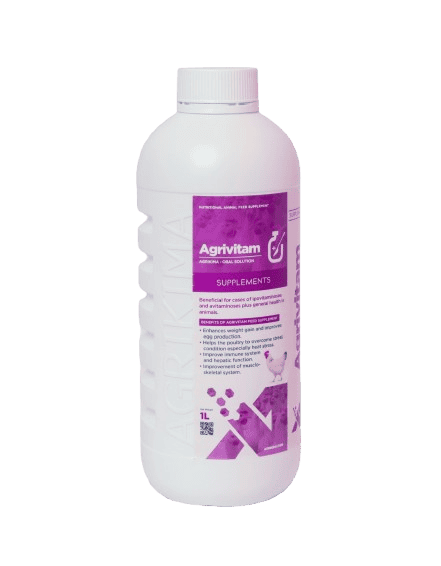
AGRIVITAM
AGRIVITAM supplies vitamins and minerals for stress recovery and layer productivity. It can help birds that are eating less during CRD keep up their nutrient intake, and it supports the flock's recovery and return to lay alongside vet care and good management. It is not a treatment for the infection itself.
View productPrevention
- Buy day-old chicks and point-of-lay birds only from reputable hatcheries and breeders that test their parent flocks for MG and can show this. This is the single most important step because the disease passes through the egg.
- Run an 'all-in, all-out' system where possible. Keep one age group per house, and clean, disinfect and rest the house between flocks.
- Do not mix birds of different ages or sources, and keep chickens apart from turkeys, ducks and guinea fowl.
- Quarantine any new or returning birds for at least two to three weeks in a separate pen, and watch them closely before mixing.
- Keep houses well ventilated but free of draughts, with dry litter, low dust and low ammonia. Avoid overcrowding.
- Control other diseases that trigger CRD by following a vet-advised vaccination programme for Newcastle disease, infectious bronchitis and Gumboro, and keep worms and coccidiosis under control.
- Feed a balanced ration with enough vitamins and minerals, store feed dry, and avoid mouldy feed, because mycotoxins weaken immunity.
- Practise biosecurity: a footbath at the door, dedicated boots and clothes, limited visitors, clean crates and egg trays, and wild birds kept out of the house.
- Ask your vet about MG vaccines. Live and inactivated vaccines exist for layer and breeder flocks on farms where MG is a known problem, but availability in Kenya varies and they must be used as part of a vet's plan.
- Do not hatch eggs from a flock known to have CRD unless a vet advises it, and consider replacing a chronically infected flock with clean birds after thorough cleaning.
Risk to people
Mycoplasma gallisepticum does not infect people. It is not known to cause illness in humans, and properly cooked eggs and meat from infected flocks are not a disease risk in themselves. The main human risk comes from antibiotic residues. If eggs or meat are sold or eaten during the drug withdrawal period, drug residues can reach people, cause allergic reactions in sensitive people and add to antimicrobial resistance. Always follow the withdrawal period your vet gives and the one on the label, keep treatment records, and do not sell eggs or birds early. Wear a mask when cleaning dusty, ammonia-heavy houses, and wash your hands after handling birds, because poultry dust irritates human lungs.
Impact on your farm
CRD rarely wipes out a flock, but it drains money slowly and steadily. Layers lay fewer eggs, and the drop can last for weeks. Broilers grow unevenly, take longer to reach market weight and eat more feed for each kilo gained. More birds may be downgraded or condemned at slaughter because of damaged air sacs. When E. coli or viruses join in, deaths can rise sharply. Farmers also spend on medicines, vet visits and lab tests, and lose sales during drug withdrawal periods when eggs and meat cannot be sold. Because birds stay carriers, the problem returns with each cold season or stress, and a farm known for CRD may struggle to sell breeding stock, fertile eggs or chicks.
Outlook and recovery
Most birds survive CRD, especially when it is not complicated by other infections and when housing is improved quickly. Breathing signs often settle after vet-prescribed treatment and better ventilation. However, egg production may not return fully to previous levels, and affected broilers may stay smaller. Infected birds usually remain carriers for life, so the disease can flare up again with cold, crowding, vaccination or other stress. The outlook is worse in young birds, in poorly ventilated houses, and when E. coli, infectious bronchitis or Newcastle disease join in. Long-term control depends on clean chick sources, good management and biosecurity rather than repeated medication.
Common questions
Why does CRD keep coming back even after I treat my birds?
Antibiotics usually reduce the signs but rarely remove Mycoplasma completely from the flock. Treated birds become carriers that look healthy, and whenever they are stressed by cold, ammonia, crowding, vaccination or the start of lay, the germ multiplies again. Repeating antibiotics without fixing ventilation, litter and biosecurity only builds resistance. Talk to your vet about a long-term plan, which may include vaccination or replacing the flock with clean birds.
Can I use amoxicillin or penicillin from the agrovet?
These drugs do not work against Mycoplasma because they attack the bacterial cell wall, and Mycoplasma does not have one. Using them wastes money, leaves residues in eggs and meat, and adds to antimicrobial resistance. Only a vet should choose the antibiotic, after confirming that CRD is the problem.
Can I eat or sell eggs from a flock with CRD?
The disease itself does not infect people, so eggs from untreated birds are safe to eat when properly cooked. The problem comes when birds are on antibiotics. You must not eat or sell eggs or meat until the withdrawal period has passed. Some antibiotics are not permitted in laying hens at all. Ask your vet and follow the label.
Can I hatch eggs from my own hens if some have CRD?
It is risky. MG passes from the hen into the egg, so chicks can hatch already infected and carry the disease into the next generation. If CRD is confirmed in your flock, ask your vet before hatching. It is usually better to buy chicks from a hatchery whose parent flocks are tested free of MG.
Is there a vaccine for CRD in Kenya?
Vaccines against Mycoplasma gallisepticum do exist, both live and inactivated types. They are mainly used in layer and breeder flocks on farms where the disease is a known problem. Availability in Kenya varies, and they are not a replacement for clean chicks and good housing. Your vet can advise whether vaccination makes sense for your farm and how it fits with your Newcastle and bronchitis programme.
How do I know it is CRD and not Newcastle or coryza?
CRD spreads slowly over weeks and causes few deaths on its own. Coryza spreads within days and often has a foul-smelling discharge. Newcastle disease usually kills many birds quickly and may cause green diarrhoea and twisted necks. Because these can look alike and can occur together, your vet should examine birds and may send samples to a lab to be sure.
A guide, not a diagnosis. This page is general information to help you recognise problems early. Always confirm with a vet or animal health worker before treating.