What it is
Fowl cholera is caused by a bacterium called Pasteurella multocida. It enters the bird mainly through the mouth, nostrils and eyes, or through wounds such as pecks, bites and scratches. Once inside, it multiplies quickly and can move into the bloodstream, causing septicaemia (blood poisoning). The bacteria and the toxins they release damage the small blood vessels, which is why the comb and wattles turn purple, the internal organs show tiny bleeding spots, and the liver develops small white dead patches. In birds that fight off the bloodstream stage, the germ hides in particular places such as the wattles, sinuses of the face, middle ear, joints, foot pads and the oviduct (egg canal), causing swelling, pus-like cheesy material and long-term illness. Strains differ a lot in how dangerous they are, so one farm may see mass deaths while another sees only a few sick birds.
Which animals are most at risk
Fowl cholera mainly affects older birds: laying hens, breeding cocks and growers from a few months of age, while young chicks are less often affected. Turkeys, ducks and geese are very susceptible, and mixed flocks of chickens, ducks and turkeys raise the risk. Layers around the start of lay and at peak production are especially vulnerable, as are heavy, well-fed birds that can die suddenly. In Kenya, risk is high in free-range and semi-intensive kienyeji systems where birds mix with neighbours' flocks, wild birds and rodents, and in deep-litter houses that are crowded, damp and poorly ventilated. Farms that buy birds from open markets, keep birds of many ages together, and never fully empty and clean their houses are at greatest risk. Outbreaks often follow wet, cold periods during the rains or other stressful events.
Signs to look for
Early signs
- Sudden deaths of one or more adult birds that looked normal the evening before, often found under the perch or in nest boxes.
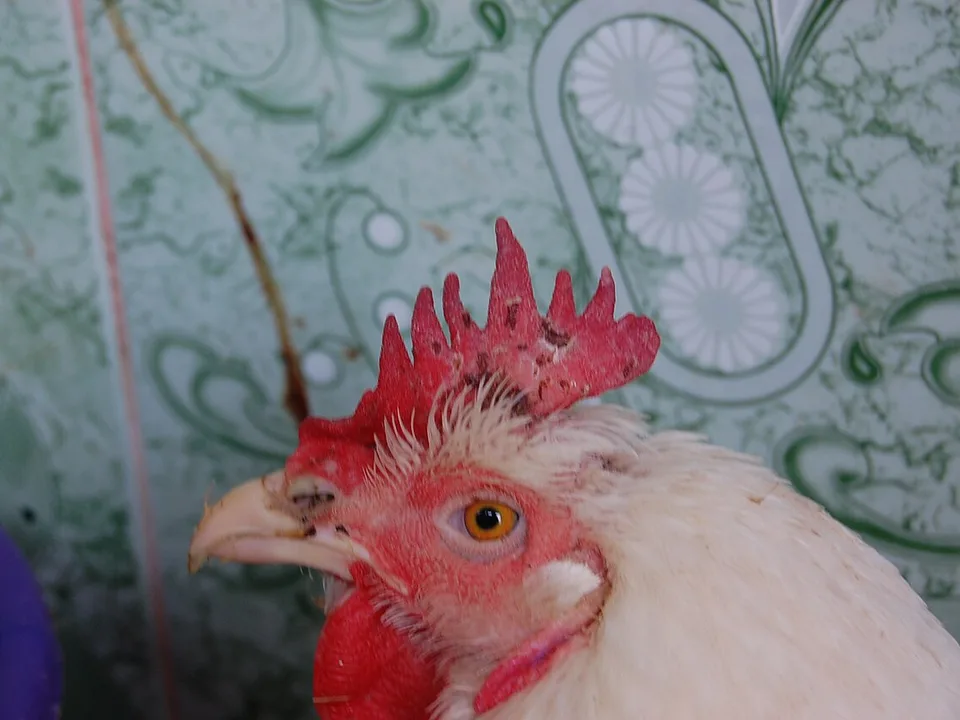
- Dark red, purple or bluish comb and wattles, especially in birds that are about to die.
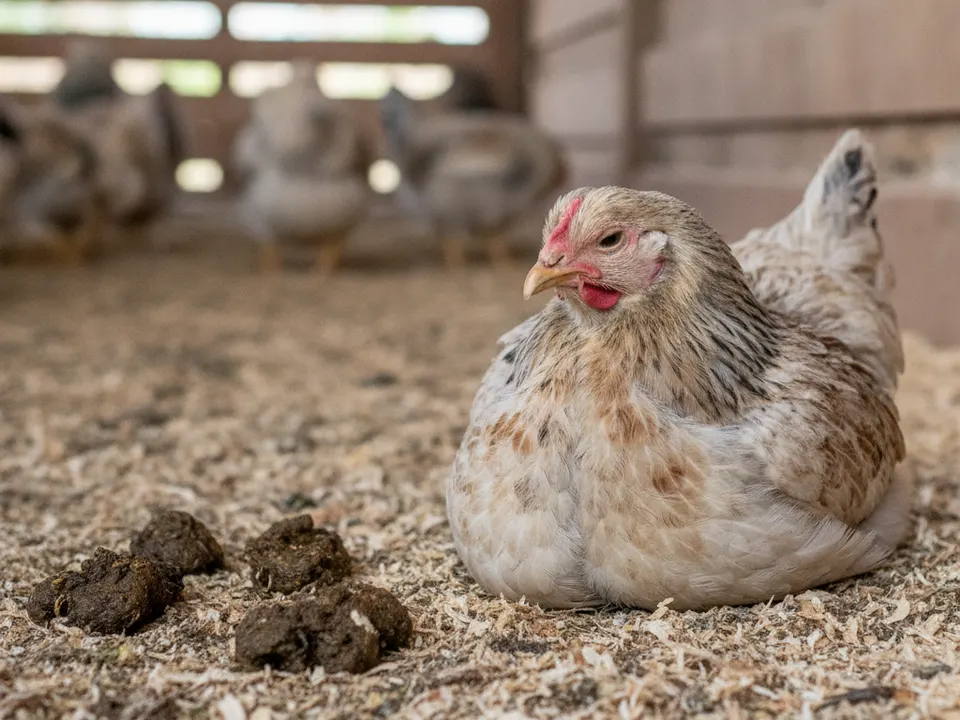
- Birds sitting fluffed up, sleepy and unwilling to move, with ruffled feathers and drooping wings.
- Loss of appetite, but sometimes increased drinking because of fever; birds may feel hot to touch.
- Watery diarrhoea that is often green or yellow-green, sometimes with mucus, soiling the vent feathers.
- Mucus or frothy discharge from the beak and nostrils, and faster breathing.
- A sudden drop in egg production and more soft-shelled or misshapen eggs.
As it gets worse
- Several or many birds dying over a few days, with high losses in the worst outbreaks.
- Swollen, hot and later hard wattles, sometimes on one side only, filled with cheesy yellow material.
- Swollen face and sinuses around the eyes, with eye discharge and crusting.
- Swollen, painful hock joints, foot pads or wing joints causing lameness and birds that refuse to stand.
- Twisted neck or loss of balance in some birds when the infection reaches the middle ear or skull.
- Weight loss, pale or shrunken comb and a long, slow decline in chronic cases.
- Noisy, rattling breathing in birds with chronic infection of the airways.
What to do right now
- Move sick and weak birds into a separate pen away from the main flock, with their own feeder and drinker, and handle them last each day.
- Collect dead birds immediately using gloves or a plastic bag over your hand, keep the freshest ones cool for the vet, and burn or deeply bury the rest with lime, far from water sources.
- Call your vet, agrovet-linked animal health officer or the County Veterinary Officer the same day, because acute fowl cholera can kill many birds within days and must be told apart from Newcastle disease and bird flu.
- Give plenty of clean, fresh drinking water, wash and refill drinkers daily, and place them where weak birds can reach them easily.
- Keep the house dry, well ventilated but draught-free, and shaded; remove wet, caked litter and add fresh dry litter.
- Stop all movement of birds and eggs on and off the farm: do not sell, give away, or take birds to market, and do not bring in new birds until the vet advises.
- Keep visitors out, use a footbath or change boots at the house entrance, and wash hands with soap after handling birds.
- Keep a written record of daily deaths, sick birds, egg numbers and feed and water intake to help the vet judge the outbreak and the response to treatment.
How it spreads
- Carrier birds are the main source: chickens that recovered from fowl cholera, or that never showed signs, can carry the germ in their throat and nose for life and shed it to new birds.
- Bringing in new birds from markets, neighbours or traders without quarantine is a very common way the disease enters a Kenyan flock.
- Sick birds contaminate drinking water, feed and litter with discharge from the beak, nose and droppings, and healthy birds pick it up when they drink or peck.
- Dead birds left lying in the house or thrown in the bush spread infection, because flock mates, dogs and wild birds peck or carry the carcasses.
- Rats, mice, wild birds, and other animals such as pigs, cats and dogs can carry Pasteurella and bring it to the flock; cat bites and scratches are a known route of infection.
- People, crates, egg trays, sacks and bicycles or motorbikes moving between farms and markets can carry contaminated droppings on boots, hands and surfaces.
- Stress triggers outbreaks in carrier flocks: crowding, sudden weather changes during the long and short rains, wet litter, poor ventilation, the start of egg laying, moving birds, and other diseases or worm burdens.
- The germ does not usually pass through the egg to the chick, but dirty eggshells and hatchery equipment can still spread it.
Could it be something else?
Newcastle disease
Newcastle disease affects birds of all ages, including young chicks, and usually shows marked breathing signs such as gasping and coughing, plus nervous signs like twisted necks, paralysis and circling in many birds. Green diarrhoea and sudden deaths occur in both diseases, so a post-mortem and lab test are needed. Suspected Newcastle disease should be reported to the County Veterinary Officer.
Fowl typhoid (Salmonella Gallinarum)
Fowl typhoid also kills adult birds and causes yellow-green diarrhoea, but sick birds usually have pale, shrunken combs from anaemia rather than purple ones. At post-mortem the liver is often enlarged with a bronze or greenish colour. Only a lab can reliably separate the two.
Highly pathogenic avian influenza
Bird flu can cause very sudden mass deaths with purple, swollen combs and wattles, swelling of the head and bleeding under the skin of the legs, looking very much like acute fowl cholera. Any sudden heavy losses, especially where wild water birds are around, must be reported immediately to the County Veterinary Officer so it can be ruled out.
Infectious coryza
Coryza causes a swollen face, foul-smelling nasal discharge and swollen wattles like chronic fowl cholera, but it spreads fast through the flock with many sick birds and few deaths. It does not usually cause sudden deaths, purple combs or swollen joints.
How it is diagnosed
A vet will start by asking about the flock: when deaths started, how many birds, their ages, recent purchases, vaccinations, and what the droppings look like. They will examine live sick birds and usually open one or more freshly dead birds (post-mortem). Typical findings in acute fowl cholera include small bleeding spots on the heart fat and gizzard, a swollen liver with many tiny white or grey spots, inflamed intestines and, in layers, soft, broken or 'cooked-looking' egg yolks in the belly. Chronic cases show cheesy pus in the wattles, joints, sinuses or oviduct. Because these findings overlap with other diseases, the vet will often send samples (liver, heart blood, bone marrow or swabs from swellings) to a laboratory such as the Central Veterinary Laboratories at Kabete or a regional Veterinary Investigation Laboratory. The lab can grow and identify Pasteurella multocida and, importantly, run a sensitivity test to show which antibiotics will actually work. To help, keep two or three freshly dead birds cool (not frozen, and not left in the sun) in a sealed bag, write down the daily number of deaths and sick birds, note vaccines and drugs already used, and do not give antibiotics before samples are taken, as this can hide the cause.
Treatment
Fowl cholera is a bacterial disease, so a vet may prescribe antibiotics to reduce deaths in the flock. Drug groups commonly used include sulphonamides, tetracyclines and some others chosen according to local availability and, ideally, a lab sensitivity test; treatment is usually given through the drinking water or feed for the whole flock, and sometimes by injection for valuable birds. All treatment, including the choice of drug, dose and length of course, must be prescribed by a vet. Treatment often reduces deaths, but the disease can return once the drug is stopped, and treated birds may remain lifelong carriers. Badly affected birds with swollen joints, heads or wattles often respond poorly and the vet may advise culling them. Every antibiotic has a withdrawal period, meaning eggs and meat must not be eaten or sold for a set number of days after the last dose; your vet and the product label will tell you the period, and some drugs are not allowed at all in laying hens producing eggs for people. Misusing antibiotics, such as using the wrong drug, stopping early, or buying drugs without advice, breeds antimicrobial resistance (germs that no longer respond to medicine), which harms your flock and public health. Because carriers keep the disease on the farm, the vet will often recommend that after an outbreak the flock is sold for slaughter or culled once withdrawal periods are over, followed by full cleaning, disinfection and a rest period before restocking with clean birds.
Medicines must be prescribed and dosed by a vet. Always respect milk and meat withdrawal periods, and finish the full course of any antibiotic.
How Agrikima products can help
These support the animal alongside — never instead of — your vet's treatment, vaccination and good management.
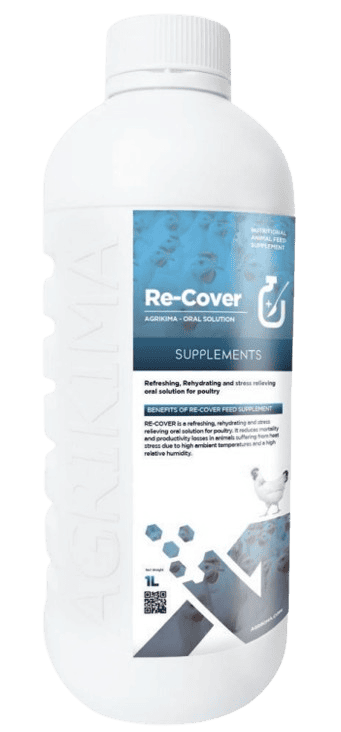
RE-COVER
An oral rehydration solution added to drinking water to help weak, feverish birds stay hydrated and keep drinking while they receive vet-prescribed treatment; it supports comfort and recovery but does not kill the fowl cholera bacteria. Ask your vet about timing if medicine is also being given in the water.
View product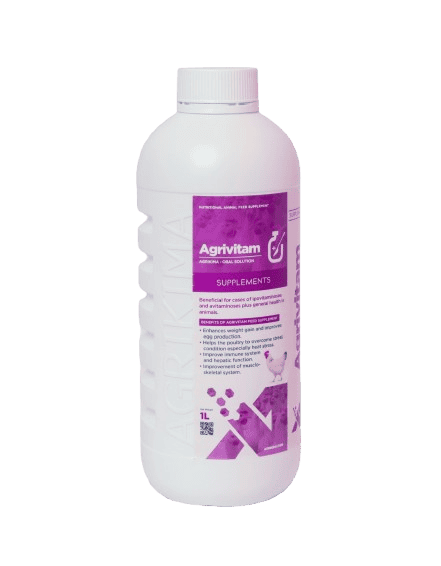
AGRIVITAM
A vitamin and mineral supplement that can help survivors cope with the stress of illness and treatment and support the return of appetite and egg production during recovery, used alongside vet care, culling decisions and strict hygiene, never as a treatment for the infection.
View productPrevention
- Buy chicks and birds only from trusted hatcheries and breeders, and avoid buying adult birds from open markets where carriers are common.
- Quarantine any new or returning birds in a separate pen for at least two to three weeks and watch them closely before mixing them with your flock.
- Practise all-in, all-out where possible: keep one age group per house, sell or remove the whole batch, then clean, disinfect and rest the house before restocking.
- Ask your vet whether a fowl cholera vaccine (killed vaccines called bacterins, or live vaccines) is available and suitable in your area; vaccines are usually given to growers before lay, protection is strongest against matching strains, and they do not replace good hygiene.
- Control rats and mice, keep wild birds out with wire mesh, and keep cats, dogs and pigs away from poultry houses and feed stores.
- Keep chickens separate from ducks, geese and turkeys, which can carry and spread the germ.
- Provide clean, safe drinking water, wash drinkers daily, and keep litter dry by fixing leaking roofs and drinkers, especially before the long and short rains.
- Avoid overcrowding, ensure good ventilation, and feed a balanced ration so birds are less stressed and better able to resist infection.
- Dispose of dead birds promptly by burning or deep burial, never by throwing them in the bush or feeding them to dogs or pigs.
- Control worms, mites and other diseases, and vaccinate against Newcastle disease and others as advised, because weakened birds are more likely to develop fowl cholera.
Risk to people
The bacterium that causes fowl cholera, Pasteurella multocida, can infect people, but infection from chickens is uncommon. Most human cases come from cat and dog bites or scratches, causing painful, swollen wounds. To stay safe, wear gloves when handling sick or dead birds, cover any cuts on your hands, wash hands well with soap afterwards, and keep children away from sick birds. Seek medical care if a wound becomes red, swollen and painful after contact with animals. Eggs and meat from birds treated with antibiotics must not be eaten or sold until the withdrawal period is over, because drug residues can harm people and add to antimicrobial resistance. Do not eat birds that died of disease.
Impact on your farm
Fowl cholera can be one of the most costly diseases on a Kenyan poultry farm. In an acute outbreak, a farmer may lose a large share of layers or breeding kienyeji hens within days, just when they are most valuable. Egg production falls sharply and may not fully recover in survivors. Chronic cases cause lame, thin birds with swollen heads that eat feed but produce little. Antibiotic treatment, lab tests and vet visits add costs, and eggs and meat must be withheld during withdrawal periods, cutting income further. Because survivors remain carriers, many farmers must sell or cull the whole flock and pay for cleaning, disinfection and an empty period before restocking. A farm known to have repeated outbreaks may also lose the trust of buyers and neighbours who buy breeding stock.
Outlook and recovery
The outlook depends on the strain of the germ, how quickly the vet confirms the disease, and how well the flock is managed. In acute outbreaks many birds may die before treatment takes effect, but prompt, vet-guided treatment usually reduces further deaths. Birds with chronic swellings of the wattles, face or joints rarely return to full health or production. The biggest long-term challenge is that recovered birds stay carriers, so outbreaks often come back under stress. Farms that remove the infected flock, clean and rest the premises, restock with clean birds and follow strict biosecurity and vaccination where available have the best chance of staying free of the disease.
Common questions
My hens are dying suddenly but they were eating well yesterday. Is it definitely fowl cholera?
Not necessarily. Sudden deaths in adult birds with purple combs and green droppings are typical of fowl cholera, but Newcastle disease, fowl typhoid and bird flu can look very similar. Only a vet with a post-mortem and lab test can confirm it. Call a vet the same day and keep fresh dead birds cool for examination; if deaths are heavy and sudden, also inform the County Veterinary Officer so bird flu can be ruled out.
Can I just buy antibiotics from the agrovet and treat the flock myself?
It is best not to. Antibiotics should be prescribed by a vet, who chooses a drug that works against the local strain, sets the correct dose and length of treatment, and tells you the withdrawal period for eggs and meat. Guessing often fails, wastes money, leaves drug residues in food and creates resistant germs. Giving drugs before the vet takes samples can also hide the true cause.
After treatment my birds look healthy again. Can I keep them and add new chicks?
Recovered birds usually remain carriers for life and can infect any new birds you bring in, even if they look well. Many vets advise keeping the old flock separate, then selling them for slaughter once withdrawal periods are over, cleaning and disinfecting the house, and resting it before bringing in new birds. Mixing new chicks or pullets with survivors is a common cause of repeated outbreaks.
Is there a vaccine for fowl cholera in Kenya?
Fowl cholera vaccines exist, both killed (bacterin) and live types, but availability in Kenya varies and they protect best against matching strains. Ask your vet or County Veterinary Officer whether a suitable vaccine is available and whether your farm's risk justifies it. Vaccination works best alongside quarantine, rodent control, clean water and all-in, all-out management, not instead of them.
Are the eggs from my flock safe to eat during an outbreak?
Eggs from apparently healthy birds that are not on medicine are generally not a major risk to people, but collect them often, discard dirty or cracked eggs and wash hands after handling. If the flock is being treated with antibiotics, do not eat or sell eggs until the withdrawal period given by your vet is over. Never eat birds that died or were very sick.
Why does the disease keep coming back on my farm every rainy season?
Repeat outbreaks usually mean carrier birds, rats or wild birds are keeping the germ on the farm, and stress from cold, damp weather and wet litter allows it to flare up. Breaking the cycle means removing carrier flocks, cleaning and resting houses, controlling rodents, keeping litter dry and buying only from clean sources. Talk to your vet about a farm plan, including whether vaccination makes sense.
A guide, not a diagnosis. This page is general information to help you recognise problems early. Always confirm with a vet or animal health worker before treating.