What it is
When a chick hatches, it pulls the remaining egg yolk into its belly through the navel. That yolk is its packed lunch for the first two to three days. The navel should then close and dry within about a day. If bacteria get in, either through dirty eggshells during incubation or through a navel that has not closed properly, they multiply quickly in the warm, nutrient-rich yolk. The most common germ is E. coli, a gut bacterium found in droppings. Others include Staphylococcus, Streptococcus and Enterococcus, Pseudomonas, Proteus and sometimes Clostridium. The infected yolk is not absorbed. Instead it turns watery, greenish, brown or cheesy and often smells foul. The chick loses its first food supply, becomes weak and dehydrated, and bacteria can spread into the blood and cause inflammation of the belly lining. Many chicks die within the first few days. Survivors are often stunted. Poor incubation conditions make it worse: too high humidity, temperature swings or too-early hatching leave navels large, wet and open, so germs get in easily.
Which animals are most at risk
Chicks in the first 7 days of life are at risk, with most deaths in the first 3 to 5 days; a few may die up to about 2 to 3 weeks. Broilers, layers, improved kienyeji and indigenous chickens can all be affected, and the same problem occurs in ducklings, turkey poults and quail. Chicks from young or old parent flocks, from small or very large eggs, and from flocks with poor nutrition tend to be weaker. Risk is higher for chicks from small-scale or home incubators with unreliable power, from hatcheries with poor hygiene, and for chicks that travelled far before reaching the farm. Wet seasons such as the long and short rains bring more dirty eggs, damp nests and wet litter. Cold nights in highland areas make chilled chicks more likely to suffer.
Signs to look for
Early signs
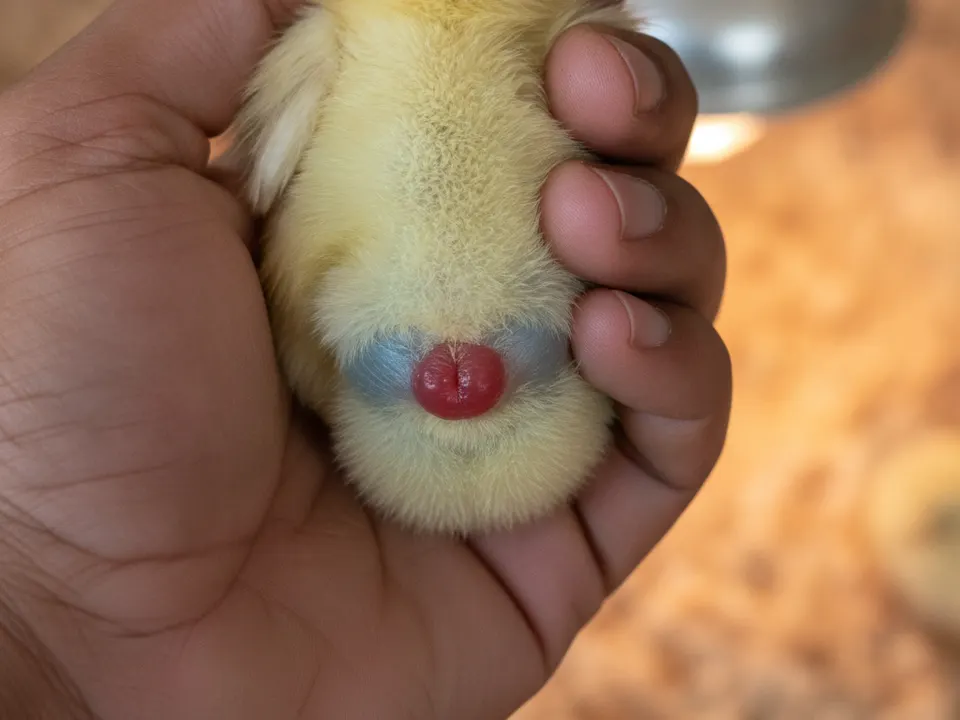
- Navel that looks red, swollen, wet, or has a dark scab or a small string of dried tissue still attached.
- Belly that feels soft, swollen and mushy when gently held, and may look bluish or dark through the skin.
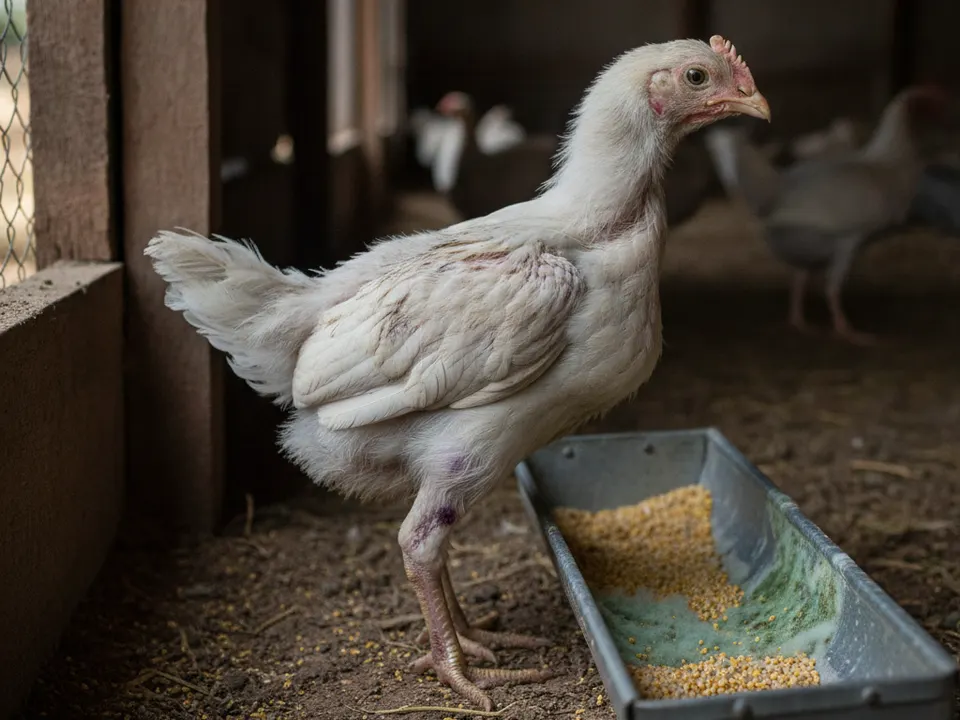
- Chicks that are sleepy, droop their wings and stand with eyes half closed while others are active.
- Chicks crowding tightly under the brooder heat or lamp even when the temperature is correct.
- Weak chirping or constant distressed peeping, and chicks that are slow to go to feed and water.
- Pasty or wet feathers around the vent and belly, and a sour or rotten smell from the chick or the chick box.
As it gets worse
- Chicks lying on their side or unable to stand, and being trampled by others.
- Very swollen, tight or discoloured belly with dull, ruffled down.
- Severe weakness, dehydration with shrivelled-looking legs, and no interest in food or water.
- Rising daily deaths in the first week, often with a foul smell when dead chicks are handled.
- Survivors that stay small, uneven and slow-growing compared with the rest of the batch.
What to do right now
- Move clearly weak, swollen-bellied chicks to a separate warm box so they are not trampled and so you can watch them closely.
- Check the brooder temperature at chick level and watch the chicks' behaviour: comfortable chicks spread evenly, so adjust the heat source, draughts and ventilation until they do.
- Make sure clean, fresh drinking water is available right away and placed close to the heat, and dip the beaks of weak chicks gently into the water to teach them to drink.
- Replace wet or caked litter with clean, dry wood shavings, and wash and refill drinkers and feeders at least daily.
- Wash your hands well after handling chicks and dead birds, and keep children from handling sick chicks.
- Remove dead chicks promptly, keep a few fresh ones cool for the vet, and bury the rest deeply or burn them away from the house and water sources.
- Record daily deaths and symptoms, and inform the hatchery or chick supplier quickly, since many will want to know and may help if the problem came from the hatchery.
- Call your vet or a qualified animal health officer before giving any antibiotic or medicine, and do not mix random drugs into the water.
How it spreads
- Dirty, cracked or droppings-stained eggs set in the incubator or under a hen carry bacteria on the shell, and these germs can move through the shell pores into the egg, especially when a warm egg cools and 'sucks in' air and dirt.
- Washing eggs with dirty or cold water, or wiping them with a wet cloth, can push bacteria through the shell instead of removing them.
- A dirty incubator, hatcher, egg trays or chick boxes that were not cleaned and disinfected between batches pass germs from one hatch to the next.
- Incubator problems common with small and locally made machines, such as power cuts, temperature swings and humidity that is too high, cause poorly healed, wet navels that infect easily.
- Exploding rotten eggs in the incubator spray large numbers of bacteria over other eggs and newly hatched chicks.
- Wet, dirty or reused litter in the brooder, and dirty drinkers and feeders, expose open navels to droppings in the first hours after placement.
- Rough handling, long transport and chilling or overheating of day-old chicks lower their defences and make infection more likely to become serious.
- Under kienyeji hens, dirty damp nests, nests shared with sick birds, and a hen that comes back with muddy or soiled feathers can contaminate eggs.
Could it be something else?
Pullorum disease or other Salmonella infection
Salmonella can also infect the yolk, but it is often passed from infected parent hens through the egg and tends to cause white, chalky droppings pasting the vent, gasping, and deaths that continue into the second and third week. Only lab testing of dead chicks can separate them, so let your vet send samples.
Brooder pneumonia (aspergillosis)
This is a fungal infection from mouldy litter or feed. Chicks gasp, breathe with open mouths and may have watery eyes, while the navel looks normal. At post-mortem the vet finds yellow or green nodules in the lungs and air sacs rather than a rotten yolk.
Chilling, overheating or starve-out
Chicks that are too cold pile up under the heat, and overheated chicks pant and spread away from it, but their navels are clean and dry. Starve-out chicks have empty crops and never found feed or water, and their yolk is usually absorbed or small rather than swollen and smelly.
Coccidiosis
Coccidiosis is caused by gut parasites and is rare before about 10 days of age. It shows as bloody or watery droppings, ruffled birds and deaths usually from the third week onward, not swollen navels in the first days.
How it is diagnosed
Your vet will look at the history of the batch, including where the eggs or chicks came from, incubation conditions, transport, and the pattern of deaths. They will examine live chicks, feel the bellies and look at the navels. The most useful step is a post-mortem, which means opening a freshly dead chick. In yolk sac infection the yolk is large and not absorbed, its contents are watery, lumpy, greenish, brown or cheesy, and it often smells foul; the belly lining may be inflamed. The vet may send yolk samples or whole chicks to a laboratory, such as a County or regional veterinary lab, to grow the bacteria and test which antibiotics still work against them. This is called culture and sensitivity, and it also helps rule out Salmonella. To help, keep three to five freshly dead chicks cool in a clean, sealed bag in the fridge, not the freezer. Write down the hatch date, chick source, number placed, daily deaths, brooder temperature, and what feed, water additives or medicines have been given.
Treatment
Yolk sac infection responds poorly to treatment once the yolk has rotted, because medicines cannot easily reach the dead yolk material. Badly affected chicks with a hard, swollen, discoloured belly rarely recover, and the vet will usually advise humane culling of these chicks to end their suffering and protect the batch. For the rest of the batch, especially if deaths are high, the vet may prescribe an antibiotic in the drinking water, chosen ideally after culture and sensitivity testing. Antibiotic classes sometimes used against E. coli and similar bacteria in poultry include some tetracyclines, sulphonamide combinations, amoxicillin and others, but resistance is common in Kenya and the right choice depends on the lab result. Only a vet should prescribe the drug, the dose and the length of treatment. Giving antibiotics 'just in case' to every batch of chicks speeds up antimicrobial resistance, which means these drugs stop working for animals and people. If broilers are treated, the withdrawal period on the label must be followed before birds are sold or eaten, which is especially important for short-cycle broilers. Alongside medicine, the vet will focus on supportive care: correct heat, water, feed and dry litter. Expect deaths to drop off after the first week as surviving chicks outgrow the risk, and expect the vet to help you trace the source so it does not happen again.
Medicines must be prescribed and dosed by a vet. Always respect milk and meat withdrawal periods, and finish the full course of any antibiotic.
How Agrikima products can help
These support the animal alongside — never instead of — your vet's treatment, vaccination and good management.
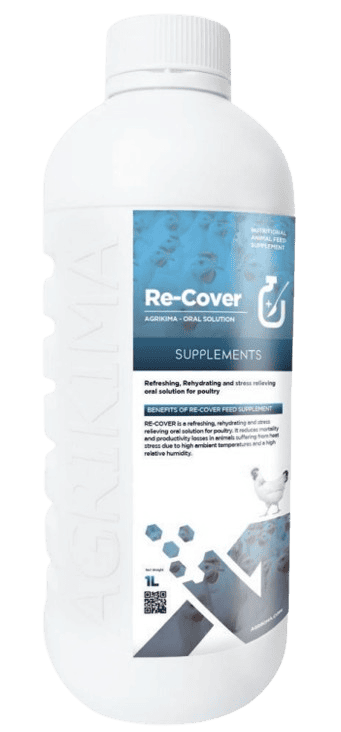
RE-COVER
An oral rehydration solution that can be added to clean drinking water to help weak or travel-stressed chicks take in fluids and electrolytes in the first days while you correct brooding conditions and get vet advice. It supports hydration only; it does not treat the infection, and brooder temperature must still be kept correct.
View product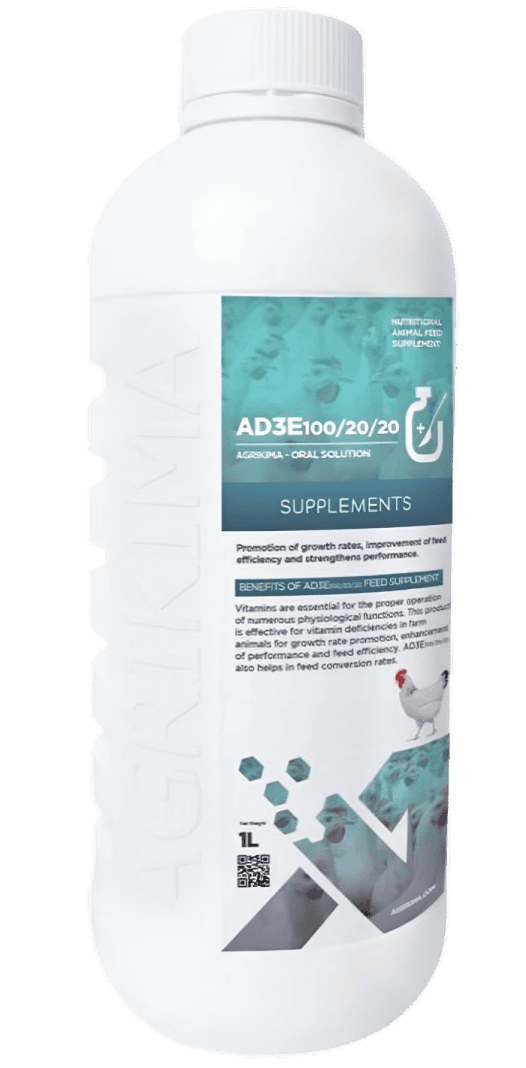
AD3E 100/20/20
Vitamins A, D3 and E for parent or breeder hens can support good egg quality, hatchability and chick vigour when their diet is short of these vitamins, as one part of preventing weak chicks. It does not prevent or treat infection on its own and works only alongside clean eggs, incubator hygiene and good brooding.
View productPrevention
- Collect eggs at least two to three times a day from clean, dry nests with fresh bedding, and use only clean, uncracked, normal-shaped eggs for hatching.
- Do not set eggs heavily soiled with droppings; lightly soiled eggs can be dry-cleaned gently, and if washing is needed use clean water warmer than the egg and an approved egg sanitiser, then dry them well.
- Store hatching eggs in a cool, clean place for no more than about a week before setting, and avoid sweating, which happens when cold eggs are moved into warm, humid air.
- Clean and disinfect the incubator, hatcher, trays, chick boxes and brooder thoroughly between every batch, and remove any cracked, leaking or rotten eggs during candling.
- Run the incubator at the temperature and humidity recommended for its model, use a reliable thermometer and hygrometer, and plan backup power such as a generator, battery or solar for power cuts.
- Buy day-old chicks only from licensed, reputable hatcheries with good hygiene and reject chicks that arrive with wet, open or scabbed navels.
- Prepare the brooder before chicks arrive: preheated, draught-free, with clean dry litter, clean drinkers and feeders, and the correct brooder temperature so chicks can drink and eat within the first hours.
- Keep parent and breeder flocks healthy and well fed with correct vitamins and minerals, follow their vaccination and deworming programme, and test breeders for Salmonella where possible, because stronger parents give stronger chicks.
Risk to people
The bacteria involved, especially E. coli and any Salmonella, can live on chicks, eggs, litter and chick boxes, and some strains can cause stomach upsets or more serious illness in people. Young children, older people, pregnant women and anyone with a weak immune system are most at risk. Wash hands with soap and water after handling chicks, eggs, litter or dead birds, do not let children kiss or cuddle chicks, and keep chicks out of kitchens and eating areas. If birds have been treated with antibiotics, follow the vet's withdrawal period before selling or eating birds or eggs to avoid drug residues.
Impact on your farm
On a Kenyan farm, the losses come fast and early. Every chick that dies in the first week has already cost the price of the chick or the hatching egg, transport, brooding fuel or electricity, and starter feed. A batch with heavy yolk sac infection may lose a noticeable share of chicks, and survivors are often uneven and slower growing, which hurts broiler weights at market and delays the start of lay in layers. Farmers who sell day-old or week-old chicks, including improved kienyeji producers, can lose customers and reputation if chick quality is poor. Extra costs for vet visits, lab tests and medicines add up, and unnecessary antibiotic use raises the risk of residues and resistance.
Outlook and recovery
Chicks with a clearly rotten, swollen yolk sac usually die or remain stunted, even with treatment. Chicks with only a mildly inflamed navel and a soft belly may recover with good warmth, water and feed. In most outbreaks deaths peak in the first few days and fall away after the first week. The long-term outlook for the farm is good if the cause is found and corrected: clean eggs, good incubator hygiene and settings, good chick sources and a well-prepared brooder usually bring the problem under control in the next batches.
Common questions
Can this infection spread from sick chicks to my healthy ones?
It is not mainly a contagious disease. Most chicks are infected before or just after hatching, from dirty eggs, the incubator or the hatchery. However, sick and dead chicks shed large numbers of bacteria into the litter and water, so removing them quickly and keeping the brooder clean protects chicks whose navels are still healing.
Should I put antibiotics in the water for every new batch of chicks to prevent this?
No. Routine antibiotics for every batch do not fix the real causes, which are egg hygiene, incubation and brooding. They also cost money and drive antimicrobial resistance, so the drugs stop working when you really need them. If you have repeated losses, ask your vet to do a post-mortem and lab test, then follow their advice and fix the hygiene problems.
The chicks came from a hatchery. Is it my fault?
Often the problem starts at the hatchery or with the parent flock, especially when many chicks show wet navels on arrival and deaths start on day one or two. Poor transport and brooding can make it worse. Record the hatch date, arrival condition and daily deaths, keep some dead chicks for your vet, and contact the supplier quickly with this information.
My home incubator keeps giving chicks with big bellies and wet navels. What should I check?
Check that the thermometer and humidity reading are accurate, because high humidity and temperature swings are common causes of poorly healed navels. Clean and disinfect the machine fully between batches, set only clean eggs, remove rotten eggs at candling, and plan backup power for outages. Follow the manufacturer's settings for your model.
Can I treat the navel by applying something on it?
Painting navels does not usually help, because the infection is mostly inside, in the yolk. Handling chicks a lot can also spread germs and stress them. Focus on clean, dry litter, correct warmth and early water and feed, and ask your vet before using any product on the chicks.
How do kienyeji farmers using hens to hatch eggs prevent this?
Give the hen a clean, dry nest box with fresh bedding, away from damp corners and droppings. Change soiled bedding during sitting, do not add very dirty eggs under her, and keep the area free of rats and mites. After hatching, give chicks clean water and feed and keep them dry, especially during the rains.
A guide, not a diagnosis. This page is general information to help you recognise problems early. Always confirm with a vet or animal health worker before treating.