What it is
Both diseases are caused by one type of bacteria, Salmonella enterica serovar Gallinarum, which comes in two forms (called biovars): Gallinarum, which causes fowl typhoid, and Pullorum, which causes pullorum disease. Unlike the Salmonella that cause food poisoning in people, these forms are host-adapted, meaning they mainly live in and harm poultry. After a bird swallows the bacteria, or a chick hatches already infected from the egg, the bacteria pass through the gut wall into the blood. They settle in the liver, spleen, heart, lungs, ovary and other organs, where they cause inflammation and small areas of dead tissue. In fowl typhoid the bacteria destroy red blood cells, which is why combs and wattles turn pale and the liver often becomes swollen with a bronze or greenish tinge. In chicks, the unabsorbed yolk sac becomes infected and the gut stops working properly, leading to white pasty diarrhoea and dehydration. In hens that survive, the bacteria can hide in the ovary for months or years, so the hen looks healthy but lays infected eggs. This 'carrier' state is the main reason the disease keeps coming back.
Which animals are most at risk
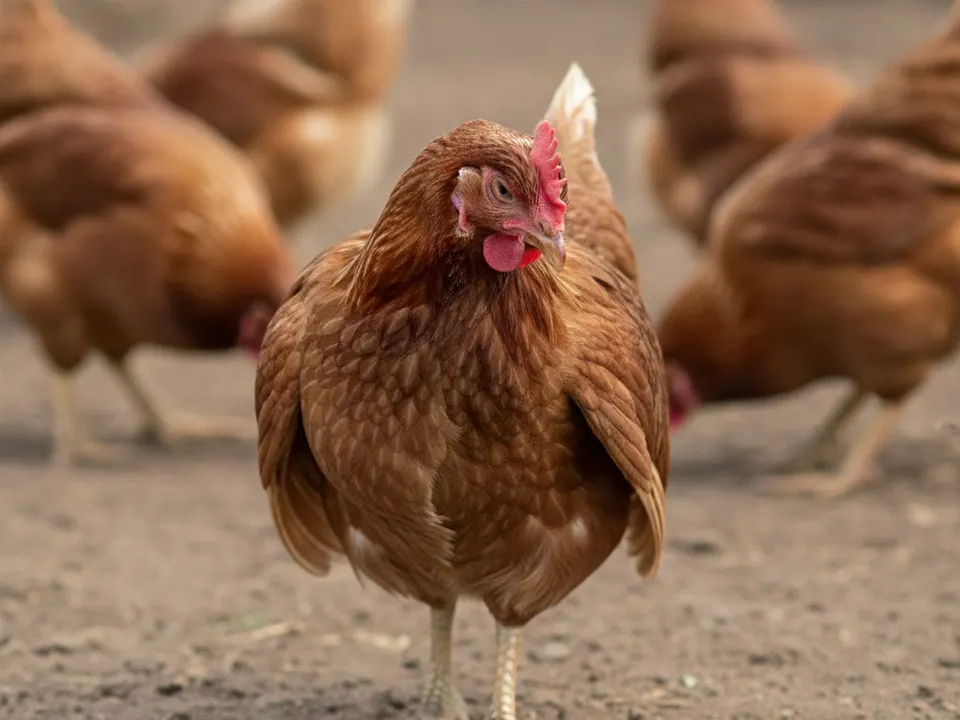
Pullorum mostly affects chicks in the first two to three weeks of life, with the heaviest losses usually seen in the first week or two. Fowl typhoid can affect birds of any age but is most often seen in growing and adult birds, especially laying hens and breeder flocks. Brown-egg layer breeds are commonly reported to be more susceptible to fowl typhoid than many lighter breeds, though all chickens can be infected. Turkeys, guinea fowl, quails and some game birds can also be affected; ducks and pigeons are generally more resistant. Farms that buy chicks from untested hatcheries, hatch their own eggs from untested hens, or run mixed-age flocks are at higher risk. Stress makes outbreaks worse: chilling or overheating in the brooder, overcrowding, poor ventilation, wet litter during the long and short rains, transport, and heavy egg production in layers. Free-range and kienyeji flocks that mix with neighbours' birds, scavenge near markets or share cocks for breeding can pick up and spread the infection easily.
Signs to look for
Early signs
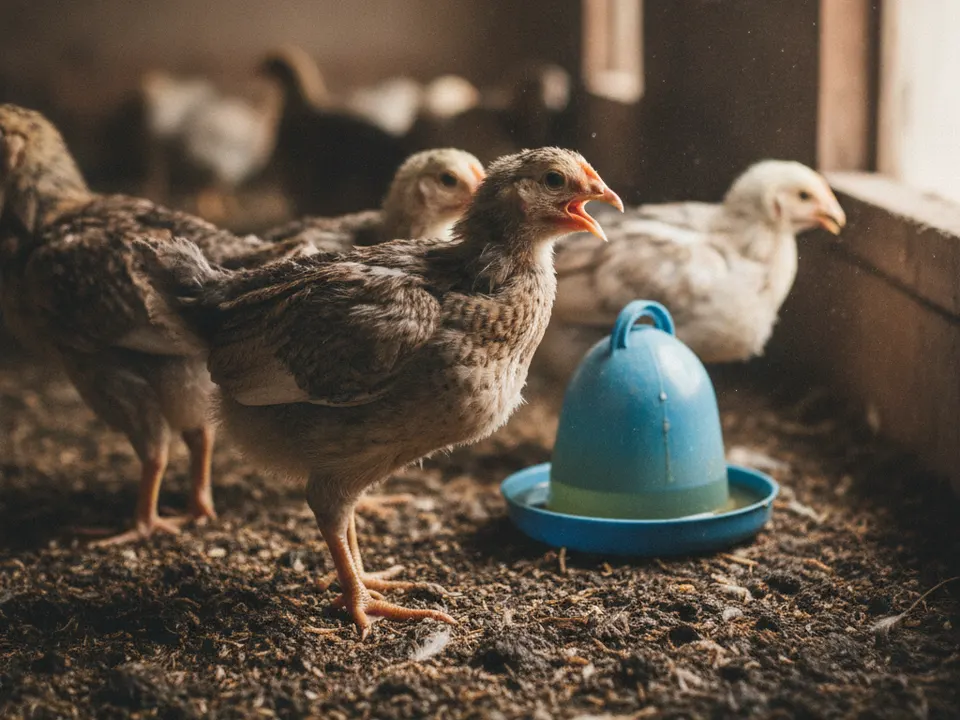
- In chicks: birds huddle together under the brooder or near the heat, look sleepy and droopy, and chirp loudly or shrilly.
- In chicks: white or creamy, pasty droppings that stick to the feathers around the vent, sometimes so badly that the vent is blocked.
- In chicks: poor appetite, drooping wings, ruffled fluff and chicks that look smaller and weaker than their batch-mates.
- Dead-in-shell embryos and chicks that die soon after hatching, if the eggs came from infected hens.
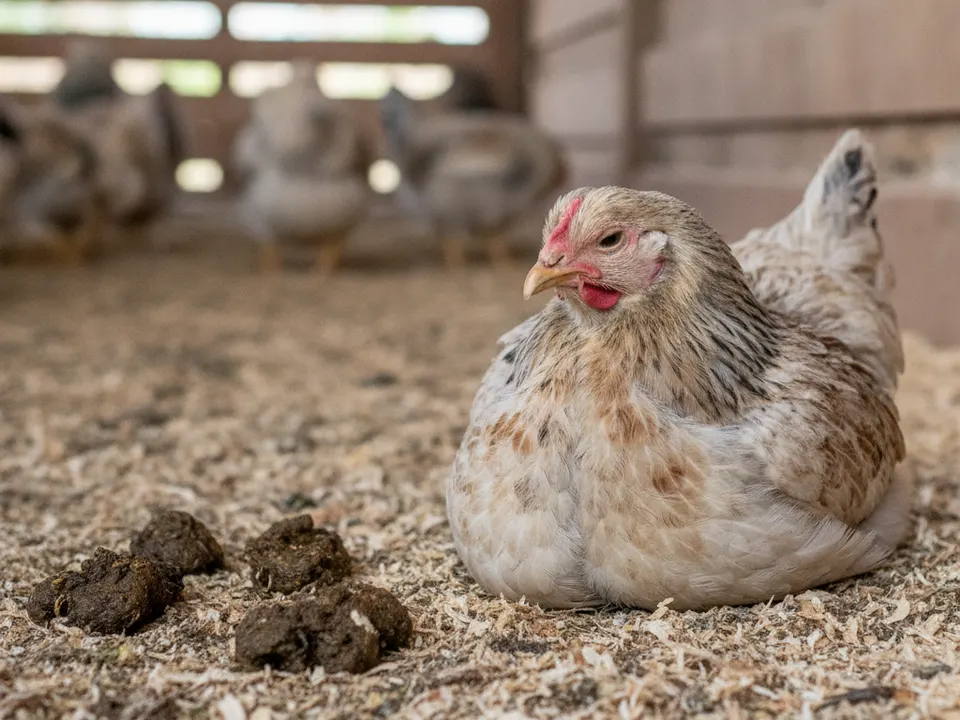
- In older birds: dullness, ruffled feathers, reduced feeding and birds standing with eyes half-closed.
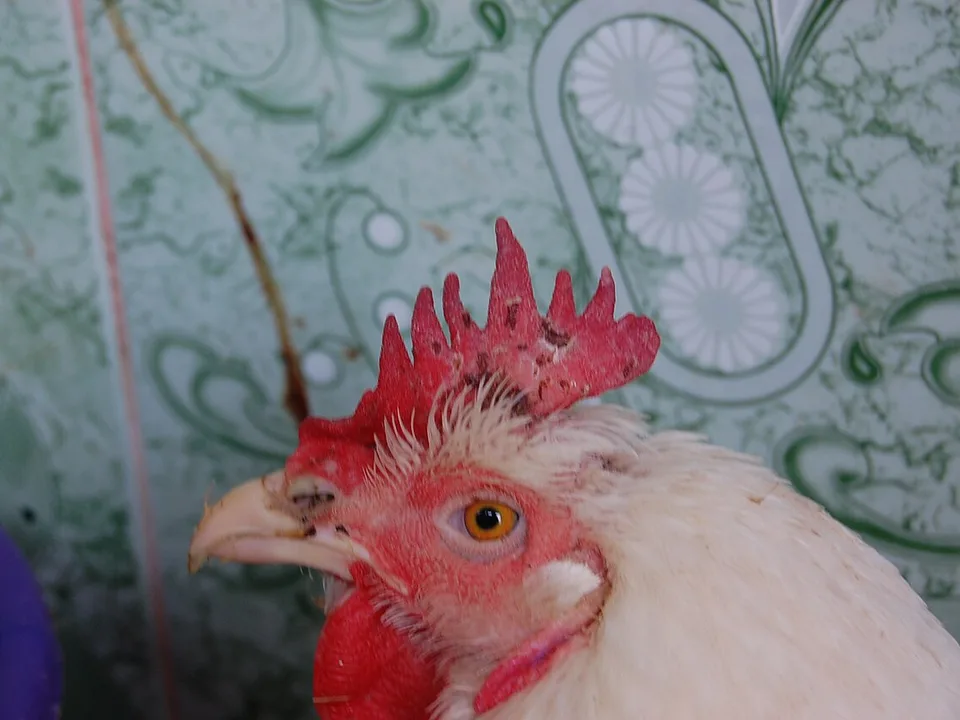
- In older birds: pale, shrunken or bluish combs and wattles caused by anaemia (loss of red blood cells).
- In layers: a fall in egg production and sometimes more misshapen or poor-quality eggs.
As it gets worse
- In chicks: gasping or laboured breathing, lameness and swollen joints (hock joints) in some survivors.
- In chicks: heavy daily deaths over the first two to three weeks, with survivors growing poorly and often uneven in size.
- In older birds: watery yellow, yellow-green or greenish diarrhoea, soiled vent feathers and increased thirst.
- In older birds: marked weakness, birds sitting down and unable to keep up with the flock, and steady or sudden deaths.
- In layers: egg production may stop in badly affected birds, and deaths continue over days to weeks.
- Survivors that look recovered but stay thin, pale or poor layers, which may be carriers that keep spreading infection.
What to do right now
- Remove sick and weak birds to a separate pen away from the main flock, with their own feeder, drinker and footwear if possible.
- Collect dead birds quickly every day so other birds cannot peck them, keep one or two fresh ones cool for the vet, and bury the rest deeply or burn them away from water sources.
- Keep birds warm and comfortable: chicks need a steady, correct brooder temperature without draughts, while adult birds need shade, good ventilation and dry litter.
- Make sure clean, fresh drinking water is always available, change it at least daily, and clean drinkers so droppings do not build up in them.
- Stop selling, giving away or hatching eggs and birds from the flock until the vet has given advice, to avoid spreading the disease to other farms.
- Limit visitors, use a footbath or dedicated boots at the house entrance, and wash hands with soap after handling birds, droppings or dead birds.
- Write down when signs started, how many birds are sick and dead each day, their ages, egg numbers, and where the chicks or eggs came from.
- Call your vet or County Veterinary Officer and do not start antibiotics on your own; the wrong drug wastes money, may not work and can leave residues in eggs and meat.
How it spreads
- Through the egg: infected carrier hens pass the bacteria inside their eggs, so chicks can hatch already infected. This is the most important route for pullorum.
- In the hatchery and incubator: one infected egg can contaminate incubators, hatchers and chick boxes, spreading the bacteria to many chicks hatched in the same batch.
- Through droppings: sick and carrier birds shed bacteria in their droppings, contaminating litter, feed, water drinkers and the ground around free-range runs.
- By pecking and eating dead birds: chickens that peck at carcasses or infected eggs swallow large numbers of bacteria, so leaving dead birds in the house spreads the disease fast.
- On people, equipment and vehicles: boots, clothes, egg trays, crates, feeders and vehicles moving between farms or markets carry contaminated droppings.
- Through rodents, wild birds, flies and red mites: rats, mice and wild birds can carry the bacteria, and poultry red mites (small blood-sucking mites that hide in cracks of the house) have been linked to keeping fowl typhoid going on infected farms.
- Buying in birds of unknown history: introducing chicks, pullets or cocks from untested sources or open markets is a common way infection reaches a new farm.
Could it be something else?
Newcastle disease
Newcastle also causes green diarrhoea, dullness and deaths, but usually brings breathing problems (coughing, gasping, rattling) and nervous signs such as twisted necks, circling or paralysis, and it often spreads very fast through the flock. Pale combs and a bronze, swollen liver at post-mortem point more to fowl typhoid. Because Newcastle is serious and spreads widely, any doubt needs a vet and lab check.
Coccidiosis
Coccidiosis usually affects birds from about three to six weeks old, especially on wet litter, and often causes blood-stained or brown watery droppings. At post-mortem the gut or caeca (blind gut pouches) are swollen, often with blood. Pullorum is mostly seen in the first two to three weeks with white pasty droppings, and the problem lies in the liver, yolk and organs rather than mainly the gut lining.
Navel and yolk sac infection (omphalitis)
Omphalitis is caused by various bacteria entering through a poorly healed navel, usually in the first week after hatching. Chicks have a wet, swollen, dark or scabby navel and a bloated belly, often with a bad smell. Pullorum can also leave an infected yolk sac, so the two can look similar; lab culture is needed to tell which bacteria are involved.
Fowl cholera
Fowl cholera, caused by Pasteurella bacteria, also causes sudden deaths and greenish diarrhoea in adult birds, but affected birds often have purple, dark combs and swollen, hot wattles or joints rather than pale, shrunken combs. Post-mortem and lab tests are needed to confirm which disease it is.
How it is diagnosed
A vet will look at the flock history (age of birds, where chicks or eggs came from, pattern of deaths), examine live birds and usually open fresh dead birds (post-mortem). In chicks, typical findings include unabsorbed yolk, small white nodules in the heart, lungs, liver or gizzard, and cheesy cores in the caeca. In older birds, the vet often finds a swollen liver with a bronze or greenish colour, an enlarged spleen, small pale spots on organs, and misshapen or discoloured ovarian follicles in hens. These findings are strongly suggestive but not proof, so samples such as liver, spleen, ovary or yolk are sent to a laboratory to grow and identify the bacteria (culture). The lab can also run a sensitivity test to show which antibiotics will work. To find hidden carriers in a flock, especially breeders, vets use blood tests such as the rapid plate agglutination test or ELISA, and some labs use PCR, a test that detects the bacteria's genetic material. In Kenya samples can go to the Central Veterinary Laboratories at Kabete, regional veterinary investigation laboratories, or university and private labs. To help, keep two or three freshly dead or very sick birds cool (not frozen) in a sealed bag, record the number of deaths each day, ages of birds, egg production, the hatchery or seller's name and batch, feed source, and any vaccines or medicines already given.
Treatment
Treatment must be prescribed by a vet, ideally after the lab has confirmed the bacteria and run a sensitivity test. Vets may use antibiotics given in drinking water or feed, chosen from classes such as sulphonamides, trimethoprim-sulphonamide combinations, tetracyclines or amoxicillin, depending on what the test shows works locally. Some drug classes, such as fluoroquinolones, are important for human medicine and responsible vets avoid or reserve them. Treatment can reduce deaths and calm an outbreak, but it is important to know that antibiotics do not reliably clear the infection: many treated birds remain carriers and can keep laying infected eggs. For this reason, especially in breeder flocks and hatchery supply flocks, vets often advise testing and removing positive birds, or culling and replacing the whole flock, followed by thorough cleaning. Supportive care alongside treatment includes warmth, clean water, good feed and reducing stress. Every antibiotic has a withdrawal period, meaning a time after the last dose when eggs and meat must not be eaten or sold, and some antibiotics must not be used at all in hens laying eggs for people. Follow the vet's instructions exactly, finish the full course, and never use leftover or borrowed drugs. Misuse of antibiotics in poultry is a major driver of antimicrobial resistance, where bacteria stop responding to medicines in both animals and people.
Medicines must be prescribed and dosed by a vet. Always respect milk and meat withdrawal periods, and finish the full course of any antibiotic.
How Agrikima products can help
These support the animal alongside — never instead of — your vet's treatment, vaccination and good management.
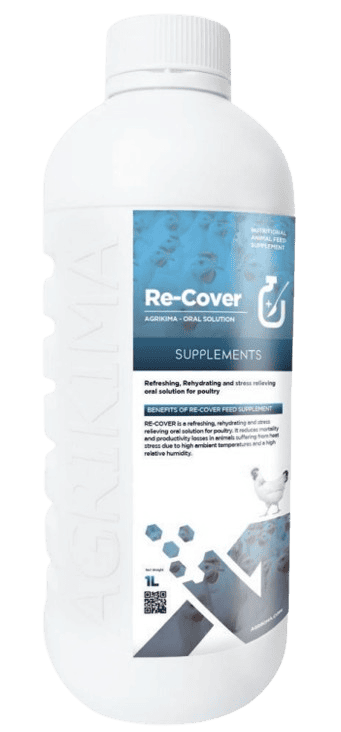
RE-COVER
An oral rehydration solution that can help sick, droopy birds with diarrhoea replace lost fluids and salts while they are under vet care. It supports comfort and hydration only; it does not kill Salmonella or replace the treatment and flock decisions your vet recommends.
View product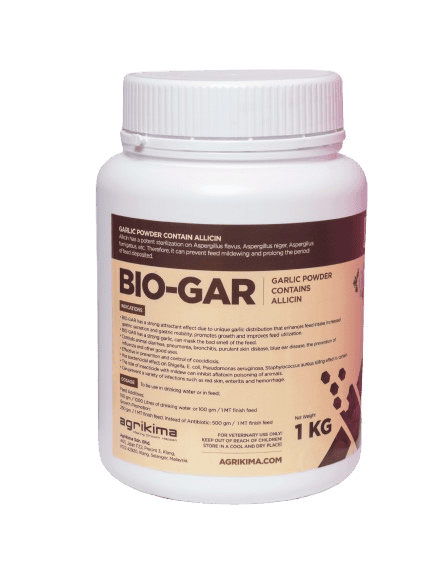
BIO-GAR
A probiotic that supports healthy gut bacteria, which can be useful once a vet-prescribed antibiotic course is finished, to help restore normal gut balance in recovering birds. Ask your vet about timing, as probiotics are usually given after rather than together with antibiotics. It is a gut-health aid, not a cure or a substitute for clean chicks, hygiene and vet care.
View productPrevention
- Buy chicks only from hatcheries that test their parent flocks for pullorum and fowl typhoid and can show a clean health record; ask the agrovet or hatchery directly.
- If you hatch your own eggs, only set clean, uncracked eggs from healthy hens that your vet has blood-tested, and never hatch eggs from a flock that has had an outbreak.
- Ask your vet about vaccination: live vaccines (such as the 9R strain) and inactivated vaccines are used in some countries for layers and breeders against fowl typhoid, but availability in Kenya varies and vaccinated birds can test positive on blood tests, so it must be planned with a vet.
- Practise all-in, all-out where possible: raise one age group at a time, then empty, clean, disinfect and rest the house before the next batch arrives.
- Clean and disinfect incubators, hatchers, chick boxes, egg trays, feeders and drinkers regularly, and remove all old litter between batches.
- Control rats, mice, wild birds, flies and poultry red mites by sealing feed stores, using rodent bait stations safely, and treating cracks and perches as your vet advises.
- Keep good brooding conditions: correct temperature, dry litter, good ventilation and enough space to avoid chilling, overheating and overcrowding, especially in the rainy seasons.
- Feed a balanced ration with the right vitamins and minerals, store feed dry to prevent mould, and provide clean water every day to keep the birds' natural defences strong.
- Quarantine any new birds for at least two weeks before mixing them with your flock, and avoid bringing in birds from open markets or sharing cocks with neighbours' flocks.
Risk to people
The forms of Salmonella that cause fowl typhoid and pullorum are adapted to poultry and are generally considered to pose little risk of illness to people, unlike other Salmonella types that cause food poisoning. However, sick flocks can carry other harmful bacteria at the same time, so always wash hands with soap after handling birds, eggs, droppings or carcasses, keep children away from sick birds, and cook eggs and meat thoroughly. The bigger human-health concern is antibiotic residues: eggs and meat from treated birds must not be eaten or sold until the full withdrawal period given by the vet has passed, and careless antibiotic use helps create resistant bacteria that can affect people.
Impact on your farm
On a Kenyan farm, pullorum can wipe out a large part of a batch of day-old chicks in the first weeks, which means losing the money paid for chicks, feed, brooding fuel and vaccines. Surviving chicks often grow unevenly and slowly, so broilers take longer to reach market weight and layers come into lay late. Fowl typhoid in layers causes ongoing deaths and a drop in egg numbers, hitting daily income from egg sales. Because survivors may remain carriers, a farmer may face the hard choice of culling a flock that still looks productive, plus the costs of cleaning and restocking. Treatment costs, lab fees and lost sales add up. For farmers who sell fertile eggs or chicks, including improved kienyeji breeders, an outbreak can damage their reputation and customer trust, and spread the problem to many other farms in the area.
Outlook and recovery
For an individual chick with pullorum, the outlook is poor once it is clearly sick, and many die despite care. In older birds with fowl typhoid, early vet-guided treatment and good nursing can reduce deaths, but recovery varies with the age of the birds, how quickly action was taken, the strain of bacteria, and how resistant it is to common antibiotics. The main problem is that recovered birds often remain carriers, so 'recovery' of the flock does not mean the infection has gone. Long-term success depends on finding and removing carriers, getting clean chicks from tested sources, and strict hygiene and rodent control. Farms that do this can become free of the disease, while farms that keep and hatch from survivors usually see it return.
Common questions
Can I eat or sell eggs from a flock with fowl typhoid?
These particular Salmonella types rarely make people sick, but you should not sell or hatch eggs from an affected flock until your vet advises. If the birds are being given antibiotics, eggs must be thrown away for the whole withdrawal period the vet gives you, and some antibiotics cannot be used in laying hens at all. Always cook eggs well and keep good hygiene.
My birds recovered after treatment. Can I keep them for breeding?
It is not wise to hatch eggs from birds that have had pullorum or fowl typhoid. Many survivors carry the bacteria in their ovaries and pass it into their eggs, so their chicks may hatch already infected. Your vet may suggest blood-testing the flock and removing positive birds, or keeping them only for egg or meat sale and buying clean chicks from a tested hatchery for breeding.
Will antibiotics from the agrovet cure the disease?
Antibiotics prescribed by a vet can reduce deaths, but they often do not clear the bacteria completely, and many treated birds stay carriers. Buying antibiotics without a diagnosis may mean using a drug that does not work against your strain, wasting money and adding to antibiotic resistance. Ask your vet to confirm the disease and, if possible, run a sensitivity test first.
Is there a vaccine for fowl typhoid in Kenya?
Vaccines for fowl typhoid, including a live vaccine known as 9R and some inactivated vaccines, are used in various countries, mainly for layers and breeders. Availability in Kenya can change, so ask your vet or a trusted agrovet. There is no widely used vaccine for pullorum in chicks; prevention depends mostly on buying chicks from tested, clean parent flocks and good hatchery hygiene.
How do I know if the problem came from the hatchery?
If many chicks from the same batch fall sick or die in the first week or two with white pasty droppings, and your house was properly cleaned before they arrived, the infection may have come with the chicks. Keep the batch number, delivery date and receipt, and report the losses to the hatchery and your vet quickly. Lab tests on dead chicks can help confirm the cause.
How long should I wait before bringing in new birds after an outbreak?
There is no single answer, so follow your vet's advice. In general, remove all birds, old litter and droppings, scrub and disinfect the house and equipment, control rodents and mites, and leave the house empty and dry for a period before restocking. The bacteria can survive for weeks or longer in droppings and dirty litter, so thorough cleaning matters more than the exact number of days.
A guide, not a diagnosis. This page is general information to help you recognise problems early. Always confirm with a vet or animal health worker before treating.