What it is
Vitamins are small nutrients the body needs to grow bones, nerves, eyes, skin and eggs. Chickens cannot make most of them, so they must come from feed. Problems start when the feed is poor, old, badly stored or diluted, or when the gut cannot absorb what is there. Vitamin A protects the lining of the eyes, mouth and airways; without it, the eyes water and crust, white spots form in the mouth and throat, and birds catch infections easily. Vitamin D3 lets the bird use calcium and phosphorus; without it, or when calcium and phosphorus are out of balance, chicks get rickets (soft, bendy bones and beaks) and hens lay thin or soft shells. Vitamin E, working together with the mineral selenium, protects cells from damage; shortage can cause crazy chick disease (softening of the brain, called encephalomalacia), fluid swelling under the skin, and white streaks in the muscle. Vitamin B2 (riboflavin) keeps nerves healthy; lack of it damages the leg nerves so chicks walk on their hocks with toes curled inward. Vitamin B1 (thiamine) is needed for nerve and brain function; shortage causes weakness and stargazing, where the head is drawn back over the body. Breeder hens short of these vitamins also put too little into the egg, so embryos die in the shell and hatched chicks start life already deficient. Vitamins break down with heat, light, moisture and time, and rancid fats in feed destroy vitamins A and E quickly.
Which animals are most at risk
Young chicks and fast-growing broilers in their first few weeks are most at risk because they grow quickly and have small reserves; curled toes, rickets and crazy chick disease usually show within the first few weeks of life. Laying hens in peak production are at risk of vitamin D3 problems that show as thin shells and falling egg numbers. Breeder flocks, including improved kienyeji hens used for hatching, are at risk of poor hatchability when their feed is low in vitamins. Birds kept indoors all the time with no sunlight depend fully on feed for vitamin D3. Kienyeji chickens on free range usually find greens and sunshine, but those fed only on maize, kitchen leftovers or bran during the dry season can also become deficient. Risk rises when feed is bought in bulk and stored for long, in hot and humid weather, during the long and short rains when feed can get damp and mouldy, and on farms with ongoing coccidiosis or worm problems.
Signs to look for
Early signs
- Chicks look dull, grow slowly and the flock becomes uneven in size even though they are eating.
- Feathers look ruffled and rough, and birds seem weak or reluctant to move.
- Watery eyes or a slight sticky discharge from the eyes and nostrils (often vitamin A).
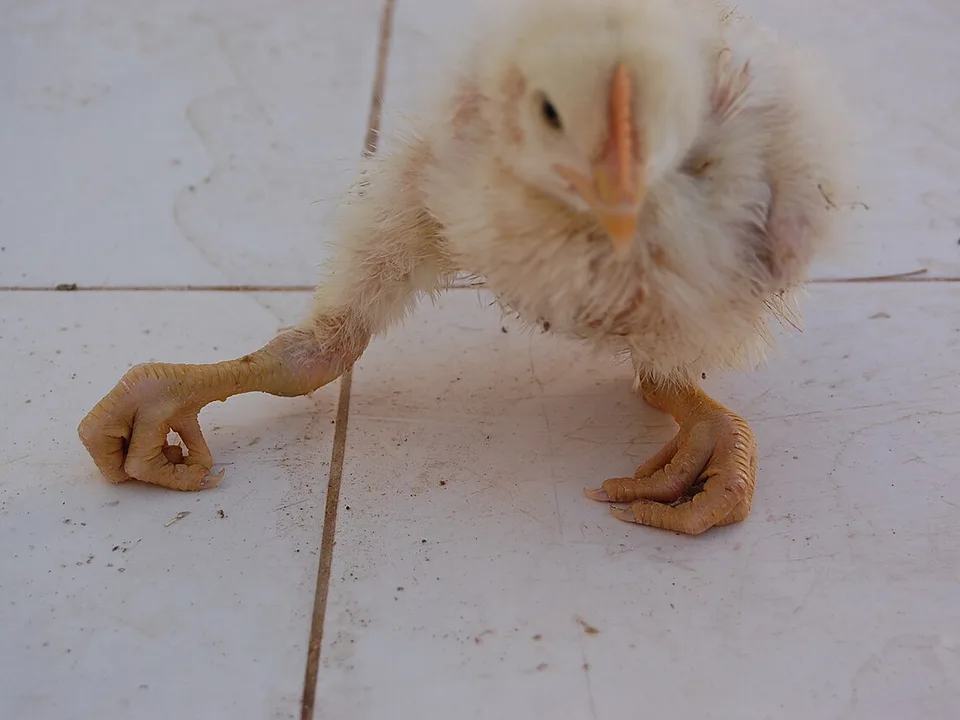
- Chicks walking stiffly or resting on their hocks more than normal; some toes beginning to curl inward (often vitamin B2).
- Beaks and leg bones that feel softer or bend more easily than normal when gently pressed (often vitamin D3 or calcium/phosphorus imbalance).
- In layers, a drop in egg numbers and more thin-shelled or shell-less eggs.
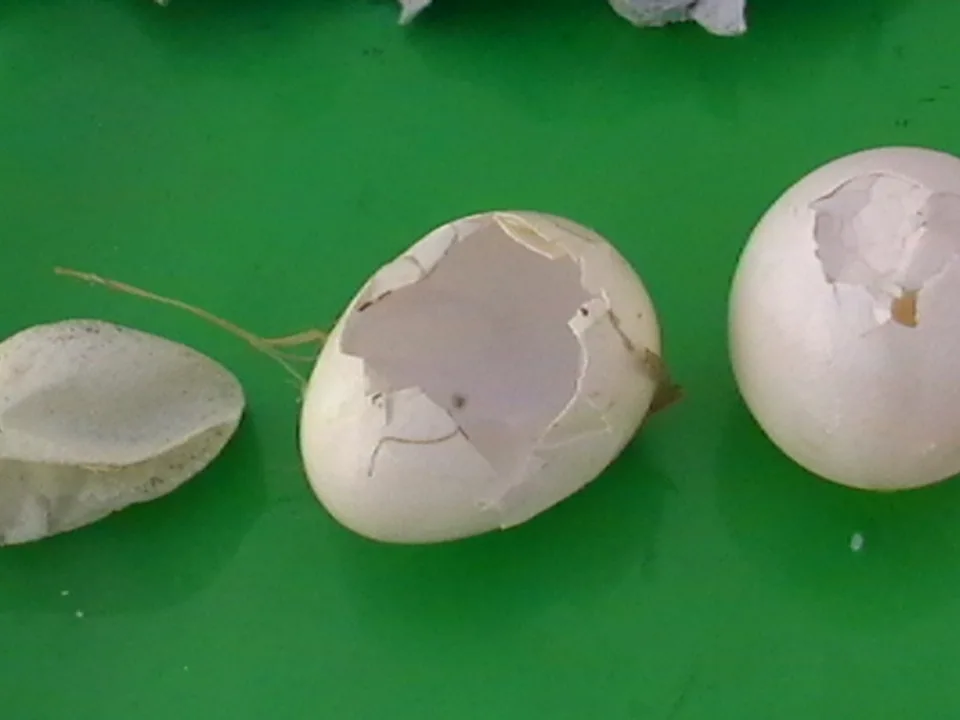
- In breeders, more eggs failing to hatch, with chicks dying late in the shell.
As it gets worse
- Chicks unable to walk, sitting on their hocks with toes curled tightly inward and wings drooped to help balance (vitamin B2, curled toe paralysis).
- Very soft, rubbery beaks and legs, bent bones, lameness and swellings along the ribs (rickets from vitamin D3 shortage).
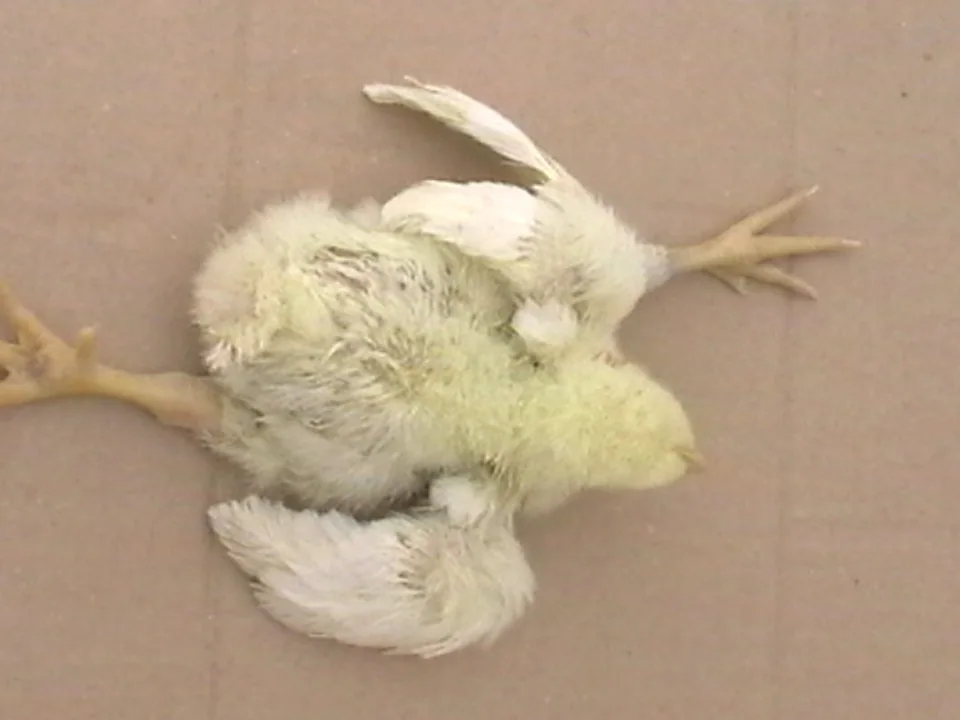
- Chicks staggering, falling on their side, paddling their legs or twisting the head, often at a few weeks old (vitamin E, crazy chick disease).
- Greenish-blue, jelly-like swelling under the skin of the breast or belly (vitamin E and selenium shortage).
- Head pulled back so the bird looks at the sky, followed by weakness and collapse (vitamin B1, stargazing).
- Eyelids stuck together with thick, cheesy material and small white spots in the mouth and throat (vitamin A).
- Hens sitting in a 'penguin' posture, unable to stand, with very soft-shelled eggs; increased deaths and secondary infections across the flock.
What to do right now
- Separate birds that cannot walk or eat into a warm, clean, dry pen with feed and water placed right next to them, so stronger birds do not trample them.
- Check the feed right away: look at the manufacture date, smell for rancid or musty odours, check for lumps, mould or dampness, and stop using any feed that looks or smells bad.
- Stop diluting commercial feed with maize bran, scraps or other materials, and give a fresh, properly made complete feed suited to the birds' age.
- Make sure clean, fresh drinking water is always available, and help weak birds to drink by dipping their beaks gently.
- Give birds kept indoors safe access to some morning sunlight if possible, and give free-range or kienyeji birds fresh greens such as sukuma wiki or amaranth (terere) leaves.
- Write down the age of the birds, the signs, the number affected and any deaths each day, and keep a sample of the feed and the bag label.
- Call your vet or a trained agrovet adviser to confirm the cause before giving any medicine, because nervous signs can also be Newcastle disease.
- Do not give antibiotics or other drugs on your own; they do not fix vitamin shortages and can cause residues in eggs and meat.
How it spreads
- It does not spread from bird to bird; it comes from the diet, so many birds on the same feed can show signs at the same time.
- Old feed, or feed stored in hot, damp or sunny places, loses its vitamins over time, even if it looked good when bought.
- Diluting commercial feed with maize bran, maize germ or kitchen scraps to save money lowers the vitamin level below what birds need.
- Home-mixed feeds made without a proper vitamin-mineral premix, or with the wrong amount, are a common cause.
- Gut diseases such as coccidiosis and worms, and mycotoxins (poisons from moulds in feed), damage the gut and liver so vitamins are poorly absorbed or stored.
- Rancid (stale-smelling) fats or oils in feed destroy vitamins A and E.
- Some medicines can interfere with vitamins; for example, giving the coccidiosis drug amprolium for too long or too strongly can lead to thiamine (B1) shortage.
- Breeder hens on a poor diet pass the shortage to their eggs, causing poor hatchability and weak chicks.
Could it be something else?
Newcastle disease
Newcastle can also cause twisted necks and stargazing, but it usually comes with coughing, gasping, green watery diarrhoea, a sudden drop in eggs and many deaths spreading quickly through birds of all ages. Vitamin problems usually affect one age group on one feed and do not cause sudden mass deaths. Because Newcastle is serious and common in Kenya, always let a vet rule it out when birds show nervous signs.
Marek's disease
Marek's also causes leg paralysis, but it usually appears from around six weeks of age or older, often with one leg stretched forward and one back, grey or irregular eyes, and tumours found at post-mortem. Curled toe paralysis from vitamin B2 shortage usually appears in young chicks with toes curled inward, and improves or stops in new birds when the feed is corrected.
Infectious coryza and other respiratory infections
Coryza causes a swollen face, a bad-smelling nasal discharge and spreads quickly from bird to bird. Vitamin A shortage gives eye discharge and cheesy material in the eyes too, but without the strong smell, and often with white spots in the mouth and poor growth across the flock. Vitamin A shortage can also make birds more likely to catch these infections, so both can happen together.
Mycotoxin poisoning (mouldy feed)
Mouldy feed can cause poor growth, leg weakness, pale birds, poor feathering and poor egg shells, and it also causes vitamin shortages by damaging the gut and liver. Look for caked, musty-smelling or discoloured feed. A vet may find a pale or enlarged liver at post-mortem. Often the answer is both: remove the bad feed and correct the vitamins.
How it is diagnosed
A vet usually starts with the history: the age of the birds, which signs appear, how many are affected, the type and brand of feed, its manufacture date, how it is stored and whether anything has been added to it. They will examine live birds, checking the legs, toes, beak, bones, eyes, mouth and nervous signs. A post-mortem (opening a dead or culled bird) is very useful. It can show swollen leg nerves in riboflavin shortage, soft bones and beaded ribs in rickets, softened brain tissue in vitamin E shortage, white spots in the throat and white urate deposits in vitamin A shortage, and it helps rule out Newcastle, Marek's and other infections. Samples can be sent to a county veterinary laboratory or the Central Veterinary Laboratories at Kabete, and feed samples can be tested for nutrients and mycotoxins. Often the diagnosis is confirmed when birds improve after the diet is corrected. To help your vet, keep a sample of the feed in a clean labelled bag, keep the feed bag label with the batch number and date, note when signs started and how many birds are affected and dead, and keep one or two freshly dead or very sick birds cool (not frozen) for examination.
Treatment
Once the vet has confirmed a vitamin problem and ruled out infectious diseases, treatment usually means two things together: giving the missing vitamins quickly and fixing the feed so the problem does not come back. The vet may recommend a water-soluble multivitamin, a vitamin A, D3 and E product, a vitamin B-complex, or a specific vitamin such as riboflavin or thiamine, given in the drinking water or feed for a set period. For valuable birds, such as breeders, the vet may give an individual injection. Calcium and phosphorus may also need to be corrected in rickets and shell problems. The vet will set the product and amount; do not guess, because too much vitamin A or D3 can itself harm birds and damage the kidneys. Birds with mild signs often improve within days, but those with severe curled toes, bent bones or brain damage may not recover, and the vet may advise humane culling to prevent suffering. Antibiotics do not treat vitamin shortages; they are only used if the vet confirms a secondary bacterial infection, and then the full course and the egg and meat withdrawal period (the time you must wait before selling or eating eggs or meat) must be followed. Using antibiotics without need encourages antimicrobial resistance, where germs stop responding to drugs. If mycotoxins or coccidiosis are part of the problem, the vet will also advise on controlling those.
Medicines must be prescribed and dosed by a vet. Always respect milk and meat withdrawal periods, and finish the full course of any antibiotic.
How Agrikima products can help
These support the animal alongside — never instead of — your vet's treatment, vaccination and good management.
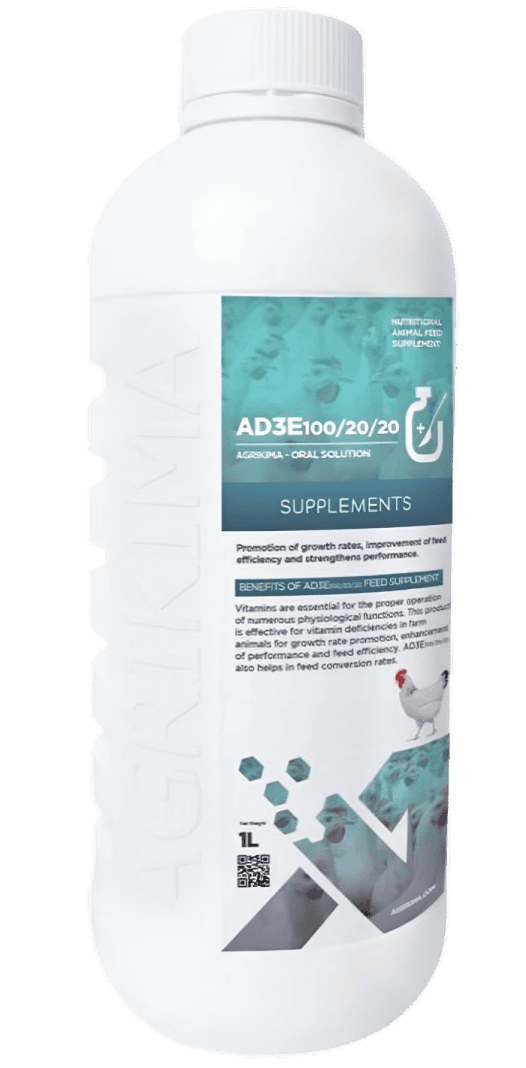
AD3E 100/20/20
Supplies vitamins A, D3 and E, the vitamins most often behind eye problems, rickets, crazy chick disease and poor hatchability. Used as directed by the label or your vet, it can help top up these vitamins during recovery and for breeder and layer flocks, alongside correcting the feed itself.
View product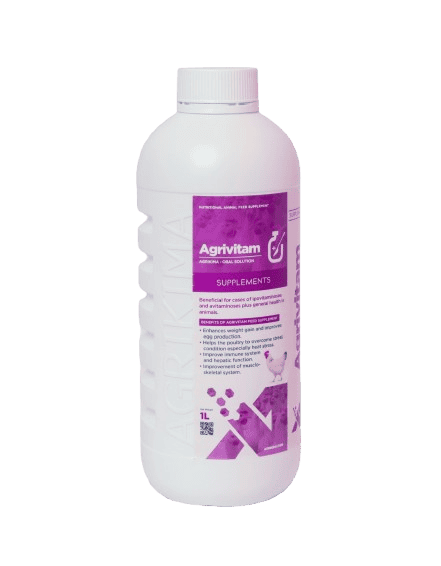
AGRIVITAM
A liquid vitamin and mineral supplement that can support recovery and productivity when birds have been on poor or old feed, or during stress such as vaccination, heat or peak lay. It helps fill gaps while you fix the diet, but does not replace a proper complete feed or a vet's diagnosis.
View productPrevention
- Buy feed from reputable feed millers and agrovets, check the manufacture date on every bag, and avoid feed that is old, torn, damp or smells bad.
- Buy only what you will use within a few weeks and store bags in a cool, dry, shaded place, raised off the floor on pallets and away from walls, rain and direct sun.
- Feed the correct complete feed for each stage: chick starter, grower, finisher or layer feed, and do not dilute it with maize bran, germ or kitchen scraps.
- If you mix your own feed, use a proper poultry vitamin-mineral premix from a trusted supplier at the recommended rate, and follow a balanced formulation from an extension officer or nutritionist.
- Feed breeder hens, including improved kienyeji breeders, a proper breeder or layer feed so their eggs carry enough vitamins for good hatching and strong chicks.
- Control coccidiosis, worms and other gut problems, and use a mycotoxin binder where feed quality is uncertain, especially in the rainy seasons, so vitamins are properly absorbed.
- Give free-range and kienyeji birds access to sunlight and fresh greens, and consider a vitamin supplement during the dry season when greens are scarce.
- Provide extra vitamins during stress periods such as vaccination, transport, heat, disease outbreaks and peak lay, as advised by your vet, and avoid long or overly strong courses of amprolium without vet guidance.
Impact on your farm
On a Kenyan farm, vitamin shortages quietly eat into profit. Broilers grow slowly and unevenly, so they take longer to reach market weight and use more feed per kilo of meat. Chicks with curled toes, rickets or nervous signs often die or must be culled, and the survivors may stay stunted. Layers produce fewer eggs and more cracked, thin or soft-shelled eggs that cannot be sold. Breeders and farmers hatching kienyeji chicks in incubators or under hens see more eggs failing to hatch, which wastes eggs, time and incubator power. Deficient birds also have weaker immunity, so diseases like Newcastle, coryza and coccidiosis hit harder and vaccines may work less well. The good news is that prevention is usually cheap compared with these losses: good feed, good storage and a sensible supplement plan cost far less than a lost batch.
Outlook and recovery
The outlook is generally good when the problem is caught early and the feed is corrected quickly. Birds with mild signs, such as slow growth, early eye discharge or slight leg weakness, often recover well once they get the missing vitamins. Laying hens usually return to normal shell quality and egg numbers after their diet is fixed, though this can take a few weeks. Recovery is much less likely when damage is severe: chicks with tightly curled toes for a long time, badly bent bones, or brain damage from vitamin E shortage may stay disabled. Outcomes also depend on whether the true cause is removed, such as mouldy feed, coccidiosis or diluted rations; if not, the problem will come back with the next batch.
Common questions
My chicks are walking on their hocks with curled toes. Is it a disease that will spread to my other birds?
Curled toes in young chicks are a classic sign of vitamin B2 (riboflavin) shortage, which is a feeding problem, not an infection, so it does not pass from bird to bird. However, many chicks on the same feed can show it at the same time. Check the feed age and storage, stop any dilution, and ask your vet to confirm. Leg paralysis can also come from Marek's disease or other conditions, so do not assume without a check.
I bought feed from the agrovet, so how can my birds still be short of vitamins?
Even good feed loses vitamins over time, and faster in heat, damp and sunlight. Feed that sat in a hot store, got rained on, or was kept for many weeks may no longer have enough. Feed that has picked up mould can also block vitamin absorption. Always check the manufacture date, buy in amounts you will finish within a few weeks, and store it raised, dry and shaded.
Can I just add a vitamin powder or liquid to the water and solve it?
A good vitamin supplement helps birds recover faster, but on its own it is not the full answer. You must also fix the cause: replace old or mouldy feed, stop dilution and control gut problems like coccidiosis. Use supplements according to the label or your vet's advice, because giving too much vitamin A or D3 can harm birds. Supplements support recovery; correct feed prevents the problem coming back.
My eggs are not hatching well. Could vitamins be the reason?
Yes, it is a common cause. When breeder hens lack vitamins such as A, D3, E and B2, embryos often die in the shell, especially late in incubation, and chicks that hatch can be weak. Other causes include old or dirty eggs, poor incubator temperature or humidity, too few cocks or old cocks, and disease. Feed breeders a proper breeder or layer ration, consider a vitamin supplement, and review your egg handling and incubation with an extension officer or vet.
Do free-range kienyeji chickens get vitamin deficiencies?
Less often than birds kept indoors, because they get sunshine and eat greens, insects and seeds. But kienyeji birds fed only maize, bran or kitchen leftovers, especially in the dry season when greens are scarce, can become deficient. Chicks raised in brooders without sunlight are also at risk. Giving fresh greens, some sunlight and a balanced feed or supplement, especially for growing chicks and laying hens, makes a big difference.
My birds are falling over and looking up at the sky. Is it vitamins or Newcastle?
It could be either, which is why you should call a vet quickly. Stargazing and falling over can come from vitamin B1 or vitamin E shortage, but Newcastle disease can cause very similar twisted necks. Newcastle usually brings breathing problems, green diarrhoea and many deaths spreading fast. Isolate affected birds, keep records, keep a sample of the feed and let the vet examine birds or do a post-mortem before deciding.
A guide, not a diagnosis. This page is general information to help you recognise problems early. Always confirm with a vet or animal health worker before treating.