What it is
A hen builds an eggshell over about 20 hours in the shell gland. The shell gland is the part of the oviduct (egg tube) that works like a small factory. Most of this work happens at night. The shell is almost all calcium carbonate. The hen takes the calcium from her feed and from a store held in special bones called medullary bone. To use calcium well she needs enough vitamin D3. Phosphorus must also be in the right balance with calcium. If any one of these is short, or the balance is wrong, shells come out thin or soft. Hot weather causes problems in two ways. Panting hens eat less feed, so they take in less calcium. Heavy panting also changes the chemistry of the blood, so less calcium and less carbonate reach the shell gland. Age matters too. As hens get older their eggs get bigger, but the amount of shell stays about the same, so the shell is stretched thinner. Infections damage the oviduct directly. IB is caused by a coronavirus that attacks the airways, kidneys and oviduct. It leaves wrinkled, thin, rough or misshapen shells and watery egg whites. If chicks catch IB very young, the oviduct can be scarred for life. EDS is caused by an adenovirus that attacks the shell gland. It causes thin, soft or shell-less eggs and pale brown shells, often in hens that otherwise look healthy. Other things can add to the problem. These include mould poisons (mycotoxins) in feed, salty water, stress and fright that make hens hold eggs too long, some medicines, and diseases such as Newcastle disease and Mycoplasma.
Which animals are most at risk
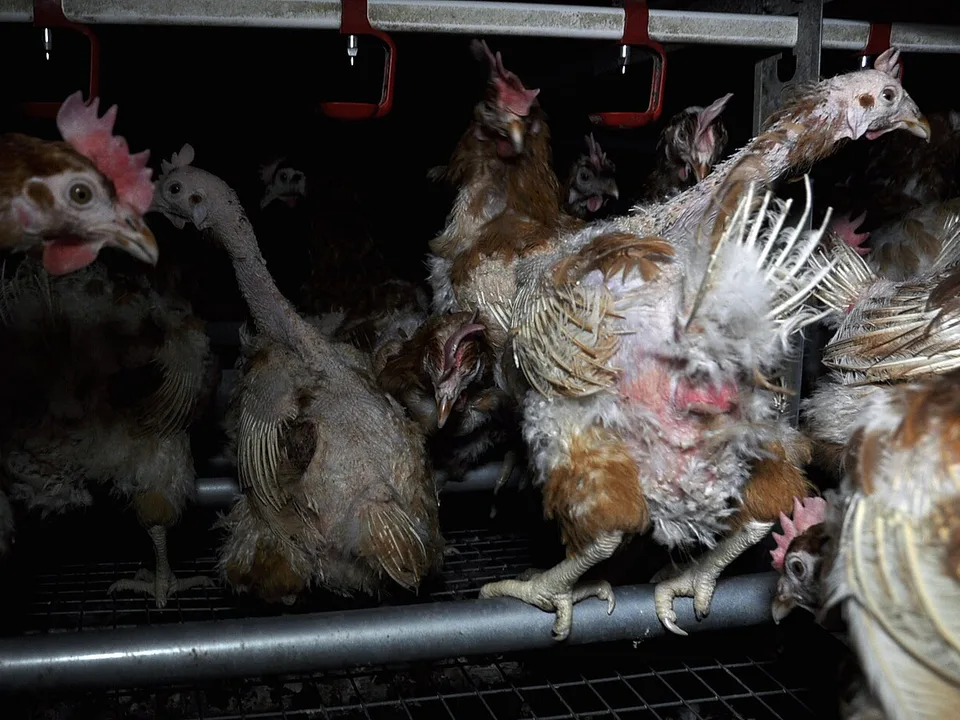
Laying hens of every type can be affected. This includes commercial layers such as brown hybrids, improved kienyeji, Kuroiler and Kenbro, and free-range indigenous hens. Older hens are most at risk, usually after about 60 to 70 weeks of age, because their shells naturally get thinner. Young pullets just starting to lay are also at risk. They may lay a few odd eggs at first, and they are hit hardest by EDS, which usually strikes around the start of lay or peak lay. Very high-producing commercial hybrids need the most calcium and suffer first when feed falls short. Flocks in deep-litter houses with poor airflow, or in hot lowland areas, suffer most in the hot dry season. Free-range and backyard kienyeji flocks given no layer mash or shell grit often lay thin-shelled eggs. Flocks that were never vaccinated against IB, or that share space with ducks and geese, carry extra infection risk.
Signs to look for
Early signs
- A few more cracked eggs than usual in the nest or tray, especially eggs that break when you pick them up.
- Shells that feel thinner, rougher or sandy to the touch, or have chalky white spots and bands.
- Brown-egg flocks start laying paler, washed-out eggs.
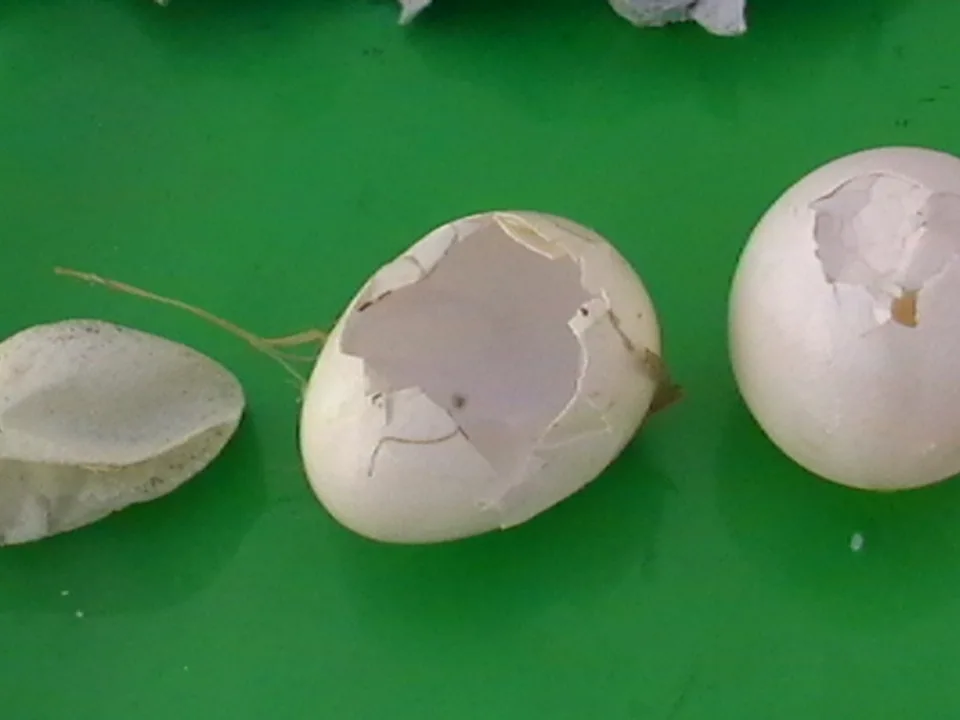
- Occasional soft, rubbery eggs with only a skin (membrane), often found under the perch in the morning.
- Hens found eating eggs, or broken shells and yolk smeared in the nest boxes.
- A slight drop in the daily egg count, or hens eating less feed and drinking more on hot afternoons.
As it gets worse
- Many shell-less or soft-shelled eggs every day, and a clear fall in the egg count over several days.
- Wrinkled, ridged, flattened, pointed or oddly shaped eggs, which is a strong hint of Infectious Bronchitis.
- Watery, runny egg white when eggs are cracked into a bowl, also typical of IB.
- Hens that are lame, sit a lot, or cannot stand well (sometimes called cage layer fatigue), with soft keel bones or beaks in severe calcium or vitamin D3 shortage.
- Coughing, sneezing, rattly breathing or watery eyes in the flock alongside poor shells, pointing to infection.
- Hens with swollen bellies that stand upright like a penguin and do not lay, which can follow oviduct damage from early IB.
- A strong egg-eating habit spreading through the flock, and some deaths if a serious disease is behind it.
What to do right now
- Count eggs every day and record how many are normal, cracked, soft or shell-less. A written record helps the vet find the cause quickly.
- Check the feed bag. Laying hens must be on proper layer mash or layer pellets, not grower, chick or broiler feed, and not grain alone. If you mix your own feed, check your recipe with an extension officer or nutritionist.
- Give free access to clean crushed limestone or oyster shell grit in a separate feeder, especially in the afternoon, so hens have calcium at night when the shell is formed.
- Make sure there is plenty of clean, cool drinking water at all times, and that drinkers are not blocked or left empty during the hot part of the day.
- Cool the house on hot days. Open side curtains or windows, improve airflow, shade iron roofs, avoid overcrowding, and feed in the cooler early morning and evening.
- Collect eggs at least two to three times a day, remove broken eggs quickly, and darken or curtain nest boxes to stop egg-eating.
- Watch for coughing, sneezing, diarrhoea, twisted necks or sudden deaths. If you see them, separate sick birds, stop selling or moving birds and eggs, and call your vet or County Veterinary Officer at once.
- Do not start antibiotics or other medicines on your own. Wait for advice from a vet, because many drugs are not allowed in laying hens and leave residues in eggs.
How it spreads
- Nutritional causes do not spread from bird to bird. They come from feed that is low in calcium, phosphorus or vitamin D3, or poorly balanced. This often happens with cheap or poorly mixed layer mash, home mixes without enough limestone, or kienyeji hens fed only kitchen scraps and grain.
- Heat triggers it during the hot, dry months before the long rains, and in hot areas such as the Coast, Lake region and northern lowlands. Poorly ventilated iron-sheet houses make it worse.
- Infectious Bronchitis spreads very fast through the air, in droppings, and on people, crates, egg trays, vehicles and new birds. It can pass through a whole house in a few days.
- Egg Drop Syndrome can pass from hen to chick through the egg. It also spreads through contaminated egg trays, needles, water and droppings. Ducks and geese can carry the virus without showing signs, so keeping them with layers adds risk.
- Stress can trigger short-term shell problems. Examples are predators at night, loud noise, moving birds, rough handling, vaccination or sudden changes in feed or light.
- Mouldy feed, especially damp maize stored in the rainy season, can carry mycotoxins. These harm the liver and reduce calcium and vitamin D use.
- Mixing flocks of different ages, and buying point-of-lay pullets from unknown sources, brings in viral and Mycoplasma infections.
Could it be something else?
Newcastle disease
Newcastle disease can also cause soft and shell-less eggs and a sharp egg drop. But it usually comes with sudden deaths, green diarrhoea, gasping, twisted necks, paralysis or swollen heads. Newcastle disease is notifiable in Kenya. If you see these signs, stop all bird and egg movement and report to your County Veterinary Officer straight away.
Mycoplasma synoviae (eggshell apex abnormality)
This bacterial infection gives a typical pattern. The pointed end of the egg has a rough, thin, cracked or glassy cap, while the rest of the shell looks normal. Hens may also have swollen hocks or foot pads, or mild breathing signs. A vet confirms it with blood tests.
Natural moult, broodiness or end of the laying cycle
In a natural moult, hens drop many feathers and stop laying, but shells on the few eggs laid are usually normal. Broody hens sit on the nest, fluff up and peck when disturbed. Old hens lay large eggs with thin shells, but they are otherwise healthy and the change is slow, over weeks.
Parasites (red mites, lice and worms)
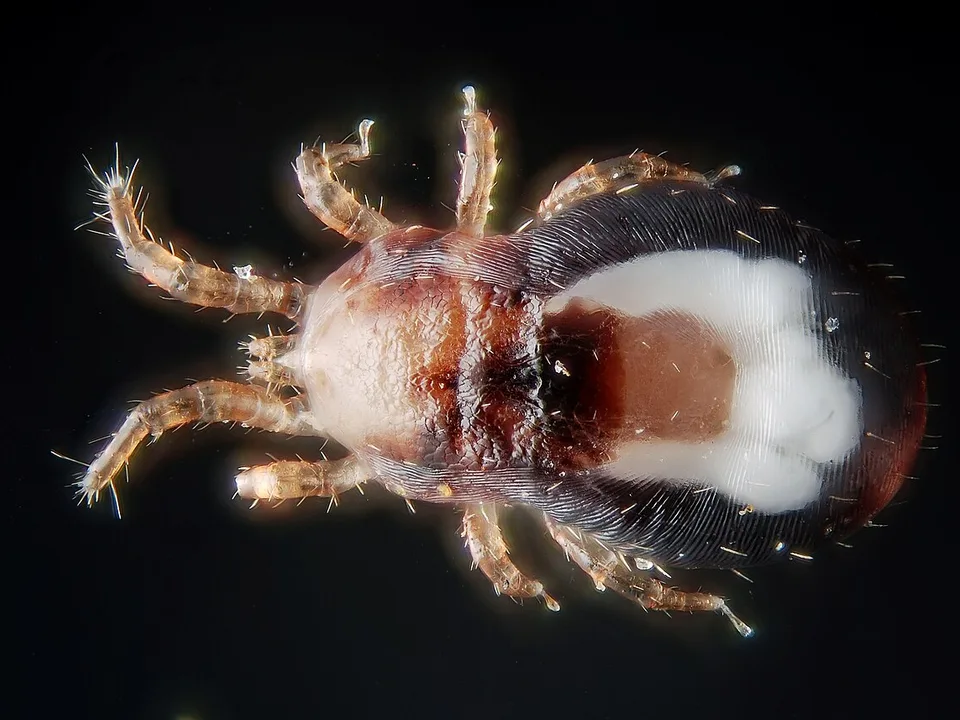
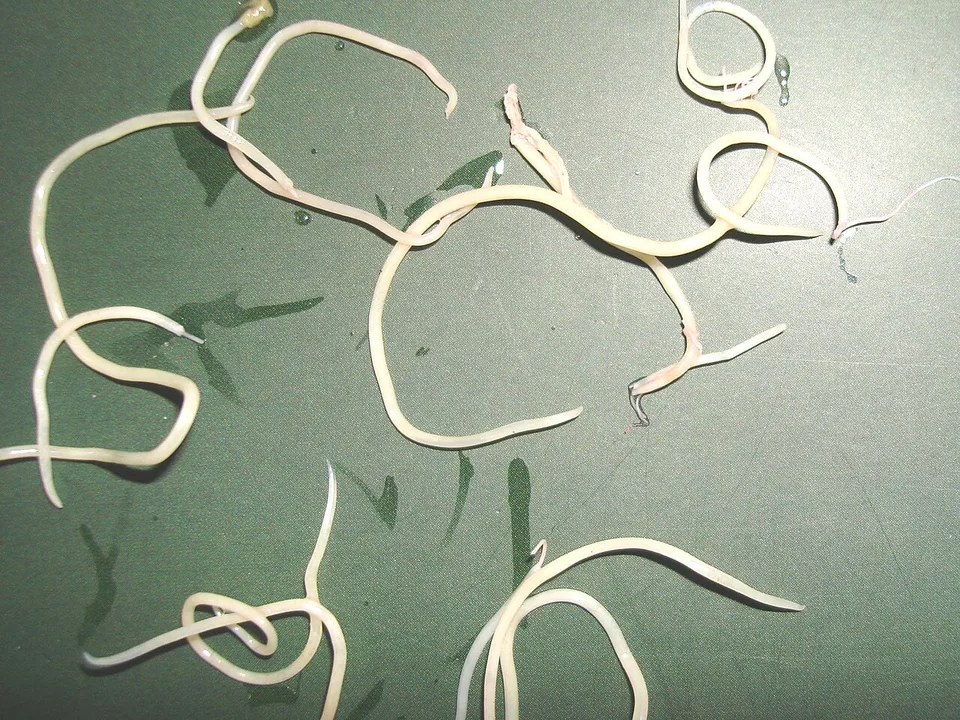
Heavy parasite loads cause a gradual fall in egg numbers and pale combs, and sometimes poorer shells. Look for tiny red or grey mites in cracks of perches at night, lice at the base of feathers, or worms in droppings. Shells improve after parasite control and good feeding.
How it is diagnosed
A vet or poultry extension officer starts with the flock history. They will ask about age, breed, feed brand and type, how calcium is given, water source, house temperature, vaccination record, recent stress and when the problem began. They will examine the eggs, so keep several days of abnormal eggs aside, labelled by date. The type of defect gives strong clues. Wrinkled shells with watery whites suggest IB. Pale, thin and shell-less eggs in healthy-looking young hens suggest EDS. A rough tip suggests Mycoplasma. Thin shells in old hens suggest age. They will examine live birds for breathing signs, lameness, parasites and body condition. Blood samples may be sent to a laboratory, such as the Central Veterinary Laboratories at Kabete or a regional veterinary lab. These tests look for antibodies to IB, EDS, Newcastle disease and Mycoplasma, often comparing samples taken a few weeks apart. A post-mortem on one or two sick or culled birds can show oviduct damage, soft bones or other disease. A feed sample can be tested for calcium, phosphorus and mycotoxins. To prepare, write down daily egg counts and cracked-egg counts. Keep your vaccination cards, feed bags and labels, and a sample of the current feed in a clean dry bag. Have one or two typical sick birds ready, alive and isolated.
Treatment
Treatment depends on the cause, so the vet will first find out what is behind the problem. For nutritional causes, the main treatment is correcting the diet. This may mean changing to a better layer feed, adding limestone or oyster shell, fixing the calcium and phosphorus balance, and adding vitamin D3 where it is lacking. Vitamin D3 and minerals should only be added as advised, because too much vitamin D3 or calcium can also harm hens, especially the kidneys. For heat stress, the vet will advise on housing, cooling, water and possibly electrolytes or other heat-stress supplements. For mycotoxins, the vet will advise removing the mouldy feed and may recommend a toxin binder. There is no medicine that cures Infectious Bronchitis or Egg Drop Syndrome. Antibiotics do not kill these viruses. Care focuses on good nursing, warmth or cooling as needed, clean water, good nutrition and preventing secondary bacterial infections. A vet may prescribe an antibiotic only if there is a real bacterial infection, for example when Mycoplasma or E. coli is confirmed. Drug classes sometimes used in poultry include tetracyclines, macrolides such as tylosin, and others. However, many antibiotics are not allowed for hens producing eggs for people to eat, and those that are allowed have an egg withdrawal period. This is a set number of days after treatment when eggs must be thrown away, not sold or eaten. Always follow the vet's instructions and the label. Using antibiotics without need breeds antimicrobial resistance, which makes future infections in birds and people harder to treat. For old hens with naturally thin shells, the vet may simply advise planning to replace the flock. Expect nutritional problems to improve within a couple of weeks of correcting the feed. Virus damage may take longer, and some damage may never fully recover.
Medicines must be prescribed and dosed by a vet. Always respect milk and meat withdrawal periods, and finish the full course of any antibiotic.
How Agrikima products can help
These support the animal alongside — never instead of — your vet's treatment, vaccination and good management.
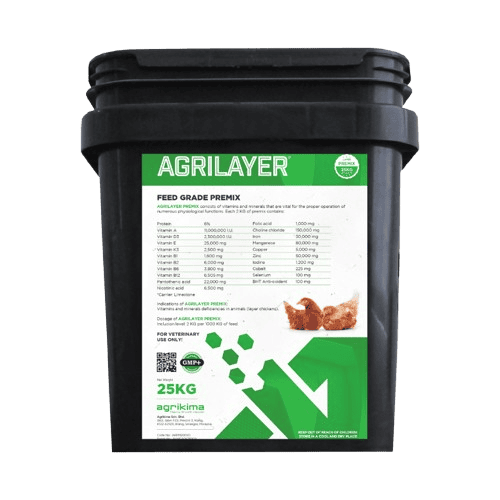
AGRILAYER
A layer feed additive added to a complete layer ration to support egg production and shell quality. It helps laying hens get the nutrients they need for strong shells, alongside proper layer feed, free-choice limestone or oyster shell, IB vaccination and good heat management. It does not cure infections such as IB or EDS.
View product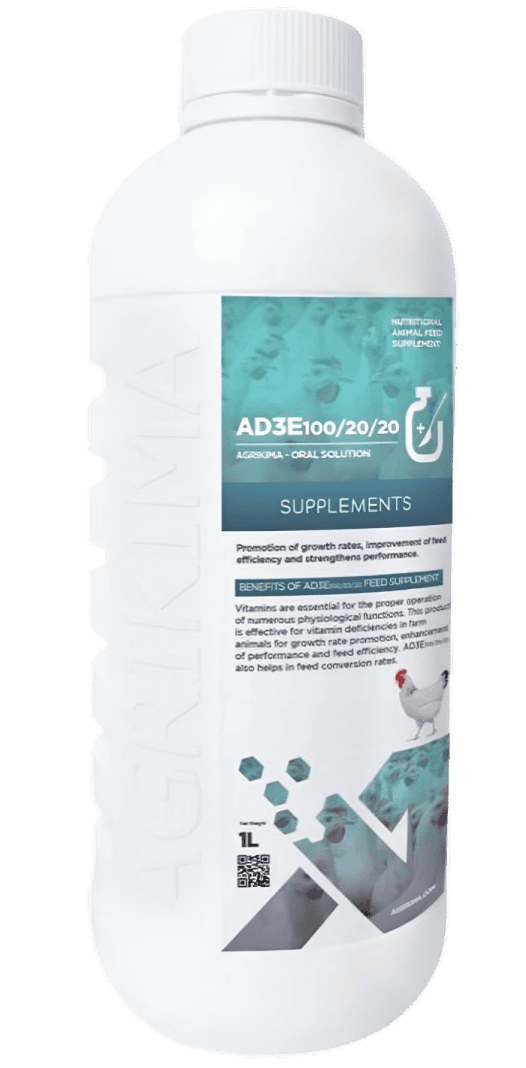
AD3E 100/20/20
Supplies vitamins A, D3 and E. Vitamin D3 is needed for hens to absorb and use calcium for shells, so this can help where the diet is short of vitamin D3, such as during recovery from stress or in poorly fortified home-mixed feeds. Use it only as the label or your vet directs, because too much vitamin D3 can harm hens. It supports good nutrition and is not a replacement for a balanced layer feed or vet diagnosis.
View productPrevention
- Feed a complete, good-quality layer mash or pellet from a reputable miller, and store it dry and off the floor. Layer feed has roughly three to four times more calcium than grower feed.
- Do not give layer feed too early, as high calcium can damage the kidneys of growing pullets. Use a pre-layer or follow your feed supplier's advice, usually switching around the time the first eggs appear.
- Offer coarse limestone grit or crushed oyster shell in a separate feeder, especially for free-range and kienyeji hens, and top it up in the afternoon.
- Vaccinate against Infectious Bronchitis according to a schedule from your vet or hatchery, usually starting in chicks with boosters before lay. Where EDS is a problem in your area, ask your vet about EDS vaccination of pullets before they begin laying.
- Buy chicks and point-of-lay pullets only from trusted, licensed hatcheries and suppliers with vaccination records. Keep new birds apart for at least two weeks before mixing.
- Keep ducks and geese away from layer houses and water sources, as they can carry the EDS virus.
- Practise good biosecurity. Clean and disinfect egg trays and crates, limit visitors, use a foot dip, and avoid sharing equipment with other farms.
- Build or adapt houses for heat. Use good cross-ventilation, roof insulation or shade, correct stocking density, plenty of drinkers, and feeding in the cooler hours.
- Control mites, lice and worms on a regular plan agreed with your vet, and keep perches and nest boxes clean.
- Keep records of age, egg numbers and shell quality, and plan to replace old flocks before shell quality and profit fall too far.
Risk to people
The causes of poor shells, such as feed shortages, heat, IB and EDS, do not infect people. However, cracked, thin and dirty eggs let bacteria such as Salmonella get inside more easily. Do not sell or eat cracked or leaking eggs raw or lightly cooked. Cook eggs well, wash your hands after handling eggs and birds, and keep eggs cool and clean. If your vet prescribes any medicine, respect the egg withdrawal period, and throw away eggs laid during that time, so that drug residues do not reach consumers.
Impact on your farm
On a Kenyan farm, poor shells hit income fast. Cracked, soft and shell-less eggs cannot be sold in trays to shops, hotels or middlemen, and even slightly rough or pale eggs fetch a lower price. Broken eggs make nests dirty, attract flies and teach hens to eat eggs, a habit that is hard to stop. The hens still eat the same costly feed while laying fewer good eggs, so the feed cost per tray rises sharply. With IB, the drop in lay and shell quality can last for weeks, and pullets infected young may never lay well. EDS can stop a young flock from reaching its peak. In small and medium flocks this can turn a profitable batch into a loss, and it can delay loan repayments and school fees that depend on egg sales.
Outlook and recovery
The outlook depends on the cause. When the problem is feed, missing calcium, low vitamin D3 or heat, shells usually improve within a couple of weeks after the cause is fixed, and egg numbers often recover. With EDS, egg production and shells often improve over several weeks, but the flock may not return to full peak. With IB in adult hens, laying often recovers partly, but some hens keep laying poor eggs. Hens infected as young chicks may have permanent oviduct damage and never lay well. In old hens, thin shells are part of normal ageing and will not fully reverse, so replacing the flock is often the best choice. Early action, good records and quick vet advice give the best chance of saving production.
Common questions
Can I just give my hens crushed eggshells instead of buying limestone?
Yes, clean crushed eggshells can add some calcium, especially for small kienyeji flocks. Bake or boil them first so they are dry and free of germs, and crush them so they no longer look like eggs, or hens may learn to eat eggs. Eggshells alone are often not enough for high-producing hybrids, so still feed a proper layer feed and offer limestone or oyster shell grit as well.
Why do I find soft eggs under the perch in the morning?
Soft or shell-less eggs laid at night usually mean the hen did not have enough calcium, or her shell gland could not finish the shell. Common reasons are low-calcium feed, no grit in the afternoon, heat stress, fright at night, young pullets just starting to lay, or a disease such as EDS or IB. If only a few eggs are affected, check feed and calcium first. If many hens are affected, or birds look sick, call your vet.
Will antibiotics fix thin shells or an egg drop?
No, not in most cases. Most shell problems come from feed, heat, age or viruses such as IB and EDS, and antibiotics do nothing against these. Using antibiotics without need wastes money, leaves residues in eggs and builds drug resistance. A vet may prescribe one only when a bacterial infection is confirmed, and then you must follow the egg withdrawal period.
My hens are vaccinated against IB. Why do I still see wrinkled eggs?
Vaccines lower the risk but do not give perfect protection. The vaccine may have been stored badly, for example not kept cold, or given wrongly, or the boosters may have been missed. There are also many types of IB virus, and the one on your farm may differ from the vaccine type. Old age, Mycoplasma or poor feed can also cause odd shells. Talk to your vet about testing and reviewing your vaccination plan.
At what age should I replace my layers?
Most commercial layers lay best in their first year of production, and shell quality and egg numbers slowly fall after that, often from around 70 to 80 weeks of age. The right time depends on egg prices, feed costs and how well the flock is still laying. Keep records of eggs per day and cracked eggs, and when income no longer covers feed and other costs, plan to sell the old hens and bring in a new batch.
How can I stop my hens from eating eggs?
First fix the cause of weak shells, because broken eggs start the habit. Collect eggs often, at least two to three times a day. Make nest boxes dark, soft and enough in number, about one box for every four or five hens. Remove broken eggs and wipe nests at once. Avoid overcrowding and boredom by giving some greens or scattering a little grain. Persistent egg-eaters may need to be culled, as they teach others.
A guide, not a diagnosis. This page is general information to help you recognise problems early. Always confirm with a vet or animal health worker before treating.