What it is
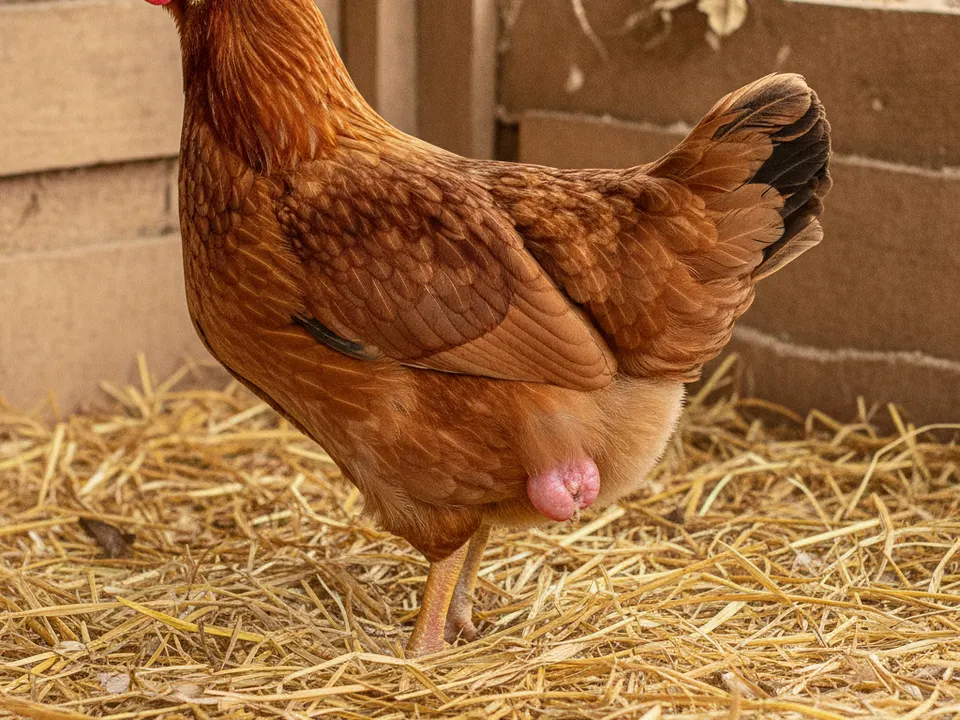
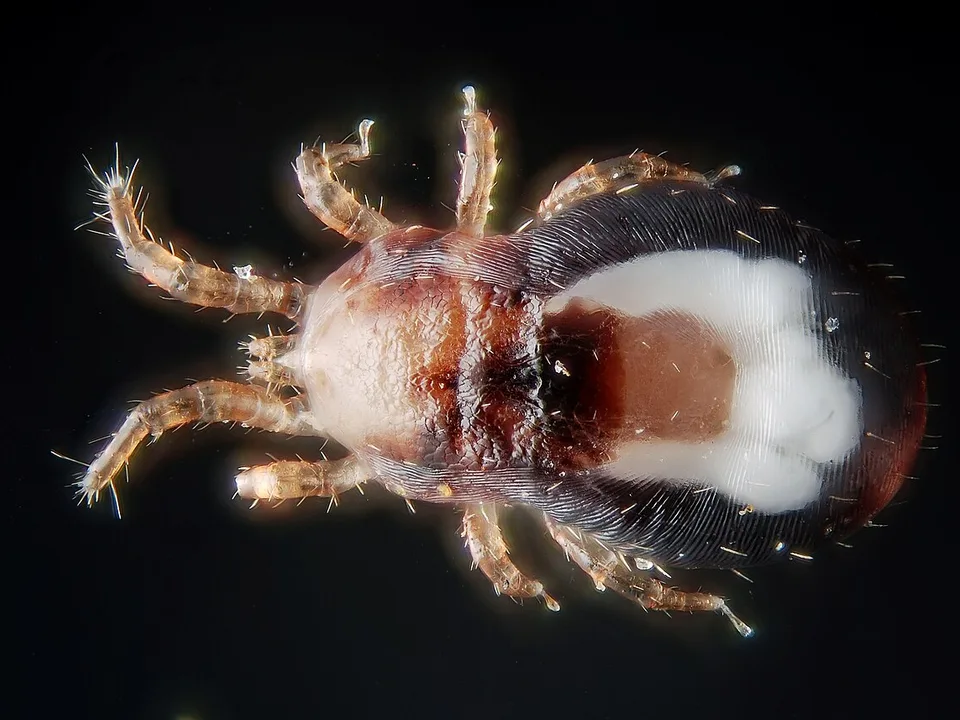
Several different parasites are involved. The poultry red mite (Dermanyssus gallinae) is a blood-sucking mite about the size of a full stop. It does not live on the bird. It hides by day in cracks in perches, nest boxes, walls and roofs, and it crawls onto roosting birds at night to feed. It is grey or whitish when hungry and turns red after a blood meal. It can survive for several months in an empty house without feeding. Northern fowl mite (Ornithonyssus sylviarum) and the closely related tropical fowl mite (Ornithonyssus bursa) live their whole life on the bird, mostly around the vent. They also suck blood, and they make the feathers there look dirty and grey-black with scabby skin underneath. Chicken lice, such as the body louse and the shaft louse, are wingless insects, pale yellow-brown and quick-moving. They live on the bird all the time and chew skin scales and feather material rather than sucking blood. They glue their eggs, called nits, in clusters at the base of feathers. Blood-feeding mites take blood every night, so heavy numbers cause anaemia, weakness and, in chicks or sitting hens, death. Lice and mites both cause constant itching and irritation. The bird feeds and rests poorly, damages its own feathers and puts less energy into growth and eggs.
Which animals are most at risk
All chickens can be affected, including layers, broilers, breeders, kienyeji and improved kienyeji birds, ducks, turkeys and pigeons. Laying hens and breeders are most at risk because they stay in the same house for a long time, giving parasites time to multiply. Broilers are kept for a short time, so they are less often badly affected. Sitting (brooding) hens and young chicks suffer most from red mite, because they cannot escape the night-time feeding. Some sitting hens abandon their eggs or die on the nest. Free-range and backyard flocks in old wooden or mud-and-timber houses with many cracks are commonly affected. Older, sick, poorly fed or injured birds, and birds with trimmed or damaged beaks, cannot preen well and carry heavier lice loads. Red mite problems often worsen in hot periods and in warm areas. Northern fowl mite tends to do better in cooler conditions, so it may be seen more in highland flocks. Lice can be found all year round.
Signs to look for
Early signs
- Birds are restless at night, unwilling to go onto perches, or try to sleep on the floor or in unusual places.
- Hens avoid nest boxes and start laying eggs on the floor.
- Birds scratch, peck and preen at themselves more than normal, especially under the wings and around the vent.
- Small red or dark spots appear on eggshells, which can be crushed red mites or their droppings.
- Small grey-white or reddish mites are found in perch ends, joints and cracks when you press white tissue into them, or a grey-white powdery deposit (mite droppings and shed skins) builds up there.
- Parting the feathers below the vent shows small moving lice, or clusters of white-cream eggs glued to the base of the feathers.
- Mites crawl onto your hands and arms when you collect eggs or handle birds, and you may feel itching afterwards.
As it gets worse
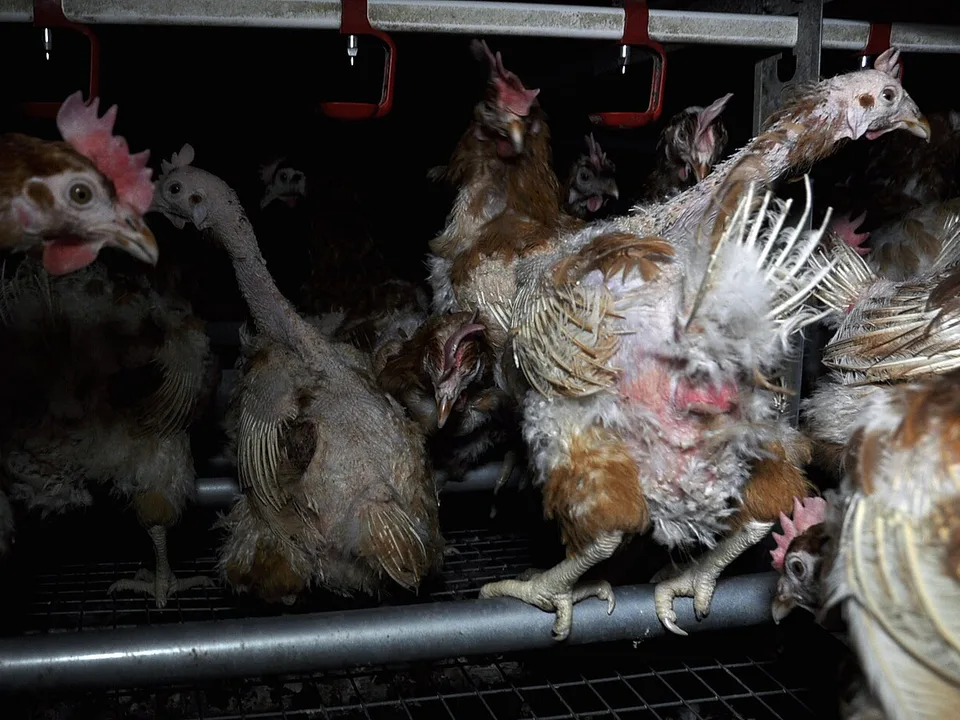
- Combs and wattles become pale pink or almost white because of anaemia from blood loss.
- Egg production drops noticeably, and eggs may be smaller with more spotted or dirty shells.
- Birds become weak, dull and thin, and they eat less or waste feed.
- Feathers around the vent, tail and under the wings look ragged, dirty, grey or blackened, and the skin underneath is scabby and thickened.
- Feather loss and bald patches appear, and some birds begin feather pecking each other.
- Large clusters of red mites are visible on perches, in nest boxes and in wall cracks, sometimes with a sour smell.
- Chicks, sitting hens and weak birds die, sometimes found dead on the nest or the floor in the morning.
- Growth in young stock slows, and the flock becomes more likely to catch other diseases.
What to do right now
- Inspect the house after dark with a torch. Look along perches, perch ends, nest boxes and wall cracks, and examine several birds under the vent and wings so you know what you are dealing with.
- Protect yourself while working. Wear long sleeves, tuck trousers into boots, wash your hands and arms afterwards, and change and wash your work clothes, because mites will crawl onto people.
- Separate badly affected, very pale or weak birds into a clean, separate pen so they can rest, eat and drink without competition.
- Make sure all birds have plenty of clean, cool drinking water and good quality feed, because anaemic birds need extra support to rebuild blood.
- Remove old litter and nest material, and burn it or bury it well away from the poultry house. Then scrape and sweep out droppings and dust from perches, corners and cracks.
- Provide a dry dust-bathing area of fine dry soil or sand so birds can clean themselves naturally, and keep it dry and under shelter.
- Stop moving, selling, buying or lending birds, crates and equipment until the problem is controlled, so you do not spread parasites to neighbours.
- Write down egg production, deaths and what you found. Then call your vet or a qualified agrovet. Do not use any spray, powder or dip on the birds or in the house until they advise you, because many chemicals are toxic to chickens or leave residues in eggs.
How it spreads
- Red mites crawl between birds and around the house, and they are carried into new houses on second-hand crates, egg trays, nest boxes, perches, sacks and timber.
- Northern fowl mites and lice pass directly from bird to bird through close contact, especially when birds are crowded on perches or in transport crates.
- Newly bought birds, birds returned unsold from market, and birds borrowed for breeding often bring lice and mites into a clean flock.
- Wild birds, such as sparrows and pigeons, that nest in or near the poultry house can carry mites and lice to your chickens.
- People can carry mites on clothing, boots and hands when they move between infested and clean houses.
- Warm weather speeds up the red mite life cycle, so numbers can build up very quickly in hot, dry spells and in warm lowland areas.
- Dirty, cracked wooden housing, old litter and nest material that is never changed give mites ideal hiding and breeding places.
Could it be something else?
Sticktight fleas
Sticktight fleas are very common in Kenyan backyard flocks. They are small dark brown or black fleas that stay firmly attached in clusters on the comb, wattles, earlobes and around the eyes, and they do not move away when touched. Mites hide in the house or around the vent, and lice run quickly through the feathers.
Scaly leg mite
Scaly leg mite burrows under the leg scales, which become raised, thickened, crusty and chalky-white. The damage is on the legs and feet, not in the feathers, and the birds do not usually become pale from blood loss.
Natural moult or feather pecking
During a moult, birds lose feathers in an orderly way, new pin feathers grow, combs stay a normal colour and no lice or mites are found. With feather pecking, other birds are seen pulling feathers, often on the back and tail, and careful checks of the bird and house show no parasites.
Other causes of pale combs and egg drop (coccidiosis, worms, infectious diseases, poor nutrition)
Coccidiosis often causes bloody or watery droppings, and heavy worm loads may show worms in droppings or at post-mortem. Diseases such as Newcastle disease or infectious bronchitis bring breathing, nervous or egg-shape signs. If you find no mites or lice at night and on the birds, ask your vet to look for these causes.
How it is diagnosed
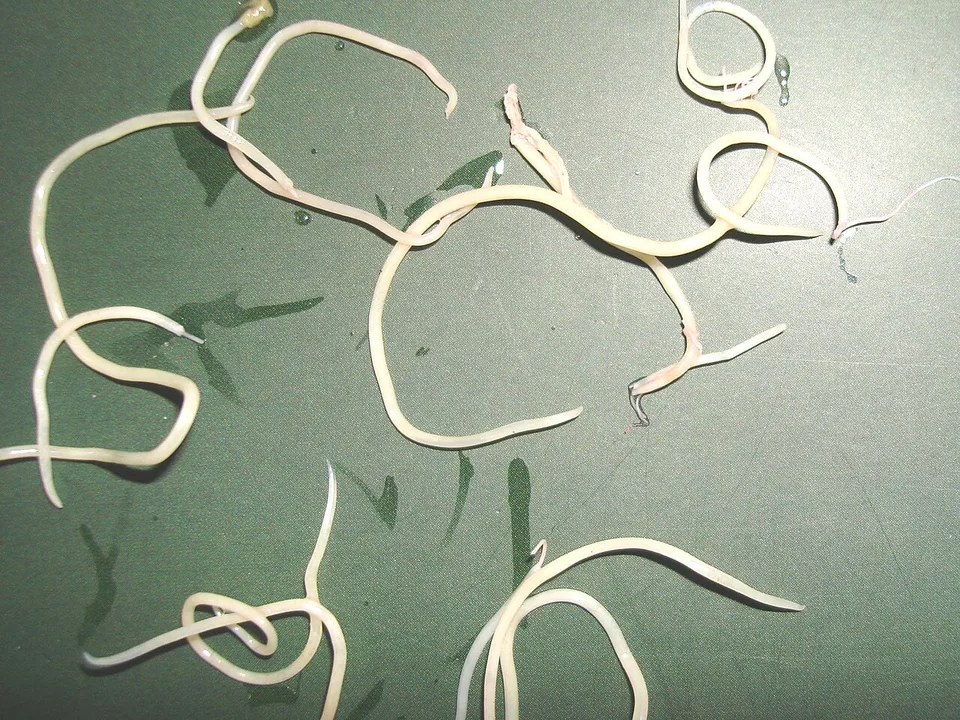
Mites and lice are usually confirmed by looking carefully, and a vet or trained animal health assistant can do this on the farm. They examine birds by parting the feathers under the vent, under the wings and on the back to look for lice, nits and fowl mites. Because red mites hide by day, the vet may inspect the house at night with a torch, press white paper or tissue into perch joints and cracks, or use simple traps. A common trap is rolled corrugated cardboard tied under perches and checked after a few days. Samples of parasites can be put in a small sealed container or on sticky tape and examined under a magnifying glass or microscope to identify the exact type. That matters because red mites must be treated in the house, while lice and fowl mites must be treated on the bird. The vet will also check how pale the birds are and may look for other diseases that cause anaemia and egg drop. If birds have died, a post-mortem can rule out other causes. To help, you can prepare records of daily egg numbers, feed use, deaths and when the problem started. Note any new birds brought in recently. Keep a few parasites in a closed jar, and be ready for an evening visit if red mite is suspected.
Treatment
Treatment depends on which parasite is present and must be chosen and prescribed by a vet or qualified animal health professional, using products registered for poultry. For lice and northern or tropical fowl mites, which live on the bird, the vet may recommend treating the birds directly. This is usually a powder, spray or dip containing an acaricide (a chemical that kills mites and lice), such as a pyrethroid like permethrin, or another approved product. For red mite, the main target is the house, because most mites are hiding in cracks, not on the birds. After a thorough clean-out, the vet may advise spraying perches, nest boxes, walls and cracks with an approved acaricide. Inert dusts based on silica or diatomaceous earth, which damage the mite's outer skin and dry it out, may be used in the house. In some countries, newer treatments given through drinking water are registered for red mite; your vet will know what is available and legal in Kenya. Most products do not kill eggs, so a follow-up treatment is usually needed after the young hatch, and the vet will set this timing. Repeating the same chemical too often can make mites resistant, so vets may rotate between different drug classes. Every product has an egg and meat withdrawal period, which is the time after treatment when eggs and meat must not be eaten or sold. Follow it exactly. Never use cattle dips or crop pesticides on chickens. Very anaemic birds recover slowly, and the vet may advise supportive care with good nutrition and vitamins. Antibiotics have no effect on mites or lice and should only be used if the vet diagnoses a separate bacterial infection.
Medicines must be prescribed and dosed by a vet. Always respect milk and meat withdrawal periods, and finish the full course of any antibiotic.
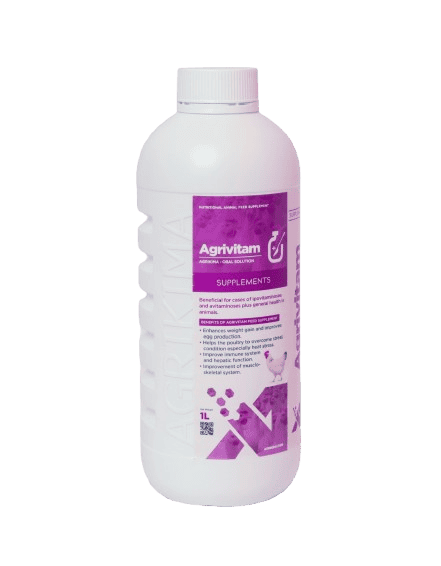
How Agrikima products can help
These support the animal alongside — never instead of — your vet's treatment, vaccination and good management.
Prevention
- Quarantine all new or returning birds in a separate pen for at least two to three weeks, and check them under the vent and wings for lice and mites before they join the flock.
- Inspect the flock and house regularly, at least every week or two. Look at night, check perch cracks with white tissue, or use cardboard traps, so you catch red mite while numbers are still low.
- Build or repair housing with smooth surfaces and as few cracks as possible. Use removable perches and nest boxes that can be taken out, scrubbed and sun-dried.
- Clean thoroughly between flocks. Remove all litter, scrape and wash with detergent and hot water, let the house dry in the sun and leave it empty for as long as practical before restocking. Remember that red mites can survive for months without birds.
- Change nest box material often. Keep litter dry, and do not store old sacks, trays or timber inside the poultry house where mites can hide.
- Keep wild birds, especially sparrows and pigeons, out of the poultry house with wire mesh, and remove their nests from the eaves and roof.
- Avoid using second-hand crates, egg trays and equipment without cleaning them well first, and do not share equipment with neighbours.
- Give birds a dry dust bath area and feed a balanced diet with enough protein, vitamins and minerals, so they can preen well and cope better with parasites. Follow your vet's advice on a planned parasite control routine.
Risk to people
Poultry red mites and fowl mites can bite people, especially farm workers and those who collect eggs, and cause itchy red spots or rashes. They cannot complete their life cycle on humans and do not set up a lasting infestation on people. However, they can be a real nuisance, and bites can become infected if scratched. Mites may also come into houses if chickens roost near or inside the family home. Wear long sleeves when working in an infested house, wash after handling birds, and keep poultry sleeping away from human living areas. Chicken lice do not live on people. A second risk is chemical residues. Only use acaricides registered for poultry, as prescribed by a vet. Never use cattle dips, crop sprays or household insecticides on birds. Strictly observe the egg and meat withdrawal periods so that no chemical residues reach your family or customers.
Impact on your farm
Mites and lice rarely wipe out a flock overnight, but they steadily drain a farm's income. Laying hens put their energy into fighting irritation and replacing lost blood instead of making eggs, so egg numbers drop and some eggs are smaller or spotted. Spotted or dirty eggs fetch a lower price at market and from egg traders. Birds eat feed but turn less of it into eggs or meat, so the cost of each tray of eggs rises. Hens avoid nest boxes, which leads to more floor eggs, more broken and dirty eggs and more wasted time. Sitting kienyeji hens may abandon their eggs or die, and chicks may be weakened or killed, reducing the number of birds a farmer can raise and sell. Feather damage and feather pecking can lead to wounds and more losses. Stressed, anaemic birds fall sick more easily with other diseases, adding treatment costs. The workers who collect eggs may also suffer itchy mite bites. On a commercial layer farm, an unnoticed red mite problem can become expensive and slow to clear because the house itself is infested.
Outlook and recovery
The outlook is good when the problem is found early and treated properly. Birds with lice or light mite loads usually recover quickly once the parasites are controlled, and egg production often improves over the following weeks. Very anaemic birds, sitting hens and chicks may take longer to recover, and some may not survive. Feathers regrow only at the next moult. Red mite is the hardest to clear because it hides in the house and survives long periods without feeding. Success depends on thorough cleaning, correctly timed repeat treatments and regular checks afterwards. Reinfestation is common if new birds are not quarantined or wild birds keep entering the house. A planned routine of inspection and prevention matters more than any single treatment.
Common questions
Can I use cattle dip or tick spray on my chickens?
No. Cattle dips and many tick sprays are made for cattle, not birds. They can poison chickens, and they leave residues in eggs and meat that are dangerous for your family and customers. Only use products registered for poultry, at the strength and timing your vet prescribes, and follow the egg withdrawal period on the label.
I sprayed the birds but the mites came back. Why?
This is very common with red mite. Red mites spend most of their life hiding in cracks in the perches, nest boxes and walls, not on the birds, so spraying only the birds misses most of them. Most treatments also do not kill the eggs, so a new generation hatches after a few days. Effective control usually means a thorough clean-out of the house, treating the hiding places, a correctly timed follow-up treatment and regular checks. Ask your vet to plan this with you.
Can I eat or sell eggs while my flock is being treated?
It depends on the product. Some products have a withdrawal period during which eggs must be thrown away. Others are approved with no egg withdrawal when used correctly. Always ask your vet and read the label, and do not sell or eat eggs until the withdrawal time has passed. Inert dusts and cleaning do not normally create residues, but chemical sprays and powders can.
Do kienyeji chickens that roam free also get mites and lice?
Yes. Free-range and kienyeji chickens are often affected, especially sitting hens and chicks kept in dark, cracked wooden or mud houses or in boxes and baskets at night. Free-ranging birds that can dust-bathe in dry soil often keep lice numbers lower, but red mite in the night shelter can still be serious. Check the sleeping place and nests regularly, not just the birds.
Does a wood ash or soil dust bath really help?
Dust bathing is a natural behaviour that helps chickens clean their feathers and can reduce lice and fowl mite numbers. A dry, sheltered dust bath of fine soil or sand is a good part of prevention. It will not clear a heavy infestation by itself, and it does little against red mites hiding in the house. Use it alongside cleaning, inspection and vet-advised treatment, and keep the dust dry so it does not cake or irritate the birds' eyes and lungs.
Can mites and lice from my chickens live on me or my children?
Chicken lice do not live on people. Red mites and fowl mites can crawl onto people and bite, causing itchy spots, but they cannot breed and live on humans. Keep chickens sleeping away from the house, wear long sleeves when cleaning, and wash and change clothes after working with birds. Once the flock and house are cleared, the bites should stop.
A guide, not a diagnosis. This page is general information to help you recognise problems early. Always confirm with a vet or animal health worker before treating.