What it is
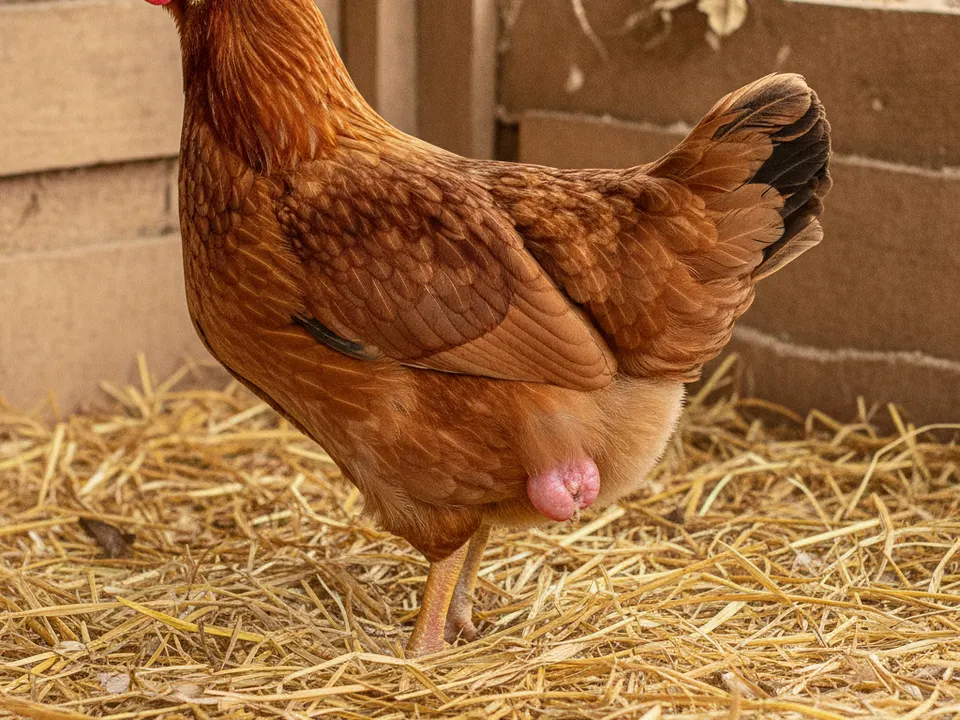
Laying an egg needs strong, well-timed muscle contractions in the oviduct and good lubrication. Calcium is needed both to build the shell and to make these muscles squeeze properly. When a hen is short of calcium, or of vitamin D3 which she needs to use calcium, her oviduct muscles become weak and the egg stops moving. Very large eggs, double-yolk eggs, misshapen or soft-shelled eggs can also get stuck. Young pullets that start laying before their bodies are big and mature enough, and fat hens with a lot of fat around the oviduct, have the most trouble. As the hen strains hard and repeatedly, the lining of the oviduct and cloaca can be pushed out through the vent; this is a prolapse. The exposed tissue swells, dries, gets dirty and is very attractive to other hens, who peck it. Pecking can pull out the intestines and kill the hen quickly. Infection of the oviduct, dehydration, cold, stress and lack of exercise all make egg binding and prolapse more likely.
Which animals are most at risk
Laying hens of any breed can be affected, but the risk is highest in young pullets just coming into lay and in older, overweight hens. Commercial layer hybrids, which lay many eggs, are at higher risk if their feed is not balanced for calcium. Improved kienyeji and free-range hens fed mainly on scraps or bran without a calcium source are also at risk. Hens that lay unusually large or double-yolk eggs, birds kept in cages or crowded houses with little exercise, and flocks under heat stress during the hot, dry months before the long rains are more likely to have problems. Bright lighting in the house and overcrowding increase the risk that a prolapse turns into pecking and cannibalism.
Signs to look for
Early signs
- The hen goes in and out of the nest box many times, or sits in the nest for a long time without laying.
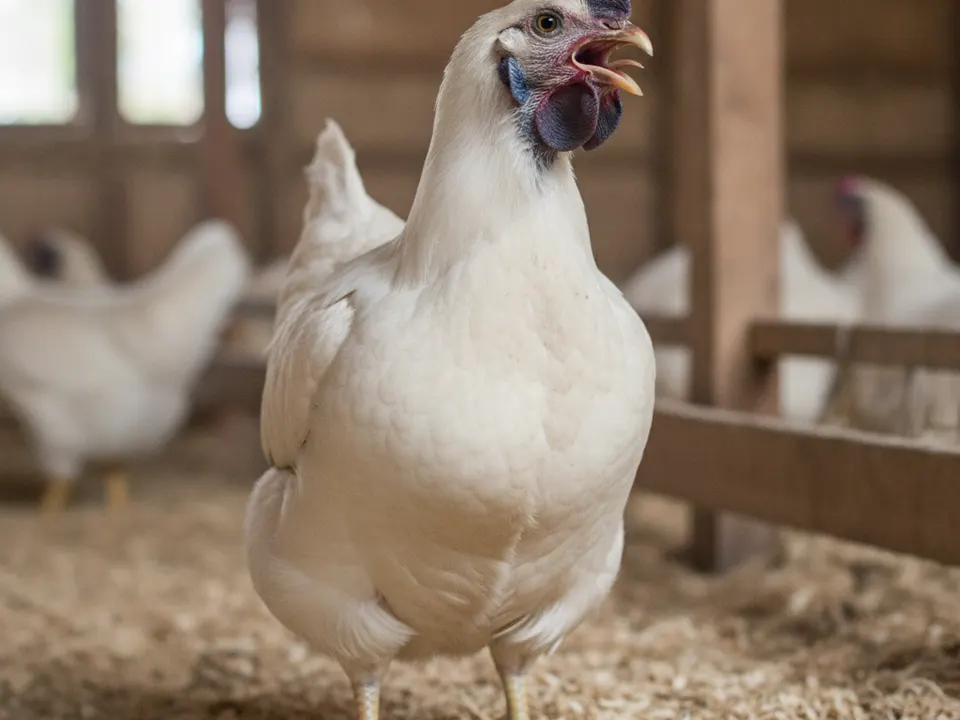
- She stands very upright with legs wide apart in a penguin-like stance and walks stiffly or waddles.
- Her tail pumps or bobs up and down as she strains, and you may see her abdomen tightening.
- She is quieter than usual, fluffs her feathers, eats less and may drink more or less than normal.
- Droppings may be few, small or watery because the stuck egg presses on the gut.
- When you gently feel the abdomen near the vent, you may feel a firm, egg-shaped lump.
- The vent may look swollen, moist or pulsing.
As it gets worse
- Red, pink or dark purple moist tissue sticking out of the vent, sometimes with an egg visible inside it.
- The hen sits on the ground, cannot stand or walk properly, and may seem to lose use of her legs because the egg presses on nerves.
- Pale or bluish comb, fast or open-mouth breathing, and deep weakness or collapse from exhaustion and shock.
- Dried, dirty, swollen or blackened prolapsed tissue that smells bad, which means infection or tissue death.
- Bleeding or torn tissue at the vent from other hens pecking, and blood on the feathers of the hen or her pen mates.
- Sudden death, sometimes with the hen found with her insides pulled out by other birds.
What to do right now
- Separate the hen immediately into a quiet, clean, dim, warm box or pen with soft bedding, away from other birds that might peck her vent.
- Wear gloves or wash your hands well before and after handling her, because the vent area carries germs.
- Offer clean, fresh water within easy reach, as dehydration makes laying harder; do not force water into her beak.
- For a suspected stuck egg with no prolapse, you can soak her lower body in a basin of comfortably warm (not hot) clean water for about 15–20 minutes to relax her muscles, then dry her well and keep her warm in the quiet box.
- Gently apply a little clean petroleum jelly or clean cooking oil just around the vent with a gloved finger, but do not push deep inside or try to pull the egg.
- Never try to break or crush the egg inside the hen yourself, as sharp shell pieces can cut the oviduct and cause fatal bleeding or infection.
- For a prolapse, keep the exposed tissue clean and moist by rinsing gently with clean lukewarm water, and protect it from flies, dirt and drying out until the vet advises you.
- Record what you have seen, how long she has been straining, and check the rest of the flock for other hens straining, laying soft-shelled eggs or pecking vents, then call your vet or the nearest animal health assistant.
How it spreads
- Egg binding and prolapse are not contagious; they do not pass from bird to bird, but several hens can be affected when the whole flock shares the same feeding or management problem.
- Feeding chick or grower mash, maize bran, kitchen scraps or poorly mixed home-made rations to laying hens can leave them short of calcium and trigger the problem.
- Lighting pullets for long hours, or feeding them heavily too early, can push them into lay before their bodies are ready, which raises the risk of prolapse at the start of lay.
- Overfeeding energy-rich feeds and keeping hens in small cages or crowded houses with little exercise makes them fat and more likely to bind or prolapse.
- Hot weather reduces feed intake, so hens eat less calcium just when they need it, and dehydration from lack of clean water makes laying harder.
- Stress from handling, transport, predators, loud noise or sudden changes in feed can upset laying and lead to retained eggs.
- Once one hen has a bleeding or protruding vent, other hens learn to peck vents, and cannibalism can spread through the flock as a behaviour.
Could it be something else?
Egg yolk peritonitis
Here yolk has fallen into the belly and caused infection. The hen also stands upright like a penguin, but the belly is soft, swollen and may feel like a water bag, and there is usually no hard egg-shaped lump near the vent and no tissue sticking out. She is often sick for days with poor appetite and stops laying.
Vent gleet (cloacitis)
Vent gleet is an infection of the vent. You will see a dirty, smelly, white or yellow discharge and caked feathers around the vent, but the hen is not usually straining hard and there is no egg stuck or tissue protruding.
Vent pecking injury without prolapse
Bleeding or wounds at the vent can come from pecking alone, especially in crowded, brightly lit houses. Look closely: in a pecking injury there is no swollen bulge of tissue turned out of the vent and no egg stuck, but there are wounds and missing feathers.
Coccidiosis or severe diarrhoea
Birds with coccidiosis may hunch and strain, but they pass watery, often bloody droppings, several birds are usually sick at once, and young growers are more affected. There is no egg lump and no penguin stance linked to the nest box.
How it is diagnosed
A vet usually confirms egg binding by watching the hen's behaviour and gently feeling her abdomen and vent. Often the egg can be felt, and sometimes a gloved, lubricated finger inserted carefully into the vent can touch it. In clinics with equipment, an X-ray or ultrasound scan can show where the egg is, whether the shell is hard or soft, and whether there is more than one egg. For prolapse, the vet examines the tissue to see which part has come out, whether an egg is trapped inside, and whether the tissue is still healthy, infected or dead. If several hens are affected or dying, the vet may do a post-mortem (an examination of a dead bird) to look for calcium problems, fat around the oviduct, infection or egg peritonitis, and may ask about feed. To help, prepare notes on the hen's age, when she started laying, what feed and any supplements the flock receives, how much water is available, lighting hours, how many birds are affected, and recent egg size and shell quality. Keep a sample bag of the feed you are using in case it needs checking.
Treatment
Treatment depends on how long the hen has been straining, whether the egg can be felt, and whether tissue has prolapsed. For egg binding, a vet often starts by giving calcium, for example calcium gluconate or another calcium preparation, because many bound hens are low in calcium and this can help the oviduct muscles contract again. The vet may also give fluids, warmth and gentle lubrication, and can sometimes ease the egg out manually. Hormones that make the oviduct contract, such as oxytocin, are only used by a vet after checking that the egg is not stuck in a way that could cause the oviduct to tear. If the egg will not move, the vet may carefully draw out the egg contents with a needle and then collapse and remove the shell pieces; this is skilled work and should not be tried at home. For prolapse, the vet cleans the tissue, may reduce swelling, gently pushes it back into place, and may place a temporary stitch around the vent to hold it while it heals. Pain relief or anti-inflammatory drugs such as meloxicam may be used. Antibiotics are only needed if there is infection or damaged tissue; they should be prescribed by the vet and used fully and only as directed, because careless antibiotic use breeds resistant germs (antimicrobial resistance) that affect both animals and people. Many drugs have an egg and meat withdrawal period, which is the time after treatment when eggs and meat must not be eaten or sold, so ask your vet for it. Recovering hens usually need several days of rest in a dim pen and may stop laying for a while. In commercial flocks, badly damaged or repeatedly prolapsing hens are often culled humanely, as treatment may not be worth it. Never give drugs or injections yourself without a vet's prescription.
Medicines must be prescribed and dosed by a vet. Always respect milk and meat withdrawal periods, and finish the full course of any antibiotic.
How Agrikima products can help
These support the animal alongside — never instead of — your vet's treatment, vaccination and good management.
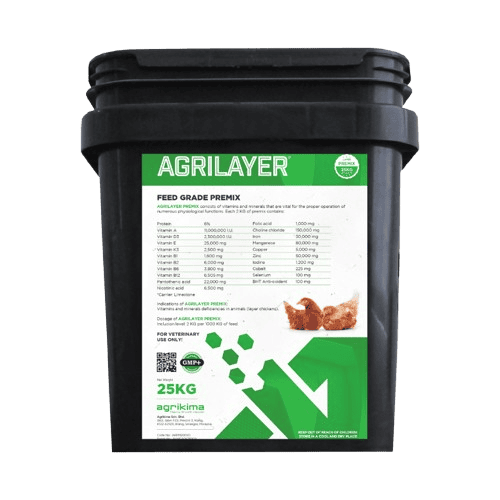
AGRILAYER
Added to layer feed to support egg production and shell quality, helping the flock lay well-formed, properly shelled eggs as part of a balanced ration and good management that lower the risk of egg binding; it is a preventive aid, not a treatment for a hen that is already bound or prolapsed.
View product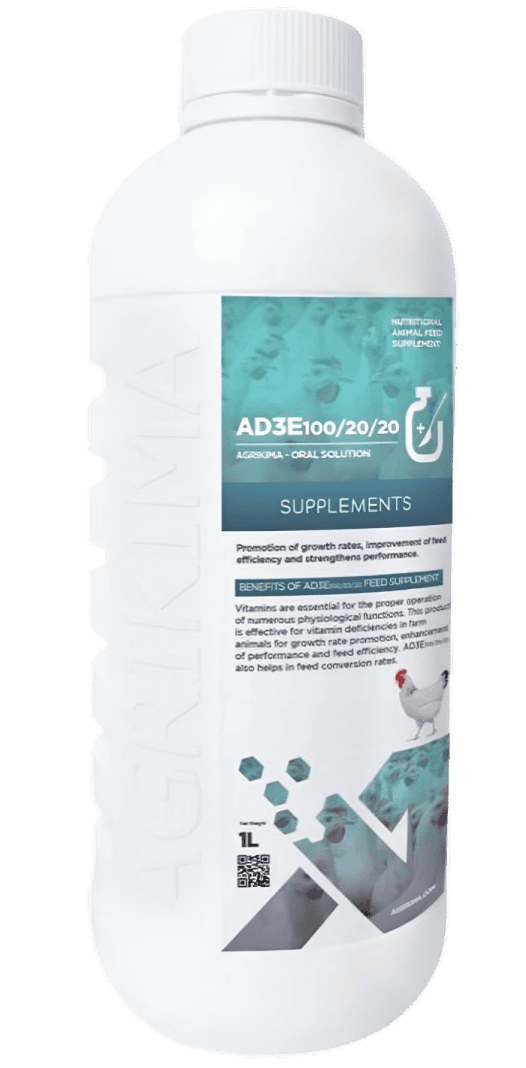
AD3E 100/20/20
Supplies vitamin D3, which hens need to absorb and use calcium for strong shells and normal oviduct muscle contractions, along with vitamins A and E; useful for housed layers with little sunlight as part of prevention, alongside proper calcium feeding and vet advice.
View productPrevention
- Feed laying hens a proper layer mash that contains enough calcium for shell building, and do not let them live mainly on maize bran, scraps or grower feed once they are laying.
- Offer a separate free-choice calcium source such as clean crushed oyster shell or limestone grit in a small feeder, so each hen can take what she needs, especially in heat or peak lay.
- Do not feed layer mash to young growing pullets long before they start laying, because too much calcium too early can damage their kidneys; switch to layer feed around the point of lay as advised by your feed supplier or extension officer.
- Make sure birds get vitamin D3, from sunlight for free-range hens or from a good premix or vitamin supplement for housed birds, because they cannot use calcium well without it.
- Bring pullets into lay at the right age and body weight: do not increase lighting hours or push feed too early, and weigh a sample of pullets to check they are growing evenly before lay starts.
- Prevent hens from getting too fat by avoiding excess energy feeds, giving the right daily amount, and allowing space to walk, scratch and exercise.
- Provide clean, cool drinking water at all times, more drinkers in the hot season, and good shade and ventilation to reduce heat stress.
- Reduce vent pecking by avoiding overcrowding, keeping light in the house dim rather than very bright, giving enough nest boxes in a dark corner, and removing any bleeding or prolapsed hen immediately.
- Collect eggs often, keep nest boxes clean, and watch for soft-shelled, thin-shelled or very large eggs, which are early warnings of calcium or management problems.
- Keep records of laying, egg size and any binding or prolapse cases so you can spot patterns and talk them over with your vet or extension officer.
Risk to people
Egg binding and prolapse themselves do not infect people. However, the vent area of chickens can carry germs such as Salmonella and E. coli, so wear gloves when handling an affected hen, wash your hands well with soap and water afterwards, and keep children away. If your vet treats the hen with antibiotics or other drugs, follow the egg and meat withdrawal period exactly, as eating or selling eggs or meat too soon can leave drug residues that harm consumers and add to antimicrobial resistance.
Impact on your farm
A bound or prolapsed hen stops laying, and many die if not helped quickly, so each case is a direct loss of a productive layer and her future eggs. When several hens are affected, it usually means a feed or management problem is lowering egg numbers and shell quality across the flock, with more cracked, soft and unsaleable eggs. Prolapse often leads to vent pecking and cannibalism, which can kill healthy birds too and make the flock nervous and less productive. For a smallholder with a small kienyeji or layer flock, losing even a few hens around the point of lay is a serious blow, as they have already been fed and raised for months. Vet visits, treatment, culling of damaged birds and withdrawal periods on eggs add extra costs.
Outlook and recovery
Hens with a simple stuck egg that are helped early, especially when low calcium is the cause, often pass the egg and recover well within a day or two. The longer a hen strains, the more exhausted and dehydrated she becomes and the poorer her chances. A small, clean prolapse that is pushed back quickly and kept away from other birds can heal, but larger prolapses, dirty, dried or dead tissue, and tissue that has been pecked carry a much poorer outlook. Some hens bind or prolapse again in later laying cycles, particularly if they are fat or lay very large eggs. Fixing the flock's calcium, vitamin D3, body condition and lighting is the best way to stop new cases.
Common questions
Can I break the egg inside my hen to help her pass it?
No. Breaking the egg yourself is dangerous. Sharp shell pieces can cut the oviduct, causing heavy bleeding or infection, and leftover egg material can lead to peritonitis. If warm soaking, rest and lubrication around the vent do not help within a few hours, call your vet, who can safely remove the egg contents if needed.
Should I push the prolapse back in myself?
Your first job is to keep the tissue clean, moist and protected from pecking, and to call your vet. A vet or trained animal health assistant can show you how to clean and gently replace the tissue, and may place a stitch to hold it. Pushing it back with dirty hands, or using force, can tear the tissue and introduce infection. If you cannot reach a vet, ask for guidance by phone before you try.
Why are my young pullets prolapsing just as they start laying?
This usually happens when pullets start laying before their bodies are big and mature enough, often because lighting hours were increased too early, or they were fed to come into lay quickly but are underweight or uneven in size. Fat pullets and those laying large first eggs are also at risk. Talk with your extension officer about the right lighting programme and target body weights, and make sure they move onto a balanced layer feed with a calcium source at the right time.
Is giving extra calcium to my hens enough to stop egg binding?
Calcium is very important, but it is not the only factor. Hens also need vitamin D3 to use calcium, enough clean water, the right body condition, exercise and good lighting. Too much calcium given to young growing birds can harm their kidneys. The best approach is a good layer feed plus a free-choice calcium source like oyster shell for laying hens, sunshine or vitamin D3, and good management overall.
Can I still eat eggs from a hen that had egg binding or prolapse?
If the hen was not given any drugs, her eggs are generally safe once she is healthy again, though any egg that came out with blood, pus or dirt should be thrown away. If your vet gave her antibiotics or other medicines, do not eat or sell her eggs or meat until the withdrawal period your vet gives you has passed.
Will a hen that prolapsed once do it again?
Some do, especially if they are overweight, lay very large eggs or the flock's calcium and management problems are not fixed. Watch her closely in the following weeks, keep her in good body condition, and make sure her feed is balanced. In commercial flocks, hens that prolapse repeatedly are often culled, because they are likely to suffer again and may attract pecking.
A guide, not a diagnosis. This page is general information to help you recognise problems early. Always confirm with a vet or animal health worker before treating.