What it is
Chickens are natural foragers and spend much of their day pecking at the ground, seeds, insects and grass. When that urge has nowhere to go, birds redirect their pecking onto each other's feathers. The main triggers are overcrowding, light that is too bright or kept on too long, heat and poor ventilation, boredom with nothing to scratch or peck at, and feed that is short of protein, especially the sulphur-containing amino acid methionine (an essential building block of protein that birds need to grow feathers), or short of salt and other minerals. Hunger from empty feeders, too few feeders or drinkers, sudden changes in feed, and stress from mites, lice or disease make it worse. Once a bird has a bare patch or a small wound, the exposed skin and blood draw attention, and other birds peck harder. In layers, vent pecking often starts when a hen lays a large egg or has a prolapse (part of the oviduct pushed out through the vent), leaving red tissue showing. Repeated pecking damages skin and muscle, causes bleeding and pain, opens wounds to bacterial infection, and in severe cases birds can bleed to death or have their intestines pulled out.
Which animals are most at risk
Any chicken can be affected, but the problem is most common in commercial layers and improved breeds kept in deep-litter houses or cages, where crowding and bright lighting are more likely. Pullets coming into lay and hens at peak production are at high risk of vent pecking, especially when large eggs or prolapses occur. Broilers and growing chicks can start toe pecking and feather pecking when brooders are crowded, too hot or too brightly lit. Kienyeji chickens on free range rarely have serious outbreaks because they can forage, but improved kienyeji kept fully confined can be affected. Risk rises during hot dry months, when birds are kept in for long periods, when stocking is increased without enlarging the house, and when feed prices push farmers to cut protein or switch feed suddenly.
Signs to look for
Early signs
- Birds pulling or nibbling at the feathers of other birds, especially around the tail, back and wings.
- Loose feathers lying on the floor, or birds seen picking up and eating feathers.
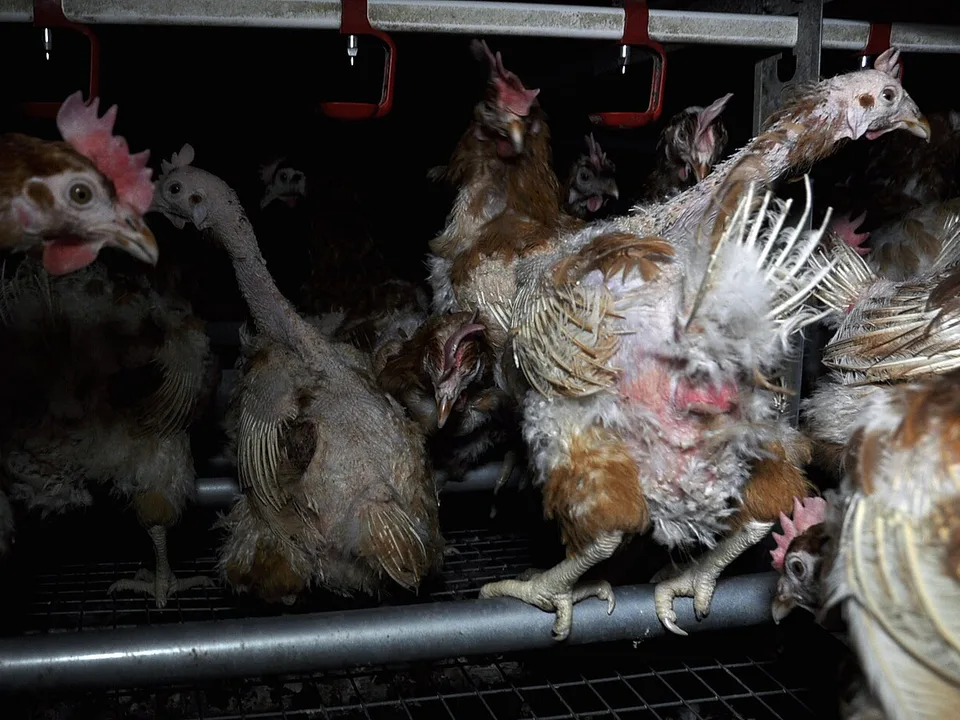
- Thinning feathers or small bare patches on the back, rump and base of the tail.
- Some birds hiding in corners, under feeders or on high perches to avoid others.
- Increased restlessness, noise and chasing in the house, often worse when lights are on or in the hottest part of the day.
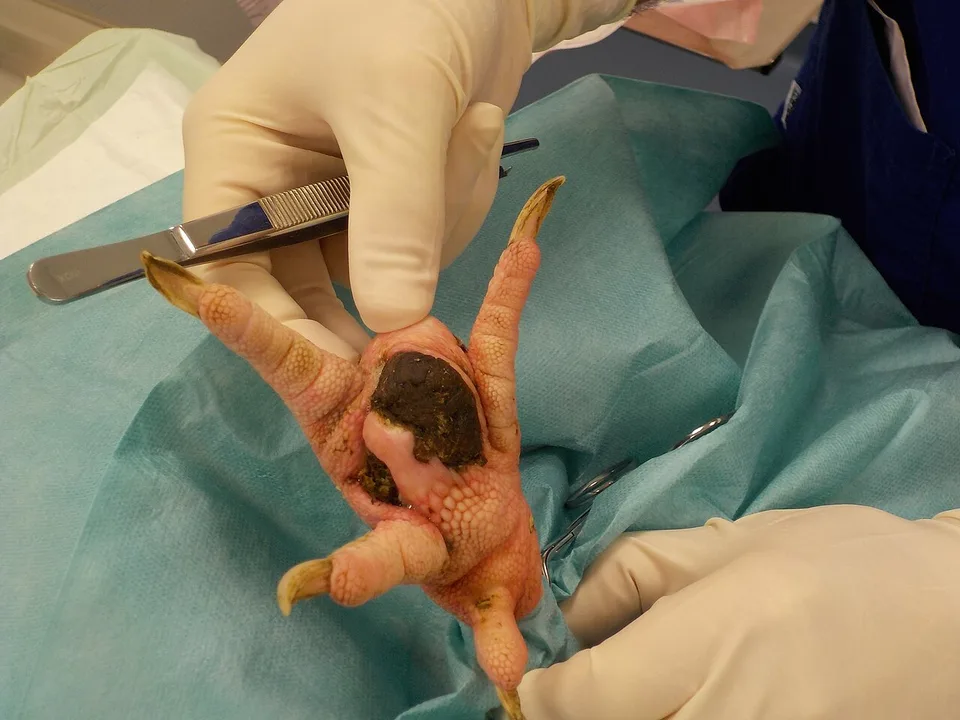
- Chicks pecking at each other's toes in the brooder.
As it gets worse
- Large areas of bare skin on the back, tail and wings, sometimes with red, scabbed or raw skin.
- Bleeding from the vent, back, comb, toes or tail, with blood stains on feathers, eggs or walls.
- Groups of birds attacking one bird and pecking at open wounds.
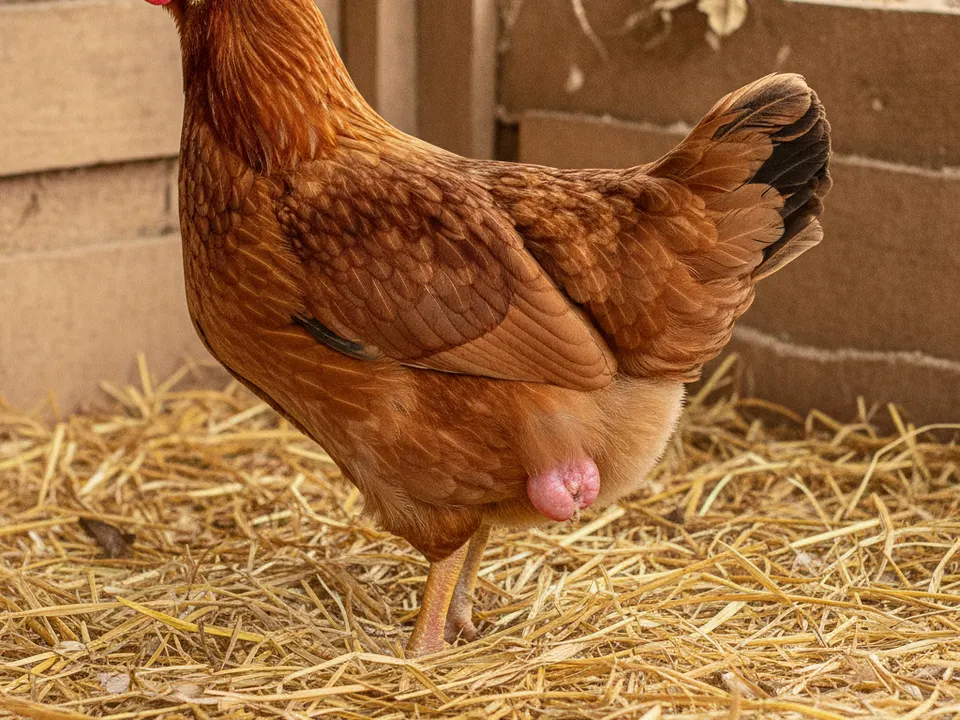
- Swollen, torn or prolapsed vents, sometimes with tissue pulled out.
- Sudden deaths of birds found with torn vents or deep wounds.
- Drop in egg production, more eggs with blood on the shell, and birds pecking at and eating eggs.
- Weak, depressed injured birds that stop eating, which may develop smelly, infected wounds.
What to do right now
- Remove every bird with a bleeding or open wound straight away and keep it in a separate, quiet pen with its own feed and clean water until it has fully healed and feathered over.
- Remove dead birds promptly so the flock cannot peck at them, and dispose of them safely by burying deeply or burning.
- Reduce light brightness: dim the bulbs, use lower-wattage or red bulbs, shade windows from direct sun, and avoid leaving lights on longer than your feeding programme needs.
- Give birds something to peck at: hang cabbage, sukuma wiki or green grass, scatter a small amount of grain in clean litter, and provide a dust-bathing area or bundles of hay or straw.
- Check that feeders and drinkers are full, clean and enough for the number of birds, so no bird has to fight to eat or drink.
- Improve airflow and cool the house during hot hours by opening vents, removing wet litter and providing shade outside.
- If the house is crowded, move some birds out or open up more space as soon as possible.
- Check your feed: make sure you are using the correct complete feed for the birds' age and type, and call your vet or feed supplier to discuss protein and salt levels before making changes.
- Record how many birds are injured or dead each day, and call your vet or extension officer if the problem continues, wounds look infected or birds keep dying.
How it spreads
- Too many birds in too little space, which raises stress and means birds cannot get away from aggressive flock mates.
- Very bright light, white light shining directly on birds, or long lighting hours, which makes birds more active and aggressive.
- Boredom in birds kept indoors on bare floors or in cages with nothing to scratch, forage or dust-bathe in.
- Feed short of protein, methionine, salt or other minerals, including home mixes that are poorly balanced or diluted with too much maize bran.
- Heat, poor airflow and ammonia smell in the house, which irritate birds and increase restlessness.
- Too few feeders and drinkers, or feed and water running out, so birds compete and fight.
- Birds copying each other: once one or two birds start pecking, others learn the habit quickly.
- Any bird with a wound, prolapse, injury, or bare skin from mites, lice or mating damage, which becomes a target.
Could it be something else?
Natural moulting
In a moult, birds lose and regrow feathers on their own, often after a period of lay or stress, and new pin feathers appear evenly across the body. There is no chasing, no blood and the skin is not damaged. With pecking, bare patches are on the back, tail and vent, and you see birds actively pulling feathers.
Mites and lice
External parasites cause dull, damaged or missing feathers and itchy, restless birds. Part the feathers around the vent and under the wings: you will see small crawling lice, clusters of eggs at the base of feathers, or tiny red mites, which are easiest to find at night in perches and cracks. Parasites can also trigger pecking, so both may be present.
Mating damage from cockerels
Hens kept with cockerels can lose feathers on the back of the neck and on the back where the cockerel stands and grips. The damage is on hens only, matches mating positions, and you do not see hens attacking each other. Too many hens per cockerel, or one favoured hen, makes it worse.
Prolapse or egg binding
A hen with a prolapse has red or pink tissue sticking out of the vent and may strain, stand upright like a penguin or sit fluffed up. This is a medical problem in its own right, but the exposed tissue quickly attracts vent pecking. If one hen has a damaged vent but the rest of the flock looks normal, check for prolapse first.
How it is diagnosed
Feather pecking and cannibalism are usually recognised from what the farmer and vet can see: the pattern of feather loss, the wounds, and birds actively pecking. The real work is finding why it started. A vet or poultry extension officer will look at the house size and number of birds, light brightness and hours, temperature and ventilation, number of feeders and drinkers, litter condition, and the feed being used. They will examine birds for mites, lice, prolapse and signs of other disease, and may check whether the feed is properly balanced or recommend a feed analysis. If birds have died, a post-mortem (opening the dead bird to examine the organs) can confirm the cause of death and rule out other diseases. Before the visit, prepare: the number of birds and the size of the house, the age and breed, the name and type of feed and any recent feed changes, your lighting routine, when the problem started, how many birds are injured or dead, and egg records if you keep layers.
Treatment
There is no single medicine that stops feather pecking; the vet's main job is to help you fix the cause and care for injured birds. Wounds are usually cleaned and treated with an antiseptic spray, often a coloured spray such as a purple or blue wound spray, which also hides the red colour that attracts pecking. Some vets suggest anti-peck sprays or bitter-tasting products on feathers. Badly injured birds may need to be humanely culled if they are suffering and unlikely to recover. Antibiotics are only needed if wounds become infected, and they must be prescribed by a vet, used for the full course as directed, and never used as a substitute for fixing the management problem; overuse of antibiotics breeds resistant bacteria (antimicrobial resistance) that make future treatment harder for both animals and people. If any drug is used, follow the withdrawal period on the label and from your vet before selling or eating eggs or meat. The vet or a nutritionist may advise correcting protein, amino acids, salt or minerals in the feed. In some systems, beak trimming is used to reduce damage, but it causes pain and stress, must only be done by a trained person at the right age, and does not remove the need to fix housing, light and feed. Expect improvement over days to weeks once the cause is corrected, but the habit can persist in a flock, so management changes must be kept up.
Medicines must be prescribed and dosed by a vet. Always respect milk and meat withdrawal periods, and finish the full course of any antibiotic.
How Agrikima products can help
These support the animal alongside — never instead of — your vet's treatment, vaccination and good management.

METHIONINE
Methionine is an essential amino acid needed for protein metabolism and feather growth, and shortage of it is one known trigger for feather pecking. Where your vet or feed advisor finds the ration is short, it can be used as a feed supplement to help balance the diet and support feather regrowth, alongside correcting crowding, light and management. It does not stop pecking on its own.
View product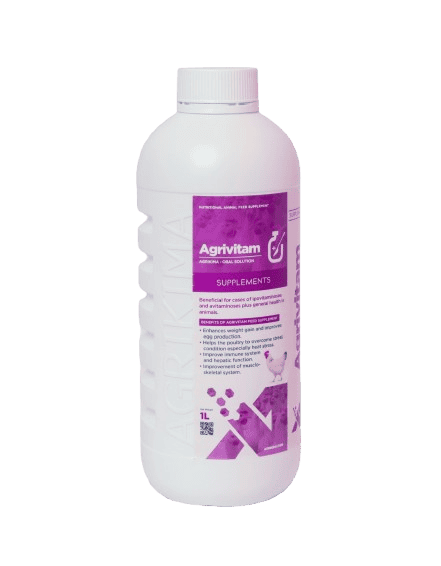
AGRIVITAM
A vitamin and mineral supplement that can support birds recovering from the stress of a pecking outbreak and help injured birds and stressed layers return to production, used together with isolating wounded birds, vet wound care and fixing the cause in the house.
View productPrevention
- Do not overcrowd: give each bird enough floor, feeder and drinker space, and build or extend the house before increasing bird numbers. A widely used Kenyan extension guideline for adult layers on deep litter is about four to five birds per square metre, but ask your extension officer what suits your breed and housing.
- Manage lighting carefully: use only the light hours your layers or broilers actually need, keep the light soft and even, avoid bare bright bulbs hanging low, and shade direct sunlight coming through windows.
- Feed a complete, balanced commercial feed or a well-formulated home mix for the correct age and type of bird, with enough protein, methionine and other amino acids, salt and minerals, and avoid sudden changes in feed.
- Keep birds busy: provide greens, scattered grain in the litter, hay bundles, perches and dust-bathing areas, and allow safe free-range time where possible.
- Keep the house cool and well ventilated, keep litter dry and fresh, and do not let ammonia build up.
- Control mites and lice regularly by checking birds and perches, and treat with products recommended by your vet or agrovet.
- Keep birds of similar age and size together, avoid mixing strange birds into an established flock, and keep a suitable number of hens per cockerel.
- Collect eggs often, provide enough dark, comfortable nest boxes, and check daily for prolapsed or injured birds so you can remove them before pecking starts.
Risk to people
Feather pecking itself does not spread to people. If a vet prescribes antibiotics or other drugs for infected wounds, you must observe the withdrawal period before selling or eating eggs or meat, so that drug residues do not reach consumers. Wear gloves or wash your hands well with soap after handling wounded or dead birds, as wounds and droppings can carry bacteria such as Salmonella.
Impact on your farm
Feather pecking and cannibalism can cost a Kenyan poultry farmer heavily. Birds die from wounds and bleeding, and each lost layer is lost income for the rest of her laying life. Birds with poor feather cover lose more body heat, so they eat more feed to stay warm while laying fewer eggs, which raises feed costs at a time when feed is already the biggest expense. Egg production drops from stress, and egg eating and blood-stained eggs reduce what you can sell. Broilers with damaged skin and scars fetch lower prices. Treating wounds, isolating birds and culling all take time and money, and once the habit is established in a flock, it can keep flaring up until the birds are sold.
Outlook and recovery
Most birds with mild feather loss recover well and regrow their feathers once the cause is removed, often by the next moult. Birds with small wounds usually heal if they are separated quickly and kept clean. Birds with deep wounds, torn vents or prolapses have a poorer outlook, and some may need to be humanely culled. The flock outlook depends mainly on how fast the farmer acts: if crowding, light, boredom and feed problems are corrected early, outbreaks usually settle, but if they are ignored, the behaviour can become a fixed habit in the flock and keep causing losses.
Common questions
Why have my chickens started eating each other?
It usually begins as feather pecking caused by stress, crowding, bright light, heat, boredom or feed that is short of protein or salt. Once a bird bleeds, the red colour attracts more pecking and it turns into cannibalism. Look at your house, lights and feed first, and remove any wounded bird immediately.
Should I add salt to the drinking water to stop pecking?
Salt shortage can be one cause of pecking, and some farmers have heard of adding salt to water. However, too much salt is poisonous to chickens and can cause wet droppings and death. Do not guess. Check that you are using a proper complete feed, and ask your vet, extension officer or feed supplier before adding any salt.
Can I put a wounded hen back with the flock?
Only when the wound has fully healed, there is no visible red skin or scab, and feathers have started to grow back. Put her back at night when birds are calm, and watch closely for the next few days. If she is attacked again, remove her and keep her separate longer.
Will red bulbs really help?
Many farmers find that red or dimmer light calms birds and makes blood and bare skin less visible, which reduces pecking. It helps most when combined with fixing crowding, feed and boredom. Make sure your layers still get the light hours they need for egg production.
Is beak trimming necessary?
Beak trimming reduces the damage pecking causes, but it is painful and stressful, must only be done by a trained person, and does not fix the reason birds are pecking. Good space, soft light, enrichment and balanced feed are the first line of prevention. Discuss with your vet whether trimming is appropriate for your system.
My hens are also eating their eggs. Is that related?
Often yes. Egg eating shares many causes with feather pecking, including boredom, crowding, too few or too bright nest boxes, and shortage of protein or calcium in the feed. Collect eggs often, remove broken eggs quickly, provide dark comfortable nests, and make sure layers get a proper layer feed.
A guide, not a diagnosis. This page is general information to help you recognise problems early. Always confirm with a vet or animal health worker before treating.