What it is
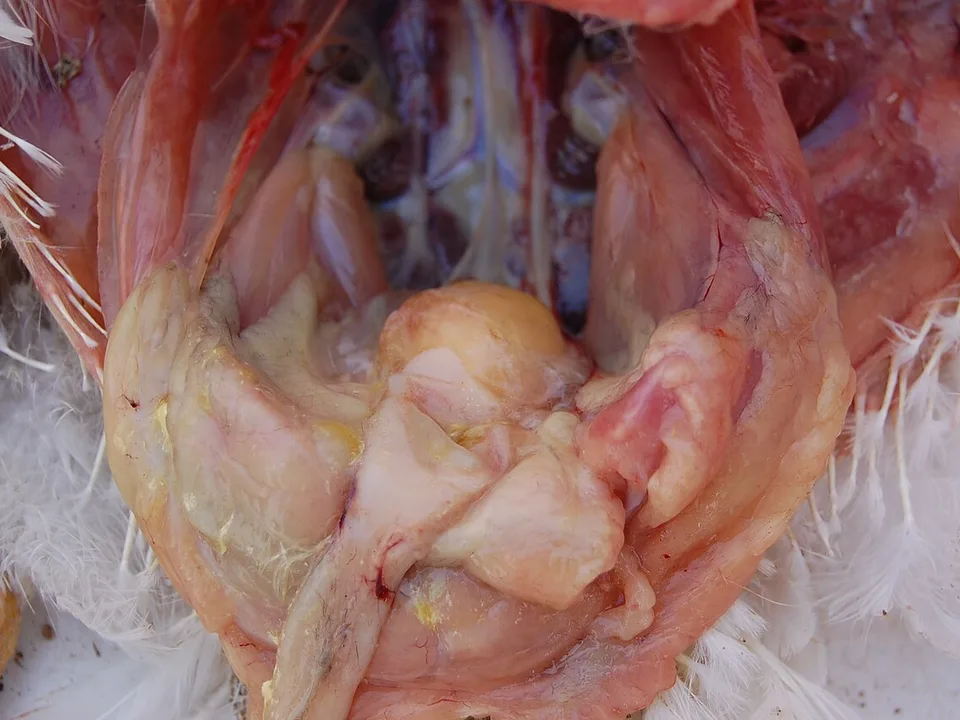
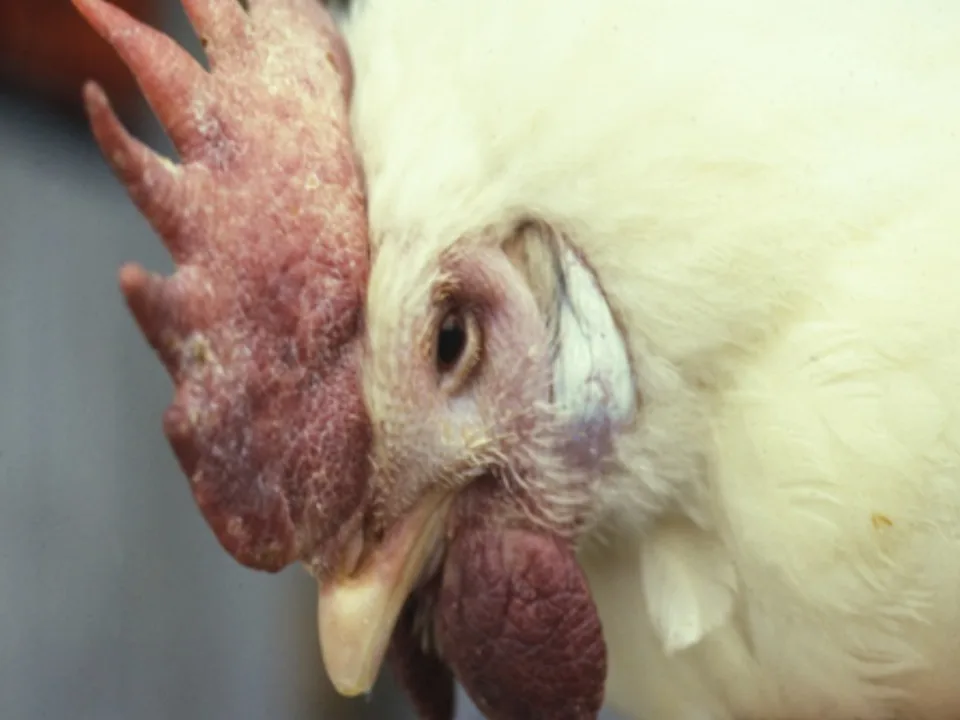
Avian influenza is caused by influenza A viruses. Scientists name them by two surface proteins, H and N, which gives names like H5N1 or H5N8. Viruses are grouped into two kinds. Low pathogenic avian influenza (LPAI) usually causes mild breathing problems or a drop in eggs, and may go unnoticed. Highly pathogenic avian influenza (HPAI), usually of the H5 or H7 types, is the deadly form. Some low pathogenic H5 and H7 viruses can change into the highly pathogenic form after circulating in poultry, which is why both are taken seriously. Once a bird breathes in or swallows the virus, it multiplies first in the nose, throat and gut. The highly pathogenic form then spreads through the blood to almost every organ. It damages the lining of small blood vessels, so they leak and bleed. This is what causes the swelling of the head and the purple colour of the comb, wattles and legs: blood and fluid pool under the skin because the vessels are damaged and oxygen is not reaching the tissues. The virus also attacks the heart, brain, lungs, kidneys and pancreas, which is why birds can die very quickly, sometimes before any clear sign appears. There is no drug that cures the infection in poultry.
Which animals are most at risk
All poultry can catch avian influenza. Chickens and turkeys usually get the most severe disease and die in large numbers. Ducks and geese often carry and spread the virus while showing few or no signs, which makes mixed flocks of ducks and chickens especially risky. Kienyeji (free-range indigenous) chickens that roam, scavenge and share water with wild birds face high exposure, while commercial broiler and layer farms face the biggest financial losses because so many birds are kept together. Farms near lakes, rivers, dams, wetlands and rice schemes, such as around Lake Victoria, Lake Naivasha and other Rift Valley lakes, are at higher risk because migratory and resident water birds gather there. Risk can rise during the months when migratory birds pass through East Africa, roughly from around October to April, though timing varies. Farms that buy birds from live-bird markets, mix birds from different sources, or have poor fencing and no footbath are also at greater risk. Outbreaks of HPAI have been reported in the wider East African region, including in Uganda, so Kenyan farmers should stay alert even though the situation changes over time.
Signs to look for
Early signs
- Sudden death of several birds, sometimes overnight, often with no earlier signs of illness; this is frequently the first thing a farmer notices.
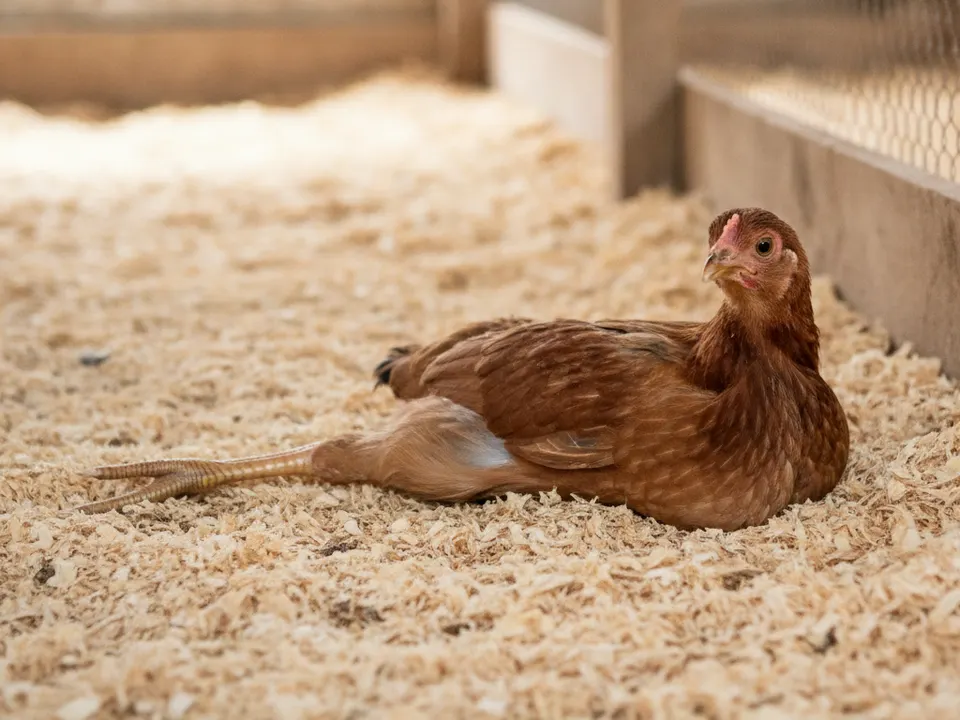
- Birds that are quiet, sleepy and huddled, with ruffled feathers and drooping wings.
- A sharp drop in feed and water intake across the flock.
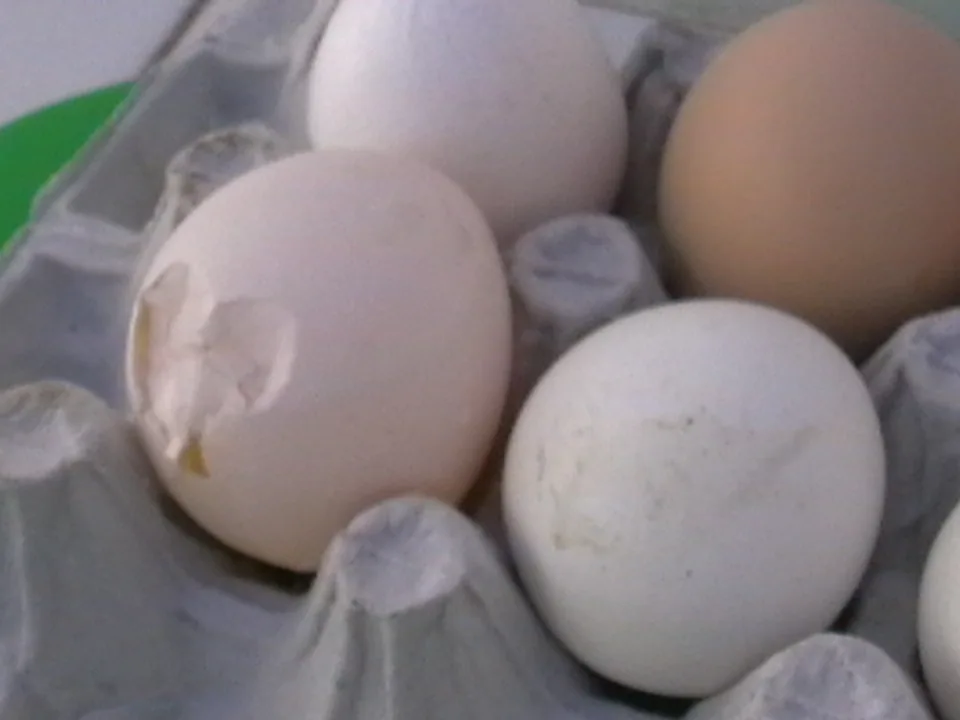
- A sudden fall in egg production in layers, with soft-shelled, thin-shelled or misshapen eggs.
- Watery eyes, sneezing, mild coughing or gurgling breathing.
- In low pathogenic infections, only mild breathing signs and a small drop in eggs may be seen, which can be easy to miss.
As it gets worse
- Swelling of the head, face, eyelids and the skin around the eyes, sometimes with fluid under the skin.
- Comb and wattles turning dark red, purple or bluish, and sometimes swollen, with dark dead patches at the tips.
- Red or purple blotches (bleeding under the skin) on the shanks and feet, which are normally yellow or pale.
- Discharge from the nose and mouth, heavy laboured breathing and gasping.
- Watery green or white diarrhoea.
- Nervous signs such as trembling, twisted neck, loss of balance, walking in circles or paralysis, more often seen in ducks and turkeys.
- Very high deaths, which can reach most or nearly all of the flock within a few days in highly pathogenic outbreaks.
What to do right now
- Report immediately to your County Veterinary Officer, the nearest government vet, or your area extension officer; this is required by law and is the most important step.
- Stop all movement: do not sell, give away, slaughter or move any birds, eggs, manure, litter or equipment off the farm, and do not bring new birds in.
- Keep all birds confined in their house or pen so they cannot mix with neighbours' birds or wild birds, and keep ducks separate from chickens.
- Protect yourself and your family: wear gloves or plastic bags on your hands, a mask or cloth over your nose and mouth, and boots or dedicated shoes when handling birds, and wash hands with soap and water afterwards.
- Keep children, elderly people, pregnant women and anyone who is sick away from the birds, and do not let anyone eat sick or dead birds.
- Collect dead birds with protected hands, place them in sealed bags, and keep them in one safe spot for the vet; do not throw them in rivers, dumps or bushes, and never feed them to dogs, cats or pigs.
- Close the farm gate to visitors and traders, place a footbath with disinfectant at the entrance, and change clothes and wash before visiting any other farm or market.
- Write down daily deaths, signs seen, feed and water intake, egg numbers and any recent bird purchases, visitors or market trips to share with the vet.
- Keep water and feed available to the remaining birds, but cover them so wild birds, rats and other animals cannot reach them.
How it spreads
- Wild water birds such as ducks and geese can carry the virus, often without looking sick, and spread it through their droppings into dams, ponds, lakes and pasture where poultry drink or scratch.
- Sick and infected birds shed large amounts of virus in their droppings and in mucus from the nose, mouth and eyes, so healthy birds catch it by direct contact or by eating and drinking contaminated feed and water.
- People carry the virus on their shoes, clothes, hands and vehicles from one farm or market to another; live-bird markets and poultry traders moving between villages are a major risk.
- Buying new birds, especially from markets, or bringing back unsold birds from the market, can bring the virus home.
- Contaminated equipment such as egg trays, crates, feeders, drinkers, sacks and bicycles or motorbikes used for transport can move the virus between farms.
- Feeding or throwing dead birds, offal or feathers where dogs, cats, rats or wild birds can reach them spreads the virus further.
- The virus survives longer in cool, damp conditions and in droppings, so contaminated litter and manure remain dangerous for days to weeks if not handled properly.
Could it be something else?
Newcastle disease (kideri)
Virulent Newcastle disease can look almost exactly like bird flu, with sudden deaths, breathing problems, green diarrhoea and swollen heads. Twisted necks and paralysis are more typical of Newcastle, while severe swelling of the head and purple legs lean towards bird flu, but the signs overlap so much that only a laboratory test can tell them apart. Both diseases are notifiable, so report either one.
Fowl cholera
Fowl cholera is a bacterial disease that can cause sudden deaths and swollen, purple wattles, usually in older birds and layers. It tends to spread more slowly through a flock, swollen wattles may be on only one side, and it can come back on the same farm. A vet can confirm it with lab tests; unlike bird flu, it responds to vet-prescribed antibiotics.
Infectious laryngotracheitis (ILT)
ILT mainly affects the windpipe. Birds stretch their necks to gasp for air and may cough up bloody mucus. Deaths are usually lower and spread more slowly than in bird flu, and swollen heads and purple legs are not typical.
Heat stress
Heat stress causes sudden deaths on very hot afternoons, with birds panting, holding wings away from the body and lying near walls or drinkers. Deaths stop when the house is cooled, and birds do not have swollen heads or bleeding on the legs.
How it is diagnosed
Bird flu cannot be confirmed by looking at birds alone, because Newcastle disease and other conditions look very similar. When you report a suspected case, a government veterinary officer will visit, examine the flock and record the signs and death pattern. They will collect samples, usually swabs from the throat and the vent (cloaca) of sick and dead birds, and sometimes whole carcasses or blood. Samples are sent under strict safety rules to a government laboratory, such as the Central Veterinary Laboratories at Kabete, where tests such as PCR (a test that detects the virus's genetic material) and virus isolation confirm the virus and its type, such as H5N1. Results can take a few days, and movement restrictions apply while you wait. To help the vet, keep a written record of when the first birds fell sick, how many have died each day, the ages and types of birds, any recent purchases, market visits or visitors, and whether wild birds visit your water or feed. Keep a few fresh dead birds in sealed, double plastic bags in a cool, shaded place away from animals and children, but do not open them yourself. Never cut open carcasses to look inside, because this exposes you to the virus.
Treatment
There is no cure for avian influenza in poultry, and birds are not treated with drugs. Antibiotics do not kill the virus and will not save birds or stop the outbreak, so do not waste money on them; using them carelessly also adds to antimicrobial resistance, where germs stop responding to medicines. Human antiviral medicines are not used in poultry. Because the highly pathogenic form spreads fast and threatens people, the government response under Kenya's animal disease laws usually focuses on control rather than treatment. Once confirmed, the Directorate of Veterinary Services may order humane killing (culling) of infected and exposed flocks, safe disposal of carcasses by deep burial or burning, cleaning and disinfection of houses and equipment, and a quarantine around the farm. Movement restrictions mean that no birds, eggs, poultry products, manure or equipment can leave or enter the affected farm and surrounding zone without permission, and markets in the area may be closed for a time. Officers will also check neighbouring farms for signs of disease. Vaccination against bird flu is not routinely used in Kenya and may only be used under government control in specific situations, so farmers should never buy or use bird flu vaccines on their own. Expect officials to ask questions, take samples and give instructions; cooperating fully helps the area recover faster and allows markets to reopen sooner. Ask the County Veterinary Officer whether any compensation scheme applies, because this depends on government policy at the time.
Medicines must be prescribed and dosed by a vet. Always respect milk and meat withdrawal periods, and finish the full course of any antibiotic.
Prevention
- Keep a closed flock where possible: avoid buying birds from live-bird markets, buy chicks only from reputable, licensed hatcheries, and keep any new birds separate for at least two weeks before mixing.
- Never bring unsold birds back from the market into your flock; if you must, keep them fully separate and watch them closely.
- Keep poultry away from wild birds: house or fence birds, net open sides of houses, and do not let chickens and ducks drink from dams, ponds or swamps used by wild water birds.
- Give clean, safe water from a covered tank, borehole or treated supply, and store feed in closed containers or rooms that wild birds and rats cannot enter.
- Keep ducks and geese separate from chickens and turkeys, because ducks can carry the virus without showing signs.
- Limit visitors, use a footbath with disinfectant at the poultry house door, and keep dedicated boots and clothes for working with birds.
- Clean and disinfect crates, egg trays, feeders, drinkers and vehicles, and avoid sharing equipment with other farms; use new or disinfected egg trays.
- Remove litter and manure regularly and compost or dispose of it away from the poultry area, and dispose of dead birds safely by burial or burning.
- Vaccinate against Newcastle disease, Gumboro and other diseases your vet recommends; this does not protect against bird flu but keeps birds healthier and makes unusual deaths easier to notice and investigate.
- Watch your flock every day, record deaths and egg numbers, and report any unusual or sudden deaths early, especially during the migratory bird season.
Risk to people
Some avian influenza viruses, especially H5N1, can infect people. Human cases are rare, but they can cause severe pneumonia and death. People usually catch it through close, unprotected contact with sick or dead birds, their droppings, or contaminated surroundings, especially when slaughtering, plucking, cleaning or preparing infected birds. Never slaughter, sell, give away or eat birds that are sick or died of unknown causes. Handle birds only with gloves or plastic bags on your hands, cover your nose and mouth, and wash hands well with soap and water afterwards. Keep children away from poultry during an outbreak and from dead birds at any time. Change and wash clothes after working with birds. If you or anyone in your household develops fever, cough, sore throat, breathing difficulty or red eyes after contact with sick or dead birds, go to a health facility promptly and tell the health worker about the bird contact. Properly cooked poultry meat and eggs from healthy flocks are considered safe, but food from an infected farm must not enter the food chain. Cats, dogs and other mammals can also catch the virus from eating infected birds, so never feed carcasses to them.
Impact on your farm
Bird flu is one of the most costly poultry diseases. In a highly pathogenic outbreak, most or all of the flock can die within days, wiping out the farmer's investment in chicks, feed, vaccines and housing. Layer farmers lose their daily egg income at once, and broiler farmers can lose a whole batch just before sale. Even birds that survive are usually culled under government control to stop the spread. Quarantine and movement restrictions stop sales of birds and eggs for weeks or longer, and restocking is delayed until the farm has been cleaned, disinfected and cleared by veterinary authorities. Neighbouring farms and traders in the zone also suffer from closed markets and falling prices, and fear of bird flu can reduce demand for poultry products across a region even where birds are healthy. For a family relying on kienyeji chickens as savings, food and school fees, losing the flock can be a serious setback. Countries with confirmed outbreaks can also face trade restrictions on poultry exports.
Outlook and recovery
For chickens and turkeys infected with highly pathogenic avian influenza, the outlook is very poor. Most affected birds die, often within a few days, and surviving birds are normally culled to stop the spread and protect people. Ducks and geese may survive but can keep spreading the virus. Low pathogenic strains cause milder disease and most birds survive, though egg production may fall, and these strains are still reported and managed because some can change into the deadly form. For the farm and the community, the outlook depends on how quickly the disease is reported: early reporting, strict movement control and good cleaning limit the outbreak to fewer farms and allow markets to reopen sooner. Farms that are properly cleaned, disinfected and left empty for the period set by the veterinary authorities can restock and recover.
Common questions
Can I sell or eat chickens or eggs from my farm if I suspect bird flu?
No. Do not sell, give away, slaughter or eat any birds or eggs from a flock you suspect has bird flu. Handling and preparing infected birds is how most people catch the virus, and selling them spreads the disease to other farms and families. Wait for the government vet's instructions and test results. Poultry and eggs from healthy flocks, properly cooked, are considered safe.
Will antibiotics, herbal remedies or immune boosters save my birds?
No. There is no cure for bird flu in poultry. Antibiotics do not kill viruses, and no supplement, herbal product or immune booster has been shown to protect birds from or cure highly pathogenic avian influenza. Spending money on them delays the right action, which is reporting to your County Veterinary Officer and locking down your farm.
Why do I have to report it? Will I lose all my birds?
Bird flu is a notifiable disease in Kenya, which means the law requires anyone who suspects it to report it to the County Veterinary Officer or the Directorate of Veterinary Services. Reporting protects your family, your neighbours' flocks and the whole poultry industry. If the disease is confirmed, the government may order culling of infected and exposed birds, because they are likely to die anyway and are a danger to people. Hiding an outbreak can lead to far bigger losses for you and your whole area. Ask the vet about any compensation that may be available.
Is there a vaccine for bird flu that I can buy at the agrovet?
Bird flu vaccination is not routinely used in Kenya, and where it is used anywhere, it is controlled by government veterinary services. Do not buy or use any product sold as a bird flu vaccine on your own. The best protection for your flock is good biosecurity: keeping wild birds away, controlling visitors and movements, buying from trusted sources, and reporting unusual deaths quickly. Keep vaccinating against Newcastle disease and Gumboro as your vet advises.
How do I tell bird flu from Newcastle disease?
You cannot reliably tell them apart by eye. Both can cause sudden deaths, breathing problems, green diarrhoea and swollen heads. Swollen heads, purple combs and red or purple legs point more towards bird flu, while twisted necks and paralysis point more towards Newcastle, but the signs overlap. Only a laboratory test can confirm which it is. Both are notifiable, so report sudden high deaths either way.
When can I restock after an outbreak?
Only after the veterinary authorities say it is safe. Before restocking, all birds, carcasses, litter and manure must be safely disposed of, and the house and equipment must be cleaned, disinfected and left empty for the period set by the County Veterinary Officer. Restocking too early, or with birds from unknown sources, risks bringing the disease straight back. Use this time to improve fencing, netting, footbaths and water supply so your new flock is better protected.
A guide, not a diagnosis. This page is general information to help you recognise problems early. Always confirm with a vet or animal health worker before treating.