What it is
Gumboro is caused by infectious bursal disease virus, a birnavirus. The virus is swallowed by the chick and travels to the bursa of Fabricius. The bursa is a small pouch just above the vent where young chicks make B-cells, the white blood cells that produce antibodies against disease. The virus multiplies inside these cells and destroys them. Within a few days the bursa swells, becomes inflamed and may bleed, then later shrinks and is left almost empty of immune cells. During the sudden phase, chicks become weak, stop eating and drinking, and lose water through diarrhoea. Dehydration and waste products build up and damage the kidneys, and small bleeds can appear in the leg and breast muscles. Very virulent strains, which are present in Africa including Kenya, can kill a large share of a flock. Chicks infected before about 3 weeks of age often show few signs, but their bursa is badly damaged, leaving them with long-term immune suppression. This means they respond poorly to vaccines such as Newcastle disease vaccine and fall sick more easily with coccidiosis, E. coli, respiratory infections and others.
Which animals are most at risk
Chicks between about 3 and 6 weeks of age are most likely to show clear sickness and deaths, although outbreaks can occur somewhat earlier or later. Chicks under 3 weeks may be infected without obvious signs but suffer lasting immune damage. Older birds that have passed the age of bursa activity are rarely affected. Layer-type breeds often suffer more severely than broilers, and improved kienyeji breeds such as Kuroiler and KALRO improved kienyeji are commonly affected, especially when unvaccinated or poorly vaccinated. Local kienyeji chickens can also get Gumboro; how resistant they are varies. Highest risk is on farms that raise batch after batch of chicks in the same house without thorough cleaning and a rest period, in areas with many poultry farms close together, and where chicks come from hatcheries with unknown breeder vaccination. Outbreaks happen all year round, but stress from cold nights during the rains, overcrowding and poor ventilation can make them worse.
Signs to look for
Early signs
- Sudden onset: chicks that looked fine yesterday are sleepy and dull today.
- Ruffled, standing-up feathers and drooping wings.
- Chicks huddle together near the heat source or in corners, even when the brooder is warm.
- Reduced feeding and drinking; feed is left in the feeders.
- White or creamy, watery diarrhoea, often with a sticky, soiled vent.
- Some chicks peck at their own vent or at other chicks' vents, which is a typical sign of an irritated bursa.
- Slight trembling or unsteady walking in some birds.
As it gets worse
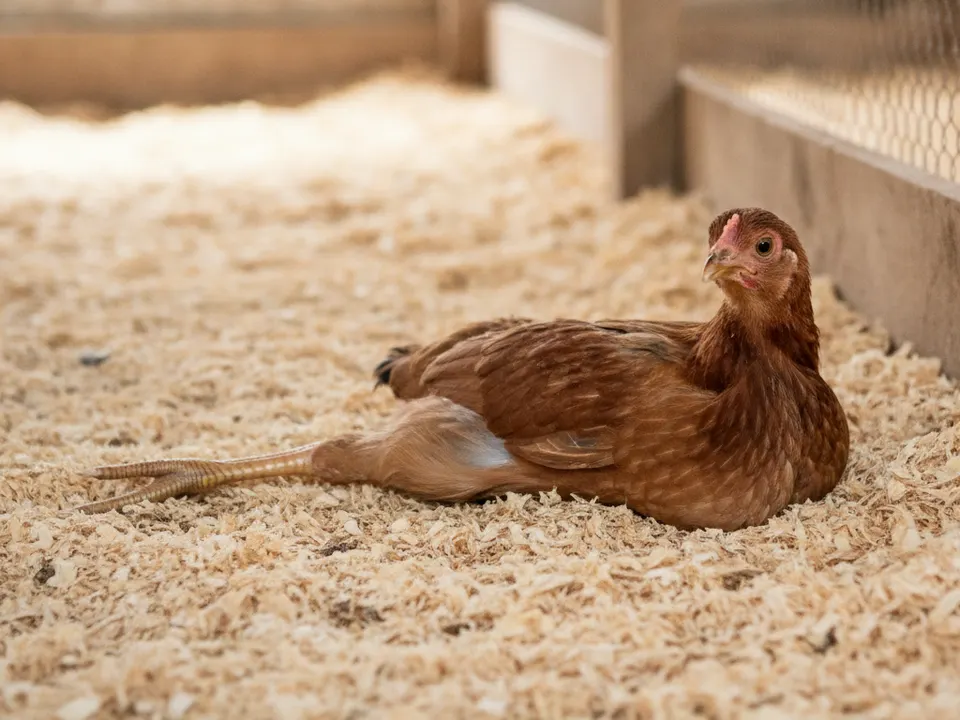
- Severe weakness: chicks lie down, with eyes closed, and do not move away when approached.
- Signs of dehydration: shrunken eyes, dry shanks and a thin, light-feeling body.
- Daily deaths rise sharply over 3 to 4 days, peak, and then fall again within about a week.
- Dead birds may show darkened, dehydrated muscles with small red streaks or spots on thighs and breast (seen by the vet at post-mortem).
- Survivors recover but grow slowly and unevenly, with poor feathering.
- Weeks later, the flock may suffer repeated outbreaks of other diseases, or vaccinations such as Newcastle may seem to fail, because of immune damage.
What to do right now
- Call your vet, agrovet animal health worker or County Veterinary Officer as soon as you see several chicks huddled with white diarrhoea, because a quick diagnosis helps protect the rest of the flock and future batches.
- Separate the sickest chicks into a warm, clean, well-bedded pen, and keep the whole flock warm and free of draughts, especially at night, while still allowing fresh air.
- Make sure every chick can easily reach clean, fresh drinking water; add extra drinkers and place them close to where weak birds sit so they do not have to walk far.
- Keep fresh, good-quality feed available and avoid sudden changes of feed during the outbreak.
- Do not give antibiotics or any other medicine on your own; they do not kill the virus and wrong use builds drug resistance, so wait for your vet's advice.
- Stop all visitors, do not sell or move birds, and do not share equipment with neighbours until the vet has assessed the flock.
- Wear separate boots and overalls for the chick house, wash hands after handling birds, and work with healthy birds before sick ones.
- Remove dead birds promptly, keep a few for the vet, and dispose of the rest by deep burial or burning away from water sources, never by throwing them to dogs or into rubbish pits.
- Record daily deaths, feed and water use, and the signs you see, so the vet can judge how the outbreak is progressing.
How it spreads
- Sick and recovering birds pass large amounts of virus in their droppings, which contaminate litter, feed and drinking water.
- Chicks catch it mainly by eating or drinking material contaminated with infected droppings.
- The virus is very tough and can survive for months in poultry houses, old litter, soil and equipment, so a new batch of chicks can be infected from a previous flock's house.
- People carry the virus on shoes, clothes and hands when moving between farms, markets and houses.
- Shared or second-hand equipment such as feeders, drinkers, crates and egg trays can bring the virus onto a farm.
- Vehicles, feed sacks and chick delivery boxes from other farms can carry contaminated dust and droppings.
- Litter beetles (darkling beetles), rodents and wild birds can carry the virus around and between houses.
- Stress, poor vaccination timing and weak maternal (mother-passed) antibodies make outbreaks more likely and more severe.
Could it be something else?
Newcastle disease
Newcastle affects chickens of all ages, not mainly 3 to 6 week chicks. It usually causes breathing problems, gasping, greenish diarrhoea, twisted necks or paralysis, and a sharp drop in eggs in layers. Newcastle is notifiable in Kenya, so if you see nervous or breathing signs, report to your County Veterinary Officer. A vet can tell them apart at post-mortem and with lab tests.
Coccidiosis
Coccidiosis also affects young chicks and causes huddling and ruffled feathers, but droppings are often bloody, brown or mucky rather than white and watery. Deaths tend to continue rather than following the sharp rise-and-fall of Gumboro. At post-mortem, the gut (especially the caeca, the two blind pouches) is damaged and bloody, while in Gumboro the bursa is swollen. Both can occur together, because Gumboro weakens the defence against coccidia.
Kidney form of infectious bronchitis
Some infectious bronchitis strains damage the kidneys and also cause wet droppings, dehydration and deaths in young birds. However, there are usually breathing signs such as sneezing, snicking or rattling first. The vet finds swollen pale kidneys without the swollen, yellowish bursa typical of Gumboro.
Mycotoxin poisoning (aflatoxins in feed)
Mouldy feed causes poor growth, weakness, pale or yellow birds and weak immunity, but it usually builds up slowly and affects birds of different ages eating the same feed. It does not spread from bird to bird and does not have the sudden peak of deaths seen with Gumboro. Changing to fresh, good-quality feed often helps. Mycotoxins can also make Gumboro worse.
How it is diagnosed
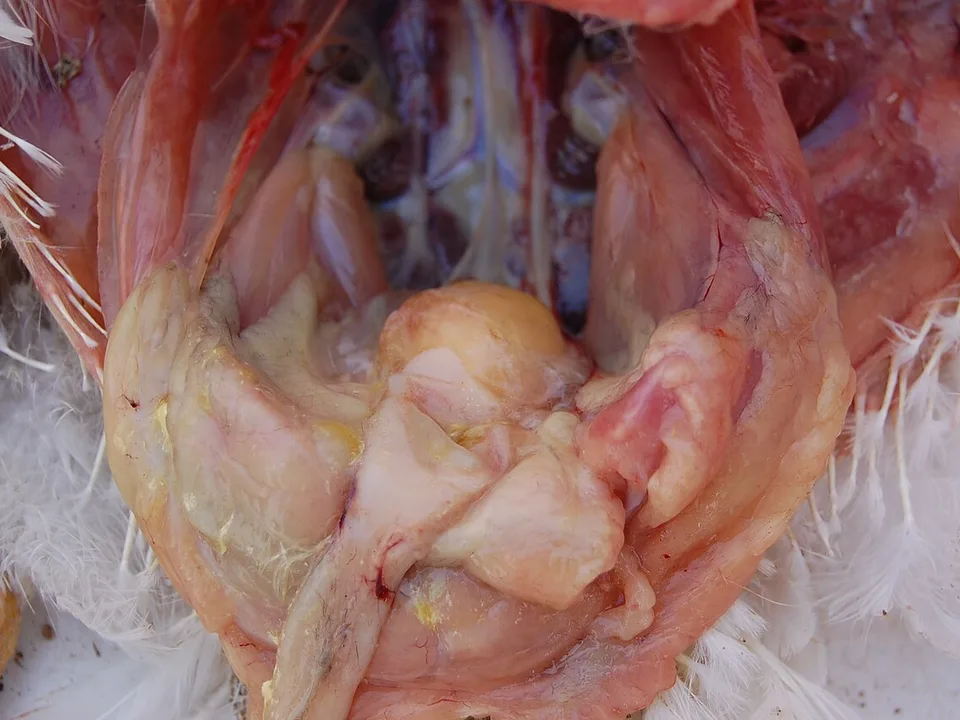
A vet usually suspects Gumboro from the age of the chicks, the sudden start, white watery diarrhoea, vent pecking and the typical pattern of deaths rising then falling within about a week. The most useful step is a post-mortem (opening dead or very sick birds). In early cases the bursa of Fabricius is swollen, yellowish or jelly-like and sometimes bloody; in later cases it is small and shrunken. The vet may also see bleeding in thigh and breast muscles, bleeding where the glandular stomach joins the gizzard, and swollen kidneys with white deposits. To confirm, samples such as the bursa can be sent to a laboratory, for example a county or regional veterinary laboratory or the Central Veterinary Laboratories at Kabete, for tests such as PCR (detects the virus genes), tissue examination under a microscope, or blood tests (ELISA) to check flock antibody levels. Blood tests on day-old chicks or young birds can also help the vet plan the best vaccination age. To help your vet, keep a daily record of deaths and sick birds, note the age and breed of the flock, the hatchery source, all vaccines given (with dates, batch numbers and how they were given), feed and any medicines used. Keep two or three freshly dead or very sick birds cool (not frozen) in a sealed bag for post-mortem.
Treatment
There is no medicine that cures Gumboro, because it is a virus and antibiotics do not kill viruses. Most outbreaks run their course in about a week, and the vet's aim is to keep as many chicks alive as possible and limit damage. Treatment is mainly supportive: keeping birds warm, encouraging them to drink, and giving electrolytes (rehydration salts) and vitamins in water to replace lost fluids and support recovery. Your vet may advise temporary changes to feed to reduce strain on the kidneys. Because Gumboro weakens immunity, chicks often pick up bacterial infections such as E. coli at the same time. If the vet confirms or strongly suspects these, they may prescribe an antibiotic for a short period. Antibiotics must only be used on a vet's prescription, at the correct dose and for the full course, to avoid antimicrobial resistance, which makes medicines useless for animals and people. Any drug used will have a withdrawal period, meaning meat and eggs from treated birds must not be sold or eaten until that time has passed; ask your vet and read the label. If coccidiosis is also present, the vet may prescribe an anticoccidial drug. After the outbreak, the vet will review your vaccination programme and may advise checking flock immunity or revaccinating against other diseases, such as Newcastle, because earlier vaccines may not have worked well in immune-damaged birds.
Medicines must be prescribed and dosed by a vet. Always respect milk and meat withdrawal periods, and finish the full course of any antibiotic.
How Agrikima products can help
These support the animal alongside — never instead of — your vet's treatment, vaccination and good management.
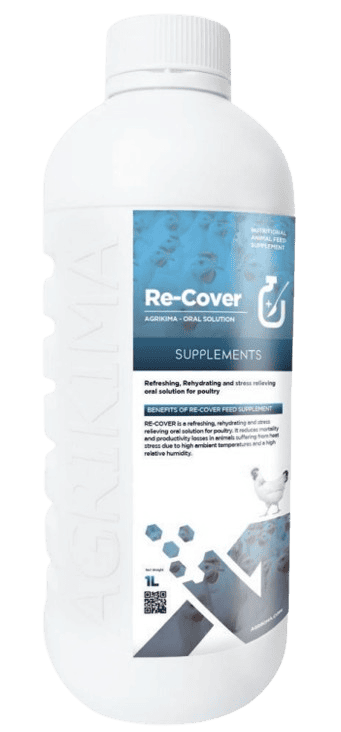
RE-COVER
An oral rehydration solution that can help sick chicks replace fluids and salts lost through white watery diarrhoea, supporting kidney function and drinking during the outbreak, alongside warmth, vet advice and good care. It does not kill the virus.
View product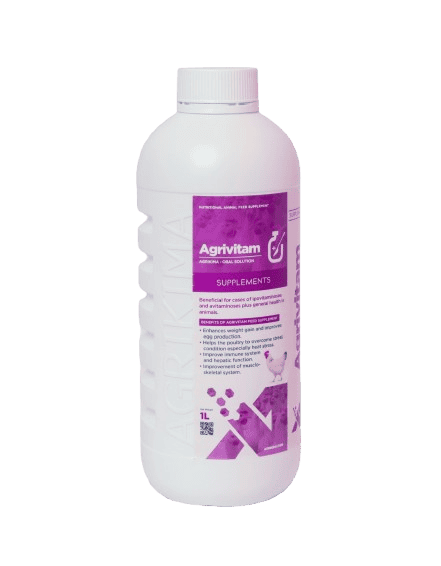
AGRIVITAM
A liquid vitamin and mineral supplement that can support appetite and recovery in surviving chicks after the outbreak peak and around revaccination stress, as part of good nutrition and a proper vaccination programme. It is a support, not a treatment for Gumboro.
View productPrevention
- Vaccinate every batch of chicks against Gumboro using a good-quality live vaccine from a trusted agrovet, following the timing advised by your vet or the hatchery, commonly during the second and third weeks of life; many flocks need two doses because mother-passed antibodies can block a single early dose.
- Handle vaccines carefully: keep them cold in a cool box from the shop to the farm, use clean drinkers without soap or disinfectant residue, use clean water without chlorine (or add a vaccine stabiliser or skimmed milk powder as directed), and make sure all chicks drink the vaccine water within the time on the label.
- Buy chicks only from reputable hatcheries that vaccinate their breeder flocks and can tell you which vaccines the chicks or parents received, including any given at the hatchery.
- Practise 'all-in, all-out': raise one age group at a time in a house, and after each batch remove all litter, scrub and wash surfaces, disinfect with a product your vet recommends as effective against Gumboro virus, and leave the house empty for at least two weeks before new chicks arrive.
- Keep strict biosecurity: a footbath or separate boots at the house door, limited visitors, no birds or equipment from markets or neighbours entering the chick house, and fencing or netting to keep out wild birds, rodents and stray chickens.
- Control litter beetles and rodents, and do not reuse old litter for new chicks; compost it well away from the poultry houses.
- Reduce stress during the first six weeks: avoid overcrowding, keep good brooding temperature, provide good ventilation, and give clean water and balanced feed at all times.
- Protect feed from moisture and mould, because aflatoxins in mouldy maize or feed weaken immunity and make Gumboro and vaccine failure more likely.
- Keep vaccination and flock records for every batch so you and your vet can spot patterns and adjust the programme if problems repeat.
Risk to people
Gumboro virus does not infect people, and it is not a risk to human health. The main human concern comes from medicines: if a vet prescribes antibiotics or other drugs for secondary infections, follow the withdrawal period strictly and do not sell or eat meat or eggs from treated birds until it has passed, to avoid drug residues and the spread of antibiotic resistance.
Impact on your farm
Gumboro can be very costly for Kenyan poultry farmers. In a sudden outbreak, many chicks may die in a few days, wiping out the money spent on chicks, feed, brooding fuel and vaccines. Survivors often grow slowly and unevenly, so broilers take longer to reach market weight and use more feed per kilo of meat. Layer and improved kienyeji pullets may come into lay late or perform poorly. The hidden cost is often bigger: immune damage means later vaccines, especially for Newcastle disease, may not protect properly, and the flock suffers more from coccidiosis, E. coli, respiratory disease and other infections, increasing treatment costs and deaths later. Because the virus lingers in houses, farms that do not clean and vaccinate properly may see the problem return with every new batch.
Outlook and recovery
Most outbreaks follow a clear pattern: deaths rise for a few days, peak, then fall, and most surviving birds begin to eat and drink again within about a week. How many die depends on the virus strain, the age of the chicks, the breed, and how well they were vaccinated and cared for. Very virulent strains can kill a large part of a flock, especially in layer-type chicks. Warmth, plenty of clean water, good nutrition and quick vet support improve survival. Survivors may never fully regain normal immunity, so they need extra care, good biosecurity and attention to their other vaccinations. With proper cleaning, a rest period between batches and a correct vaccination programme, future batches can usually be well protected.
Common questions
I vaccinated my chicks against Gumboro, so why did they still get sick?
Vaccine failures are common and usually have a reason. The vaccine may have been damaged by heat if it was not kept cold, or by chlorine or soap in the water. Some chicks may not have drunk enough vaccine water. The timing may have been wrong, because mother-passed antibodies in young chicks can block the vaccine if it is given too early. The strain on your farm may also be a very virulent type that needs a stronger vaccine or a different programme. Share your records with your vet so they can adjust the schedule and vaccine type.
Can I use antibiotics to cure Gumboro?
No. Gumboro is caused by a virus, and antibiotics do not kill viruses. A vet may prescribe an antibiotic only if there are also bacterial infections, which are common because the birds' immunity is weak. Using antibiotics without a vet's advice wastes money, leaves residues in meat and eggs, and helps germs become resistant to medicines.
How long does the virus stay in my poultry house?
The Gumboro virus is very hardy and can survive for months in litter, dust, soil and equipment. That is why outbreaks often come back with the next batch. Remove all litter, scrub and wash everything, disinfect with a product your vet confirms works against this virus, and leave the house empty for at least two weeks before bringing in new chicks.
Can my adult hens or kienyeji chickens get Gumboro?
Adult birds rarely show signs, because the bursa that the virus attacks shrinks as chickens mature. However, older birds can still carry the virus on their feathers and feet and in their droppings, and contaminate the ground. Keep chicks separate from adult and free-range birds, especially in the first six weeks.
Is it safe to eat chickens or eggs from a flock that had Gumboro?
Gumboro does not infect people, so recovered birds and their eggs are not a disease risk to humans. Do not eat or sell birds that are sick or died of disease. If any medicine was given, wait until the withdrawal period on the label or from your vet has passed before eating or selling meat or eggs.
Should I vaccinate my chicks during an outbreak?
This depends on the age of the chicks, the vaccine and the situation on your farm, so ask your vet before doing it. Vaccinating birds that are already sick will not cure them and can sometimes add stress. Your vet may advise vaccinating healthy, younger groups on the farm, and will certainly help you plan a better programme for the next batch.
A guide, not a diagnosis. This page is general information to help you recognise problems early. Always confirm with a vet or animal health worker before treating.