What keeps them healthy
A chicken stays healthy when several things come together. First is good nutrition: a balanced feed for the bird's age and purpose (chick mash, grower, layer or broiler feed), with enough protein, energy, vitamins, minerals and calcium for egg shells. Second is clean, cool water available all day, because chickens drink roughly one and a half to two times as much water as the feed they eat, and more in hot weather. Third is a clean, dry, well-ventilated house with dry litter, enough space and no draughts at bird level; wet litter and ammonia smell damage the airways and allow coccidia (tiny gut parasites) and bacteria to multiply. Fourth is protection from disease through vaccination, biosecurity (keeping germs out of the farm) and control of worms, mites and lice. Finally, low stress matters: steady routines, no overcrowding, shade and airflow in the heat, and gentle handling. When any of these fail, the bird's immune system weakens and the first signs you see are usually quiet ones: less eating, less drinking, ruffled feathers or a change in droppings.
What to keep an eye on
Knowing the baseline matters for every flock, but some birds show problems fastest and need the closest watching. Day-old to three-week-old chicks have little reserve and can go from normal to dead in a day if they are cold, hungry or thirsty. Growing birds between about three and eight weeks are the classic age for coccidiosis and Gumboro. Laying hens at the start of lay and at peak production need high-quality feed and calcium, and show stress through drops in eggs and pale combs. Broilers grow very fast and are sensitive to heat, poor ventilation and leg problems. Kienyeji (indigenous) and improved kienyeji birds kept free-range are hardy but meet more wild birds, neighbours' chickens and worms, and are often unvaccinated. Risk rises in the long and short rains, when litter gets wet and coccidiosis increases, and in the hot dry months, when heat stress and dehydration are common. Small farms that keep mixed ages together, buy birds from markets, or share equipment with neighbours are also at higher risk.
Normal vs warning signs
Signs of good health
- Comb and wattles: in a laying hen they are bright red, full, soft and slightly waxy; in young birds, non-layers and moulting hens they are smaller and paler pink, which is normal for their stage.
- Eyes: bright, round, clear and alert, with no swelling, bubbles, tears or crusts; the bird follows movement and reacts quickly when you enter.
- Nostrils and beak: clean and dry with no discharge, no crusting and no smell; breathing is quiet, with the beak closed when the bird is resting in cool weather.
- Feathers: smooth, tight and glossy, lying flat against the body; the vent (the opening under the tail) feathers are clean and not pasted with droppings.
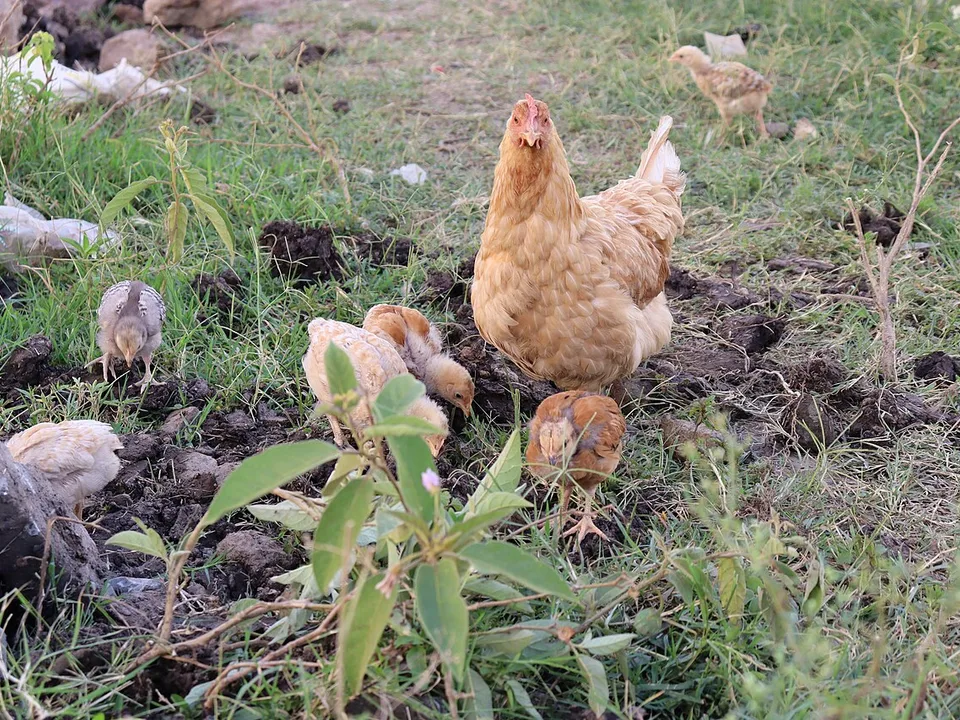
- Behaviour: birds are busy all day scratching, pecking, dust-bathing, preening and moving around the house or compound, and they crowd to the feeder when fresh feed arrives.
- Posture and walking: the bird stands upright on both legs, walks evenly without limping, and the tail is held up; chicks spread out evenly under the brooder, not huddled or pressed against the walls.
- Droppings: mostly firm, brown to grey-green and shaped, with a white cap of urates (the bird's form of urine); about once in every several droppings you will see a softer, sticky, darker brown caecal dropping with a stronger smell, which is normal.
- Feed, water and production: birds eat and drink steadily through the day; a commercial layer in lay typically eats around 110–130 grams of feed a day depending on breed and feed, water use rises in hot weather, and egg numbers stay steady from day to day.
First signs something is wrong
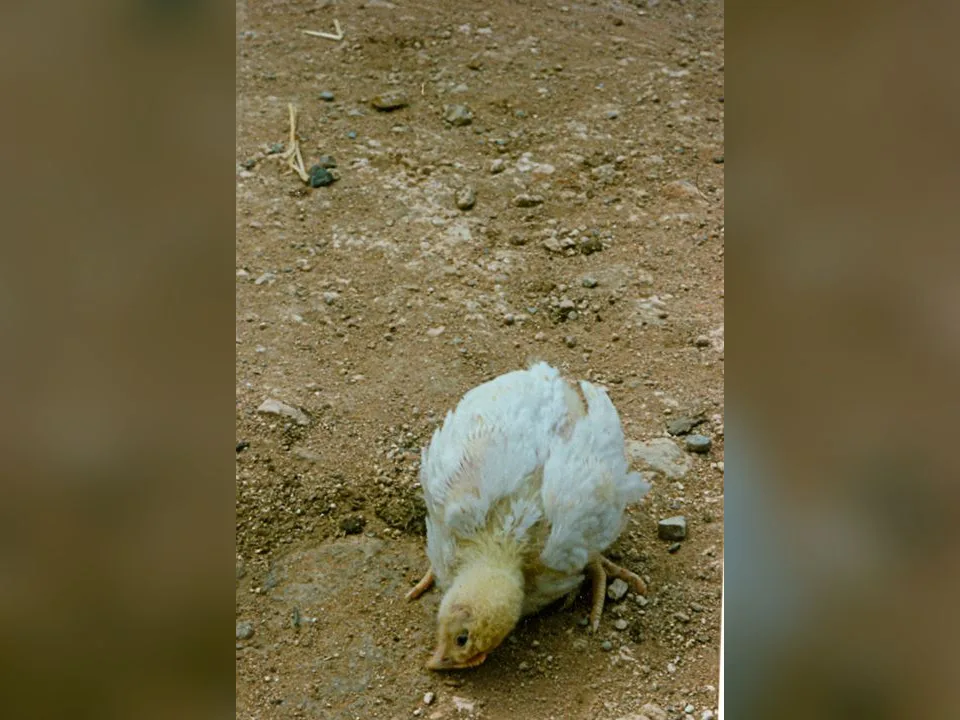
- A bird standing alone, hunched, with ruffled feathers, eyes half closed or head tucked in during the day is not normal and should be picked up and checked at once.
- A drop in feed or water intake across the flock, even before birds look sick, is one of the earliest warnings of disease or heat stress; a sudden rise in water use can also signal fever or heat.
- A sudden drop in eggs, or eggs with thin, soft, wrinkled or pale shells, often points to disease, stress or a feed problem.
- Changes in droppings: watery, very green, yellow, white and chalky, or blood-stained droppings, or pasted vents, mean something is wrong and should be reported to the vet.
- Breathing changes: sneezing, gurgling, coughing, open-mouth breathing in cool weather, swollen faces or discharge from the eyes and nostrils point to respiratory disease.
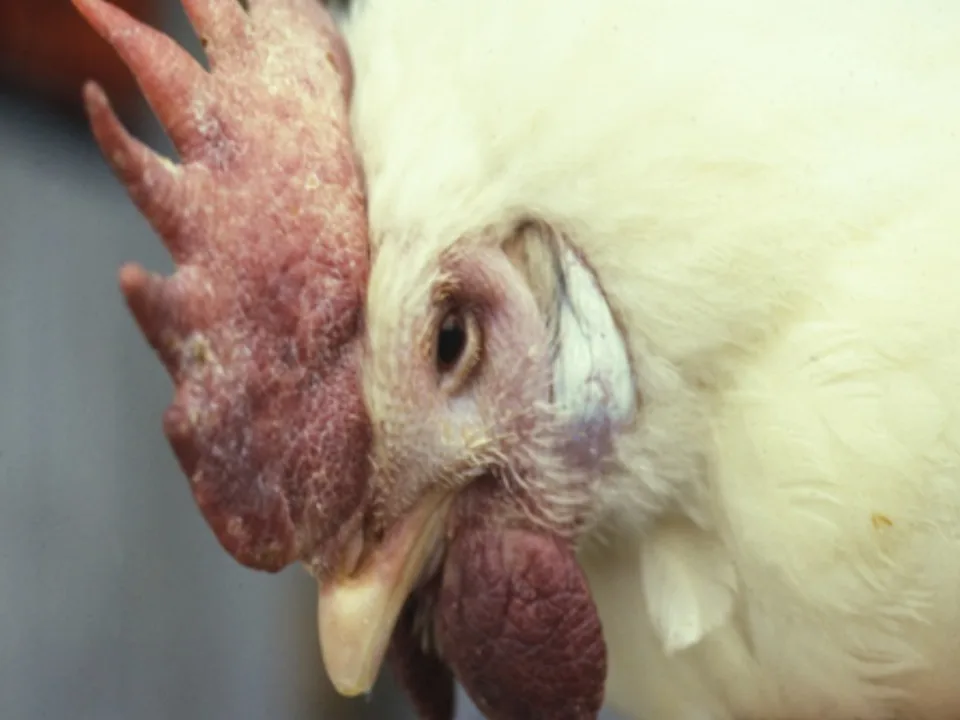
- A comb that turns pale, shrunken, dark purple or blue, or develops scabs and wart-like spots, needs attention.
- Nervous signs such as twisted necks, circling, paralysis of legs or wings, or trembling are serious and need the vet urgently.
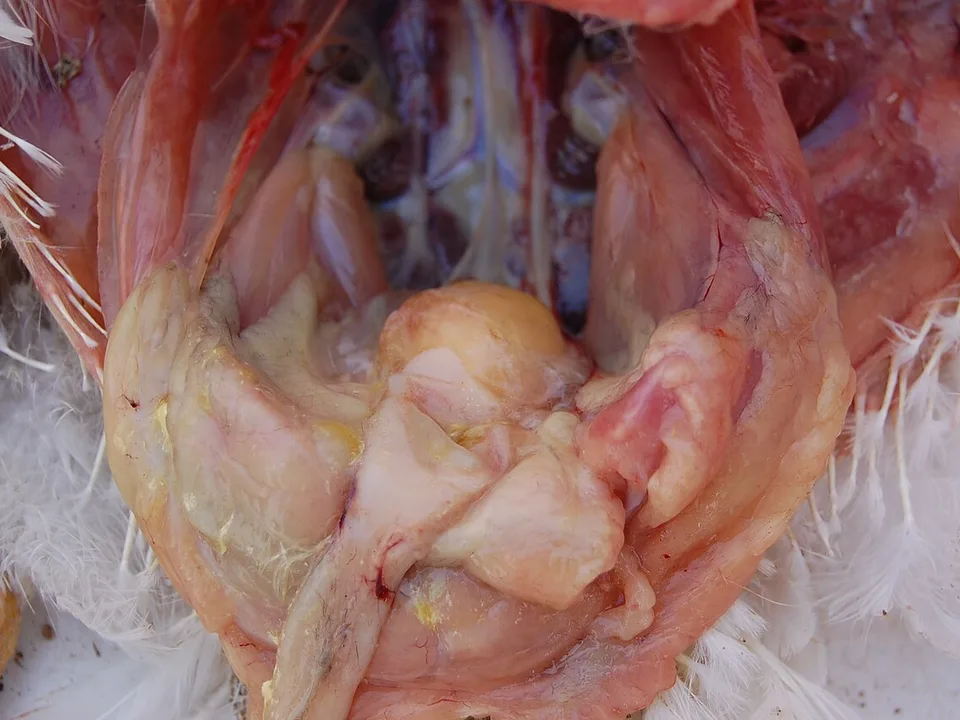
- Any unexplained deaths, even one or two birds in a day in a small flock, should be taken seriously, recorded and the body taken to a vet or laboratory for a post-mortem.
Daily routine
- Make a daily flock check a habit: same time every morning, before feeding, watching behaviour, breathing, droppings, feed and water.
- Keep simple records in a notebook or on your phone: number of birds, daily feed and water used, eggs collected, any sick or dead birds and any treatments or vaccinations given.
- Move any bird that looks dull, hunched or off its feed into a separate, clean, dry pen with its own feeder and water, away from the main flock.
- Give sick or separated birds easy access to clean, cool water and fresh feed, with shade and good airflow, and keep them calm and quiet.
- Do not give antibiotics or other drugs on your own; call your vet or a qualified animal health officer to examine the birds first.
- If several birds fall sick or die quickly, stop selling or moving birds and eggs, stop visitors from entering, and call the vet the same day.
- Wash your hands with soap after handling birds, droppings or dead birds, and wear dedicated shoes or boots inside the poultry house.
Common risks
- Health is kept or lost through daily management: good feed, clean water, dry litter and fresh air keep birds strong, while mouldy feed, dirty drinkers and damp, crowded houses wear them down.
- Most infections enter the farm on new or returning birds, so buying birds from markets or neighbours without a quarantine period is one of the biggest risks to a healthy flock.
- Germs also arrive on people's shoes, clothes and hands, on egg trays, crates, sacks and bicycles or motorbikes that visit other farms or markets.
- Wild birds, rats, stray dogs and cats can carry diseases and parasites into the house and contaminate feed and water.
- Sudden changes such as heat waves, cold nights during the long rains, transport, a change of feed or vaccination day can stress birds and make hidden problems show.
- Feed stored in damp conditions can grow moulds that produce mycotoxins (poisons made by moulds, such as aflatoxin), which quietly lower immunity, growth and egg production even before any bird looks sick.
Often mistaken for illness
Moulting
Once a year, usually after a laying season, hens lose and regrow feathers, stop or reduce laying and the comb shrinks and goes pale. The bird still eats, drinks and moves normally, the new pin feathers are visible growing in, and the droppings are normal. Sick birds with feather loss are usually dull, eat less and may have mites, lice or other signs.
Normal caecal droppings
Chickens empty their caeca (two blind pouches of the gut) every so often, producing a sticky, shiny, dark brown, smelly dropping. This is normal if most other droppings are firm with a white cap. Blood in droppings, many watery droppings or birds that look dull are not normal and may mean coccidiosis or another gut disease.
Panting in hot weather
On hot afternoons healthy birds open their beaks, hold their wings away from the body and drink more, then return to normal in the cool of the evening. If birds pant in cool weather, gasp, gurgle or have swollen faces, or if many birds lie down and stop moving in the heat, call the vet.
Broody hen
A broody hen sits in the nest for long periods, fluffs up, growls or pecks when disturbed and leaves the nest only briefly to eat, drink and pass a very large, smelly dropping. She is alert and strong when handled. A sick hen is weak, dull and does not defend the nest.
Doing a health check
A home health check is simple and takes a few minutes a day. Each morning, before you put out fresh feed, stand quietly at the door or in the compound and watch the whole flock for a minute: are the birds spread out, active and coming to the feeder, and is anyone sitting apart? Listen for sneezing, rattling or coughing, especially at night when the house is quiet. Smell the house; a strong ammonia smell means the litter is too wet. Look at fresh droppings on the litter or droppings boards. Check feeders and drinkers, and if you can, measure how much feed and water is used each day and write it down with egg numbers and any deaths. For a closer check, pick up any dull bird gently, holding the wings against the body, and look at the eyes, nostrils, comb, beak and mouth, feel the crop (the pouch at the base of the neck, which should be full and soft after feeding and empty by morning), feel the keel (breastbone) to judge body condition, look under the wings and around the vent for lice and mites, and check the feet for swelling or sores. Taking a chicken's temperature is not routine on farms and is hard to interpret, because birds run naturally hot, at roughly 40.5–42 °C, and stress from catching raises it. If you do use a digital thermometer, it is placed gently just inside the vent and the reading is used only as a rough guide; behaviour, feed and water intake and droppings tell you much more. If something looks wrong, separate the bird, write down what you saw and when it started, the age and number of birds, vaccination history, feed type and any deaths, and share this with your vet or County Veterinary Officer. Fresh dead birds kept cool, not frozen, are very useful for a post-mortem examination.
Routine vet care
For a healthy flock, the vet's role is mostly prevention and advice. A vet or animal health officer can help you plan a vaccination programme suited to your area and type of bird. In Kenya this commonly covers Marek's disease (usually given at the hatchery on day one), Newcastle disease, Gumboro (infectious bursal disease), infectious bronchitis, fowl pox and fowl typhoid, with boosters for long-lived birds such as layers and kienyeji breeders; the exact vaccines and ages vary, so follow your hatchery's and vet's schedule. The vet can also advise on worm control, using a prescribed dewormer at suitable intervals, and on treating mites and lice. They can check that your feed, housing, lighting and stocking density suit the birds' age. When birds die unexpectedly, a post-mortem by the vet or a veterinary laboratory is the quickest way to find the cause and protect the rest of the flock. Any medicine, including antibiotics, coccidiostats and dewormers, must be prescribed by a vet, used exactly as directed, and the egg and meat withdrawal period on the label (the time after treatment when eggs and meat must not be eaten or sold) must be followed. Antibiotics should never be used routinely to keep healthy birds healthy, because overuse leads to antimicrobial resistance, where germs stop responding to the drugs that people and animals need.
How Agrikima products can help
These support the animal alongside — never instead of — your vet's treatment, vaccination and good management.

AGRITOXINILSTOP
Mouldy or damp-stored feed is a common hidden drain on flock health in Kenya. Adding this mycotoxin binder to feed can help reduce the effect of aflatoxin and ochratoxin on birds' immunity, growth and laying, alongside proper dry feed storage and never feeding visibly mouldy feed.
View product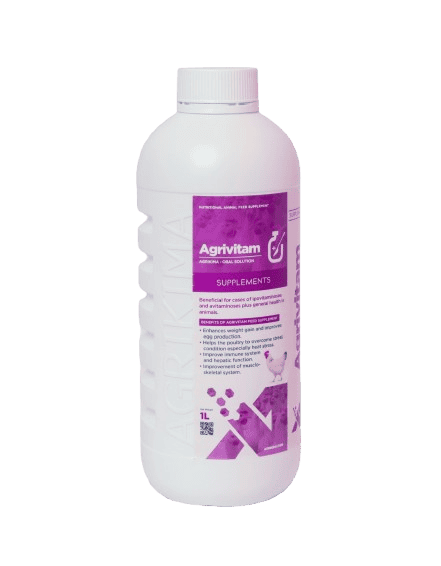
AGRIVITAM
A liquid vitamin and mineral supplement that can help healthy birds cope with stressful periods such as vaccination, transport, heat or peak lay, supporting steady productivity. It is an addition to a balanced feed and vaccination programme, not a replacement for them.
View productKeeping them healthy
- Buy chicks only from reputable, registered hatcheries that vaccinate against Marek's disease, and ask for records of the vaccines given.
- Follow a vaccination programme agreed with your vet, keep vaccines cool from the agrovet to the farm, use clean, chlorine-free water to mix them, and record every vaccination date.
- Feed the right ration for each stage, from chick mash to grower to layer or broiler feed, store feed off the floor in a cool, dry place, use it within a few weeks and never feed mouldy or caked feed.
- Provide clean, cool water all day, wash drinkers daily and place them in shade; in hot weather add extra drinkers so no bird has to compete.
- Keep litter dry and loose by fixing leaking roofs and drinkers, adding fresh litter in the rainy seasons and removing wet patches, and keep the house ventilated without draughts at bird level.
- Practise biosecurity: limit visitors, use a footbath or dedicated boots, keep new or returning birds in quarantine for at least two weeks, and keep different ages apart where possible.
- Control rats, wild birds and stray animals, keep the house fenced or netted, and remove and safely dispose of dead birds by burying deeply or burning.
- Clean and disinfect the house, feeders and drinkers between batches and leave it empty for a rest period before new birds arrive.
Risk to people
Even healthy-looking chickens can carry germs such as Salmonella and Campylobacter in their gut and on their feathers and feet, which can cause stomach illness in people. Wash hands with soap after handling birds, eggs, litter or equipment, especially before eating, and supervise children. Collect eggs often, keep them clean and cool, and do not wash dirty eggs in cold water; discard cracked or heavily soiled eggs. Cook eggs and chicken meat thoroughly. If birds have been treated with any medicine, follow the egg and meat withdrawal period on the label before eating or selling products.
Impact on your farm
Knowing what a healthy chicken looks like is one of the cheapest and most powerful tools on any Kenyan poultry farm. A flock that is checked daily loses fewer birds, because problems such as coccidiosis, Gumboro or heat stress are caught early when treatment or management changes still work. Healthy layers keep laying steadily with strong shells, which means better income from trays sold to neighbours, hotels and markets. Healthy broilers reach market weight on time on less feed, and feed is usually the biggest cost on the farm. Early warning also protects your reputation with buyers and your neighbours' flocks, and it helps you use medicines only when truly needed, saving money and reducing drug residues in eggs and meat. Record keeping turns your daily check into data you can show the vet, the bank or an extension officer.
Long-term health
A flock that is well fed, watered, housed, vaccinated and checked every day has a very good outlook, with steady growth, good laying and low deaths. No flock is ever completely free of risk, but the earlier you notice a change from normal, the better the chances that the vet can find the cause and that most birds will recover. Flocks that are not checked often, or where sick birds are left among healthy ones, tend to suffer heavier losses when disease arrives.
Common questions
My hen's comb has gone pale. Is she sick?
Not always. A pale, smaller comb is normal in young pullets before they start laying, in hens that have stopped laying, in moulting hens and in broody hens. If the hen is still alert, eating and drinking, and her droppings are normal, it is probably her stage of life. If the pale comb comes with dullness, weight loss, poor appetite, diarrhoea or many birds affected at once, it can point to worms, mites, poor feed or disease, and you should ask your vet to check.
How much should my chickens eat and drink each day?
It depends on age, breed, feed and weather. As a rough guide, a commercial layer in production often eats around 110–130 grams of feed a day, and chickens usually drink about one and a half to two times as much water as feed, more on hot days. Kienyeji birds on free range eat less bought feed because they forage. The most useful thing is to measure what your own flock normally uses and write it down, so that you notice when it suddenly drops or rises.
Are watery droppings always a sign of disease?
No. In hot weather birds drink more and droppings become wetter, and some feeds also cause looser droppings. Caecal droppings, which are sticky, dark and smelly, are also normal now and then. Be concerned if many droppings are watery, coloured bright green, yellow or white, contain blood, or if birds look dull, have pasted vents or are eating less. Those birds should be isolated and the vet called.
Should I give my healthy chickens antibiotics to keep them from getting sick?
No. Antibiotics do not prevent viral diseases such as Newcastle or Gumboro, and using them routinely in healthy birds wastes money, leaves residues in eggs and meat, and helps germs become resistant to the drugs people and animals need. Protect your flock with vaccination, clean water, good feed, dry litter and biosecurity, and only use antibiotics when a vet has examined the birds and prescribed them.
How often should I check my flock?
At least once a day, ideally every morning before feeding, with a quick look again in the evening. Chicks under three weeks old need checking several times a day to make sure they are warm, eating and drinking. The morning check only takes a few minutes but is the best early warning you have.
Do I need to take my chicken's temperature?
Usually not. Chickens naturally run very hot, around 40.5–42 °C, and simply catching them can push the temperature up, so a thermometer reading on its own is hard to interpret. Watching behaviour, appetite, water intake, breathing and droppings tells you far more. If you are worried about a bird, isolate it, note what you see and let your vet decide on further checks.
A guide, not a diagnosis. This page is general information to help you recognise problems early. Always confirm with a vet or animal health worker before treating.