What it is
Sheep pneumonia is usually a mixed infection. The main bacteria are Mannheimia haemolytica, Bibersteinia trehalosi and Pasteurella multocida. Many healthy sheep carry these bacteria in the nose and throat without getting sick. The trouble starts when stress or a first infection lowers the sheep's defences. Common first infections are viruses such as parainfluenza-3 and respiratory syncytial virus, and a tiny germ called Mycoplasma ovipneumoniae. These damage the lining of the airways, which normally sweeps germs out. The bacteria then multiply quickly and move down into the lungs. Mannheimia releases a toxin that kills the white blood cells sent to fight it. This causes severe inflammation, fluid and pus in the lungs, and sometimes blood poisoning (septicaemia, where bacteria spread through the blood). Parts of the lung become solid and stop working, so the sheep struggles to get oxygen. In lambs, the same bacteria can cause sudden death from septicaemia before any cough is seen. Sheep that survive may be left with scarred, stuck-together lungs and grow poorly.
Which animals are most at risk
Lambs, especially from a few weeks old up to weaning, and recently weaned lambs are at highest risk. Newly bought sheep, animals just moved by lorry or walked long distances to market, and sheep that have just been sheared or dipped are also very vulnerable. Thin, wormy or poorly fed sheep fall sick more easily. Risk rises at the start of the long and short rains and during cold, misty highland weather, such as in parts of Nyandarua, Nakuru, Laikipia and Narok. In zero-grazing or housed flocks, crowded and badly ventilated sheds are a major risk. In pastoral systems, long treks, droughts followed by rain, and gathering many flocks at watering points and markets increase spread. Wool breeds such as Merino, Dorper crosses and Corriedale are all affected, and local Red Maasai and Blackhead Persian sheep are not immune when stressed.
Signs to look for
Early signs
- Dullness, standing apart from the flock with the head held low and ears drooping.
- Reduced appetite or stopping eating, and lagging behind when the flock moves.
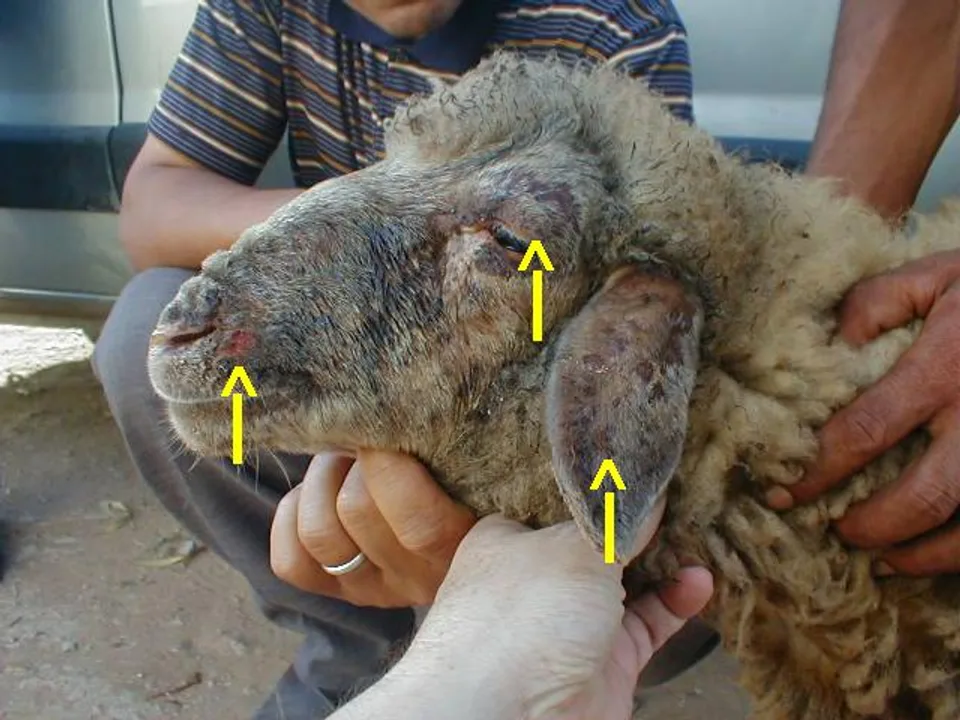
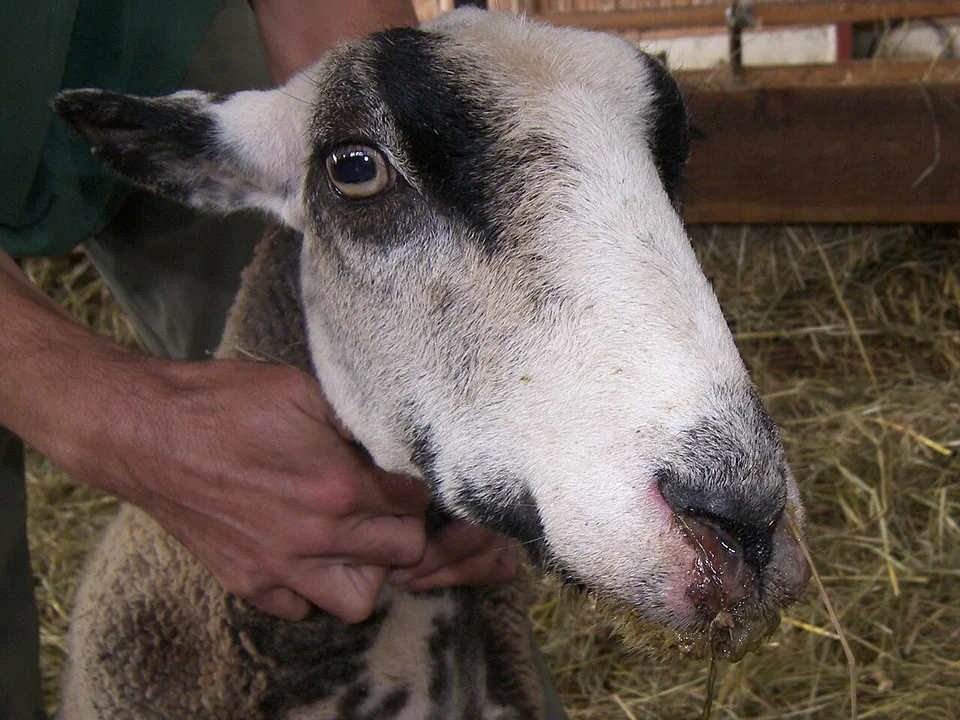
- Clear to cloudy discharge from the nose, sometimes with watery eyes.
- A soft, occasional cough, often heard when the flock is moved or first let out in the morning.
- Faster breathing than other sheep at rest; you can see the flanks moving quickly.
- Fever: the sheep feels hot to touch inside the ears or between the legs; a thermometer reading is usually well above normal (normal sheep temperature is roughly 38.5–40°C).
As it gets worse
- Thick yellow or green, sometimes crusty, discharge from the nose.
- Laboured breathing with the mouth open, the neck stretched out, and a grunt with each breath.
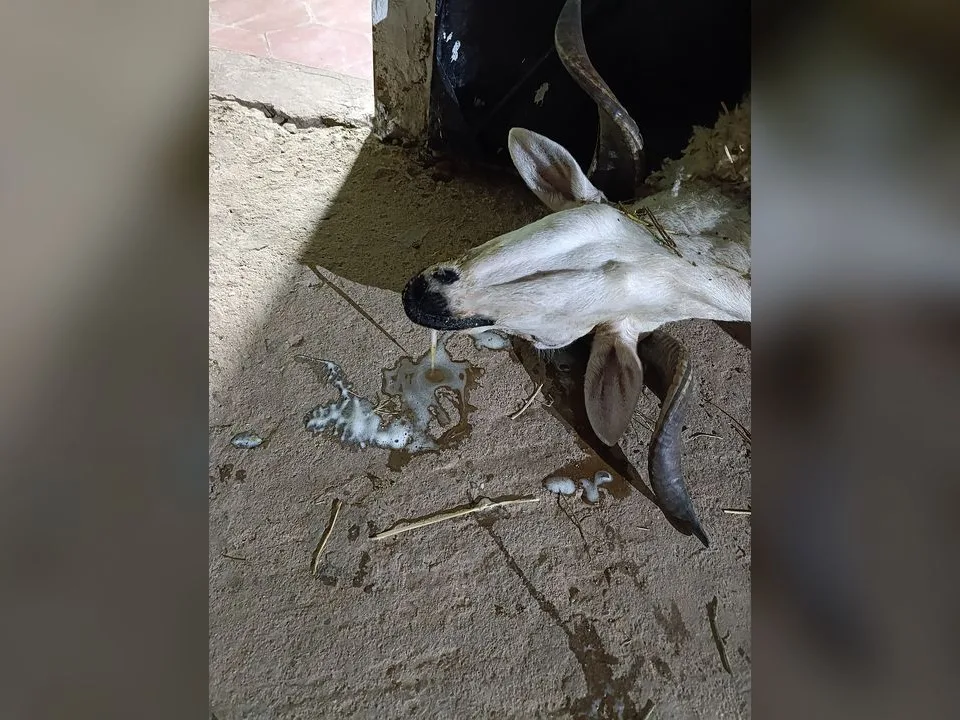
- Frothy saliva at the mouth in severe cases.
- Standing with front legs apart to ease breathing, or refusing to lie down.
- Rapid weight loss, sunken eyes from dehydration and a rough, dry fleece.
- Weakness, going down and unable to get up.
- Sudden death, sometimes of lambs or sheep that looked healthy the day before.
- In chronic cases, a persistent cough, poor growth and repeated bouts of illness.
What to do right now
- Separate sick sheep from the rest of the flock into a dry, clean, sheltered pen that has good airflow but no cold draughts or rain getting in.
- Provide plenty of clean, fresh water close to the sick animals, because feverish sheep dehydrate quickly and may not walk to the trough.
- Offer fresh, soft, good-quality feed such as green grass, good hay or browse to encourage eating, and remove spoiled or dusty feed.
- Keep sick sheep out of hot sun in the middle of the day and out of cold wind and rain, and avoid any unnecessary handling, chasing or moving that makes breathing worse.
- Stop all transport, selling, buying, shearing, dipping and mixing of flocks until the vet has assessed the problem.
- Check the rest of the flock twice a day, counting breaths and looking for dullness, nasal discharge or cough, and take temperatures if you have a thermometer so new cases are caught early.
- Write down the number of sick and dead animals, their ages and signs, dates, and any recent stress events, vaccines and treatments, to share with the vet.
- Call your vet or County Veterinary Officer the same day, and immediately if sheep are breathing with open mouths, going down or dying, or if you see mouth sores or diarrhoea that could mean PPR.
- Wash your hands after handling sick sheep, and do not drench a sheep that is struggling to breathe, as liquid can go into the lungs and make things worse.
How it spreads
- Stress is the main trigger: transport, markets, mixing flocks, shearing, dipping, weaning, castration, sudden changes in feed and long trekking all lower immunity.
- Cold, wet weather, especially the start of the long and short rains, and sharp swings between hot days and cold nights.
- Poorly ventilated, crowded, damp or dusty housing, where ammonia from urine and droppings irritates the airways and germs build up in the air.
- Close contact with coughing or sneezing sheep, which spreads droplets containing the bacteria, viruses and Mycoplasma.
- Shared water troughs and feeders contaminated with nasal discharge.
- Bringing in new animals from markets or other farms that carry the germs without showing signs.
- Other diseases and weakness, such as heavy worm burdens (especially wireworm, Haemonchus), poor nutrition, lungworm, or recovery from PPR, which make sheep more likely to develop pneumonia.
- Drenching mistakes, where liquid is poured too fast or with the head held too high and goes down the windpipe, causing a separate but serious inhalation pneumonia.
Could it be something else?
Peste des petits ruminants (PPR)
PPR is a notifiable viral disease that also causes nasal discharge, fever and pneumonia, but it usually comes with sores and crusting in the mouth and on the gums, a foul smell from the mouth, watery eye discharge and severe diarrhoea, and it spreads very fast with many deaths in sheep and goats. If you see mouth sores and diarrhoea with breathing problems, report to the County Veterinary Officer immediately.
Lungworm (Dictyocaulus filaria)
Lungworm causes a chronic cough, mostly in young sheep on wet pasture, usually without high fever or sudden death. Many sheep in the group cough, especially when moved, but most keep eating. A vet can find lungworm larvae in fresh dung samples.
Nasal bots (Oestrus ovis)
Fly larvae living in the nose cause sneezing, a thick nasal discharge, head shaking and rubbing the nose on the ground, but sheep usually have no fever and breathe normally at rest. Sheep often bunch with noses pushed into the ground when the flies are active in the warm season.
Jaagsiekte (ovine pulmonary adenocarcinoma)
This is a viral lung cancer of adult sheep that causes slow weight loss and laboured breathing over weeks to months without fever. A key sign is clear, watery fluid that runs from the nose when the sheep's back legs are lifted and the head lowered (the wheelbarrow test). It does not respond to antibiotics.
How it is diagnosed
A vet usually diagnoses pneumonia from the history and a clinical examination. They will take the temperature, watch the breathing rate and pattern, and listen to the chest with a stethoscope for crackles, wheezes or quiet areas where the lung has become solid. They will also rule out notifiable diseases such as PPR and sheep pox by checking the mouth, skin and dung. To find the exact cause, the vet may take nasal swabs or blood samples for the laboratory, such as a County veterinary laboratory or the Central Veterinary Laboratories at Kabete. A post-mortem (opening a dead sheep to examine the organs) is often the most useful test: the vet looks for dark red or purple, firm lung areas, pus and fibrin (a yellow sticky layer) on the lungs, and can send lung samples for culture and an antibiotic sensitivity test to see which drugs will work. You can help by recording how many sheep are sick and dead, their ages, when signs started, any recent transport, shearing, dipping, new animals or weather change, what vaccines and dewormers were given and when, and any treatments already used. If a sheep dies, keep the carcass cool and covered, away from dogs, and call the vet quickly so a fresh post-mortem can be done.
Treatment
Because bacteria such as Mannheimia and Pasteurella are usually involved, a vet will normally prescribe an antibiotic. Commonly used classes include tetracyclines (such as long-acting oxytetracycline), penicillin-streptomycin combinations, macrolides (such as tilmicosin or tulathromycin) and florfenicol, depending on what is available, the severity and laboratory results. Some of these drugs, particularly tilmicosin, are dangerous to people if accidentally injected and must only be handled by trained people. The vet may also give an anti-inflammatory drug (NSAID, a medicine that lowers fever, pain and lung swelling, such as meloxicam or flunixin) to help the sheep feel better and start eating sooner. When many sheep in a group are at risk, the vet may decide to treat the whole group at once (called metaphylaxis), but this should only happen on a vet's advice. Antibiotics do not kill the viruses that often start the problem; they treat the bacterial infection that follows, so good nursing and management are still essential. Treatment must be prescribed by a vet: wrong drugs, wrong doses or stopping early help bacteria become resistant (antimicrobial resistance), which makes future outbreaks harder to treat and is a serious risk to animal and human health. Always finish the course the vet gives. Every antibiotic and many anti-inflammatories have milk and meat withdrawal periods, a set time after the last treatment when the sheep must not be slaughtered and its milk must not be used; ask the vet and follow the label. Most sheep treated early show improvement in appetite and breathing within one to three days. If there is no improvement, call the vet back, as a different drug, more tests or a post-mortem on any deaths may be needed.
Medicines must be prescribed and dosed by a vet. Always respect milk and meat withdrawal periods, and finish the full course of any antibiotic.
How Agrikima products can help
These support the animal alongside — never instead of — your vet's treatment, vaccination and good management.
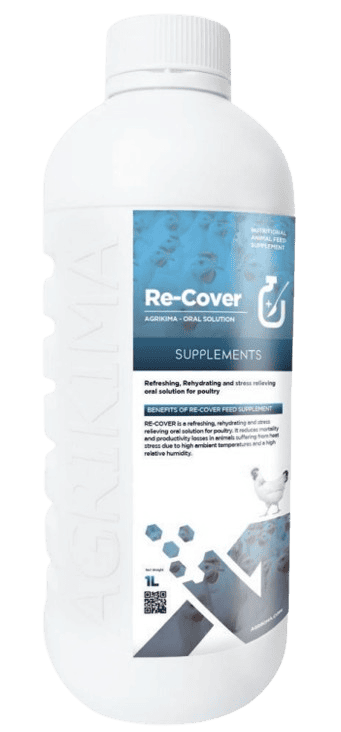
RE-COVER
An oral rehydration solution that can help sick or recovering sheep that are feverish and drinking or eating little to replace fluids and electrolytes, and can support animals through transport, heat or stress. Offer it in drinking water alongside vet treatment; do not force-drench a sheep that is struggling to breathe.
View product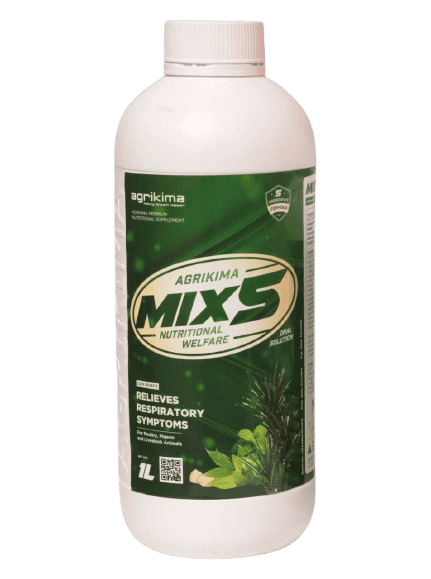
MIX5
A plant-extract supplement labelled to relieve respiratory problems and stress, which may be used to support sheep comfort and recovery during and after a pneumonia outbreak or around stressful events. It is an aid alongside vet-prescribed treatment, good housing and vaccination, not a replacement for antibiotics where a vet says they are needed.
View productPrevention
- Reduce stress at key times: avoid transporting, shearing, dipping, weaning and castrating at the same time, and avoid long treks or crowded lorries, especially in cold or wet weather.
- Build housing that is dry, well-drained and well-ventilated, with open ridges or gaps high on the walls so stale air and ammonia escape, while protecting sheep from direct rain and draughts at animal height.
- Avoid overcrowding in sheds and night bomas, and clean out wet bedding and droppings regularly.
- Quarantine newly bought sheep for at least two to three weeks, watching for cough, nasal discharge and fever before mixing them with your flock.
- Ask your vet about vaccination against Pasteurella and Mannheimia where a suitable vaccine is available locally; some products are combined with clostridial vaccines, and timing before stressful periods and before lambing helps protect lambs through colostrum.
- Vaccinate against PPR and sheep pox as advised by your County Veterinary Officer, since these diseases weaken sheep and open the door to pneumonia.
- Make sure every newborn lamb gets enough colostrum (first milk) within the first few hours of life to build early immunity.
- Keep sheep in good body condition with adequate feed, minerals and vitamins, especially before the rains and before lambing, and plan feed reserves for the dry season.
- Control worms with a planned deworming programme based on vet advice and faecal tests, and include lungworm control on wet pastures.
- Drench sheep carefully with the head level and the liquid given slowly, to avoid liquid going into the lungs.
Risk to people
The bacteria that cause most sheep pneumonia are not considered a significant risk to healthy people, though Pasteurella multocida can occasionally infect people through bites, scratches or open wounds, and people with weak immunity should take extra care. Wash hands after handling sick sheep and wear gloves when dealing with discharges or carcasses. The bigger human risk comes from drugs: do not slaughter, sell or eat meat or use milk from treated sheep until the full withdrawal period has passed, as residues can harm consumers and contribute to antibiotic resistance. Some injectable antibiotics used for sheep pneumonia, especially tilmicosin, can be deadly if accidentally injected into a person, so only trained people should give injections, and any accidental self-injection needs urgent medical attention. Remember that PPR, which can look similar, does not infect people, but must still be reported.
Impact on your farm
Pneumonia causes losses in many ways on a Kenyan sheep farm. Lambs and newly bought animals can die suddenly, which is a direct loss of animals that often cost thousands of shillings each. Sheep that recover may have damaged lungs and grow slowly, taking longer to reach market weight and fetching lower prices at markets and slaughterhouses. Ewes that are sick may abort, lose condition or produce less milk for their lambs. There are also costs for vet visits, drugs and labour, and treated animals cannot be sold for slaughter until withdrawal periods end. Repeated outbreaks can make a flock unprofitable and, in pastoral systems, reduce household income and food security. Lungs with pneumonia damage may also be condemned at meat inspection.
Outlook and recovery
The outlook is good for sheep that are treated early, while they are still eating and breathing without great difficulty; many recover fully within a week or so. Sheep treated late, when they are breathing with an open mouth, have stopped eating or are lying down, have a much poorer chance, and some die despite treatment. Young lambs with septicaemia may die before treatment can work. Survivors can have permanent lung scarring, which may cause poor growth or repeated illness, and some farmers choose to cull chronic poor-doers. Recovery is better when the sheep is well fed, free of heavy worm burdens, kept in a dry, well-ventilated shelter, and the stress that triggered the outbreak is removed.
Common questions
Why did my sheep get pneumonia right after I brought them from the market?
Markets and transport are very stressful for sheep. They are crowded, mixed with strange animals, often go without water and feed, and may be exposed to cold or heat. This stress weakens their immunity at the same time as they meet new germs. The Pasteurella and Mannheimia bacteria many sheep already carry in their noses then invade the lungs. This is why it is sometimes called shipping fever. Quarantine new sheep, give them water, shade and good feed on arrival, and watch them closely for the first few weeks.
Can I just buy an antibiotic at the agrovet and inject my sheep myself?
It is much safer to have a vet examine the sheep first. Pneumonia can look like PPR, lungworm, nasal bots or lung cancer, and antibiotics will not help those. The vet will choose the right drug and dose, tell you how long to treat and give you the correct withdrawal period. Using the wrong drug or an incomplete course wastes money and helps bacteria become resistant to antibiotics, which harms future treatment for animals and people. Some injectable drugs are also dangerous to the person giving them.
Is there a vaccine for pneumonia in sheep?
There are vaccines against Pasteurella and Mannheimia, and some are combined with vaccines against clostridial diseases such as enterotoxaemia. Availability varies in Kenya, so ask your vet or County Veterinary Officer what is available and when to give it. Vaccines reduce the risk and severity but do not cover every germ involved, so they work best together with good housing, low stress, good nutrition and worm control. Vaccinating against PPR is also important, as PPR often leads to pneumonia.
Will my sheep that recovered get pneumonia again?
Some recovered sheep are fine for life, but others are left with scarred lungs that make them more likely to fall sick again and to grow slowly. Recovered sheep can also carry the bacteria and spread them to others when stressed. Keep an eye on them, feed them well and keep housing dry and airy. If a sheep keeps coughing, stays thin or gets ill repeatedly, talk to your vet about whether it is worth keeping.
How do I know if my sheep shed is badly ventilated?
Stand inside the shed early in the morning before cleaning. If you smell strong ammonia, feel your eyes sting, see condensation or damp walls, or notice the air feels warm and stale, ventilation is poor. Good sheds have openings high up near the roof so warm, damp air escapes, while the walls at sheep height block direct wind and rain. Avoid overcrowding and keep bedding dry. Sheep need fresh air more than warmth.
Can pneumonia in sheep spread to my goats and cattle?
Yes, some of the bacteria and Mycoplasma involved can infect goats, and goats kept with sheep often fall sick in the same outbreak. Cattle have their own types of Mannheimia and Pasteurella pneumonia, and mixing species in crowded, stressful conditions raises the risk for all. Goats also suffer from contagious caprine pleuropneumonia (CCPP), which is notifiable, so if goats are coughing and dying, call the vet quickly.
A guide, not a diagnosis. This page is general information to help you recognise problems early. Always confirm with a vet or animal health worker before treating.