What it is
The disease is caused by Nairobi sheep disease virus. This virus belongs to the same family as the virus that causes Crimean-Congo haemorrhagic fever in people. It is carried mainly by the brown ear tick (Rhipicephalus appendiculatus). When an infected tick feeds, it passes the virus into the sheep's blood. After a few days the virus multiplies in the blood and organs, causing a very high fever. It damages the lining of blood vessels and the gut, so the animal bleeds into the intestines and other tissues. This is why the diarrhoea becomes bloody and smells so bad. The animal loses a lot of fluid, becomes dehydrated (dried out) and weak, and the damaged gut lets bacteria into the body. Many sheep die within a few days of the fever starting. Pregnant ewes often abort. Sheep that survive usually develop strong, long-lasting immunity, meaning their body learns to fight the virus.
Which animals are most at risk
Sheep are more severely affected than goats, and cattle do not get sick, although cattle can carry the brown ear tick that spreads the virus. The animals at greatest risk are sheep that have never been exposed to the virus: improved breeds such as Dorper or Merino bought from tick-free farms, sheep brought from dry or highland areas into wetter tick zones, and flocks in areas where ticks have newly spread. Local sheep in areas where the disease has long been present are often immune because they were exposed when young, so the disease may go unnoticed there until new stock arrives. Adult sheep and pregnant ewes are badly affected; abortion is common. Risk rises during and after the long and short rains, when tick numbers peak. Free-range and pastoral flocks grazing tick-infested pasture, and flocks moved along trade or grazing routes, are most exposed, but zero-grazed sheep can still be infected if ticks come in on fodder, other animals or new stock.
Signs to look for
Early signs
- A sudden high fever: the sheep feels hot to touch, especially inside the ears and between the legs, and a thermometer shows a temperature well above normal.
- The sheep stops eating, stands apart from the flock with its head down, and is dull and unwilling to move.
- Fast or laboured breathing even while resting.
- A clear nasal discharge that soon becomes thick and may be streaked with blood.
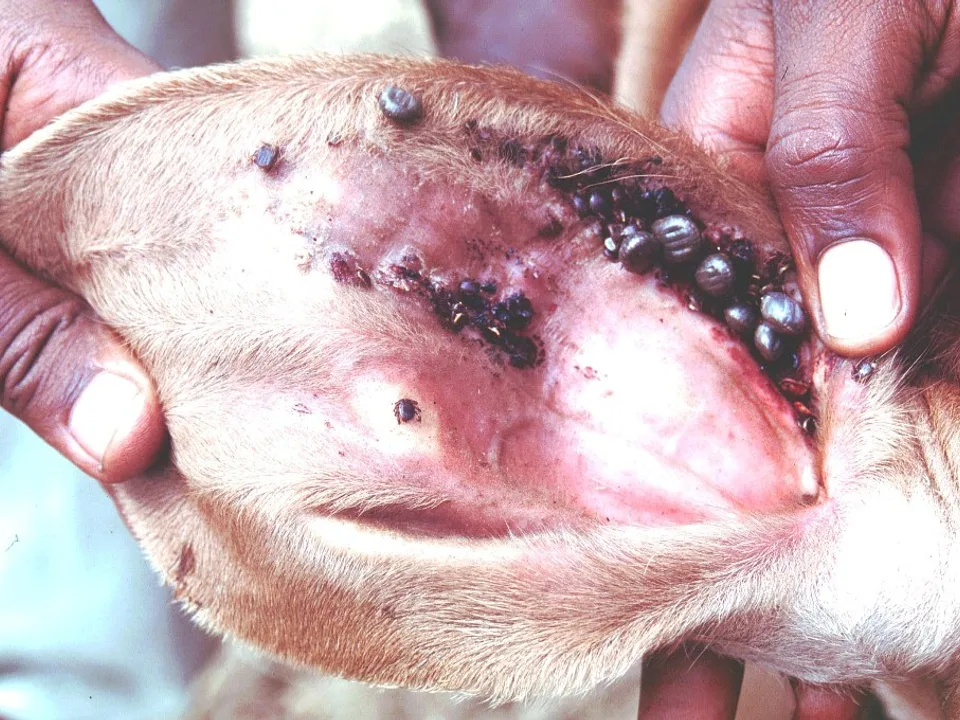
- Brown ear ticks found on the ears, head or neck, often in a flock recently moved or bought in.
- Signs usually start a few days after the sheep arrive in a tick area or after a heavy tick challenge.
As it gets worse
- Watery, very foul-smelling diarrhoea that often turns dark, mucky or clearly bloody; the sheep may strain when passing dung.
- Dirty, soiled hindquarters and tail from repeated diarrhoea.
- Sunken eyes, dry gums and skin that stays tented when pinched, all signs of severe dehydration.
- Red, swollen eyes and a bloody discharge from the nose; in some animals a swollen or reddened vulva.
- Pregnant ewes aborting.
- Extreme weakness, lying down and unable to rise, then death, often within a few days of the fever starting.
- Several sheep in the same group falling sick and dying over a short time.
What to do right now
- Call your vet or County Veterinary Officer immediately, because sheep can die within days and the rest of the flock may already be infected.
- Separate sick sheep into a quiet, shaded pen with good airflow and keep them away from healthy animals and from grazing pasture.
- Give clean, fresh drinking water at all times and offer soft, palatable feed such as fresh grass or good hay, even if they eat little.
- Check every sheep, goat and cattle animal on the farm for ticks, paying special attention to the ears, head and neck, and talk to your vet about tick control for the whole herd.
- Stop moving sheep in or out of the farm and do not sell or buy animals until the vet has advised you.
- Take the temperature of the rest of the flock daily if you have a thermometer, and separate any animal that has a fever or stops eating.
- Wear gloves when handling sick animals, dung, aborted lambs or ticks, do not crush ticks with bare fingers, and wash your hands well with soap afterwards.
- Record dates, numbers of sick and dead animals, signs seen and any treatments given, to help the vet and for future planning.
- Do not slaughter sick sheep for meat; bury or dispose of carcasses safely as your vet advises, away from water sources and dogs.
How it spreads
- The virus is spread by tick bites, mainly from the brown ear tick, which likes to sit inside and around the ears of sheep, goats and cattle.
- Infected ticks can keep the virus through their life stages and can pass it to their eggs, so new generations of ticks on the pasture may already carry the virus.
- Ticks can survive on pasture for a long time without feeding, so a field can stay dangerous even if no sheep have grazed there for many months.
- Outbreaks often follow moving sheep from tick-free or low-tick areas into areas where the brown ear tick and the virus are common, because these sheep have no immunity.
- Heavy or long rains increase tick numbers and can spread ticks into new areas, so outbreaks can appear in flocks that have lived safely in one place for years.
- Sick sheep do not usually spread the disease directly to other sheep by contact, but ticks that fed on them can drop off and later feed on other animals.
- Buying or bringing in tick-infested sheep, goats or cattle can introduce infected ticks onto your farm.
Could it be something else?
Peste des petits ruminants (PPR)
PPR also causes fever, nasal discharge and diarrhoea, but it usually affects goats more severely than sheep and causes sores and crusts on the gums, lips and tongue, foul breath, and pneumonia with coughing. It spreads by direct contact between animals, not by ticks. PPR is a notifiable disease, so if you see mouth sores, report to your County Veterinary Officer.
Heartwater
Heartwater is also tick-borne, but it is spread by the bont tick (Amblyomma), which has colourful patterned legs and body, not the plain brown ear tick. Heartwater commonly causes nervous signs such as high-stepping walking, chewing movements, circling, paddling the legs and convulsions. Bloody diarrhoea is less typical.
Rift Valley fever
Rift Valley fever comes after heavy rains and flooding with large mosquito numbers. It causes waves of abortion and very high deaths in young lambs, and can make farm workers sick with fever. It is notifiable in Kenya and dangerous to people, so report any abortion storms to the County Veterinary Officer straight away and avoid handling aborted material bare-handed.
Salmonellosis and other bacterial gut infections
These can also cause fever and bloody, smelly diarrhoea, but they are often linked to stress, dirty water, crowding or bad feed and are not tied to moving sheep into tick areas. Nasal discharge and breathing signs are less common. Only laboratory tests can reliably tell them apart.
How it is diagnosed
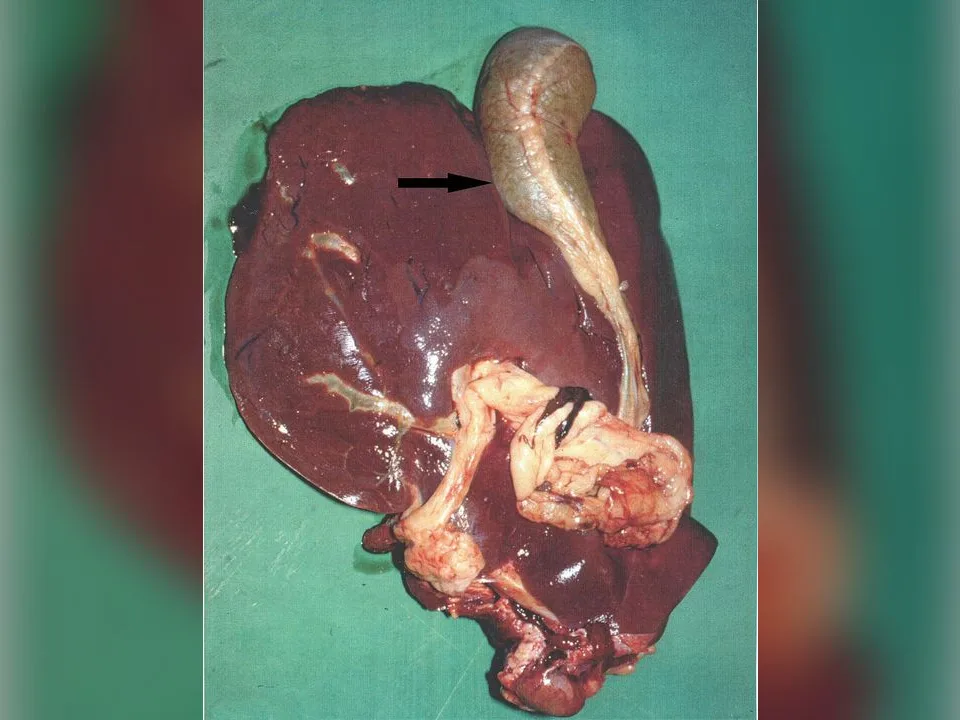
A vet will suspect Nairobi sheep disease from the history (sheep recently moved into a tick area, or heavy rains and ticks), the high fever, the bloody diarrhoea and the presence of brown ear ticks. The vet will examine sick animals, take their temperatures and check for ticks. Confirmation needs a laboratory. Blood samples from feverish animals, or tissues such as spleen and lymph nodes from a fresh carcass, can be tested to detect the virus (for example by PCR, a test that finds the virus's genetic material) or antibodies (proteins the body makes against the virus). In Kenya these tests can be arranged through the County Veterinary Officer and government veterinary laboratories. At post-mortem, the vet may find bleeding along the intestines, especially in the large intestine where it can look striped, a swollen spleen and swollen lymph nodes. Because Rift Valley fever and PPR can look similar, the vet may test for those too. To help, write down when the sheep arrived and where from, when signs started, how many are sick and how many have died, any abortions, what tick control you have used and when. Do not open dead animals yourself; keep a fresh carcass cool and covered for the vet if possible.
Treatment
There is no medicine that kills the Nairobi sheep disease virus, so treatment is supportive, meaning it helps the animal's body survive while it fights the virus. Antibiotics do not cure the virus. A vet may give fluids by mouth or by drip to correct dehydration, an anti-inflammatory drug to bring down fever and pain, and, in some cases, an antibiotic to control bacteria that invade the damaged gut. Antibiotics should only be used when the vet judges they are needed, because careless use leads to antimicrobial resistance, where drugs stop working for animals and people. The vet will also plan urgent tick control for all animals on the farm, using acaricides (tick-killing chemicals) such as amitraz or synthetic pyrethroids by dipping, spraying or pour-on, with careful attention to the ears. All medicines and acaricides have milk and meat withdrawal periods, the time you must wait before milk or meat can be used for food, and these must be followed. Treatment must be prescribed by a vet; doses depend on the product and the animal. Even with good care, many severely affected sheep still die, especially those already weak, dehydrated or lying down when treatment starts.
Medicines must be prescribed and dosed by a vet. Always respect milk and meat withdrawal periods, and finish the full course of any antibiotic.
How Agrikima products can help
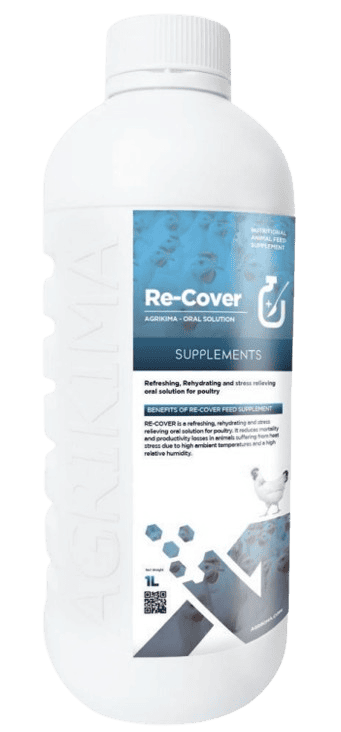
These support the animal alongside — never instead of — your vet's treatment, vaccination and good management.
Prevention
- Plan movements carefully: avoid moving sheep from tick-free or low-tick areas into brown ear tick areas, and if you must, discuss with your vet first.
- Before moving sheep into a tick area, and for several weeks after arrival, keep them under strict tick control so infected ticks cannot feed on them.
- Use a regular tick control programme for sheep, goats and cattle together, since all can carry the brown ear tick; treat more often during the long and short rains when ticks peak.
- When using sprays or dips, make sure the acaricide reaches inside and around the ears, where brown ear ticks gather, and follow the label for mixing, interval and withdrawal periods.
- Rotate acaricide types only as advised by your vet or agrovet, because ticks can become resistant if products are misused.
- Quarantine newly bought animals for at least two to three weeks, check them for ticks and treat them before they join your flock.
- Keep grass short around sheds and night pens, and avoid grazing new or valuable sheep on heavily tick-infested pasture, especially bushy areas.
- There is no widely available commercial vaccine for Nairobi sheep disease in Kenya; ask your County Veterinary Officer about any current options.
- Keep sheep well fed, with clean water, minerals and good parasite control, so they are stronger if they are infected.
Risk to people
Nairobi sheep disease virus has only rarely been reported to infect people, mostly laboratory workers, and the illness has usually been a mild fever. However, it is closely related to the virus that causes Crimean-Congo haemorrhagic fever, and ticks on sheep can carry other diseases that affect people. Wear gloves when handling sick animals, blood, dung, aborted lambs and carcasses, and do not crush ticks with bare hands. Do not eat meat from sheep that were sick or died of the disease. If you treat animals, respect the milk and meat withdrawal periods for all drugs and acaricides so residues do not end up in food. If anyone handling sick sheep develops a fever, they should see a health worker and mention the animal contact.
Impact on your farm
Nairobi sheep disease can wipe out a large part of a flock in a short time. Farmers who invest in improved breeding rams or ewes, such as Dorper, from tick-free areas can lose that whole investment within days of arrival. Pregnant ewes abort, so the next lamb crop is lost. Surviving sheep lose weight and condition and take weeks to recover, delaying sales. Costs add up from vet visits, supportive treatment, lab tests and more frequent tick control. The disease also discourages farmers from improving their flocks and limits the safe movement of sheep between regions for trade and breeding.
Outlook and recovery
The outlook for sheep that become clearly sick is poor, and many die within a few days, especially those that have never been exposed before. Animals with milder illness, or that get early supportive care with fluids and good nursing, have a better chance. Sheep that recover usually develop strong, long-lasting immunity and are unlikely to get sick again. The outlook for the rest of the flock depends heavily on how fast tick control is put in place to stop more infected ticks from feeding. Local sheep in long-affected areas often have immunity and rarely show disease.
Common questions
My local sheep have lived here for years without problems. Why did only the new rams I bought fall sick?
Local sheep in an area where the virus is common are usually exposed when young, survive and become immune. New sheep from a tick-free or low-tick area have no immunity, so when infected brown ear ticks bite them they become very sick. This is why the disease is so often seen in newly bought or moved sheep. Keep new stock under strict tick control and talk to your vet before bringing sheep in from other areas.
Can my goats and cattle get Nairobi sheep disease?
Goats can get it, but they are usually less severely affected than sheep. Cattle do not become sick, but they often carry brown ear ticks, which can then move to sheep. That is why tick control should cover all your animals, not just the sheep. Good tick control also protects your cattle from East Coast fever, which is spread by the same tick.
Can a sick sheep spread the disease to the rest of my flock just by being close?
The disease does not spread easily from sheep to sheep by contact. It needs ticks to carry it. But ticks that feed on a sick sheep can drop off and later bite other animals, so isolating the sick sheep and controlling ticks across the whole farm is still important.
Is there a vaccine I can buy at the agrovet?
Vaccines have been developed and tested in the past, but there is no widely available commercial vaccine for Nairobi sheep disease in Kenya at present. Prevention depends on tick control and careful planning of animal movements. Ask your County Veterinary Officer if any vaccine becomes available in your area.
Can I slaughter a sick sheep and eat the meat to avoid a total loss?
No. Meat from a sick, feverish animal is unsafe and poor quality, and handling the blood and organs of a sick animal carries a risk to you. If the sheep has been treated, drug residues may also be in the meat. Let your vet confirm the cause and advise on safe disposal.
If a sheep recovers, can it get the disease again?
Sheep that survive usually develop strong, long-lasting immunity and are unlikely to become sick from this virus again. They may take several weeks to regain weight and condition. Keep up good feeding, clean water and tick control while they recover.
A guide, not a diagnosis. This page is general information to help you recognise problems early. Always confirm with a vet or animal health worker before treating.