What it is
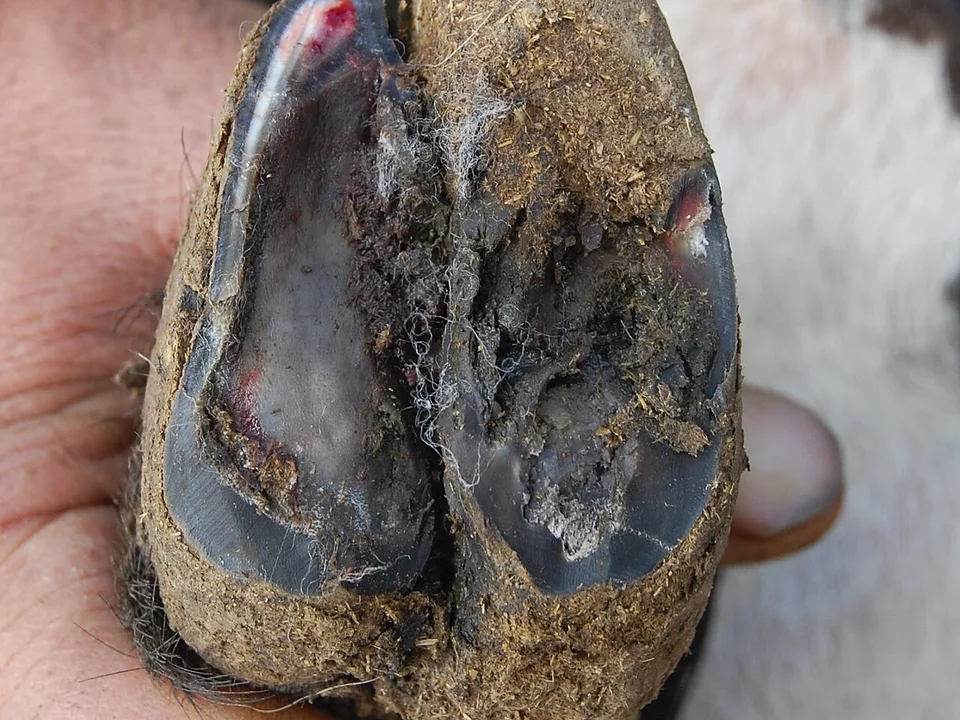
The main cause is a bacterium called Dichelobacter nodosus. It works together with another bacterium, Fusobacterium necrophorum, which lives naturally in manure and soil. Both are anaerobic, which means they thrive where there is little oxygen, such as inside damp, damaged skin. When the skin between the claws stays wet for a long time it softens and gets small injuries. Fusobacterium gets in first and causes redness and moisture, a stage often called scald. If D. nodosus is present, it then invades. It produces enzymes (natural chemicals) that break down the soft tissue joining the hoof horn to the sensitive foot inside. The horn starts lifting from the heel and sole, and in severe cases from the wall of the hoof as well. This is called 'underrunning'. The dead tissue underneath produces the typical foul smell. Some strains of D. nodosus are mild (benign) and cause mostly scald, while others are virulent and cause severe underrunning. You cannot tell the strain by eye, and a vet or laboratory is needed if this matters for your plan.
Which animals are most at risk
All ages of sheep can get foot rot, but adult sheep and older lambs on wet pasture are most often affected. Ewes heavy in late pregnancy and rams suffer badly because their weight presses on painful feet. Woolly breeds such as Merino and Dorper crosses and dairy-type breeds kept in damp conditions are commonly affected, though no breed is fully resistant, and local hair sheep like Red Maasai can also get it. Risk is highest during the long rains (March to May) and short rains (October to December), and in cool, high-rainfall areas such as parts of the Rift Valley, Central highlands and Mt Kenya and Aberdare regions. Flocks kept in muddy, poorly drained night bomas or zero-grazing pens with wet bedding, flocks grazing lush wet pastures, flocks bought in from markets, and pastoral flocks that share water points and grazing are all at higher risk.
Signs to look for
Early signs
- Mild limping on one or more legs, often noticed first when the flock is moved or walks to water.
- The sheep shifts weight from foot to foot when standing, or stands with a foot held slightly off the ground.
- Skin between the claws looks red, swollen, wet and shiny, sometimes with a thin greyish-white layer on it.
- Hair between the toes is lost and the area feels damp and warm compared with healthy feet.
- A faint rotten smell when you lift and check the foot closely.
- The sheep lags behind the flock and spends more time lying down.
As it gets worse
- Severe lameness, with the sheep refusing to put a foot down or walking on three legs.
- Grazing on its knees because standing on the front feet is too painful.
- Hoof horn lifting away from the heel, sole and sometimes the wall, with a grey, cheesy, very foul-smelling material underneath.
- Loose flaps of horn that can be peeled back, exposing raw, sensitive tissue beneath.
- Several feet affected, so the sheep lies down a lot and struggles to get up.
- Weight loss, poor body condition and reduced wool growth because the animal cannot graze enough.
- Rams refusing to mount and ewes losing condition or producing less milk for their lambs.
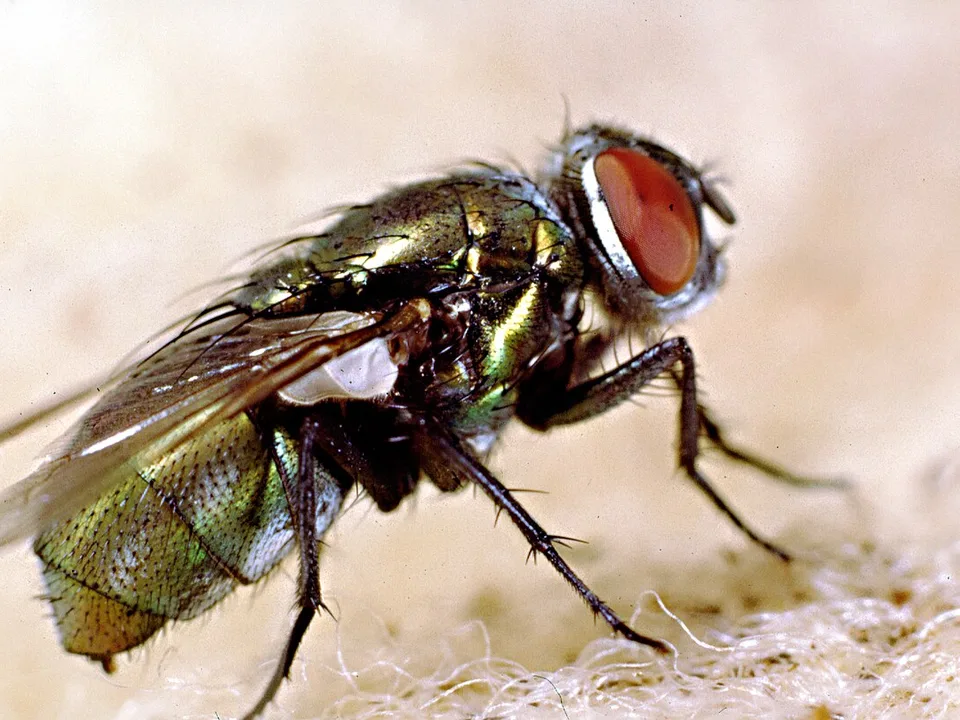
- Maggots (fly strike) in neglected feet in warm weather, and misshapen, overgrown hooves in long-term chronic cases.
What to do right now
- Catch every lame sheep and gently lift each foot to check between the claws and under the horn, so you know exactly how many animals and feet are affected.
- Separate lame sheep from the healthy flock and keep them on clean, dry ground or in a pen with dry bedding, away from paths, water troughs and night bomas the healthy sheep use.
- Make sure affected sheep can reach water, feed and shade easily without walking far, because pain stops them from competing with the flock.
- Do not use any antibiotics, sprays or injections until your vet has examined the sheep and prescribed the right product, as wrong use can leave residues and breed resistance.
- Avoid cutting away large amounts of horn or making feet bleed, because heavy paring delays healing and the cuttings and blood spread the bacteria to other sheep.
- Wear gloves when handling infected feet, wash your hands afterwards, and clean knives, shears and boots so you do not carry the infection to healthy animals.
- Write down the ear tag or description of each lame sheep, which feet are affected and the date, so you can follow their progress and identify repeat cases later.
- Stop buying, selling or borrowing sheep, especially rams, until the problem is under control, and call your vet or the local veterinary office for advice.
How it spreads
- Infected sheep carry the bacteria in their feet and drop them onto pasture, paths, yards and bedding wherever they walk.
- Healthy sheep pick it up from contaminated ground, especially around water troughs, feeding areas, gateways, night bomas and muddy tracks where many feet pass.
- Wet, warm conditions are the main trigger, so outbreaks usually build up during the long and short rains, when grass is long and wet and ground stays muddy.
- The bacteria survive only a short time in the soil, generally from a few days up to about two weeks, so the real long-term source is chronically infected sheep, not the land itself.
- Buying sheep from markets or other farms is a common way the disease enters a clean flock, because carrier sheep may look only slightly lame or not lame at all.
- Sharing rams, communal grazing, shared dips and common watering points in pastoral and mixed systems allows spread between flocks.
- Overgrown hooves, injuries from stones or thorns, and long periods standing in wet manure in poorly drained housing make infection easier to start.
- Goats can also carry and suffer from foot rot, and cattle can carry some strains, so mixed herds can keep the problem going.
Could it be something else?
Foot scald (interdigital dermatitis)
Scald is inflammation of the skin between the toes only, with redness, moisture and mild to moderate lameness, but the hoof horn is not lifting off and the smell is mild. It is often the first stage of foot rot, so a flock with scald needs watching closely and should be checked by your vet.
Foot abscess
An abscess usually affects only one claw on one foot of one sheep. The foot or coronet (the band just above the hoof) is hot, hard and swollen, and pus may burst out above the hoof. It does not normally spread through the flock the way foot rot does.
Foot-and-mouth disease (FMD)
FMD causes sudden lameness in many animals at once, often with fever, blisters or raw sores in the mouth, on the gums, at the coronet and between the claws, and drooling or not eating. There is no underrun, smelly horn in the early stages. FMD is notifiable in Kenya, so if you see these signs, report to your County Veterinary Officer immediately.
Bluetongue
Bluetongue is a viral disease spread by biting midges. It causes fever, a swollen face and lips, sores in the mouth, and a red or purple band at the coronet that makes sheep lame. The foot itself is not rotting and smelly, and the sheep is clearly sick all over, not just lame.
How it is diagnosed
Most vets diagnose foot rot by examining the feet carefully. They lift each foot, clean it, look between the claws and check whether the horn is lifting away, and they recognise the strong typical smell. Many vets give each foot a score from mild scald to severe underrunning, which helps decide treatment and which sheep to cull. Your vet will also look at the whole flock, because lameness can have other causes, and will rule out FMD, bluetongue, abscesses and injuries. Where it matters, for example before buying rams or when planning to eradicate the disease or vaccinate, the vet may take swabs from affected feet for laboratory testing to identify the bacteria and whether the strain is benign or virulent. Before the vet comes, you can help by penning the lame sheep in a clean, dry area, counting how many sheep are lame and how many feet are affected, noting when the lameness started, recording any recently bought or borrowed animals, and writing down any treatments or foot baths already used.
Treatment
Treatment is decided and prescribed by a vet. For individual sheep with foot rot, vets commonly give an injectable antibiotic, often from groups such as tetracyclines (for example oxytetracycline), penicillins or macrolides. Some macrolides are dangerous to people if accidentally injected, so only a vet or trained person should handle them. A topical antibiotic spray, such as an oxytetracycline spray, is often used on the cleaned foot as well. The vet may also give an anti-inflammatory painkiller, such as meloxicam, so the sheep starts walking and eating again sooner. Affected sheep should be treated promptly, ideally within days of becoming lame, because early treatment works much better. Current advice is to avoid heavy foot trimming of infected feet; the vet may gently remove only loose, dead horn. For the flock, the vet may recommend foot bathing with products such as zinc sulphate, used at the strength and standing time on the label or advised by your vet. Formalin and copper sulphate are also used in some places, but both are hazardous to people, animals and the environment, and formalin is painful on raw feet. In some countries a multi-strain foot rot vaccine is available; availability in Kenya varies, so ask your vet. Most treated sheep improve within a few days to two weeks. Sheep that do not respond, or keep coming back lame, are usually advised for culling. All drugs have milk and meat withdrawal periods, which is the time you must wait before selling milk or slaughtering. Follow them exactly as stated on the label or by the vet. Antibiotics should only be used on sheep that truly need them, at the correct course, because overuse breeds antimicrobial resistance and makes future treatment harder for animals and people.
Medicines must be prescribed and dosed by a vet. Always respect milk and meat withdrawal periods, and finish the full course of any antibiotic.
Prevention
- Quarantine all new or returning sheep for at least three to four weeks, check every foot on arrival and again before they join the flock, and do not buy sheep from flocks with a lameness problem.
- Treat lame sheep quickly, ideally within a few days of lameness starting, so they shed fewer bacteria onto the pasture and are less likely to become chronic carriers.
- Cull sheep that have been lame with foot rot repeatedly (for example two or more times in a season) or that do not respond to treatment, because these carriers keep reinfecting the flock.
- Use foot baths as your vet advises, especially before and during the rains and after moving sheep. Let sheep stand on clean, dry ground afterwards and never let them drink from the bath.
- Keep night bomas, pens and zero-grazing units well drained, raise or slat floors where possible, and change wet bedding often so feet stay dry.
- Fill in or gravel muddy areas around water troughs, gates and feeding points, and move troughs regularly so mud does not build up.
- Use clean ground management: after sheep with foot rot have been on a paddock, keep the flock off it for about two weeks if you can, so the bacteria in the soil die off.
- Avoid routine heavy trimming of feet. Only lightly correct badly overgrown hooves, clean tools between sheep, and burn or bury the trimmings.
- Ask your vet whether a foot rot vaccine is available and suitable for your flock, and whether lab testing of strains would help.
- Keep good records of lameness by ear tag, and select breeding rams and ewes from animals that have stayed sound, since resistance to foot rot is partly inherited.
Risk to people
Foot rot bacteria are not known to cause disease in people, so the infection itself is not a human health risk. The main risks come from treatment. Antibiotics used on sheep can leave residues in milk and meat, so always observe the withdrawal periods on the label or given by your vet before selling or eating milk or meat. Some injectable antibiotics used in sheep, such as certain macrolides, can be very dangerous or fatal if accidentally injected into a person, so only trained people should handle them. Foot bath chemicals are also hazardous: formalin irritates the eyes, skin and lungs and is linked to cancer, and copper sulphate is poisonous if swallowed. Wear gloves, boots and eye protection, keep children away from foot baths, and dispose of used solution safely away from water sources, as advised on the label.
Impact on your farm
Foot rot is one of the most costly causes of lameness in sheep. Lame sheep graze less, so they lose weight and body condition, and lambs grow more slowly. Ewes with sore feet produce less milk and may have weaker lambs and lower fertility, while lame rams may refuse to mount, leading to fewer lambs and a spread-out lambing season. Wool growth and quality drop in woolled breeds. Thin, limping sheep fetch a poorer price at market, and buyers may avoid a flock with a known lameness problem. On top of this come the costs of vet visits, drugs, foot bath chemicals and a great deal of extra labour catching and checking sheep, plus income lost while waiting out drug withdrawal periods. Culling chronic carriers also means replacing breeding stock. For a smallholder with a small flock, a bad outbreak during the rains can wipe out much of the season's profit.
Outlook and recovery
The outlook for individual sheep is generally good when foot rot is caught early and treated by a vet. Most respond within days to a couple of weeks and return to normal grazing. Recovery is slower and less certain when the horn is badly underrun, several feet are affected, the sheep has been lame for a long time, or it has developed fly strike or misshapen hooves. Some sheep become chronic carriers and keep relapsing; these rarely do well and are better culled. At flock level, foot rot can be greatly reduced, and in some flocks eliminated, if the farmer combines prompt treatment, culling of carriers, quarantine of new stock, foot bathing and dry housing. Success depends on doing this consistently, especially during the rains, rather than reacting only when many sheep are already lame.
Common questions
Is foot rot the same as the limping my sheep get every rainy season?
Not always. Many sheep get mild redness between the toes, called scald, in wet weather, and this can heal when conditions dry out. True foot rot is when the horn starts lifting from the foot and there is a strong rotten smell. Scald can turn into foot rot if the D. nodosus bacterium is present in the flock. If lameness keeps coming back every rainy season and you smell rotting feet, ask your vet to check, because your flock likely carries foot rot.
Should I cut away all the rotten hoof to clean it out?
No. Older advice was to pare feet heavily, but research and current vet guidance show that cutting deep into the foot slows healing, causes pain and bleeding, and spreads bacteria on knives and ground. Your vet may gently remove only loose, dead horn. Prompt treatment prescribed by your vet works better than heavy trimming.
Can a foot bath alone cure foot rot?
A foot bath helps control spread and can help mild cases, but it is usually not enough on its own for sheep with underrun feet. Those sheep need examination and treatment prescribed by a vet. Foot baths work best as part of a plan: treat lame sheep promptly, cull repeat cases, quarantine new stock and keep housing dry. Always use foot bath chemicals at the strength on the label or as your vet advises, and let sheep stand on dry ground afterwards.
Why does my vet tell me to cull some of my sheep?
Some sheep never fully clear the infection. They carry the bacteria in their feet and keep spreading them every time the ground is wet, even if they look only slightly lame. These chronic carriers are the main reason foot rot stays on a farm year after year. Removing them, usually to slaughter after any drug withdrawal period is finished, protects the rest of the flock and saves you money on repeated treatment.
Can my goats or cattle catch foot rot from my sheep?
Goats can get foot rot and pass it to and from sheep, so if you keep both, treat them as one group for foot checks, foot baths and quarantine. Cattle can carry some strains of the bacteria without showing much disease, and they get their own different foot infections. Your vet can advise how to manage mixed herds.
Is there a vaccine for foot rot in Kenya?
Foot rot vaccines exist and are used in some countries, but there are many strains of the bacterium and the vaccine needs to match them. Availability in Kenya varies and may change, so ask your vet or County Veterinary Officer what is currently registered and whether it suits your flock. Even where a vaccine is used, it works alongside treatment, culling, quarantine and dry housing, not instead of them.
A guide, not a diagnosis. This page is general information to help you recognise problems early. Always confirm with a vet or animal health worker before treating.