What it is
The disease is caused by Clostridium perfringens type D, a bacterium that normally lives in small numbers in the gut of healthy sheep and in soil. Clostridia are a group of bacteria that form tough spores and produce powerful toxins (poisons). When a sheep suddenly eats a lot of rich feed, such as grain, dairy meal, lush green pasture after rain, or a large amount of milk from a heavy-milking ewe, undigested starch and sugar spill over from the stomach into the small intestine. This sudden flood of food lets the bacteria multiply very fast. As they multiply, they release a toxin called epsilon toxin. The toxin is made in an inactive form and is switched on by digestive enzymes in the gut. It then passes through the gut wall into the blood. Epsilon toxin damages the lining of small blood vessels, so fluid leaks out into the tissues. This causes swelling of the brain, fluid around the heart and lungs, and damage to the kidneys. Brain damage explains the staggering, blindness and fits. The toxin also causes high blood sugar, so sugar appears in the urine. Because the toxin acts so quickly, most affected lambs die within a few hours, often before anyone notices they are ill. The kidneys of dead lambs soften very quickly after death, turning soft and pulpy, which gives the disease its common name.
Which animals are most at risk
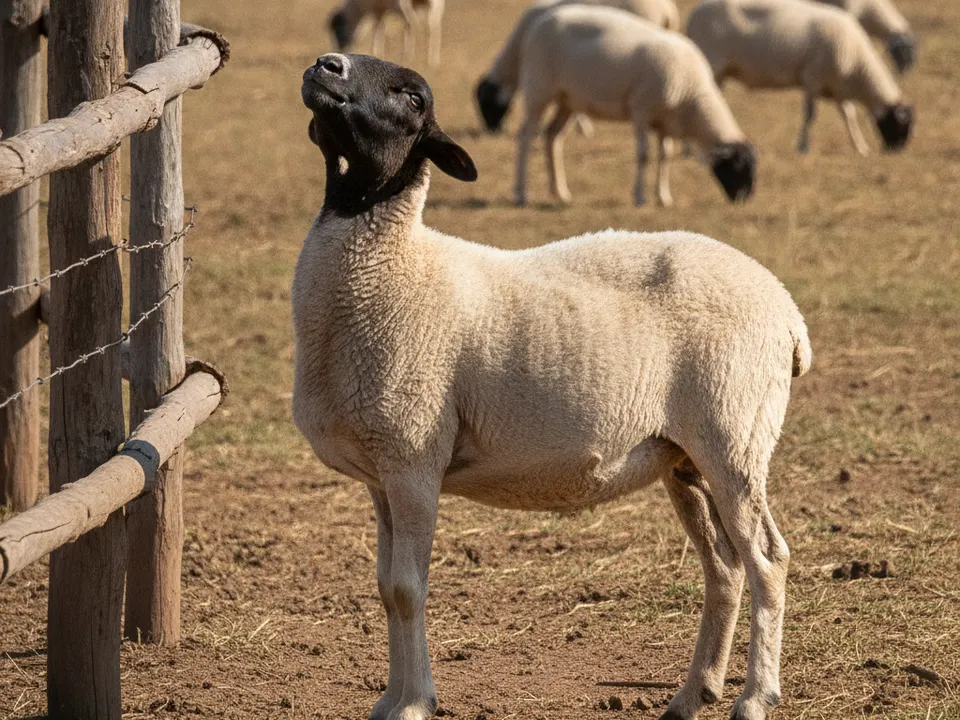
The animals most at risk are fast-growing lambs, roughly from a few weeks old up to weaning, especially the biggest and best-fed in the flock. Single lambs on heavy-milking ewes, lambs given creep feed, and weaned lambs being fattened on concentrates for market (for example ahead of festive season sales) are classic victims. Adult sheep can also be affected when they are suddenly given grain or moved onto lush pasture, but this is less common. Lambs born to unvaccinated ewes are at much higher risk, because they receive no protective antibodies (defence proteins) in the colostrum, the first thick milk. In Kenya, cases often rise at the start of the long and short rains when pastures flush green, and in zero-grazing or semi-intensive units where dairy meal or grain is introduced quickly. Improved and exotic breeds such as Dorper, Merino, Hampshire Down and their crosses, which grow fast and are often fed more intensively, are frequently affected, but local Red Maasai and Blackhead Persian sheep are not immune if fed richly and left unvaccinated. Goats also get enterotoxaemia, often with more diarrhoea, and vaccines do not always protect them as strongly.
Signs to look for
Early signs
- Most often there are no early signs at all, and the first thing the farmer sees is a well-grown lamb found dead in the morning, often lying on its side.
- A lamb that is dull, stops suckling or eating, and separates itself from the flock shortly before collapsing.
- Staggering, wobbling or walking in an uncoordinated way, as if drunk.
- Apparent blindness, bumping into objects, or standing with the head pressed against a wall or fence.
- Grinding of the teeth, drooling or froth around the mouth.
- Some animals pass soft or greenish dung, though diarrhoea is not always present in sheep.
As it gets worse
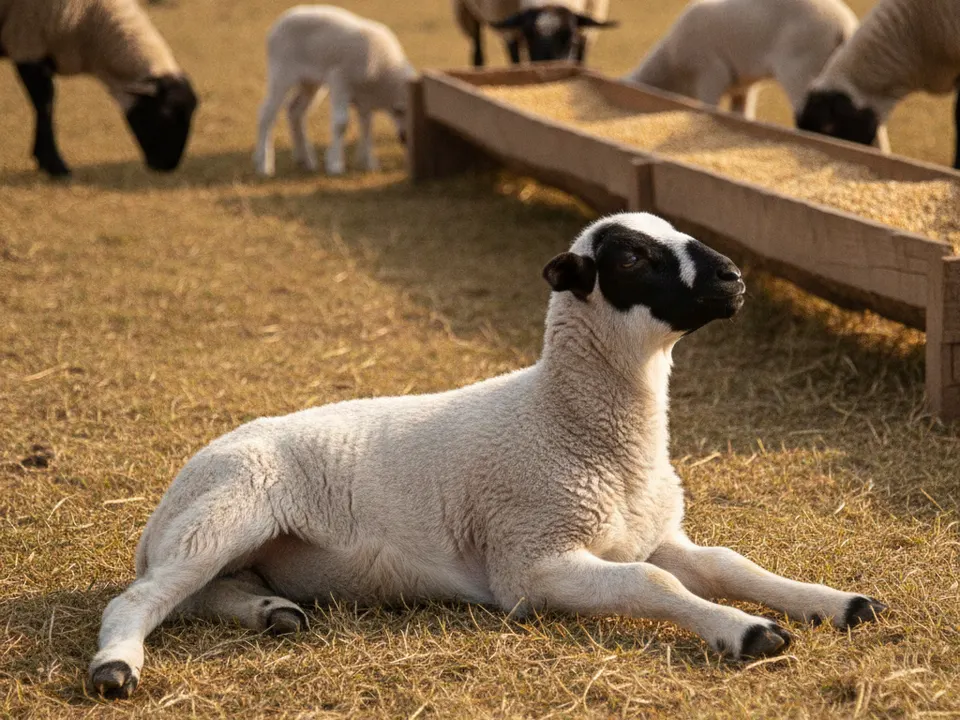
- Lying on the side, unable to rise, with the legs paddling as if running.
- Fits (convulsions), with the head and neck pulled backwards and the legs held stiff.
- Fast or noisy breathing as fluid builds up around the lungs and heart.
- Coma and death, usually within a few hours of the first signs, sometimes within minutes.
- A carcass that bloats and decomposes quickly, especially in hot weather.
- In the rarer slower form, usually in older sheep, wandering, blindness and head pressing may last a day or more, and a few animals survive with lasting brain damage.
What to do right now
- Call your vet or the County Veterinary Officer at once, because the remaining flock is at risk and quick advice can stop further deaths.
- Immediately reduce or stop concentrates, dairy meal and grain, and give the flock good quality hay or mature grass instead, so the gut slows down.
- Move the flock off lush, fast-growing pasture onto rougher, more mature grazing until the vet advises otherwise.
- Make sure all sheep have clean drinking water and shade, and keep any sick lamb quiet in a cool, sheltered place where it cannot injure itself during fits.
- Do not force liquids down the throat of a lamb that is down, fitting or cannot swallow, as it may choke or inhale the fluid.
- Do not open, skin, eat or sell any animal that has died suddenly; cover it, keep dogs and children away, and wait for the vet to rule out anthrax.
- Wear gloves when handling carcasses, wash your hands with soap afterwards, and dispose of carcasses by deep burial or burning as advised by the vet.
- Record which lambs died, their ages, what they were fed and when, and check your vaccination records so you can share them with the vet.
How it spreads
- It is not passed from sheep to sheep like a contagious infection; the bacteria are already present in the gut and soil of almost every farm.
- The main trigger is a sudden change to richer feed, such as starting or increasing dairy meal, maize, sorghum or other grain without a gradual build-up.
- Moving sheep onto lush, fast-growing pasture after the long or short rains, or onto young irrigated grass, crop residues or green fodder, can set it off.
- Lambs suckling heavy-milking ewes, especially single lambs that get all the milk, are at high risk because they take in large amounts of milk at once.
- Irregular feeding, for example hungry sheep given a large meal after a delay, missed feeding days, or sheep breaking into a grain store or maize field, can trigger cases.
- Stress from transport, weaning, drenching or sudden weather changes, combined with rich feed, increases the risk.
- Heavy worm burdens and other gut upsets may slow gut movement and allow the bacteria to build up, though feed change remains the main cause.
- Unvaccinated flocks, or lambs born to unvaccinated ewes, have no protection against the toxin and suffer the most losses.
Could it be something else?
Anthrax
Anthrax also causes sudden death, but dark, tarry blood that does not clot may ooze from the nose, mouth or anus, the carcass may not stiffen normally, and it can affect sheep of any age and other species on the farm. Anthrax is notifiable and dangerous to people, so never open a carcass if anthrax is possible; let the vet decide and test first.
Heartwater (Cowdriosis)
Heartwater is spread by bont ticks (Amblyomma), so ticks are usually present and it is not linked to feed changes. Sheep often show high fever for a day or more, then nervous signs such as chewing movements, high-stepping and fits. At post-mortem both diseases can show fluid around the heart, so a vet's tests are needed to tell them apart.
Grain overload (rumen acidosis)
This follows the same trigger of eating too much grain, but affected sheep usually live longer, with a swollen left side, severe watery sour-smelling diarrhoea, dehydration and weakness over a day or two. The two conditions can happen together after a grain break-in, so the vet may treat both.
Polioencephalomalacia (vitamin B1 / thiamine-related brain disease)
Sheep show blindness, star-gazing, head pressing and fits similar to pulpy kidney, but signs often develop over one or more days rather than hours, and affected sheep can respond quickly to vitamin B1 treatment from a vet. Sugar in the urine points more towards enterotoxaemia.
How it is diagnosed
Because most lambs are found dead, diagnosis is usually made from the history and a post-mortem examination. The vet will ask about recent feed changes, the age and condition of the dead lambs, and the vaccination history of the ewes and lambs. In a live or freshly dead animal, the vet may test the urine for sugar, as high urine sugar is a strong clue. At post-mortem, typical findings include excess straw-coloured fluid with clots in the sac around the heart, small bleeding spots on the heart and gut, a full gut with rich feed, and soft, pulpy kidneys, although kidneys soften after death in many conditions so this alone is not proof. Confirmation needs laboratory tests that detect epsilon toxin in fluid from the small intestine, and sometimes tests to identify the type of Clostridium and microscope examination of the brain. Samples can be sent through your vet to the County Veterinary Laboratory, a Regional Veterinary Investigation Laboratory or the Central Veterinary Laboratories at Kabete. Before opening any carcass, the vet should rule out anthrax. To help the vet, keep the carcass cool and covered, away from dogs and scavengers, and do not cut it open yourself. Write down when each animal was last seen healthy, what it had been eating in the past week, any recent feed or pasture change, vaccination dates and products used, and how many animals are affected.
Treatment
Once clear signs appear, treatment usually fails because the toxin has already damaged the brain and blood vessels, so you should expect many affected lambs to die despite care. In lambs found early or in the slower form, a vet may give clostridial antitoxin (antibodies that neutralise the toxin) if it is available, though it can be difficult to find in Kenya. The vet may also use antibiotics such as penicillin to reduce bacterial growth in the gut, anti-inflammatory drugs, and fluids to support the circulation. For the rest of the flock, the most important action is usually to vaccinate all sheep with a clostridial vaccine straight away, even during an outbreak, and to change the feeding. Vaccine protection takes some days to develop, so feed changes are what protect the flock in the meantime. The vet may also give some lambs oral antibiotics short-term in a serious outbreak. All treatments must be prescribed by a vet. Antibiotics must only be used when truly needed and at the vet's direction, because misuse drives antimicrobial resistance, where bacteria stop responding to drugs that people and animals rely on. Treated sheep must not be slaughtered for meat, and milk from treated ewes must not be used, until the withdrawal period on the product label has passed; ask your vet for the exact period.
Medicines must be prescribed and dosed by a vet. Always respect milk and meat withdrawal periods, and finish the full course of any antibiotic.
How Agrikima products can help
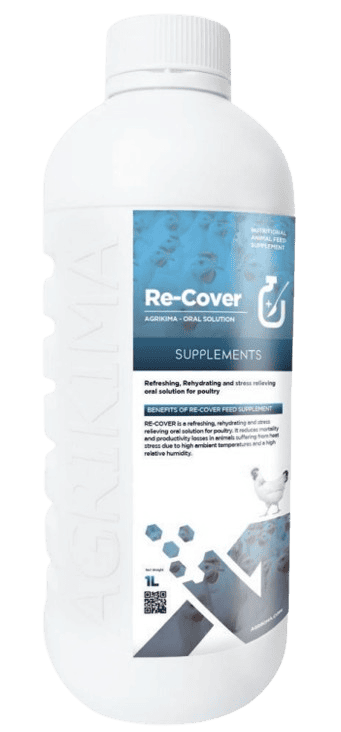
These support the animal alongside — never instead of — your vet's treatment, vaccination and good management.
Prevention
- Vaccinate every sheep with a multivalent clostridial vaccine (one that covers several clostridial diseases, including Clostridium perfringens type D) available from agrovets and vets, following the label and your vet's advice for the timing of doses.
- Give previously unvaccinated sheep a full first course, which normally means two injections a few weeks apart, and then regular boosters; a single injection on its own gives poor protection.
- Booster ewes a few weeks before lambing so that their colostrum carries strong protection to the lambs, and make sure every lamb suckles colostrum within the first hours of life.
- Vaccinate lambs when the protection from their mothers starts to wear off, before weaning and before any move to concentrates or rich pasture, as guided by your vet and the vaccine label.
- Introduce any concentrate, dairy meal, grain or new rich feed slowly over about two weeks, starting with small amounts and increasing gradually, and always provide good roughage such as hay.
- Feed at regular times every day, split concentrates into two or more small feeds, and avoid letting hungry sheep gorge after a missed feed.
- At the start of the long and short rains, limit time on very lush pasture at first, give hay before turning out, and move sheep gradually onto new green grazing.
- Store grain, dairy meal and maize securely so sheep cannot break in, and keep a regular deworming programme guided by your vet to keep the gut healthy.
Risk to people
Clostridium perfringens type D enterotoxaemia in sheep is not considered a disease that spreads to people. However, any sheep that dies suddenly could have died of anthrax, which is very dangerous to humans, so never open, skin, eat, sell or give away the meat of a sheep that died suddenly until a vet has ruled anthrax out. Wear gloves when handling carcasses and wash hands well with soap. If sheep are treated with antibiotics or other drugs, do not sell or eat their meat or use milk until the withdrawal period on the label has ended, to avoid drug residues reaching people.
Impact on your farm
Pulpy kidney causes heavy financial losses because it kills the best lambs, the ones that were growing fastest and would fetch the highest price at market or be kept as breeding stock. On a smallholder farm with only a few sheep, losing two or three fat lambs can wipe out a season's income. For commercial and fattening units, sudden deaths in a pen of lambs on concentrates can be severe and disrupt sales plans, for example ahead of festive season demand. There are also costs for vet visits, laboratory tests and carcass disposal, and the meat cannot safely be sold or eaten. Repeated outbreaks discourage farmers from improving feeding, which holds back growth rates and farm productivity. Compared with these losses, clostridial vaccines are inexpensive, making prevention one of the best-value investments a sheep farmer can make.
Outlook and recovery
For lambs that show signs of pulpy kidney, the outlook is poor, and most die within hours even with treatment. A small number found very early, or with the slower form, may survive with vet treatment, but some are left with lasting brain damage, poor growth or blindness and may need to be culled. For the flock as a whole, the outlook is very good once feeding is corrected and all sheep are properly vaccinated with boosters; new cases usually stop within days of feed changes and vaccination taking effect. Well-vaccinated flocks with steady, gradual feeding rarely see this disease.
Common questions
Why does pulpy kidney always seem to kill my best lambs?
The disease is triggered by large amounts of rich feed or milk reaching the gut. The lambs that eat or drink the most, and grow the fastest, are exactly the ones that give the bacteria the most food to multiply and make toxin. That is why the biggest, healthiest-looking lambs are often the ones found dead, while thinner lambs are spared.
I vaccinated my ewes, so why did a lamb still die?
Protection from the ewe's colostrum only lasts for a limited time, so older lambs need their own vaccination. Also, ewes need a full first course plus a booster before lambing for strong protection, and lambs must suckle colostrum early. Vaccine that was stored out of the fridge, expired or given incorrectly may not work. Ask your vet to review your vaccination programme, and remember that even a good programme works best with gradual feed changes.
Can I treat pulpy kidney myself with antibiotics from the agrovet?
No. Once signs appear, antibiotics alone rarely save the lamb, because the damage is done by a toxin, not just by the bacteria. Using antibiotics without a vet's prescription can waste money, leave drug residues in meat and milk, and add to antimicrobial resistance. Call your vet, who can decide whether treatment is worth trying and, most importantly, protect the rest of the flock.
Is it safe to eat a sheep that died of pulpy kidney?
You should not eat or sell any sheep that died suddenly. You cannot tell by looking whether the death was pulpy kidney or anthrax, and anthrax can kill people. Even if a vet confirms enterotoxaemia, a sheep that died of illness is not fit for human food. Dispose of the carcass as your vet advises.
Should I vaccinate during an outbreak, or will it make things worse?
Vaccinating the whole flock during an outbreak is normally recommended by vets, because it builds protection for the animals that are still healthy. Protection takes some days to develop, so at the same time you must cut back rich feed and give more roughage. Your vet may also advise extra measures for high-risk lambs.
Do my goats need the same vaccine?
Goats also get enterotoxaemia and can be vaccinated with clostridial vaccines, but their protection tends to be shorter, so vets often advise more frequent boosters for goats than for sheep. Check the vaccine label to confirm it is approved for goats, and ask your vet for a programme that suits your herd.
A guide, not a diagnosis. This page is general information to help you recognise problems early. Always confirm with a vet or animal health worker before treating.